At some point in the last few years, teenagers became so invested in skincare that we had to actively dissuade them from raiding their mother’s bathroom cabinet and borrowing their retinol. This is a generation so ravenous for tutorials, reviews and routines that they now account for almost half of all US skincare sales growth.
The Rise and Rise of Medical Aesthetics
Words by
Clara Taylor
17th July 2026
Forget miracle creams. Clara Taylor examines the appeal of medical aesthetics, which lies in DNA tests, diagnostics and personalised treatment plans.
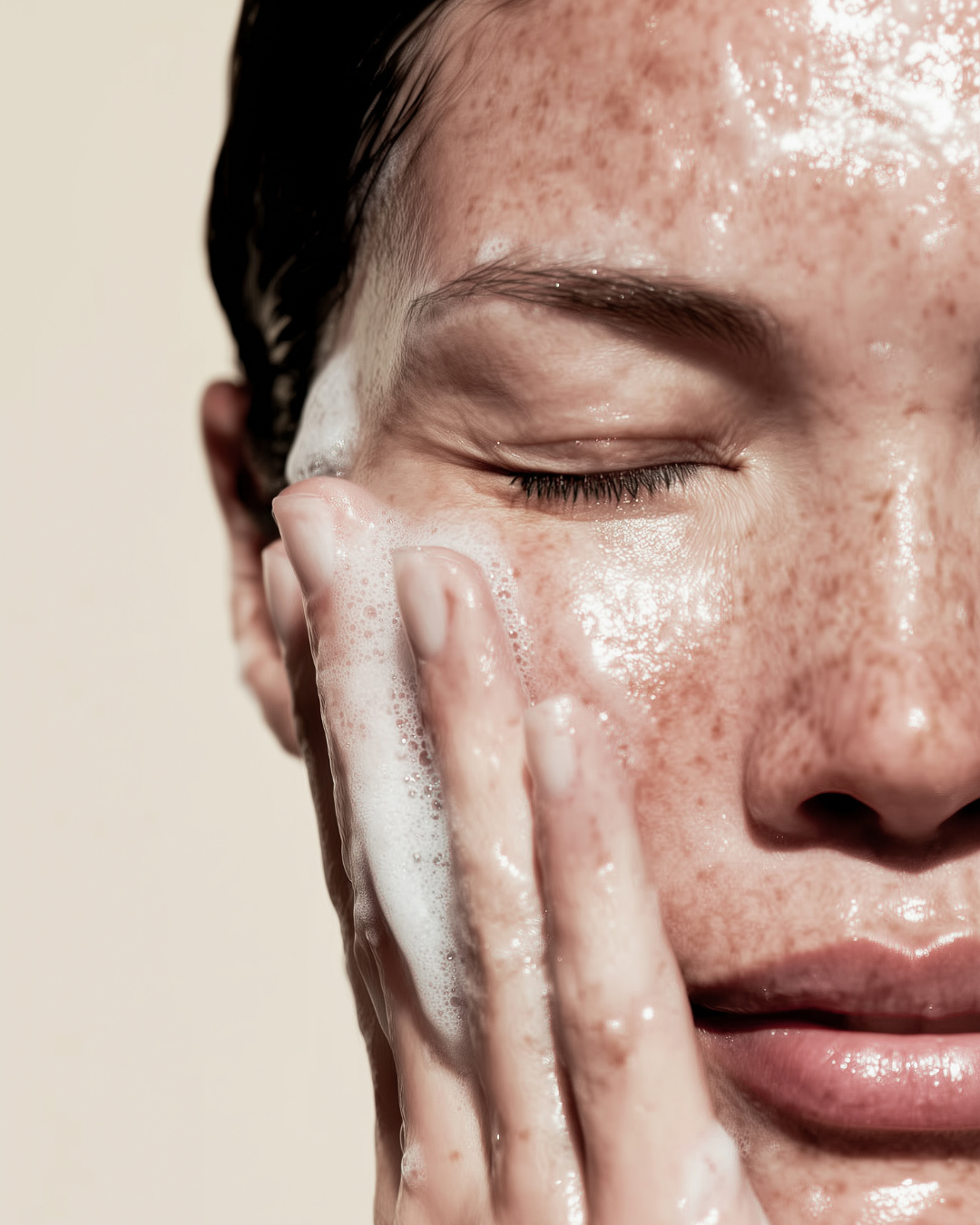
Medical aesthetics and skincare are only getting more advanced.
But it’s not just Gen Alpha that is rapaciously clawing at any serum, tincture or elixir that they can get their hands on. Consumers everywhere are treating their skincare shelf like a stock portfolio. And they’re demanding more from their product than ever before.
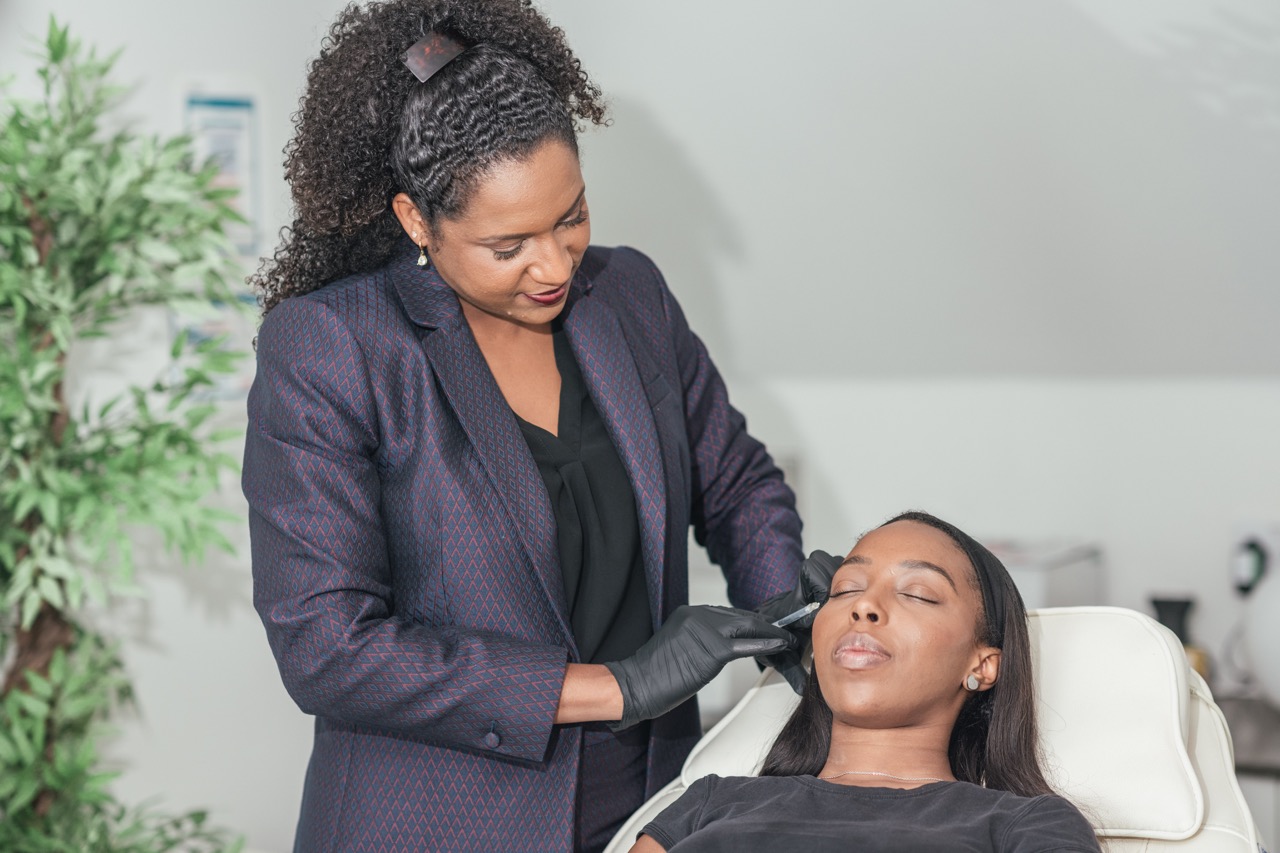
Dr Dara Suite at The Well. ©Visible by Hannah.
Perhaps it’s because the market is so saturated, or a growing distrust in…well, everything, but it’s become abundantly clear that the same old marketing fluff doesn’t cut it anymore. Aestheticians and dermatologists have noticed an uptick in the number of informed customers crossing their thresholds. Medical Director and Aesthetic Doctor at Notting Hill’s The Well, Dr Dara Suite, comments that clients are “asking more questions, want to understand why changes are occurring, and value a holistic, medically led approach over simply following aesthetic trends.”

The Well Clinic in Notting Hill. ©Visible by Hannah.
The draw to medical aesthetics, for me, is obvious. Although some may say we’re living in an era defined by the death of expertise, skincare tells a different story. This is a consumer base that has apparently shifted its trust from a glossy ad campaign or an influencer’s #gifted haul to a clinician with a medical degree or a peer-reviewed study supporting their practice.
No one better embodies this than Dr Milvia Di Gioia, Head of Regenerative Aesthetic Medicine at the shiny private clinic, Reborne, on Harley Street. It is in her plush waiting room that she tells me she won’t inject anyone with anything before running a full DNA test. My ears, of course, immediately pricked up. In the UK, we’re so used to cowboy injectors, holed up in nail salons or any given street corner for that matter, champing at the bit to take your money before you’ve finished describing what you want. “Just wait before reaching for the syringe. Patients are here to look better, but what may work cosmetically may carry a high price biologically,” she tells me.

Reborne's Harley Street Clinic. ©Reborne.
Dr Milvia’s entire philosophy is grounded in a desire to treat an issue holistically and in some cases, preventatively, as opposed to simply mitigating the symptoms – i.e. analysing lifestyle causes, inflammation indicators, hormonal imbalances. It’s an approach that feels particularly pertinent among perimenopausal and menopausal women, who can face a plethora of skin issues once oestrogen starts to decline. The standard industry response thus far has been to sell them yet another miracle potion. That’s where Dr Milvia diverges: “I could prescribe the most magical, expensive golden cream, but if there’s an underlying issue with your hormonal panel, it won’t work.”
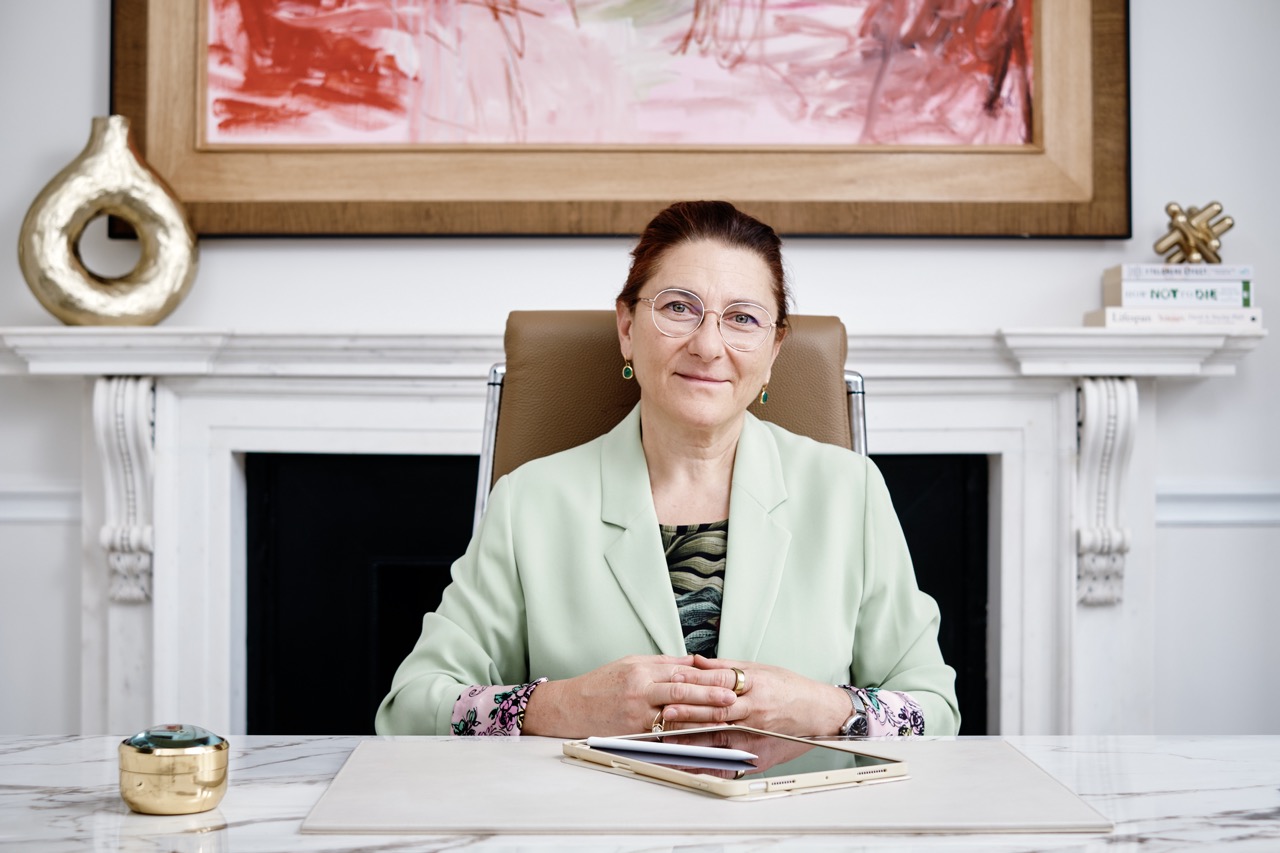
Dr Milvia Di Gioia, Head of Regenerative Aesthetic Medicine, Reborne. ©Reborne.
It's this whole-system view, the lens through which personalised treatments become a reality, that clinicians deem to be the future of aesthetic medicine. Dr Malvina Cunningham, Consultant Dermatologist for Renew + Me, a retinoid subscription service, believes that with greater patient detail and diagnostics, “we may become better at predicting how individuals respond to certain treatments, and we will be better at prescribing the right treatment first time”. Hopefully, this will eliminate the need for so much trial and error with different aesthetic treatments.
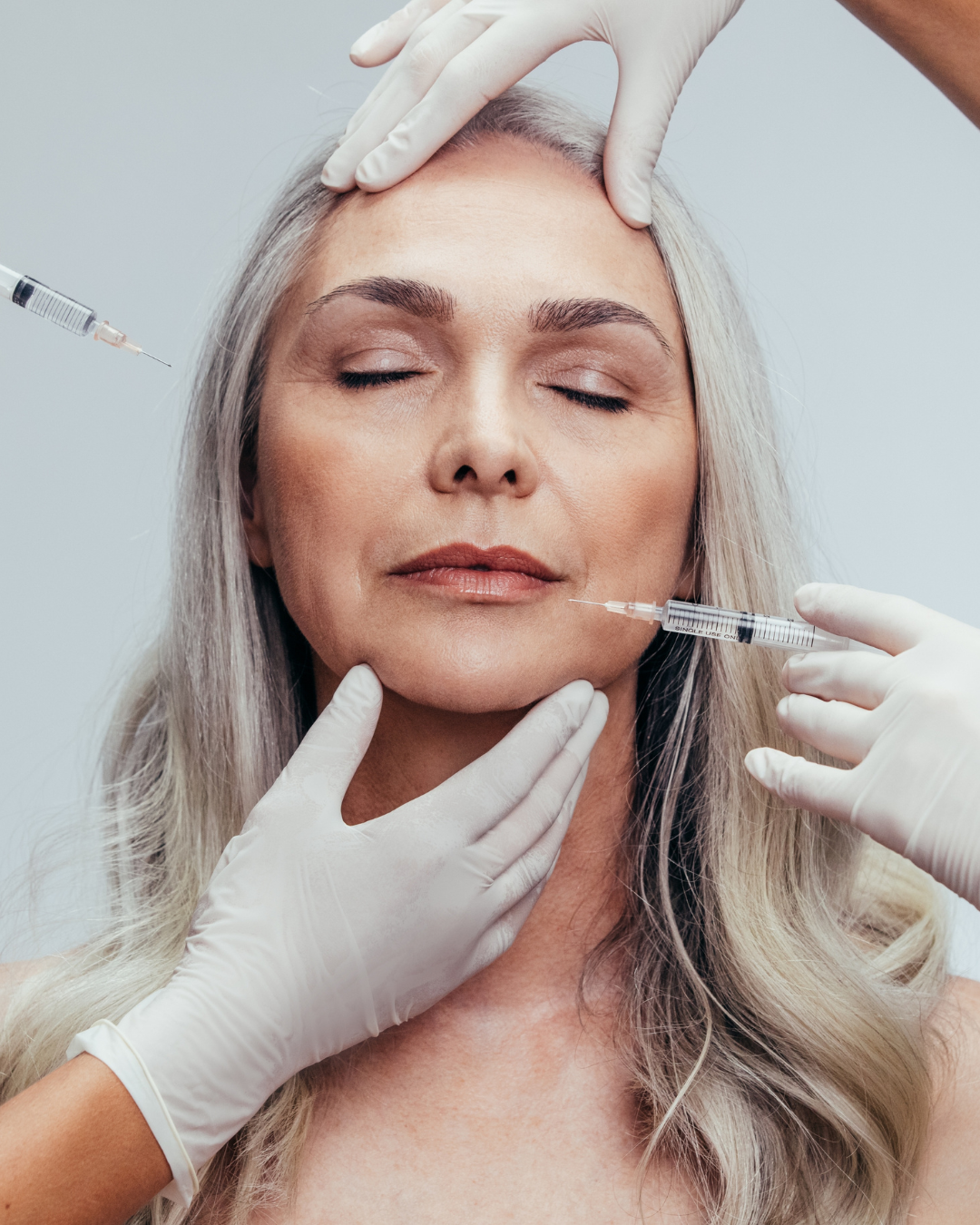
Treating the cause, not the symptom, menopausal skin is always better.
With the wealth of information at our or soon-to-be at our fingertips, an uncomfortable question is raised for an industry built on always selling more: how much of what's marketed as clinical-grade even holds up to scrutiny? Take supplements, for example. My social media is filled with ads for skin supplements, each promising to fix any skin concerns from the inside out, finally getting to the root cause of issues that have evaded me for years. The reality? Almost none of it is regulated with anything like the rigour we assume. "There is no regulatory board at all," Dr Milvia tells me, a gap she finds particularly troubling given how confidently these products are marketed and her anecdotal evidence of treating patients taking up to 17 supplements a day. Marine collagen, another heavily promoted category for anyone over the age of 25, carries its own murky sourcing questions that most brands have little incentive to address.
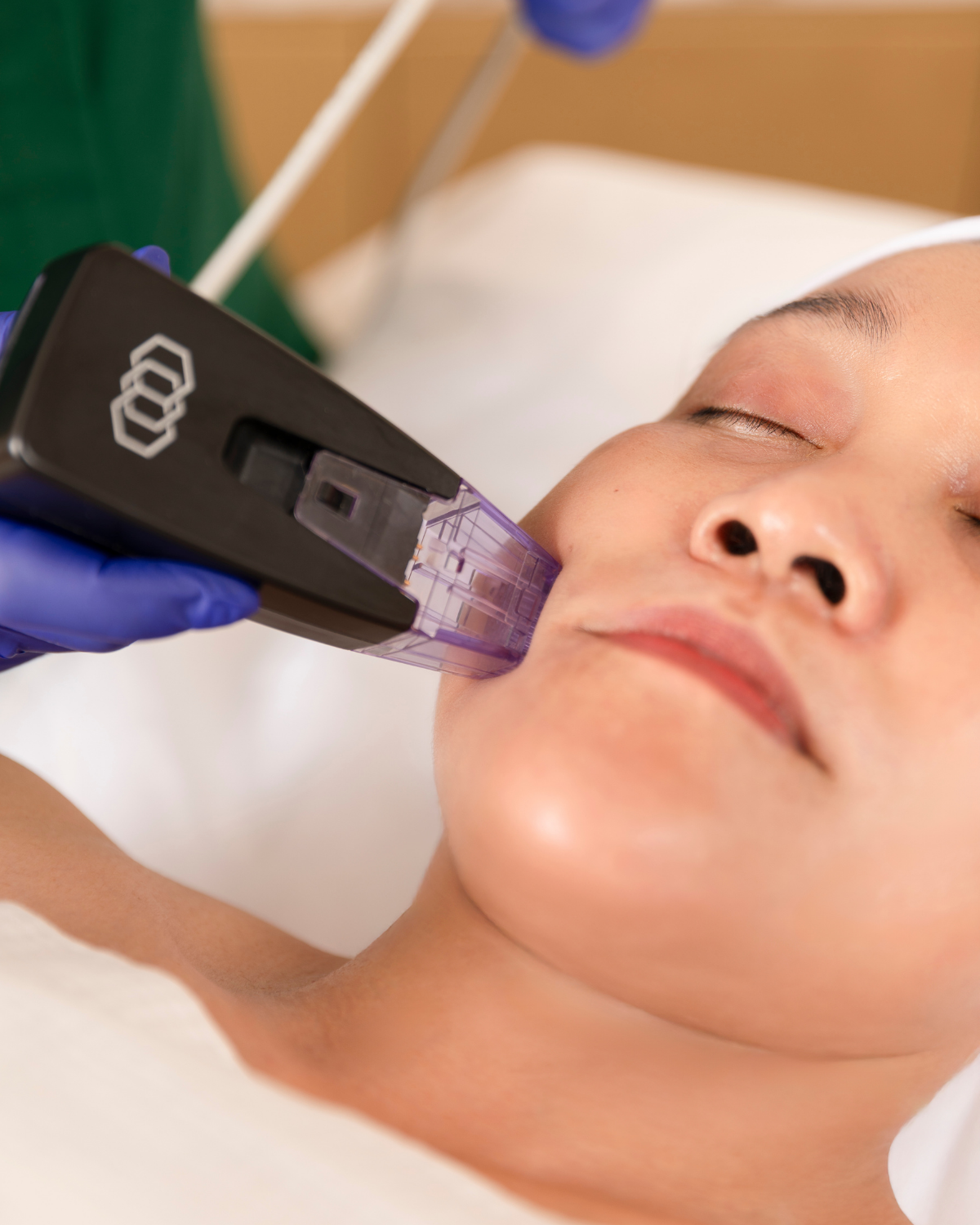
Reborne's Fraxel Laser. ©Reborne.
So, as our bathrooms look ever more like a lab as we seek a more medical, evidence-based approach to aesthetics, the role of our doctors has shifted slightly from prescribing what we don't yet know to interpreting (and sometimes re-educating) what we already think we do. "The increase in available information has also come with a downside, and there is a lot of misinformation out there," says Dr Malvina. "I help my patients interpret information that is available and make it meaningful to their personal health."

Patient waiting room. ©Reborne.
Ultimately, it points to a broader shift in what looking good means. In the last decade, we’ve typically rewarded the most visible of interventions: the plumpest lips or the smoothest foreheads. Instead, patients opt for “subtle, natural-looking results rather than dramatic transformation”, Dr Dara notes. It’s a move away from wanting to look done, towards simply wanting to look well-rested and healthy. In the sage words of Dr Milvia: “It’s about ageing well rather than not ageing at all.”