We are more than pattern designers, we are artists, now and for the future,” enthuses Marie Karlsson, Creative and Managing Director of the 150-year-old British wallpaper company Cole & Son. “Everything we do starts with a hand-drawn and painted design. We constantly reference our incredible centuriesold archive of printing blocks for inspiration. We live history and we live art,” adds the dynamic Karlsson, who has led the brand for close to a decade. Combining the two has been Cole & Son’s winning concept since block printing specialist John Perry founded the company in 1875.
Cole & Son British Wallpaper's Latest Collection
Words by
Fiona McCarthy
8th December 2025
All creatures great and small grace renowned Cole & Son British wallpaper company's latest collection of elegant yet playful creations.
Presented by Cole & Son.
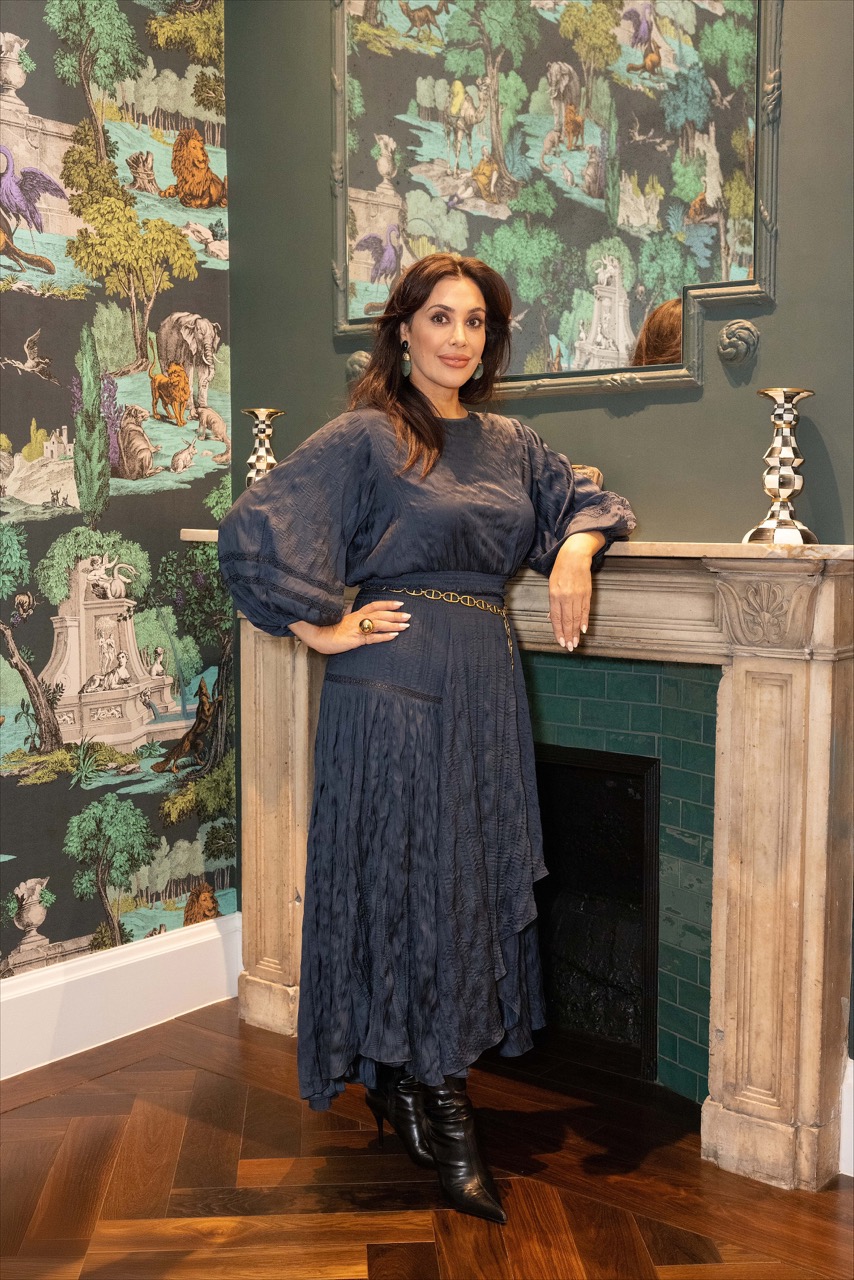
Marie Karlsson, Cole & Son's Creative and Managing Director.
“We take inspiration from the past but then make it relevant for today’s and tomorrow’s audience. We have such an extensive timeless portfolio because we can go into the archive to pick out something nobody has seen before, which we can then recolour and make cool and relevant for today.”
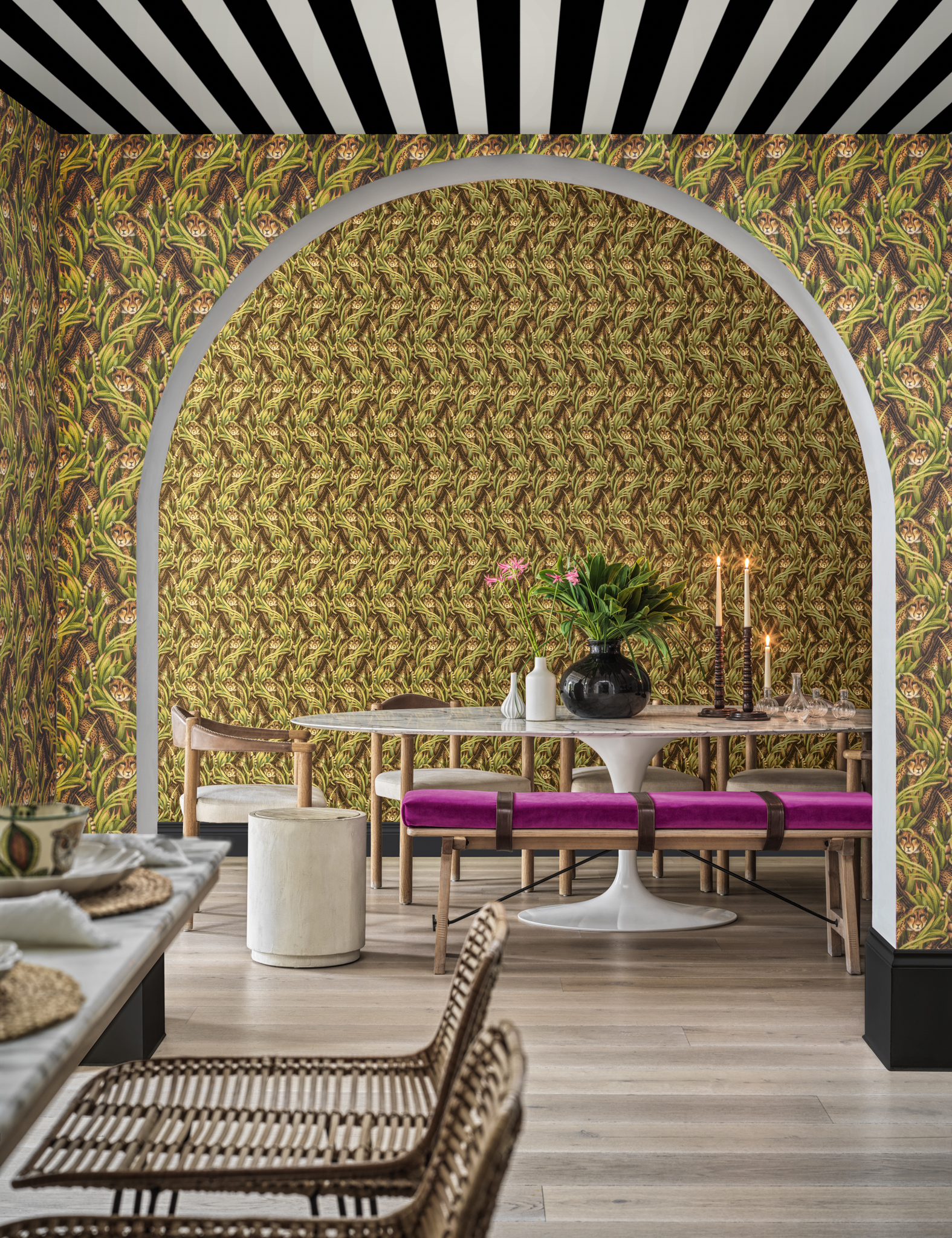
Cole & Son's 'Cheetah Prowl' wallpaper from their Baobab collection
Steeped in this prestigious heritage — Cole & Son’s wallpapers can be found in Britain’s most important stately buildings from Chatsworth House and Buckingham Palace to the Houses of Parliament — while remaining a driving force in innovation, sustainability and craftsmanship has long been the secret to the company’s success. Cole & Son’s papers are sought after around the world by leading interior designers such as Martin Brudnizki (best known for Annabel’s, The Ivy, La Fantaisie in Paris and The Fifth Avenue Hotel in New York) and Kit Kemp, a big fan of the brand’s collaboration with Fornasetti, deploying colourful pufferfish and whimsical monochromatic clouds on the walls of her hotels’ bedrooms and restaurant bathrooms in London and New York.

Cole & Son's 'Protea Panthera' wallpaper from their Baobab collection.
From an elegant townhouse to a rambling country pile, Cole & Son’s designs fit perfectly into any interior. “They bring a feeling of comfort and sophistication but also a sense of escapism,” says Karlsson. This is particularly true of its latest collection, its third designed in collaboration with South African ceramics studio Ardmore, founded by Fée Halsted on her farm in the foothills of the Drakensberg Mountains 40 years ago. ‘Baobab’ is full of vivid, soulful magic, from exotic birds to slinky big cats, set within the rich, lush flora and foliage native to the landscape surrounding Ardmore’s home within the KwaZulu-Natal.
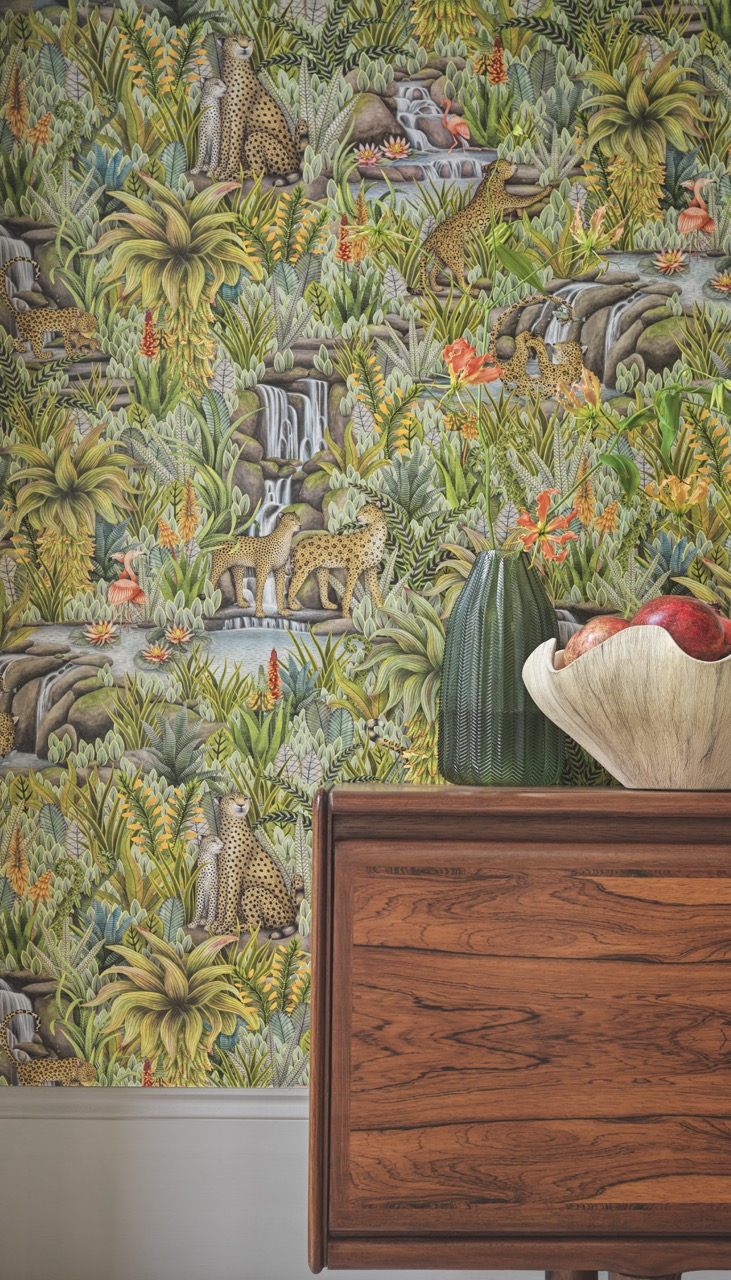
Cole & Son's 'Injisuthi' wallpaper from their Baobab collection.
Nine immersive, intricate and abundantly joyful wallpaper designs burst with regal cheetahs prowling through the long grasses of the Savannah; a tower of long-eyelashed giraffes enjoying a moment of pause among tall acacia trees, nibbling on their feathery leaves and fluffy pink pom-pom flowers; and leopards romping through a tropical playground of waterfalls and pools dotted with fiery red-hot pokers, water lilies and the occasional hot-pink flamingo. ‘Tree of Life’, the hero of the collection, is a generous repeat mural riffing on the folkloric mysticism of one of Africa’s most important symbols, the ancient baobab, iconic for its ‘upside-down’ bulbous base and outstretched canopy of leafy limbs.
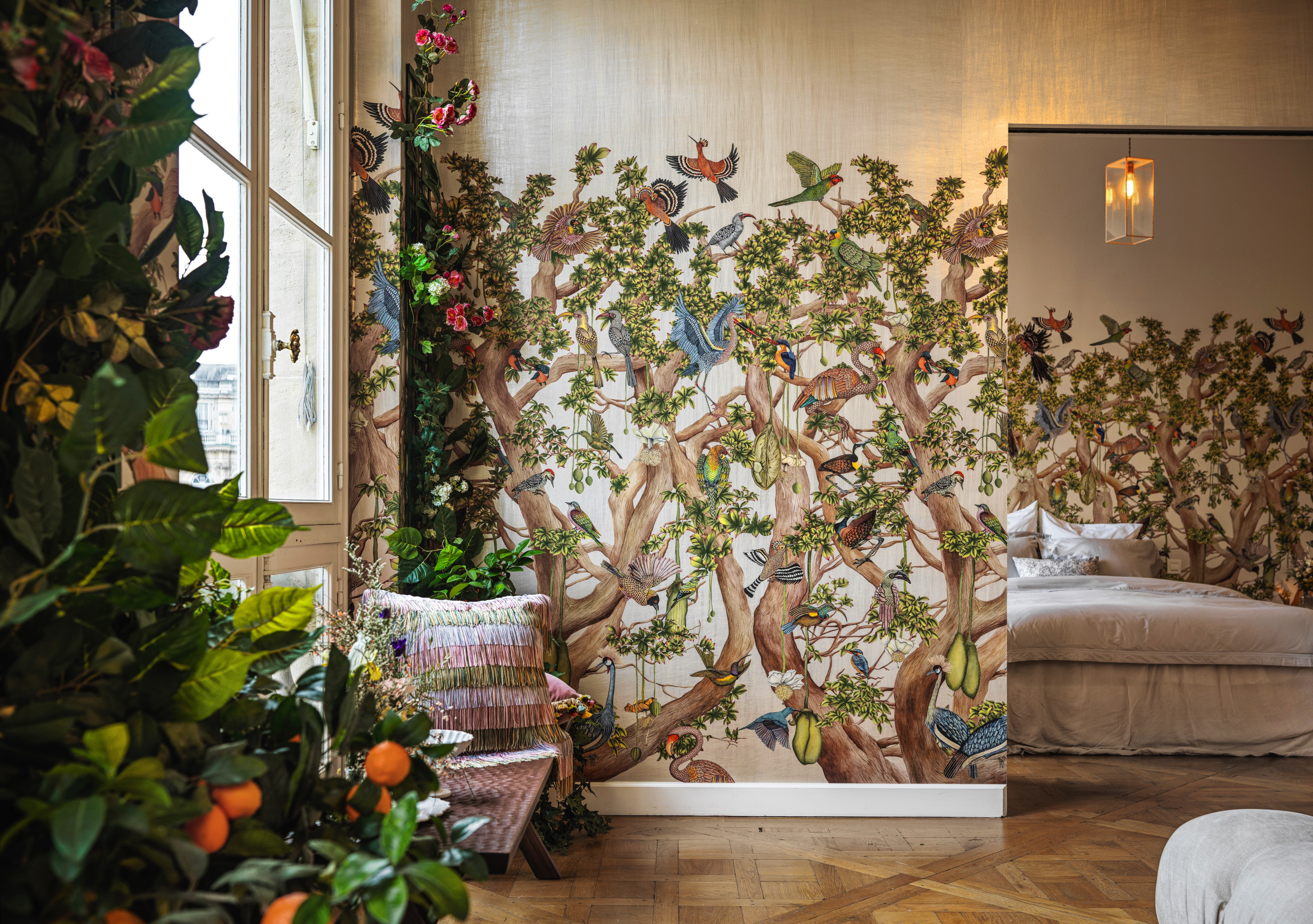
Cole & Son's 'Tree of Life' wallpaper from their Baobab collection.
A cacophony of crowned cranes, kingfishers, flamingos, wading jacanas, African hoopoes, striking storks, parakeets, parrots and love-birds in jewel hues fill its winding, overlapping boughs hanging with fruit, seedpods and powderpuff flowers. It took Cole & Son’s creative team, on the upper floors of the brand’s flagship gallery on Jubilee Place in Chelsea, close to 1,500 hours to hand-paint the design; much like the time it takes Ardmore’s artisans, including throwers, sculptors and painters, to hand-craft teapots and vases, bowls and jugs, whose A-list fans include Dame Helen Mirren and Eric Clapton.
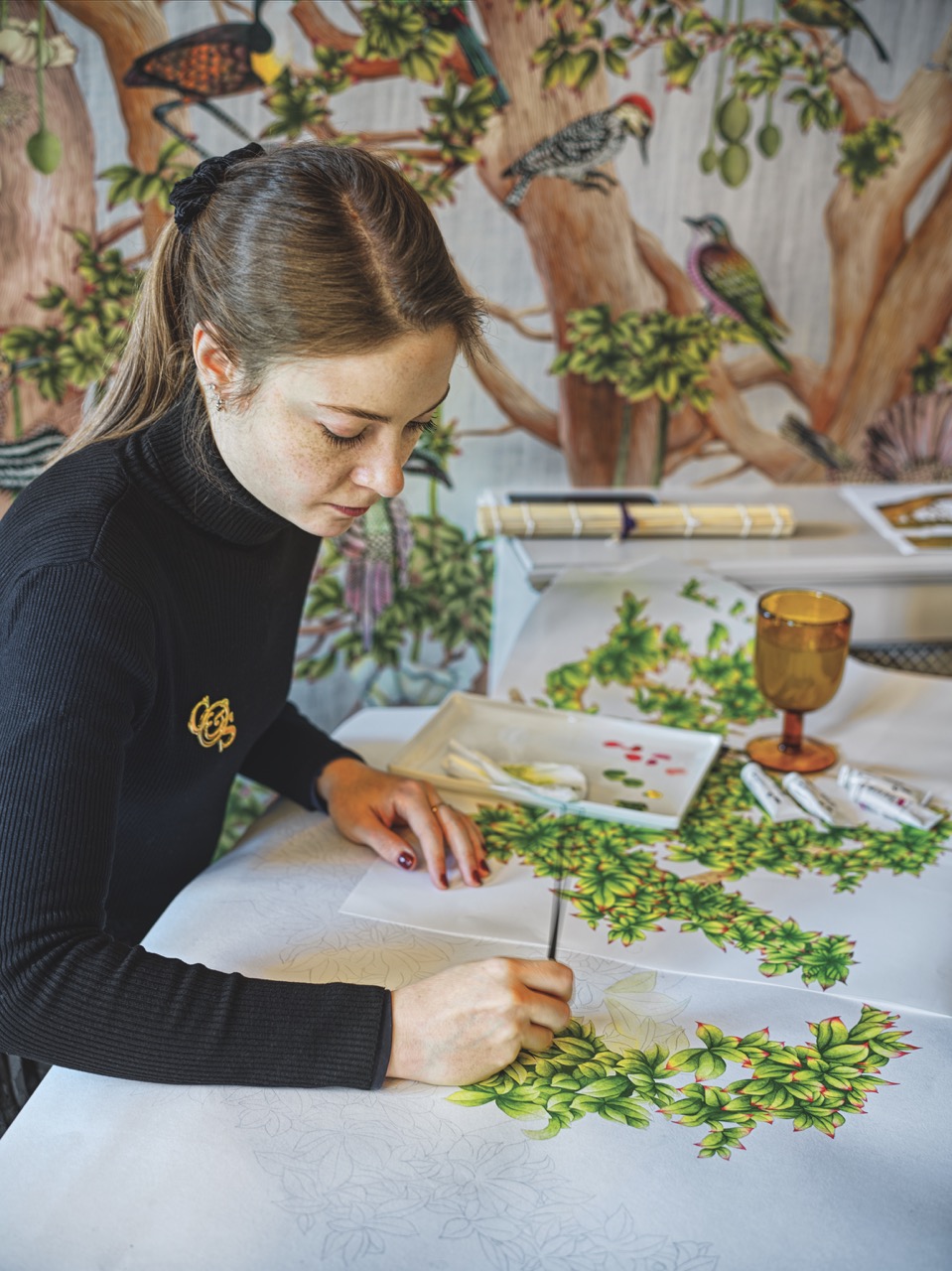
Cole & Son's highly skilled creative team hand paint the intricate illustrations.
It is the kindness of expression imbued on each animal or bird’s face — whether it’s the gentle eyes of a wise old owl or the cheeky grin of a chimp — that makes Cole & Son’s Ardmore wallpapers so appealing. “It’s not literally a leopard, it’s a fantasy leopard,” says Karlsson of how the design team bring these patterns to life. “We want to make everything elegant, not aggressive, but not lose the raw charm and character of Ardmore’s ceramics.”
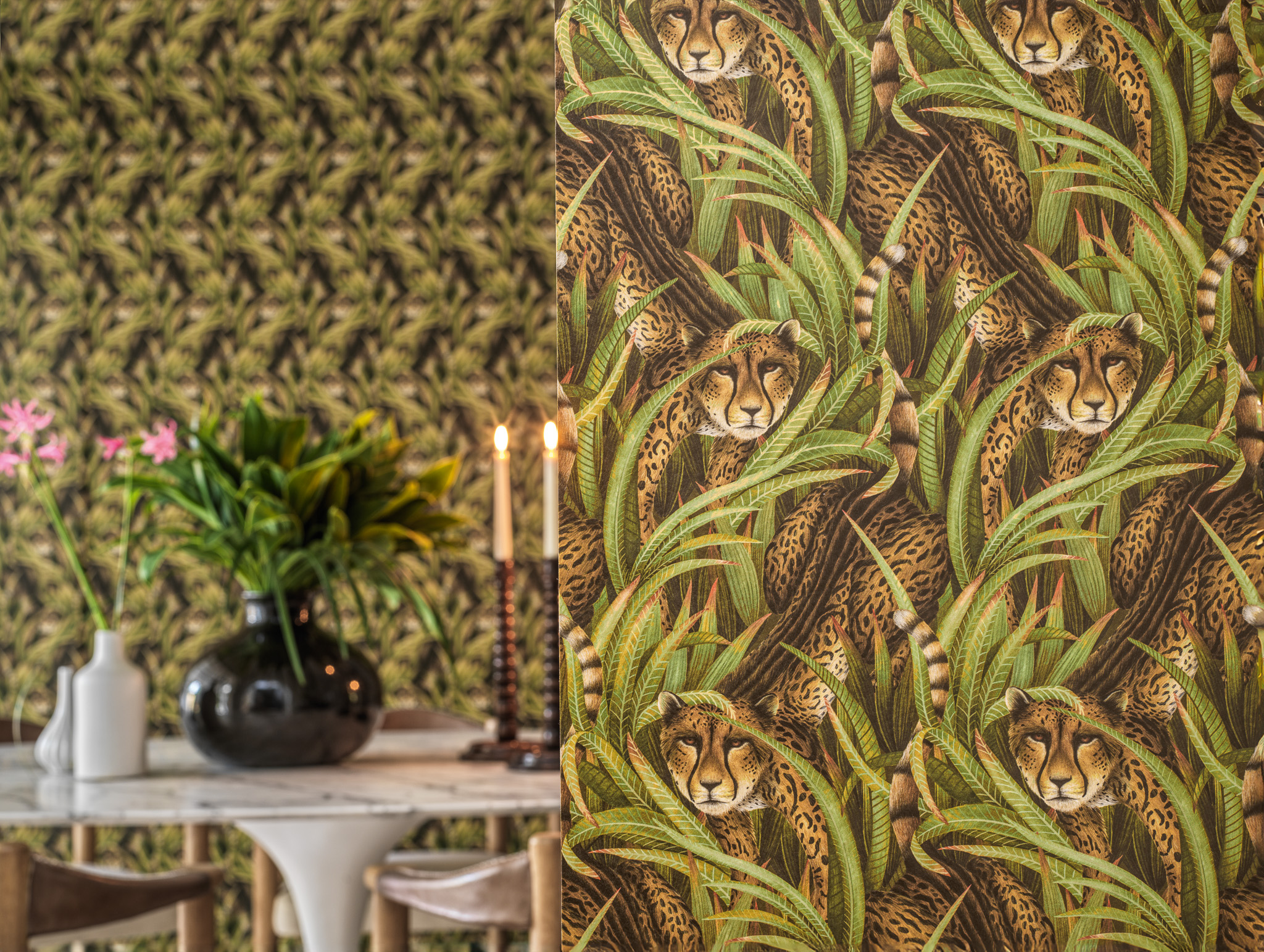
Cole & Son's 'Cheetah Prowl' wallpaper from their Baobab collection.
It is a process she describes as “design meets art”. “Our artists love to paint, and they have the freedom to explore ideas without having to be too prescriptive,” Karlsson adds. This includes drawing on the melting pot of cultures that filter through to the UK from all over the world. “The English style has always encompassed everything from Asian chinoiseries, Indian chintzes and Middle Eastern ikats, as well as Belgian linens, Italian jacquards and French cut velvets and silk, so we too take all those influences and make them our own.”
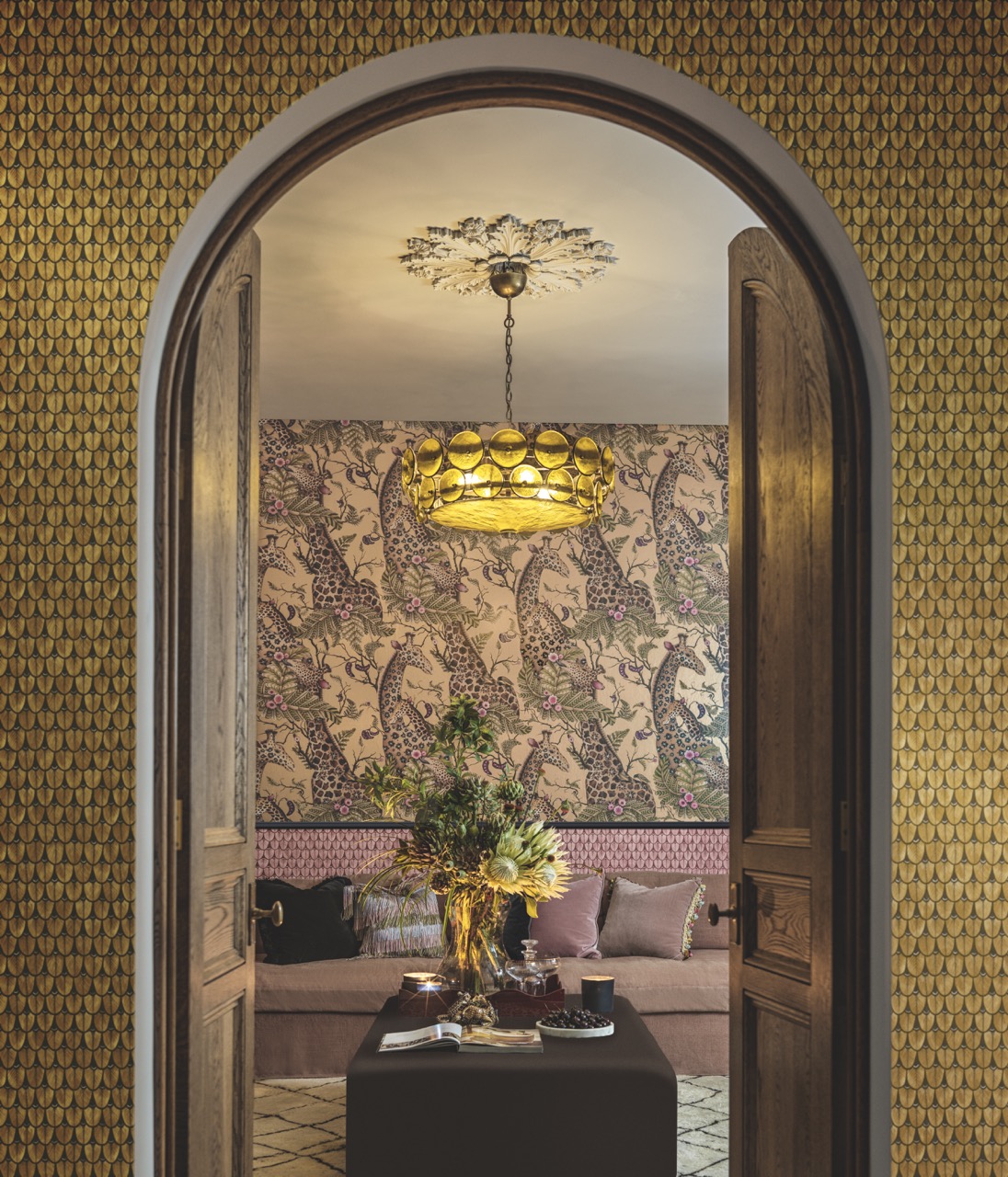
Cole & Son's 'Royal Giraffe' wallpaper from their Baobab collection.
This ethos threads its way through the recently launched Classics Collection Volume II, a flower-packed rendition of archival artwork across seven designs reworked by Cole & Son’s artists by hand. From a striking climbing trail of Chinese magnolias, brought to life in soothing shades such as charcoal, rose pink, powdery white, sky blue and lemonade, to bold, explosive vintage poppies with ruffled petals and leaves lending a regal touch in bold pinks, buttercup yellows, emerald and sapphire, there are also elegant patterns featuring a rainfall of lantern-like fuchsias and a large-scale ‘Moss Trellis’ design dating from the 1930s, which has been given a modern abstract appeal in earthy hues.
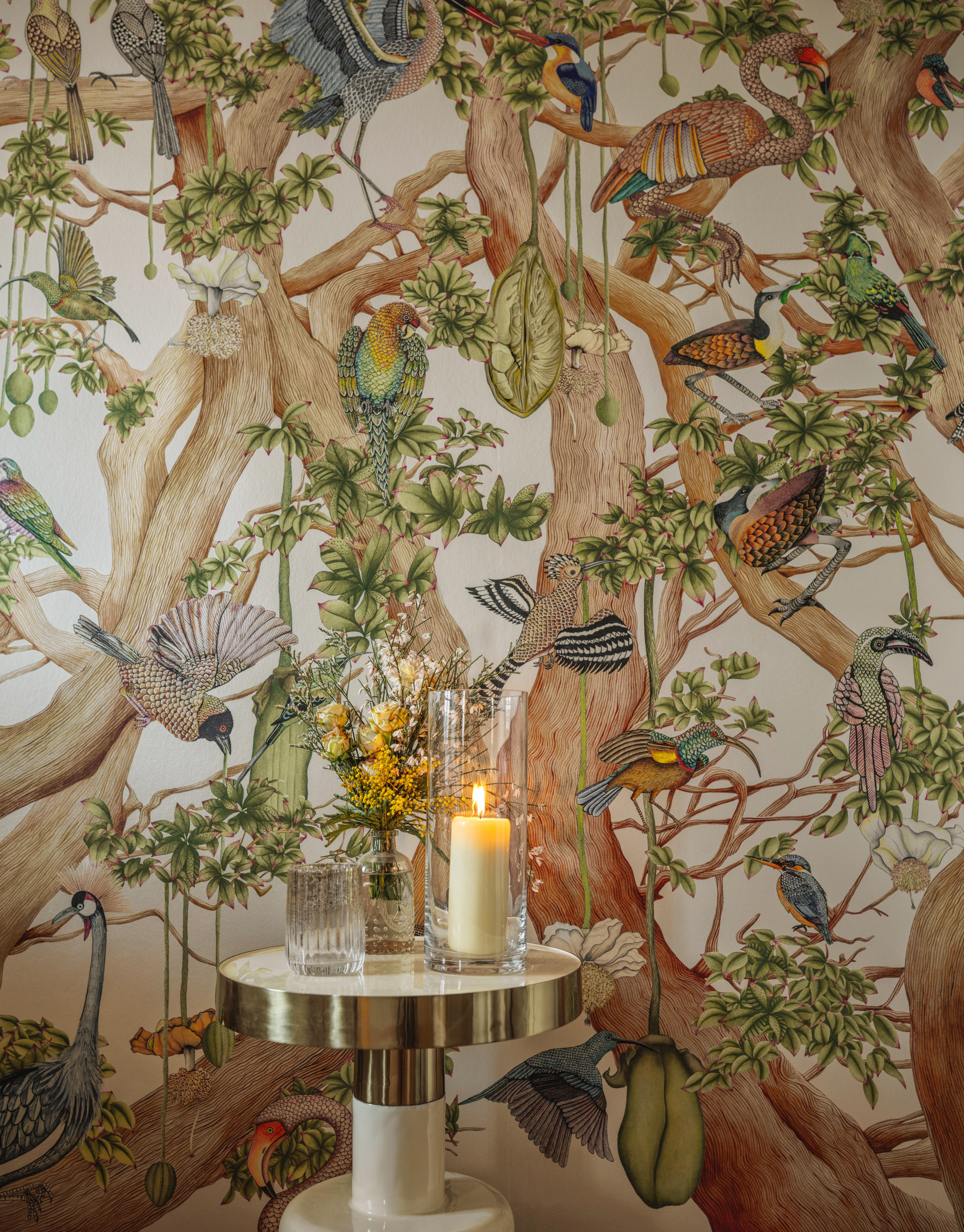
Cole & Son's 'Tree of Life' wallpaper from their Baobab collection.
Cole & Son’s skill also lies in understanding how an overall design will impact a space. “The way we draw a leopard walking through the jungle can form the pattern of an urban stripe or a small harlequin effect,” says Karlsson. Or it can be about capturing an ancient art such as the watercolour nature of brush painting in the new ‘Chinese Branch’ pattern or the perfectly imperfect overlapping of leafy, detailed linework in ‘Iris’, which then creates a full, lush wallcovering in gentle shades of lavender, duck-egg blue, dusky coral and chalk.
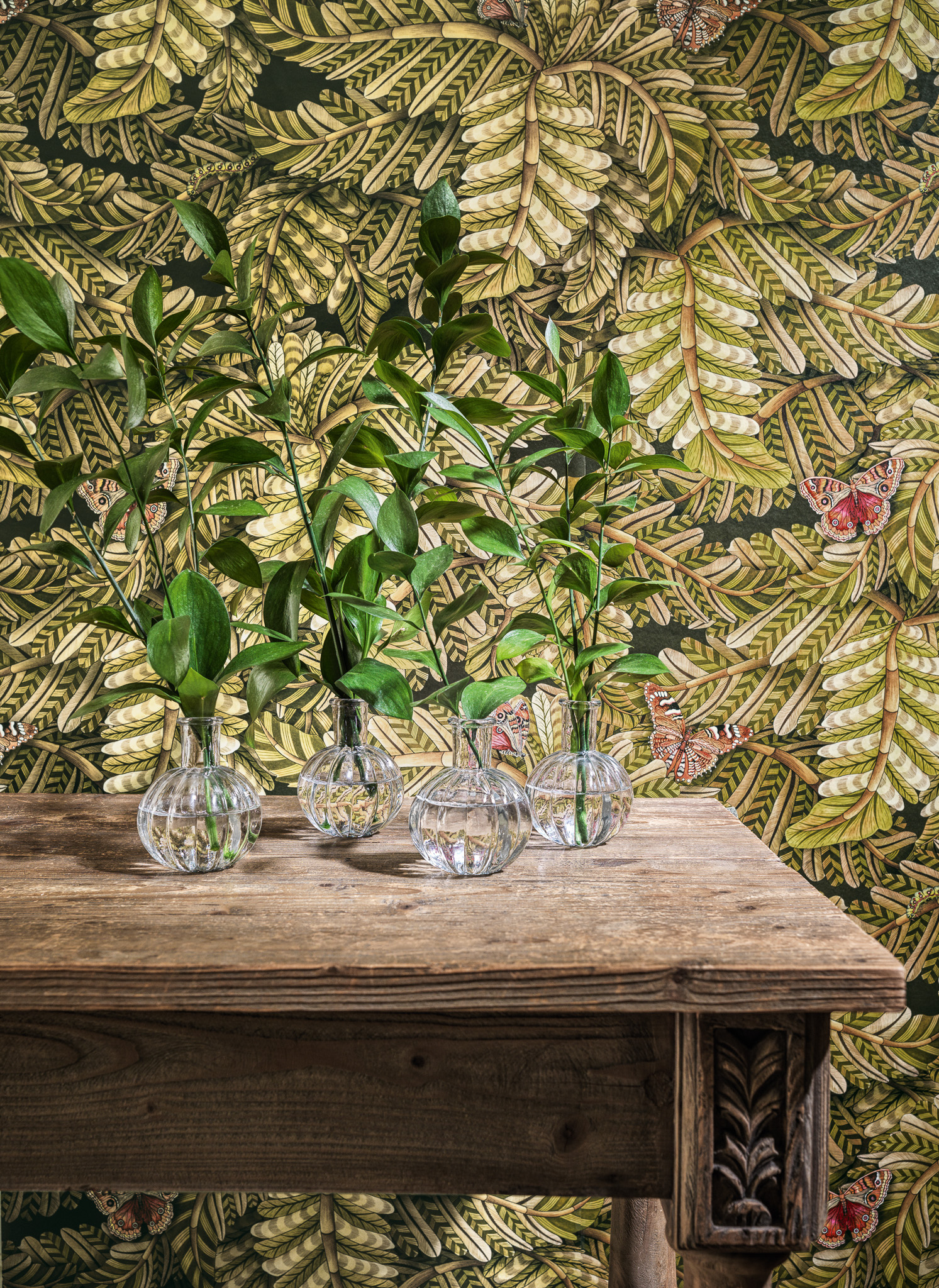
Cole & Son's 'Acacia Canopy' wallpaper from their Baobab collection.
“Sometimes we want to hide the visual format, so it is not as obvious, and sometimes we want to elevate it,” explains Karlsson. “But either way, the secret is not to irritate the eye. It has to feel comfortable.” And the greatest irony, she adds, is that “it can actually be more harmonious to have pattern rather than all white across walls because it relaxes your eyes and you don’t have to think. Home needs to feel like a sanctuary.” cole-and-son.com.