In conversation with the 698th Lord Mayor of London
Words by
Charlotte Metcalfe
13th November 2026
Charlotte Metcalf talks to Bronek Masojada, the new Lord Mayor of London about how the City welcomes people from all corners of the world, what the year ahead holds for him and his hopes for his mayoralty.
Photographs by Rick Pushinsky, and with thanks to Mansion House.
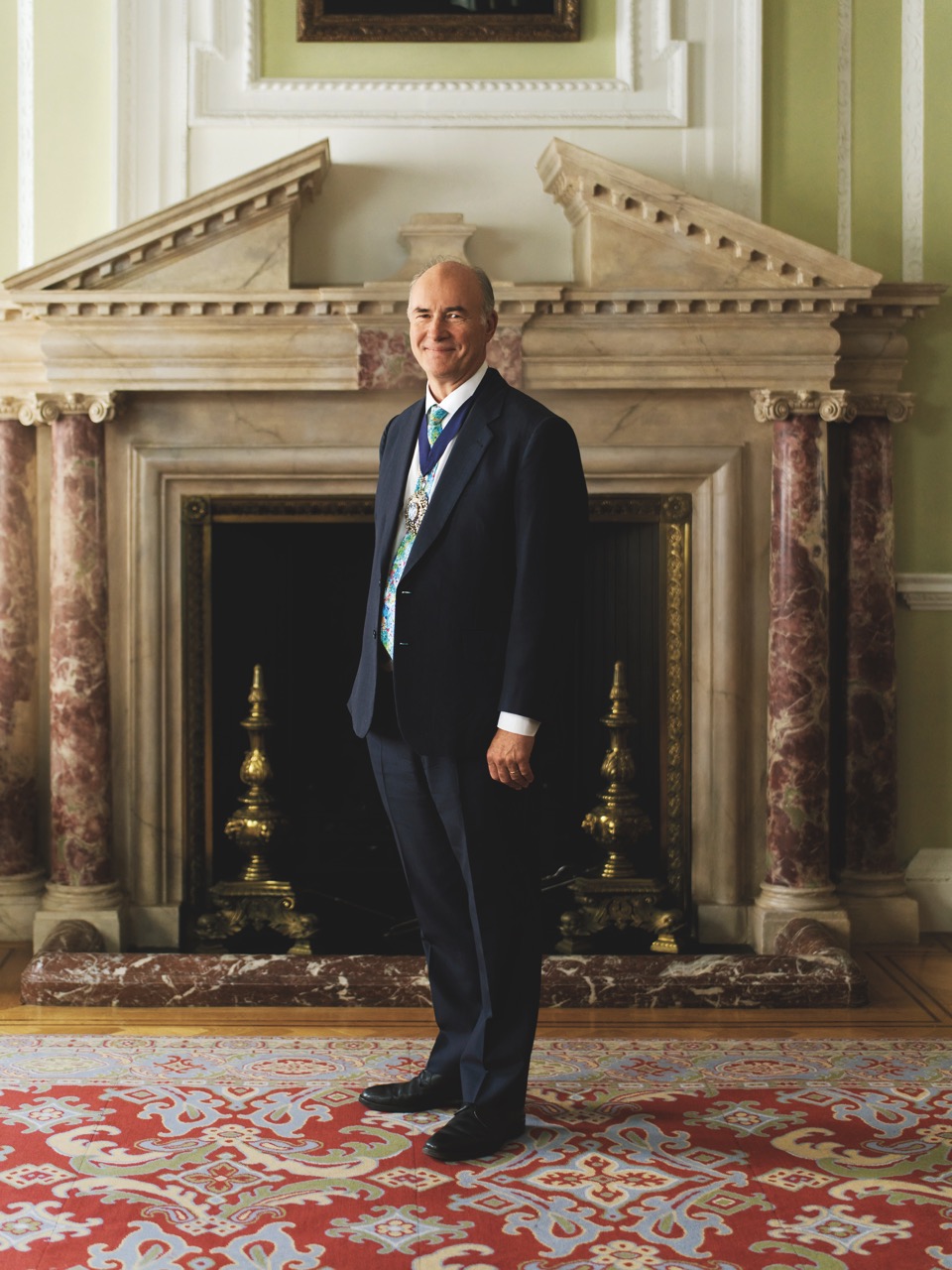
Bronek Masojada, the new Lord Mayor of London, was born and raised in South Africa and is very much not a City insider. ©Rick Pushinsky.
We spoke in 2023 when you were Sheriff and Alderman of Billingsgate Ward. Then you aimed to bring charities and businesses together to make the City more accessible to everyone. Will this still be your focus?
My aim is to champion Britain as a land of opportunity for talent and capital. I want to attract British and international capital to invest in our many investment, business and infrastructure projects all over the country and to help talent find jobs. Talent is the bedrock. Talent creates opportunities and attracts the capital. I’ve always believed in finding the smartest people, giving them a broad framework and sense of direction and leaving them to get on with it.
When I was Sheriff, I ran some seminars, informally bringing together businesses and charities to create programmes to help people into work. This has evolved into a more structured 12-month entry-level programme in the insurance sector. As Lord Mayor, I want to help it grow to place 100 people per annum by 2028. We want to match Investment20/20, which places 200 people per year in the fund management sector.
My aim is to champion Britain as a land of opportunity for talent and capital.
You were CEO of Hiscox and it’s astonishing how you grew it. When you joined in 1993 as Managing Director, Hiscox had 200 people in one office and after 21 years it had 3,500 staff globally and the revenue was up from £400 million to £3.5 billion. What was the journey that brought you to London and Hiscox?
I’m South African, though now British as well. My father was Polish, hence my name. He was deported, together with his mother and sister, from eastern Poland to Siberia by the Russians in 1941. The winds of war took them through Kazakhstan, Uzbekistan and the Middle East. There they were put on two ships, each of which had about 500 children aboard, and sent to South Africa. One ship was torpedoed but my Dad’s made it through. They were lucky.
After the war ended, my father stayed in South Africa, went to university and met my mother. She is the daughter of two immigrants from Mauritius to South Africa. She will be at the Show today. My Dad did well starting his own civil engineering practice. I went to Durban University and studied engineering. Subsequently, I was awarded a Rhodes Scholarship to Trinity College, Oxford to do a postgraduate degree in Management Studies.
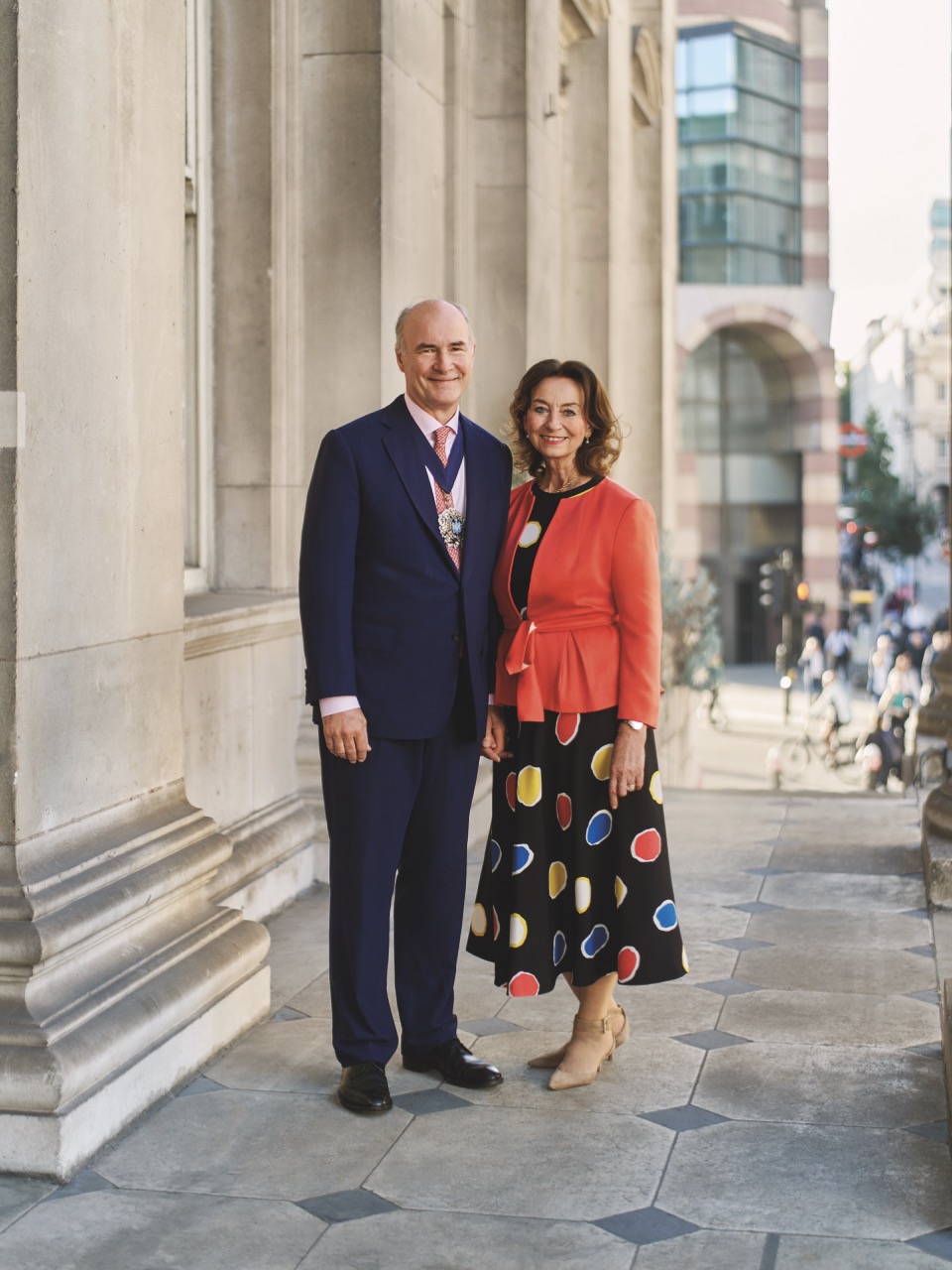
Bronek Masojada with his wife Jane, an artist who has illustrated the cover for this year’s Show programme. ©Rick Pushinsky.
Coming to Oxford was your first time in England, so what was it like arriving there?
I remember sitting on the bus going down the High Street, feeling nervous, wondering which building was my college. They all looked the same, and of course didn’t have signs. At the bus station, I got a taxi. I did feel foolish when it took me 100 metres down the road. But I settled in quite quickly and soon learnt that I could be happy anywhere.
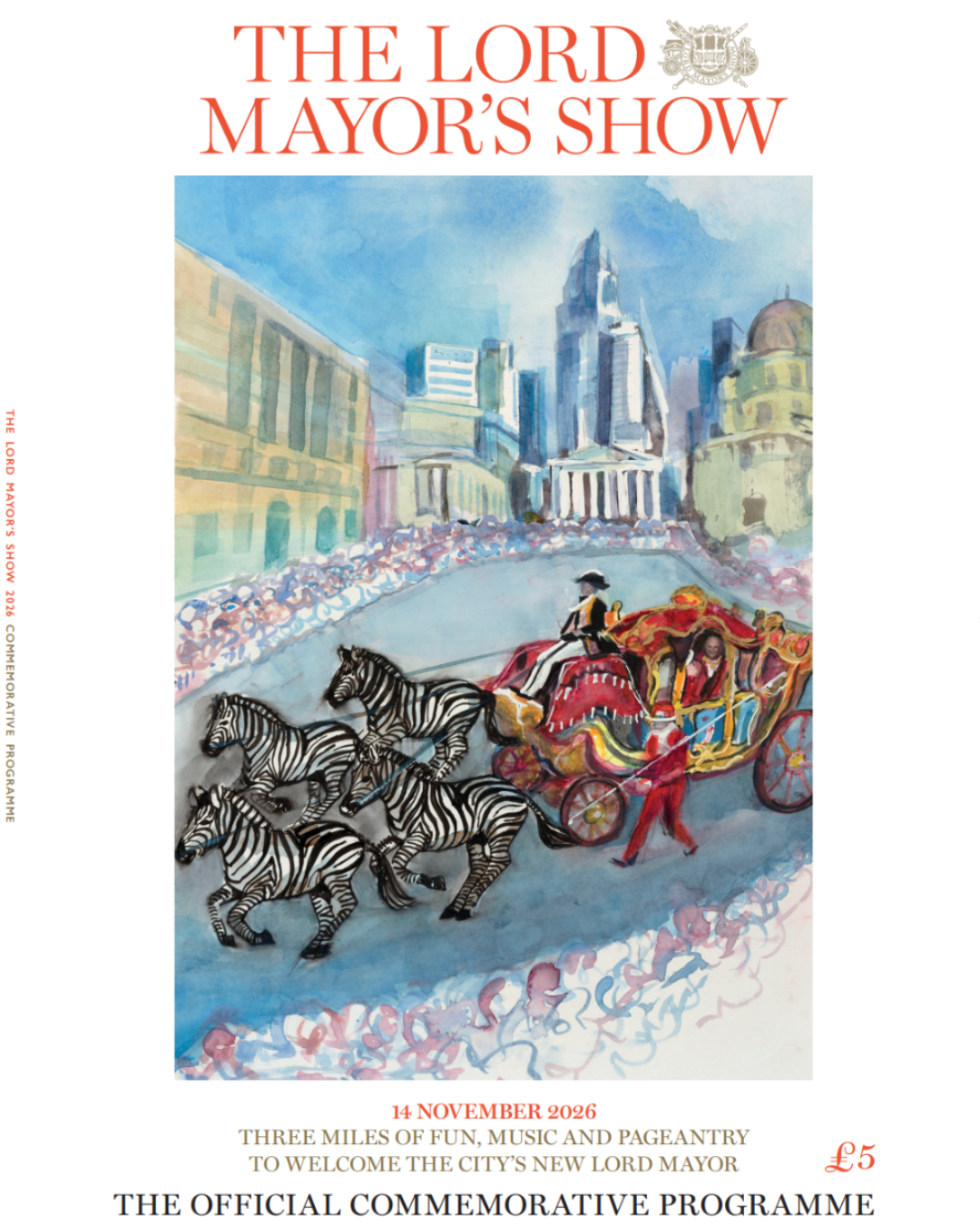
The cover of this year's Lord Mayor's Show programme, illustrated by Jane Masojada.
How did you get into insurance from there?
I went on a tour of Lloyd’s with Dad because he and I are engineers and so interested in its iconic building. On the bus on the way back to Oxford, I wondered if anyone had ever applied portfolio theory to investing in the insurance market. I realised that only an outsider would ask that question and made it the topic of my thesis.
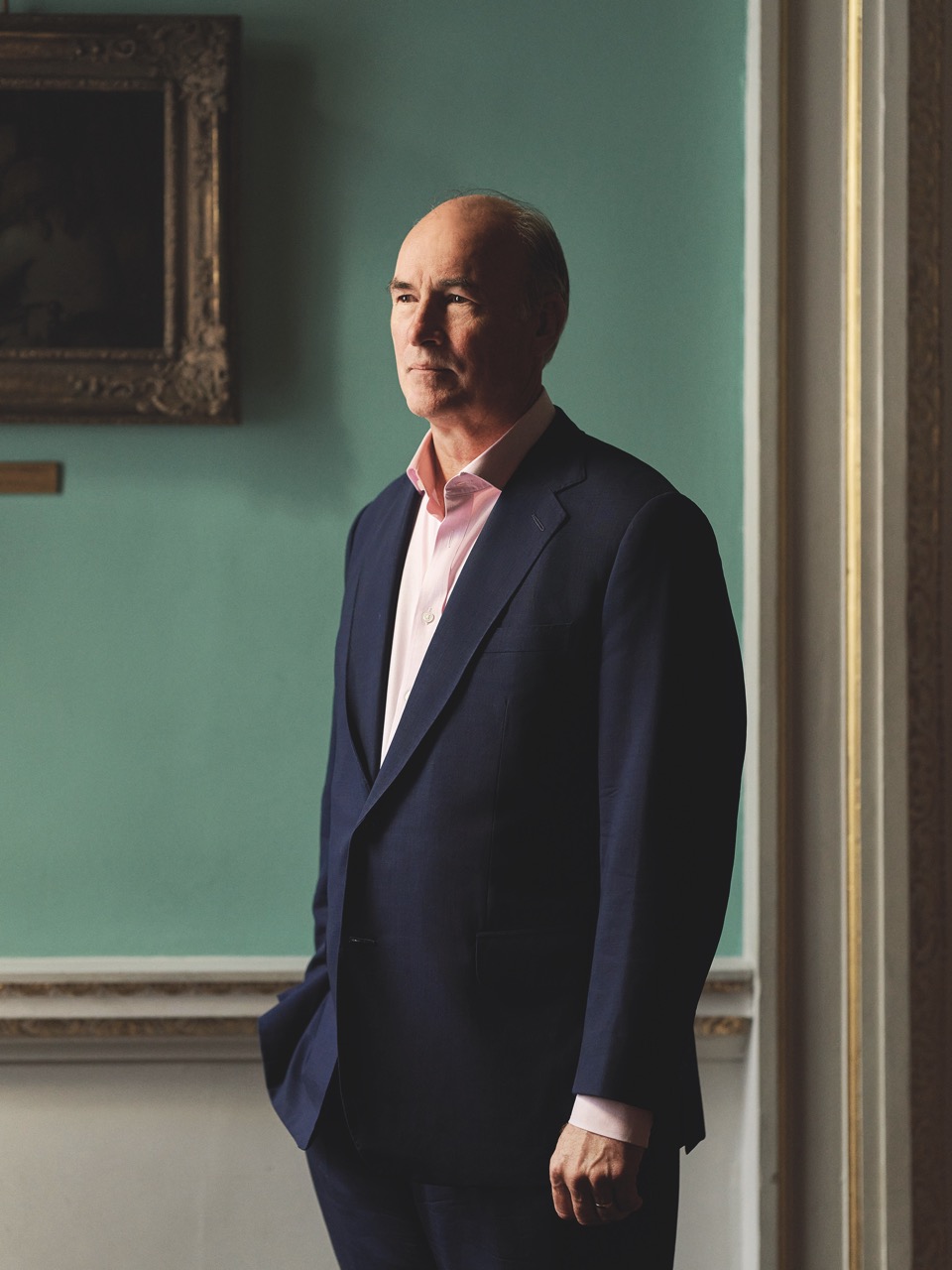
Masojada’s five children will act as wand-bearers on the day of the Show. ©Rick Pushinsky.
Why do you say only an outsider could do that?
Because at the time, in the 1980s, Lloyd’s was viewed as a posh, smart, insiders’ club and not as an investment opportunity. I did the thesis, met many people in the market but then went to work for McKinsey & Co, the management consultants, in Sydney with Jane, my wife.
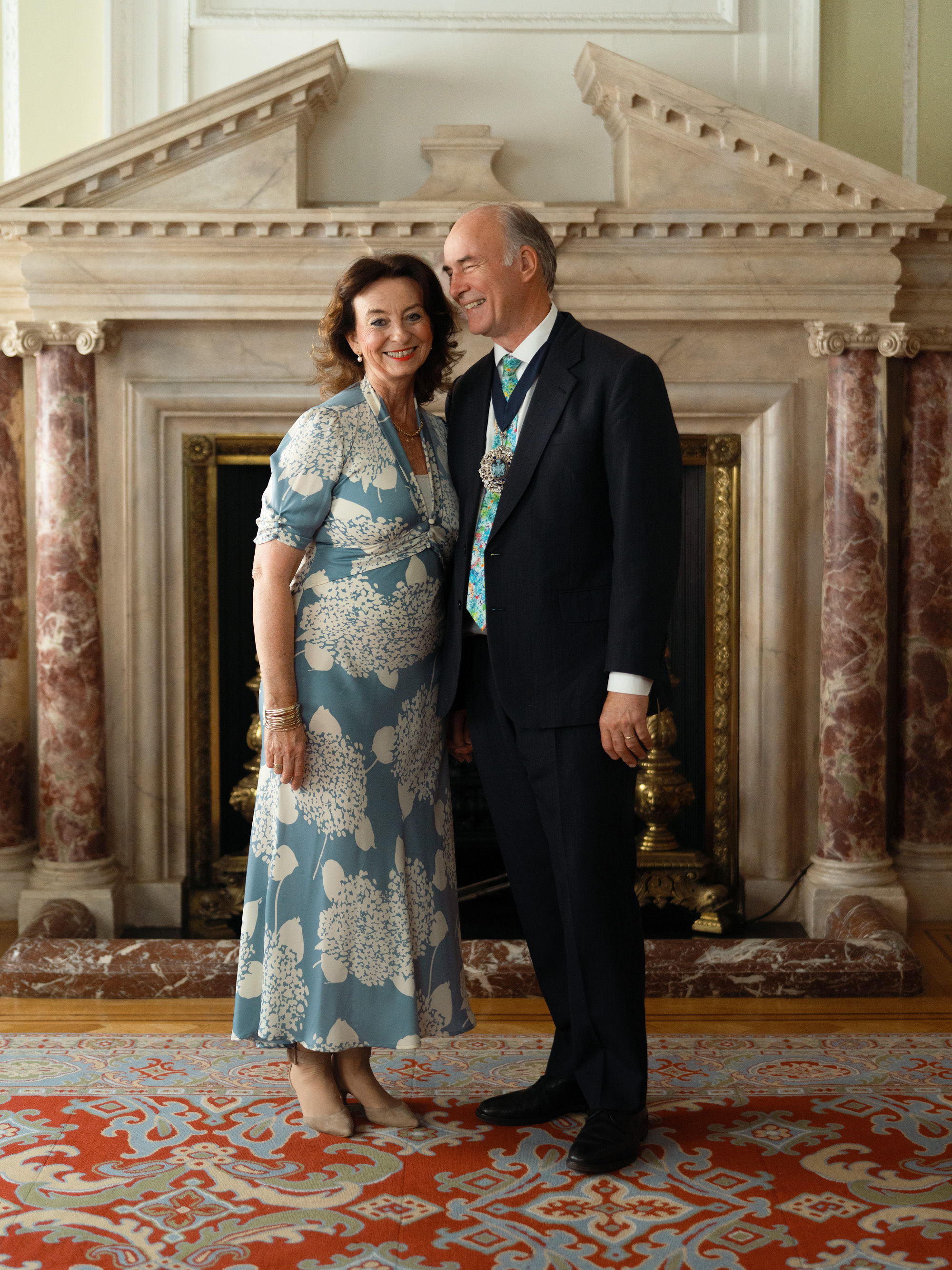
Bronek and Jane Masojada. ©Rick Pushinsky.
After just over two years, I was contacted by someone from McKinsey London who had been hired to advise Lloyd’s and had heard about my thesis. Jane and everywhere and doesn’t always look like what you expect. I ended up in London as part of the team. It was pure chance that Lloyd’s hired McKinsey, and that they remembered me. We stayed for two years and were planning to go back to Australia, via a period in Tokyo. Just before I was due to go to Tokyo, Robert Hiscox, whom I had met through the Lloyd’s project, took me to lunch and asked me to join the Hiscox Group as Managing Director.
And you grabbed the opportunity?
No, not straight away, because I was committed to McKinsey in Tokyo. In my heart, I knew I would take the job. I was 31, so it was an opportunity not to be missed. Robert took a bet on a young outsider with a really strong accent and an un-English way of doing things. He took that risk on me, so throughout my own career I’ve taken risks on people, backing talent over experience. Talent is everywhere and doesn’t always look like what you expect.
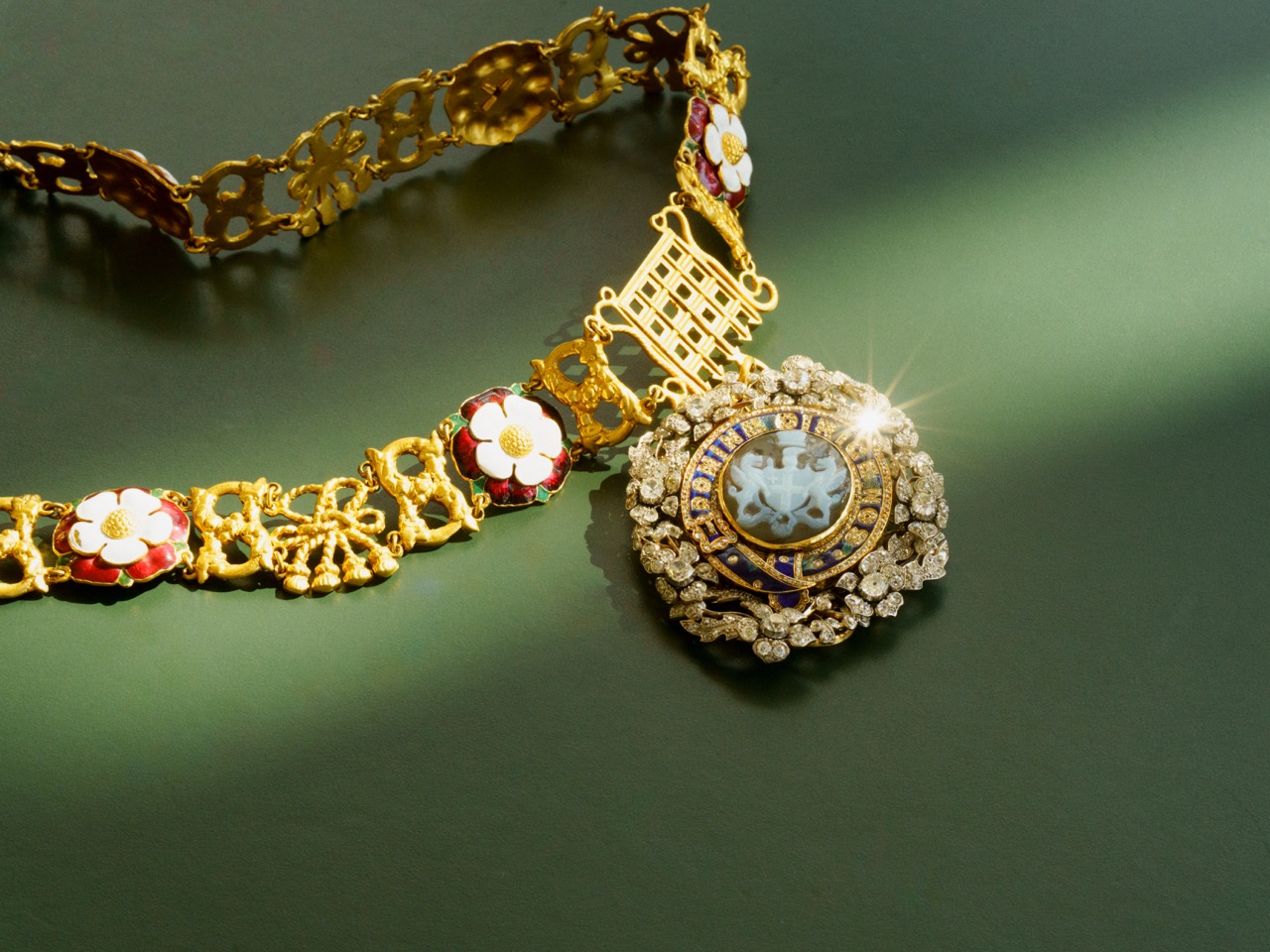
The Lord Mayor's chain. ©Rick Pushinsky.
You’re about to be the 698th Lord Mayor, so I’m interested in how your outsider qualities will translate into this very old institution and I’m wondering what made you stand in the first place?
Everyone brings different qualities to the institution. Just look at my predecessor, Dame Susan Langley. She comes from the East End and brought such a refreshing attitude to the role. And I hope I can do the same. I want people to see how far I’ve come and believe that wherever they’re from and whatever they look like, they can come here and build a career or a business. It’s back to having talent and seizing the opportunity. I want people to see how far I’ve come and believe that wherever they’re from and whatever they look like, they can come here and build a career or a business. It’s back to having talent and seizing the opportunity.
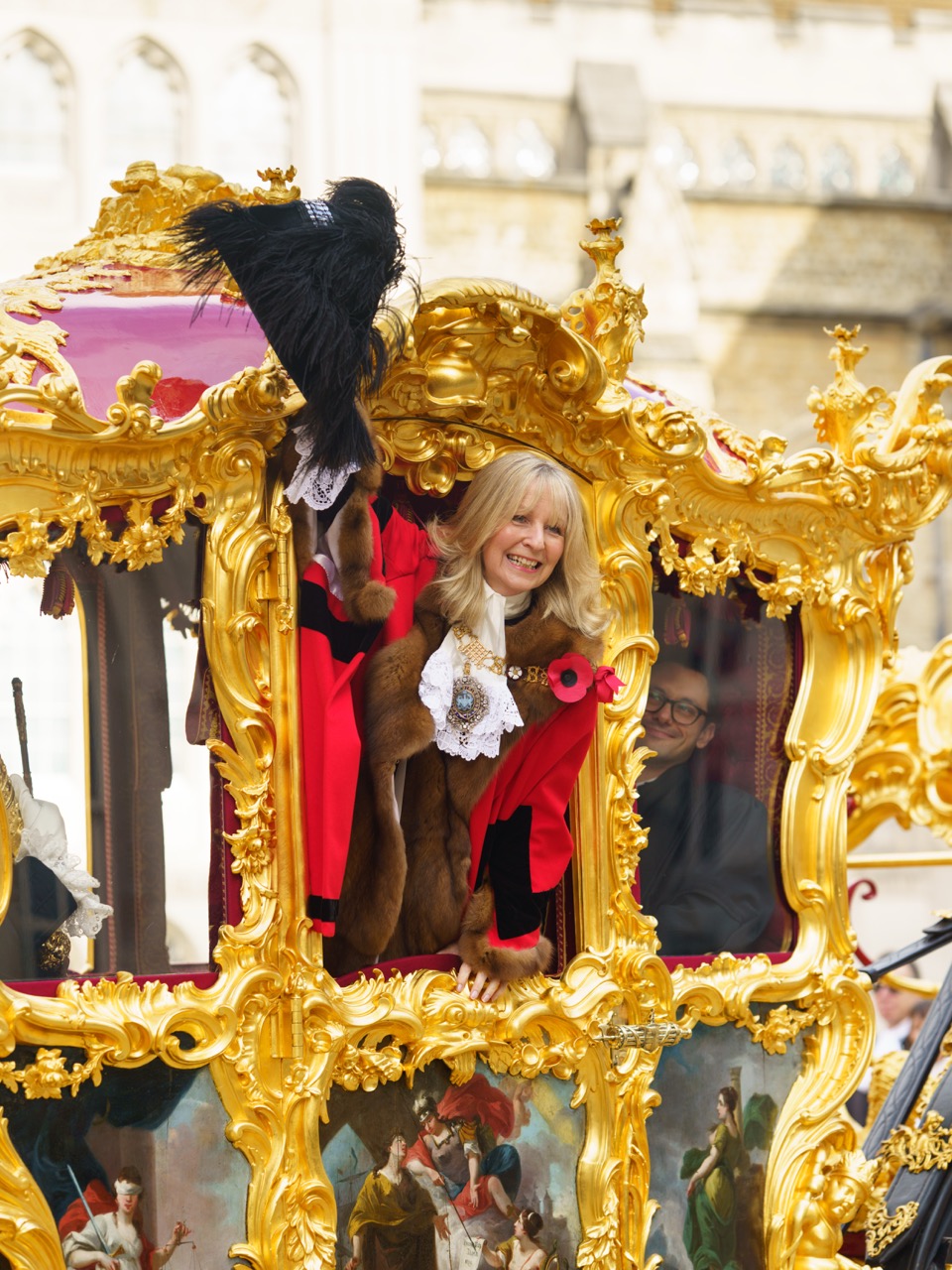
Dame Susan Langley, last year's Lady Mayor of London at the 2025 Show. ©Rick Pushinsky
In terms of why I decided to stand for election as Alderman, I once complained to Lord Levene, then Chairman of Lloyd’s and a past Lord Mayor, that Mansion House and the City of London did not pay enough attention to the insurance sector, despite its importance. Peter is very straightforward and said, “Play a role, or keep quiet”. That made me realise that to tell a story you have to be in the room. I’ve done well in insurance and in Britain, and want to tell our sector’s story and our country’s story.
Now your job is to promote the City. So, if I asked you as a potential investor or business, why I should build a business here, what would you say?
Why go anywhere else? It’s the obvious choice. It’s a global powerhouse where everyone can succeed, wherever they come from. There is talent, capital and opportunity. The second reason is that the rules are clear and there is a due process of law. The judges are fair and straightforward.
The commercial courts work. They make sure the playing field stays level.
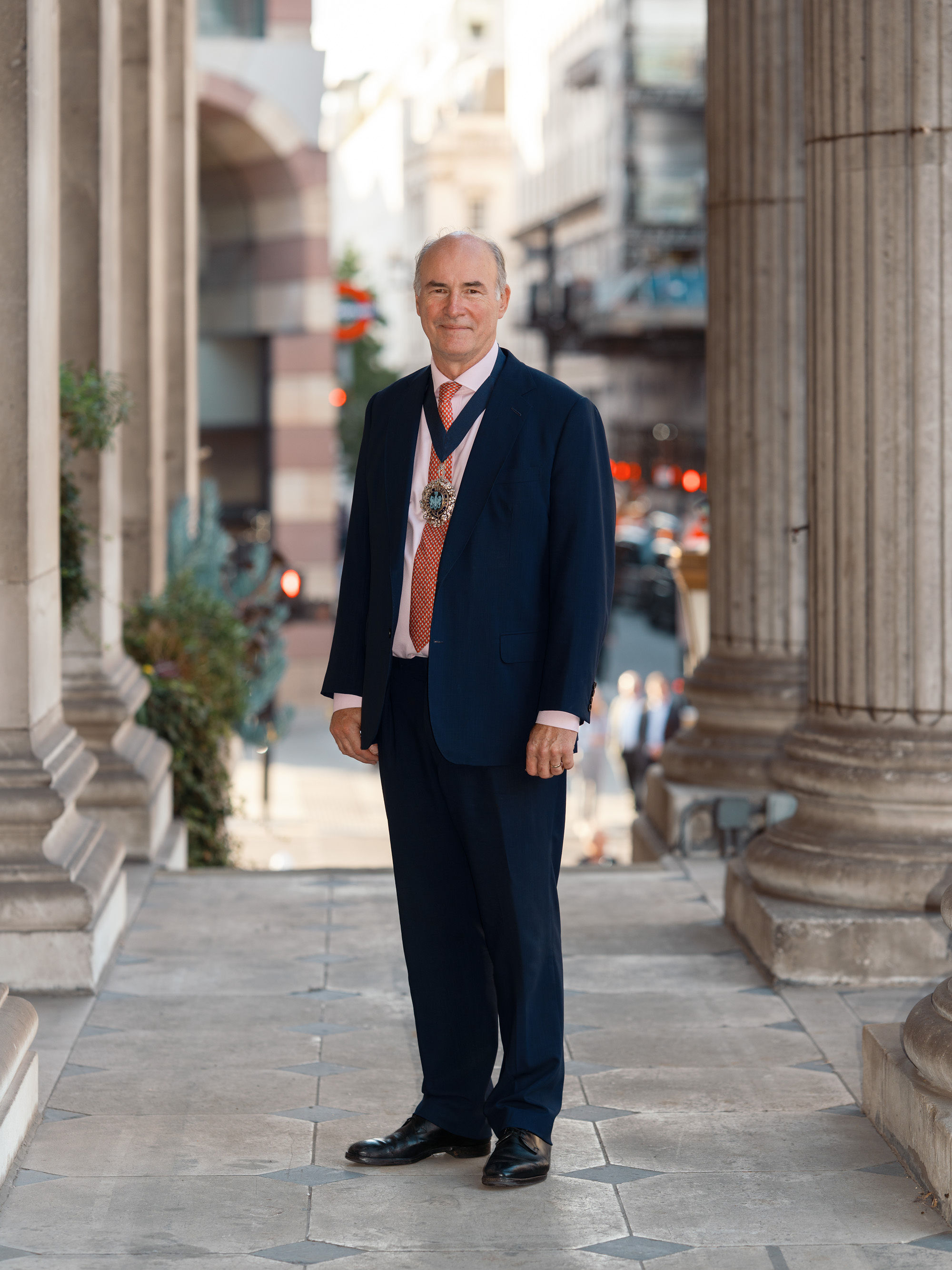
The new Lord Mayor of London in the City. ©Rick Pushinsky.
How do you see the Livery companies supporting the City in the year ahead?
The Livery companies are part of the City’s hinterland and its rich cultural fabric and they make a real difference. Collectively, they give away lots of money and have lots of charitable endeavours. I think the most important thing they do is to help train people. If you think about it, they were originally established as training providers and regulators of a profession, so all of them have talent and talent development deep in their DNA. I want to showcase their work in both new professions and heritage crafts. Obviously I will encourage them to do even more.
It’s going to be a big move into Mansion House from your rural home on the North Downs in Surrey. How will you adjust?
Jane and I are really looking forward to living in Mansion House. Besides, it’s not practical to do the job without living here.
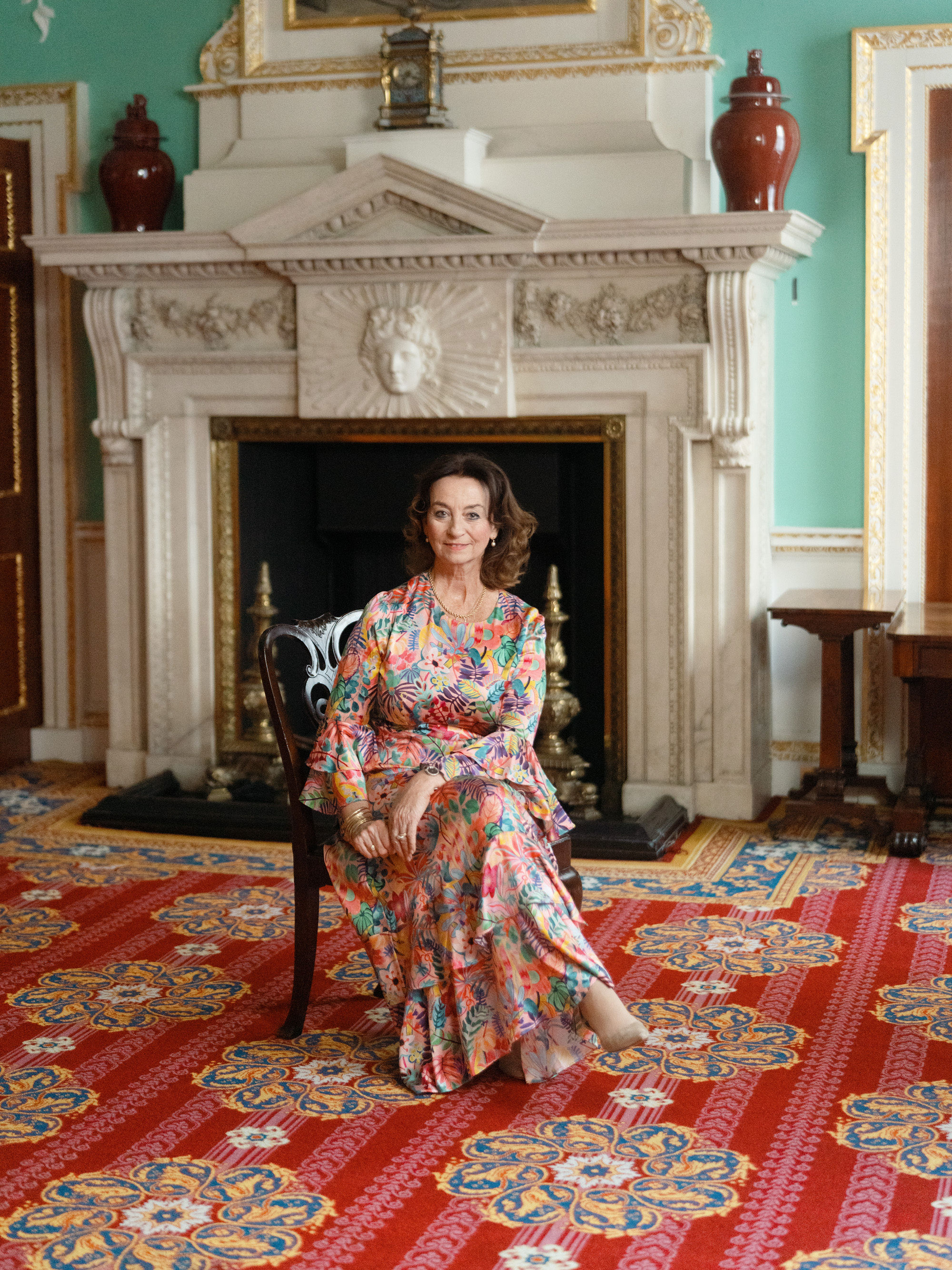
Jane Masojada pictured at Mansion House. ©Rick Pushinsky.
What will you do about your very active hobbies like biking and kite surfing?
I’ll carry on biking at the weekends. The kite surfing takes up a bit more time, but watch this space for details of a Lord Mayor’s kite surfing day.
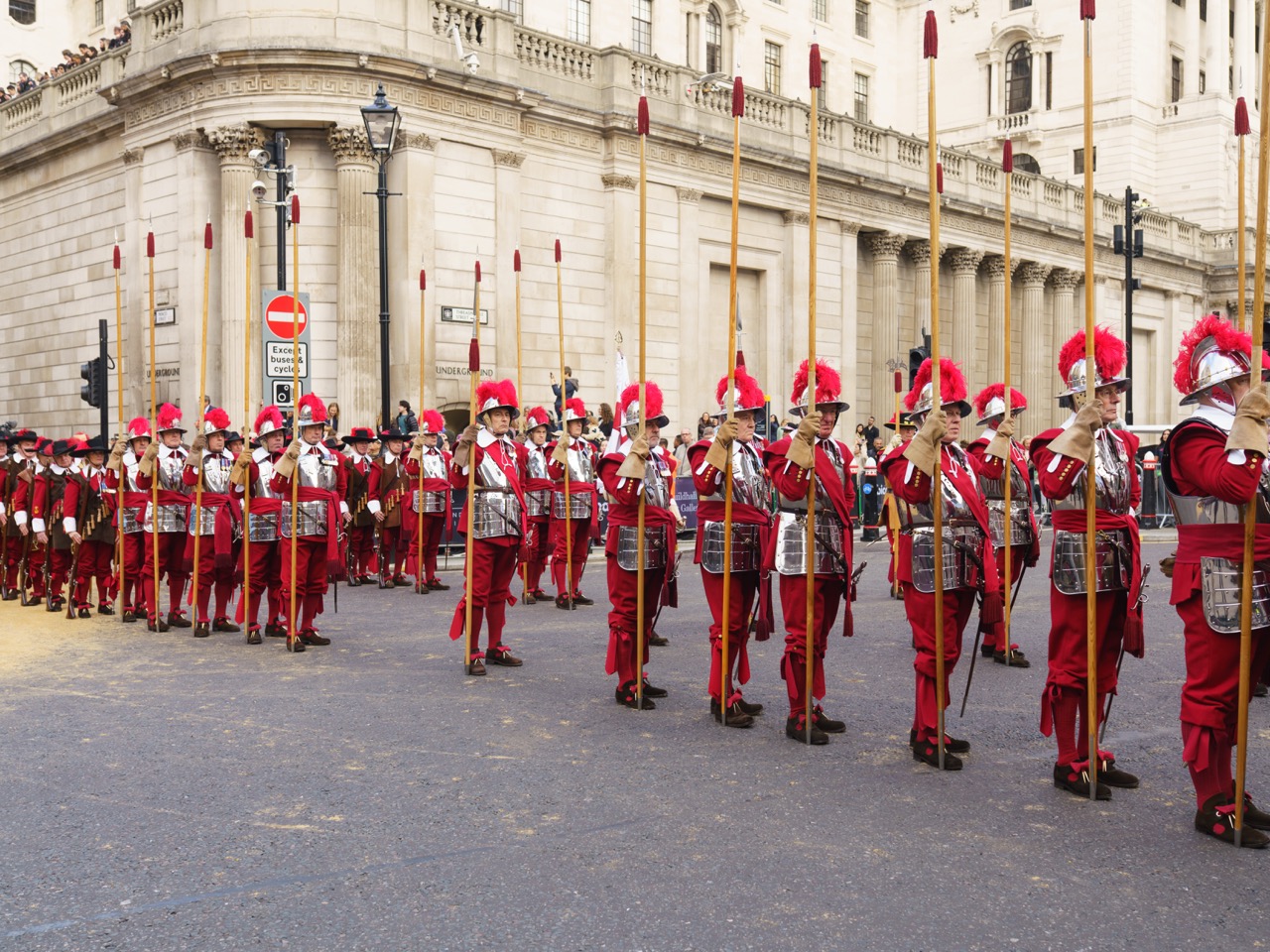
Part of last year's procession in full regalia. ©Rick Pushinsky.
You have five grown-up children, three children-in-law, one fiancé and four grandchildren. Where will they all be at the Show?
As per tradition, I will have my chaplain, swordbearer and macebearer in the historic coach with me. My children, who are on the traditional Lord Mayor and Sheriffs’ Committee, will be wandbearers, which will be wonderful for me to see. The others will be watching and enjoying the day.
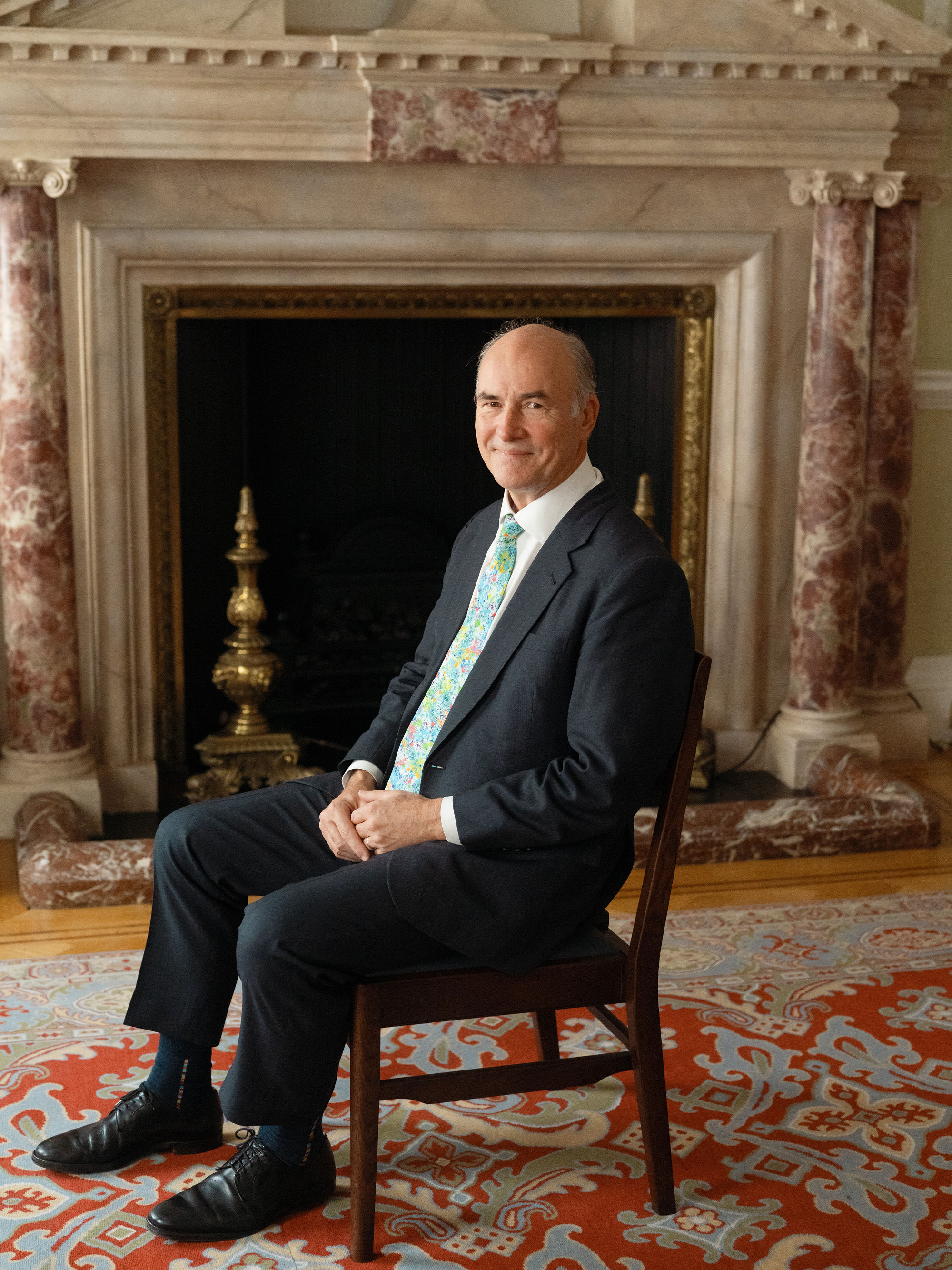
Bronek Masojada in Mansion House. ©Rick Pushinsky.
You first watched the Lord Mayor’s Show in 1994 with two of your children. Why is this annual spectacle still so special?
It’s a community event and so much fun. And this year we are starting the parade with Livery Cutters on the Thames. We’ve also got wonderful Puffing Billy, a steam-powered double-decker bus, arranged by the Billingsgate Ward Club. The Pikemen and Musketeers HAC play a tune chosen for the Lord Mayor and Lady Mayoress and this year, in honour of our South African heritage, we’re going to have “The Circle of Life” from The Lion King. We also have a group of Polish dancers, supported by Polish Scouts.
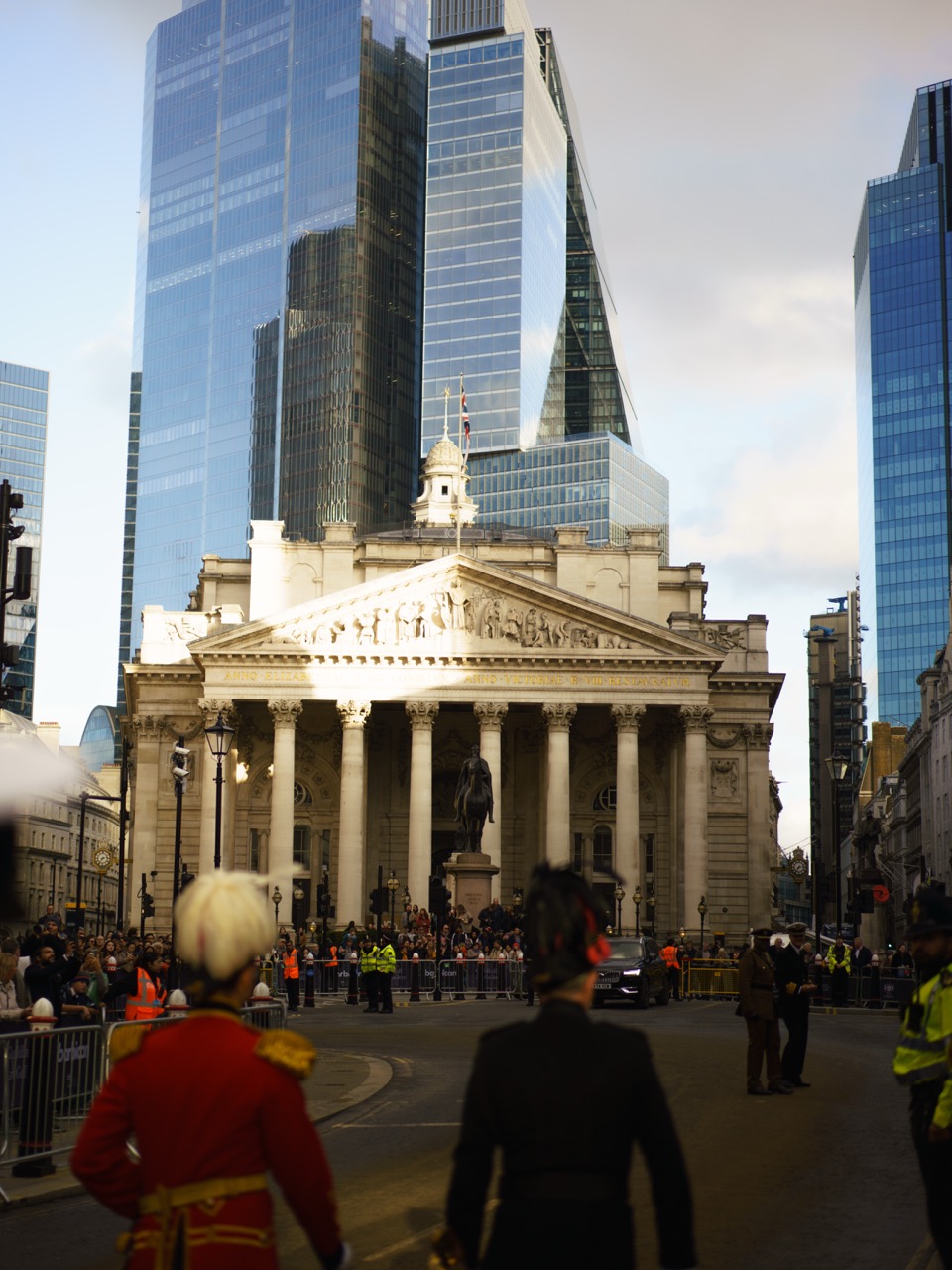
A snapshot of last year's Show. ©Rick Pushinsky.
What are you most looking forward to about this next year?
Conveying the message that Britain is a brilliant land of opportunity, and that talent, local and global, is the bedrock on which you build.