Amidst a barrage of hyper-curated fashion-week content, filled with glamorous off-duty street style and the ozempification of, well, everything, one image stood out in the sea of sameness. “Miu Miu’s messy manicure”, the Instagram caption read. Slightly groggy, this was an early-morning scroll, after all; I rubbed my eyes and looked again at the smudged, poppy-red nails.
Is AI Finally Making Us Accept Natural Imperfection?
Words by
Clara Taylor
23rd October 2026
As the era of automated perfection proliferates, beauty standards are shifting. Could this finally be the catalyst that make us accept natural imperfection?
The same response came not long after, when I watched WAR and noticed movement in Siena Miller’s forehead (shocker!). Granted, she was six months pregnant at the time of filming; however, the same effect is evident in her post-baby press tour, along with a distinct lack of heavy makeup. Of course, Miller is one of the most beautiful women around. Many articles have been written about how to get her look, be it Carla Duval or her Glasto boho days. What struck me was not the seeming lack of Botox, nor the childlike Miu Miu manicure, but the embracing of quote-unquote imperfection.
I could tie myself in all sorts of knots arguing that wrinkles, skin texture and the like aren’t actually imperfections, merely signs of humanity. But in a society that has railed against natural processes like ageing for so long, it’s hard not to see it as a flaw. At 28, I look in the mirror and have to actively resist the urge to Google aestheticians near me. Why? I grew up in the age of social media, of course.
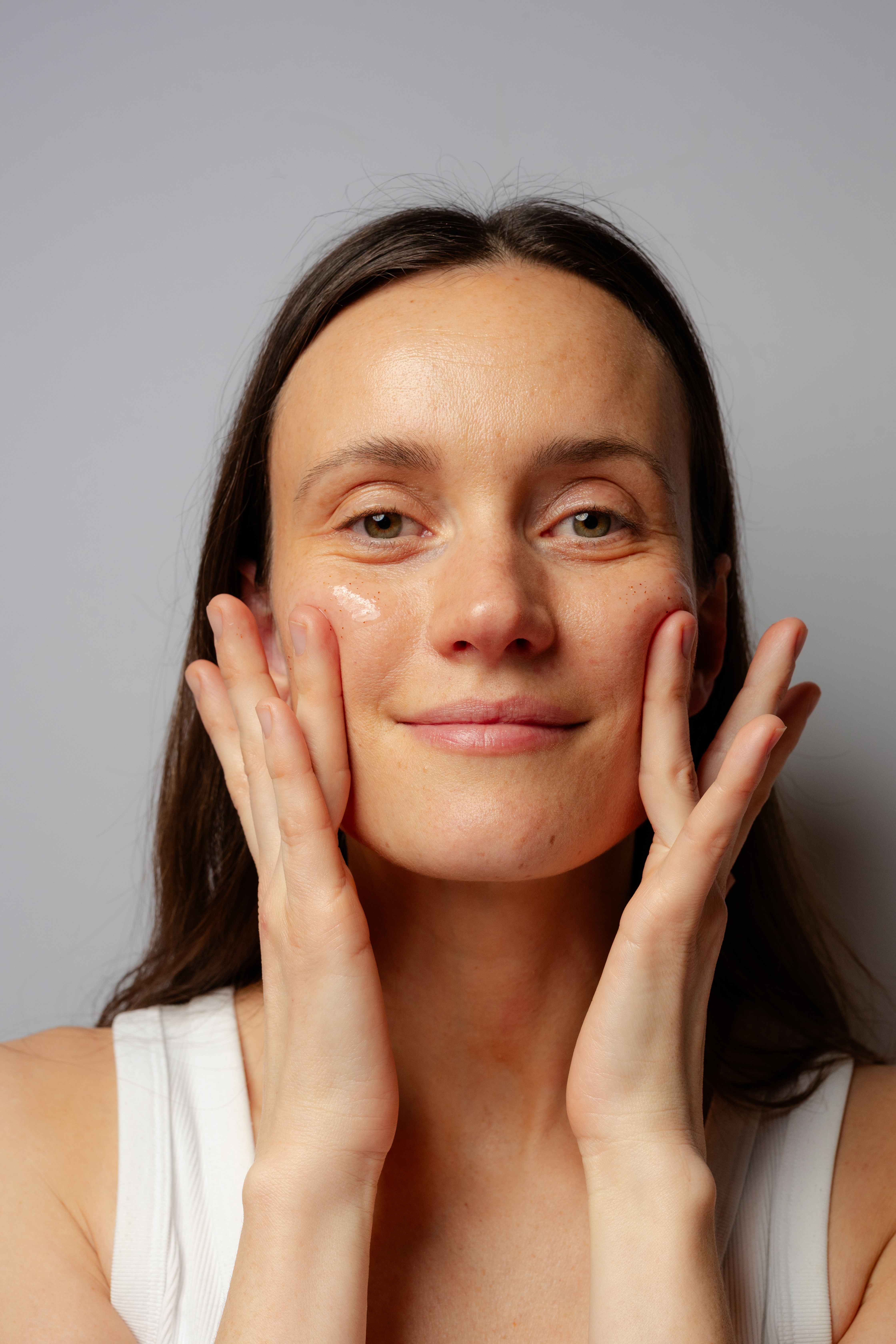
Apeer skincare, used in Aspire Clinics by Nurse Nicola, shoots with real people, not models. ©Apeer.
As the age of social media has given way to the age of AI, what was once dubbed filter or filler face, trout pout, or duck lips has moved on. Airbrushing has become AI-automated, and it seems unrealistic to the point of being inhuman. But since when have we, as a collective, had a problem with the unrealistic? Unrealistic beauty standards predate me by at least a few centuries, and unattainable ideals are certainly not new. Dr Mattia Parducci, Aesthetic Doctor at Dr Joney De Souza Skin & Laser Clinic, London, and Medical Director of Cannelle Skin Clinic, Oxfordshire, summarises this, stating that “For a long time, the goal in aesthetics seemed to be correcting absolutely everything. Every line, every asymmetry, every perceived flaw.” But as he quite rightly points out, “no face is perfectly symmetrical, nor should it be.”
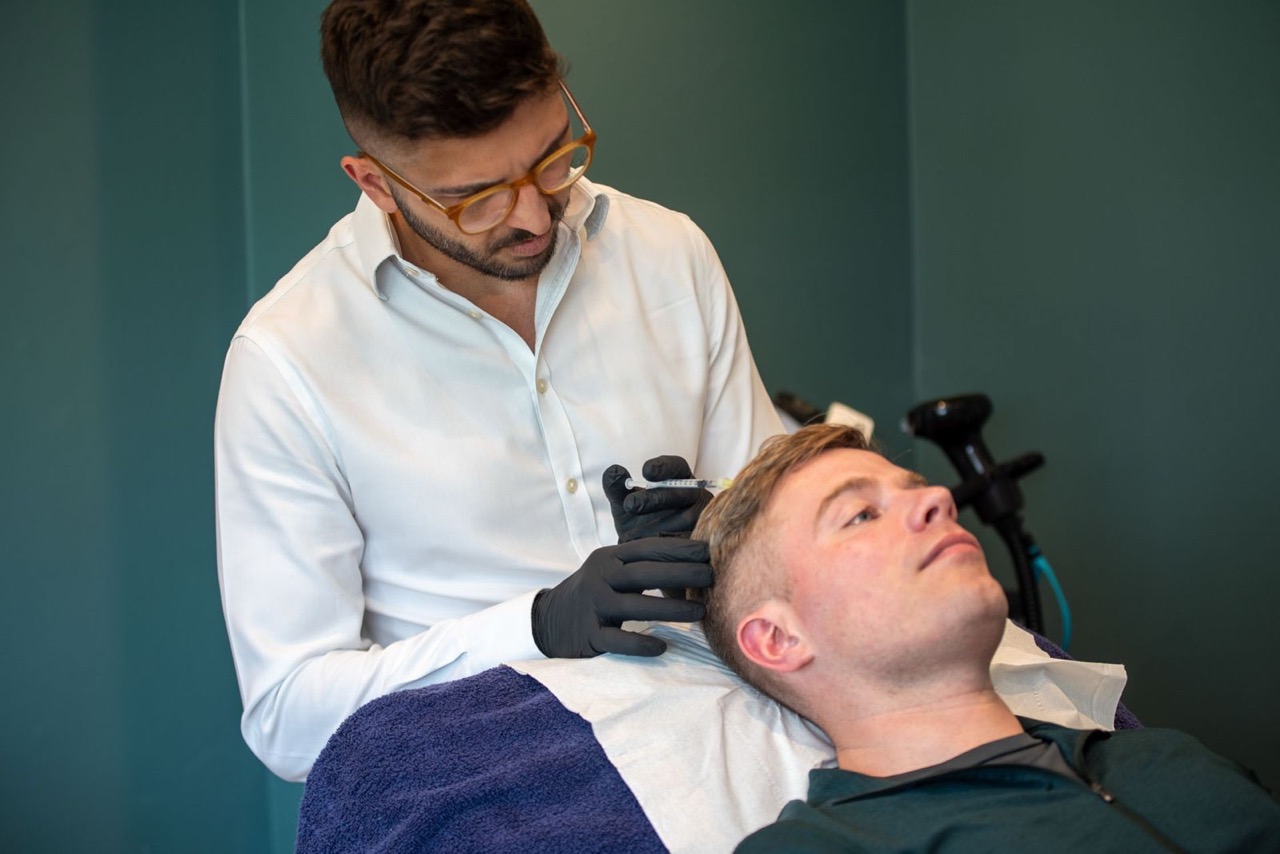
Dr Mattia Parducci, Aesthetic Doctor at Dr Joney De Souza Skin & Laser Clinic, London, and Medical Director of Cannelle Skin Clinic, Oxfordshire.
Where AI falls down is that it creates the same face – much more convincingly than filler ever did. You’ve no doubt already scrolled past a thousand images with a similar look: perfect proportion, symmetry and smoothness. We’ve seen AI flatten language and creativity, and now we’re seeing the same with beauty. Nurse Nicola, practitioner at The Aspire Clinic in Mayfair, notes that this has led to a pendulum swing of sorts: “Where AI can generate an almost impossibly 'perfect' face, human details can actually become more desirable as it communicates authenticity and individuality rather than a carbon-copy aesthetic.” In essence, It’s making beauty standards boring. The more perfect, the less compelling. Or as Parducci aptly points out: “These images have no visible pores, no asymmetry, no history and, most importantly, no character.”
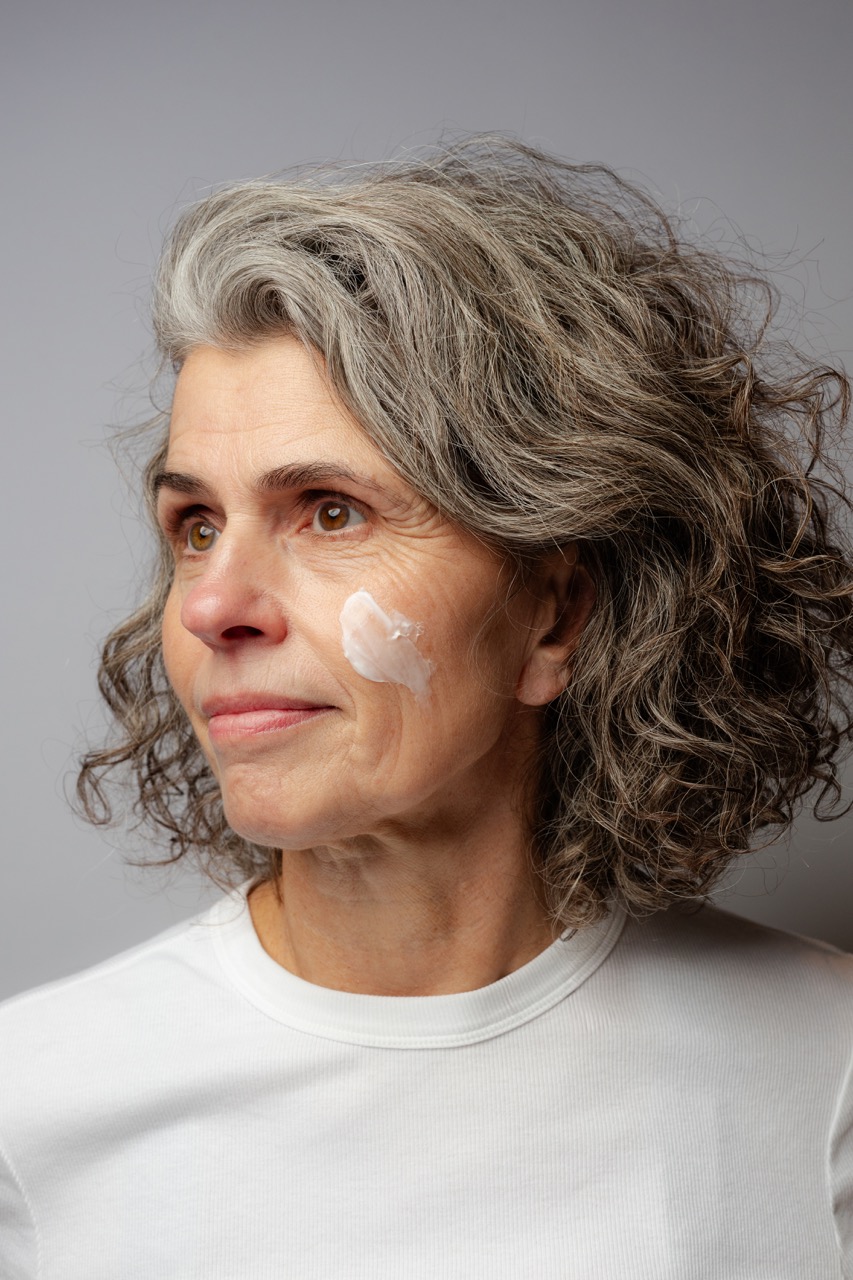
Freckles, laugh lines and more can all be seen as character in the face of AI ubiquity. ©Apeer.
Perfection, then, is no longer a marker of distinction. What was once seen as highly desirable is now perfectly achievable and infinitely reproducible. The “face that launched a thousand ships” might not have been so breathtakingly remarkable if hundreds, or even thousands, of Helens of Troy existed throughout Ancient Greece (and Homer would be missing a central plotline). Luxury has always been closely tied to scarcity. If beauty is treated as a luxury, and we know all too well that it is, then it’s only logical that it follows suit. True luxury then, in an AI era, “is increasingly in looking like yourself – just better,” says Nurse Nicola.
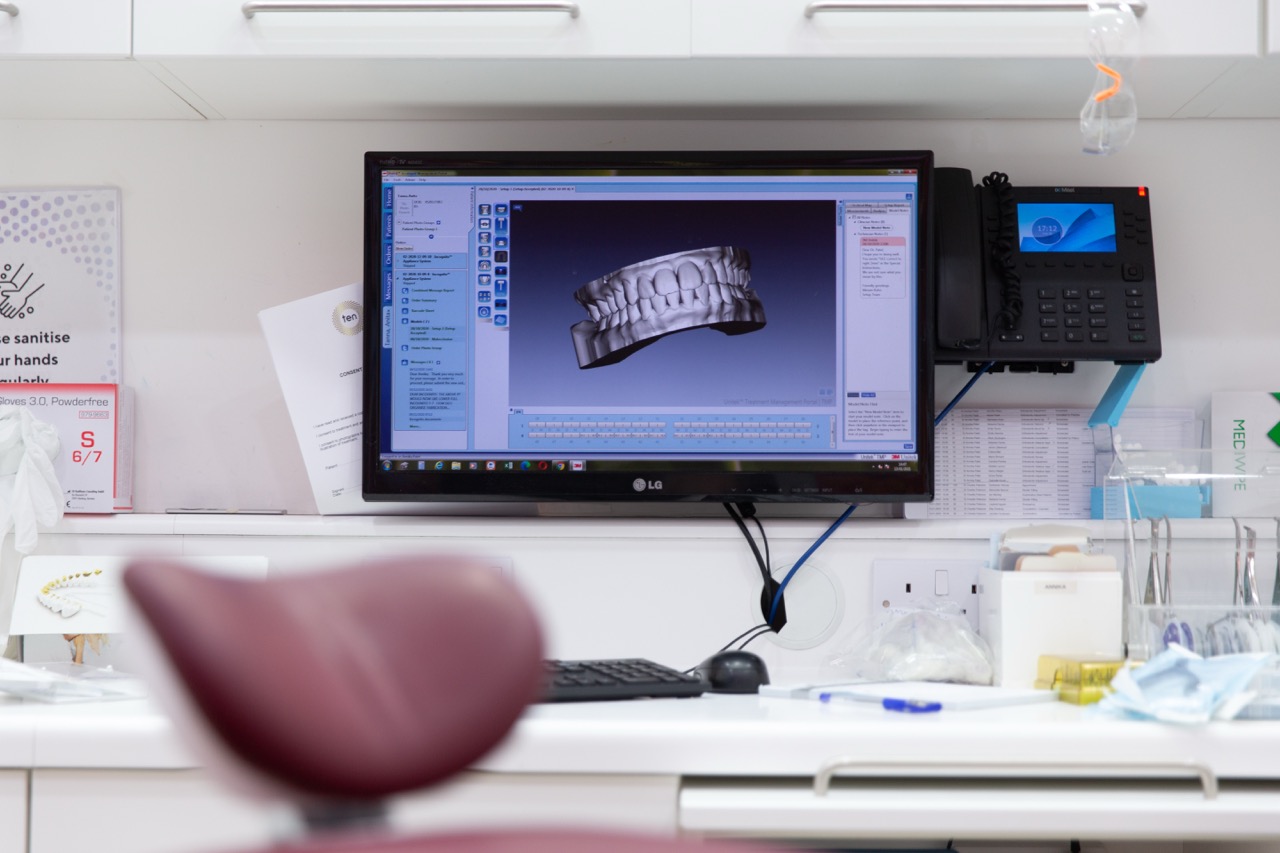
Ten Dental clinic where Dr Shravan Chawla practices.
The “just better” still says a lot, though. As much as we’re embracing more imperfections, freckles, lines, texture, we’re not seeing a wholesale rejection of typical beauty ideals…yet. For example, Dr Shravan Chawla, General Dentist at Ten Dental, reports that “the age of big white perfectly symmetrical teeth is dead.” And while that may reassure everyone (bar a few Turkish airlines), we’re not going so far as to accept wonky or stained teeth. The same applies to body hair and acne. While messy manicures can be spotted on the runways, active breakouts or an unshaved leg or two aren’t exactly prevalent.
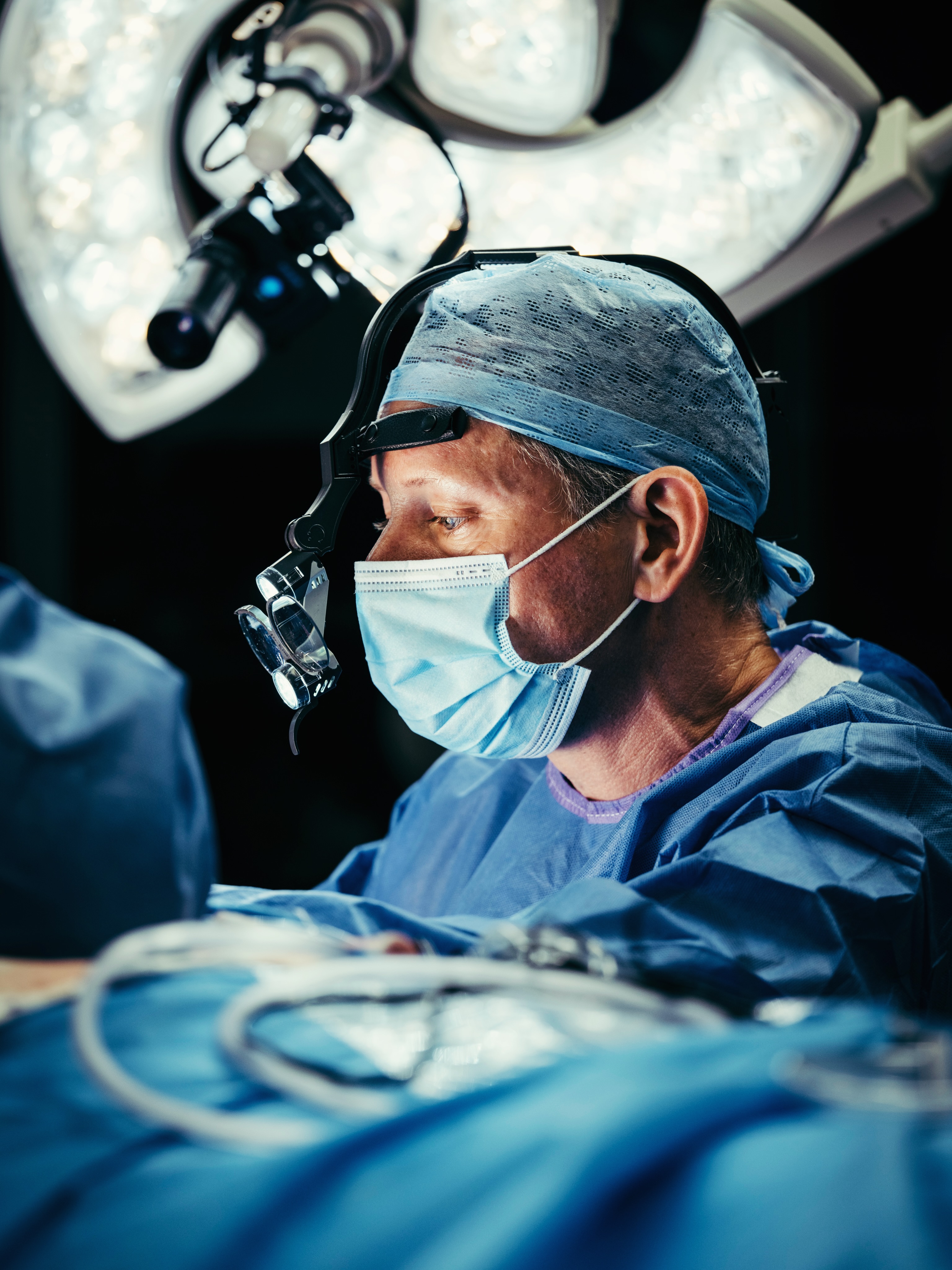
William Townley, Consultant Plastic Surgeon at work.
Similarly, the British Association of Aesthetic Plastic Surgeons reported a 5% rise in overall cosmetic surgery this year, largely driven by increases in facial rejuvenation; face lifts alone grew by 26%. The shift then isn’t away from intervention altogether, but away from intervention that looks like intervention. “Patients are very keen on natural results - meaning that the telltale signs of surgery are absent, but they still want sharp contours, a well-defined 'snatched' jawline, a youthful neck contour,” comments William Townley, a Consultant Plastic Surgeon. Therefore, the appetite for surgery is there, just really, really good surgery.
Katherine Ryan’s facelift may be the perfect metaphor here. In my opinion, she looks refreshed, youthful, and where Botox would have paralysed, there’s still movement in her face. The emerging beauty ideal may be, in that case, less about radical acceptance than about selective preservation. People aren’t necessarily rejecting aesthetic treatments, but they are certainly becoming pickier about what they do choose to get done.
While I personally subscribe to the Christina Aguilera school of thought – “you are beautiful in every single way”– society may still have some work to do. What seems to be changing, and for the better, is our willingness to tolerate, and, in some cases, champion, natural characteristics once perceived as flaws. Beauty standards haven't been democratised yet, but in a world of generated perfection, individuality is once again seen as desirable. It’s a small win, but one worth celebrating.