Long before prestige cuvées became a cornerstone of Champagne, there was Cristal. Created in 1876, it was Tsar Alexander II who demanded Louis Roederer reserve it’s very finest cuvée for him. Legend has it that the Tsar, having survived numerous assassination attempts, insisted that the bottle be made of crystal, a translucent material, to guard against poisoning. And so, the Cristal was born.
Cristal Champagne Celebrates 150 Years with Two Cuvées
Words by
Sphere Editors
22nd October 2026
Cristal Champagne turns 150. From Louis Roederer’s organic vineyards to a bottle designed to foil assassins, we uncork the story of the world’s first prestige cuvée.
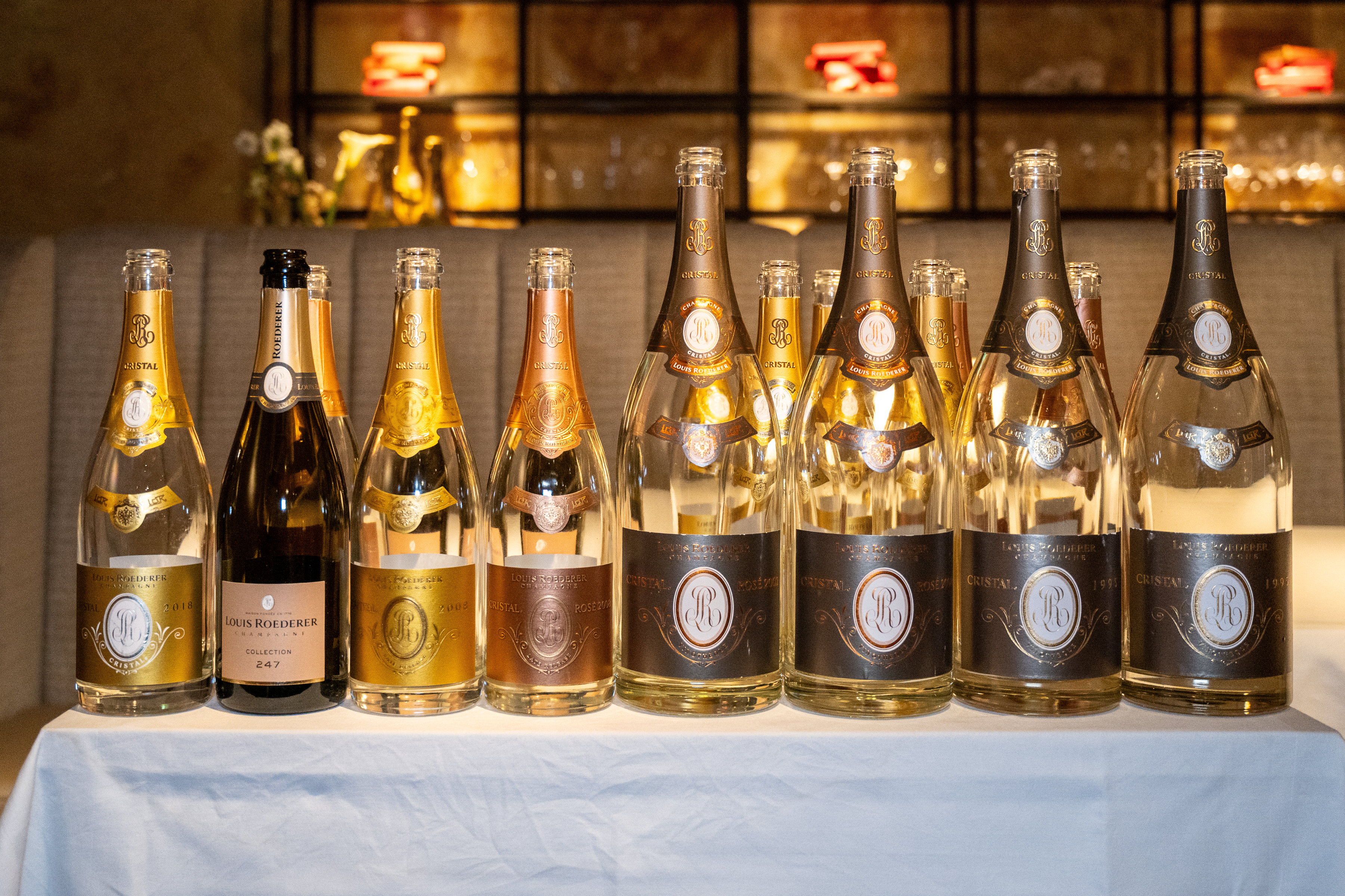
Selection of Cristal Champagne, by Louis Roederer ©David Pearce
150 years later, much of the world has changed, however, the House’s principles by large remains the same: create fine wine derived from the estate’s chalky soils, produced only in years of perfect maturity. The land is central to everything the brand stands for.
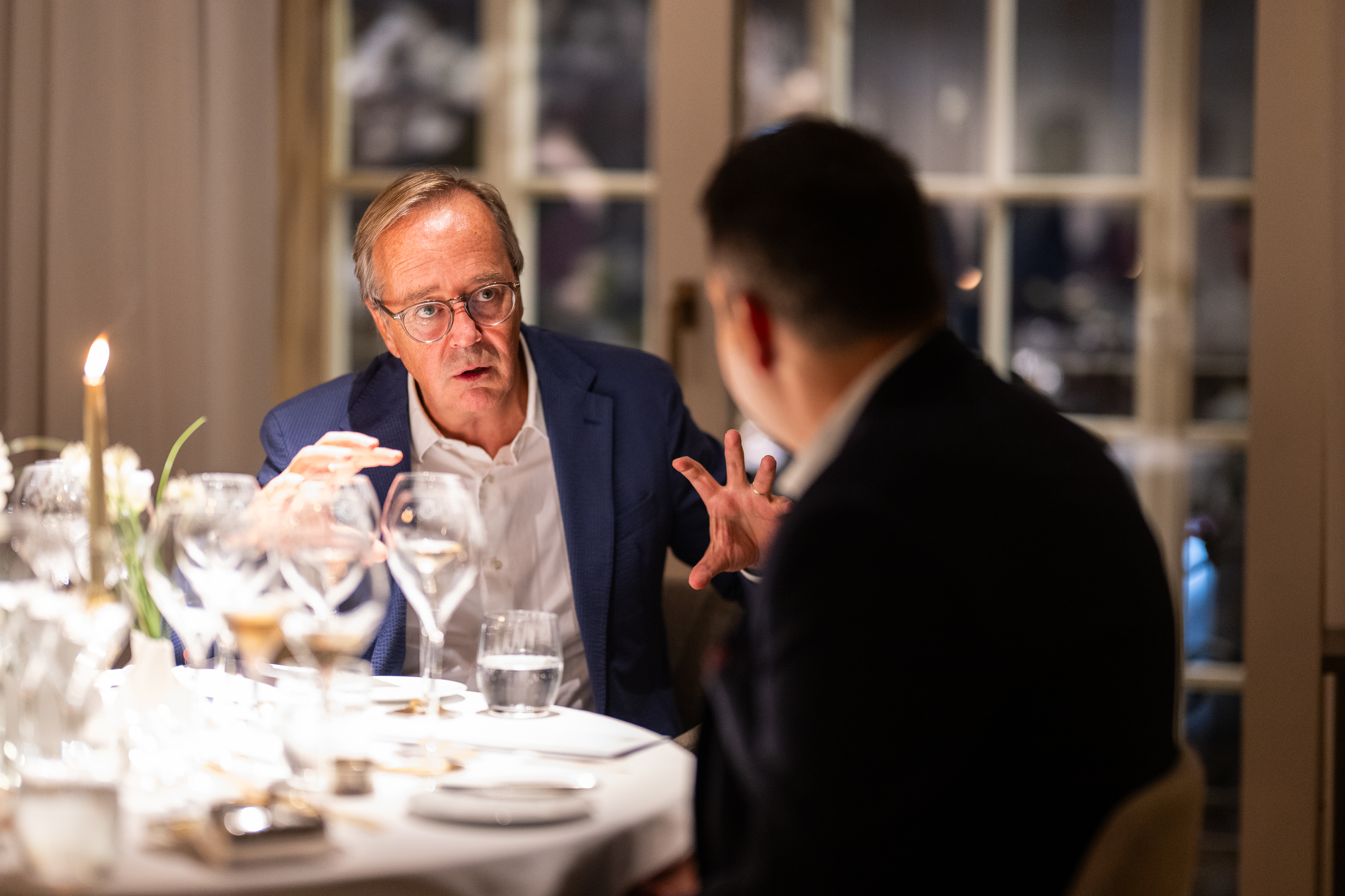
Frédéric Rouzaud, CEO of Louis Roederer at the 150th anniversary celebration ©David Pearce
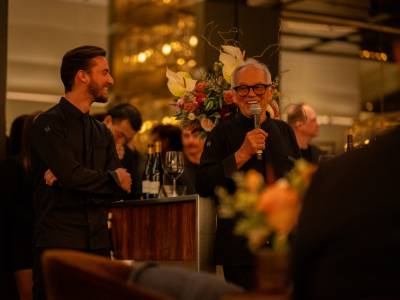
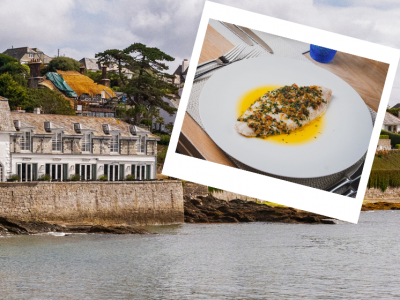
Speaking at a sumptuous dinner at Alex Dilling at Hotel Café Royal to celebrate the sesquicentennial, Frédéric Rouzaud, CEO of Louis Roederer, states: "anniversaries are not only an invitation to look back with gratitude, they are also the opportunity to look forward". In his words, “to create a great fine wine is to love the land that sustains it, the vines that shape it, the patient care devoted to it and the men and women who bring their talent to this craft.” Given this ethos, the House’s decision to phase out chemical treatments and populate the vines with beehives and heritage fruit trees seems a logical evolution.
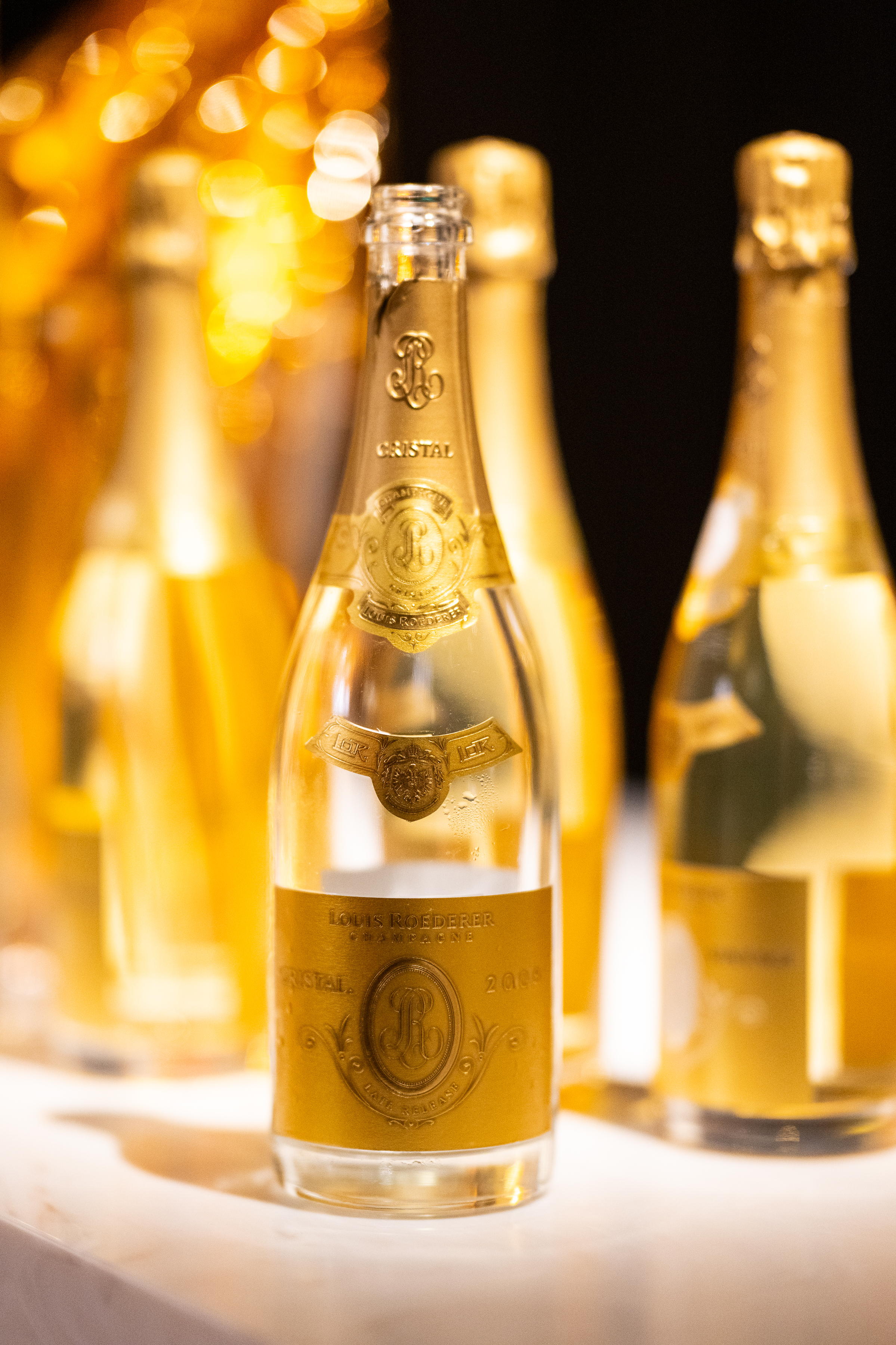
The 2008 vintage Cristal Champagne, served at the celebration ©David Pearce
To celebrate Cristal’s anniversary – as well as the House’s 250th anniversary – Louis Roederer has unveiled two new expressions of its signature cuvée. The first, dubbed Cristal Late Release and created from the exceptional 2008 vintage is defined by its textural depth and delectable maturity. Preserved for more than two decades the cool darkness of subterranean cellars, the Late Release displays a blend of ripe, candied citrus-like notes, which mingles with almond, wheat and lightly roasted cocoa beans. While the 2018 Cristal, the second anniversary cuvée has a more concentrated bouquet, offering nectarine, floral notes, interwoven with subtle smoky notes and hints of vanilla.
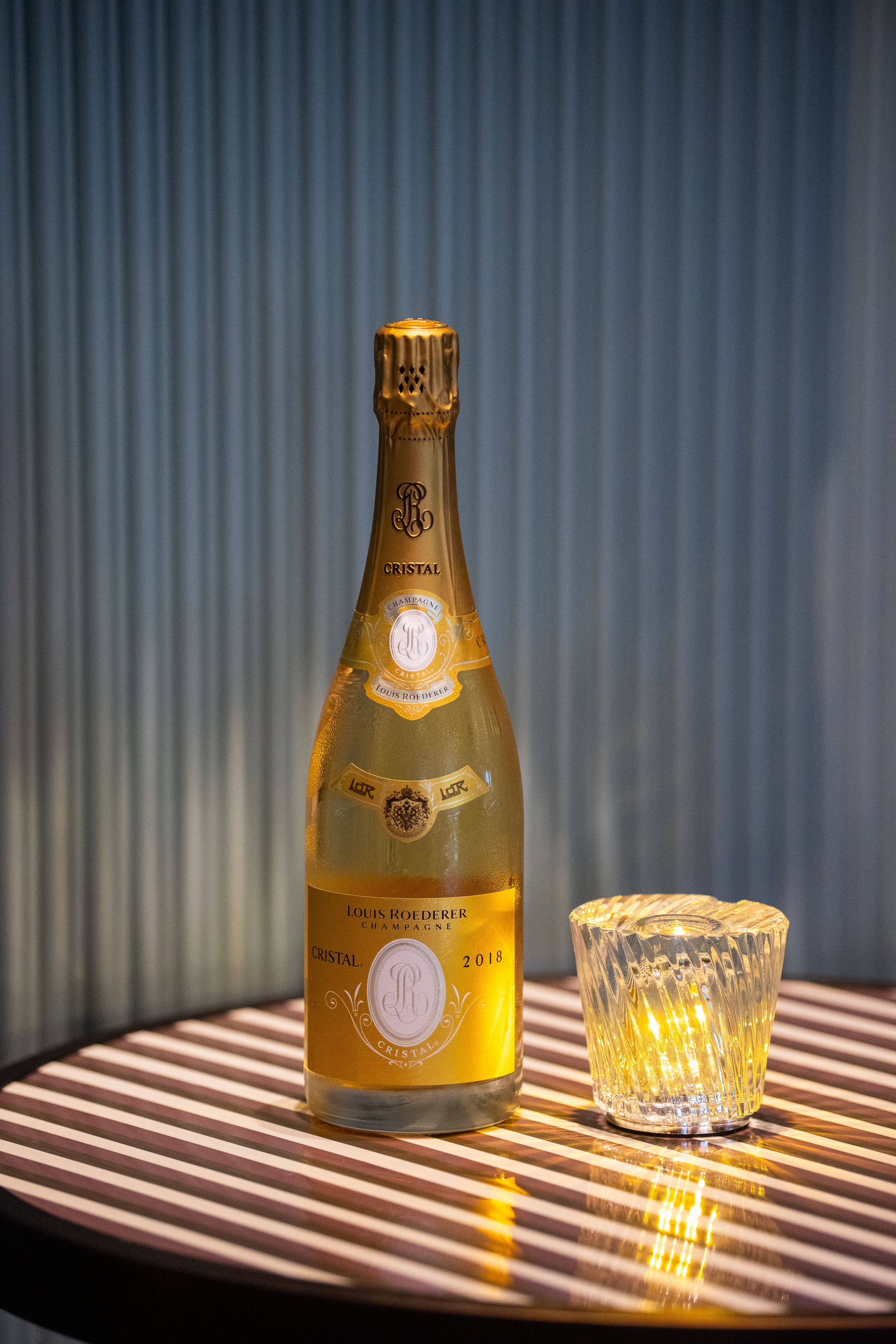
The 2018 Cristal, the second cuvée released for the anniversary ©David Pearce
Together, these two releases provide an insight into the House’s time spent nurturing its vineyards. Each plot is vinified separately, allowing every terroir to retain its own flavour, profile, even its own personality. Rather than replanting with identical vines, the House practises massal selection: cuttings are taken from a genetically diverse range of its own vines and grafted onto rootstocks grown on the estate.
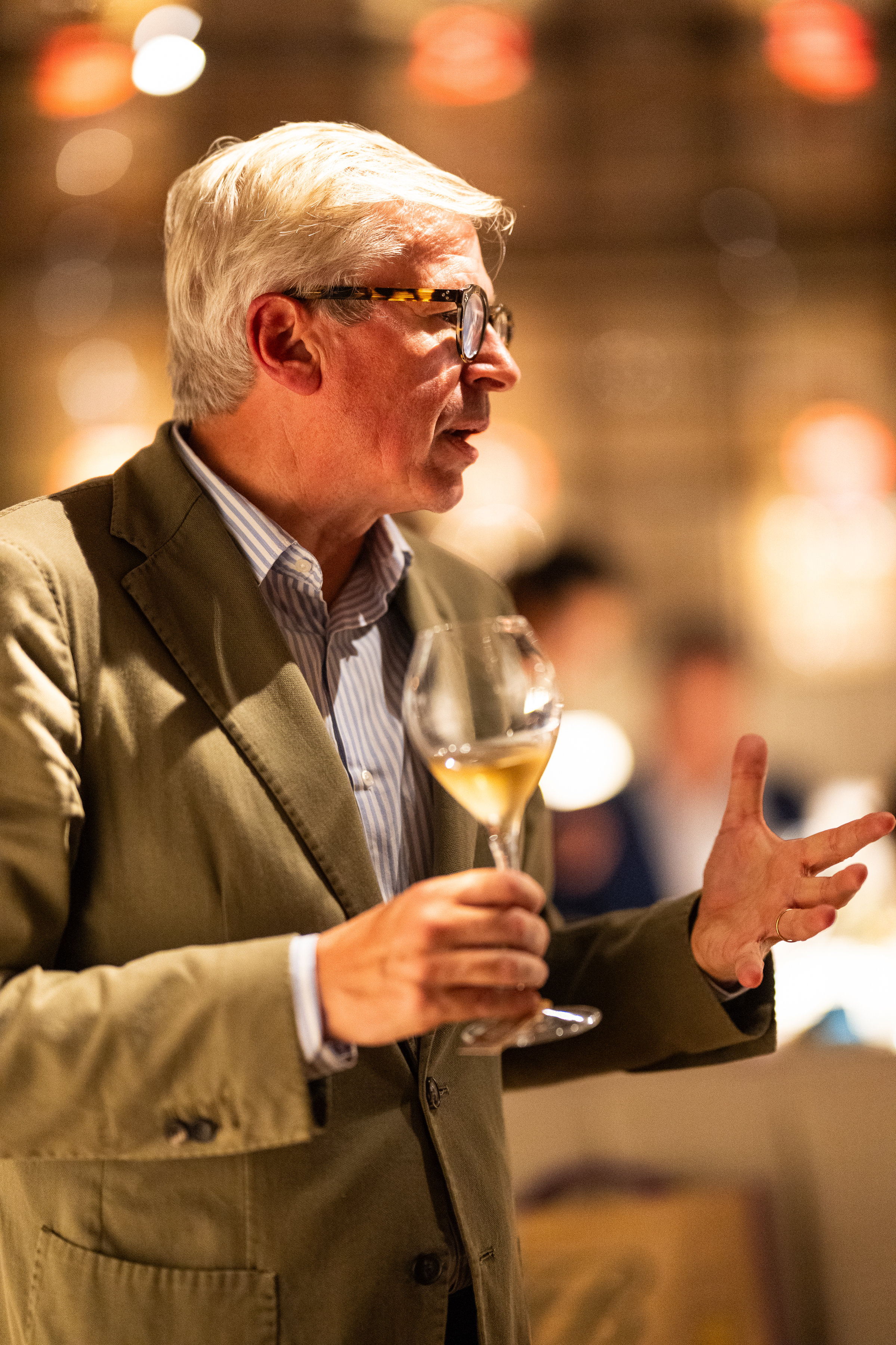
Jean-Baptiste Lécaillon, cellar master of Louis Roederer ©David Pearce
This preserves the genetic richness behind its Champagnes’ distinctive character, while also singling out the hardiest vines to withstand a changing climate. Within 30 years, every vine on the estate will come from its own nursery, something no other house in Champagne is doing, so that its vineyards will thrive for many generations to come.
Fragrances are further refined in the cellar, where Roederer's Chef de Cave Jean-Baptiste Lécaillon emphasises the critical step of "sniffing". He continues, "you don't touch, you smell", with the team inhaling the scents like a fine perfume to evaluate how the terroir’s minerality and lifted aromas are evolving.
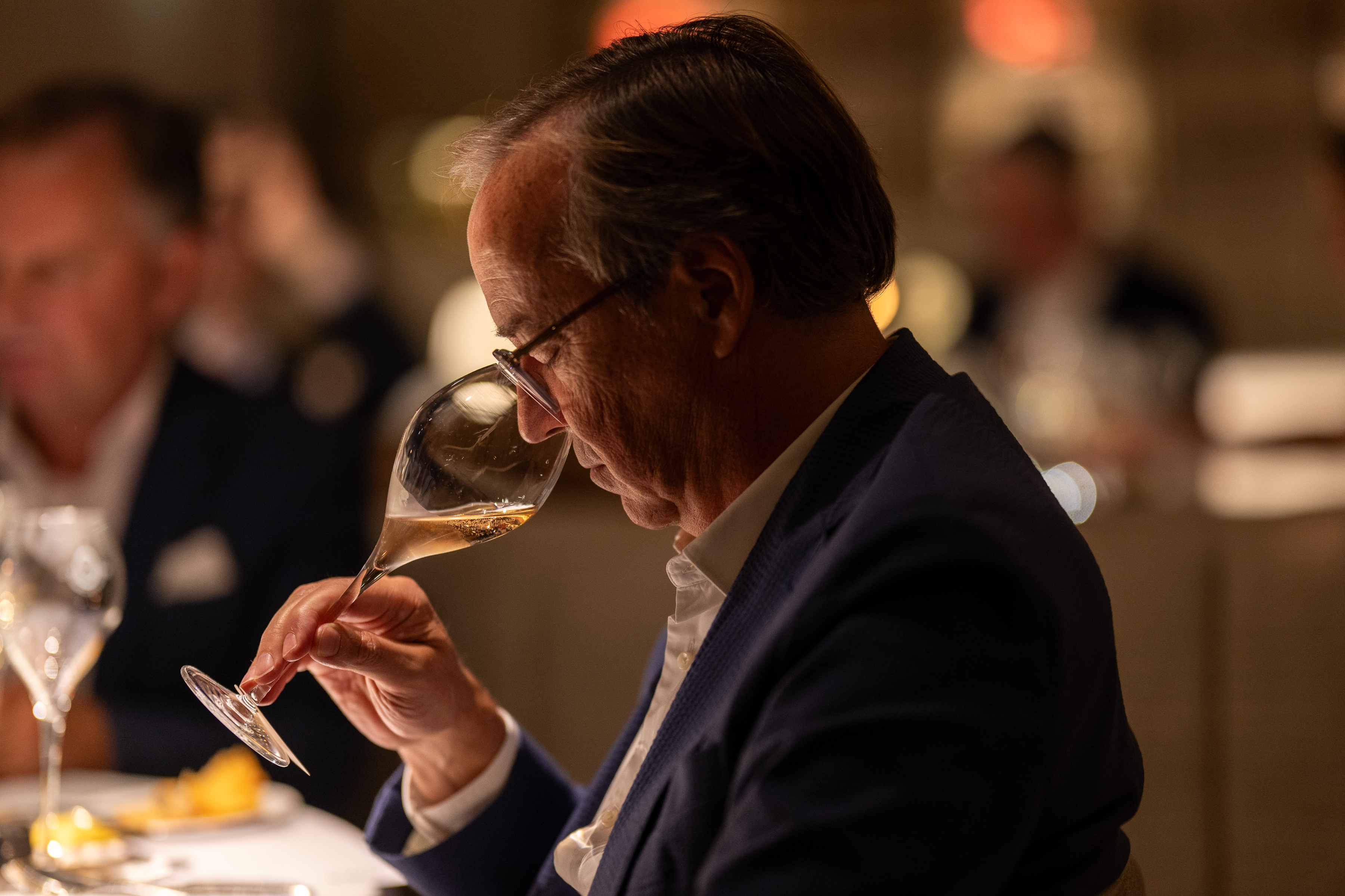
Rouzaud enjoying Cristal at the party, in celebration of 150 years of Cristal ©David Pearce
As oenologist Laura Billot puts it, “We are winegrowers more than we are oenologists or winemakers.” In other words, great Champagne is grown, not made. It’s a philosophy that has stood the test of time – 150 and 250 years respectively to be exact. Exceptional vineyards are built on patience and imagination. Cristal remains one of the clearest expressions of what can be achieved when both are afforded the time to flourish.
Articles may contain affiliate links; all selections are independent and at no additional cost to you.