It was 1987 when Ferran Adrià, head chef of El Bulli, rewrote gastronomy’s handbook forever with the words “creativity means not copying”. With his novel outlook, the Catalonian restaurant pushed boundaries between the rigidly decorous, butter-laden tables of monopolising French dining and the graceful, daintier plates of more progressive nouvelle cuisine. Bursting into much louder, more experimental territory, El Bulli carved the way for the most simultaneously serious and playful time the culinary world had ever seen. Under Adrià’s “techno-emotional” approach, ingredients were deconstructed, combined, twisted, awakened and transformed into formations and textures never tasted before. Not only did this allow diners to strap in for a fantastical sensory ride of thought and feeling, but his ethos also inspired many creatively curious chefs to embark on new adventures within their own kitchens.
Mixologists Creating Cocktails with Chemistry
16th October 2026
Forget shimmying a cocktail shaker above one shoulder; modern mixologists are more likely to be found using ultrasonic homogenisers or rotary evaporators in a laboratory. Welcome to the evolving specialisation of the cocktail maker today.
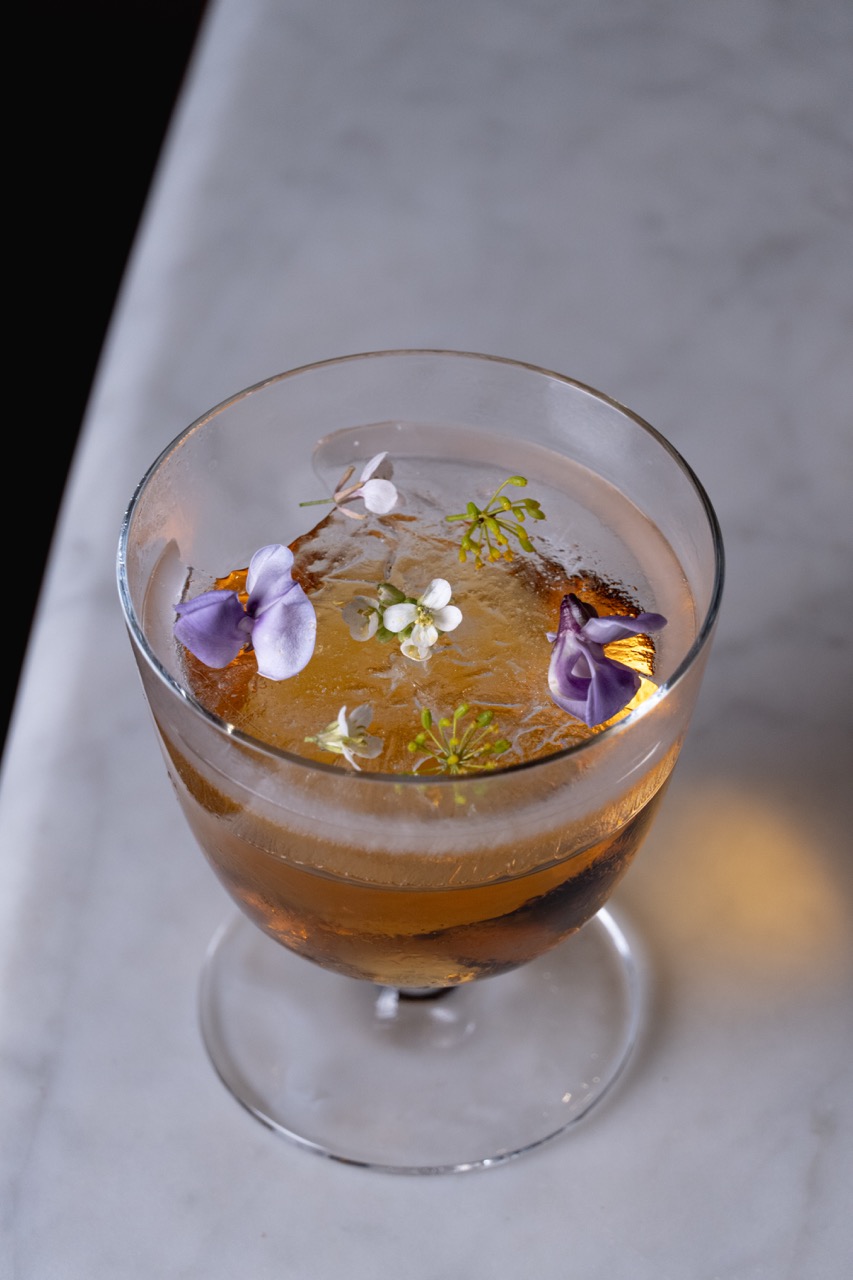
Where molecular gastronomy pushed what’s on our plate galaxies beyond mere sustenance, what’s concocted in our glass is now facing a similar path — beyond the simpler purpose of relaxation. For many years, since the moody days of prohibition, cocktails were reserved for a blurry, hushed affair, confined to cave-like dens where classics and modern classics — often four-part spirit, water, sugars, bitters — reigned supreme. But this harks back to a time where drinking was meant to be secretive and rebellious. Where the very idea was to knock down whatever liquor you were lucky to get hold of, even if it came with an unsavoury, bootlegged side of toxic pesticides or rotten meat traces. Have we been locking our drinking styles in a different era?
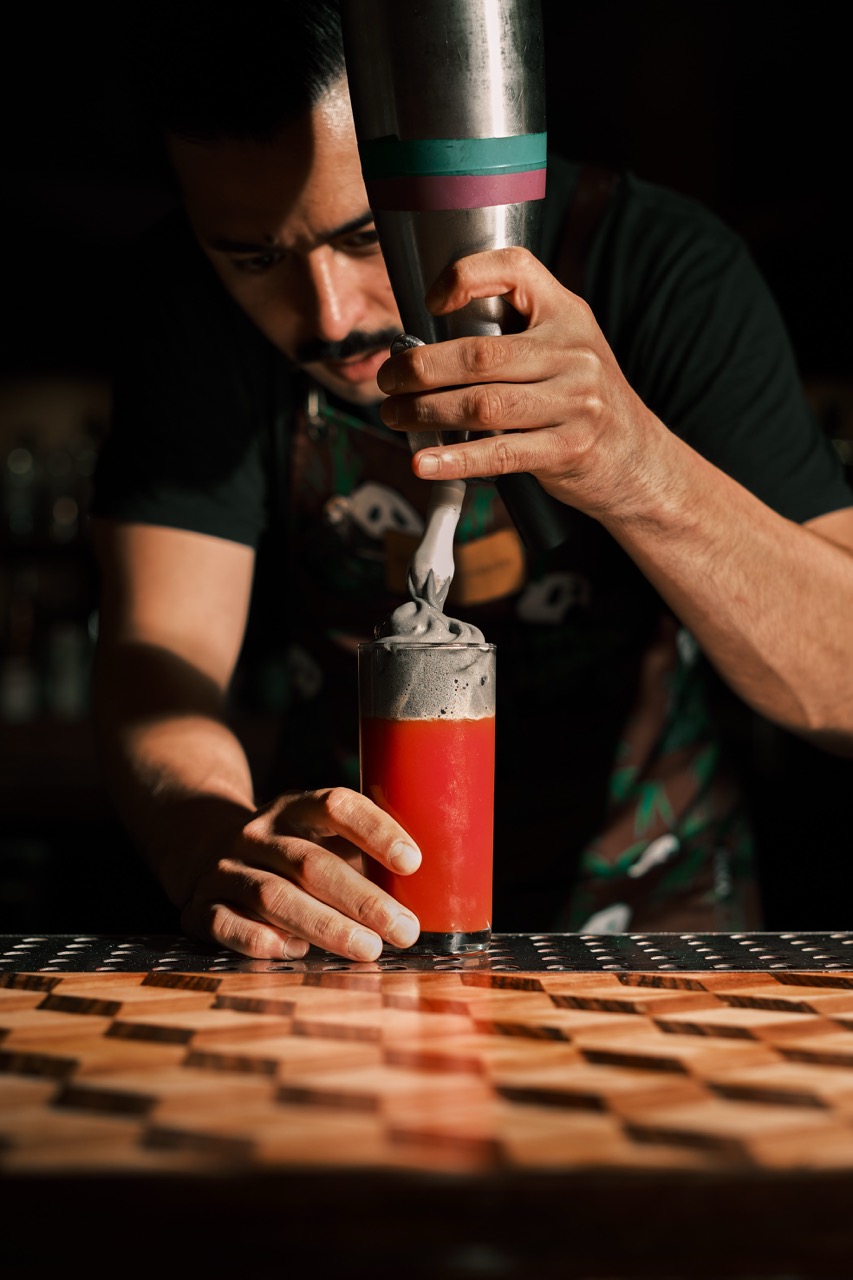
Today, on El Bulli’s home turf in Barcelona, intimate Bar Esencia and its avant-garde drinking experience embody how the liquid tide may have turned. Enthused by their pioneering late neighbour — and perhaps a dash of Dutch courage — acclaimed bartenders Simone Caporale and Marc Álvarez serve an omakase-style tasting menu of up to 14 mini cocktails, where the drink takes centre stage. In the form of spiral foams, smoke clouds and spherical bubbles that burst on a bite, guests are encouraged to savour every drop of their potion — its profile, its complexities, its all-encompassing, sometimes familiar, tastes.
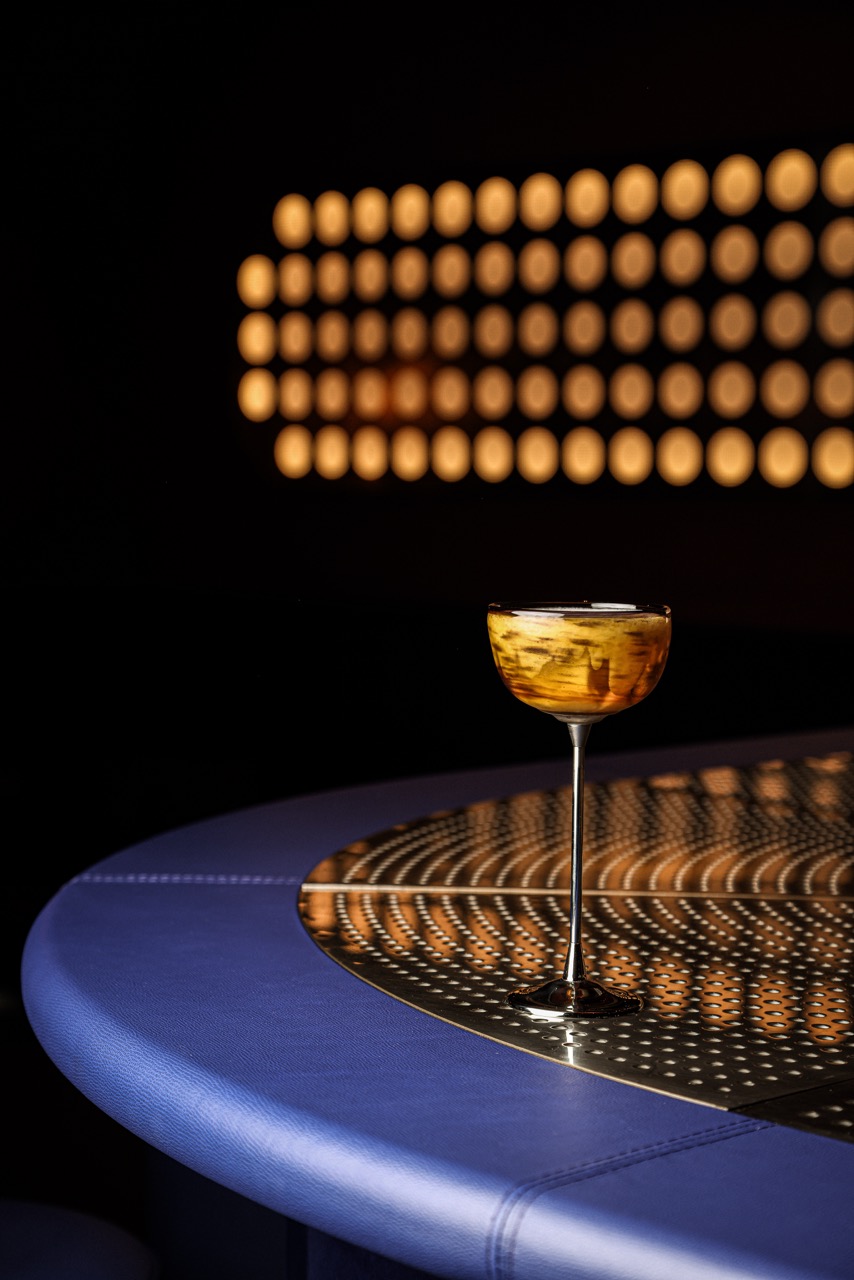
Iain McPherson, founder of Edinburgh’s illustrious bar Panda & Sons, tells me we’ve seen “a minimalist cocktail trend for a bit too long now” and that more bars are shifting focus to “textures and different aesthetics, like cloudy and creamy drinks”. We might expect a freedom of creative expression to unleash a desire for revelry and excess, yet it’s instead stirring up a more refined and elevated stage — where the bartender shifts from server to chef, or mixer to scientist. Classic bars remain revered, with Satan’s Whiskers and Attaboy still recognised as the crème de la crème of global bar talent, but a rise in haute bartenders demonstrates that there’s no single way. Cocktails are becoming more exploratory and personalised, as Barney O’Kane, founder of Parisian bar De Vie, states: “Bars with clear cocktail identity are leading the way.” Resembling their culinary counterparts, more bars are crafting ingredients from scratch — spirits, distillates, acids, syrups, carbonated drinks and ice — as well as partnering with like-minded brands. For venues like FlipDog, this is crucial: “When guests visit your bar, they should taste something that belongs only to that place.”
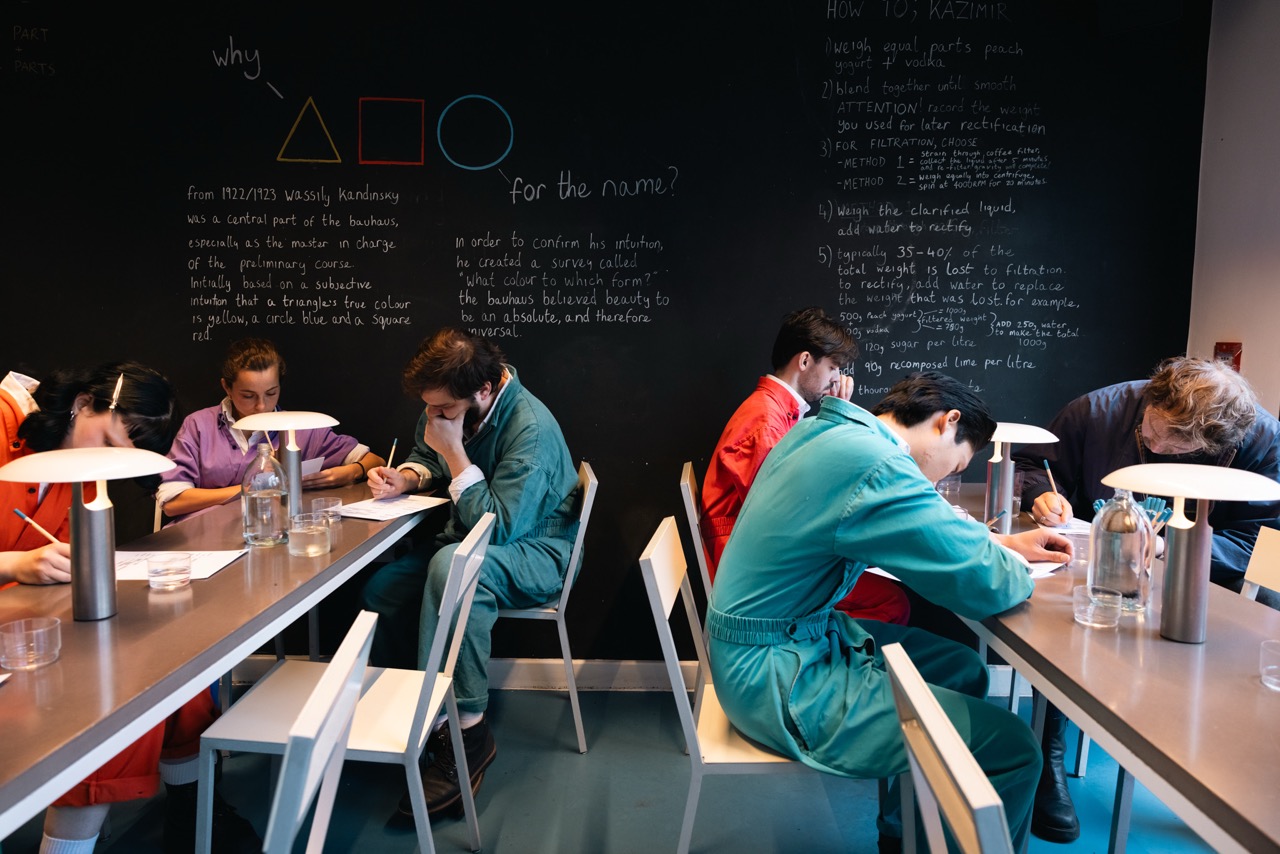
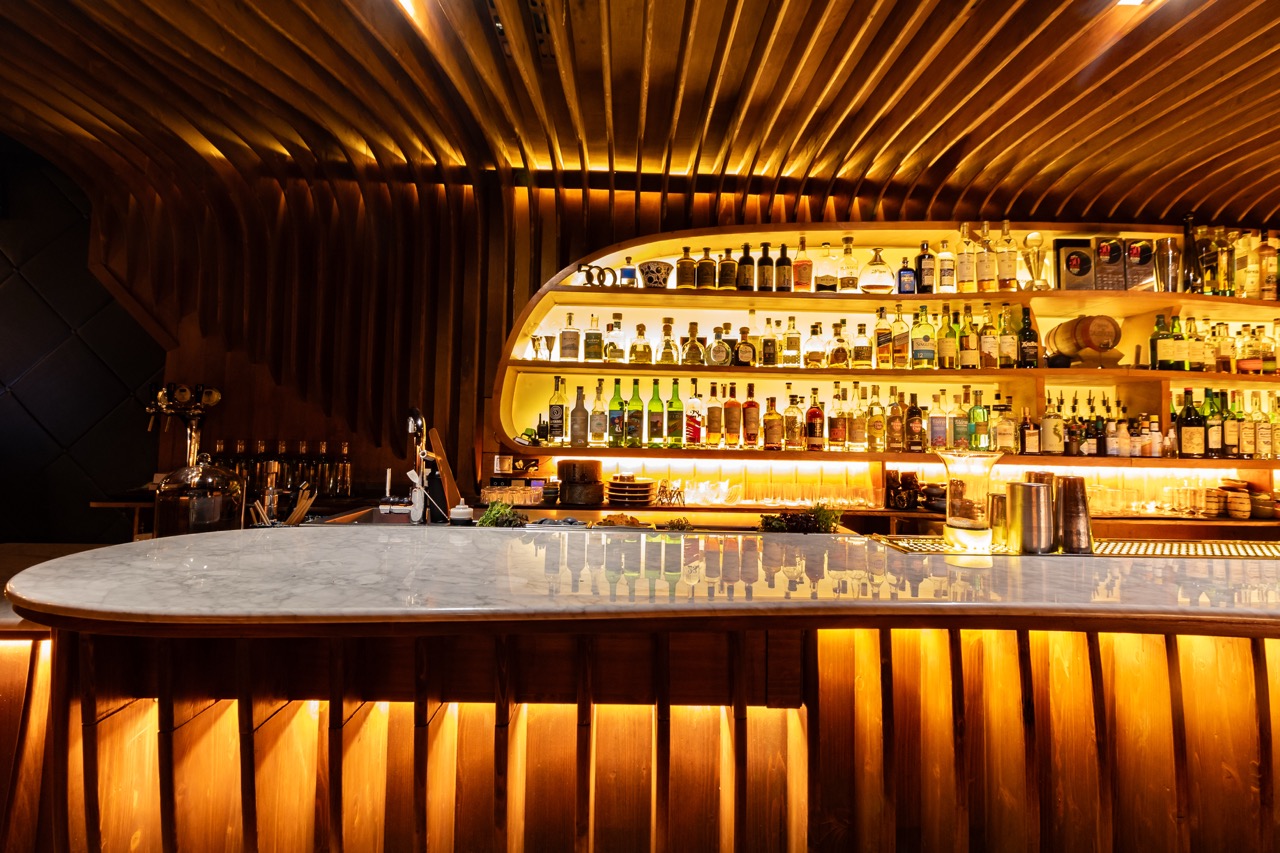
In London, stepping inside the nondescript jet-black exterior of Dalston’s A Bar with Shapes for a Name feels more like a crime scene than a bar. Come for a rendezvous here, and you’ll be met with staff clad in boiler overalls bearing drinks sheathed in vast geometric ice cubes, while liquids downstairs whizz through an array of pipes, spin in high-speed centrifuges and carbonate in chamber sealers. While benches, apparatus and a side of R&D don’t exactly scream romantic or celebratory evening, the bar’s recognition on both The World’s 50 Best Bars list and the UK Top 50 Cocktail Bars suggests there’s certainly appeal. Co-founder Paul Lougrat says: “We now borrow from food science, perfumery, fermentation, distillation and even industrial design.” Referencing how mixologists are breaking new ground, he adds: “The level of understanding behind a great cocktail has become much deeper.”
Many bars are developing techniques on site to unleash and enliven flavours that are uniquely their own. McPherson’s speciality – congruous with his Scottish backdrop – involves plunging the liquid down to piercing levels, having pioneered a flurry of frozen mixology rituals himself. To make a Coconut Daiquiri, through “Switching”, he takes the spirit (Bacardi Carta Blanca rum) to sub-zero temperatures, where the water separates and is removed, then replaced with another liquid (coconut milk) to pack an enhanced punch. For Panda & Son’s esteemed lilac-hued, vinous-tinged Sability cocktail, the contents — sherry, vermouth, sable grapes — are pressurised through “Sous Pression” into a deep freeze, to fuse them intensely into one smooth finish.
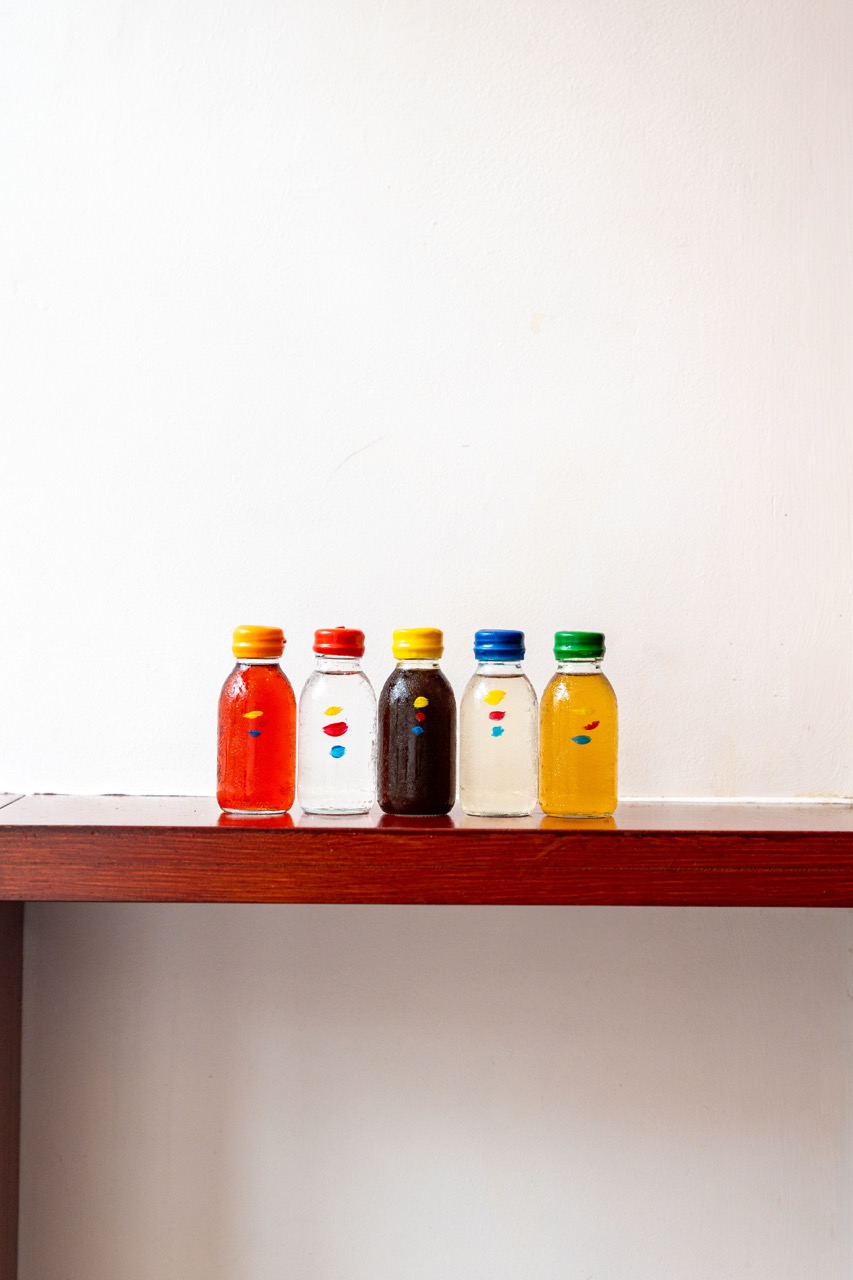
FlipDog, a new Ukrainian technology-focused bar in London from Artem Skapenko and Alex Kostenyuk, takes the opposite approach — using one of its methods to heat ingredients to incandescent temperatures. Under the bar’s Loggerhead technique, a specially engineered steel element is heated to around 1,000°C to caramelise ingredients directly inside the cocktail. Skapenko insists the effort is justified, as science unlocks new characteristics and qualities that conventional methods simply cannot achieve.
However, beneath all the fanciful equipment and spun-out processes, the objective remains simple: to evoke emotion. Giacomo Giannotti, founder of Paradiso, explains, “Technology is just a tool… guests don’t remember centrifuges or rotovaps [rotary evaporators]; they remember how a drink made them feel.” Lougrat echoes this sentiment, emphasising that “precision should never become the experience itself,” recognising the need to prevent the bar from feeling clinical or cold.
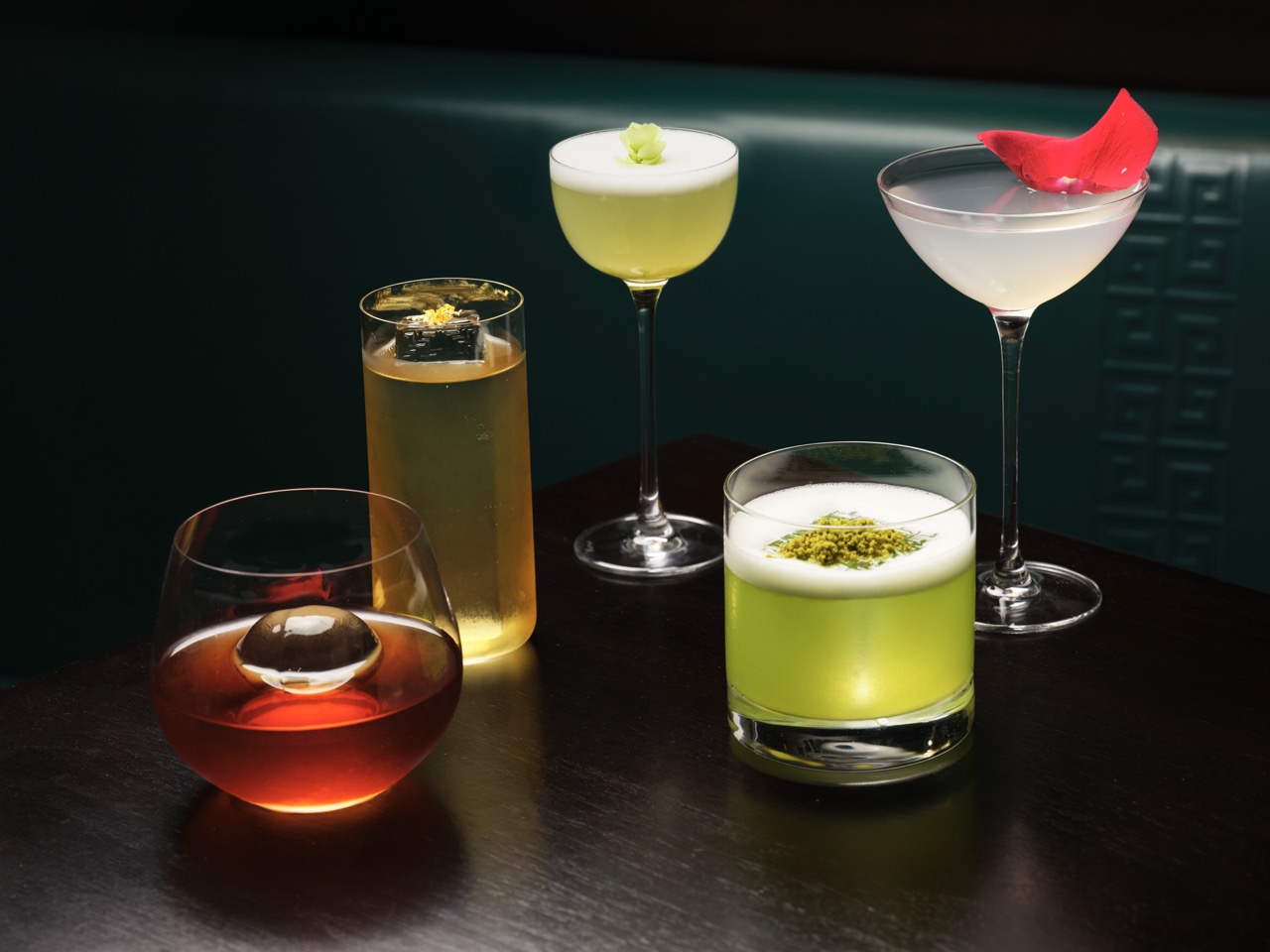
To reach this sentimental north star, technique, vessel, ambience and story are all crucial — but the concept is where it begins. Once that’s clear, Giannotti says, “we build every element around it: the flavour, the aroma, the vessel, and the timing of service”, each reinforcing the same emotion. Lougrat agrees, asserting that “every ingredient, every glass and every piece of ice have to justify its existence… if something doesn’t improve the experience, it doesn’t belong.” Where a speakeasy might lean on nostalgia for atmosphere, modern cocktail creators seek to let the drink speak for itself. Shapes’ Lougrat, whose bar features no more interior design than a stripped-back white wall, bald steel pipes and a set of mahogany high tables, says removing visual cues “shifts the attention onto the drink itself.” Guests are therefore encouraged to judge a cocktail by its taste, rather than relying on nostalgia or spectacle.
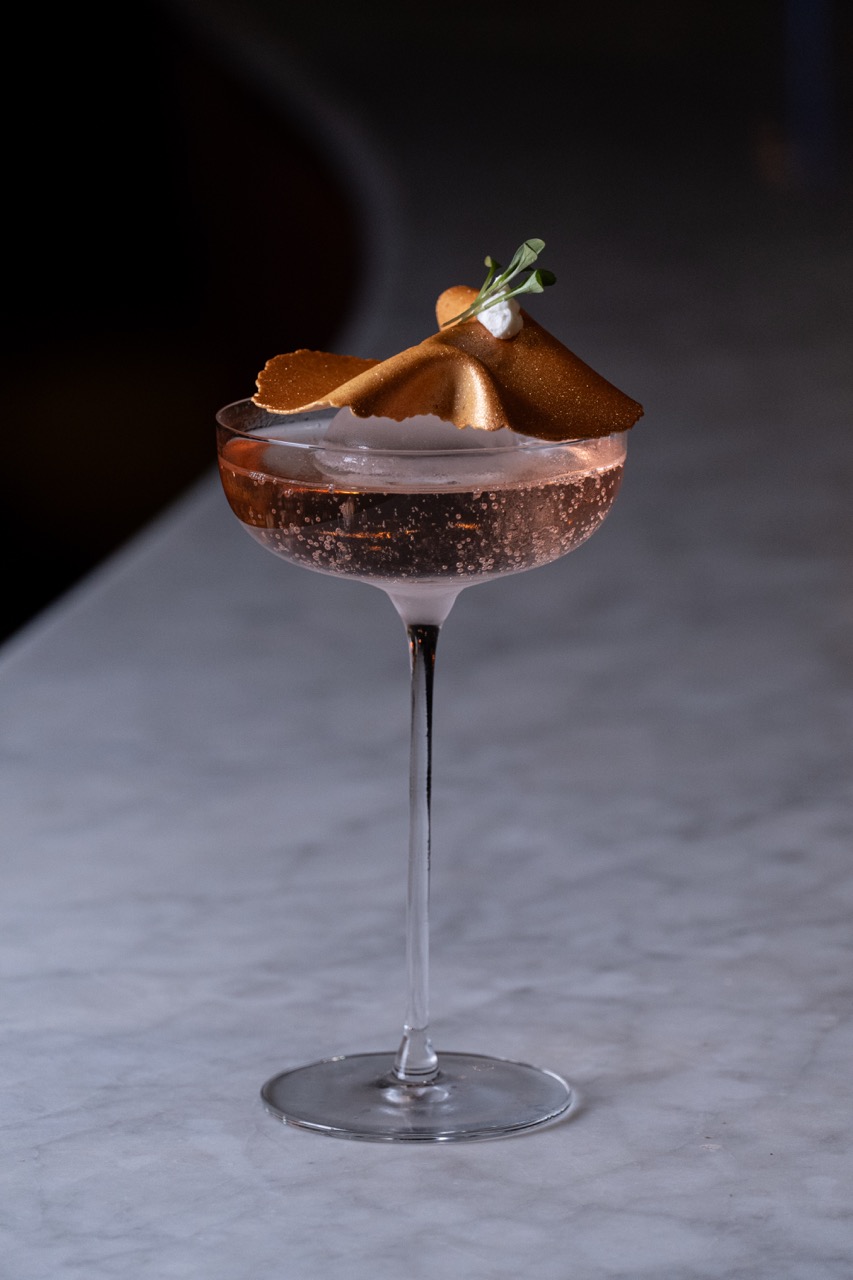
In haute cuisine today, waiters often bring a recital of the backstory, essence and even spirit of the dish, some offering details like the flight time of the catch you’re about to enjoy. Many bars, however, share the belief that all the time, techniques and drops of sweat must disappear into the background for a drink that can speak for itself — despite the extravagance of science behind the preparation.
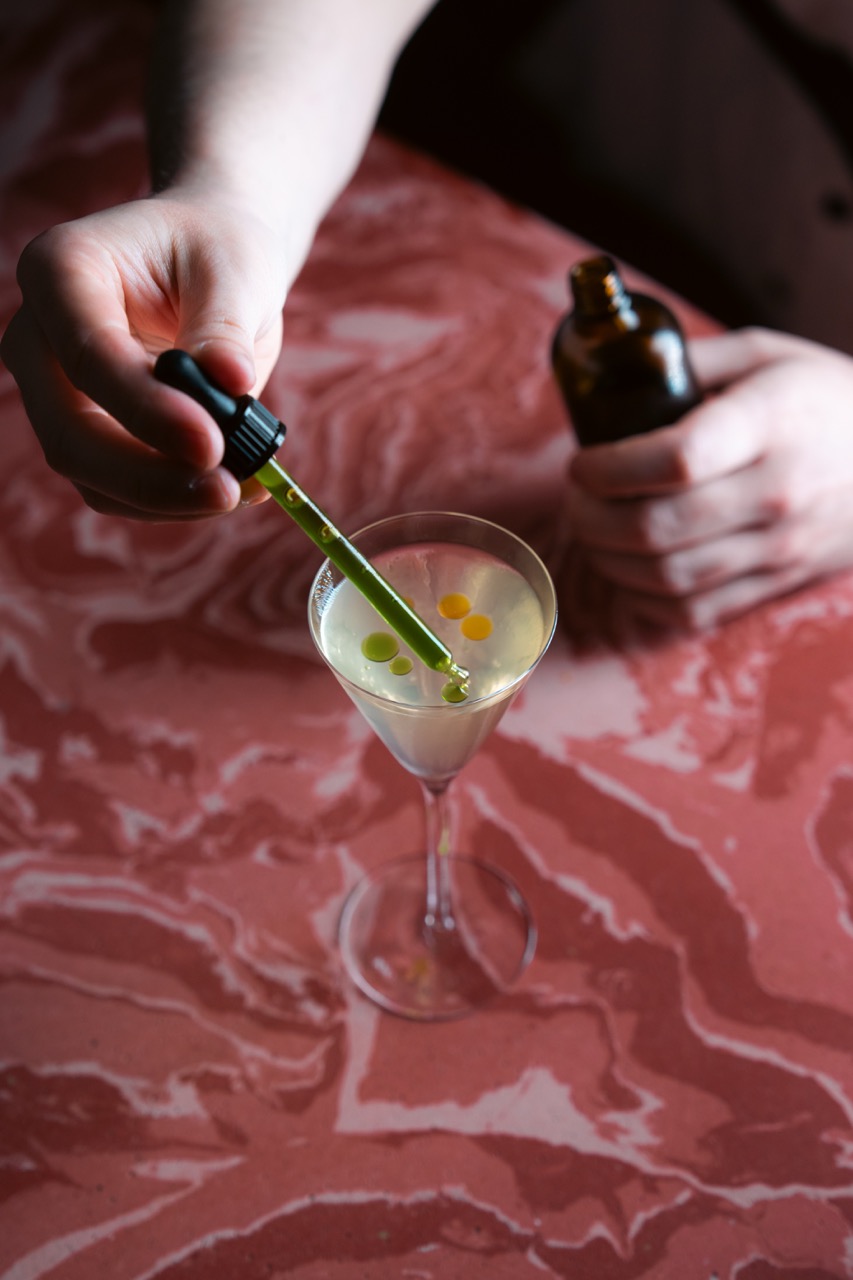
“The story is there if guests want to explore it, but a cocktail should never need a lengthy explanation to be enjoyed,” says Wendy Hopkins, director of beverage at Hakkasan Mayfair. Hopkins’ process begins with a familiar cocktail before substituting one ingredient to reflect a culinary heritage: “The best cultural references are the ones that reveal themselves naturally through the flavour.” A Silk Road Margarita on the menu, for instance, includes a fat-washed spirit that sees Casamigos Blanco Tequila infused with pistachio before it’s strained for a velvety, opulent finish, which — reflective of its name — glides like silk across the palate. Skapenko echoes the idea: even the most complex product should be explained in accessible language. If the story is too technical or overwhelming, the drinker disconnects. “Most people don’t care about how we make our ingredients,” adds McPherson. “We will only geek out with them if they want to.”
Rather than copying molecular gastronomy entirely, the high-flying bartenders of today are shaping the philosophy into their own —where identity shines modestly, even ethereally. And if his famous maxim is anything to go by, we’re sure Ferran Adrià would approve.