A Curator's Guide to Frieze London
Words by
Clara Taylor
14th October 2026
As Frieze London opens today, curator and art dealer Daria Borisova shares her tips for building a meaningful collection, spotting potential and navigating the fair.
I'm not a big fan of the word "asset." For me, art is first of all about people. It's one of the last places where we still meet face to face: you stand in front of a painting with someone, you talk to the artist, you argue about it over dinner. We spend our days on screens, talking to machines, and I think we are all a bit hungry for something real. Something made by a human hand, that carries a human feeling. Art gives you that.
I think young people understand this better than anyone. They grew up online, and they know what they're missing. That's why they don't just buy objects. They look for experiences, friendships and a real community around the art. The numbers show it too: in the latest Art Basel and UBS survey, Gen Z collectors put around 26% of their wealth into art, higher than average. And yes, art can hold its value over time. But a share doesn't change how you feel in the morning. A painting does. I believe art will only become more important. The more of our life becomes digital, the more we need the things that make us feel human and connected to each other.
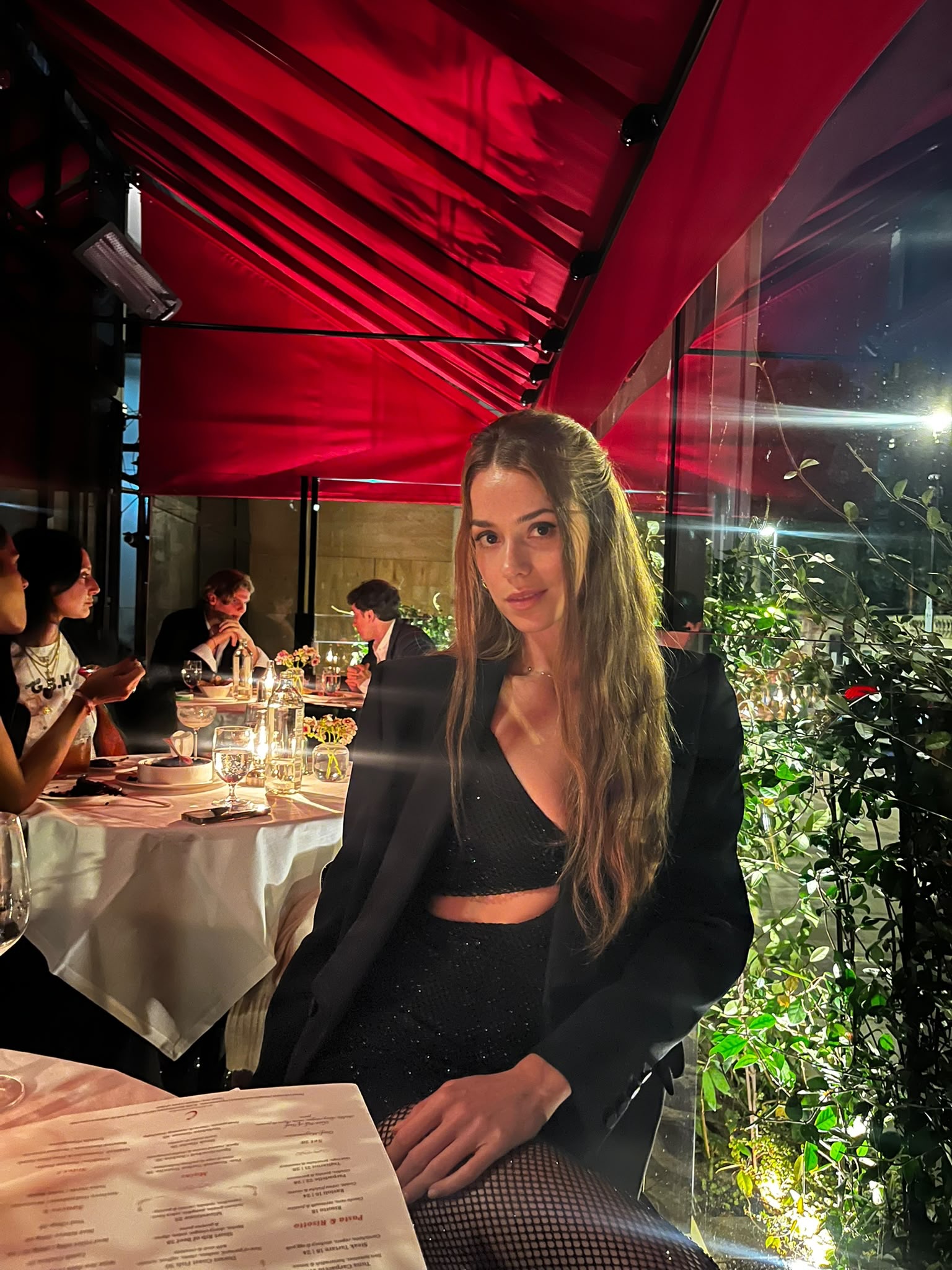
A fun night at St Clement, London. ©Daria Borisova.
What opportunities does Frieze offer that collectors might struggle to find elsewhere?
Frieze is the cutting edge. Basel is the top of the market, but Frieze is where you feel the pulse. And the most precious thing it offers is people. In five days, the whole art world is in one city: artists, gallerists, curators, collectors. You can have conversations here that would take a year to arrange anywhere else.
For me, the heart is Focus, the section for younger galleries: 34 presentations this year, advised by curators Cédric Fauq (CAPC Bordeaux), Joumana Asseily (Marfa', Beirut) and Freddie Powell (Ginny on Frederick, London). These are small teams, very close to their artists, and they love to talk. New this year are galleries like Chemould CoLab from Mumbai. There's also Artist-to-Artist, where leading artists choose who to show, and a new curated section, The Code Universe.
And you have Frieze Masters next door. You walk from a medieval sculpture to a painting made this summer in ten minutes, and you feel how artists have been talking to each other for centuries.
What are the key indicators that an emerging artist may have potential?
They have to be different, really different. You have to see it. You walk into a booth and something stops you, and you don't know why. Then you want to meet the person who made it.
Then I look at a few things: a good school; a strong emerging gallery with a reputation for a good eye; institutional interest, like museum shows, residencies, biennials; and respect from other artists. Today an artist also needs to be stable. The art world is very competitive and careers move fast. The artists who last are the ones who take good advice and understand the business side, because a few wrong decisions early on can be very hard to come back from.
But the most important thing is to follow them over time. Follow the gallery's programme, go to the openings, watch how the work grows. Louis Fratino is a beautiful example: the Venice Biennale in 2024, museum shows in Prato and Baltimore, and this year David Zwirner. The collectors who knew him early didn't just buy a painting. They followed a career, and they were part of the story.
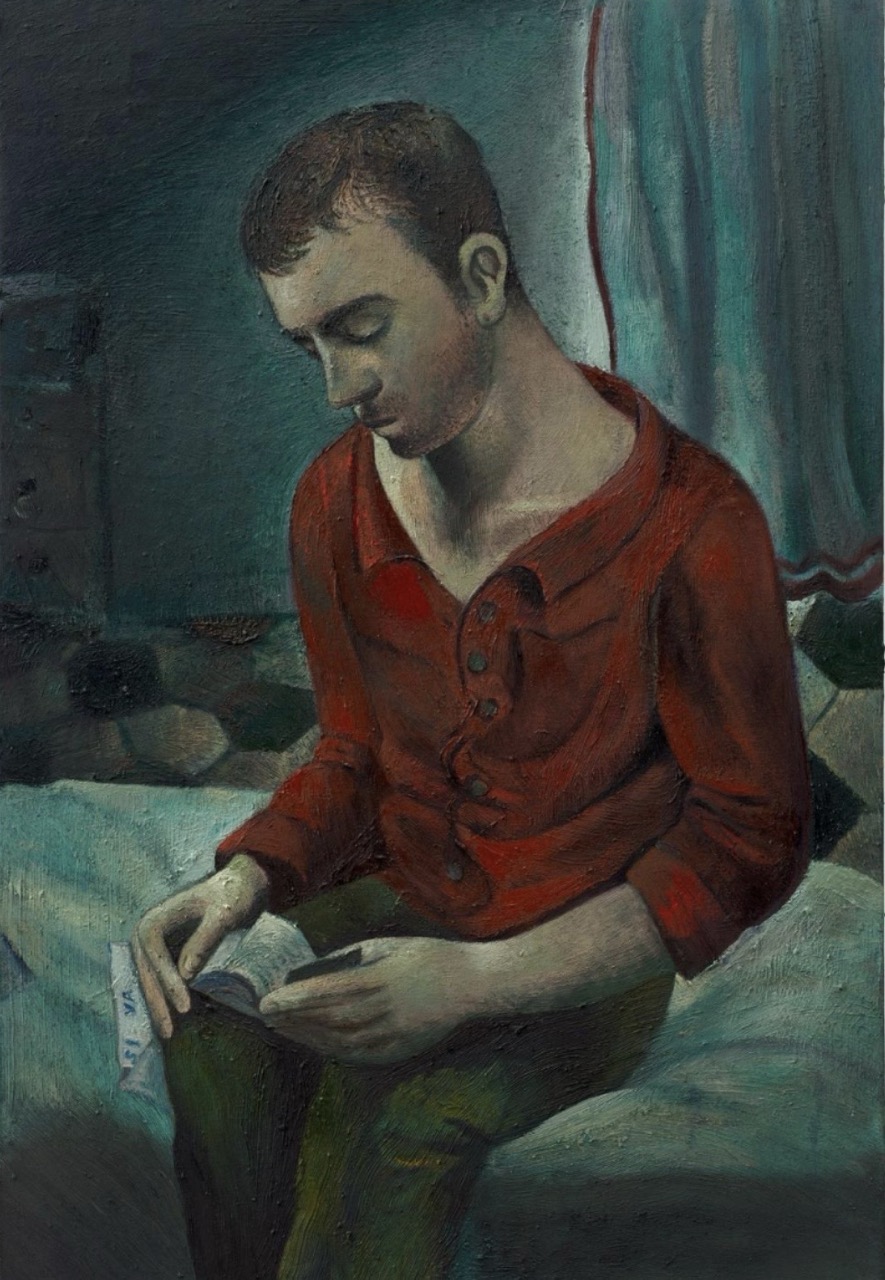
Louis Fratino, Ale in his mom's bedroom (after Corot), 2026. ©David Zwirner.
How should buyers (and first-time buyers) approach Frieze London?
- Start with Focus. It's the most exciting area for new buyers. Prices are more accessible and the galleries are close to their artists.
- Talk to everyone. Gallerists, artists, other collectors. Don't be intimidated. Go to the booth yourself and start a conversation. That conversation is the beginning of a relationship.
- Be very curious. Ask the gallery a lot: who else collects this artist, which museums have the work, what's coming next, can you visit the studio. Good galleries love curious collectors.
- Trust your eye. If you keep thinking about a work after you leave the booth, that means something.
- Always check art databases for prices: MutualArt, Artnet, Artprice.
- Find one or two institutions to support. It doesn't have to be a big foundation or a big donation. Join the young patrons of a museum, support a small foundation, a non-profit space, an artist residency. Be connected to something that keeps art alive. That's where you meet the most interesting people, and that's where collecting becomes meaningful.
- And of course, get a good advisor.
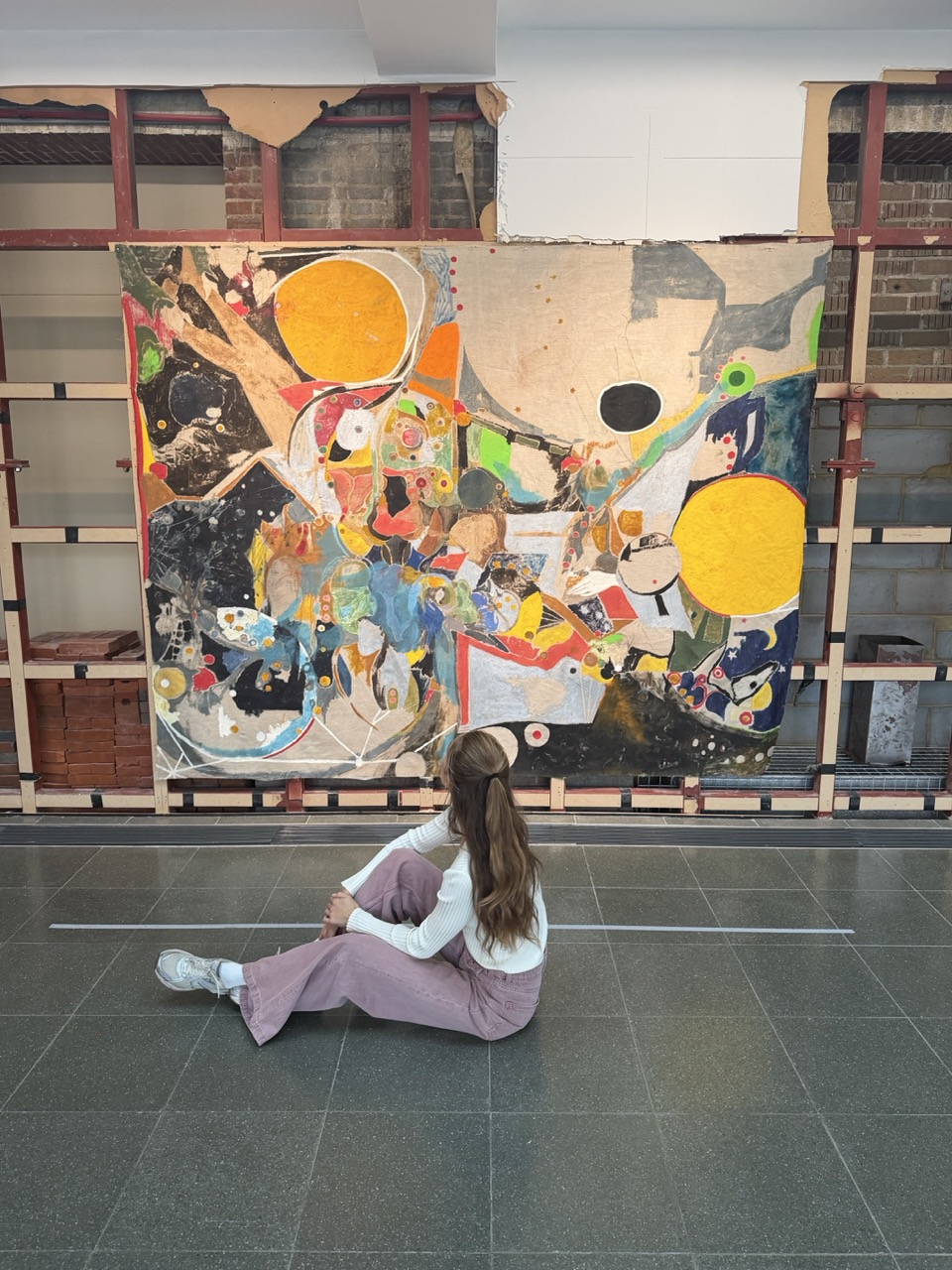
Daria Borisova next to a painting by Justin Caguiat, Justin Caguiat: Change Ringing, Serpentine South, London. ©Daria Borisova.
Best exhibitions to see in London this season
I don't want to overwhelm anyone with my recommendations, so here are just the shows I loved this season. Every major institution brings out its strongest show for Frieze week, so take your time and see them with friends. Also don't miss Frieze Sculpture in Regent's Park, free and open until 1 November.
- Justin Caguiat: Change Ringing, Serpentine South, 8 Oct – 10 Jan. His first UK institutional show: paintings with heat-sensitive pigment that change colour with temperature and light, and bronze bells cast as flowers and seeds.
- Amar Kanwar, Serpentine North, 23 Sep – 31 Jan. Premiering The Charcoal Man, a new seven-screen film installation.
- Issy Wood, National Portrait Gallery, 9 Oct – 28 Feb. Free, and the first show in the gallery's new "Artist Focus" programme.
- This Is Still Not a Pipe: The Afterlife of Magritte, Gagosian, Grosvenor Hill, 24 Sep – 12 Dec. Free. Made with the Fondation Magritte, it shows Magritte next to the artists he influenced, 90 years after the International Surrealist Exhibition was held in London.
- Louis Fratino: Prose, David Zwirner, Grafton Street, until 31 Oct. His first London solo show.
- Sabine Moritz: Lie Down in Green Pastures, Garden Museum, 8 Oct – 20 Dec. Her first UK museum exhibition.
- Jonathan Gardner, Massimo De Carlo, Clifford Street.
- Salman Toor: Someone Like You, The Courtauld, 2 Oct – 10 Jan. His first solo museum show in Europe. Paintings about friendship, love and belonging.
- Cecilia Vicuña: Living Threads, Whitechapel Gallery, 7 Oct – 14 Feb. Her first major UK exhibition, six decades of work. She studied at the Slade here in the 1970s.
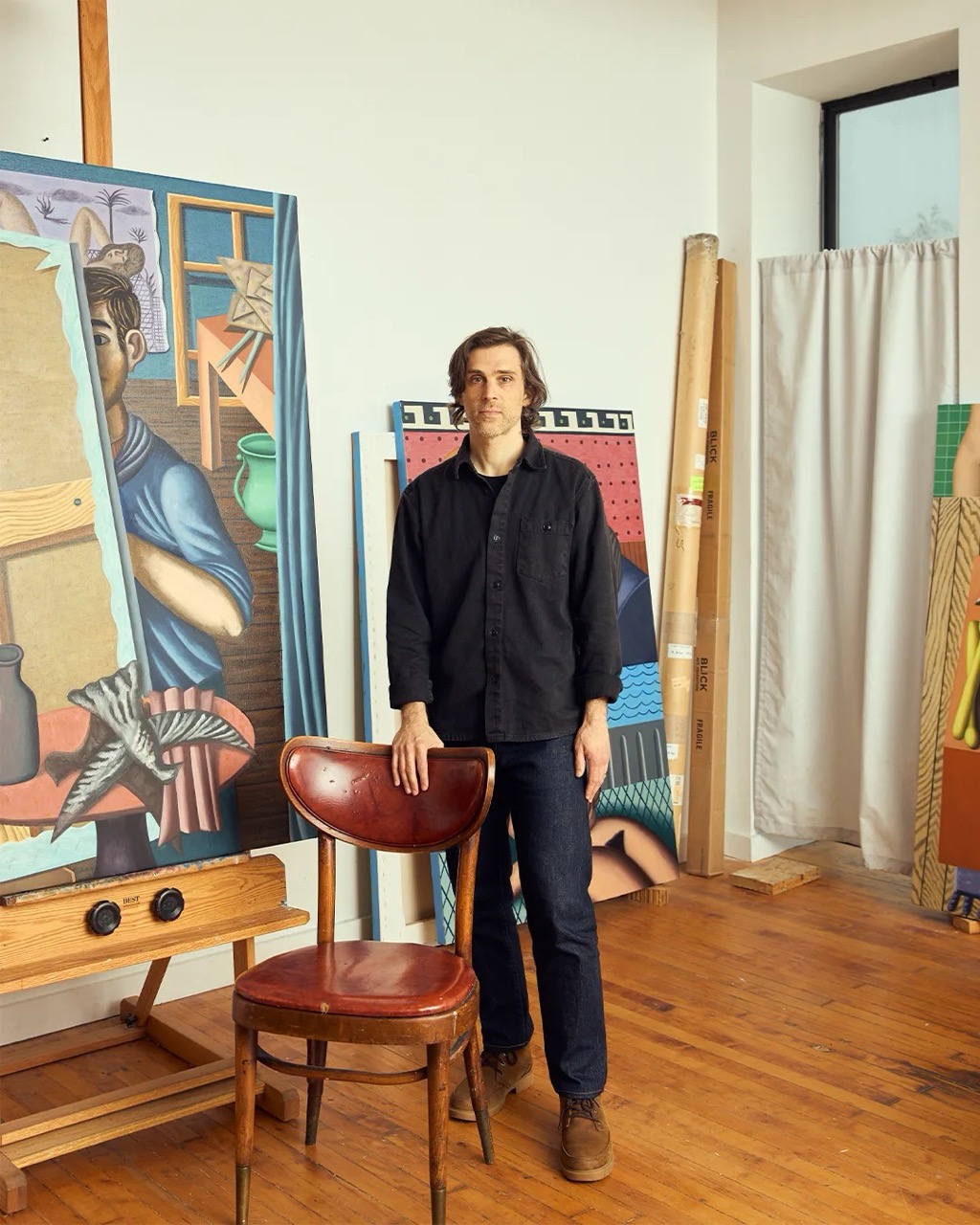
Portrait of Jonathan Gardner. Photograph by Luis Corzo. Courtesy of the artist and MASSIMODECARLO.
Which pit-stops would you recommend?
The best conversations of Frieze week don't happen in the booths. They happen at lunch, over coffee, at the bar at midnight. So choose your places well:
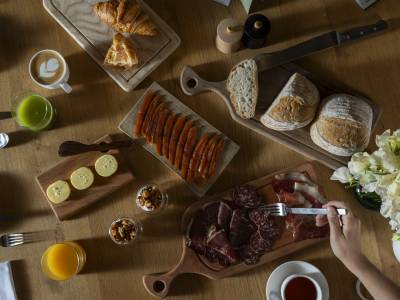
- St Clement, Nick Jones's new hotel in the 180 Quarter on the Strand. Café Clement is an all-day brasserie by ex-River Café chef Danny Bohan, and Bobbi's Bar is super fun, open until 3am. Five minutes from the Courtauld.
- RH London, 7 Burlington Gardens, behind the Royal Academy. An impressive new building with two lovely restaurants: The Dining Room in the old banking hall and The Perch on the rooftop.
- Dorothy's, 41 Savile Row. Perfect for a coffee meeting, a beautiful European-style caffè that goes from morning coffee to a nightcap.
- Langosteria, the Milanese seafood restaurant, now at Raffles London at The OWO on Whitehall.
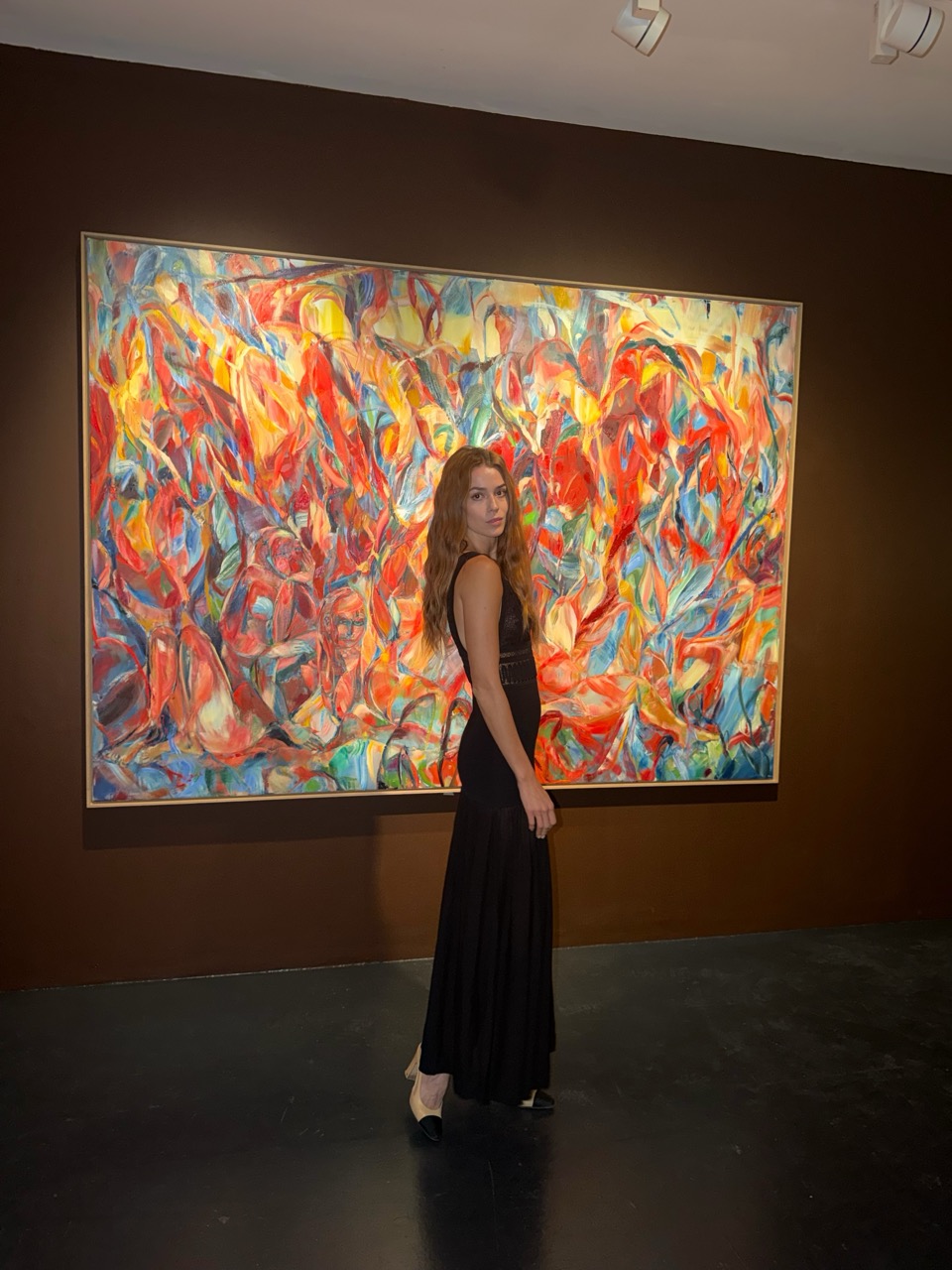
Opening of Sabine Moritz: Lie Down in Green Pastures, Garden Museum, London, 8 October – 20 December 2026. ©Daria Borisova.
Which trends should young collectors be paying attention to right now?
I don't like to talk about trends. By the time something is a trend, you're already late. Collect what moves you, and the people you believe in. Relationships last longer than trends.
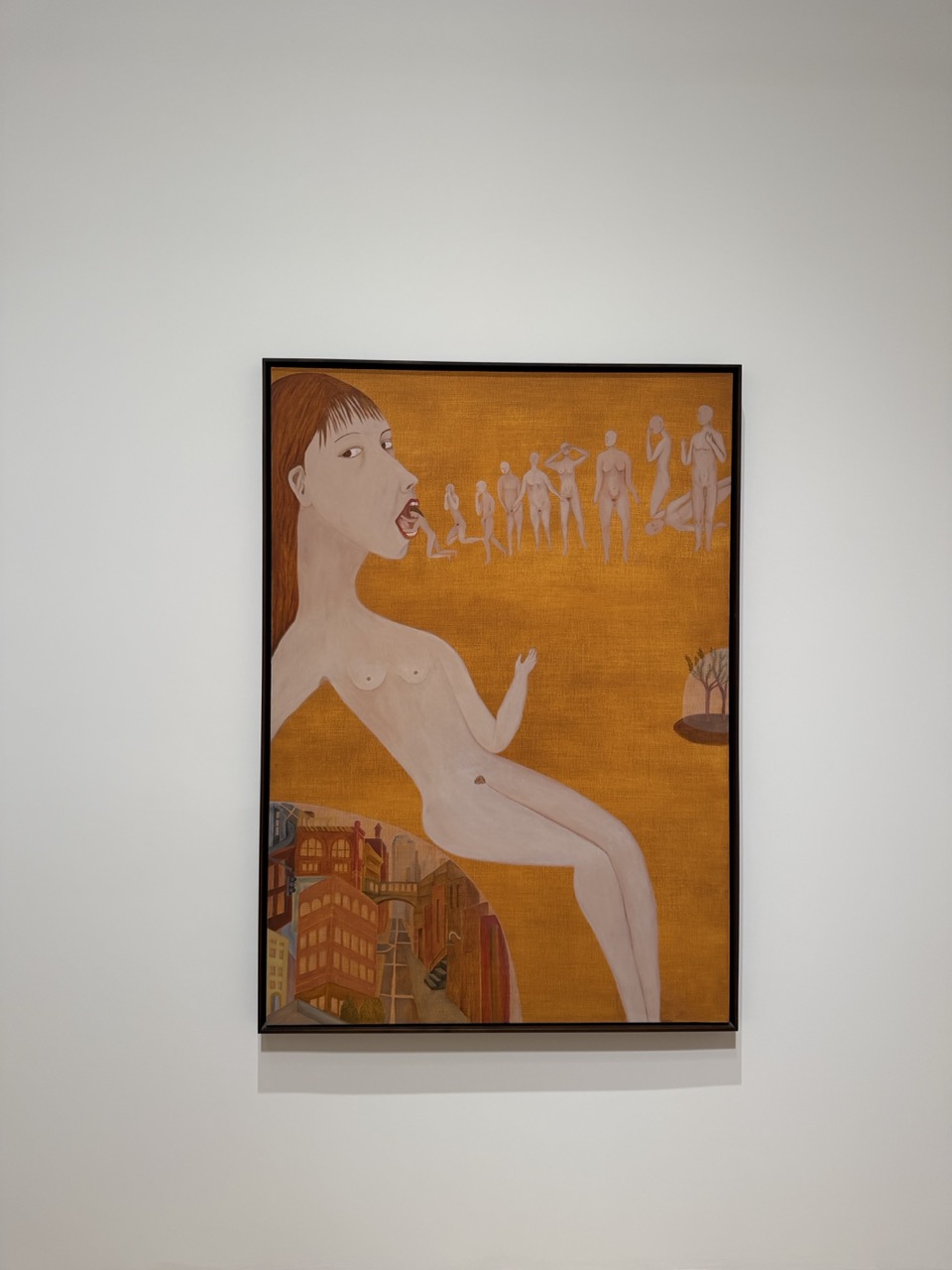
Cecilia Vicuña: Living Threads, Whitechapel Gallery, London. ©Daria Borisova.
Which mediums or regions are attracting increasing attention?
India. In April, a Raja Ravi Varma painting sold for about $17.9 million, a new auction record for Indian art, and 2025 was the Indian auction market's best year ever. What I find most beautiful is who is buying: galleries say most buyers are now Indian or India-based, and many are new to collecting. A whole new generation is falling in love with the art of their own country.
You'll feel it in London this week: Chemould CoLab from Mumbai is new in Focus, Amar Kanwar is at the Serpentine, and Salman Toor is at the Courtauld. One honest note: record prices are still concentrated around a few names, so go slowly and look deeply.
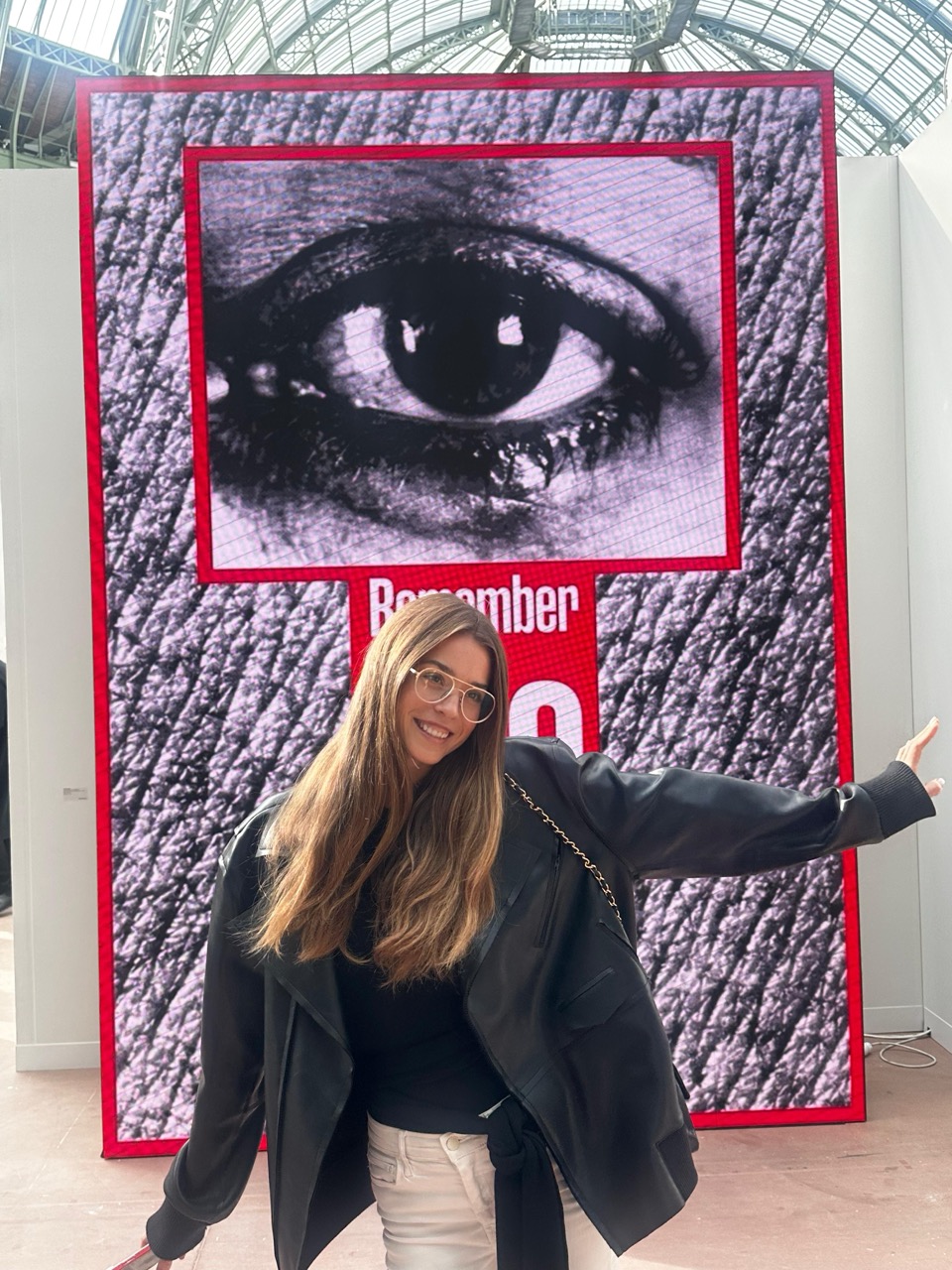
Daria Borisova next to a work by Barbara Kruger, Art Basel Paris 2025, Grand Palais. ©Daria Borisova.
Which areas do you believe are currently undervalued?
The big names of the late 80s and 90s: Richard Prince, Christopher Wool and their generation. Ten years ago they were the hottest names in the market. Wool's secondary prices have fallen around 75% from their 2015 peak, and Jeff Koons and John Currin have cooled too. But their importance hasn't gone anywhere. Markets move in cycles. If you can buy the best works from the best periods, this is an interesting moment.
And most of all: collect and believe in the artists of your own generation. Grow with them. That's how every great collection was built.
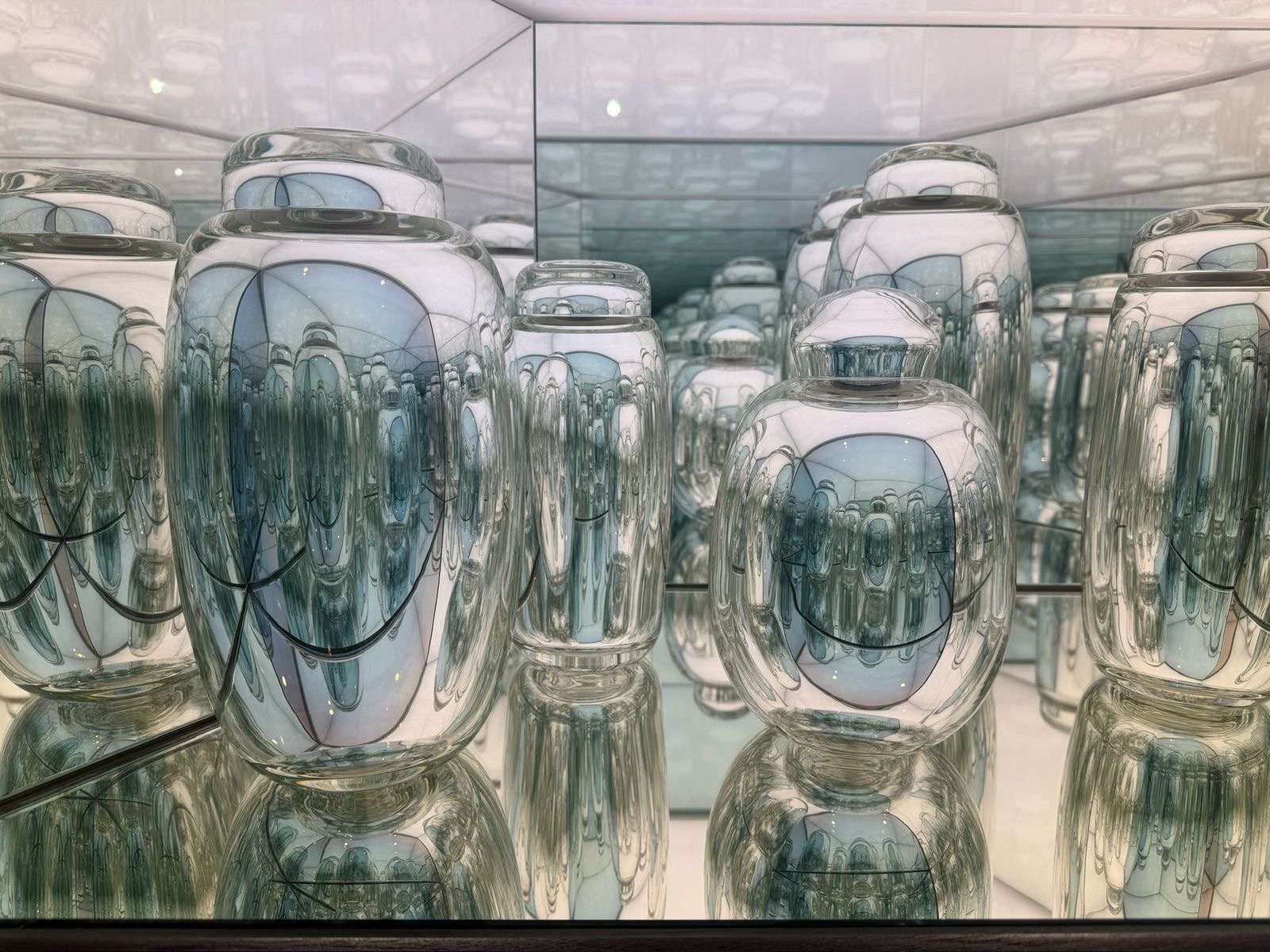
Josiah McElheny, 'From the Library of Doubles VII', 2025, shown at last year's Frieze.
Beyond Frieze, which international art fairs should young collectors have on their radar this season?
- Art Basel Paris, Grand Palais, 23–25 October. Over 200 galleries from 41 countries, with the Emergence sector for younger galleries.
- Paris Internationale, the young, gallery-run fair during Paris Art Week, alongside satellites like Asia Now and Offscreen.
- Artissima, Turin, 30 October – 1 November. 183 galleries, 33 of them for the first time.
- Art Cologne, 5–8 November. The oldest art fair in the world.
- Frieze Abu Dhabi, the new one, debuting 19–22 November.
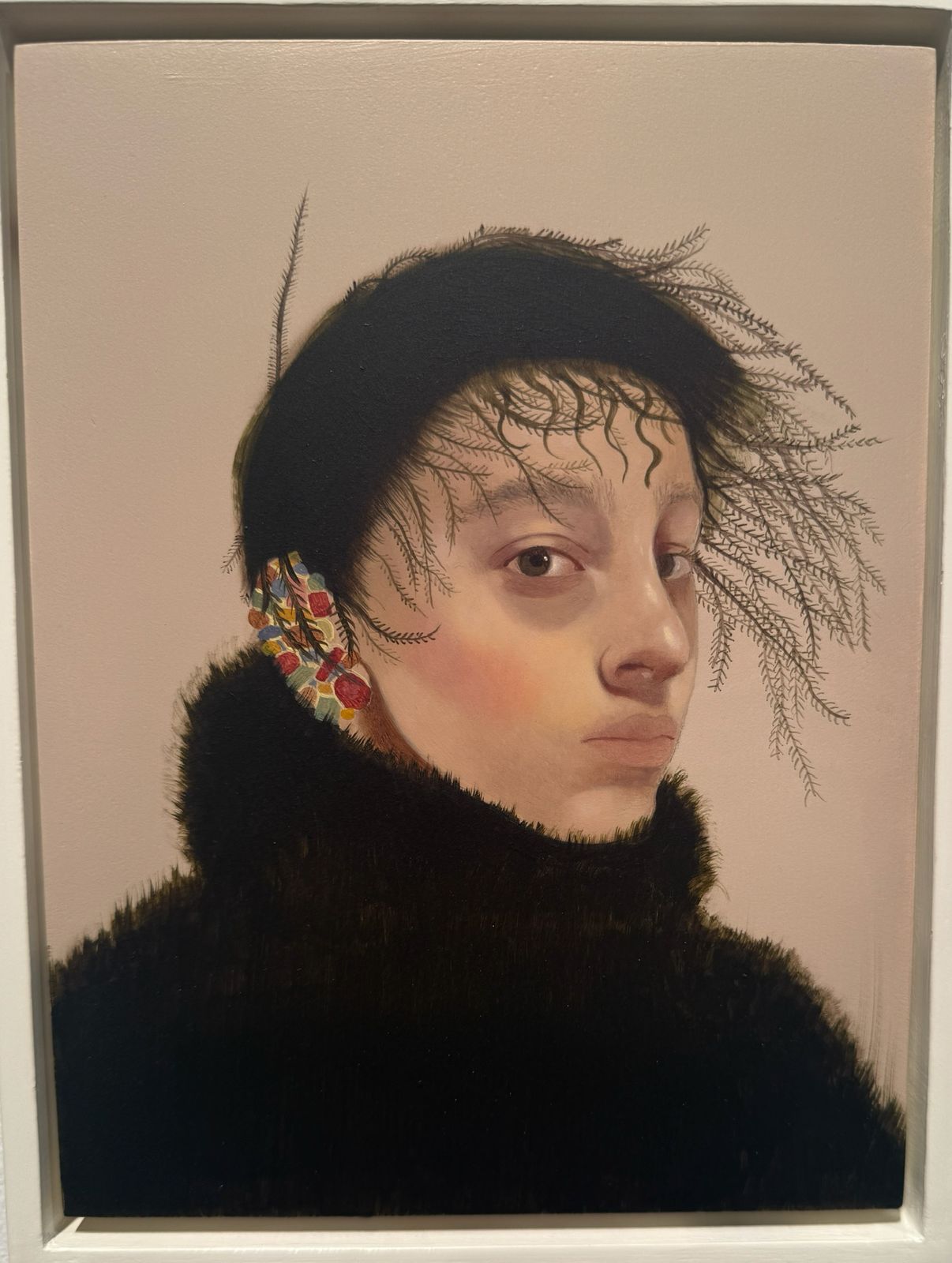
Sarah Ball, 'Petros', 2025, shown at last year's Frieze.
How does the collecting experience differ between Frieze London and Art Basel, Artissima, Art Cologne?
They're very different, and that's the beauty of it. Art Basel is the top: blue-chip, museum-level works, the most serious money in one place. Frieze London is more edgy: it's about discovery and the young gallery scene, with history right next door at Masters.
Artissima is the most experimental and curated. About a third of its booths are solo projects, and there's a section for artists under 40. Art Cologne has deep roots in 20th-century art and a loyal German collector base. Those two are more local, and I mean that as a compliment. The pace is slower, the conversations are deeper, people know each other, and often the prices are better.
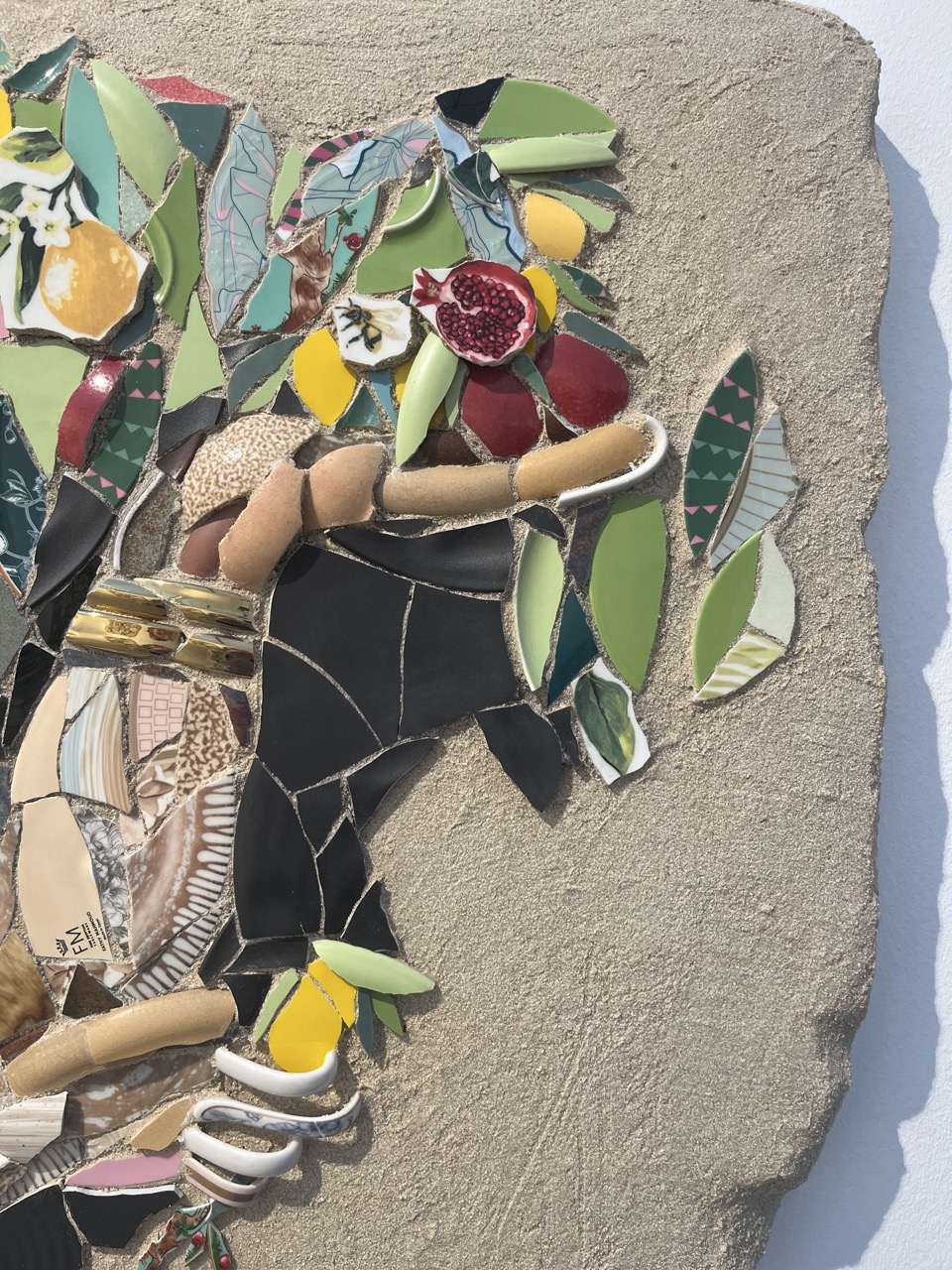
Farmer, Port of Alexandria, 2025, Porcelain, Marmox Board, Wood, Binding 2025. Shown at last year's Frieze.
Which fair currently offers the strongest opportunities for discovery of high-potential talent?
Frieze, of course! Focus is one of the best places in the world to meet young galleries and their artists.
I also love Liste in Basel. It's been running since 1996, alongside Art Basel in June, with around 90 young galleries, many showing solo presentations, many from outside the big art cities. And Paris Internationale has the same spirit in Paris.
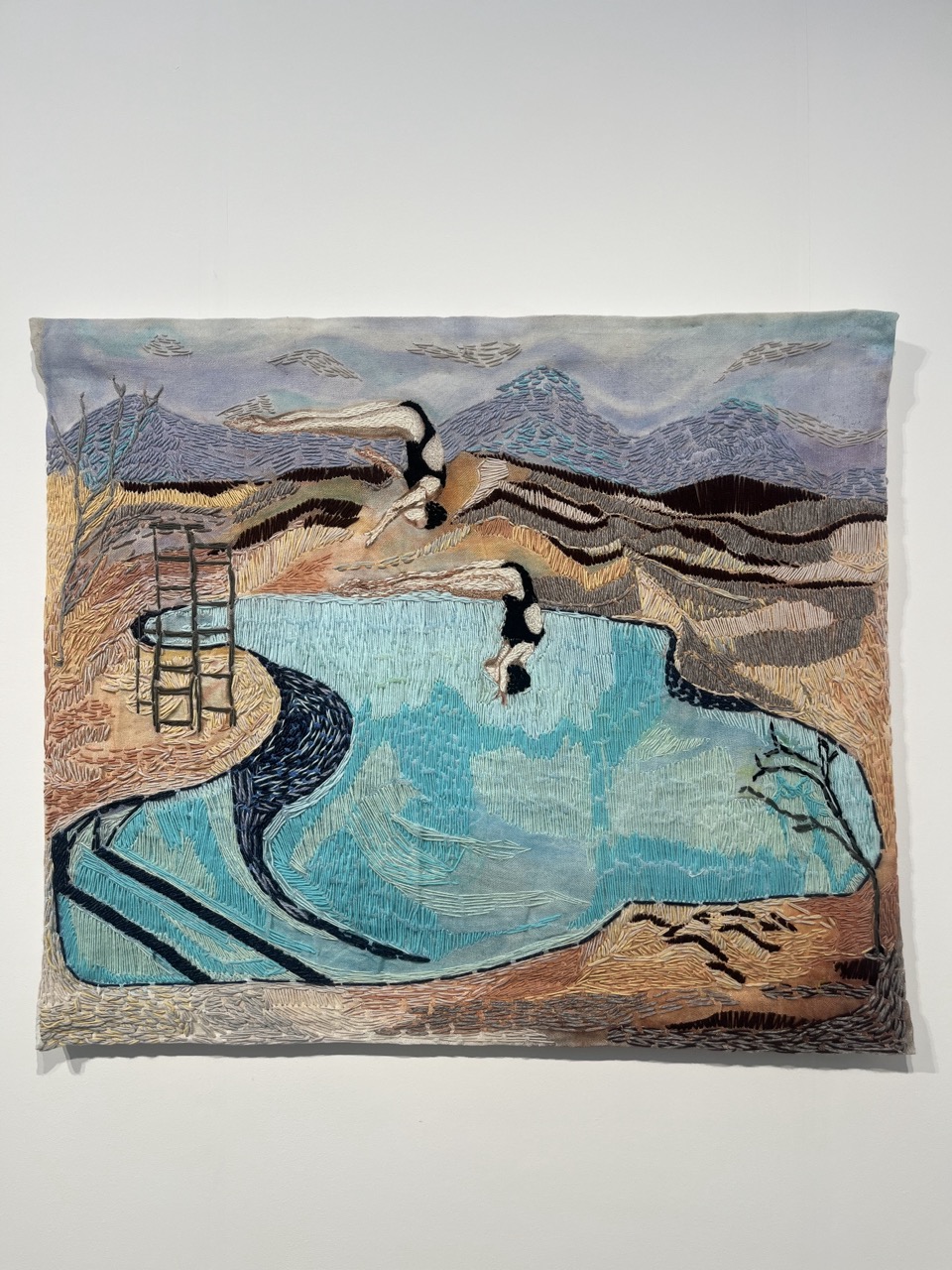
Alexandrian Desert Dreams (2025) by Marianne Fahmy, shown at last year's Frieze.
Which galleries outside the traditional art capitals should collectors be paying attention to?
In general, I believe the best thing is to focus on your local galleries. Build relationships where you live. Choose a few programmes you really love and stay with them: go to the openings, have dinner with the artists, follow their careers, buy when you can. That's how you get access, and that's how a whole scene grows. And find one or two local museums, foundations or non-profit spaces to support, even in a small way. You become part of something.
Great eyes are everywhere. Jonathan Gardner had early solo shows in Chicago and at Mary Mary in Glasgow long before Paris and Mayfair. Chemould in Mumbai helped launch S.H. Raza, Tyeb Mehta and Bhupen Khakhar, and now its young space, Chemould CoLab, is in Focus. These things happen because someone local believed early.