How does your hair score out of 100? A question that sent shivers down my spine and made my bleached blonde hair stand on end. After a summer of saltwater swims and hours basking in direct sunlight, I'm guessing the answer to that question is a resounding "not well".
Is an X-Ray the Key to Better Hair Repair?
Words by
Clara Taylor
7th October 2026
Clara Taylor puts the data-led hair repair X-ray and treatment to the test to discover her hair's true condition.
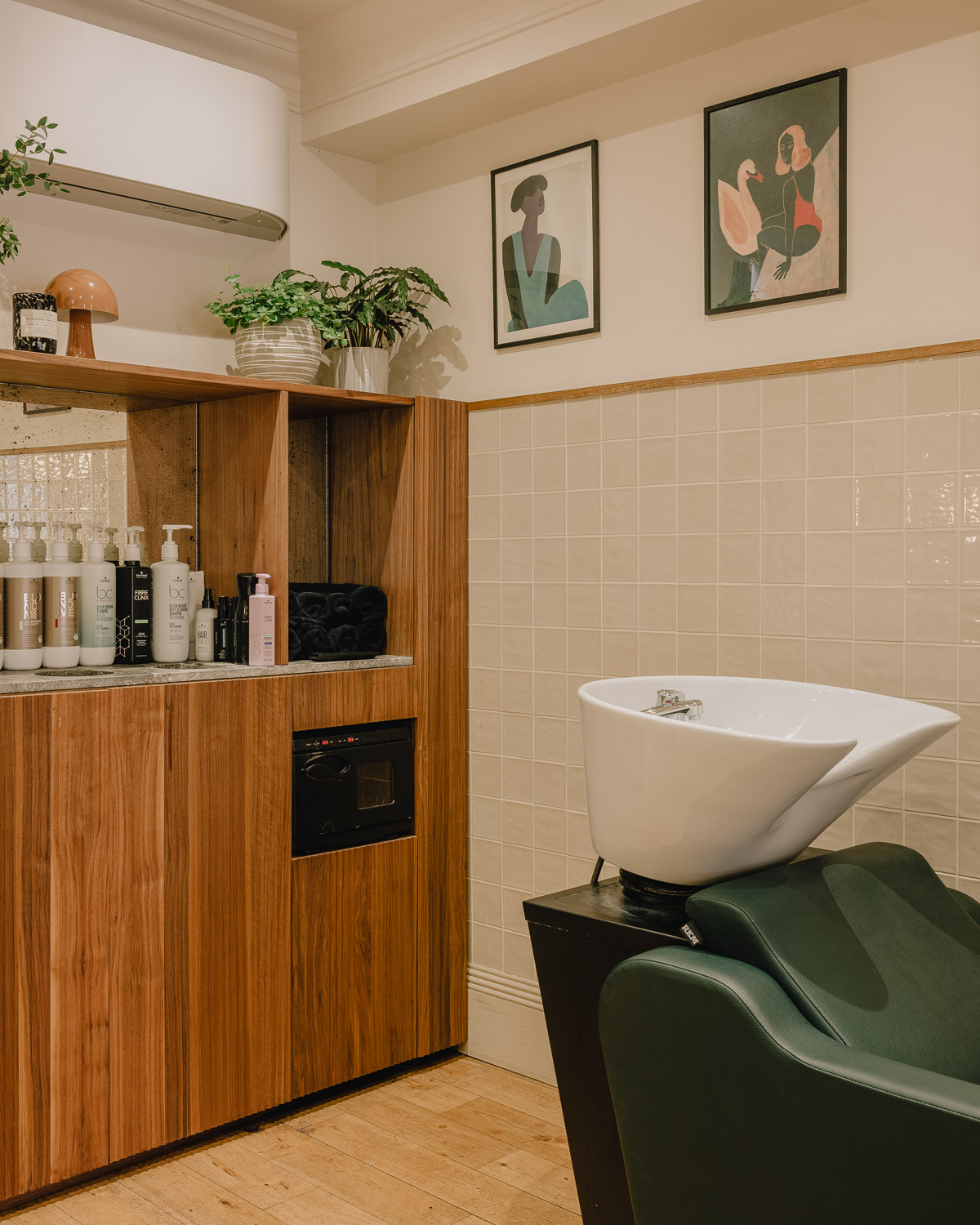
The hair wash basin. ©Haug London Haus.
At a time when diagnostics dominate beauty, from injectors demanding DNA tests to AI facials, it was perhaps only a matter of time before the "hair X-ray" was invented. And the appeal is undeniable. The beauty industry is saturated with marketing jargon and promises of miracle results, so the prospect of replacing abstract superlatives with cold, hard data is too good to pass up. Plus, I'm a glutton for a treatment, so frankly, any reticence was quickly retired.
Arriving at Haug London Haus, I found it significantly less clinical than anticipated. My visions of a mega-MRI-esque scan were immediately dispelled when I was handed a small device that looked somewhere between a mini hair straightener and a landline phone. Instead of an actual X-ray, it's more of a molecular-level scan that assesses hair damage, colour health and overall condition. After only a minute or two, Katie, the lovely stylist tasked with analysing my locks, gleefully hands me an iPad with a dancing DNA double helix and a score of 97 per cent. My mind immediately thinks this means my hair is 97 per cent damaged and that I've spent ten years paying to fry my hair off. Bridget Jones with an iron springs to mind. Fortunately, I'm reassured straight away that this in fact is a positive score and significantly higher than average, which tends to sit around the 60-ish per cent mark for blondes.
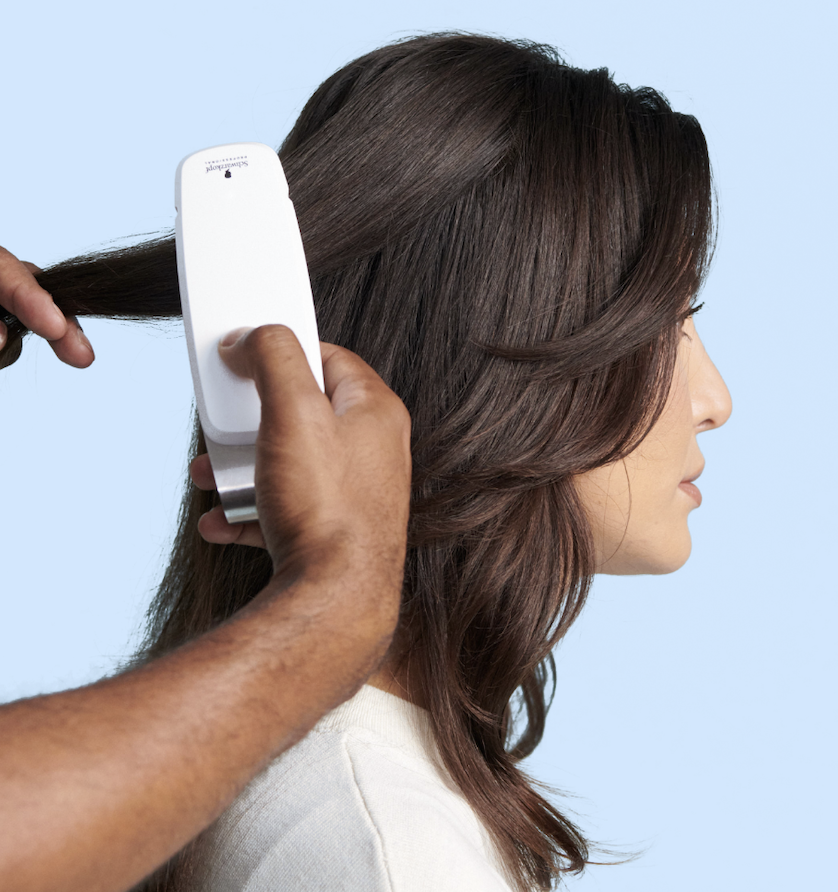
The hair X-ray. ©Haug London Haus.
With the panic subsiding, Katie explains what the score actually reveals. It's not a good-versus-bad ranking, but an indication of the hair's structural integrity, protein levels, and overall cuticle quality. In other words, while my natural, not-quite-curly, slightly frizzy hair may not always look advert-ready, on the inside, I'm doing A-okay.
It's at this point that I should cop to the amount of effort I put into my hair. Last year, I replaced my quarterly half-head highlights with a T-section; I have a silk pillowcase, I religiously use K18 bond treatments, will gleefully sit in a bath for hours, cold water or not, waiting for a conditioner to seep in - the list goes on and on and on. That is to say, I'm not exactly low maintenance.
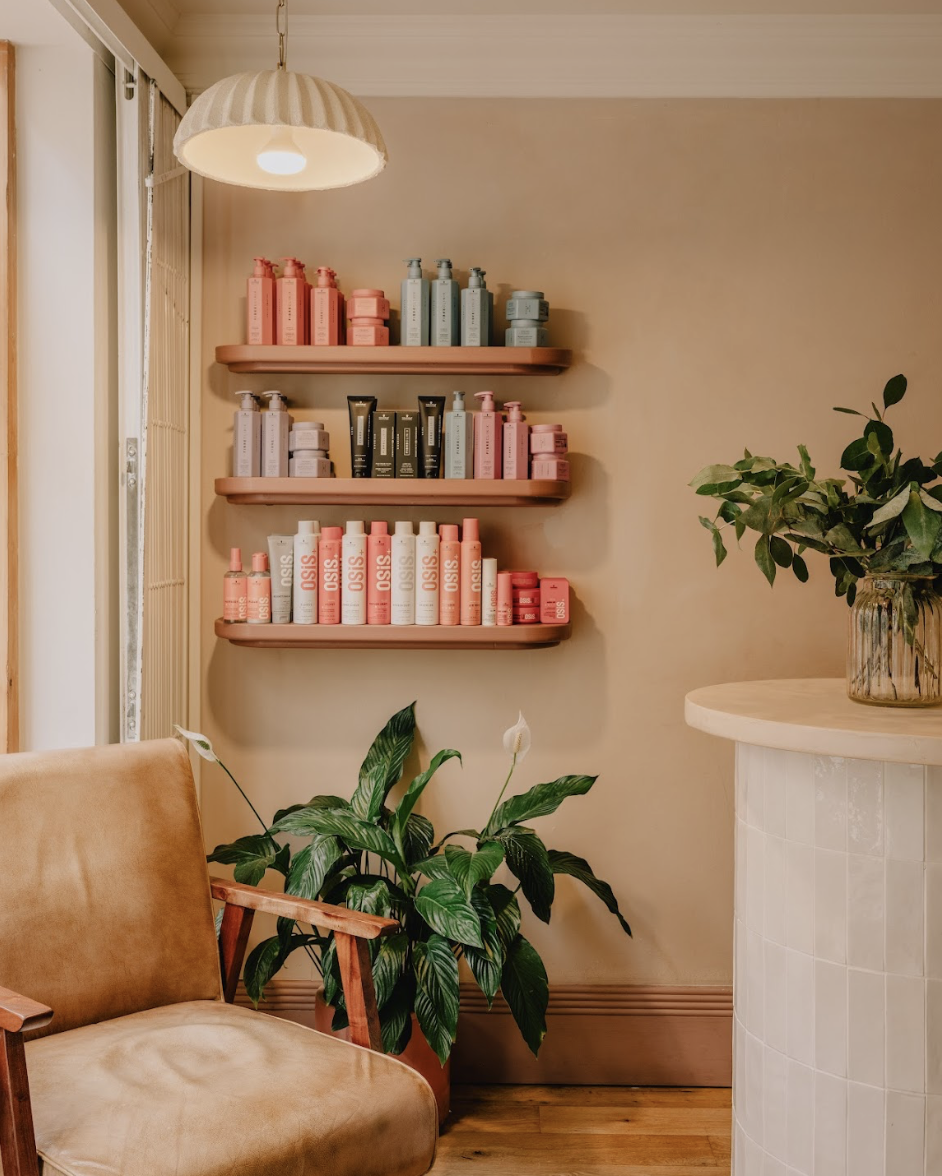
The Haug hair salon. ©Haug London Haus.
Despite my smug-inducing, surprisingly high score and disciplined hair regimen, Katie still recommends a bespoke, two-step rescue treatment. After all, if perfection is the goal, I still have 3 per cent to go, and my scalp may need some attention. Informed by the data from my results, a tailored concoction is slathered both onto my scalp and strands to repair any remaining dehydration or rogue broken bonds.
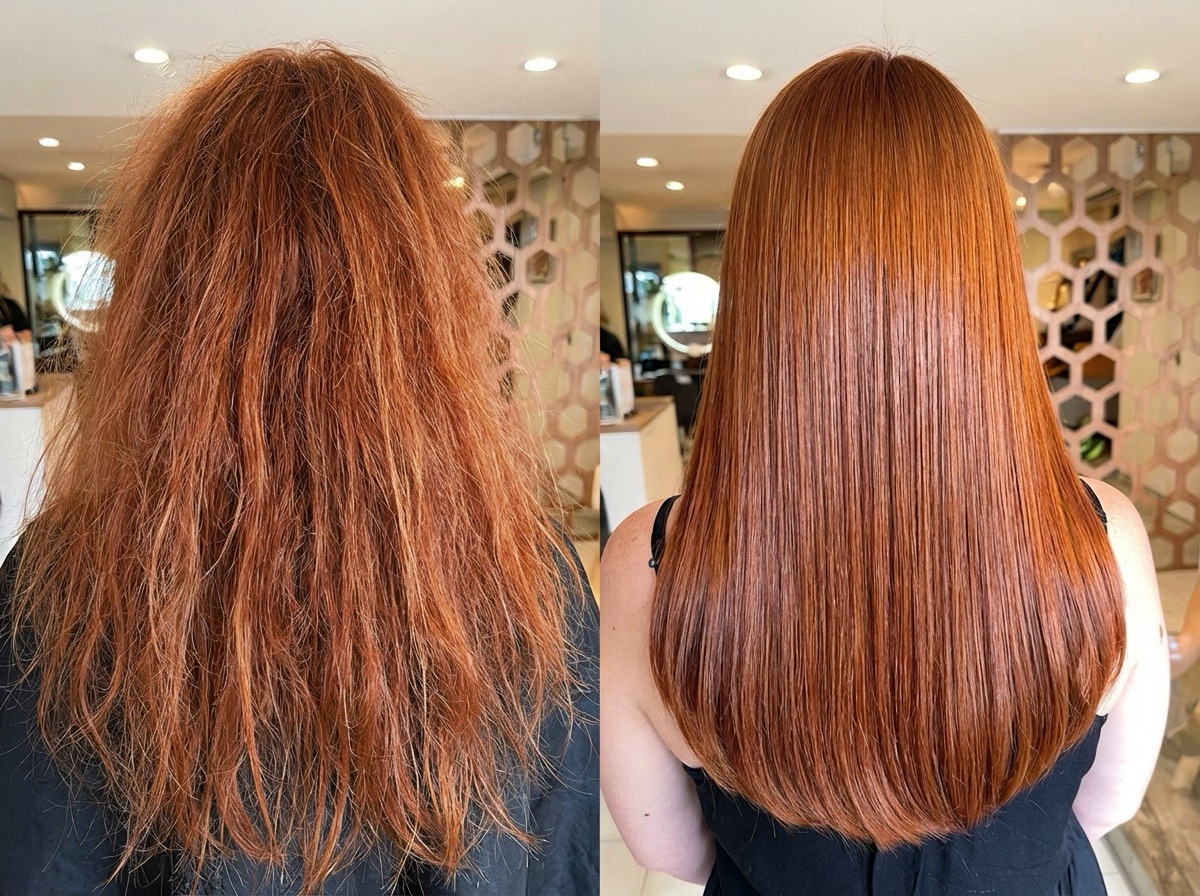
Treatment before and after. ©Haug London Haus.
With an indulgent hair massage and glossy blow-dry to boot, I leave with hair that feels and looks stronger. In an industry built on miracle claims, it’s undoubtedly refreshing to have the numbers laid bare. Thankfully for me, a 97 per cent score validates that years of expensive, time-consuming and on occasion obsessive blonde maintenance haven’t been entirely in vain.
Katie's Expert Hair Repair Tips
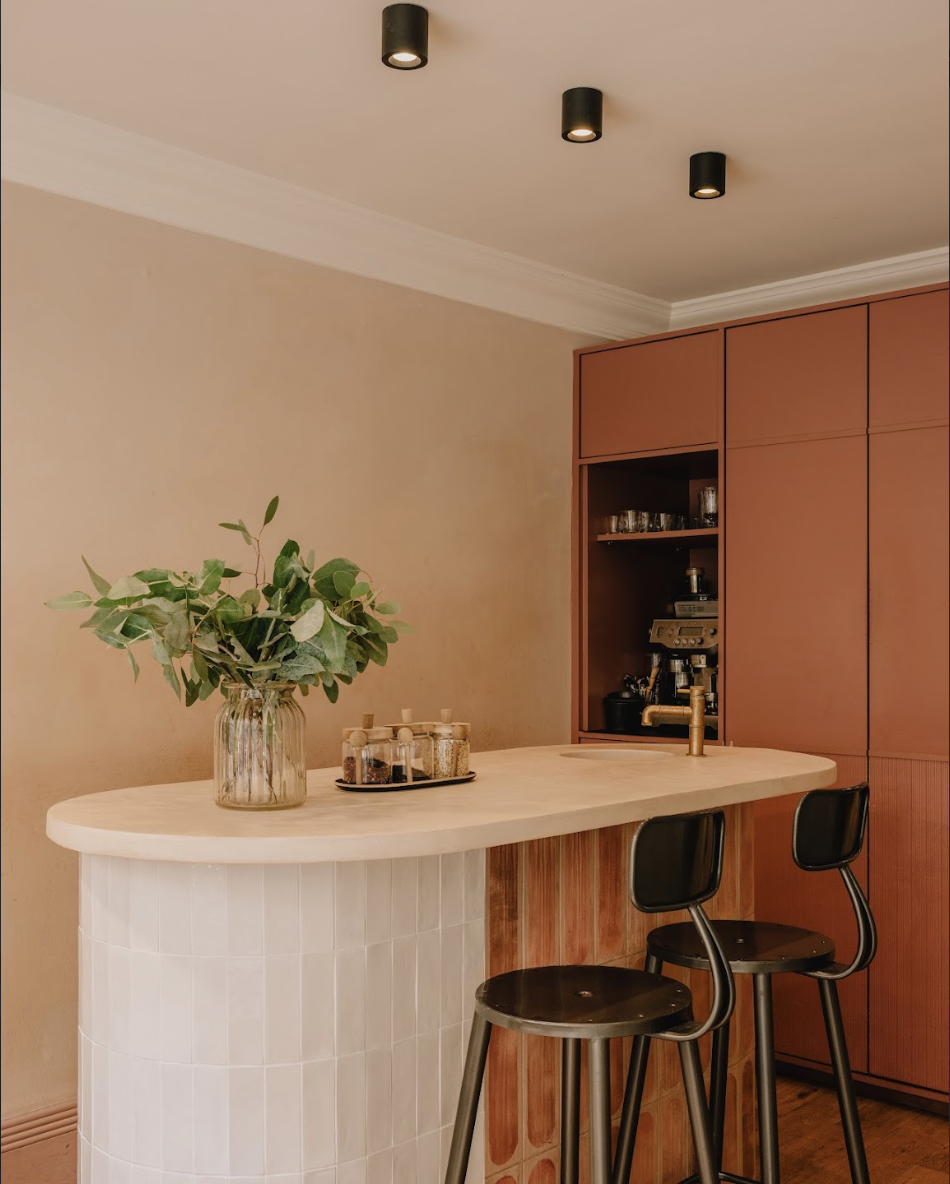
The coffee bar in the salon. ©Haug London Haus.
- A fresh trim – get rid of those dead ends; they're not serving you.
- Get a professional mask – if you're serious about maintaining length, you need to be willing to invest in some heavy-duty hydration. For the time-poor, a weekly at-home mask is still an absolute must. Use it instead of your conditioner once a week to get glowier, shinier locks. My gold standard is the Phillip Kingsley Elasticizer.
- Scrub that scalp – sweat, suncream and whatever else all clog the pores and a standard shampoo, even if you double shampoo, won't touch the sides. Plus, scrubbing increases blood flow to the hair follicle, which in turn encourages new growth. Try Aveda's hand-held massager.
- Consistently use a heat protector – it goes without saying, but you need to protect against any added heat, especially after a summer spent in the sun. My first colourist recommended Colour Wow's Dream Kale Cocktail as it's clinically proven to make hair stronger and uses sulfur-rich sea kale, amino acids and B vitamins to repair internal bonds.
- Take Vitamin D - COVID taught us that most Brits are Vitamin D deficient, which is not only to the detriment of our energy levels, but also hair health. Vitamin D plays a pivotal role in the growth (anagen) phase and can help create new cells that form hair follicles. These gummies have an orange flavour for a nice morning kick.
Articles may contain affiliate links; all selections are independent and at no additional cost to you.