Luxury travel has always been and will always be defined by exclusivity. The appeal of experiencing something so few can access is timeless and increasingly sought after in an age when the world’s most remote corners are visible on our screens. To keep up with globetrotters' insatiable appetite for newness, luxury travel must continually push the boundaries of discovery, creating new frontiers for adventure.
Why Asia-Pacific is Luxury's Next Great Adventure
Words by
Sphere Editors
20th November 2026
As luxury travellers yearn for more immersive and experiential travel, Swan Hellenic’s expanded Asia-Pacific answers the call. We peek inside the boutique luxury expedition that's been sailing remote corners of the world for over 70 years, discovering what those stepping aboard can expect today.
Presented by Swan Hellenic
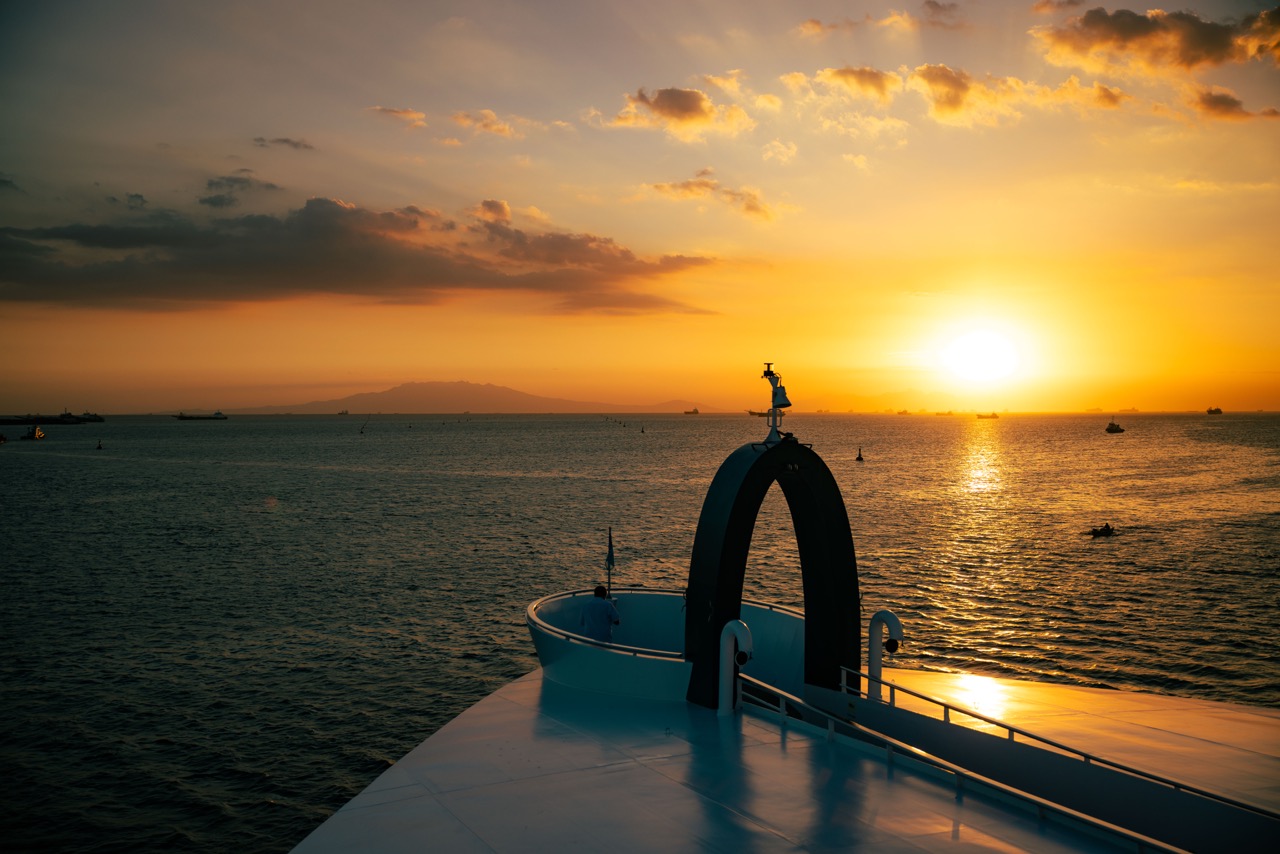
SH Minerva in Manila, Philippines.
This philosophy underpins Swan Hellenic’s latest launch: an expansion of its Asia Pacific packages. Launched in response to voracious demand, the enriched 2027 offering focuses on 10 voyages, including in-depth exploration from New Zealand to Vanuatu, the Solomon Islands, Indonesia, Papua New Guinea, Raja Ampat, the Philippines, Japan and Korea. Among the headline additions are two new voyages exploring New Zealand, a deeper exploration of Japan, which includes two entirely new voyages, each featuring a visit to Busan in Korea.
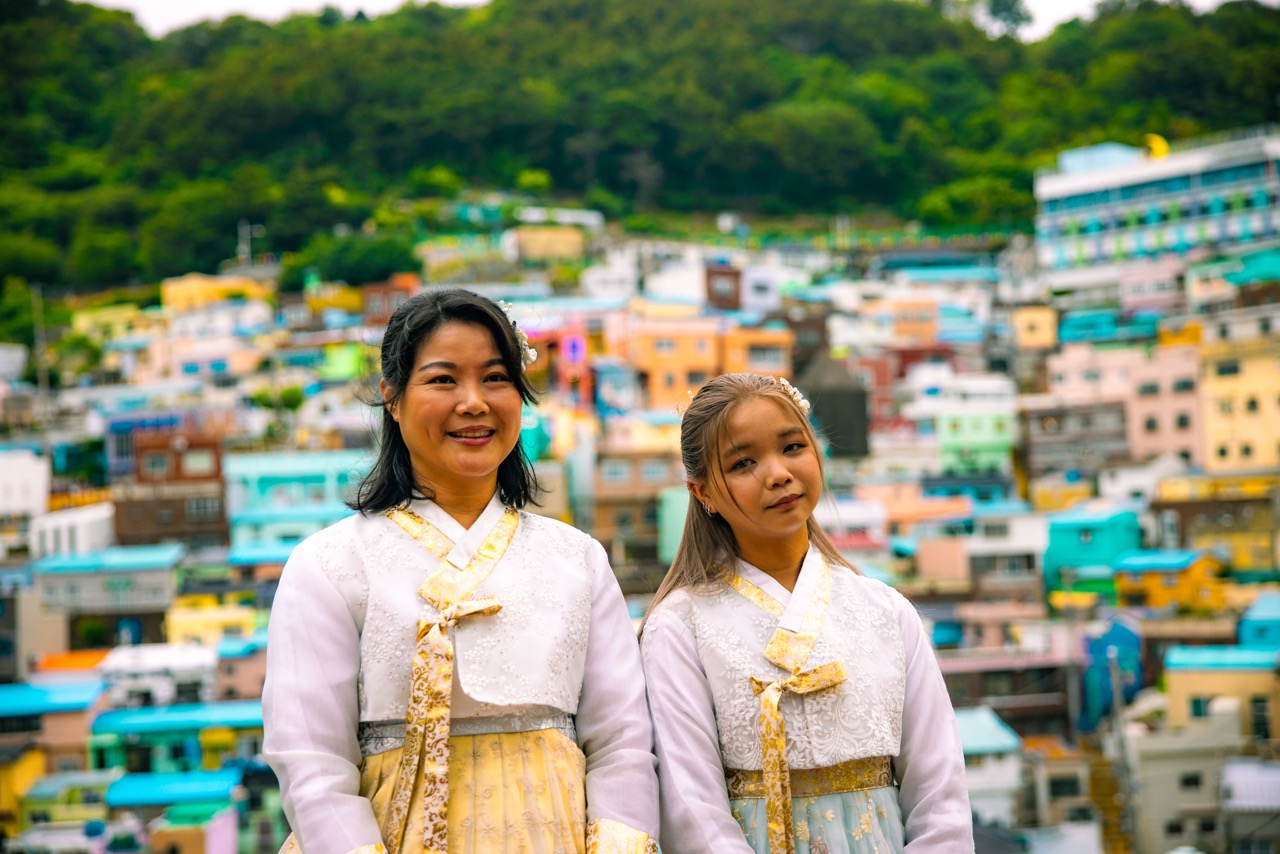
Swan Hellenic's expanded Asia-Pacific offering includes stops in Busan, South Korea.
The “unexpectedly strong demand” in the words of Swan Hellenic Chief Commercial Officer Mario Bounas, can in part be attributed to the region’s extraordinary landscapes and wildlife – be it the exceptionally biodiverse marine life or spectacular geology. Take Cenderawasih Bay, a highlight of the Indonesian itinerary. Here, guests can swim alongside giant whale sharks, an experience entirely at the whims of nature. Or, for those not brave enough to float alongside the ocean’s gentle giants, the remote archipelago of Raja Ampat contains over 75 per cent of all known coral species, more than 1000 different coral fish species, and five rare or endangered species of sea turtles. It’s an entire ecosystem, teeming with all sorts of life, providing a vivid glimpse at the world hidden below the surface.
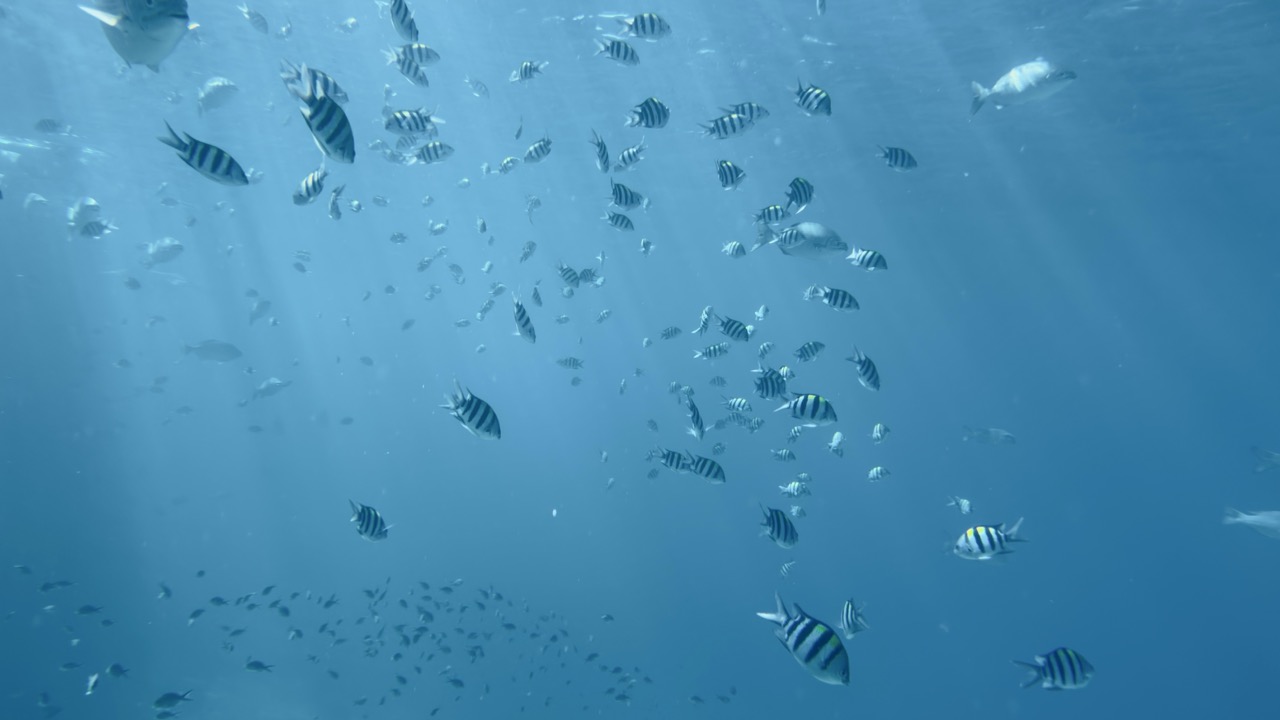
Indonesia, known for its extraordinary marine biodiversity.
Similarly, in Papua New Guinea’s Kimbe Bay, guests can snorkel in the cobalt sunken caldera of Garove Island. The 3-mile-wide flooded volcanic crater is the result of a major eruption 300 years ago, leaving behind a vast marine amphitheatre. These examples are part of the broader appeal of travelling the Asia-Pacific. Where vast swathes of the Asia-Pacific remain relatively untouched, more established luxury destinations like the Amalfi Coast or the Côte d’Azur attract many, many more tourists – albeit while still guaranteeing a remarkable time. When venturing through the Hundred Islands National Park in the Philippines, only a few areas have been developed for tourism, creating a rare sense of genuine discovery. Arriving by sea only heightens that, with the distinct possibility of setting foot in places very few have explored before.
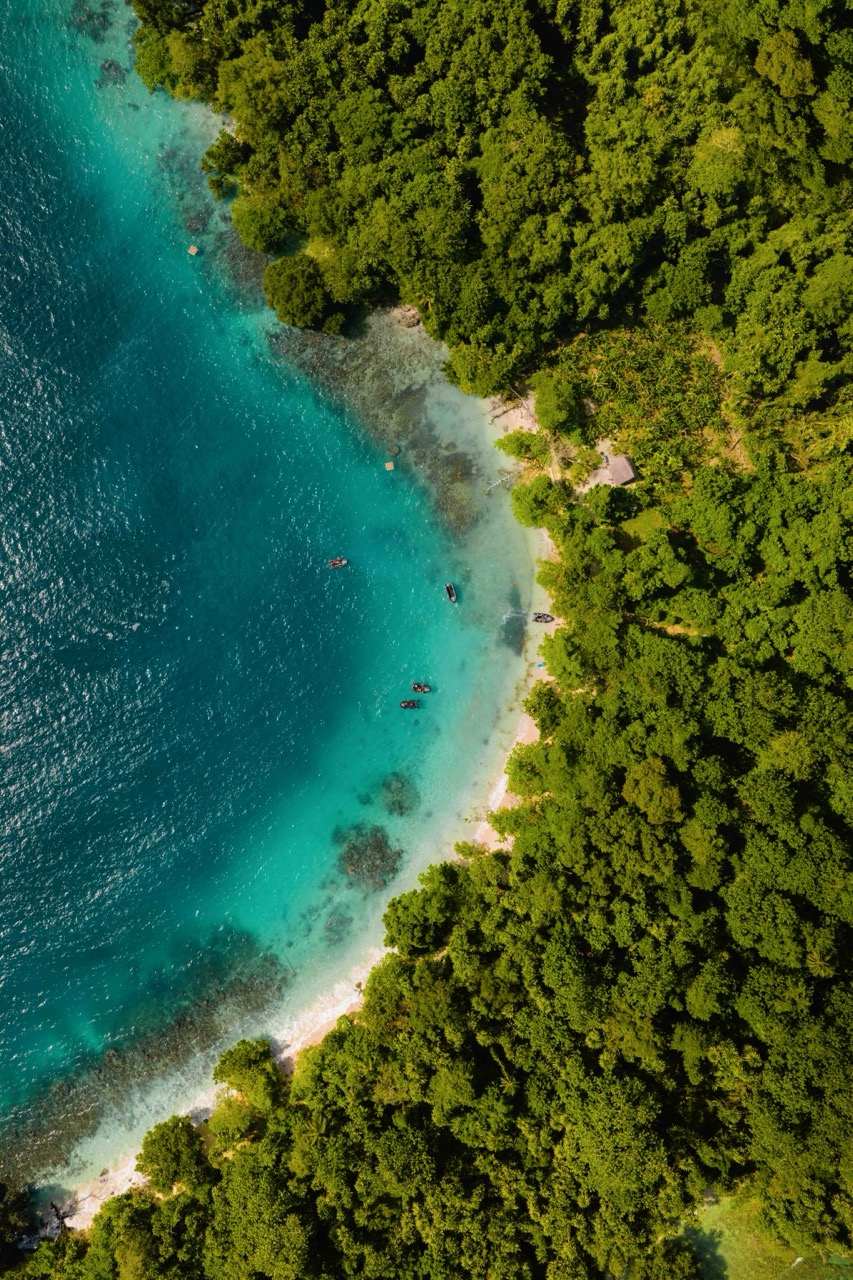
Papua New Guinea's stunning coastline.
Of course, the natural beauty of the region will take the breath away from even the most seasoned travellers, however, there’s an undeniably curious anthropological component to these routes as well. As the digitised world continues to seep into almost every aspect of modern life, the opportunity to encounter communities and customs that have endured for centuries is a luxury in and of itself. In Wellington, New Zealand, you can immerse yourself in Māori culture, understanding their way of life and ultimately seeing Aotearoa through their eyes. In contrast, at the mouth of the Sepik River in Papua New Guinea, you can see a refuge for sacred salt and freshwater crocodiles. Here, you’ll witness first-hand where local boys have undergone the toughest of ancient initiation rituals, with hundreds of scars carved into their skin to depict the reptiles.
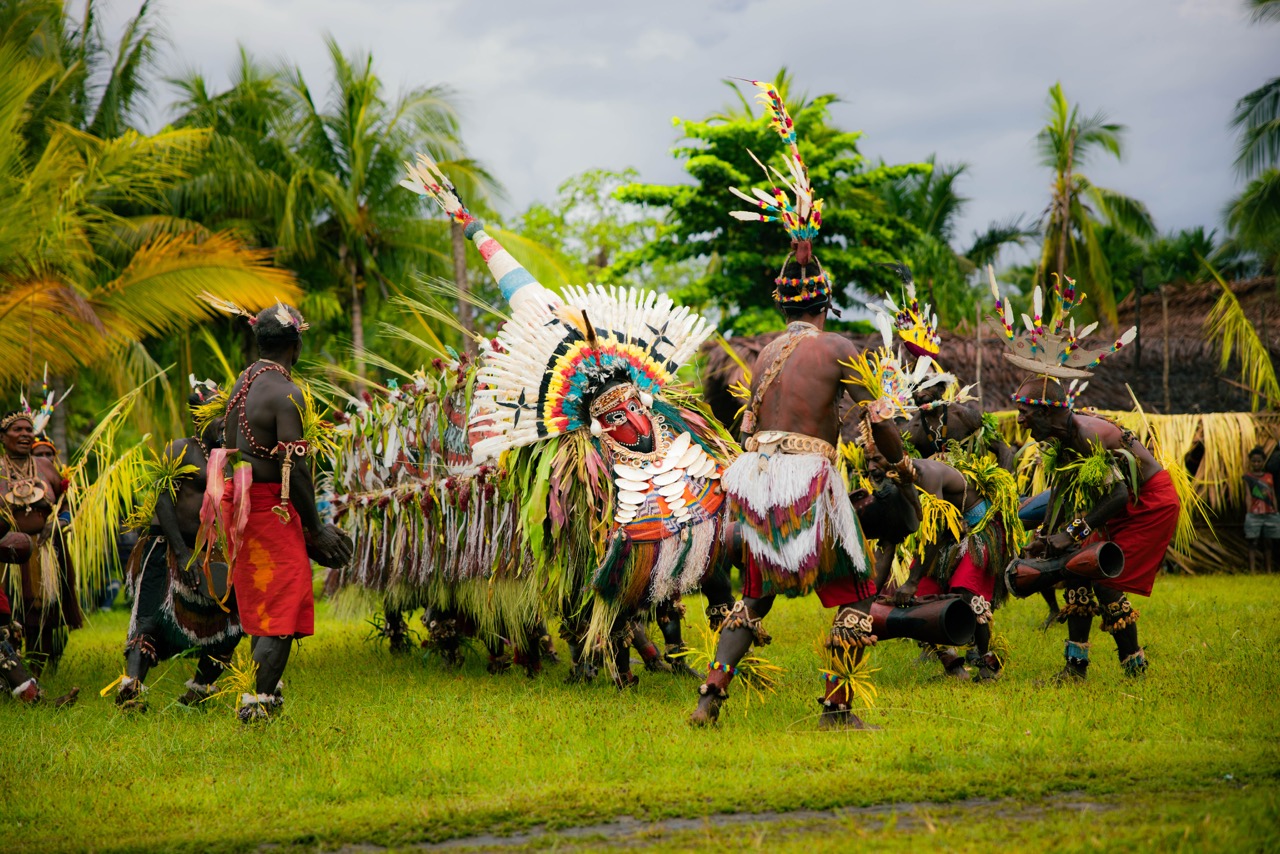
Kopar Village at the mouth of the Sepik River, Papua New Guinea.
This is land also marked by more recent history, bearing the imprint of World War II. Nowhere is this more profound than Hiroshima, the first military target of a nuclear weapon in history. In the Peace Memorial Park & Museum, the Atomic Bomb Dome sits, a permanent reminder of the devastation possible at the hands of man. For an even fuller picture, you can experience Okinawa, the site of the intense, final major battle of the war in the Pacific. Today, visitors can meander through the underground Japanese navy headquarters – a 300m labyrinth originally dug by hand.
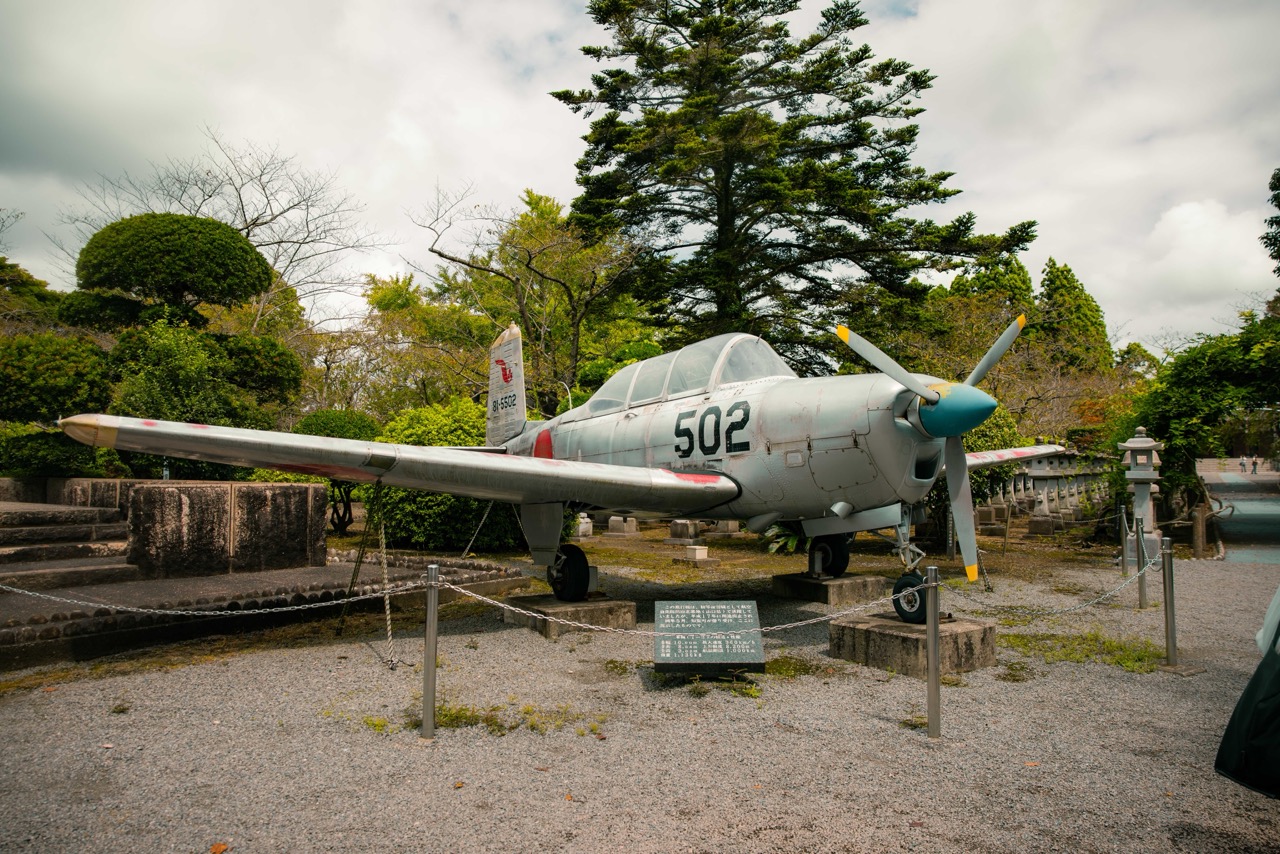
World War II memorial sites and peace gardens are a focal point of the Japan itinerary.
It is precisely here, at the intersection of history and geography, that Swan Hellenic distinguishes itself. Each crew, no matter the expedition, includes a team of at least 12 seasoned guides, expert speakers and lecturers. These are hand-selected to deliver engaging and stimulating talks, relevant to each itinerary, allowing guests to fully appreciate the environments they find themselves in. For a vessel with 120-140 guests aboard, this translates to approximately one expert per ten guests, meaning you get a truly personal service. The result is a style of travel that rewards curiosity, ensuring each landing becomes a meaningful experience that connects visitors with the nature, culture and heritage that define the region.
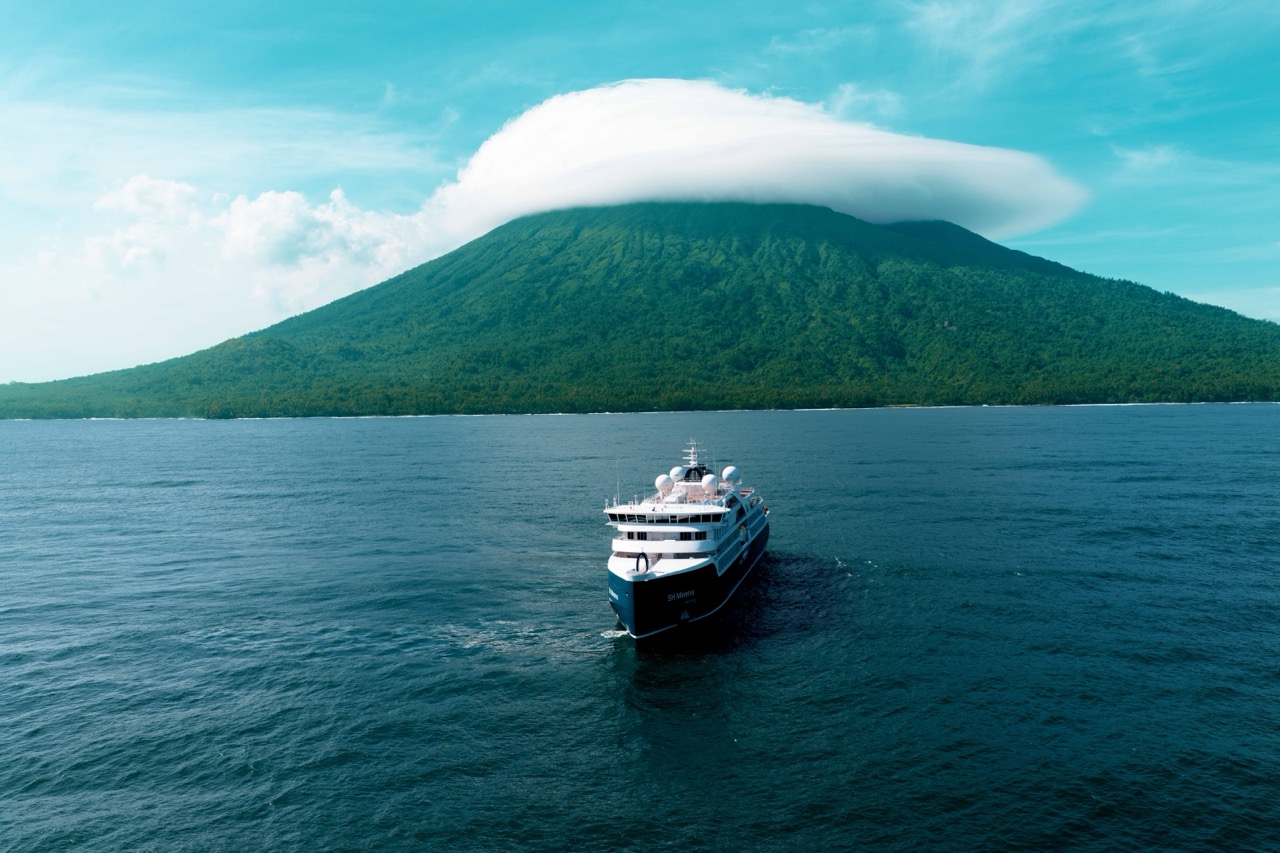
SH Minerva near Manam Island.
Exploring this part of the world demands a versatile vessel, one that can access remote anchorages, while also offering guests the comfort they are accustomed to. After all, if the scattered islands, archipelagos and isolated coastal communities that define the region were easy to get to, then everyone would be visiting them. A small-ship philosophy like Swan Hellenic's is central to these experiences, allowing guests to venture far beyond conventional cruise routes.
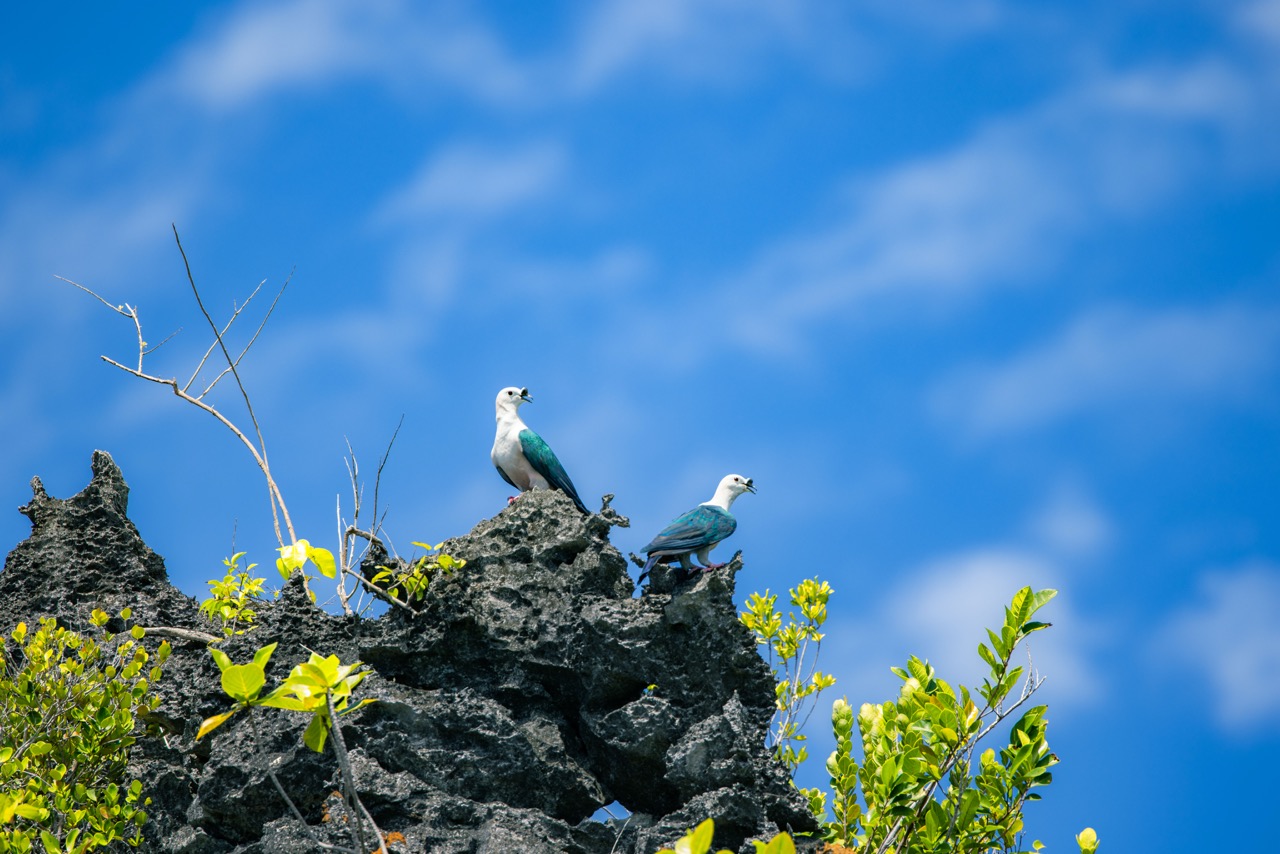
Exploring the Asia-Pacific requires versatility.
Yet for all their capabilities, they lose not a single hallmark of luxury. On board, there are around 76 spacious suites and staterooms, designed in a Scandinavian style, most of which feature a large accompanying balcony. When you’re not out and about sampling regional cuisine, there are multiple fine dining experiences to enjoy on the mothership. With responsibly sourced local ingredients, the menu draws inspiration from the destinations on the itinerary, allowing guests to continue their journey of discovery at sea. Add a state-of-the-art spa and fitness centre, along with attentive service throughout, and the vessel feels more like a floating members’ club than anything else.

The Tasier Sanctuary in Bohol, Philippines.
Put simply, the experience balances adventure with indulgence. One minute you are discovering Busan’s night markets, the next you’re unwinding in a sauna at sea. In a world where jaded travellers increasingly seek experiences that feel authentic and hard to come by, Swan Hellenic’s Asia-Pacific enriched packages offer something increasingly rare: the thrill of genuine exploration.