The Future of Wealth

Words by
Sphere Editors

20th November 2026

The brightest minds at The FT Global Wealth Management Summit share the insider track on the future of wealth.

You’d be forgiven for thinking that the wonderful world of wealth management is somewhat in flux right now. Read any headline and the situation appears dire: the war in Iran, rising inflation, AI disruption creating equal parts opportunity and risk. And that’s before even mentioning the US’ troublesome tariffs. Yet this year’s FT Global Wealth Summit painted a more positive picture. Yes, change is afoot, most notably with the looming great wealth transfer – some £7 trillion set to pass down to the next generation. But the growing consensus amongst the industry’s finest is a surprising sense of optimism. They’ve identified where wealth will be created next and are racing to adapt.

Illustrated London News CEO and SPHERE’s very own Digital Editor, Lisa Barnard, was on the ground to get the latest insights. These are her key takeaways.
Join the

SPHERE Life

*By joining, you agree to receive news from SPHERE Magazine

The Entrepreneur is Private Banking’s Most Important Client

Professional wealth management editor.
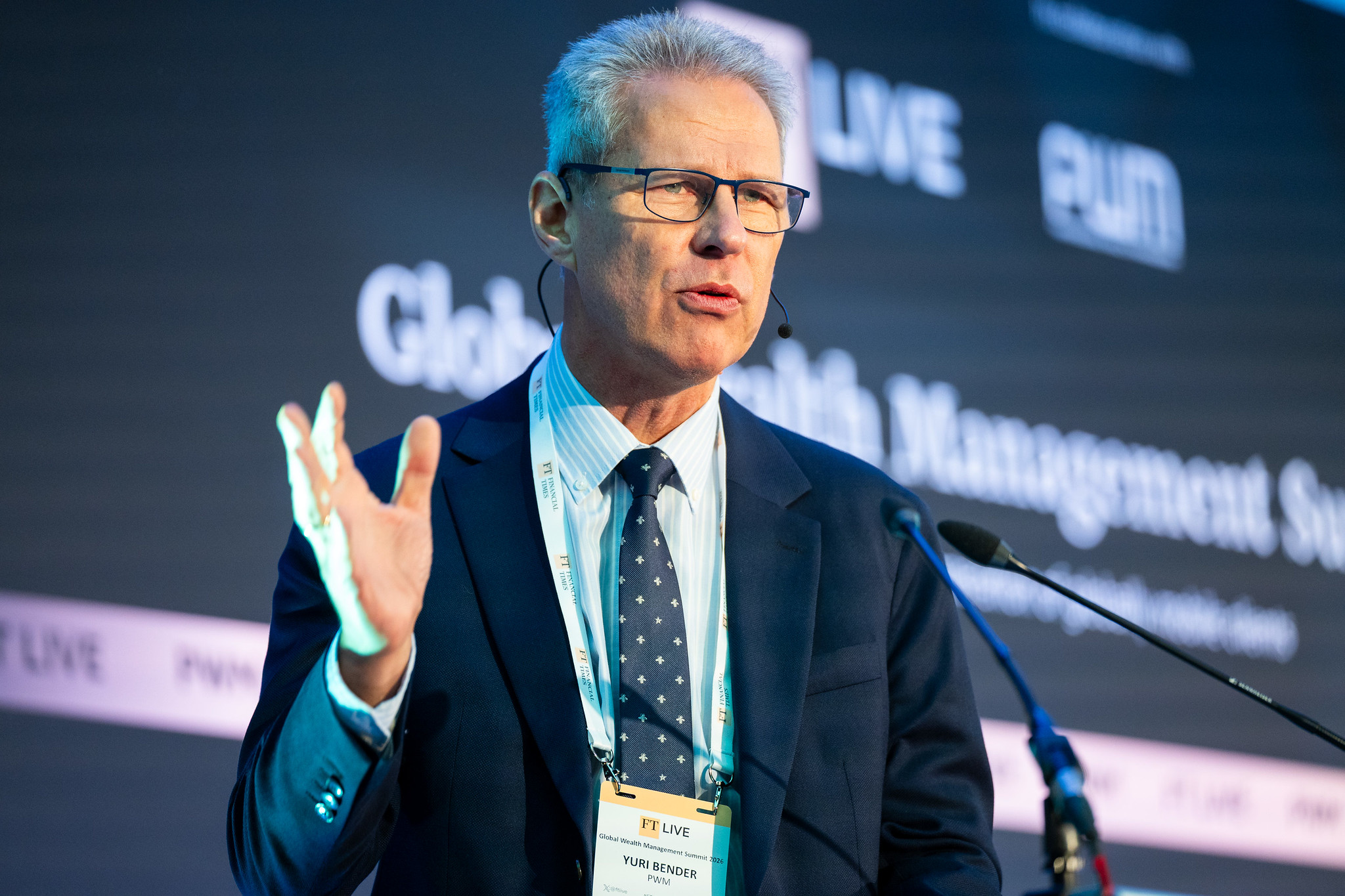
Event chair and Editor-in-Chief of Professional Wealth Management, Yuri Bender. ©FT Live.

There are myriad learnings from Anthropic’s trillion-dollar stock market debut this week, but perhaps the simplest is the sheer volume of wealth that can be created through entrepreneurship. Speaking at the session ‘Inside the Private Banking Boardroom’, Yuri Bender, Editor-in-Chief of Professional Wealth Management, a division of FT Media, challenged panellists, saying that while the entrepreneurial space may be private banking’s “golden opportunity,” entrepreneurs often report that they “don’t do a terribly good job serving [their] needs.” Providing the industry perspective, Anneka Treon, Global Head of Private Banking, Wealth Management and Investment at ING, agreed, stating that “the line between private and business worlds is very, very fuzzy,” and that “it’s bizarre, we just need to get our act together.”

Anneka Treon, Global Head of Private Banking, Wealth Management and Investment.
Anneka Treon, Global Head of Private Banking, Wealth Management and Investment at ING. ©FT Live.

The challenge, the speakers argued, is that today’s entrepreneurs so rarely fit neatly into the existing categories private banks have built around them. This leads to the recognition that this new cohort of founders differs from traditional private clients, a point raised in the session ‘Winning the New Wave of Entrepreneurs’.  Their businesses, investments, and family ambitions are often deeply interwoven, so they need support that can navigate their entire personal financial ecosystem, rather than the traditional, siloed portfolio model. Natasha Minniti, Managing Director and Head of 23 Wall, International and Global Co-Head, Family Office Practice at J.P. Morgan, surmised this as identifying what truly matters to them: “Private banks need to be really specialised. They need to understand how they created the money and what matters to them. It’s about access, being global, velocity and understanding where growth and venture are seated at the moment.” Either way, it’s clear entrepreneurs are private banking's most coveted clients, and they are genuinely well placed to bridge the gap between business and personal finance – should they, as Treon says, “get [their] act together.”

Natasha Minniti wealth management.
Natasha Minniti, Managing Director and Head of 23 Wall, International and Global Co-Head, Family Office Practice at J.P. Morgan. ©FT Live.

AI is Making Human Advice More Valuable

It wouldn’t be a real industry summit in 2026 if AI wasn’t mentioned. Wealth Management, much like other sectors, isn’t immune to the anxieties that the AI transformation brings. It is, however, banking (excuse the pun) on the notion that AI will augment, rather than replace, human expertise. Throughout the day, speaker after speaker, panel after panel, argued that AI will, without a shadow of a doubt, streamline processes and improve efficiency, thus unlocking an enhanced level of service. Yet, during  the session, ‘The Convergence of Wealth and Asset Management’, Lionel Aeschlimann, Senior Managing Partner, Mirabaud SCA, succinctly shared: “Technology evolves all the time, but quality, trust and a relationship are something that stays.”

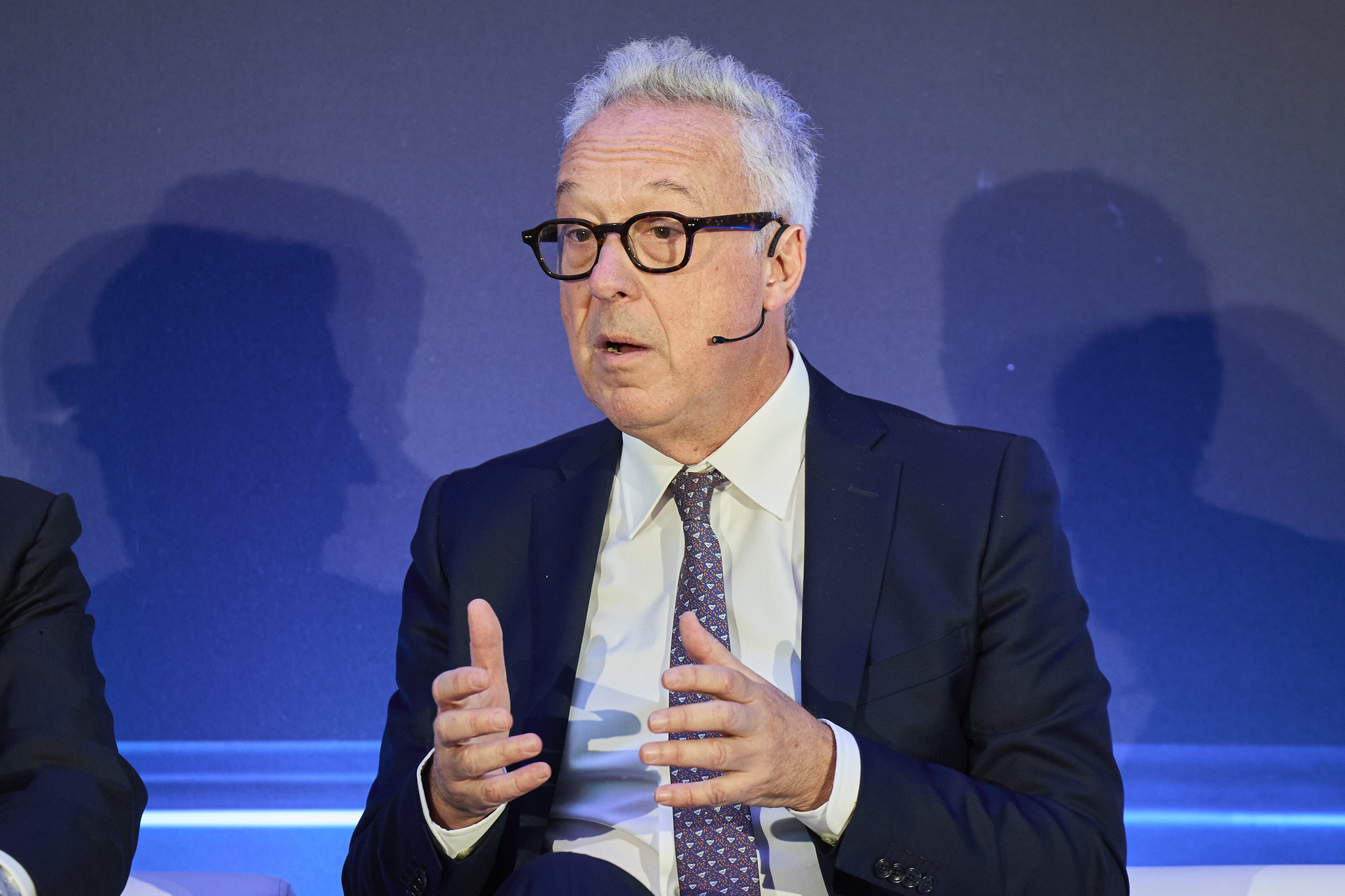
Lionel Aeschlimann, Wealth Management.
Lionel Aeschlimann, Senior Managing Partner, Mirabaud SCA. ©FT Live.

Perhaps where AI can improve processes, humans can still better spot less obvious opportunities. Algorithms, while increasingly adept at identifying patterns and opportunities, are less equipped to spot the more intangible qualities that often underpin entrepreneurial success. During the ‘Winning the New Wave of Entrepreneurs’ panel, the speakers collectively pushed back against the recurring pessimism around the UK and Europe. Despite ongoing concerns around regulation and taxation, delegates highlighted the region's untapped talent, noting an existing track record. In Europe as a whole, 27 unicorns emerged this year, 14 of which came from the UK.

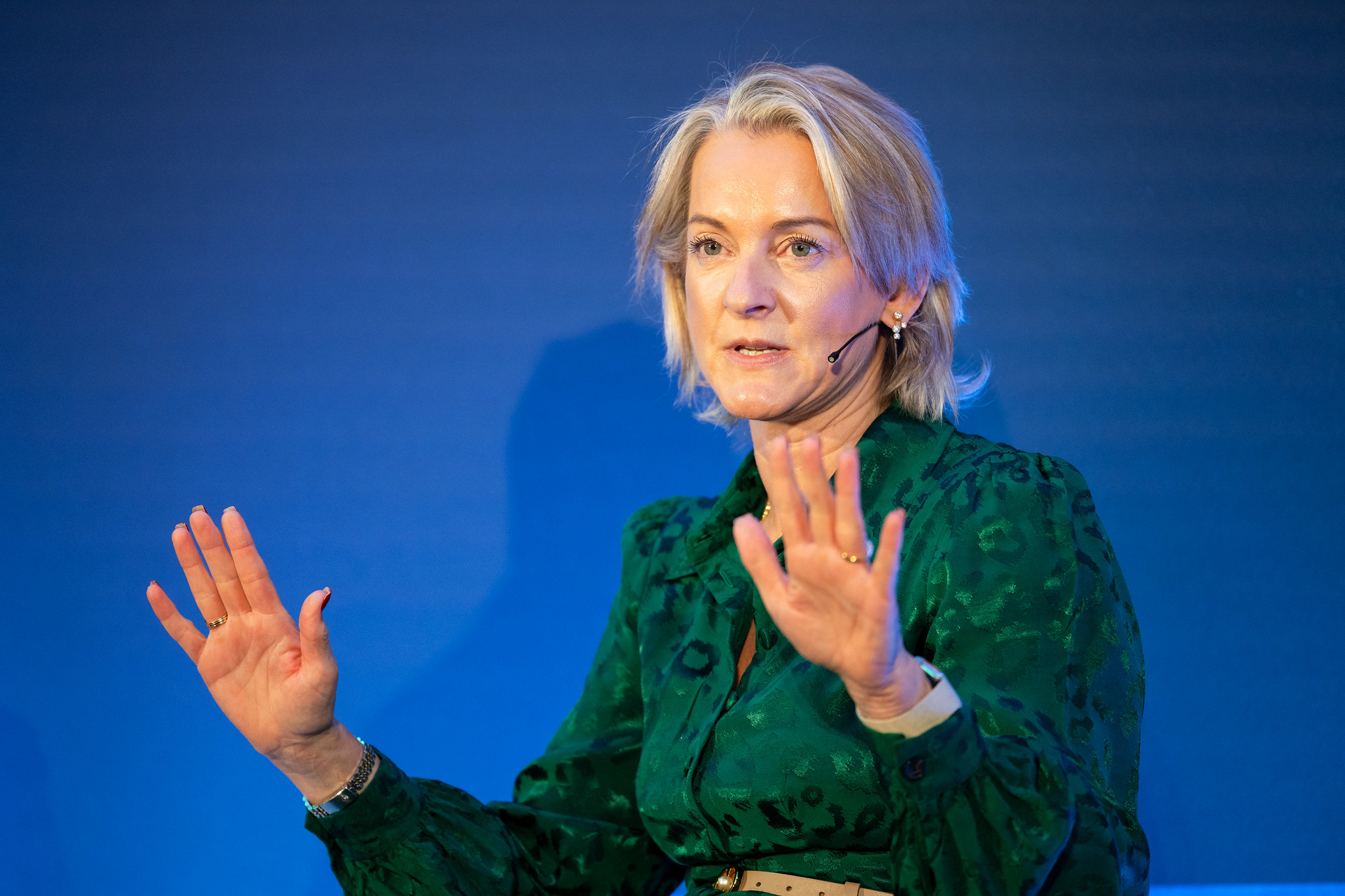
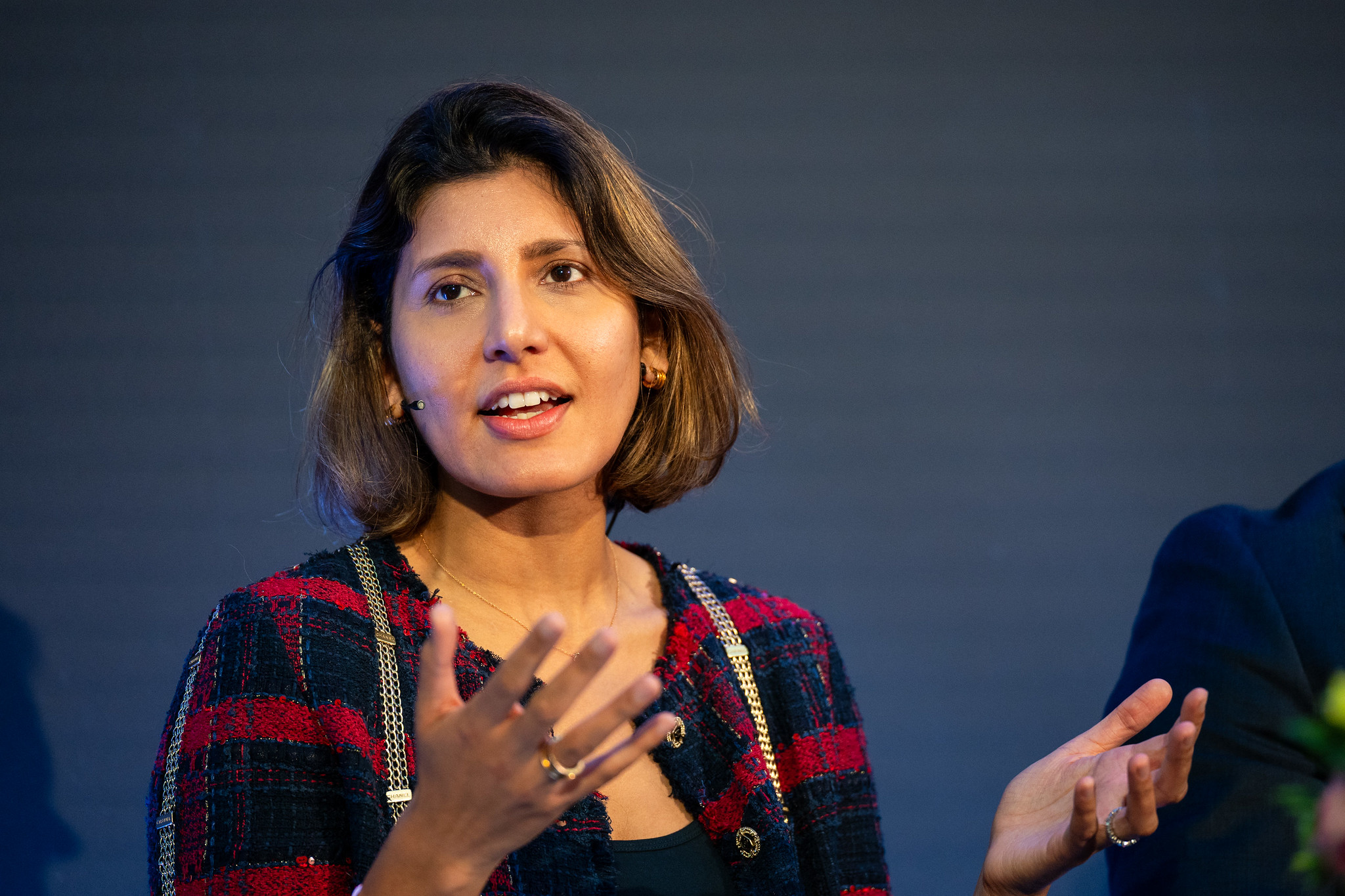
Sasha Wiggins, CEO of Barclays Private Wealth, wealth management.
Sasha Wiggins, CEO of Barclays Private Wealth. ©FT Live.

Sasha Wiggins, CEO of Barclays Private Bank and Wealth Management, argued that the clear path forward was balance. Clients don’t want to have to choose between digital platforms and personal relationships. Speaking to Barclays’ own product, Wiggins candidly admitted that the bank’s digital investing platform “really wasn’t good enough,” and that “it wasn’t digitally intuitive.” Now, after three years of fundamental transformation, they have a completely digital offering that is up to scratch, with people serving clients face-to-face. The future of wealth management, therefore, would do well to avoid absolutes, blending technological sophistication with personal relationships to serve clients better.

The Great Wealth Transfer is Looming

elinda Aspinall, Head of Global Family and Private Investment Office, wealth management.
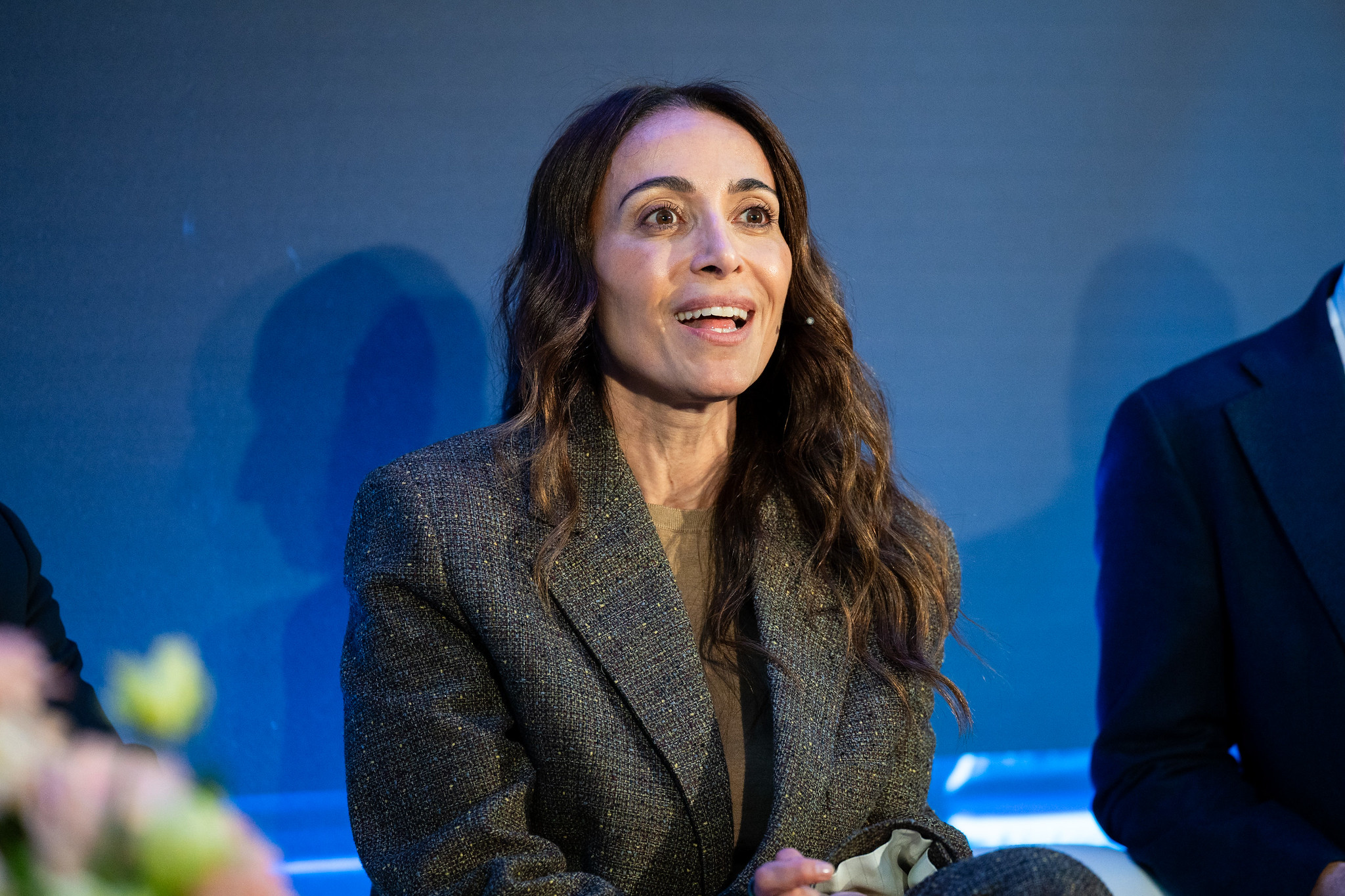
Belinda Aspinall, Head of Global Family and Private Investment Office for EMEA and APAC at Northern Trust. ©FT Live.

With £7 trillion set to change hands in the not-too-distant future, speakers reflected on the enormity of the event. There was, however, a recognition that its impact would extend beyond finance alone. As younger generations look to inherit, financial institutions must respond to shifting attitudes and values. Belinda Aspinall, Head of Global Family and Private Investment Office for EMEA and APAC at Northern Trust, emphasised: “We must learn to speak the language of the next generation,” she said, which, with greater female representation, is more interested in impact investing and sustainability. 

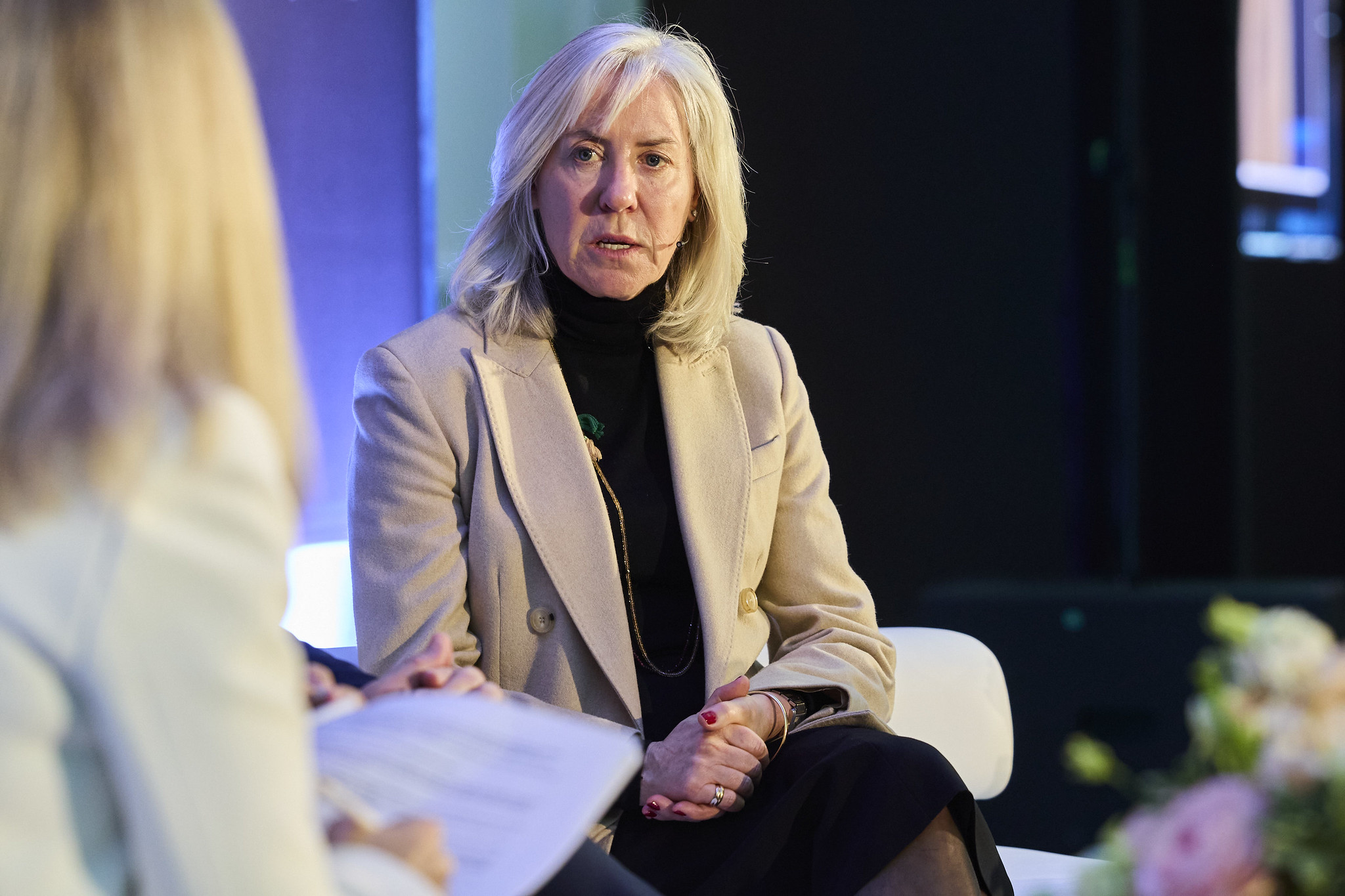
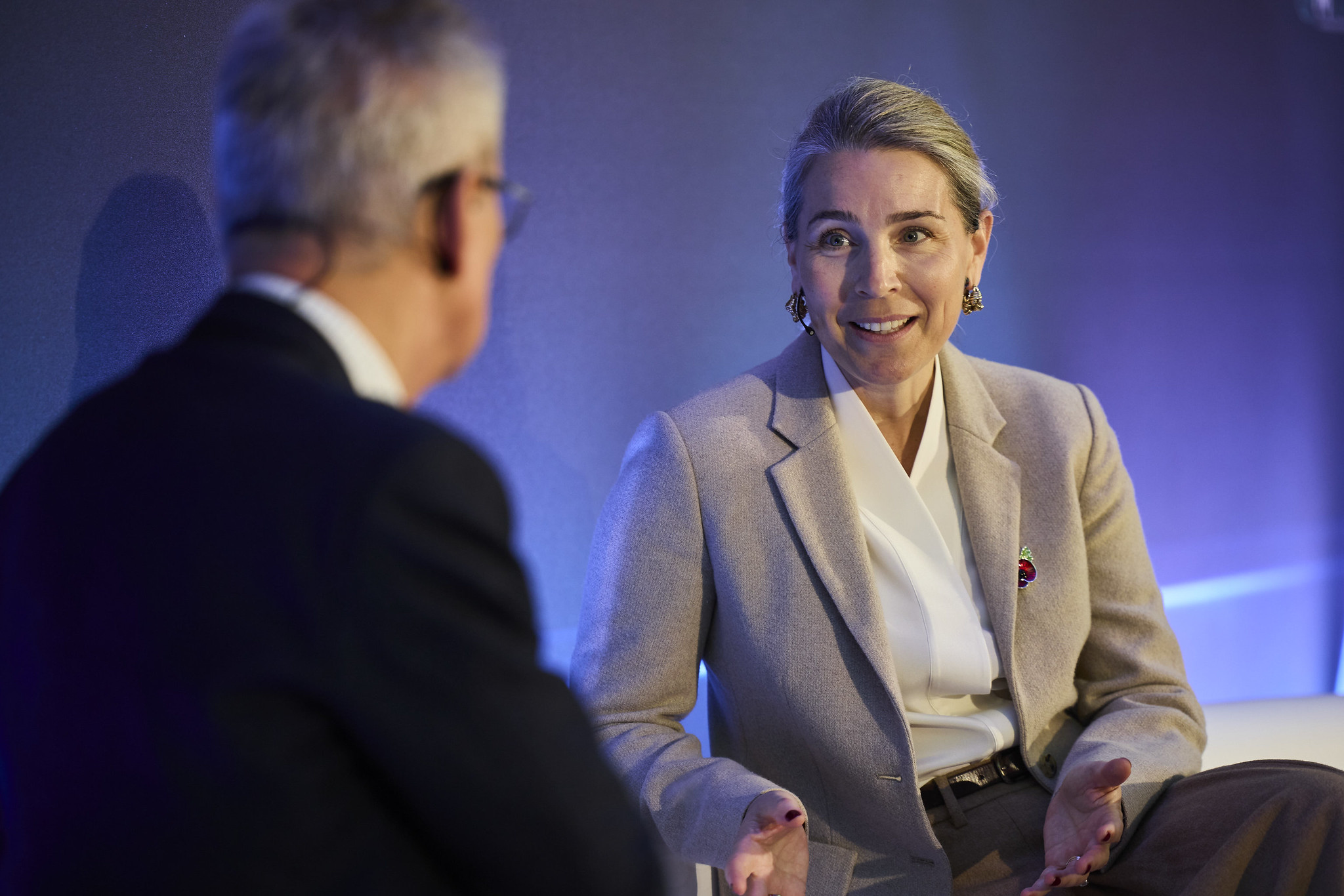
Emma Crystal CEO of Coutts and CEO of Private Banking & Wealth Management at NatWest Group.
Emma Crystal CEO of Coutts and CEO of Private Banking & Wealth Management at NatWest Group. ©FT Live.

In many respects, the challenge is not too dissimilar to what aristocratic families have faced for centuries. This is well understood by Coutts, whose CEO, Emma Crystal, gave a keynote speech, and which has long served Britain’s landed gentry. “It's really around understanding the needs of the older generation and then the receiving generation.” The task then becomes not only preserving wealth from generation to generation, but ensuring it still works for those receiving it.

Achieving that requires more than financial chops or investment expertise. In his closing speech, Bender labelled the great wealth transfer as, in fact, “the great trust transfer." That trust is only won by building relationships that can survive profound generational change, ensuring families feel understood as people more than just clients.