Alongside Paris, New York and Tokyo, London is defined as one of the four truly global cities. This has little to do with a city’s size, wealth or productive output; rather it reflects how each is instantly recognisable for its distinct character and culture. And what London represents is irrepressible creativity, with an enduring reputation as the art capital of the world.
Why London is the Art Capital of the World
Words by
Charlotte Metcalf
28th September 2026
From world-renowned museums and historic houses to cutting-edge galleries and vibrant fairs, this is why London is the art capital of the world.
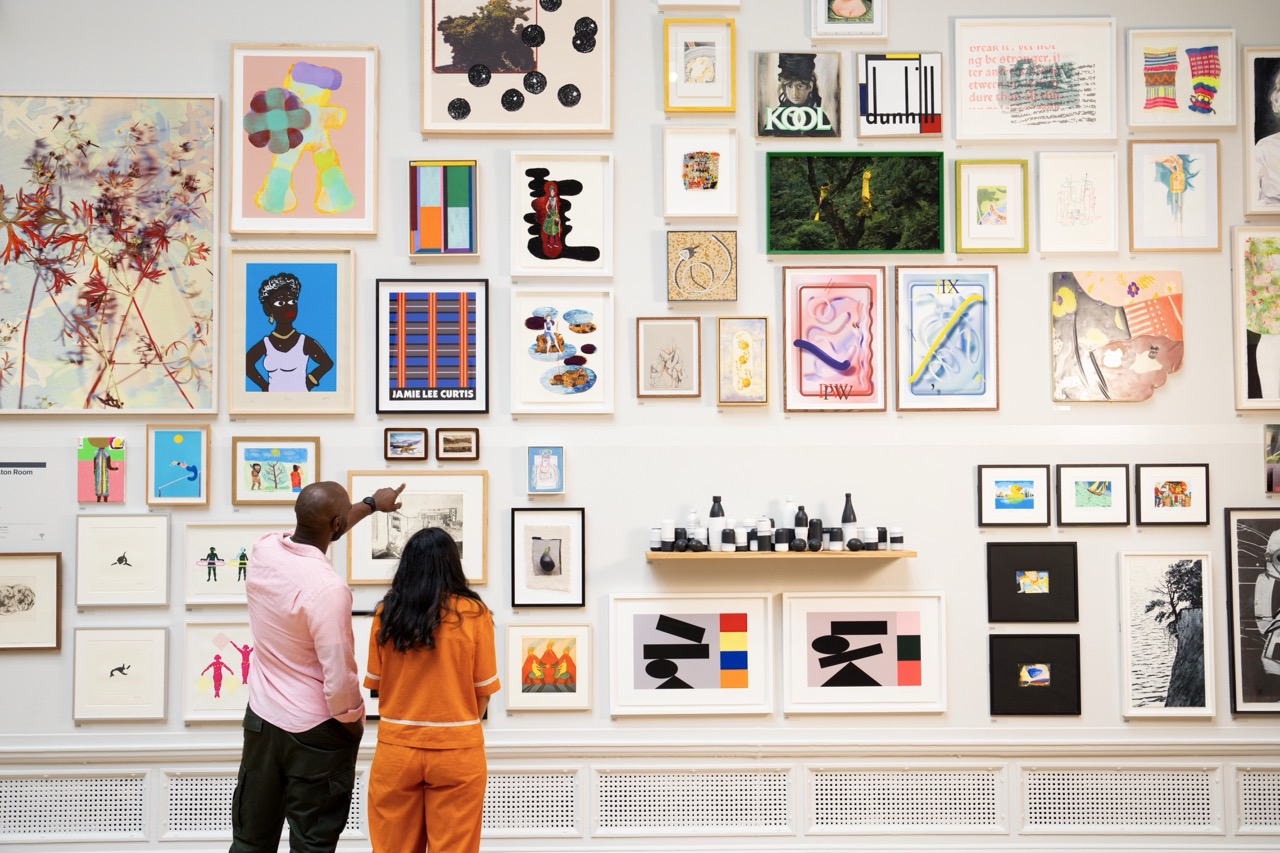
The Royal Academy’s 2026 Summer Exhibition
No other city boasts such a variety of art museums, institutions, galleries and art fairs. The Courtauld, Hayward, National, National Portrait, Saatchi, Tate Britain and Tate Modern are all major tourist destinations — and they are just the beginning. The capital also boasts a plethora of immaculately restored historic houses that exhibit art.
Buckingham Palace’s galleries are open, alongside other important houses like The Wallace Collection in Manchester Square, Leighton House in Holland Park, Sir John Soane’s Museum in Lincoln’s Inn Fields, and Soane’s “country” house, Pitzhanger Manor, in Ealing. An exhibition of Sir Winston Churchill’s paintings is at the Wallace until late November. Sir John Soane’s Museum is showing an exhibition of Michael Landy’s drawings of iconic buildings in museums, while Pitzhanger has a major exhibition of Peter Blake’s work, opening on 25 November.
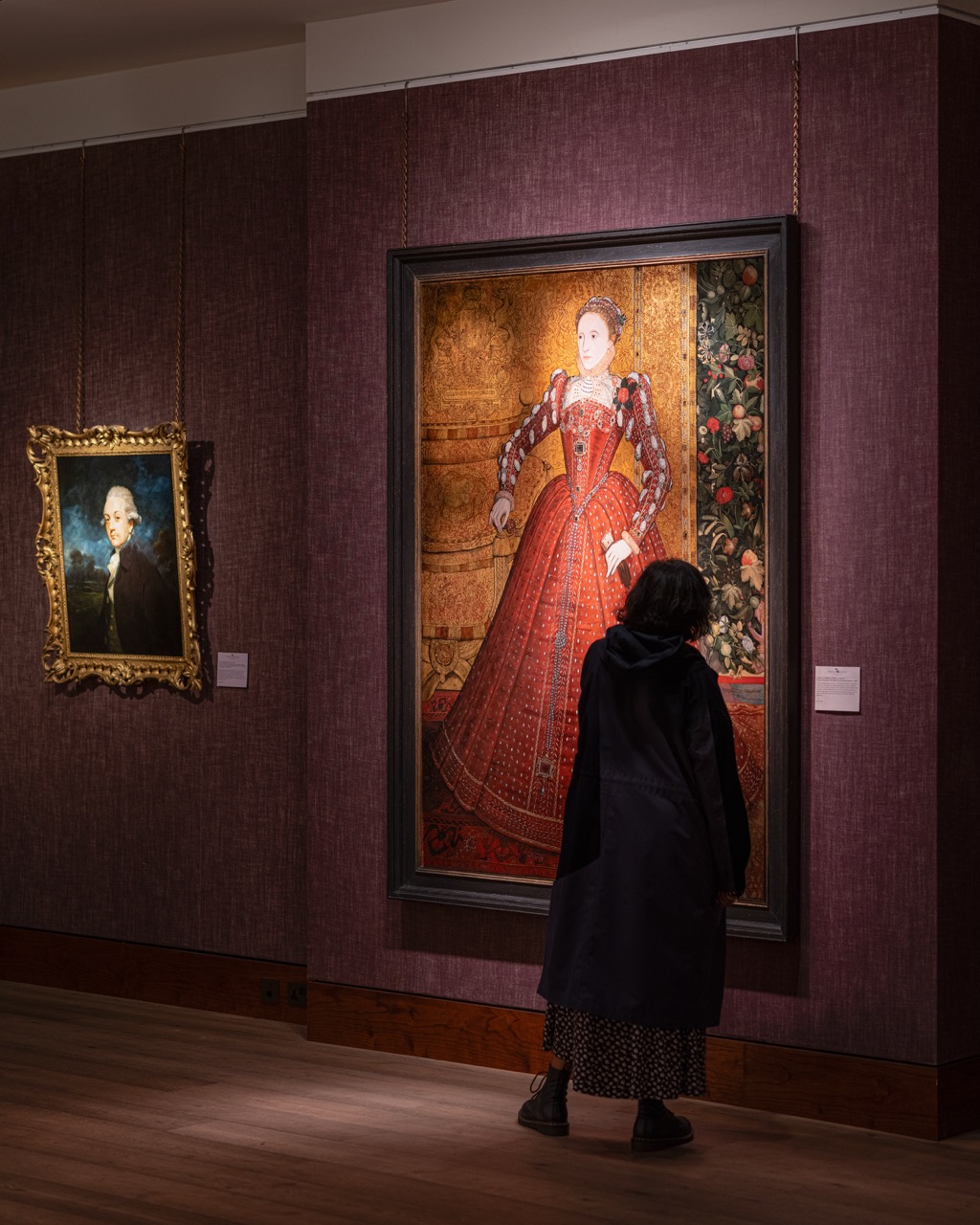
The Hampden Portrait on display at Philip Mould
Then there are the smaller galleries, like all those around Cork Street, White Cube — founded by Jay Jopling and famous for launching YBAs (Young British Artists) like Tracey Emin and Gavin Turk — and Philip Mould on Pall Mall, which draws visitors partly because of Mould’s reputation as an art sleuth on television show Fake or Fortune? On top of that, London is also home to Sotheby’s, Christie’s, Bonhams and Phillips — four of the best globally known art auctioneers.

Marilyn Monroe (1946) by André De Dienes
As Dr Flavia Frigeri, the National Portrait Gallery’s chief curator, explains, “London is a very cosmopolitan city to start with, and then you have huge variety, from incredible national institutions like ours to smaller organisations like Camden or the South London Gallery. Being able to accommodate so many different kinds of programming is absolutely key to giving the city its vibrancy. For example, where Rome is very much skewed towards classical art, London has a bit of everything, and that is incredibly powerful.”
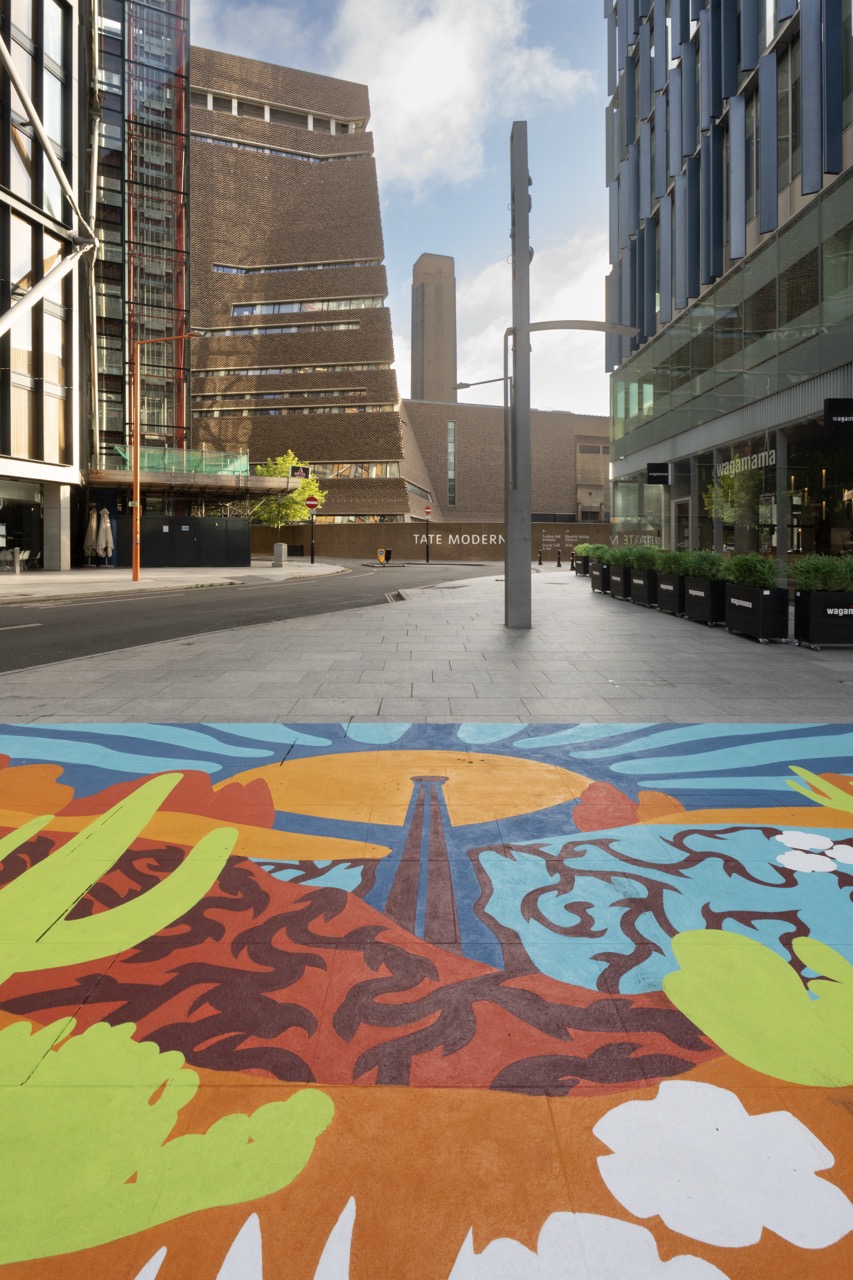
A vibrant mural by Amy Almeida to celebrate Tate Modern's Frida: The Making of an Icon exhibition ©Mickey Lee
This winter’s offering across the capital is as varied and alluring as ever. Tate Modern’s Frida: The Making of an Icon continues until January and is a crowd-pleasing blockbuster. Lord Vaizey, a former Minister of Culture, who is now a trustee of Tate and a director of Tate Liverpool’s Advisory Board, says, “Tate is a major draw for tourism, a global brand attracting visitors from all over the world. Tate Modern in particular is an iconic building, with a reputation for showing some of the world’s greatest artists. Our recent exhibitions of Frida Kahlo, Tracey Emin and Nigerian Modernism have worldwide appeal.”
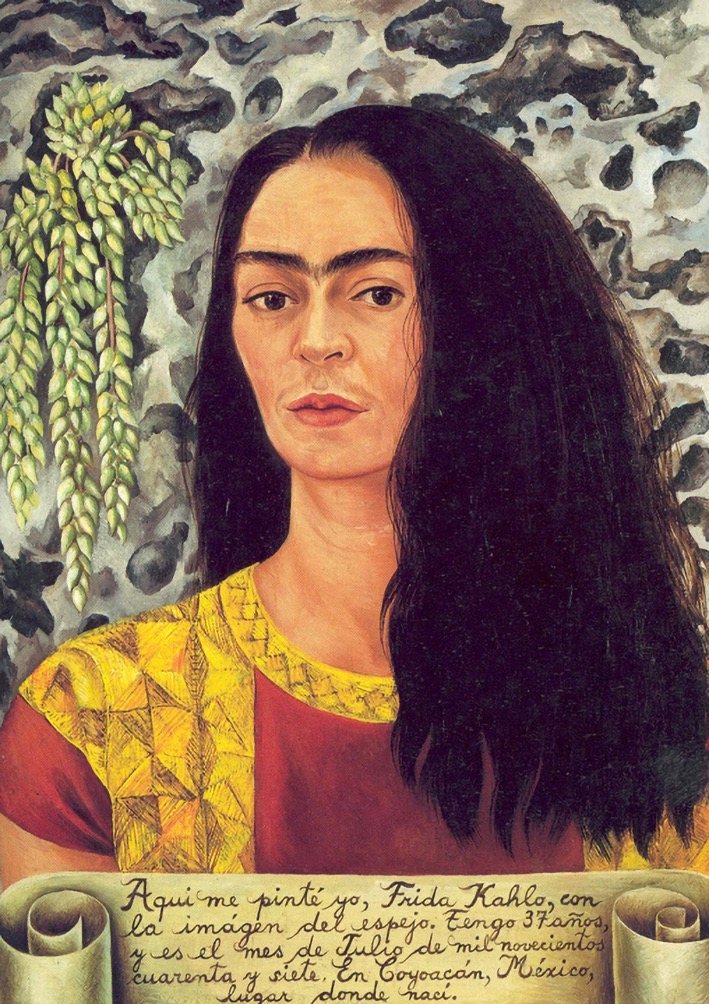
Self Portrait with Loose Hair (1947) by Frida Kahlo
Tate Modern’s vast turbine hall has played host to stand-out moments the art world — and visitors — will not forget, from Ai Weiwei strewing the entire floor area with millions of ceramic sunflower seeds in 2010 and Olafur Eliasson’s 2003 Weather Project to Kara Walker’s 2019 controversial shark-infested monument to slavery, Fons Americanus.
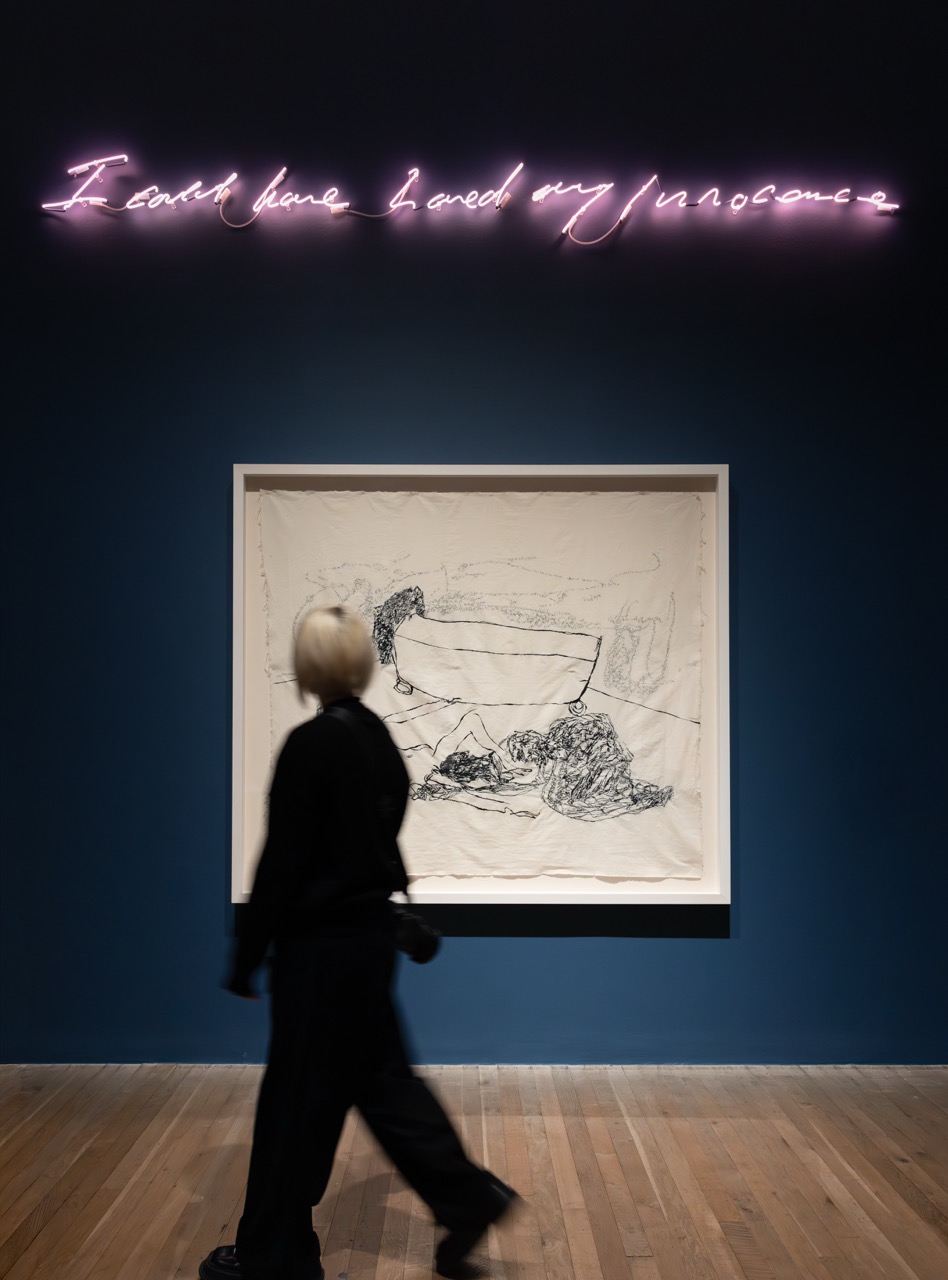
An embroidery piece by Tracey Emin, featured in her A Second Life exhibition at Tate Modern ©Tate
Such is London’s reputation and power that it can persuade major museums and private collectors to part temporarily with priceless, rarely seen pieces for once-in-a-lifetime shows. Take Siena: The Rise of Painting exhibition at the National Gallery in 2025. It’s doubtful whether any other gallery in the world could have borrowed so many priceless, rare 14th-century paintings, artefacts, triptychs and altar panels that had never before been seen together under one roof.
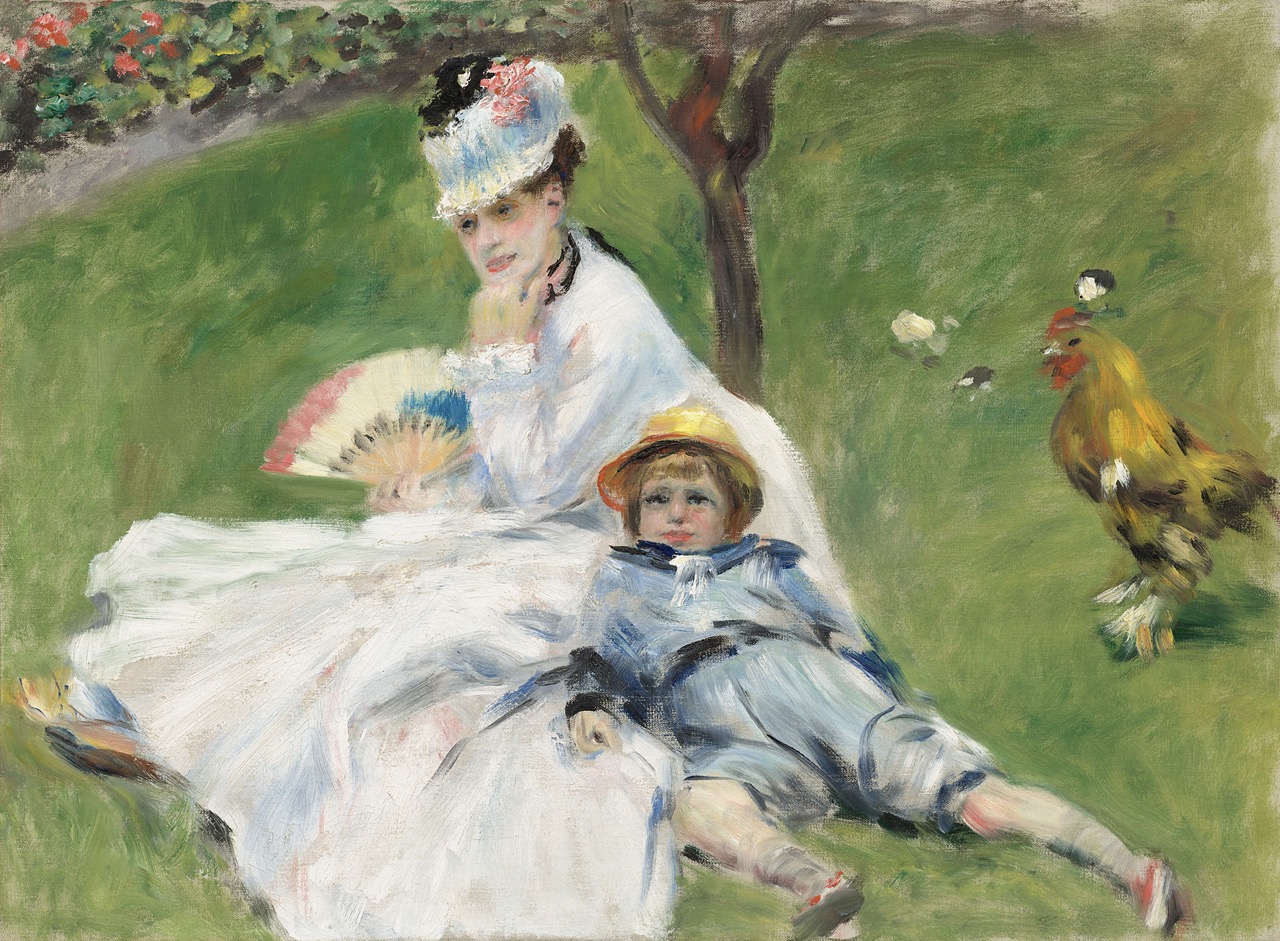
Camille Monet and Her Son Jean in Their Garden (1874) by Pierre-Auguste Renoir
Renoir and Love is running at the National until January, while Van Eyck: The Portraits continues until April. As the introduction to this phenomenal gathering of paintings states, “This exhibition marks the first and only time these works can be brought together. And this incredible display can only happen here, at the Gallery.” It’s a boast many London galleries could make based on their singular buildings alone, which Londoners and visitors alike hold in great affection.
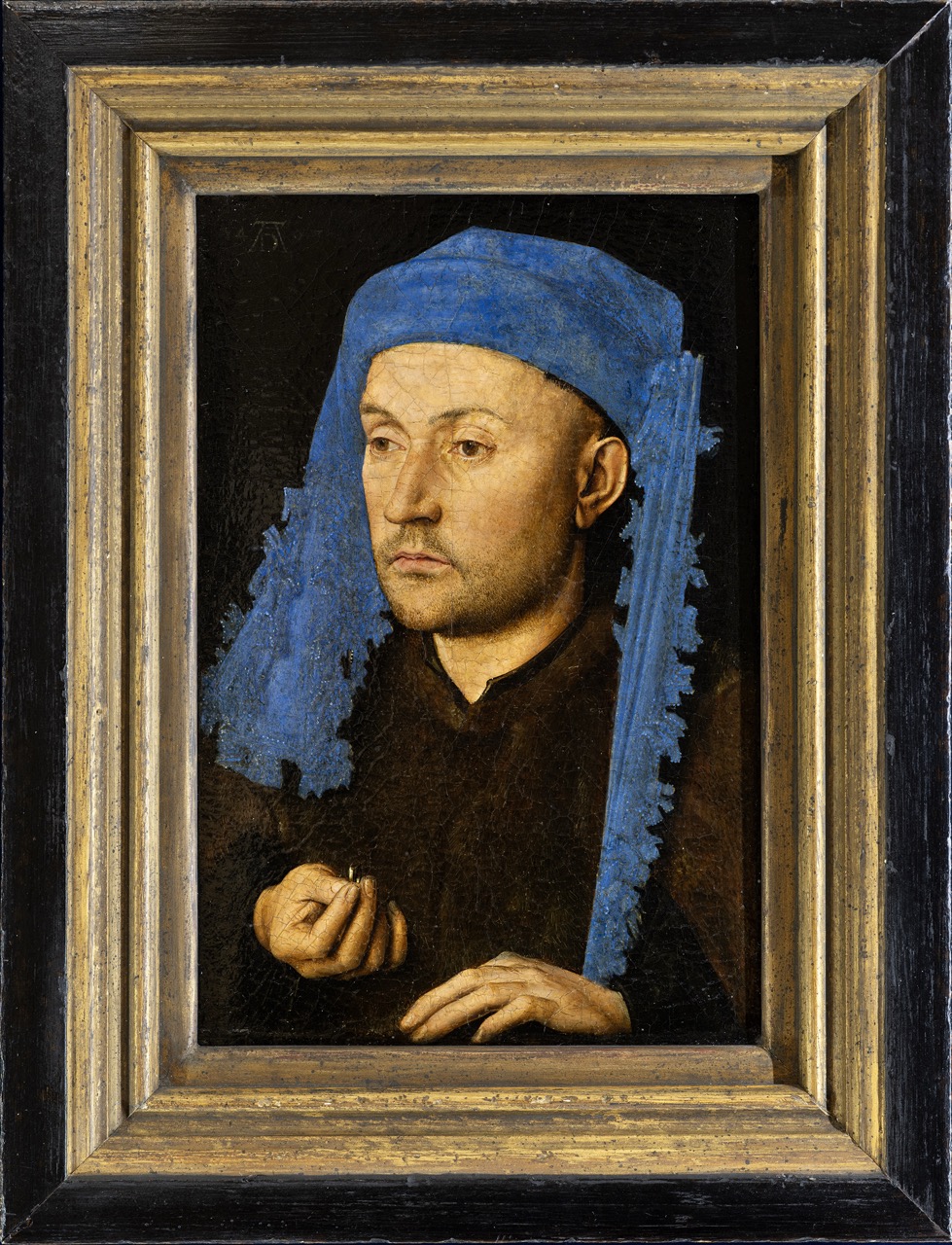
Portrait of a Man with a Blue Chaperon (c1430) by Jan van Eyck at The National Gallery
Rebecca Salter is the first female to be elected President of the Royal Academy of Arts. “People just love the Royal Academy,” she says, “and to such an extent that they trust us. Even if we show work by an unfamiliar artist, they’ll give it a go. Our Main Galleries are simply magnificent and such fundamentally generous spaces that any other gallery lending us art absolutely knows it will be displayed to its very best.”
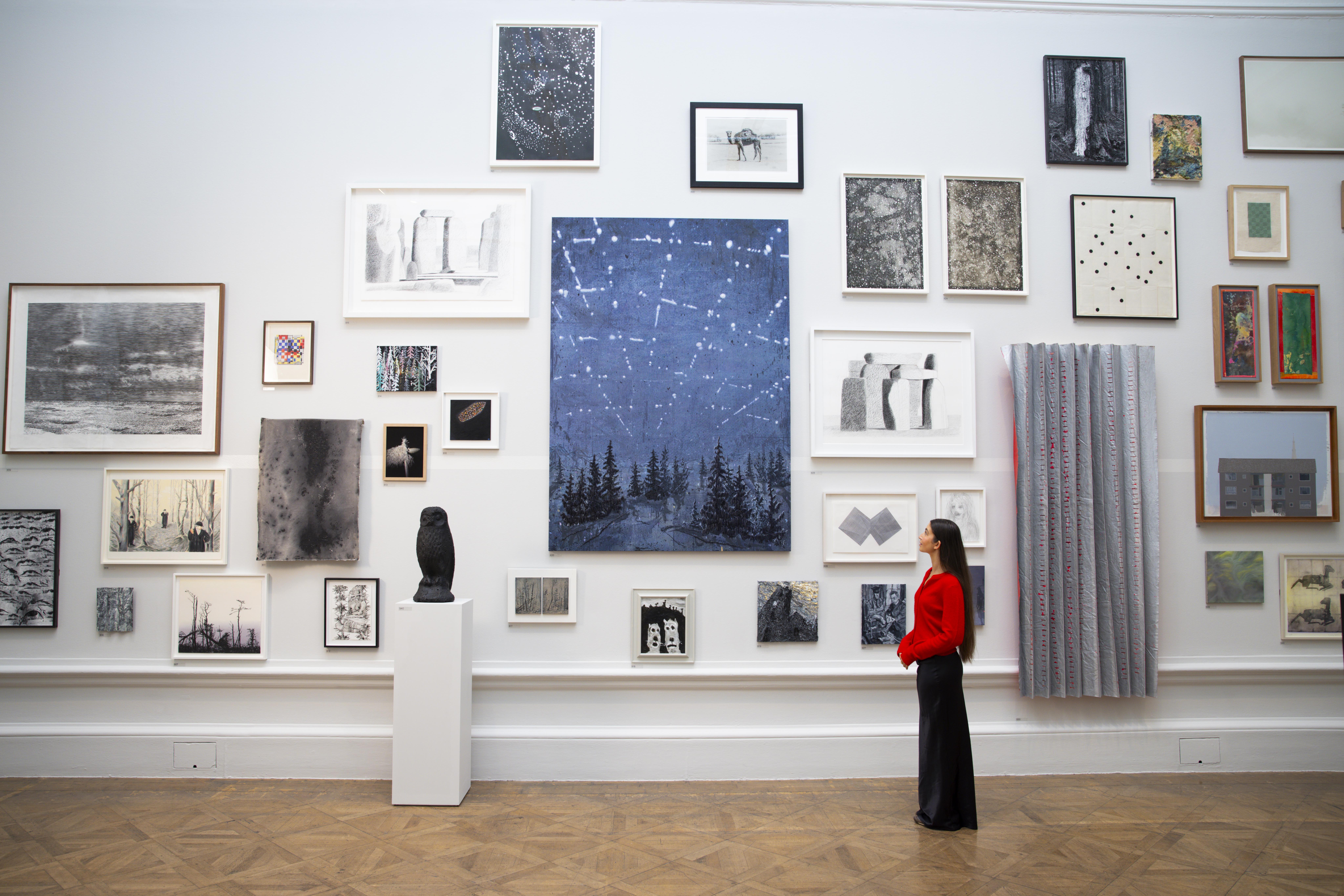
The Royal Academy’s 2026 Summer Exhibition
To prove her point, she highlights David Hockney’s video walls of trees, the William Kentridge show with its films, and the more recent show of 93-year-old Rose Wylie’s vast paintings, the first time a woman had inhabited the Main Galleries. “And of course there’s the annual Summer Exhibition,” Salter continues. “I don’t know another city that would hang a completely unknown artist next to a very famous one. Anyone can submit their work and find it beside an Anselm Kiefer or Grayson Perry. This is profoundly democratic and reflects London’s character as a whole.”
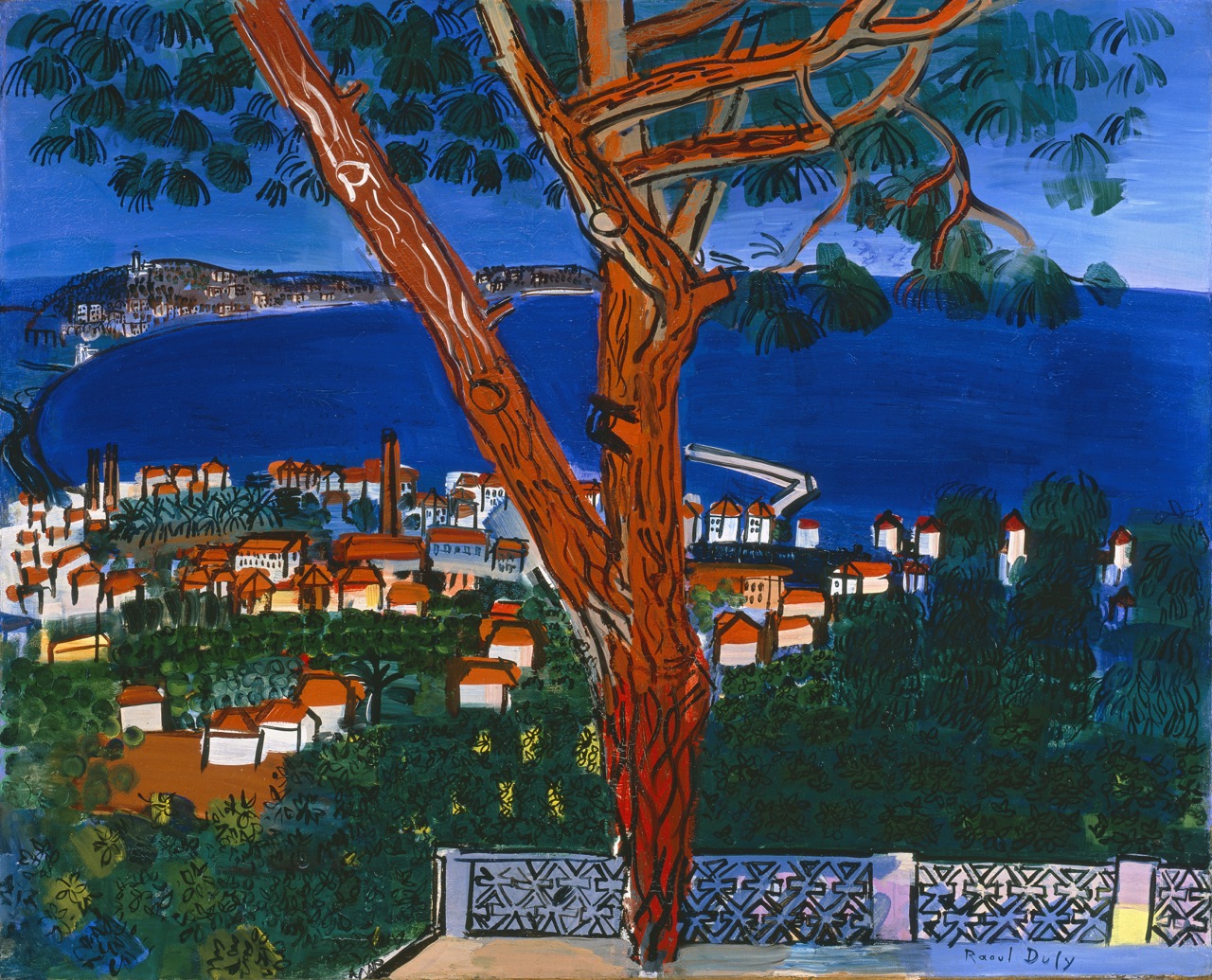
Golfe Juan (1927) by Raoul Dufy will be shown at the Royal Academy’s Painting the French Riviera exhibition
This winter, the Royal Academy is showing the beautiful, colour-drenched paintings of the French Riviera, followed by an exhibition celebrating Peggy Guggenheim’s pioneering spirit. It focuses on 1938, when her Cork Street gallery shook up the art establishment by exhibiting artists like Kandinsky, Cocteau and Tanguy, again indicative of the way London pushes boundaries.
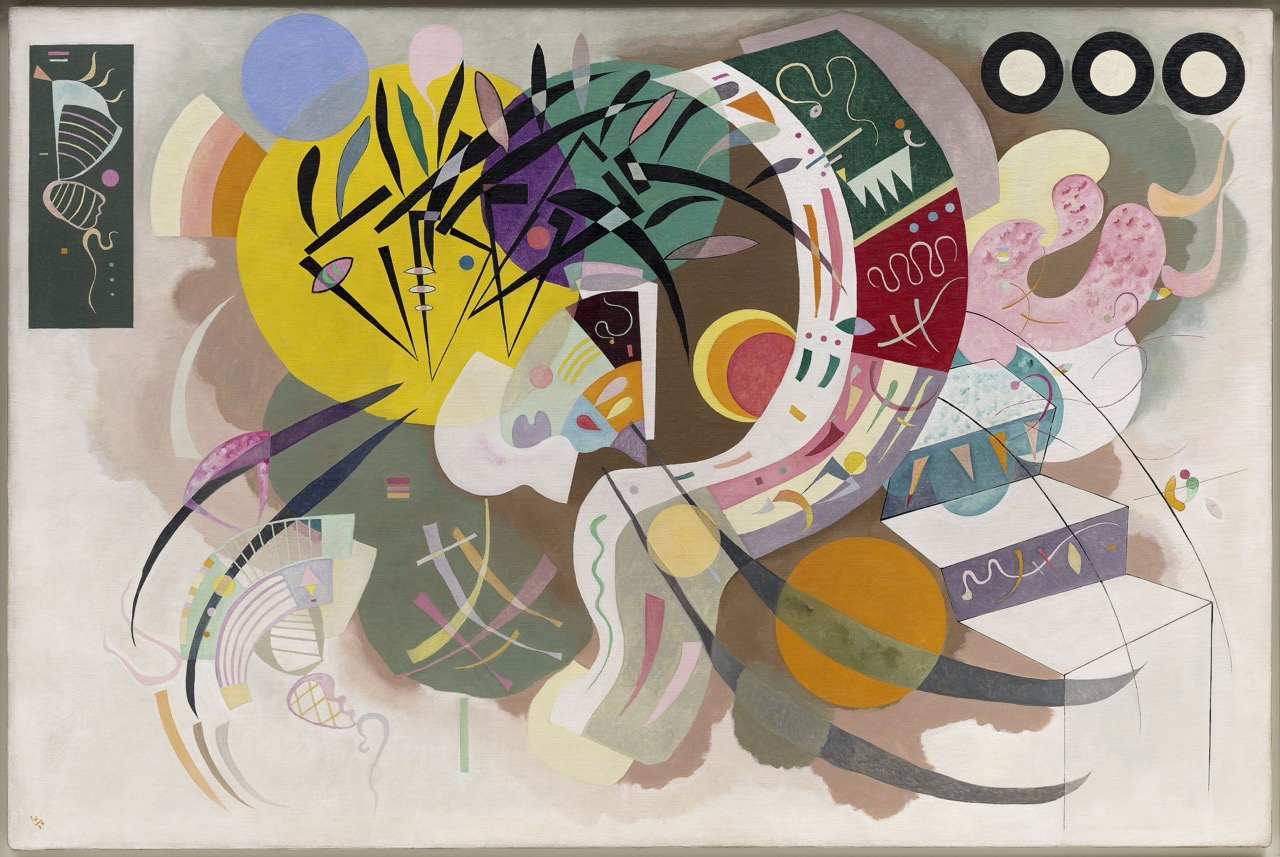
Dominant Curve (1936) by Wassily Kandinsky, part of the Royal Academy’s Peggy Guggenheim exhibition
The National Portrait Gallery houses the world’s largest portrait collection. “We’re the first stop for many tourists because there’s something for everyone,” says Dr Frigeri. “You can go into so many galleries and not be sure what you’re looking at, but here the second you walk in you’ll recognise someone. Marilyn Monroe: A Portrait was hugely popular. Now we have the photographer Tim Walker’s Fairyland, a very personal exploration of queer identity, community and love, celebrating the icons who have shaped his experience and London’s inclusiveness.”

A Portrait/Marilyn Monroe (1955) by Milton H. Greene
Then take our fairs. It’s no surprise that Frieze returns to London’s Regent’s Park every October and the success of this year’s Treasure House Fair was further proof that our art market is as buoyant as ever.
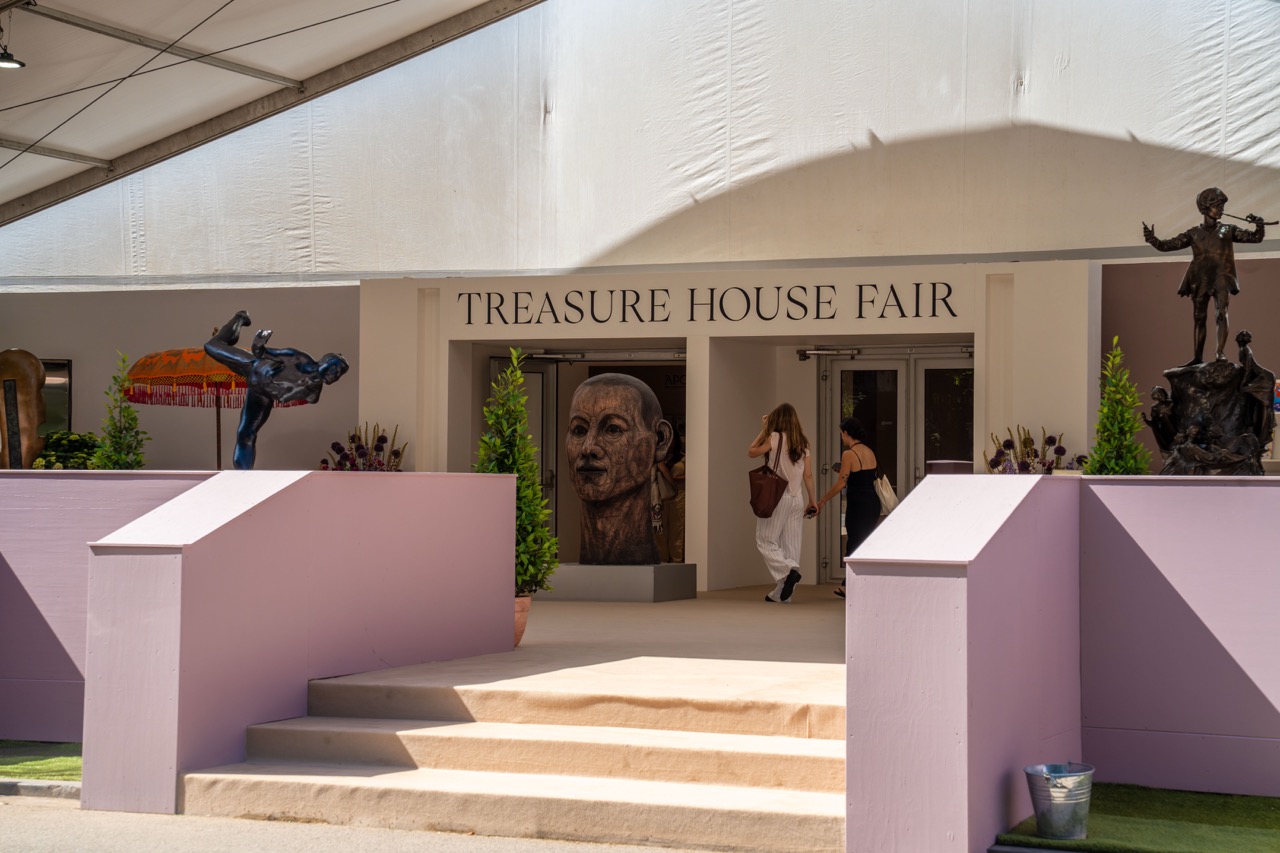
Treasure House Fair highlights London’s in-demand art market
Treasure House has risen like a fast and furious phoenix from the temporary ashes of the Masterpiece Fair, which drew big international crowds prior to Brexit and Covid. This summer, the mood was positively festive. On opening night in the vast tent at Royal Hospital Chelsea, champagne flowed, and oysters were ferried to guests, delighted by the high standard of exceptional antiques and art on offer from top galleries like Messums, Osborne Samuel, Christopher Kingzett, MacConnal-Mason, Portland, Richard Green and Sladmore.
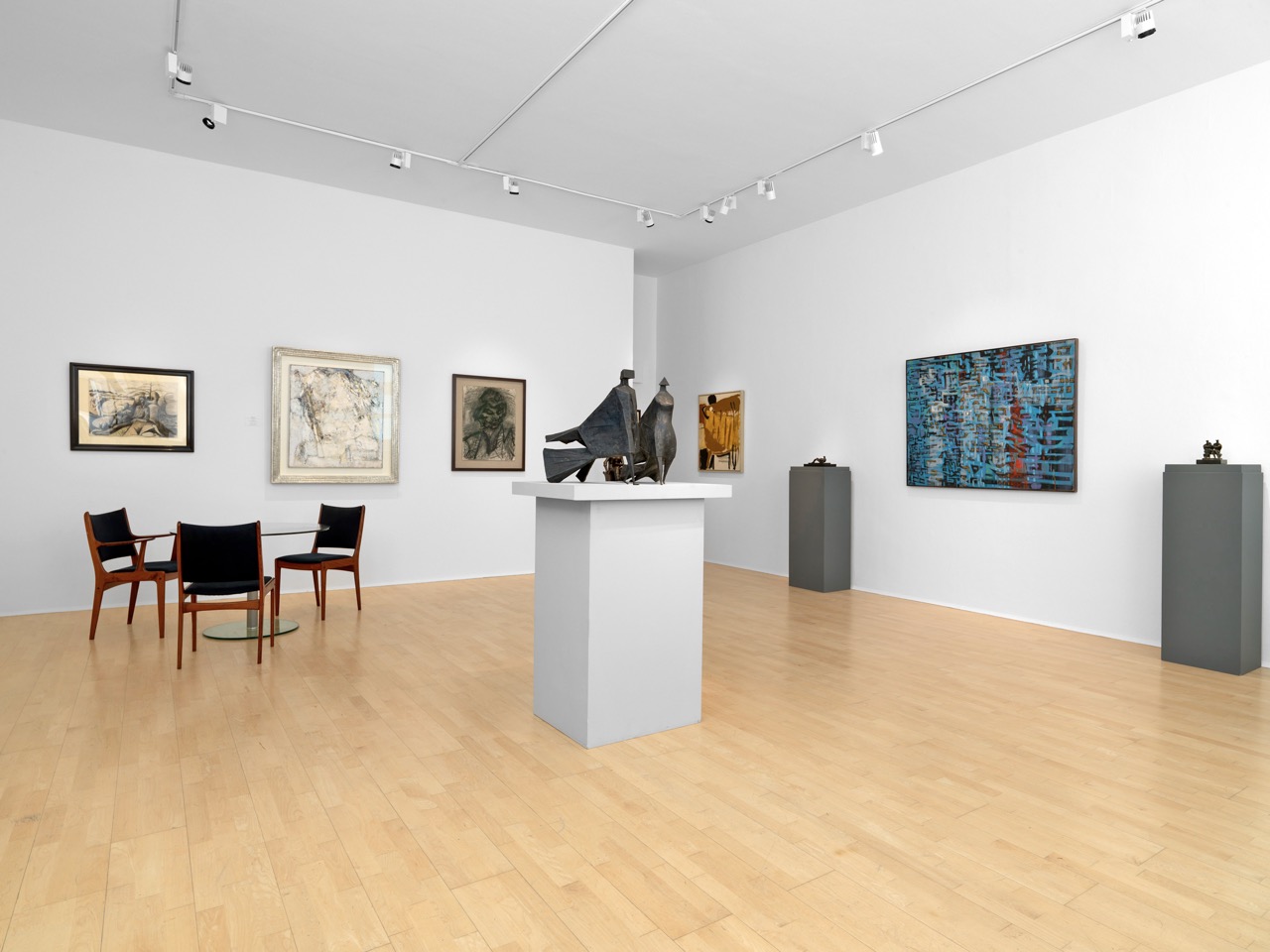
The Osborne Samuel Gallery
“London’s art market is bigger than the whole of the rest of Europe combined and is second only to America,” comments Thomas Woodham-Smith, who runs the fair. “Napoleon described us as a nation of shopkeepers, and we do love to buy and to sell — it’s in our DNA. And we remain outward-looking and adventurous. The point about Treasure House and London is that the art is of an exceptionally high standard. What we’ve understood is that there’s no room for the middle ground; people want cheap and cheerful or the very best of the best — and that’s what we give them.”
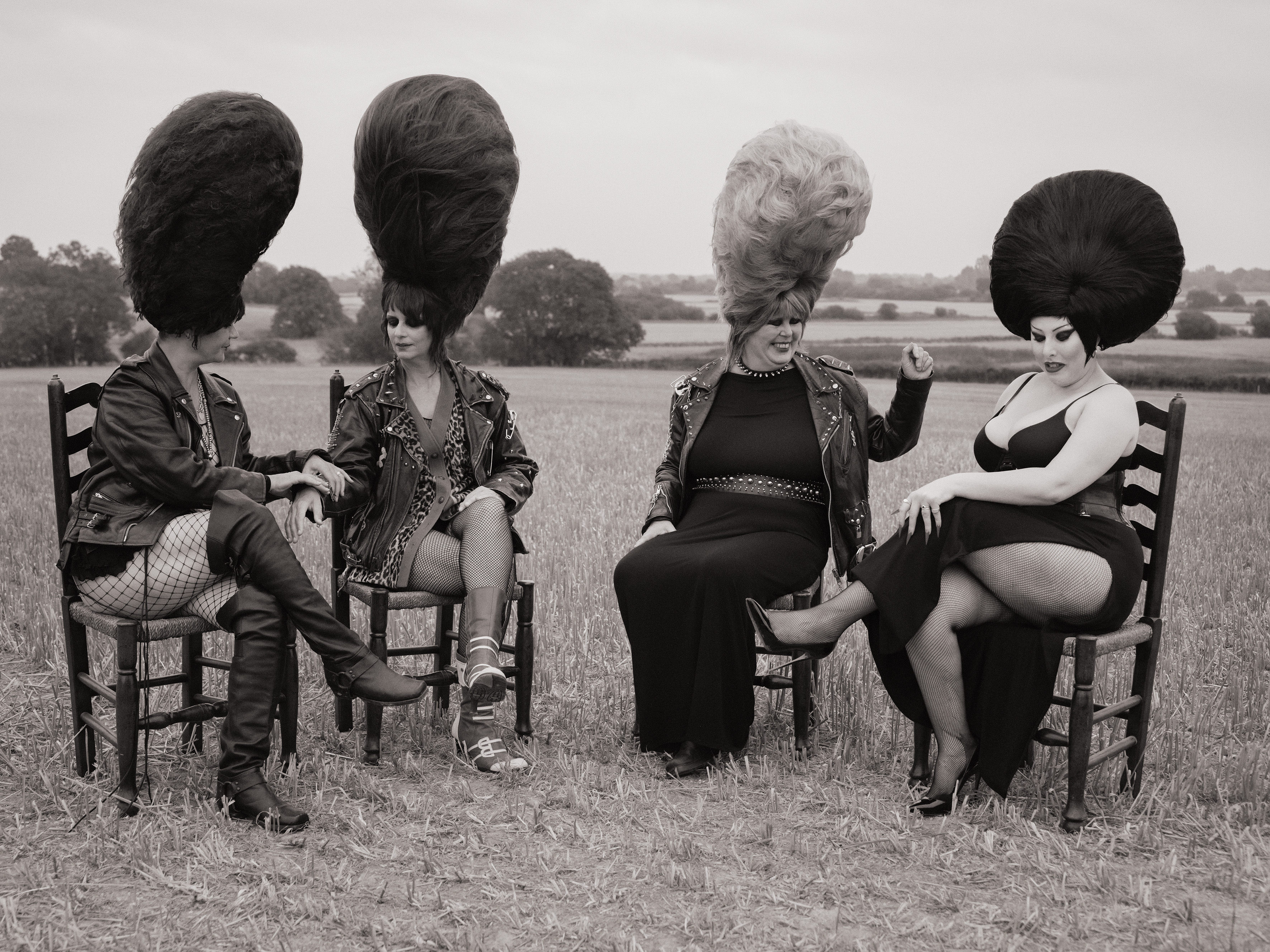
Aphra and Jo Barwick, Siobhan Fahey and Emily Witham, East Sussex (2024) by Tim Walker
Thousands of smaller galleries also thrive, not just around Cork Street but all over the capital. Despite global uncertainty, political turmoil and our cost-of-living crisis, when it comes to art, we remain firmly and confidently in the ascendant with our wide variety of world-class institutions, galleries and fairs to sate any art lover’s appetite, however gargantuan. And our galleries serve as an arena for some of the capital’s most sought-after events. Perhaps one of the late Princess Diana’s most famous appearances ever was at the Serpentine Gallery’s 1994 Vanity Fair gala in her famous black “revenge” dress.
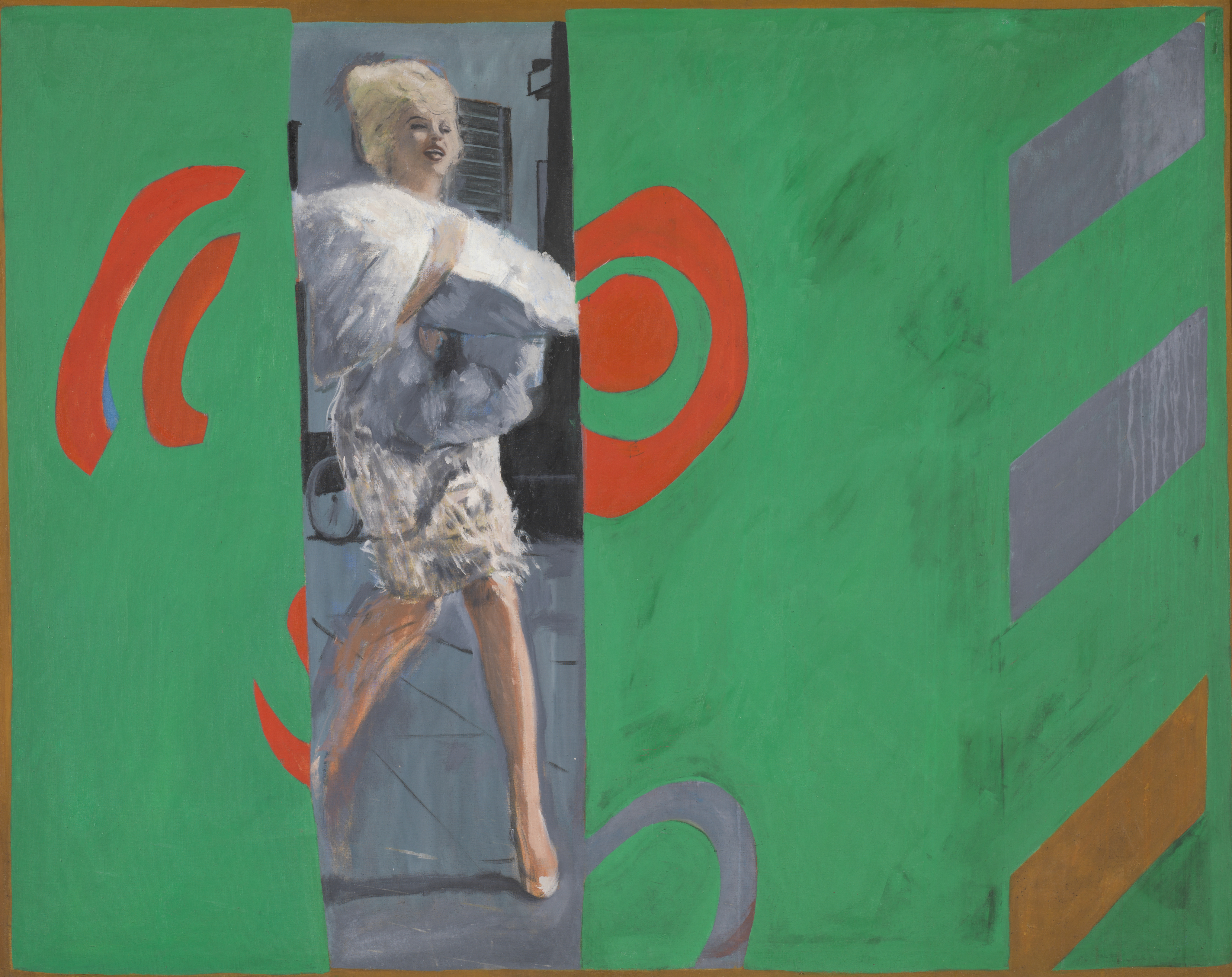
The Only Blonde in the World (1963) by Pauline Boty © The estate of Pauline Boty
Art in our capital is everywhere you look — it’s sold and exhibited on park railings, in tiny galleries and our finest palaces and stately homes. Public art is all around, too, from Barbara Hepworth’s 1963 Winged Figure on the side of Selfridges and Henry Moore’s Knife Edge Two Piece on College Green to Banksy’s surviving stencils in Shoreditch. We are probably never more than a few feet away from a work of art. What other city in the world plays host to such a flourishing, diverse and evolving art scene?
Articles may contain affiliate links; all selections are independent and at no additional cost to you.