Much has been said of the luxury industry in recent weeks. In the face of ongoing geopolitical headwinds, questions have been raised about the sector’s ability to withstand hardship. Particularly as AI continues to dominate and threatens to destabilise life as we know it.
Walpole British Luxury Summit
Words by
Sphere Editors
1st May 2026
The annual Walpole British Luxury Summit, held this week, brought together the leading names in luxury to chart the industry's future course. With Lisa Barnard, ILN CEO and SPHERE Digital Editor in attendance, we bring you our key takeaways from the day.
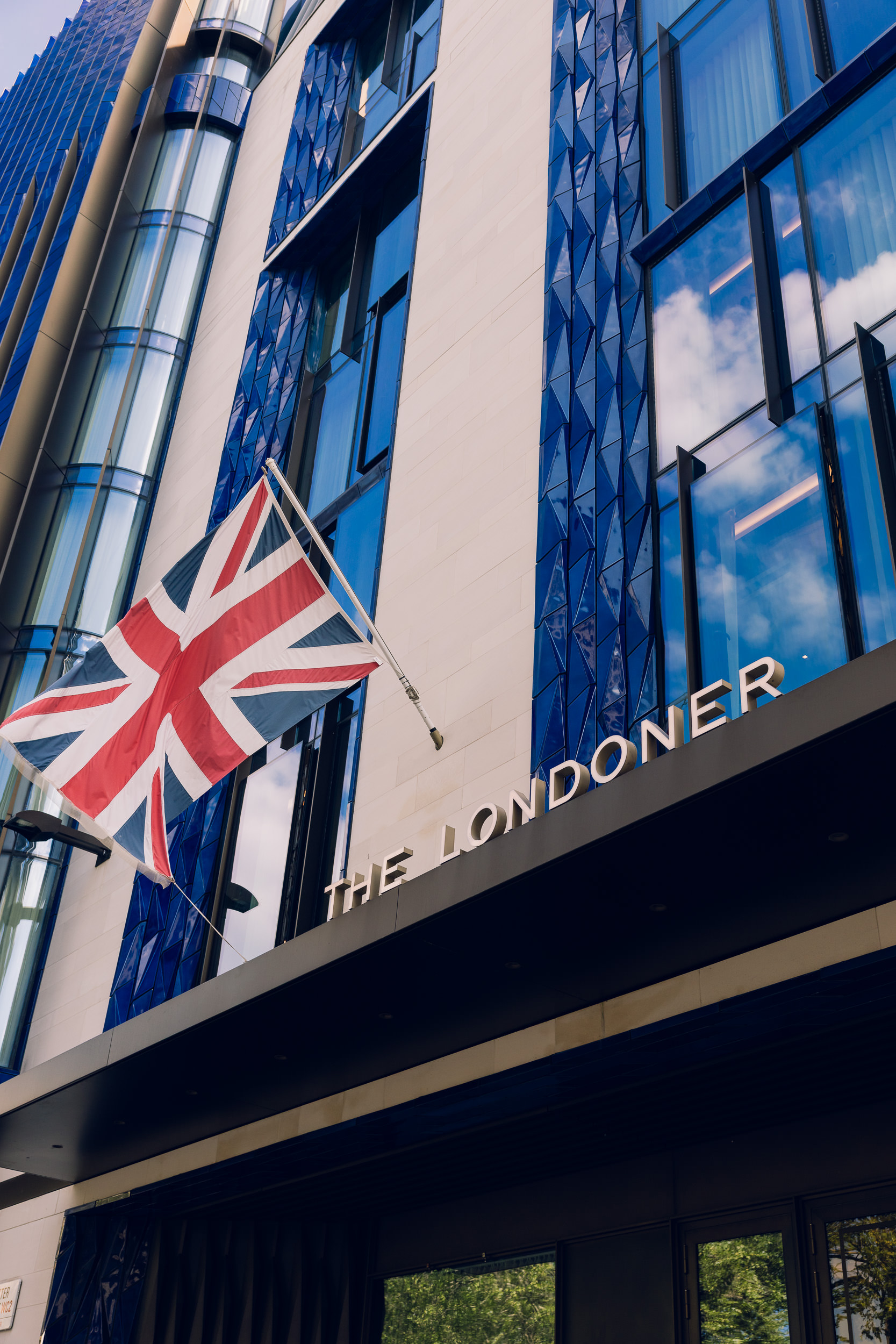
The Walpole British Luxury Summit held at The Londoner. ©Walpole
Well, this week, Walpole, the official sector body, put to bed doubts about the British luxury industry at its annual British Luxury Summit. In her keynote speech, Helen Brocklebank, CEO of Walpole, pointedly reminded an audience of over 300 leading figures in luxury that the sector is worth £81 billion to the UK economy and supports half a million skilled jobs. Home to iconic brands like Selfridges, Fortnum & Mason and Burberry, Helen reaffirmed that “Britishness itself has become one of the most powerful luxury propositions in the world”.
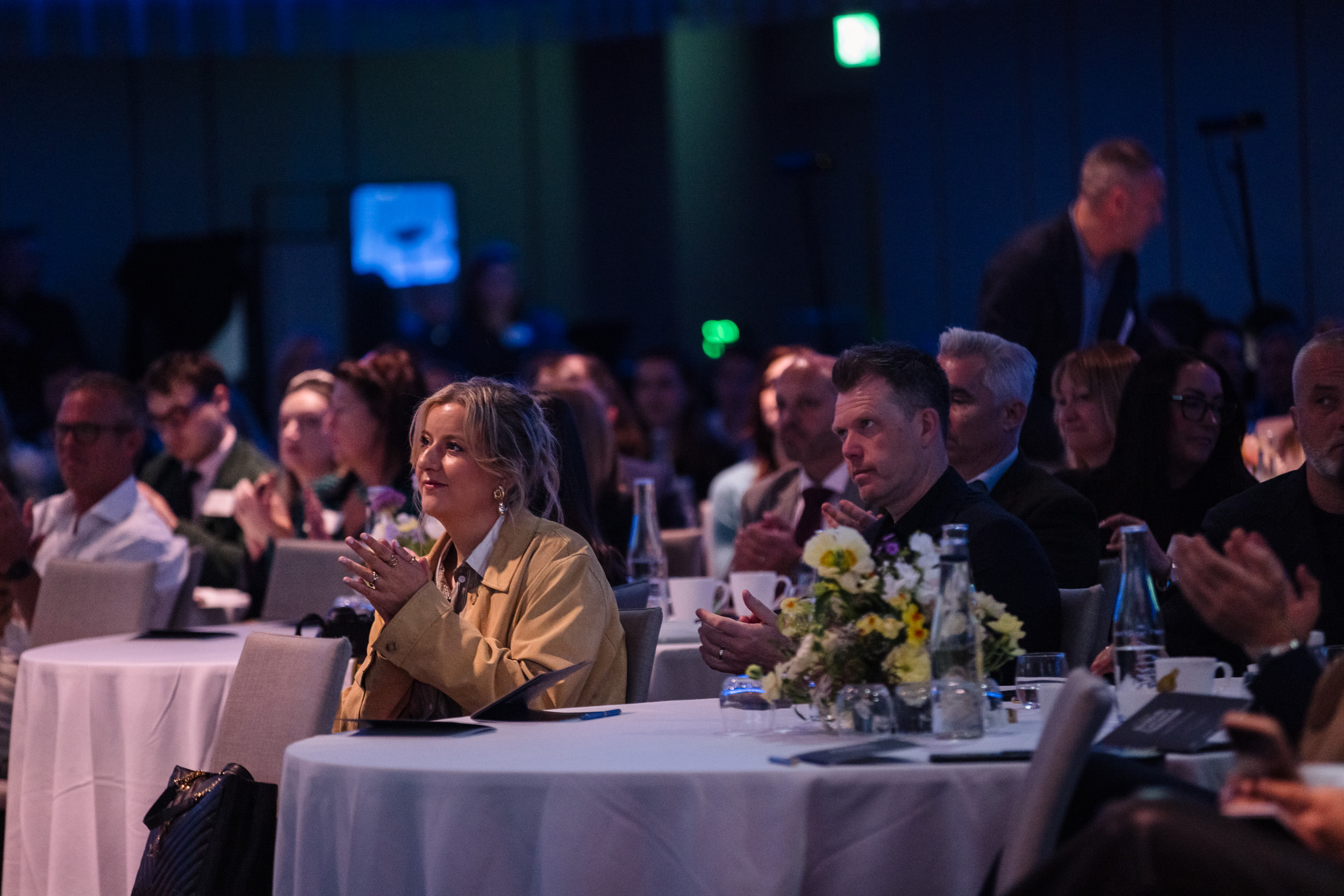
Attendees of the Summit. ©Walpole.
Armed with an impressive speaker line-up, the message was clear. Britain should and is doubling down on what makes it exceptional. Importantly, as Kate Reardon, Editor-in-Chief of The Times Luxx, highlighted, there’s reason to be optimistic. After all, “There’s always been instability. We’re just more aware of it now”. So, whether it’s AI or economic uncertainty, the consensus throughout the day was that British luxury’s greatest strength lies not in resisting change, but in leaning further into the qualities that cannot easily be replicated: craftsmanship, creativity, cultural heritage and human connection.
The Emotional Case for Luxury
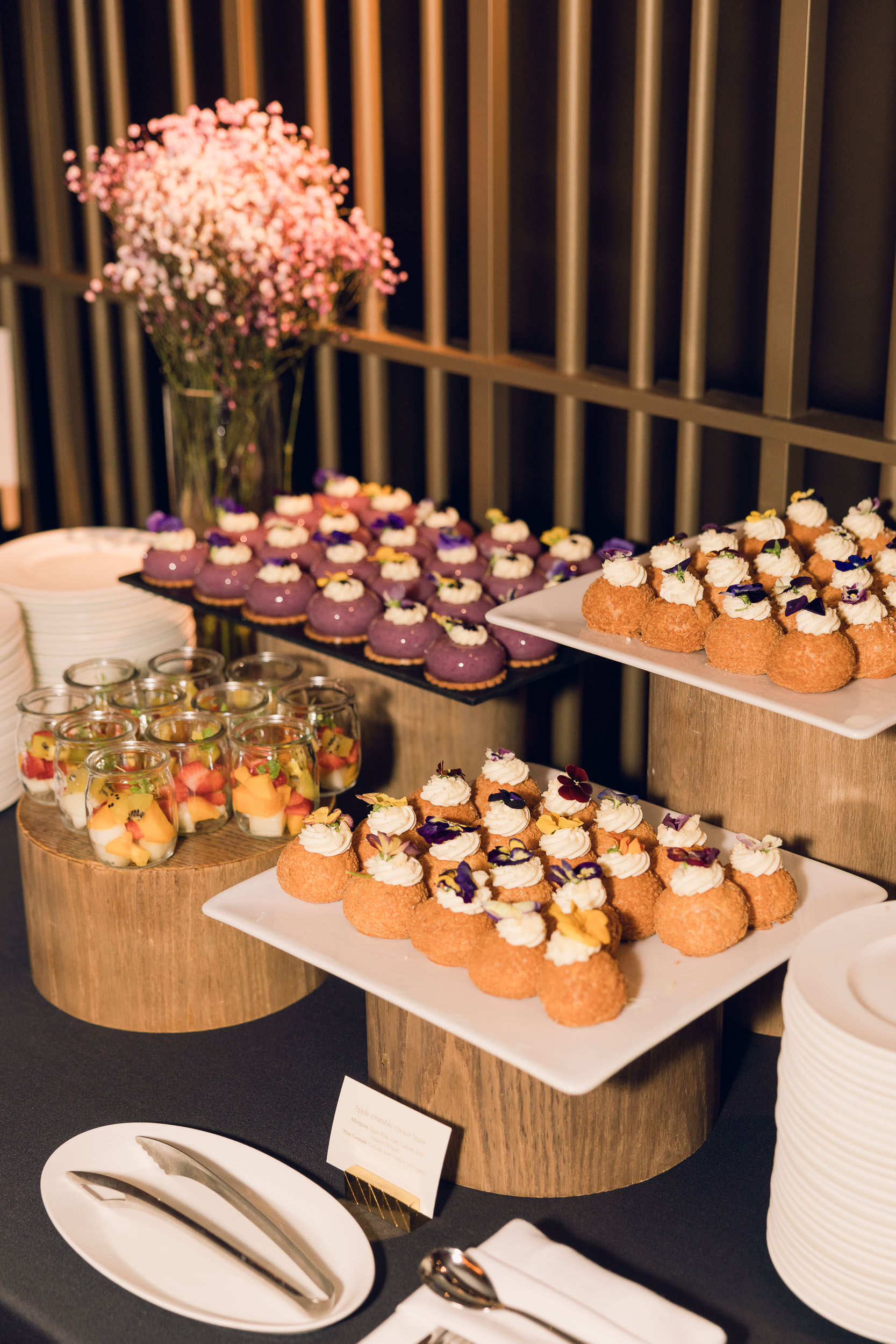
Canapés at the Walpole British Luxury Summit. ©Walpole.
In the wise words of Kate Reardon: “True luxury is about how it makes you feel.” Perhaps inspired by the profound musings of Maya Angelou, “they’ll forget what you did, they won’t forget how you made them feel”. Luxury, from the surface, has long been viewed as fine materials, high-quality craftsmanship and conspicuous spending. But as the new world order shifts, so do the old signals of status. It’s no longer good enough to inspire brand loyalty; now, brands must foster a sense of belonging in their customers.
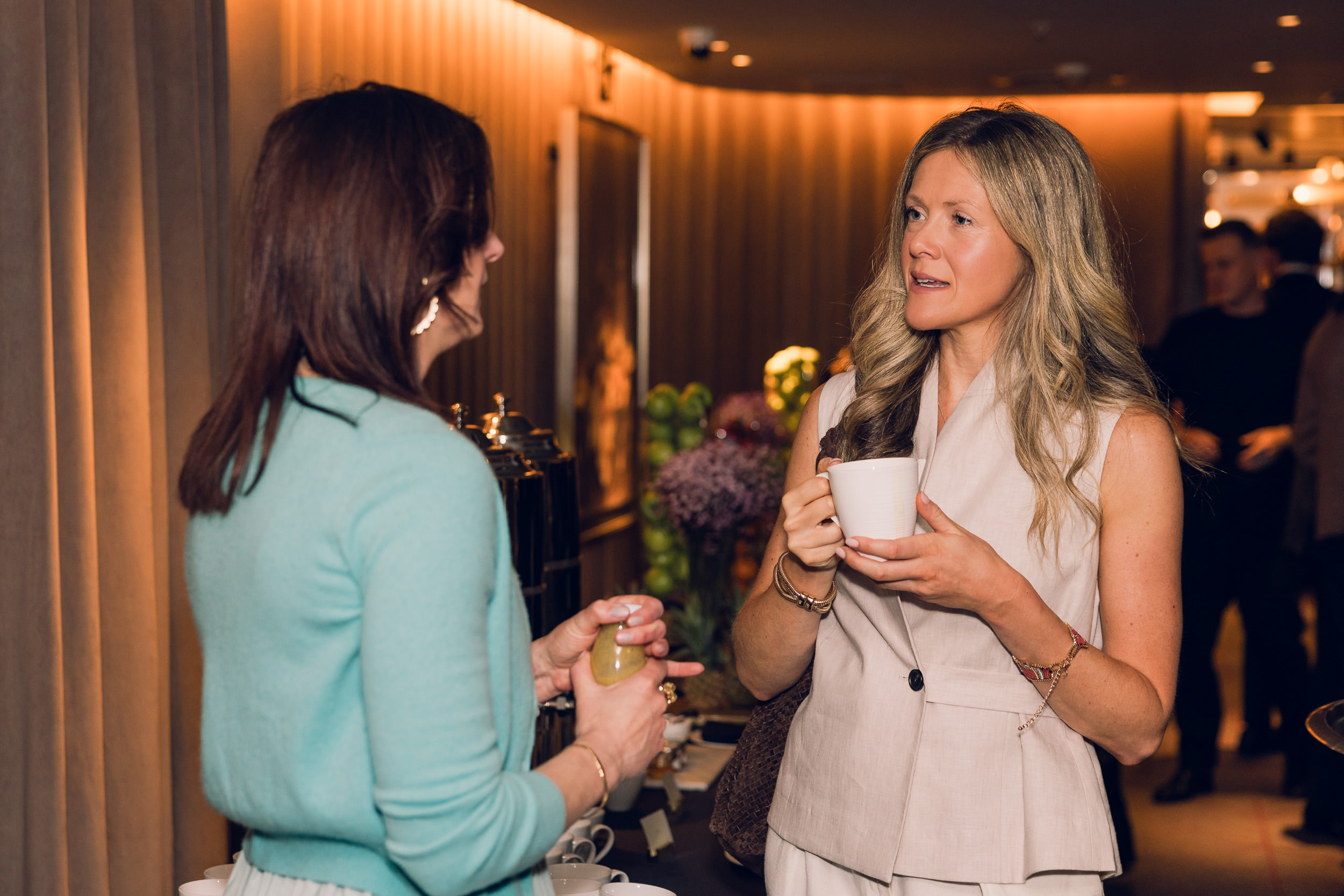
Networking at the event. ©Walpole.
One way this can be achieved is by increasing in-person interactions. Or in the case of Manolo Blahnik, doubling its retail presence. Jodie Blake, the brand's CMO, is quick to point out that this doesn’t equate to “massive stores all over the world”. Instead, the brand is opting for a bespoke approach in various handpicked locations: “they’re (the stores) more localised and fitting for the audiences that will be served in those locations.” This makes perfect sense. You're unlikely to feel a sense of belonging to something that hasn't been designed with you in mind.
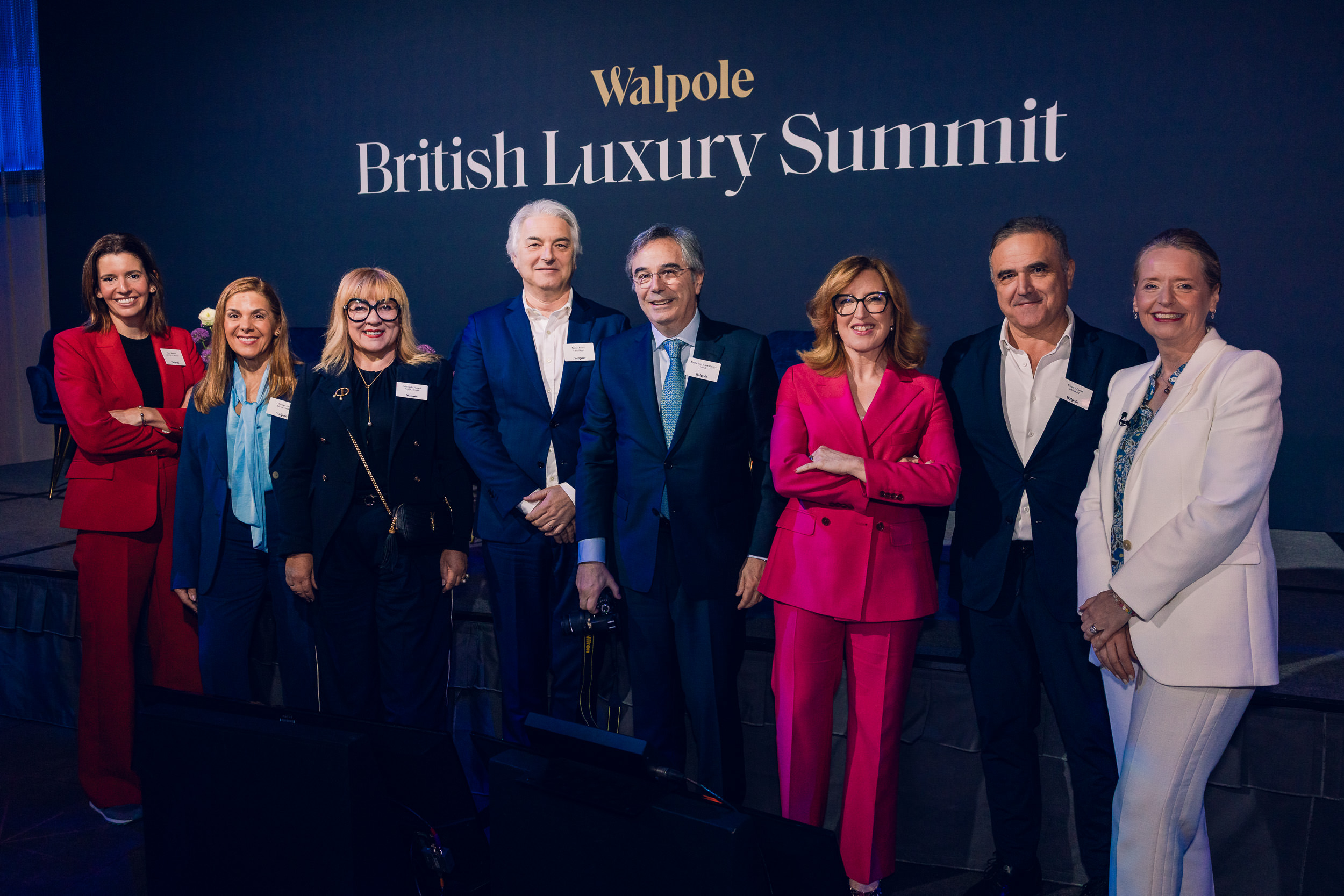
Part of the impressive speaker line-up. ©Walpole.
André Maeder, CEO of Selfridges, echoed this sentiment, arguing that department stores can no longer function purely as transactional retail spaces. “We want to be the most imaginative shop in the world,” he said, describing Selfridges less as a department store and more as an entertainment and cultural destination – now more than ever with the launch of its members' club, 40 Duke.
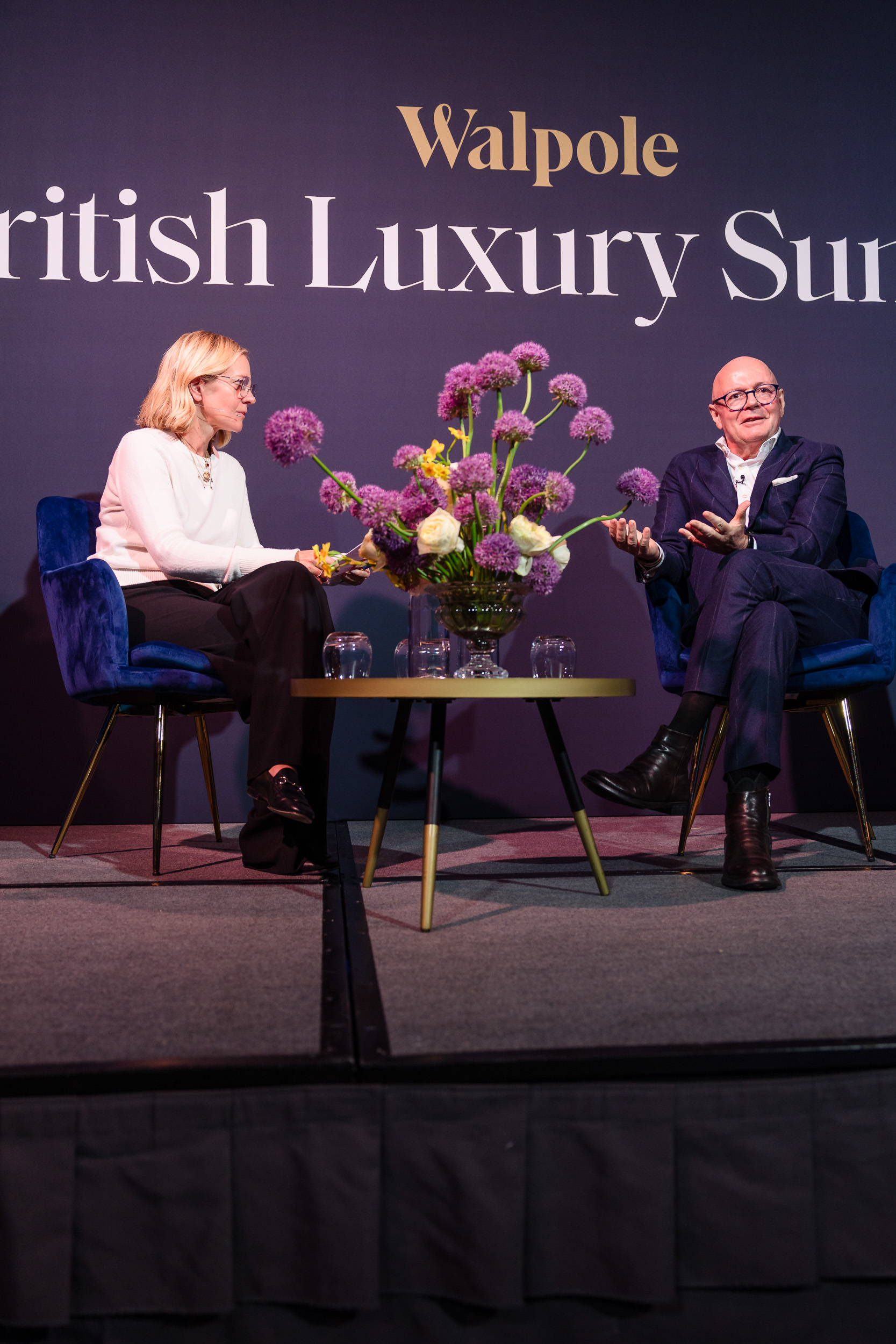
L-R Kate Reardon, Editor-in-Chief Times Luxx and André Maeder, CEO of Selfridges. ©Walpole.
Jodie also spoke about engaging with customers on a personal level, referencing events the brand has hosted for its most loyal consumers. “We use our space to support our community”. It serves as a salient reminder that the powerful marketing a luxury brand can do is simply making its customers feel seen.
Martin Kuczmarski, CEO & Founder, Difficult Name, also agreed, saying that “luxury is a relationship”. As digital connection increases and human connection deteriorates, “chances to connect communities, to be seen, to feel welcome are so important”.
Heritage: Help or Hindrance?
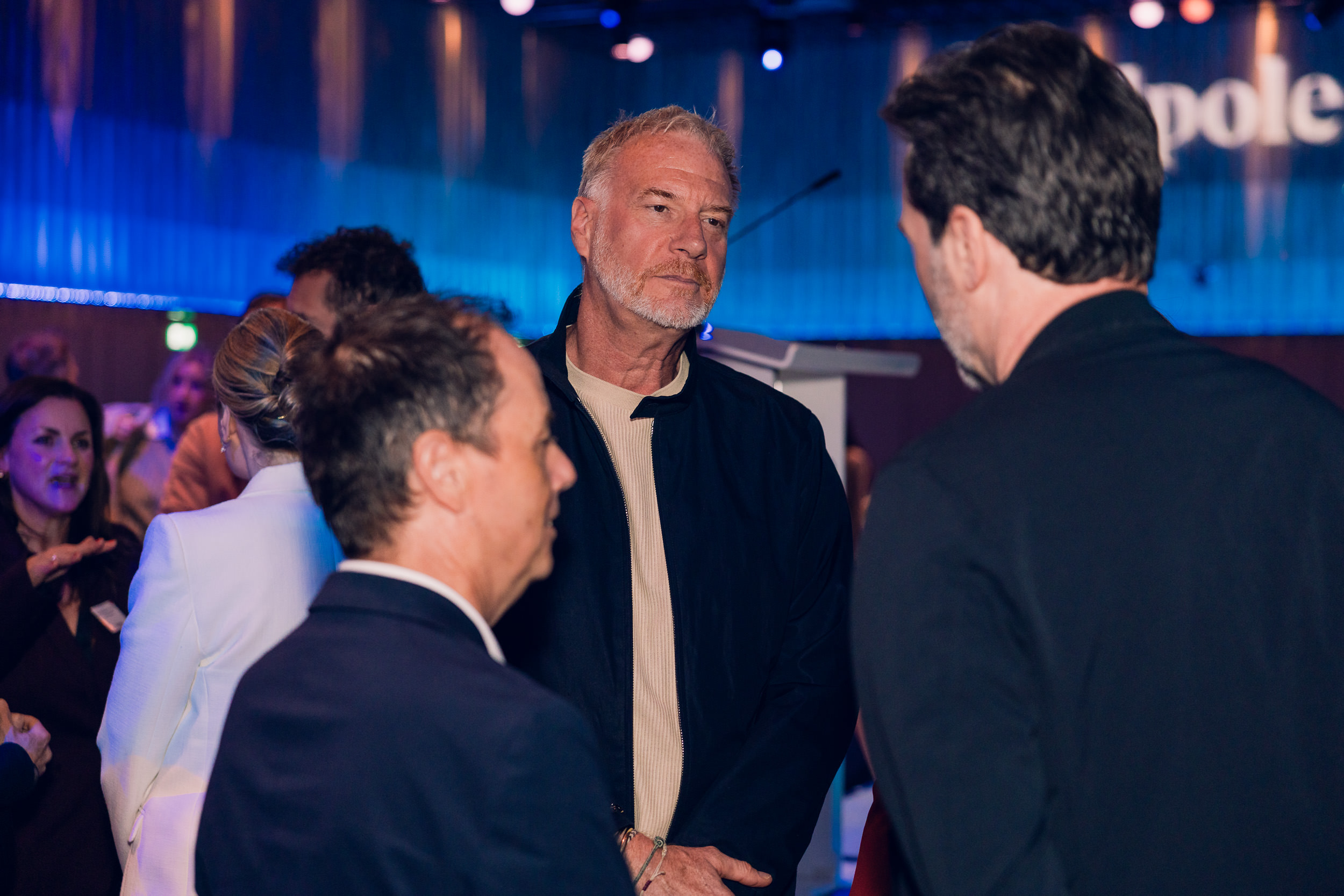
Marek Reichman – Executive Vice President and Chief Creative Officer, Aston Martin. ©Walpole.
“Is heritage a ball and chain around your neck or a support?” – the rhetorical question, Marek Reichman, Executive Vice President & Chief Creative Officer, Aston Martin, posed. And it’s the age-old dilemma faced by traditional luxury. “Well, it’s really about a nod over the shoulder, rather than looking backwards,” he answered himself. Repeating what you’ve previously done is an indication of stagnation, but it must still be balanced with enough familiarity to remain recognisable.
Speaking to this particular conundrum as it pertains to cars, the conclusion was that beauty underpins everything. Every product produced by the brand will always be beautiful. It’s the technology beneath that innovates and evolves with time. Heritage, then, is not something to be trapped in, but a foundation to build on without losing sight of what the brand is.
Crafting Human Connection
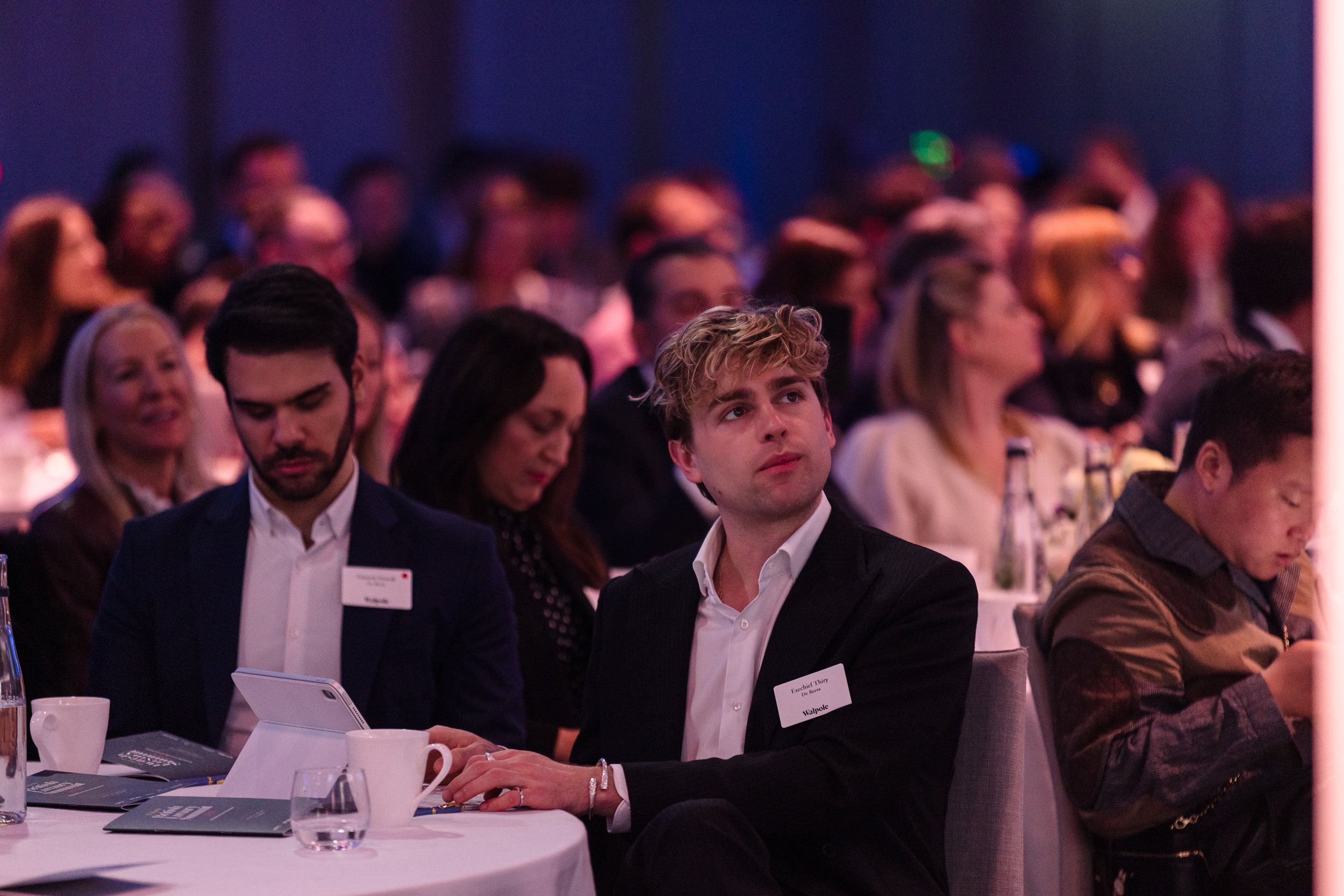
Attendees of the 2026 Walpole British Luxury Summit. ©Walpole.
Whether it’s Swain displaying its workshop in its flagship store, or Mulberry using the people who create its bags in its adverts, it seems that craftsmanship is the concept du jour. And to what end? Well, put simply, it’s because in an age of algorithmic sameness, the human hand has become the ultimate differentiator.
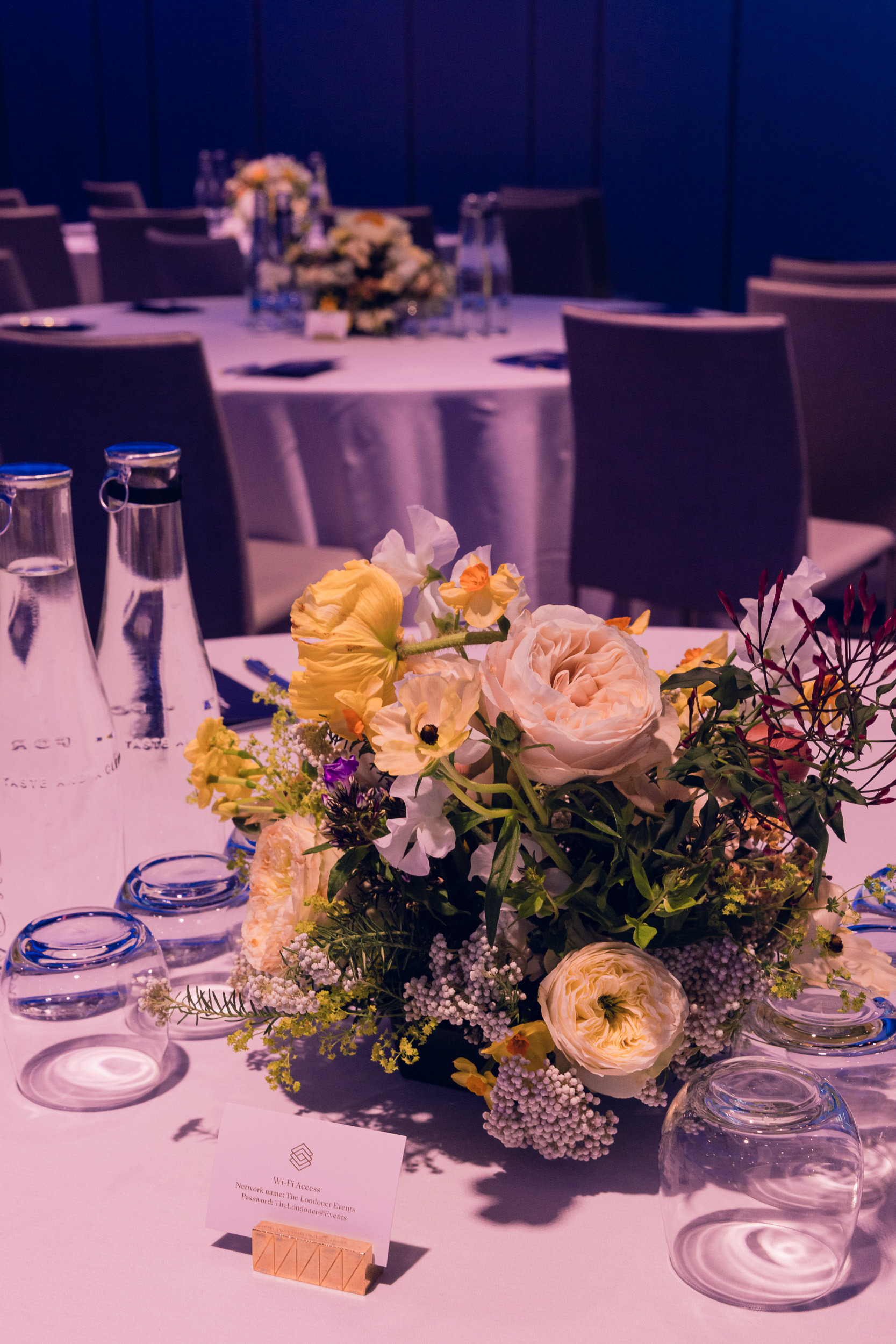
The table displays at the Summit. ©Walpole.
Knowing that the thing you’re holding, wearing or experiencing has been created by a real person doesn’t just add value, it adds meaning as well. Gary Franklin, Senior Vice President, Trains & Cruises, Belmond, stated that this is precisely why the brand chooses to use legacy carriages, originally built in 1925, despite the fact that many parts required to maintain them no longer exist. There’s a story behind it. One that requires generations of skill, which is ultimately what customers are buying into.
Foday Dumbuya, Founder and Creative Director, Labrum London, argued that craft is culture. As a brand that merges British tailoring with West African storytelling, research and provenance are paramount. Each collection has depth and meaning, which, at a time of hyper-fast trends and replication, has become luxury’s most valuable currency.
The AI Reckoning
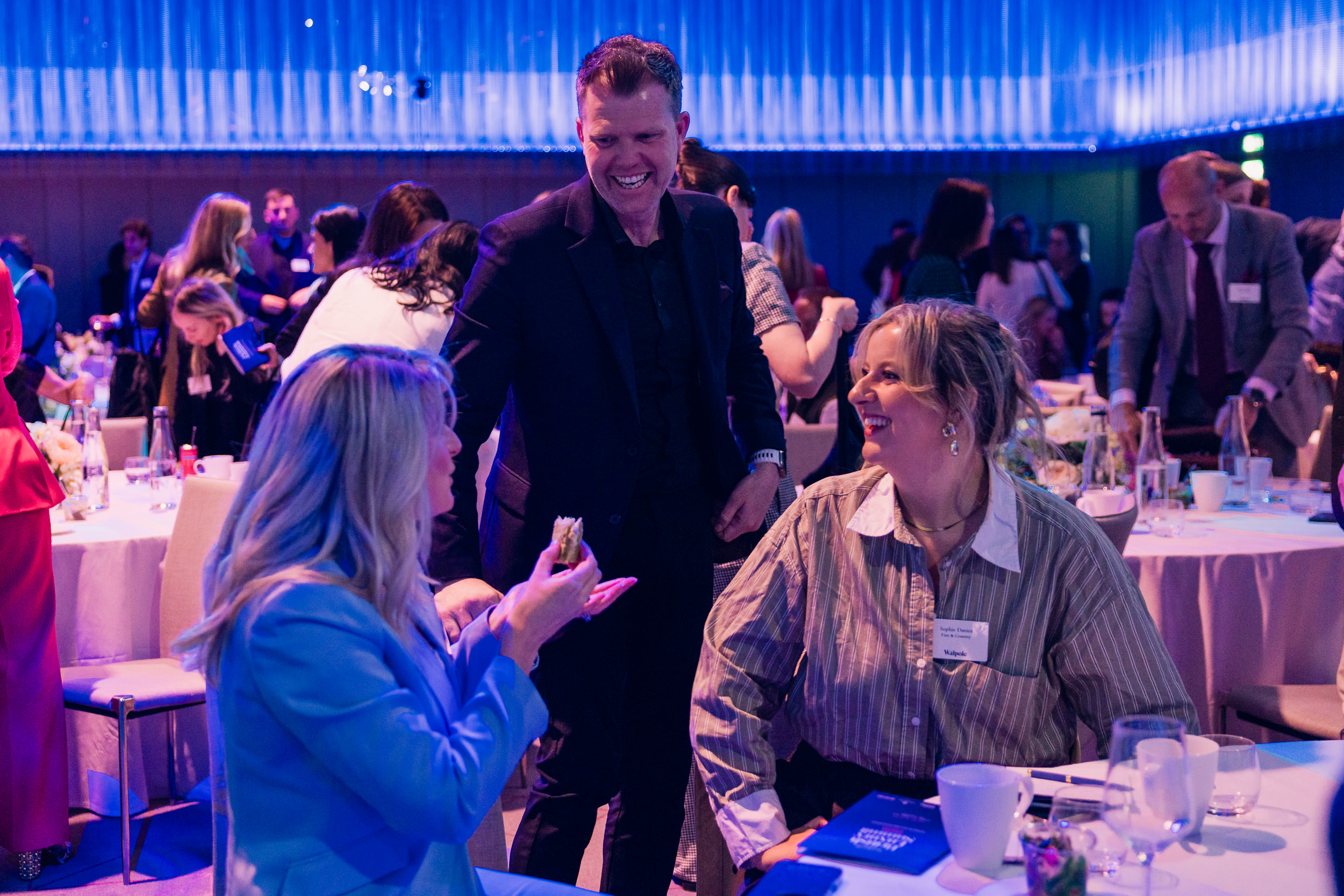
Multiple opportunities for networking. ©Walpole.
While there was a certain romanticism in the room about rejecting AI and technology, the industry can’t ignore its impact, nor its presence. ChatGPT only took two months to reach 100 million users. So, it truly is in everyone’s hands or pockets. Interestingly, Mathilde Haemmerlé, Partner, Head of Luxury Practice in France, Bain & Company, pointed out the correlation between wealth and the use of AI. Luxury customers are not immune to the siren calls of automation.
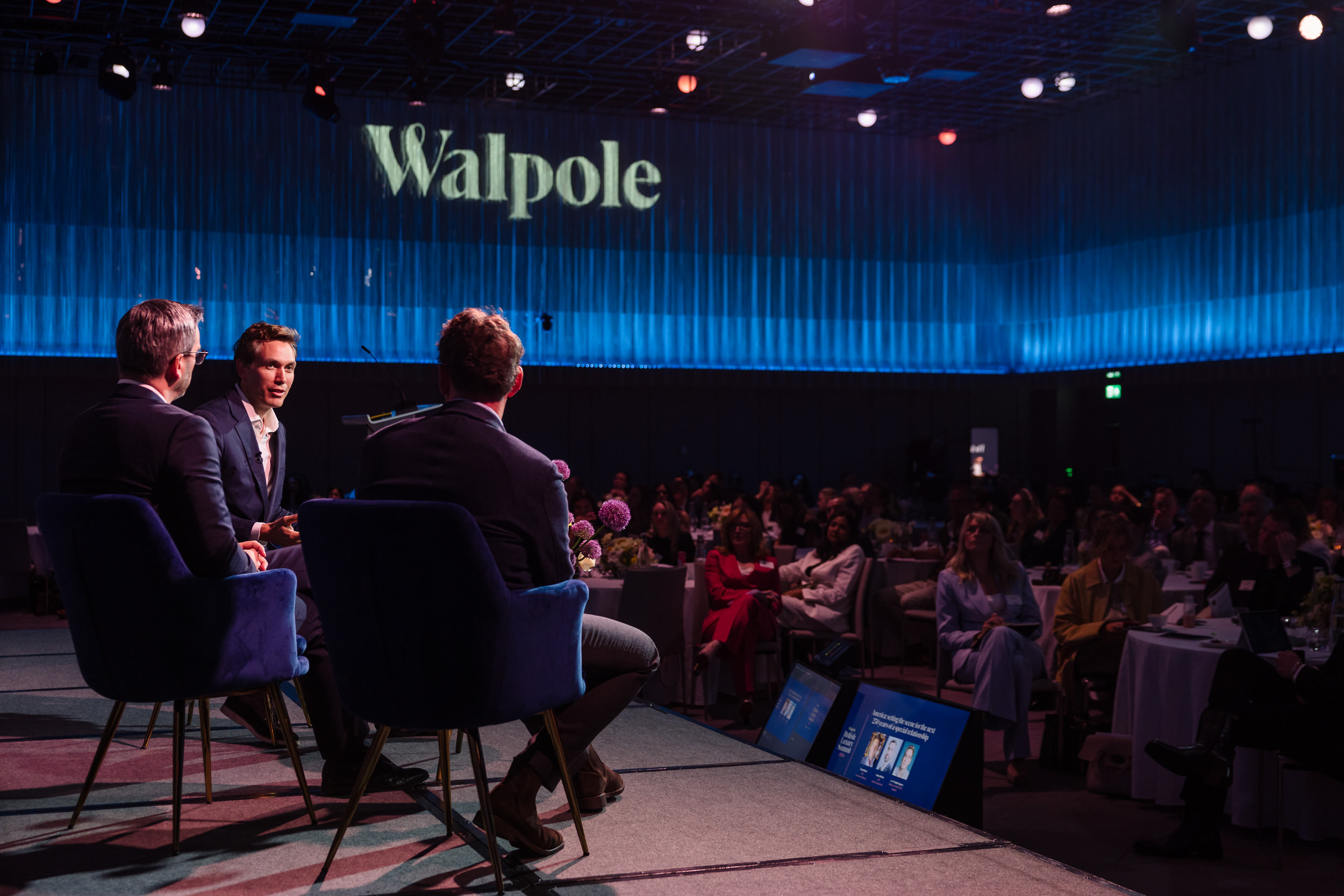
The day was packed with insightful talks. ©Walpole.
That said, however, Mathilde mentioned that there is an opportunity here for smaller brands. When Bain asked luxury customers about brand discovery, 52% answered that it helped them discover new options that they previously wouldn’t have considered. LLMs, perhaps, may not be all doom and gloom, and in fact, could be a tool for democratising the industry for small luxury brands. Either way, visibility is more important than ever. LLMs are favouring authoritative, consistent sources that tell a clear, well-articulated story.
Ultimately, it’s about harnessing AI. Throughout the day, the importance of human connection, touch and emotion was emphasised time and time again. Rightly so. But as we all know, humans are fallible and can just as easily ruin the customer experience as they can make it. Mathilde believes this is where AI can help. By smoothing the process, being available 24/7 and removing friction points, it allows those human interactions to become more meaningful.