Q&A with Chef Patron Jean-Philippe Blondet
Words by
Clara Taylor
29th April 2026
Jean-Philippe Blondet, Chef Patron of the three Michelin-starred Alain Ducasse at The Dorchester, tells Clara Taylor about his rise through the Ducasse ranks, how to spot a Michelin inspector and his go-to post-service meal.
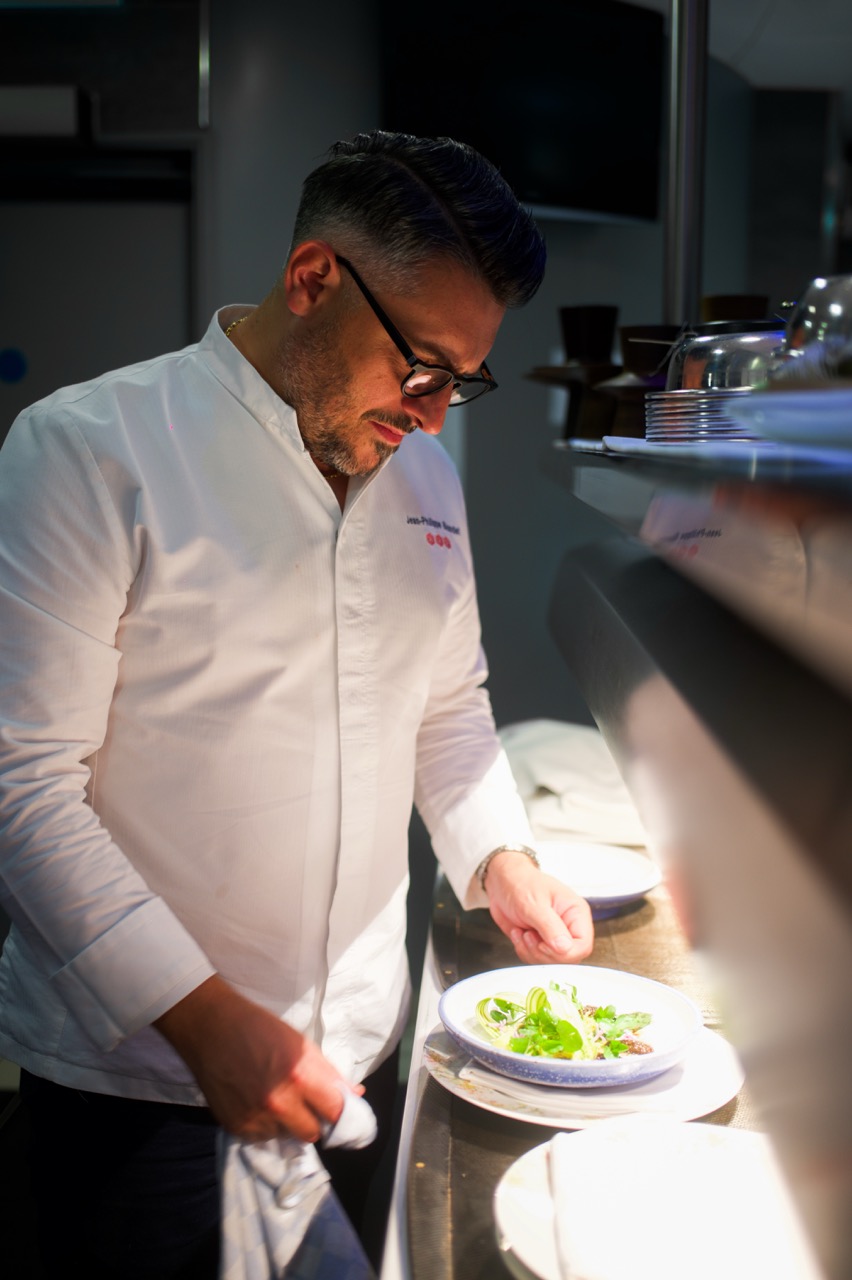
Jean-Philippe Blondet. ©Jordan Sapally.
I’ve always wanted to be a chef. I fell in love with pastry at a really young age and used to love going to the markets in France, speaking with the producers and learning about what they were selling. Really, I’m just a food lover. Food is everything to me, which is why I started cooking.
Jean-Philippe oversees the iconic three Michelin-starred restaurant. ©Jordan Sapally.
How did your relationship with Alain Ducasse begin?
After six years of hospitality school, I wanted to work for the best chef in the world, so I sent my CV to the Ducasse Group. They called me the same day! Originally, it was my dream to work at Le Louis XV in Monaco, but they told me I was too young. I was offered a job in London instead. I didn't speak English at the time, but I accepted anyway and started working at Spoon, where I was for two years. I knew I wanted to be in fine dining, so I applied to lots of different restaurants in Italy. When Alain found out, he told me I could start at the restaurant in Monaco next week. I will say, it was here that I really started to understand the value of the company and how hard working in the kitchen is.
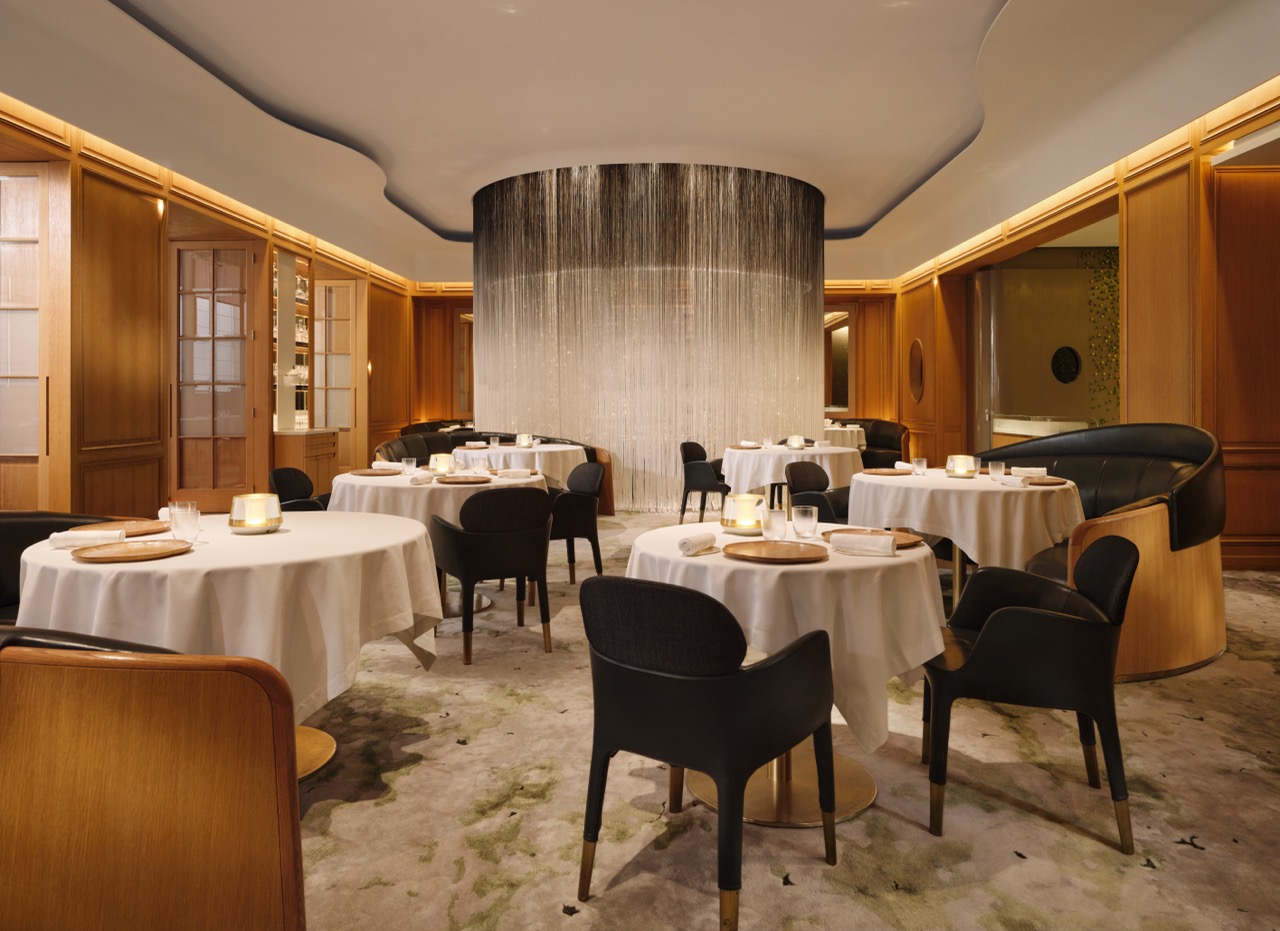
The Dorchester Alain Ducasse main dining space. ©Jordan Sapally.
What was it like transitioning into a Michelin-starred kitchen?
I won’t lie, it was super hard. The hardest moment of my life. But I learned so much. Expectations were so high – it’s Alain Ducasse with three Michelin stars and a really competitive environment.
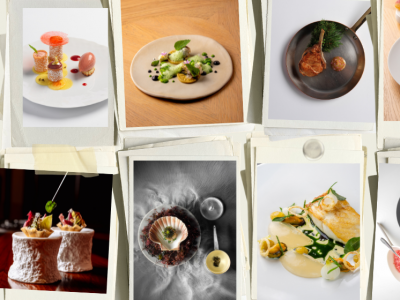
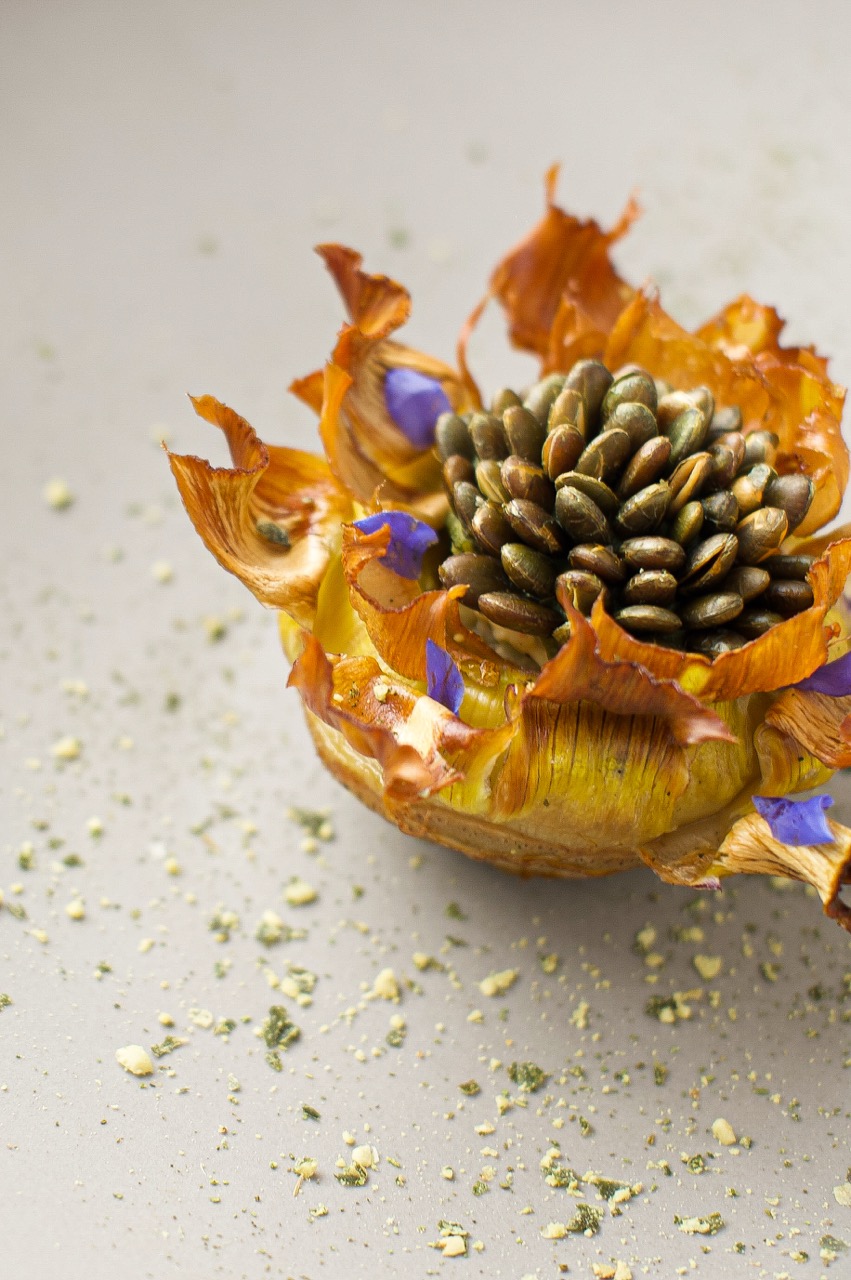
One of the many outstanding dishes created by Jean-Philippe and his team. ©Jordan Sapally.
You’ve spent the majority of your career working for the Alain Ducasse brand. What’s the most important thing you’ve learned from your time there?
Respect. Respect is everything. In terms of people, the hierarchy, the produce and the food. I treat the food in the same way I’d treat my baby, or a courgette like it's a £200,000 Porsche.
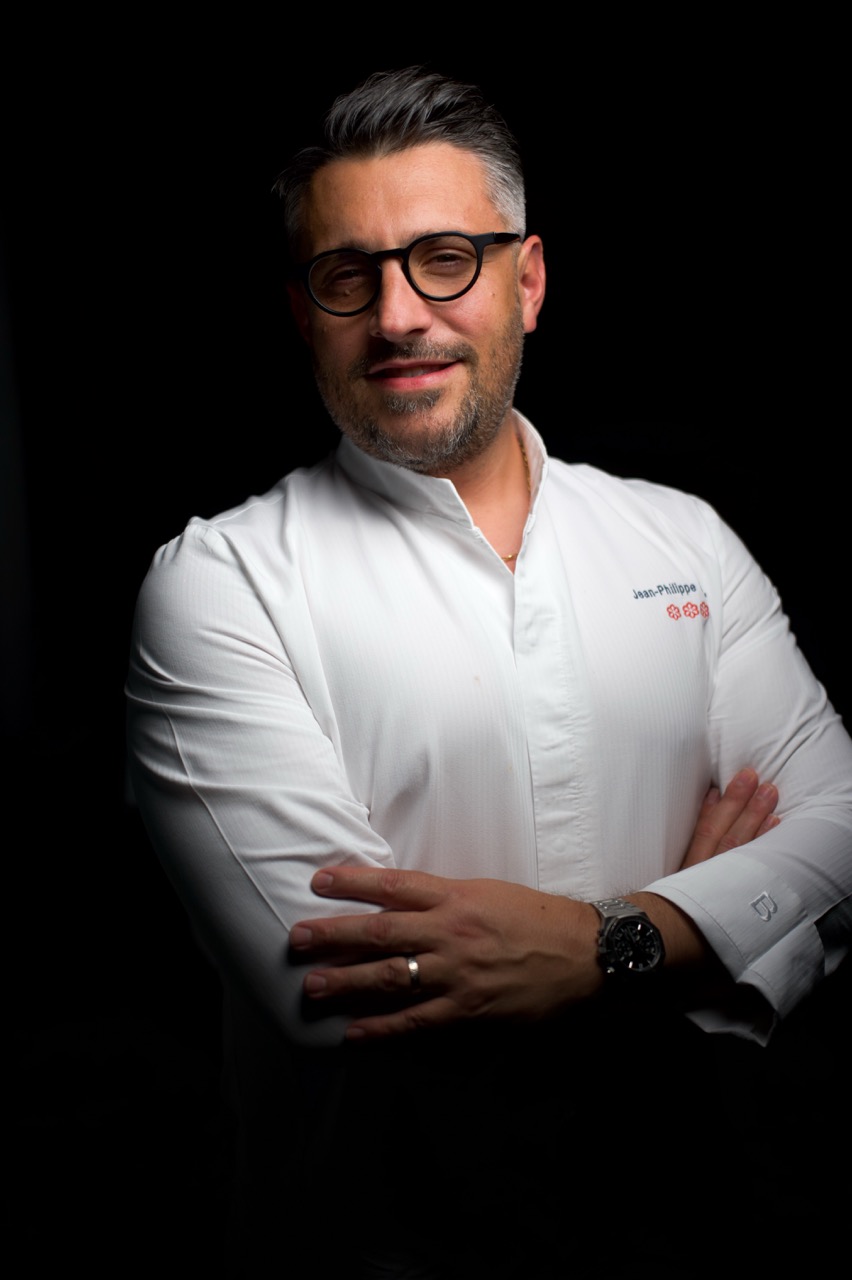
Jean-Philippe started his culinary career with the Alain Ducasse brand. ©Jordan Sapally.
Alain Ducasse at The Dorchester retained its three Michelin stars again this year. What goes into operating consistently at such a high level?
You need to try to be yourself as much as possible. Your personality is very much part of it (Michelin score against a chef’s ability to express themselves through their dishes). Both the Dorchester and Ducasse brands make my life kind of easy, because they’re very supportive of what I’m doing.
Ultimately, the restaurant's success is built on the people around you. On my own, I couldn’t do anything – probably not even one cover! There’s so much going on from front of house and the baker, to the kitchen porter and the commis chef. I have the ideas and the philosophy, but it’s my team that makes the difference. We’re 50 people in a restaurant that has 64 covers. It’s a privilege to work like that.
I will also say that the quality of the product you’re able to get now in London really helps too. 10 years ago, it was a different story. We used to bring 90% of our ingredients over from France. Now I’d say I’m using 85% British products. It didn’t help in many ways, but I think Brexit actually helped this – now we grow it instead of importing it. Something good came from something bad.
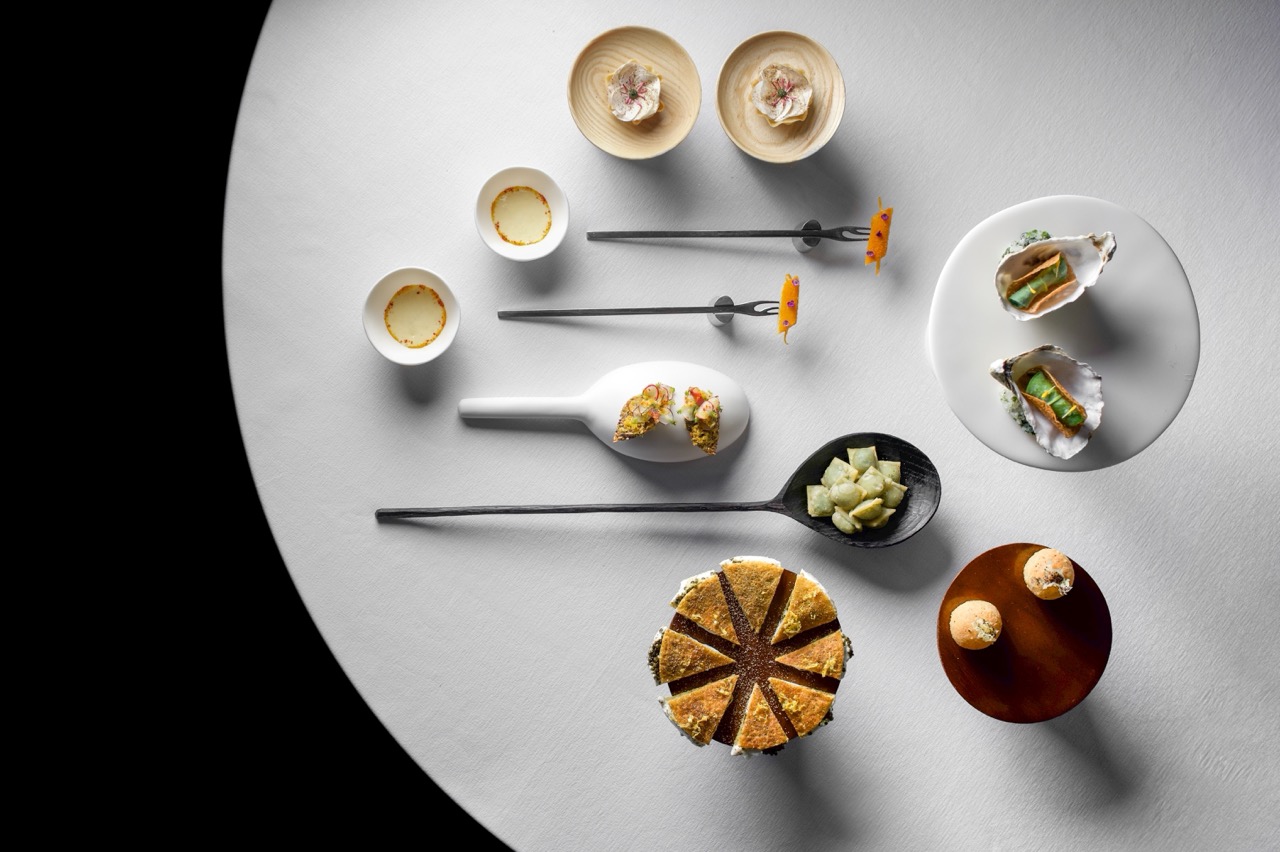
Alain Ducasse at The Dorchester has held three Michelin stars for 16 consecutive years. ©Jordan Sapally.
Over the years, have you been able to spot the Michelin inspectors?
I’d be lying if I said we weren’t trying to see when they come in. Before, you could guess because they’d take pictures, but now everybody does! How they operate has also changed a lot. There used to be UK inspectors, but now it’s really global, so this year, we didn’t spot them.
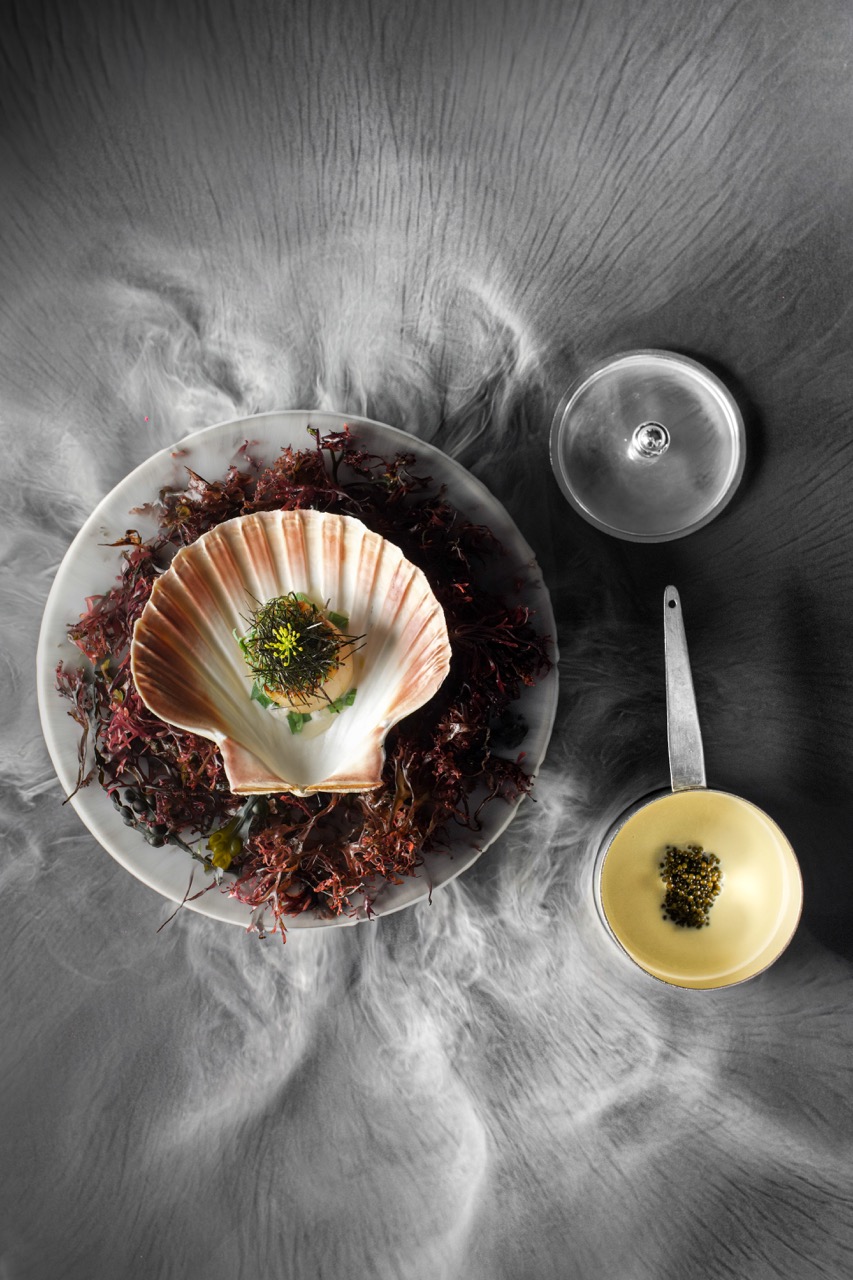
The hand-dived scallop with citrus beurre blanc and Kristal caviar was named one of the Michelin Guide Inspectors’ “Dishes of the Year” 2025-2026. ©Jordan Sapally.
One of your dishes – the hand-dived scallop with citrus beurre blanc and Kristal caviar - was named one of the Michelin Guide Inspectors’ “Dishes of the Year” 2025-2026. How do you create something like that?
We’re very lucky to have Scotland just around the corner and every day we receive the best scallops in the world. The first one that I tried this with had this amazing, huge shell, with a bit of the mousse and seaweed in it, so I wanted to keep that. Then we had to colour the scallop, so we scored it to make it more tender and so the caviar from the sauce would go into the flesh of the scallop. When you bite into it, you have the crispiness of the scallop and the salt of the caviar. I also went to Hong Kong during the process and wanted to add that in, which is why we have the nori on top. And, of course, we’re French, so I had to include a nod to that as well. Everyone loves beurre blanc, so I had to include it. For the wow factor, we put some seaweed, seawater and dry ice in, so you have the smoke and all the flavour of the sea coming through.
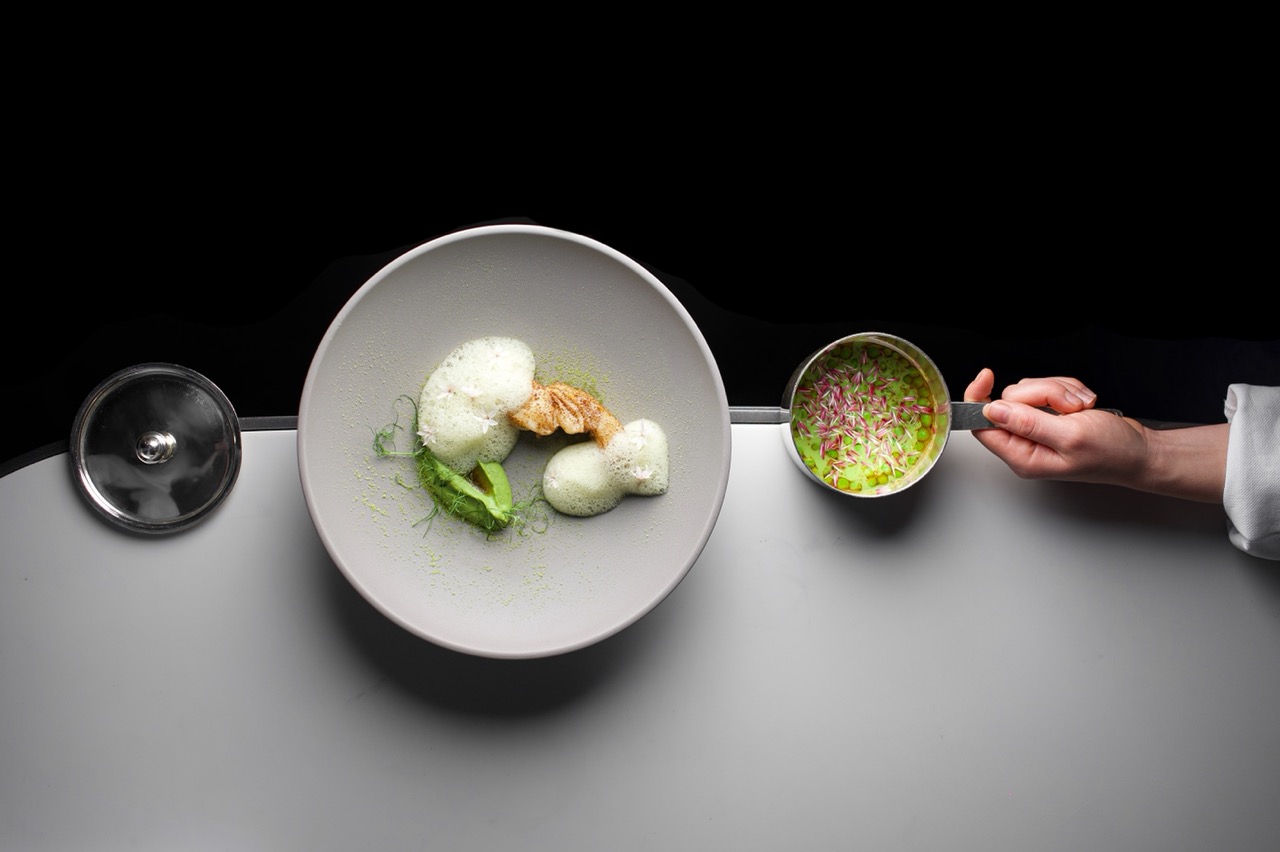
Culinary excellence at Alain Ducasse at The Dorchester. ©Jordan Sapally.
Gordon Ramsey recently said that social media is more important than the restaurant critic. What do you think?
Social media is huge right now. Is that good or not? I think it can be both. You can close the top restaurants if you have social media power. I think the critic, in a way, is a bit fairer. With social media, everyone’s a critic.
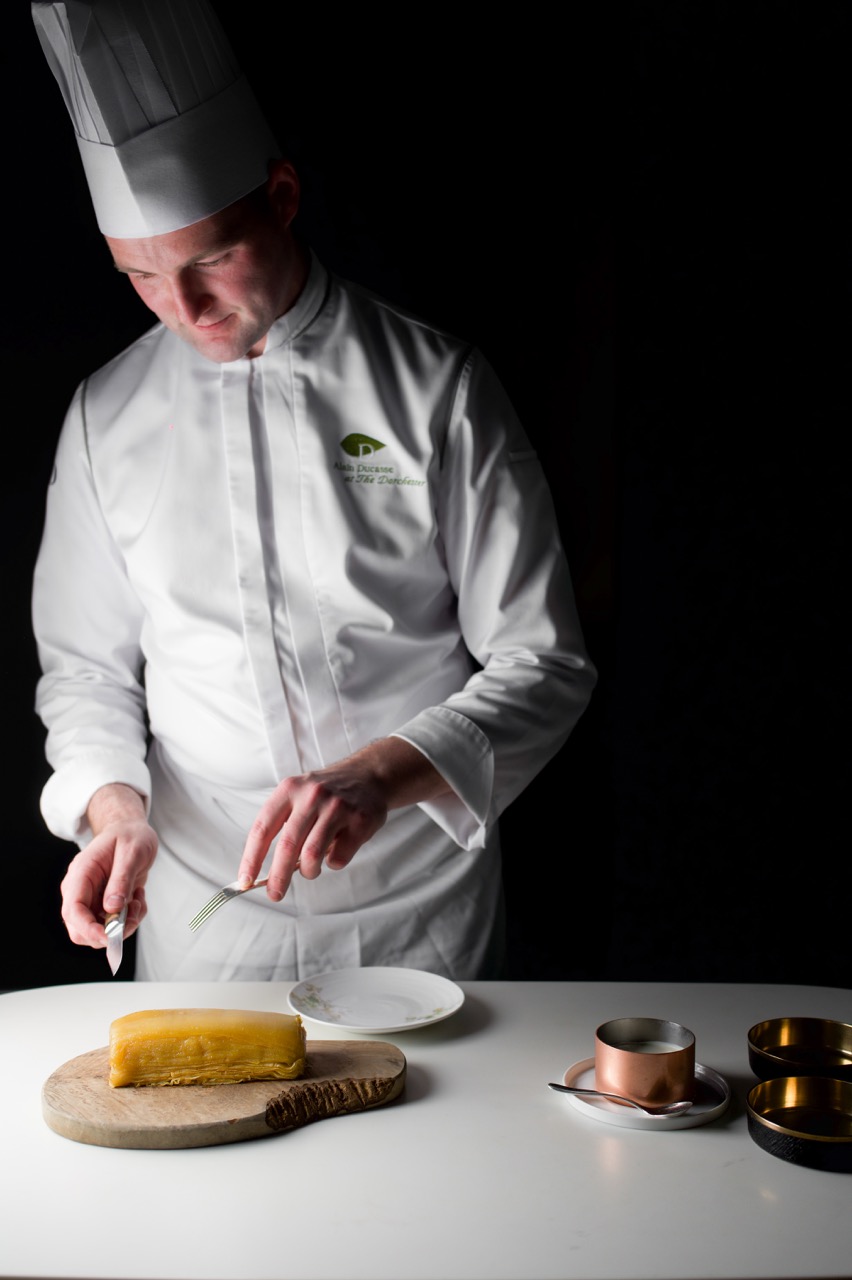
Jean-Philippe credits his team with the success of the restaurant. ©Jordan Sapally.
How has the British culinary scene changed since you first arrived in London?
It’s a completely different gastronomic scene now. Everything has changed. 20 years ago, people became chefs because they didn’t know what else to do. There wasn’t much culture behind it. Now, London is one of the best food capitals in the world. You have everything – Indian, French, Italian, Japanese, you name it. The price is quite competitive, for example, compared to what you can find in Paris.
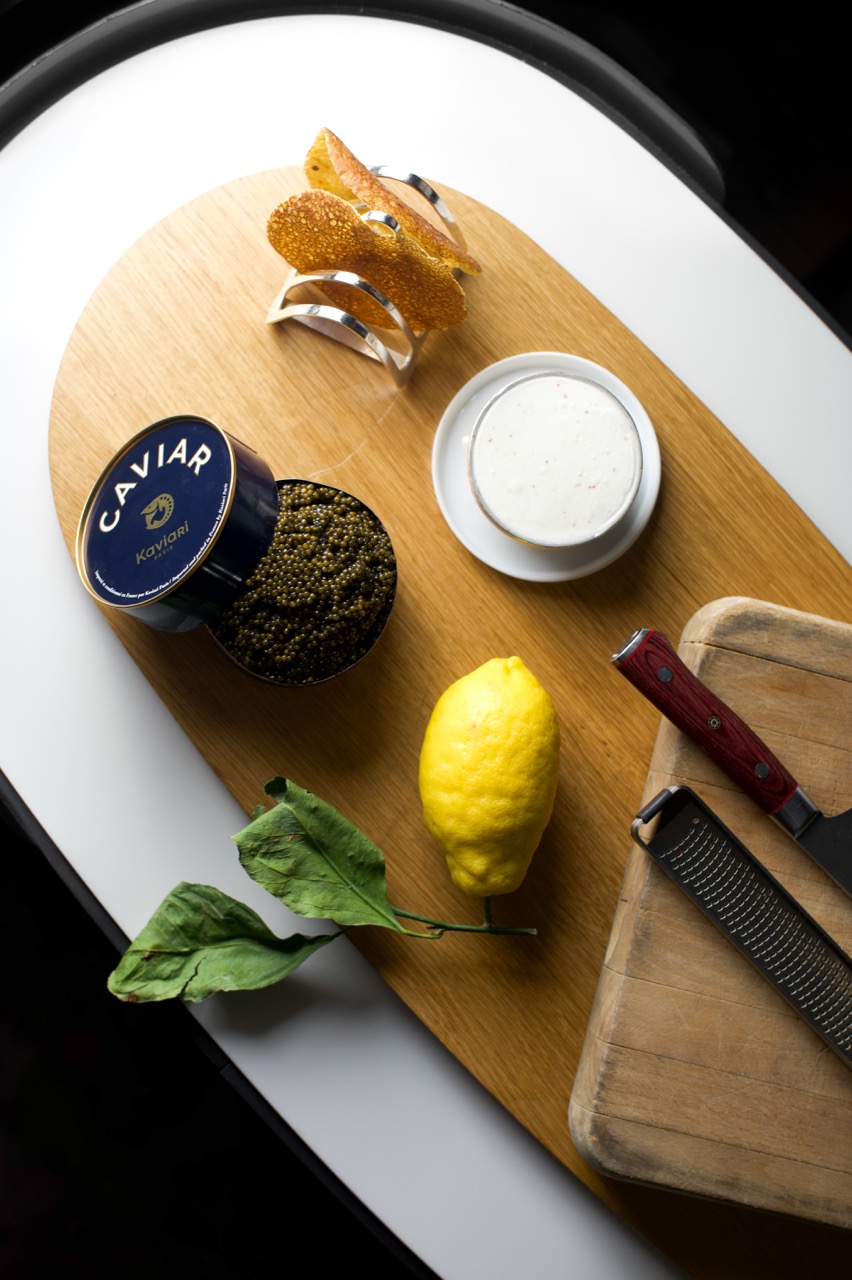
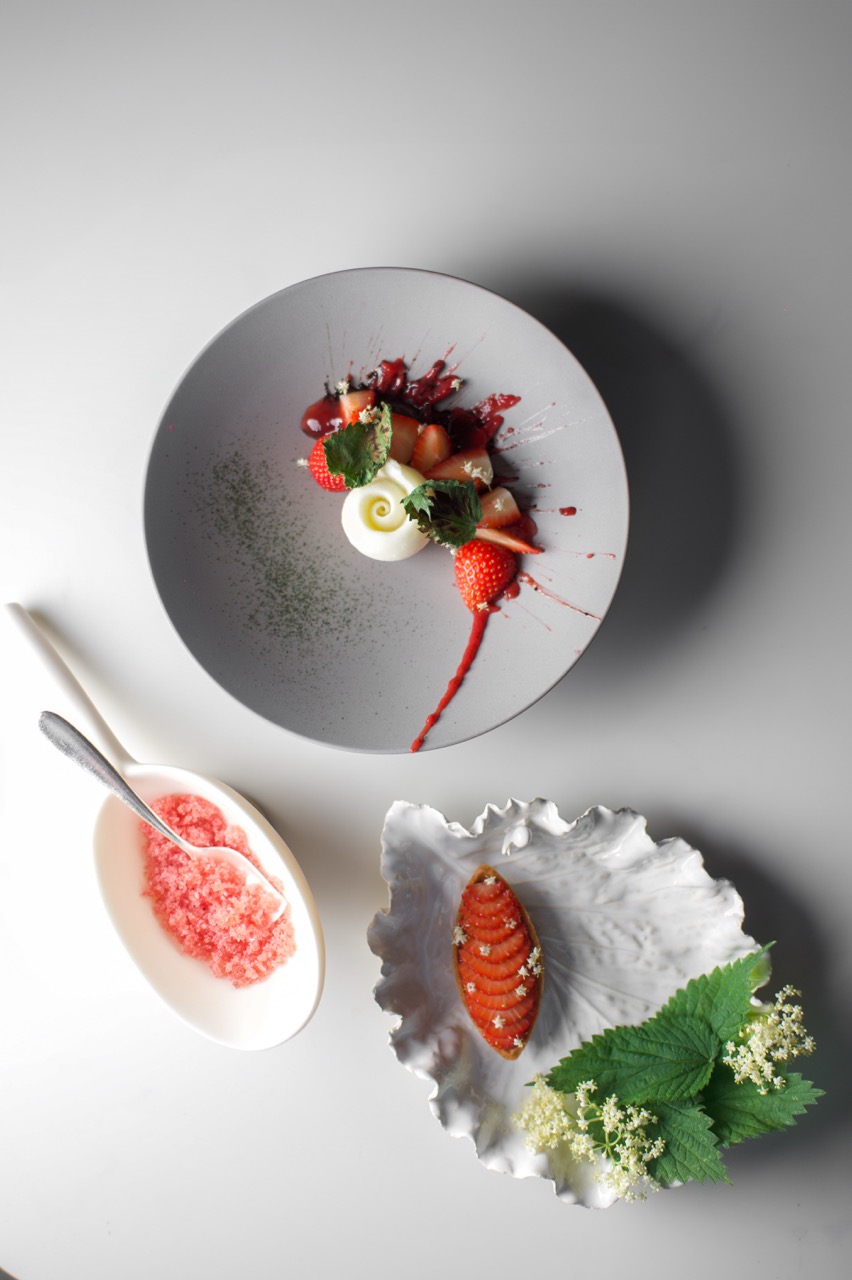
The finest produce and ingredients are served at Alain Ducasse at the Dorchester. ©Jordan Sapally.
Where’s your favourite place to eat in London right now?
I really like Trinity, which is near where I live, but otherwise I don’t go out for fine dining; I tend to go to places that are more casual with character.
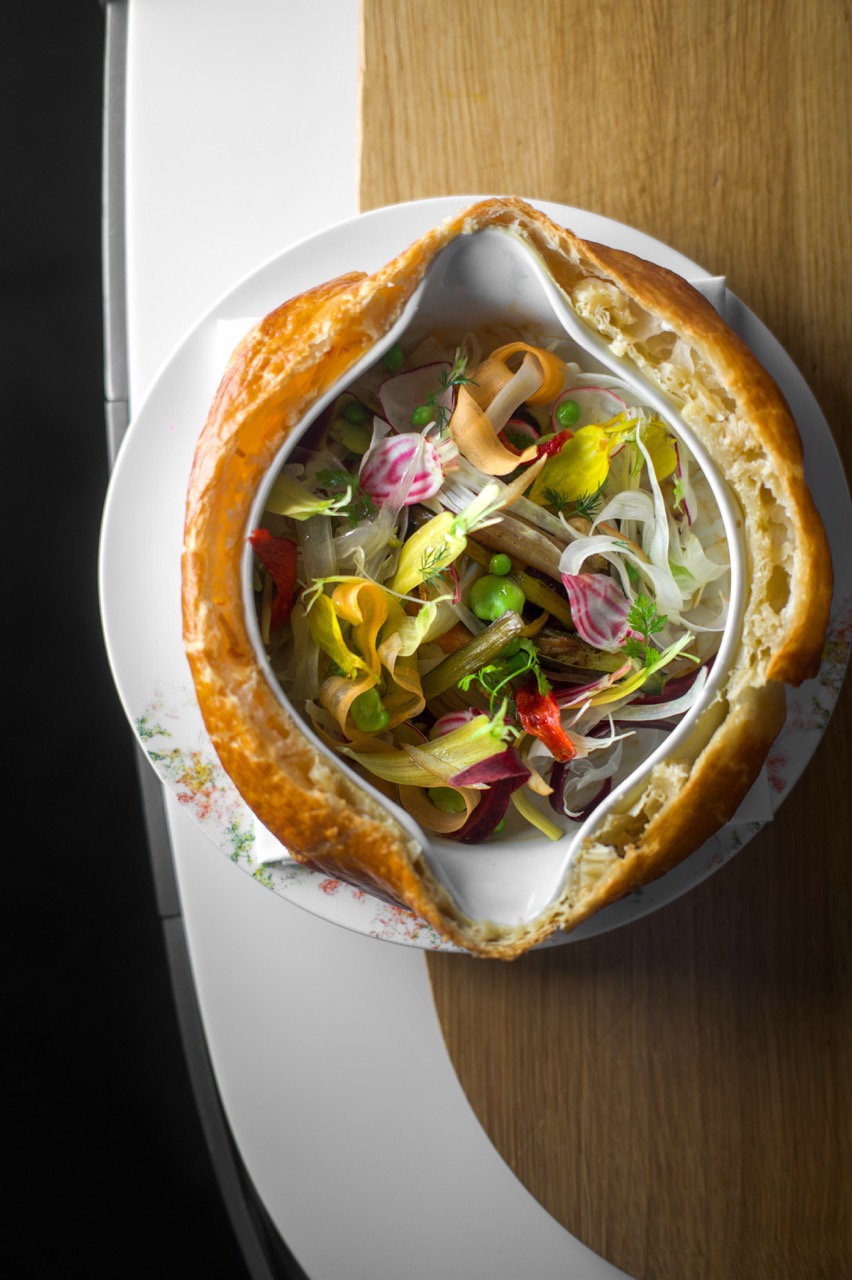
Creativity and personality - the cornerstone of Jean-Philippe's cooking. ©Jordan Sapally.
Other than London, where’s your favourite food capital?
Nice! It’s my soul, it’s where I’m from. I basically travel back every week, at least twice a month, as I have some restaurants that I’m looking after on the French Riviera. It has a great product, a lot of talent and a good vibe.
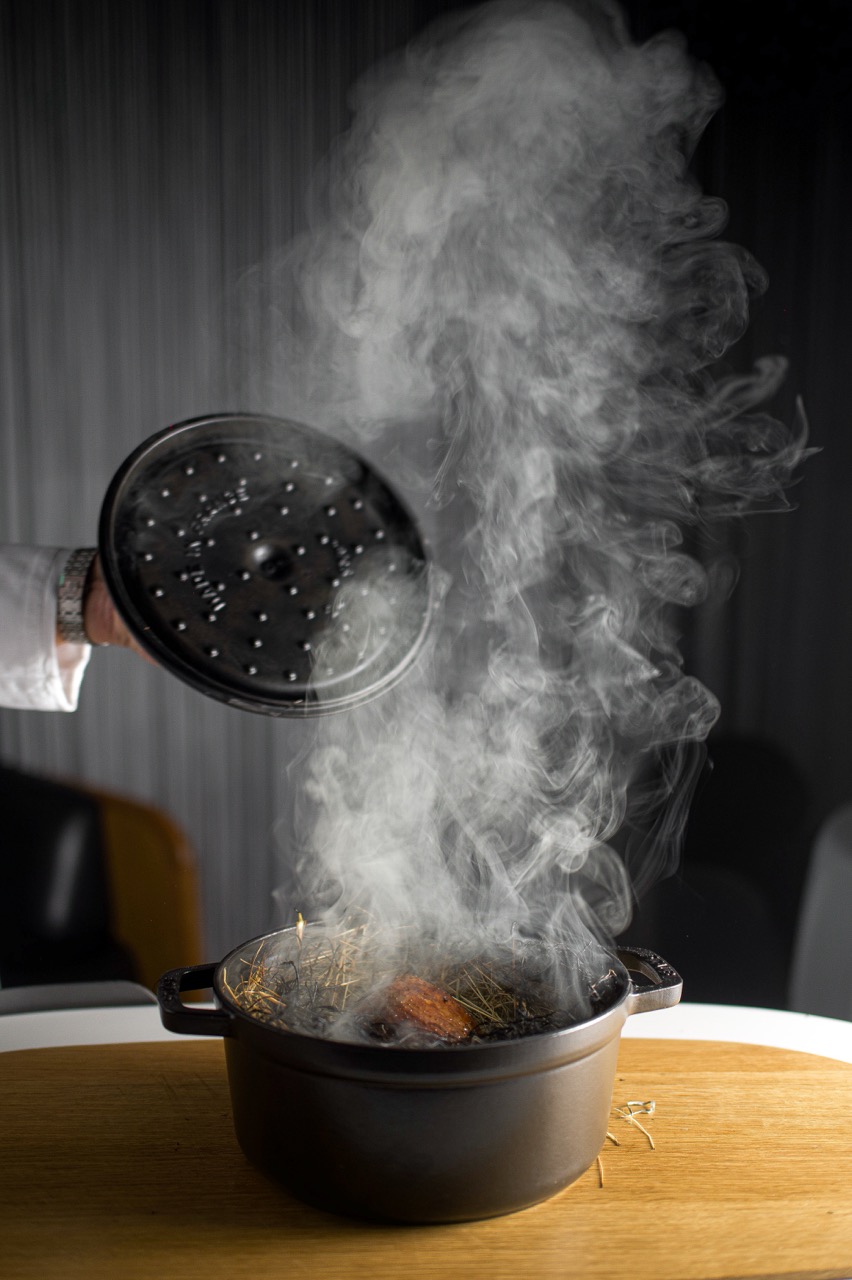
After a long day in the kitchen, Jean-Philippe's go-to meal is...chocolate. ©Jordan Sapally.
When you come from a long service, what’s your go-to meal?
Chocolate! I can eat half a kilo a day without getting sick if I want. It’s my comfort food. When my wife is here, I have to eat more salad.