Nobody seems to agree on the highest vineyards in Europe – are they in northwest Italy, the Canary Islands, or in Switzerland? The reason anyone cares, other than a fondness for the superlative, is twofold. These vineyards tend to be exceptionally beautiful, the eye led up to peaks or down towards fertile valleys. And, in a warming world, height means coolness. Lots of UV light without grape-shrivelling heat is a boon to vines; so are chilly nights.
Touring the Mendoza High-Altitude Wine Region
Words by
Nina Caplan
17th August 2026
In Mendoza, the most famous wine region in Argentina, vines grow at extraordinary altitude against the spectacular snow-capped backdrop of the Andes Mountains.
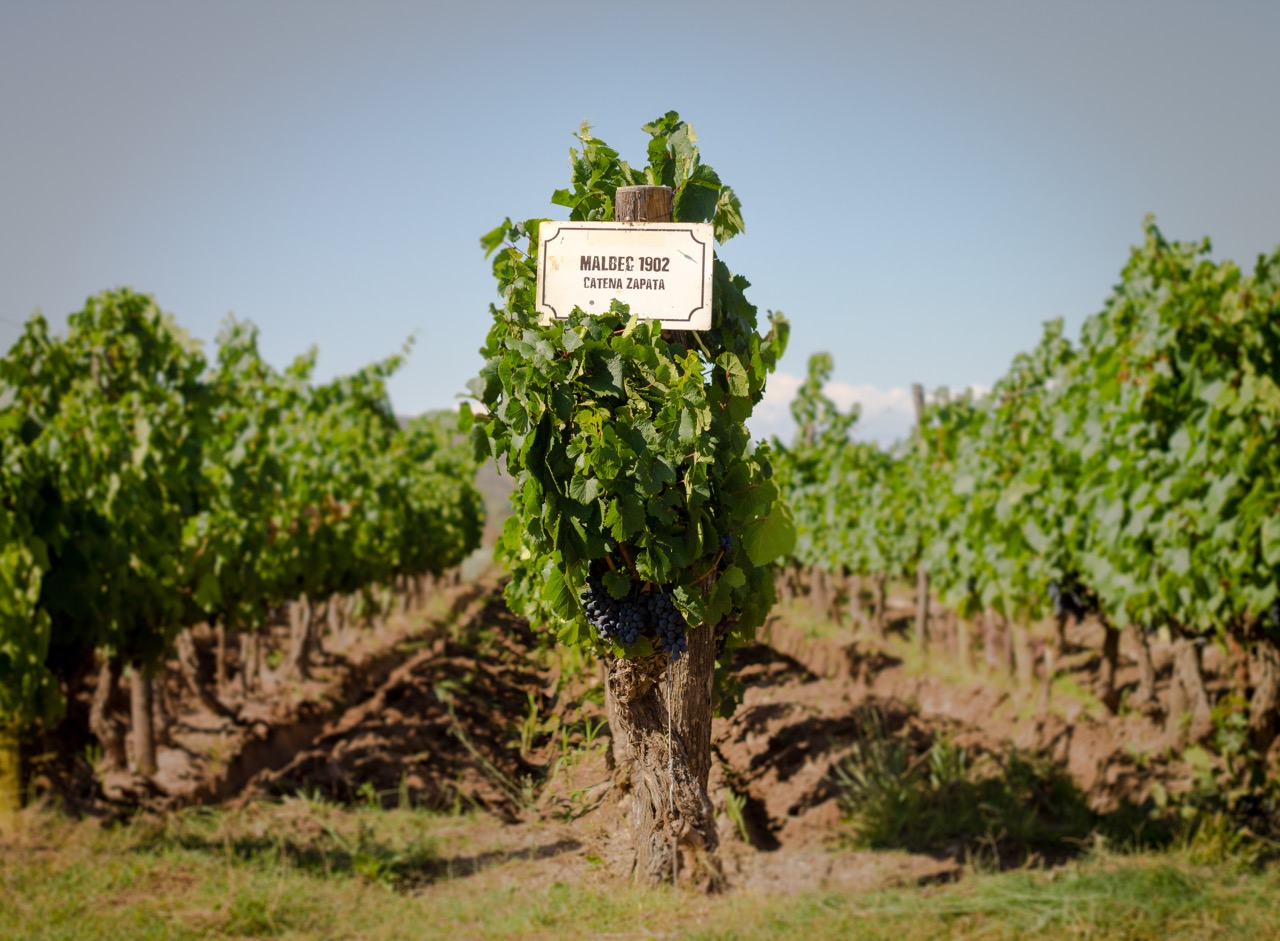
Catena’s Angelica Vineyard, planted in 1902.
What is certain is that nowhere in this hemisphere can compete with Argentina for altitude vineyards. Driving around the Mendoza wine region, 650 miles west of Buenos Aires, the horizon is lined with dramatic peaks – snowcapped, even in November, which is their late spring. These are the Andes, the highest mountain range outside Asia, dividing Argentina from Chile; its tallest pinnacle, Aconcagua, reaches nearly 23,000ft. The 16th-century Spanish Jesuits who stood on these hillsides, gazing at those crags and thinking “what a great place to plant vineyards” must have been mad. Except, as it happens, they were right.
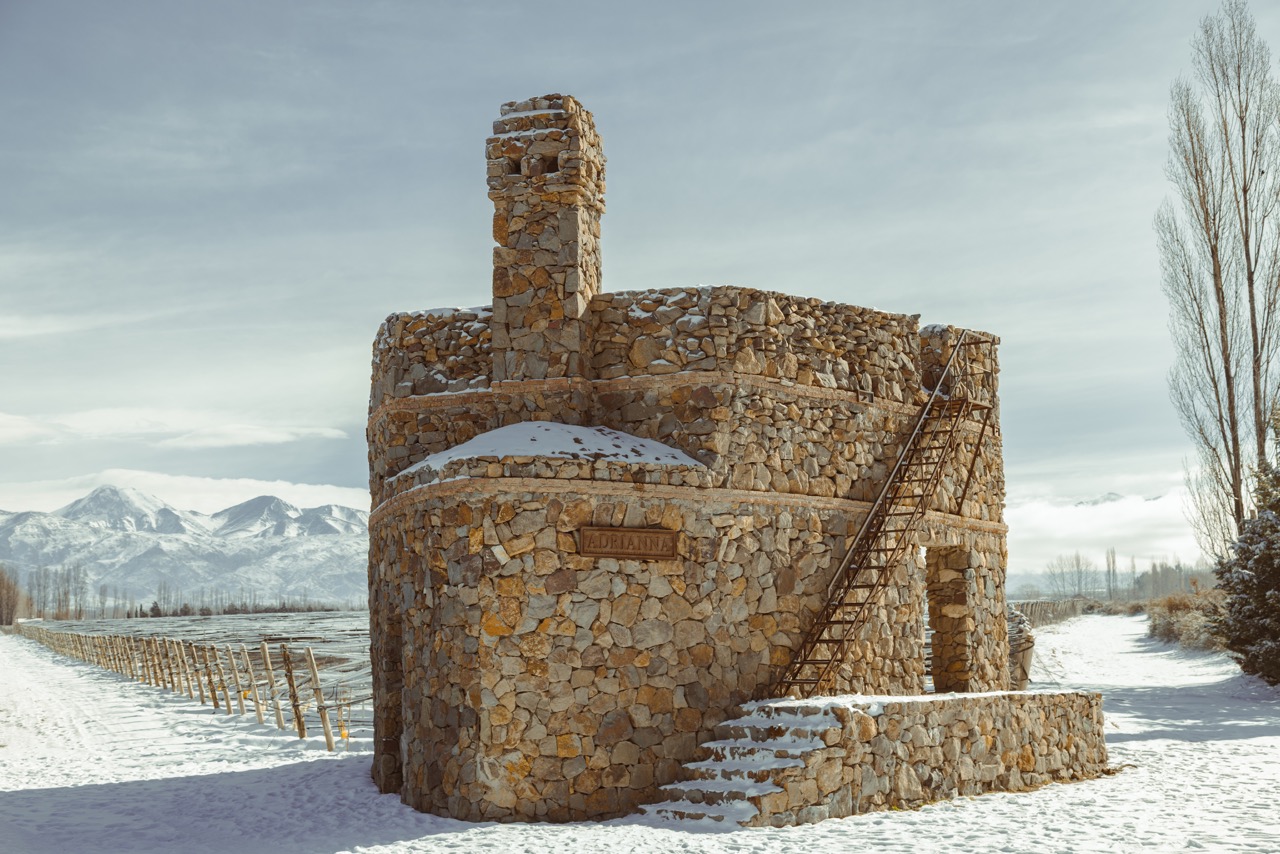
The Adrianna Vineyard at Tupungato.
The surroundings are spectacular, but nature isn’t always kind. At Chakana winery, they complain about leafcutter ants, which devour everything, while at Bodegas Bianchi, their first vineyard had so many rocks that they built a wall out of them. And, despite that picturesque snow, Mendoza is dry – technically a desert. A walk through these vineyards is sometimes accompanied by the whisper of water issuing from irrigation pipes: snow runoff nourishing the vines while leaving them thirsty enough to ensure small, highly concentrated grapes.
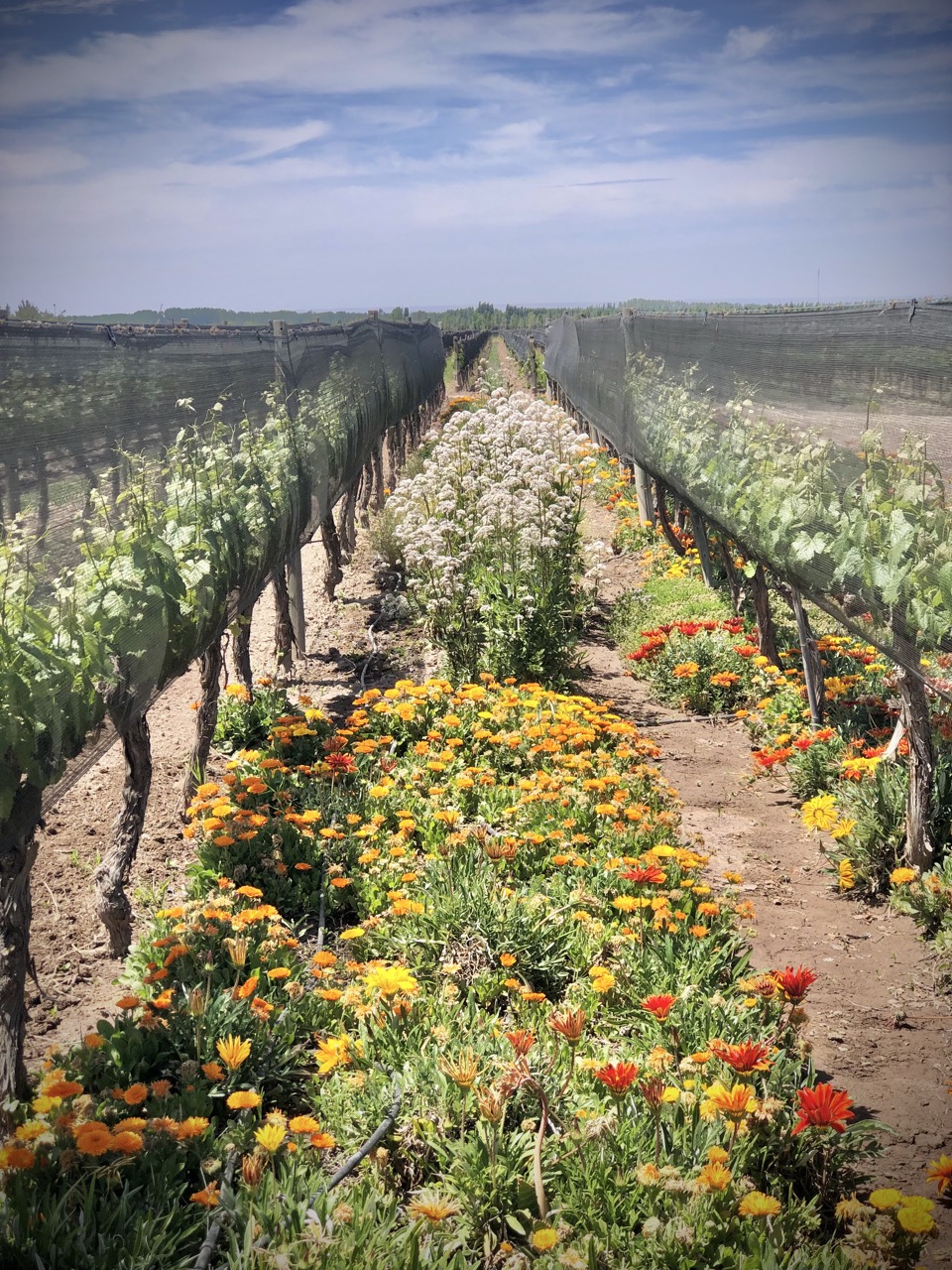
Flowers bloom between the vines at Chakana Wines.
Until fairly recently, Argentinian wine was more about quantity than quality: the country’s inhabitants drank vast amounts, and the winemakers supplied it. When the first boutique winery, Finca La Anita, was founded in the 1990s, the average annual consumption per person was 95 litres. Now, it’s in the twenties. (For comparison, the French drink just over 40 litres per person, the Brits 22 litres.) As the demand for rotgut tumbled, the country’s winemakers, led by Nicolás Catena, turned their attention to quality, focusing on the grape that is the obvious choice for a country that produces some of the world’s best steak: rich, fragrant red Malbec, steak’s natural companion.
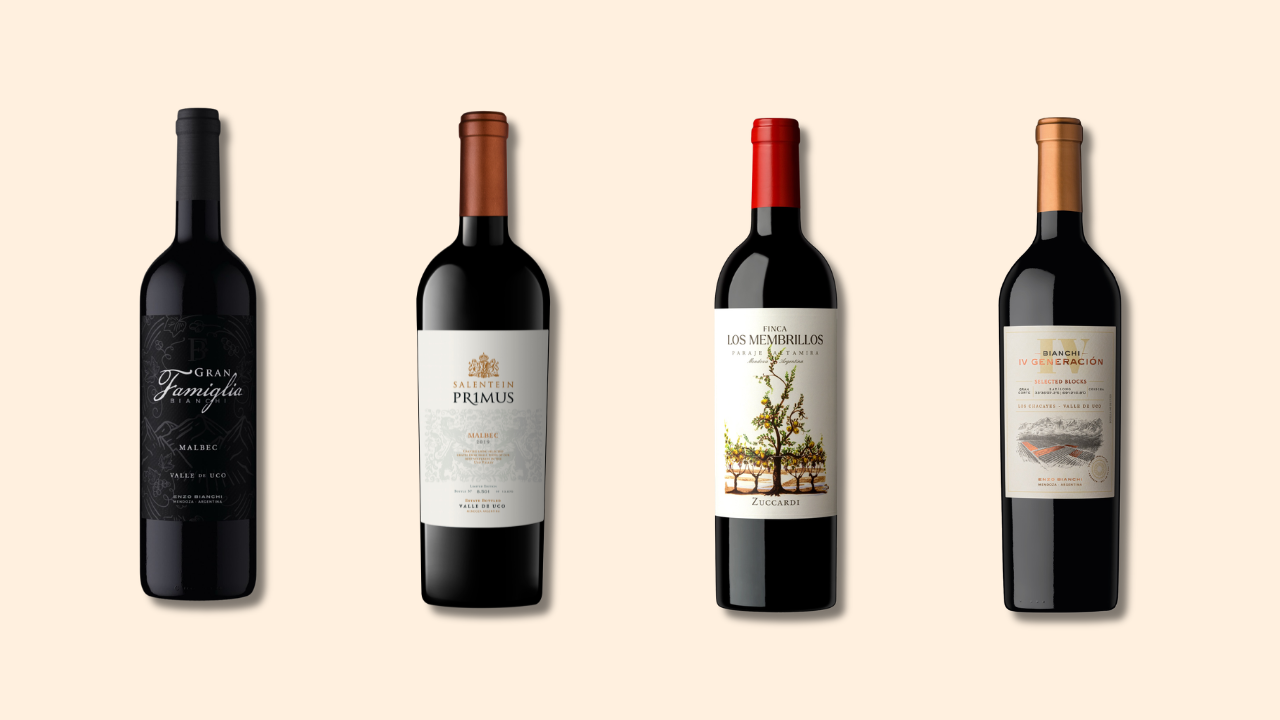
L:R Gran Famiglia Bianchi Malbec; Bodegas Salentein Primus Malbec; Zuccardi Finca Los Membrillos Cabernet Sauvignon; Bianchi IV Generacion Gran Corte.
When I first came to Mendoza in 2007, the wine world had recently woken up to the gorgeousness of Argentinian Malbec. I ate more meltingly good steak – most commonly preceded by empañadas, the meat-filled local pasties, just in case I wasn’t getting quite enough protein – and drank more terrific red wine in one week than I usually do in a month at home. When white wine was required, the fruity local Torrontés grape was frequently served, but it’s the reds that live on in my memory. They were aged in oak, punchy and powerful, great in the sunshine with an asado (Argentinian grill), less suited to the cooler restraint of London life. Nearly 20 years later, the Malbecs have evolved, and Argentina is also in love with other varieties, particularly Chardonnay. Sustainability is also now a focus. The water here comes from those beautiful mountains. If the snow goes, a lot will go with it.
“Our challenge is to have fruit and body in our Malbecs while keeping the acidity,” said Chakana winemaker Leo Devia, over a lunch at their covered outdoor table that included more fresh vegetables than I think I ate on my entire 2007 visit. “It’s very easy to lose freshness because of the heat.” Their 2023 Nuna Malbec has the appetising bite of a pomegranate, like a fruit plate after a creamy, floral Chardonnay from Paraje Altamira, on stony soils at 3,600ft near the mountains. That sounded high until they served me a deliciously complex Torrontés with notes of pear and chamomile, from vineyards in the Uco Valley, south-west of where we are, thatsit at 6,560ft.
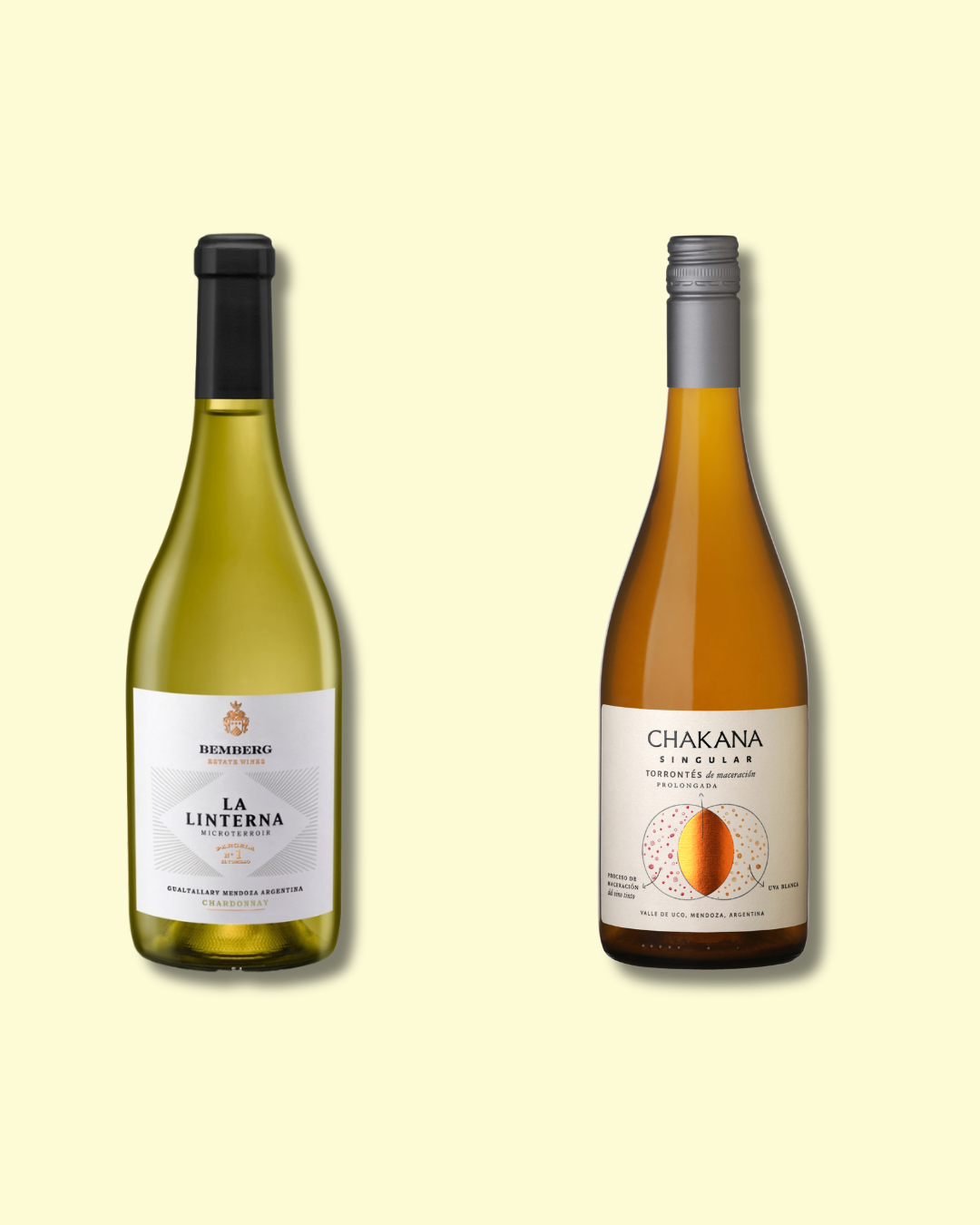
L-R: Chakana Singular Torrontés de Maceración Prolongada and Bemberg Estate La Linterna Chardonnay.
These grape varieties have European ancestors (Malbec originally came from south-west France), but, like people, they have adapted to their new surroundings. Now, the people who tend them are learning to adapt to them. At Argento, they are experimenting with planting all sorts of native cover crops between the vine rows because “what you do in Europe is useless here”. The 2022 Chardonnay grown beside – and named for – Nassella, or needlegrass, tasted of herbs and camomile, while the 2021 Nassella Malbec was sultry with spice and white pepper.
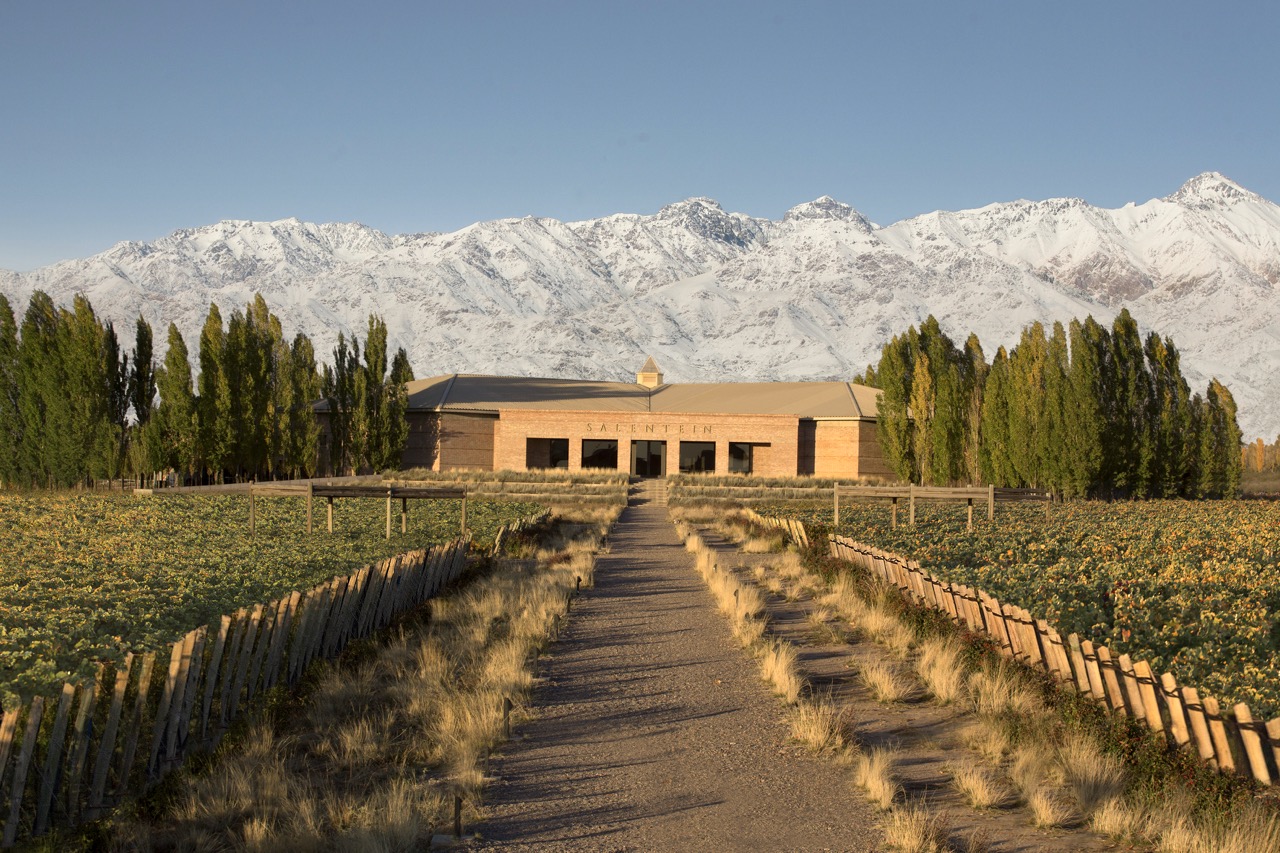
Bodegas Salentein has 16 luxury bedrooms and a restaurant on site.
When it came to altitude, the numbers bandied around were amazing. At Salentein, a bodega (winery) with luxurious bedrooms, a pool and a terrace restaurant overlooking the vineyards, I tried a Single Vineyard Las Secuoyas Chardonnay 2021 from vines grown at 5,250ft – that is, one and a half times the height of Mount Snowdon, the UK’s tallest mountain. Yet, walking through the vineyards, it was hard to gauge how far up I was, because in every direction rose mountains loftier still. And wherever I went, the Chardonnays were a revelation: cool and pure, often with a richness that never turned into a blast from the whipped cream pump, with lovely flavours of mint and citrus. It would be hard not to love the two remarkably different Chardonnays, White Bones and White Stones, from Catena’s Adrianna Vineyard, planted at nearly 5,000ft by Nicolás Catena in 1993, when the only way to get there was by horse or helicopter.
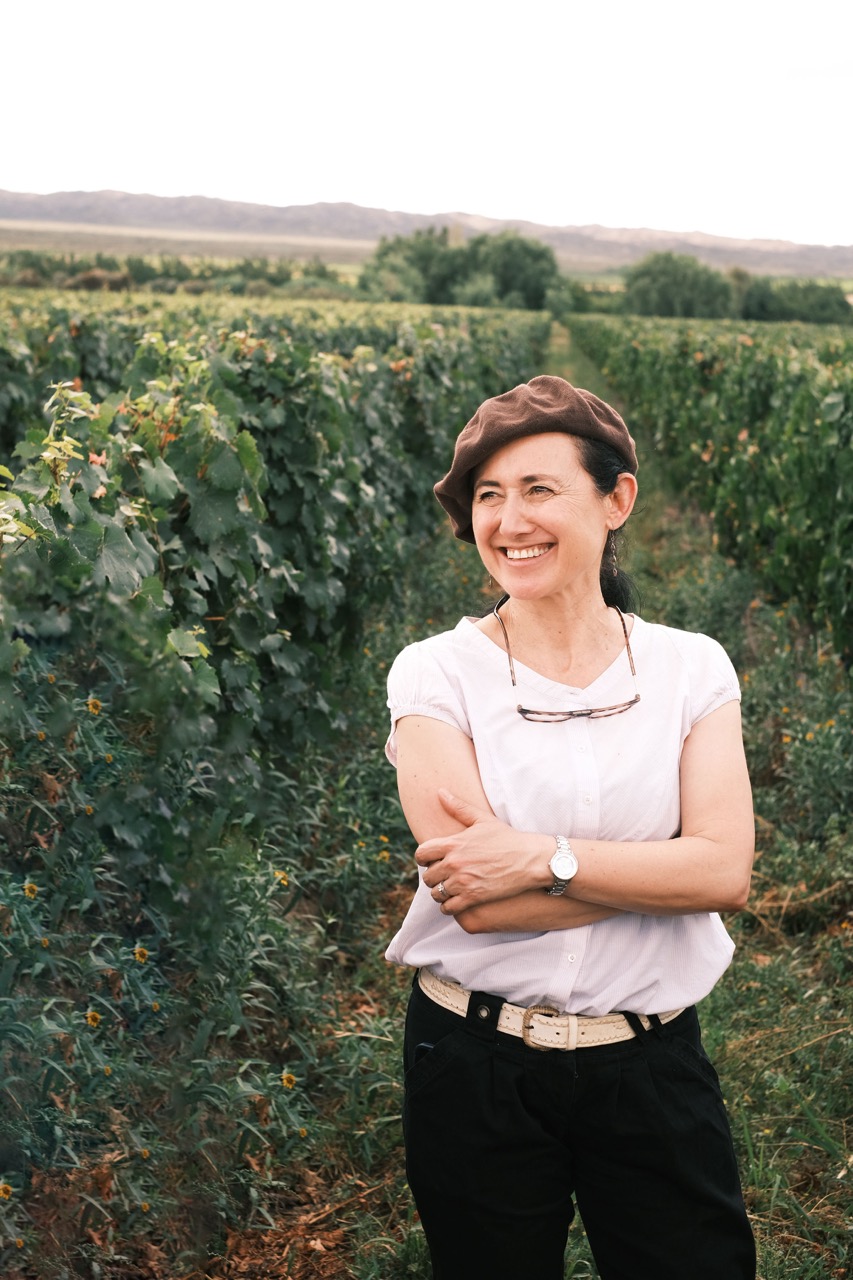
Laura Catena, the dynamo powering Bodega Catena Zapata into the future. ©Andrea Fernandez.
Bodega Catena Zapata was founded back in 1902, and the current Catenas are the fourth generation. Laura is a powerhouse who oversees everything from books on Malbec to the conversion of the original winery into a Michelin-starred restaurant. She has founded an important institute to study aspects of winemaking and also launched a floaty tourism experience of meditation beside the vines. Her younger sister Adrianna is surely the only person to have both a PhD in history from Oxford University and her name on some of her homeland’s finest bottles: Adrianna Vineyard was named for her.
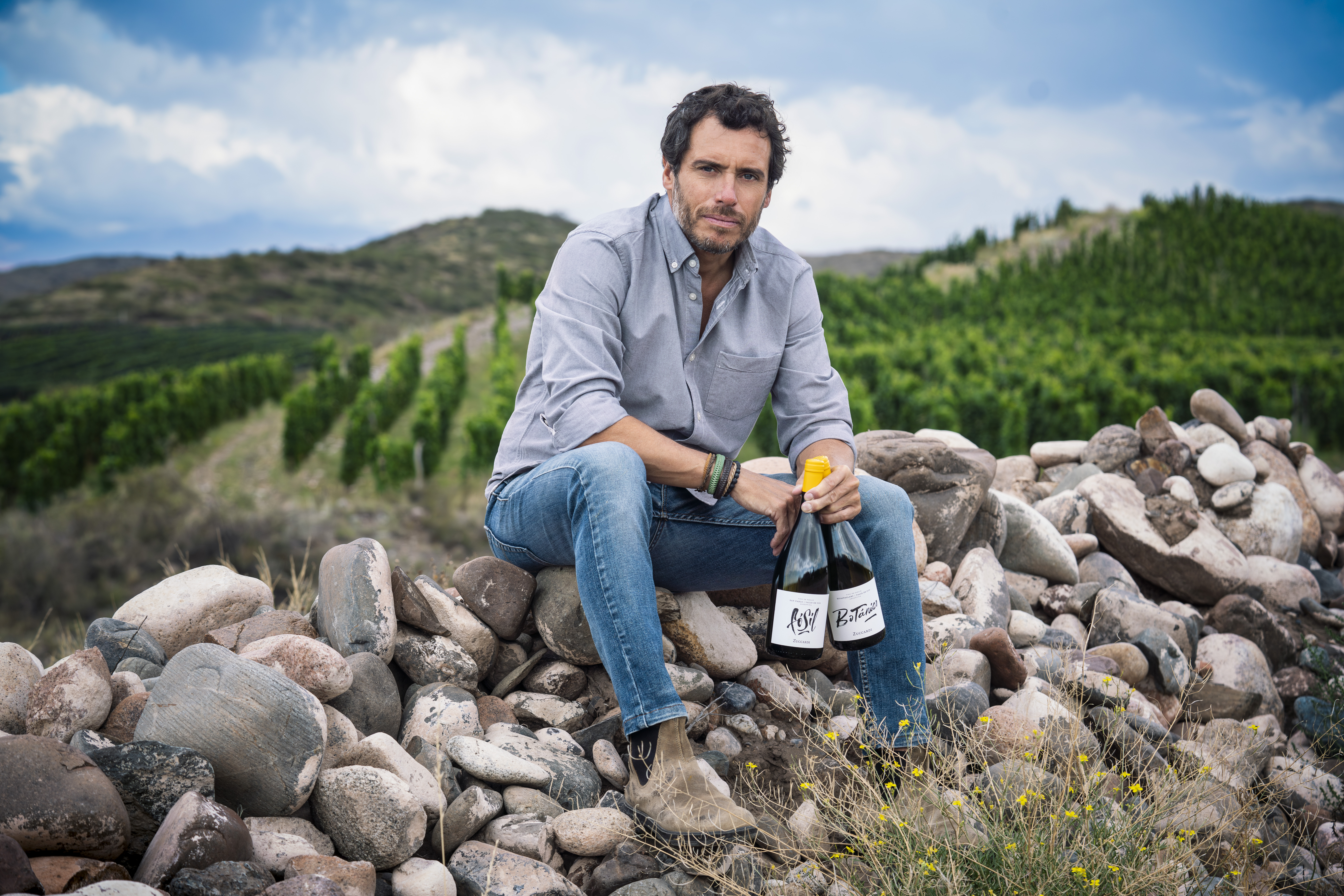
Sebastián Zuccardi, third generation at Zuccardi Wines.
When it came to the finest reds, I was spoiled for choice, but I especially loved those made by Daniel Pi at Bemberg Estate, in an architect-designed winery surrounded by desert plants. I tried two of his single-parcel La Linterna Malbecs, both exceptionally good and startlingly young, despite being from 2019. Daniel does not restrict himself to Malbec, ranging the scale from a gorgeous Pinot Noir, heady with thyme and rosemary from the 4,265ft-high Los Arboles Valley, to a forest and violet Cabernet Sauvignon, made in the Cafayate Valley, which sits at 5,400ft.
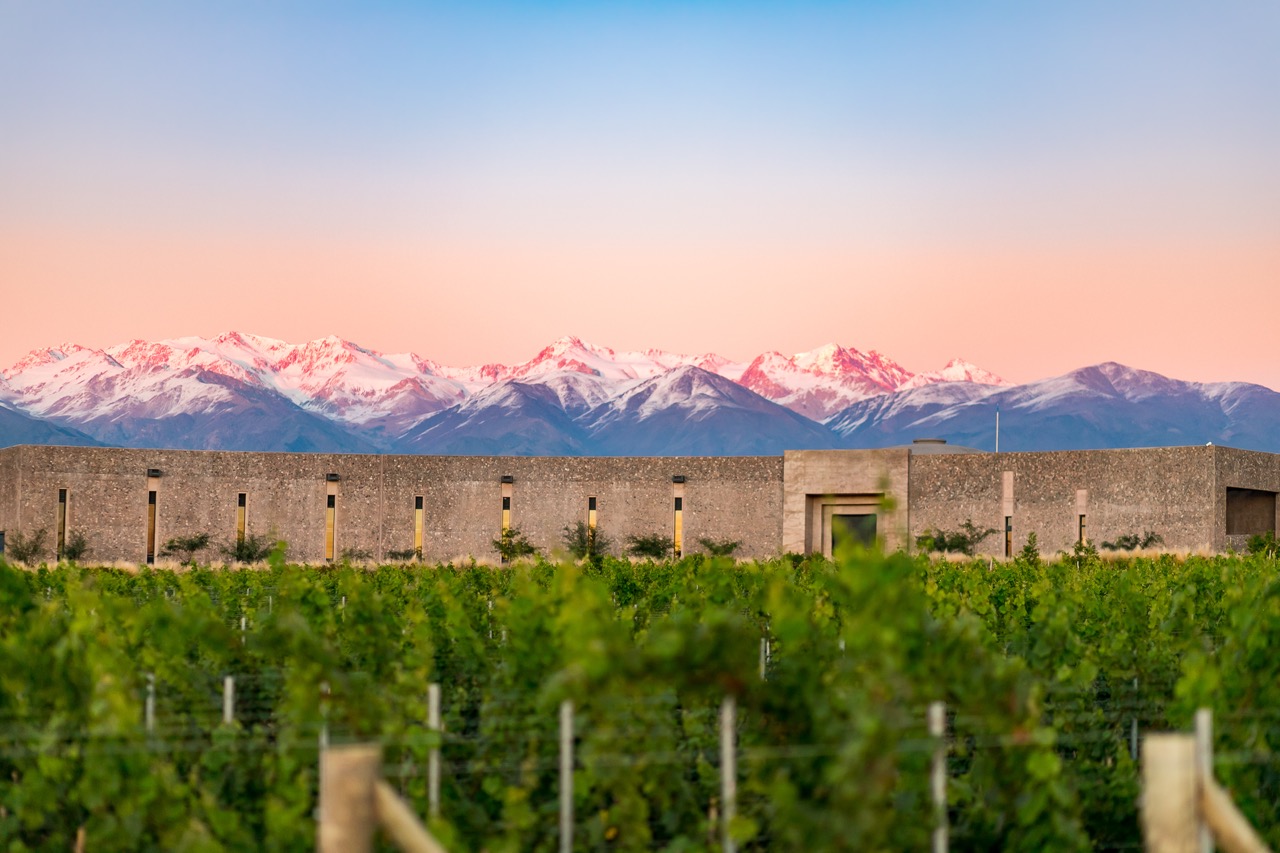
Bemberg Estate’s spectacular architect-designed Finca El Tomillo. ©Eduardo Solodki.
All those mountains also made for seriously spectacular sunsets. A marvellous orange sky accompanied a terrific mushroom paella at La Morada Lodge, enhanced by Mil Suelos’s luscious Tigerstone Garnacha, made in Cafayate 680 miles north, at an altitude of 5,575ft. An even more breathtaking sky illuminated the asado that Sebastián Zuccardi made at his Uco Valley winery – a low, stony building integrated into this incredible landscape – and served alongside what this third-generation winemaker proudly calls mountain wines: “everything that happens here is in relation to the mountain,” he says. He ferments all his wines in concrete (and abandoned new oak barrels entirely in 2013), and they are fresh and almost crackling with personality: the Malbec, Finca Las Cerrilladas 2021, herby and vivacious, the Finca Los Membrillos 2021 Cabernet Sauvignon 2021 elegant as a model clothed in Chanel. Like a winery subtly situated in its surroundings, these exciting wines integrate modern and traditional thinking.
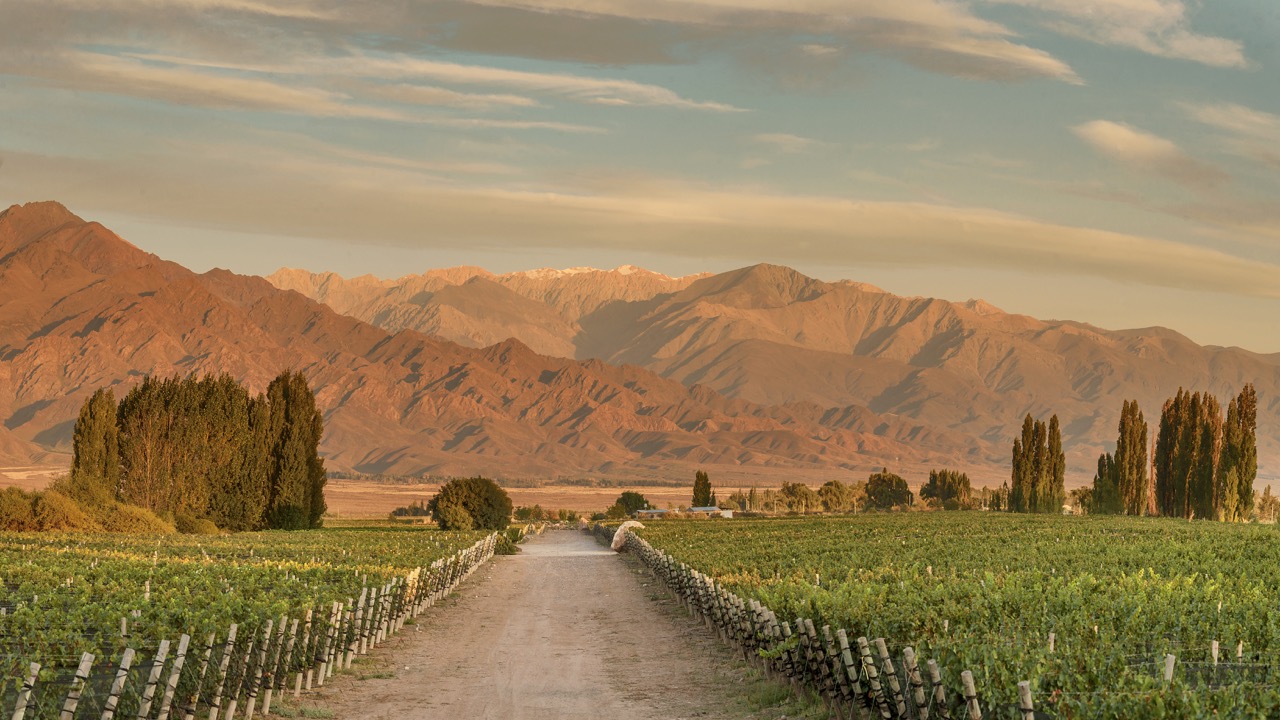
The sun sets over the vines of the Zuccardi Finca Piedra Infinita winery in the Uco Valley.
Argentina has changed, and the country’s wines are also evolving, but nobody seeing that landscape, or the quantity and variety of meat on those grills, could believe that these winemakers have forgotten their roots.