With a salty breeze in the air, a vast viridian sea disappearing into the horizon and the sky shifting to a dreamy palette of amber and lavender, you can’t help but exhale. A Greek island will do that to you. In this case, it’s Crete – the birthplace of civilisation and the perfect escape for this weary Londoner.
A Luxury Guide to Crete
Words by
Clara Taylor
24th July 2026
Clara Taylor jets to Crete – the land of thyme and honey – to trace the island’s secluded beaches, mountain villages and family-run tavernas.
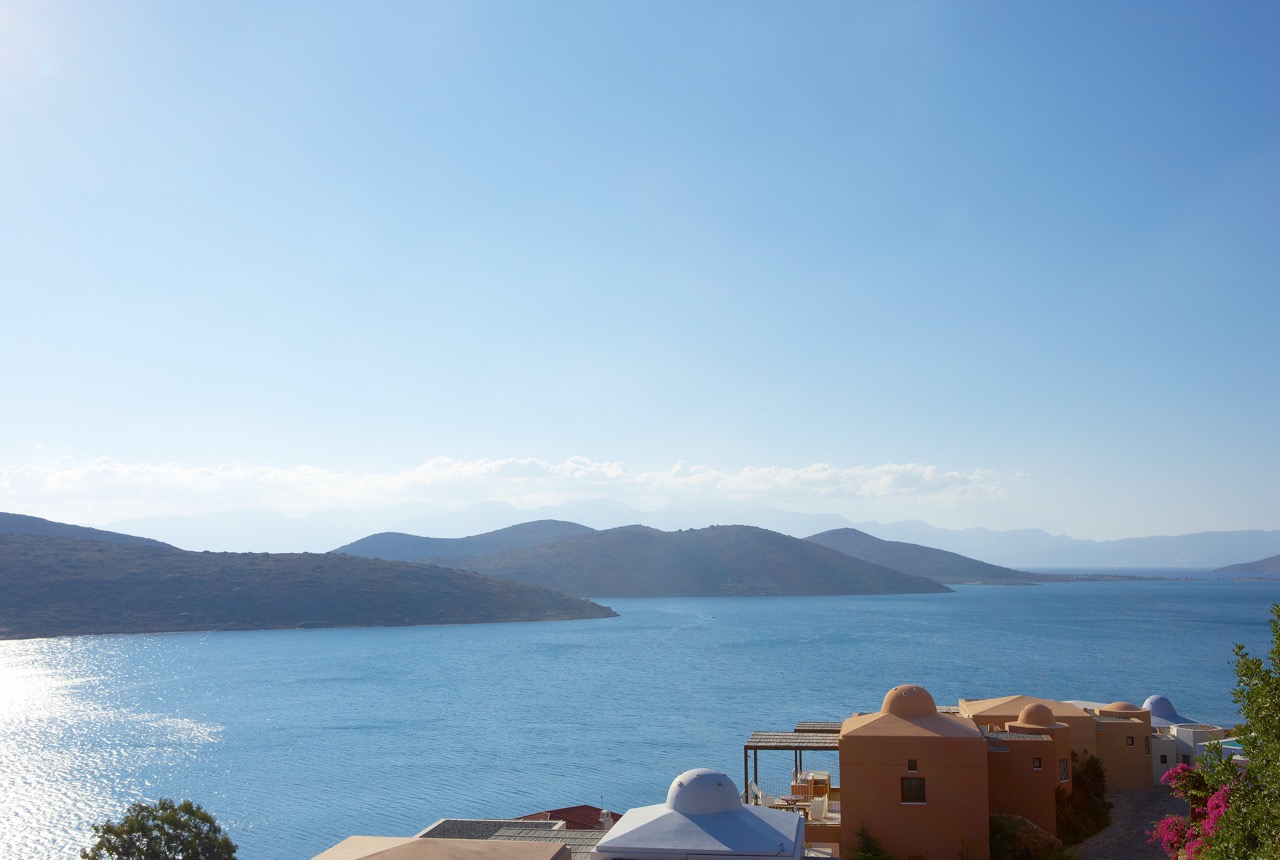
Outside are in the Domes of Elounda resort. ©Domes Resorts.
I had tempered expectations for a Cretan stay. After a very average visit to Rhodes a few years prior, I’m sceptical of Greek islands that a direct flight from the UK can reach. Why? Well, there’s a high chance it’s been ruined by hordes of other tourists and family-run tavernas have been pushed out by Irish pubs and the like. Of course, as with anywhere, there is that side to Crete if you look for it, however, thankfully the island has managed to retain much of its Aegean charm. Given the almost year-round warm weather, winning combination of mountains and sea, as well as some of the best food in the Mediterranean, it's plain to see why Crete has become a firm favourite among those in the know.
Where to Stay in Crete?
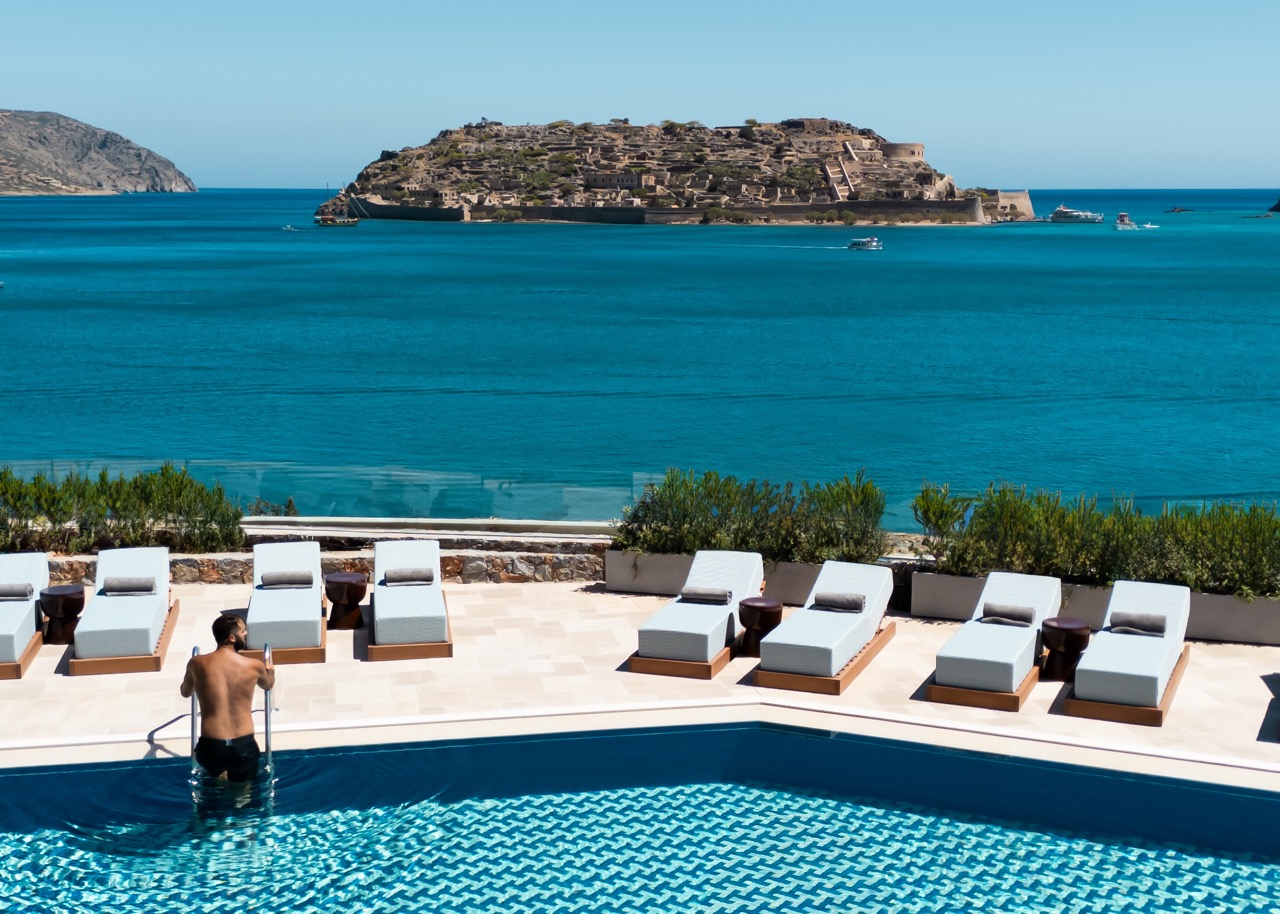
The CHORA pool. ©Domes Resorts.
To caveat, Crete is big – two airports at either end of the island big. Which is to say, should you want to get properly acquainted with the destination, you’ll need a couple of weeks and a car, or you’ll simply have to come back – the hardship! A workaround, however, is to fly into Heraklion and out of Chania, just as I did, and trace the craggy shores of the northern coastline.
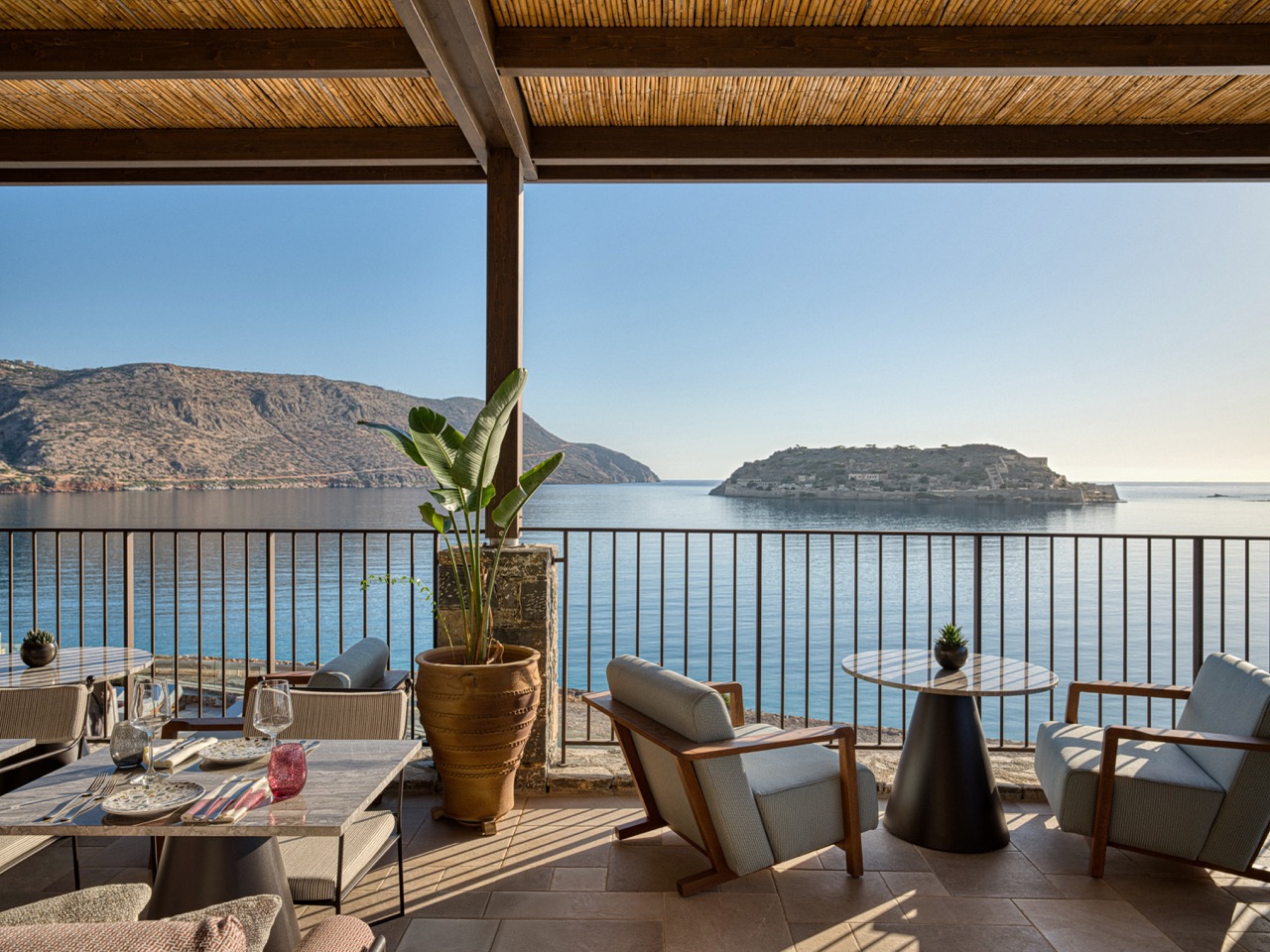
The view from Makris. ©Domes Resorts.
The first pit stop has to be Elounda, a charming fishing village and peninsula that offers discreet luxury and has attracted some big names – first Aristotle and Jackie O’Nassis, and now Rosewood, set to open its Blue Palace there in 2027 and 1 Hotel, which has designs for a 2028 debut. It also happens to be home to Domes Resorts’ flagship outpost, Domes of Elounda, which recently unveiled CHORA, a stone-built adults-only area of just 17 suites. Perched over the hill from the rest of the resort, CHORA has the feel of a boutique hotel. Each room enjoys sweeping vistas of the Spinalonga islet, the hauntingly beautiful former leper colony and setting for Victoria Hislop’s iconic novel, The Island.
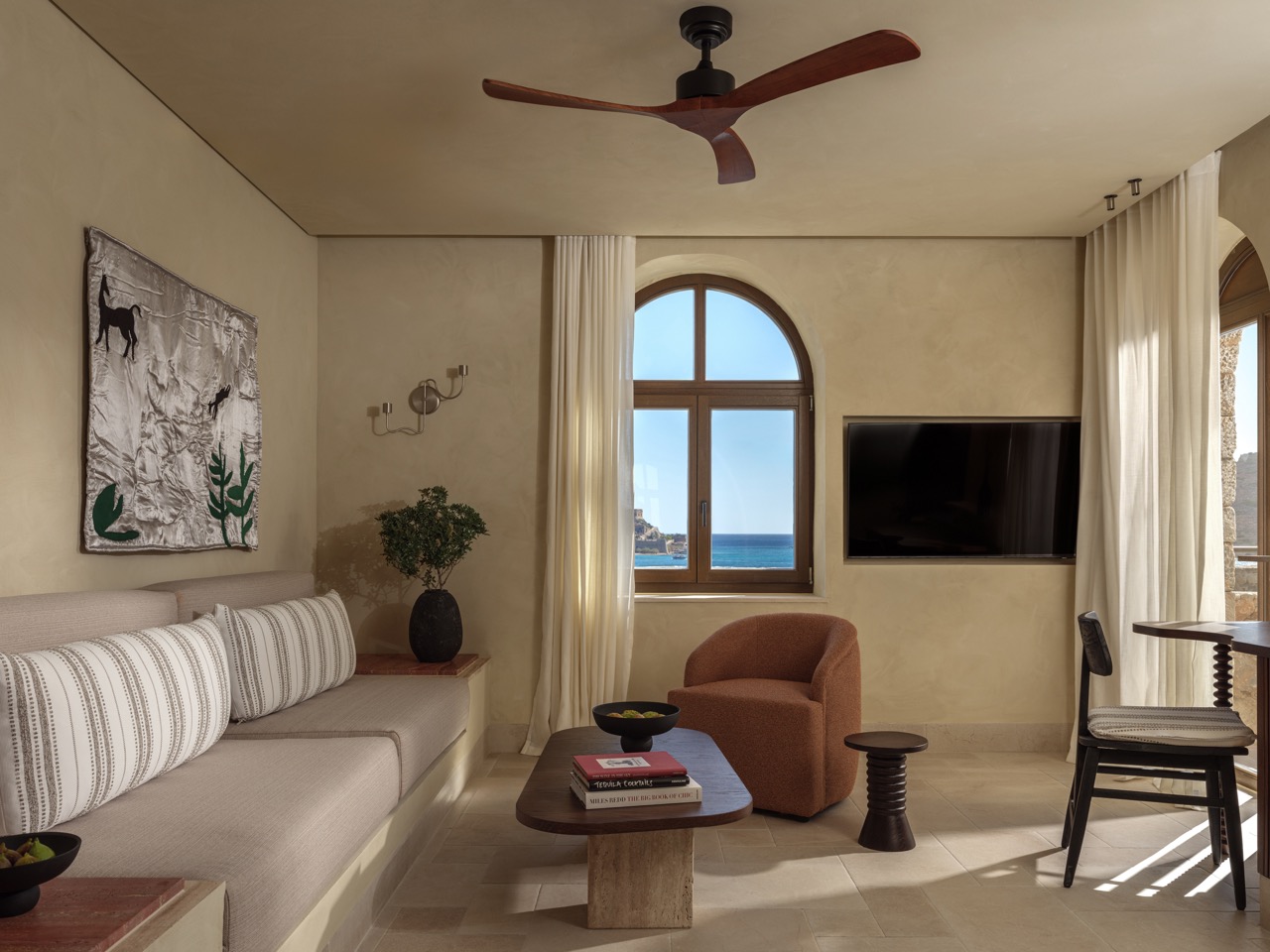
The living area of the CHORA rooms. ©Domes of Elounda.
The rooms here have been configured to mirror traditional Cretan village design, with paved natural stone floors, lime-washed walls, Mahogony surfaces and wafty linen curtains. Perhaps the room’s most impressive feature is the four-poster bed tucked behind drawn curtains and draped in a patterned hanging, creating the perfect sleeping nook. Mere metres from the front door lies Makris, the second iteration of the brand’s Athenian Michelin-starred restaurant, as well as a private ocean-front pool decorated with geometric tiles and lined with double sunbeds and crochet umbrellas.
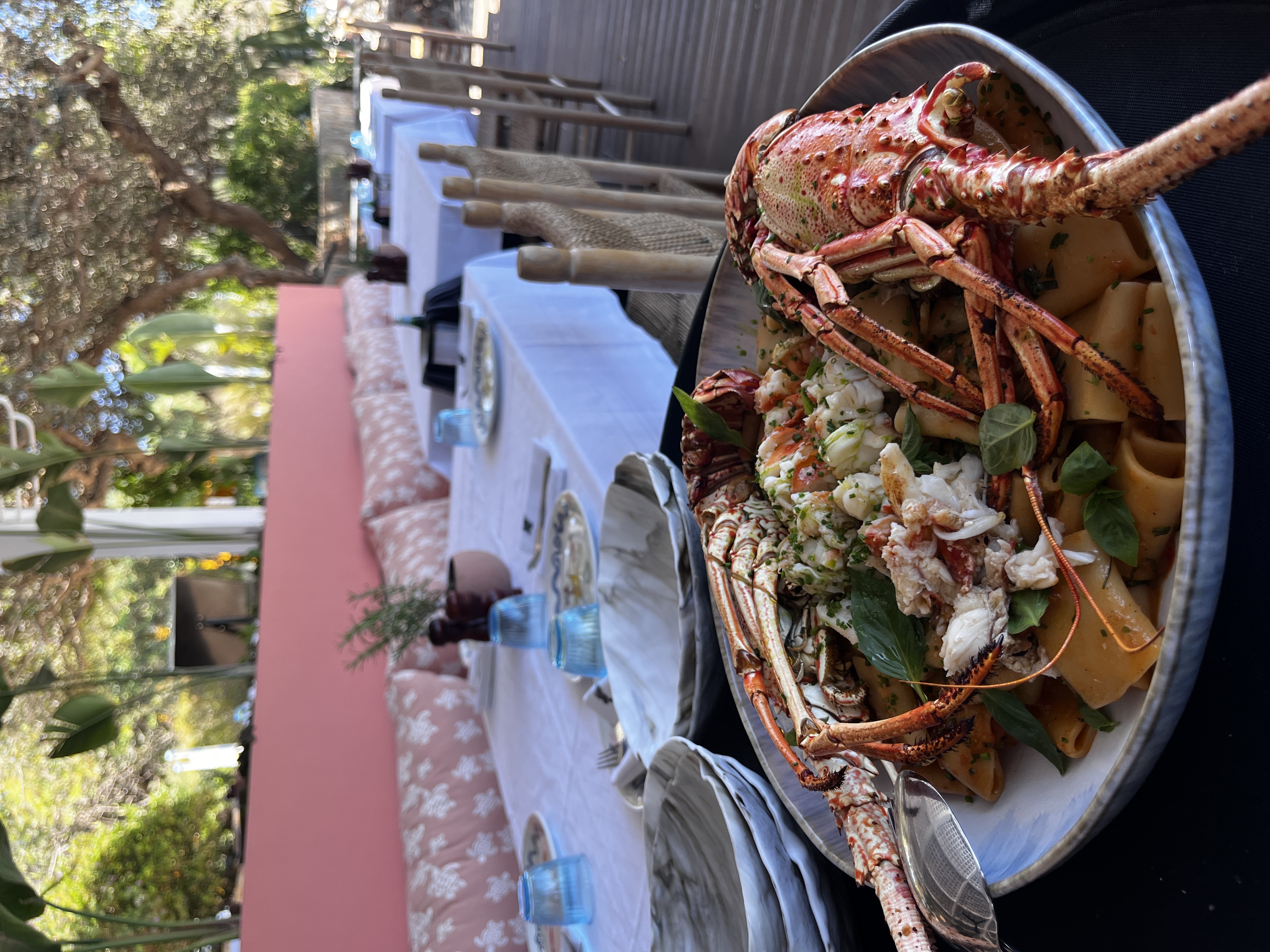
The lobster paccheri from La Plage.
The beauty of this set-up is that guests can avail themselves of the resort’s full offering – the pretty SOMA Spa, the beach, the Vilbrequin La Plage pop-up (the lobster paccheri here is sublime), Antonio’s Italian poolside restaurant, reformer Pilates in the herb garden – while keeping the vibe of a hotel with just a few keys.
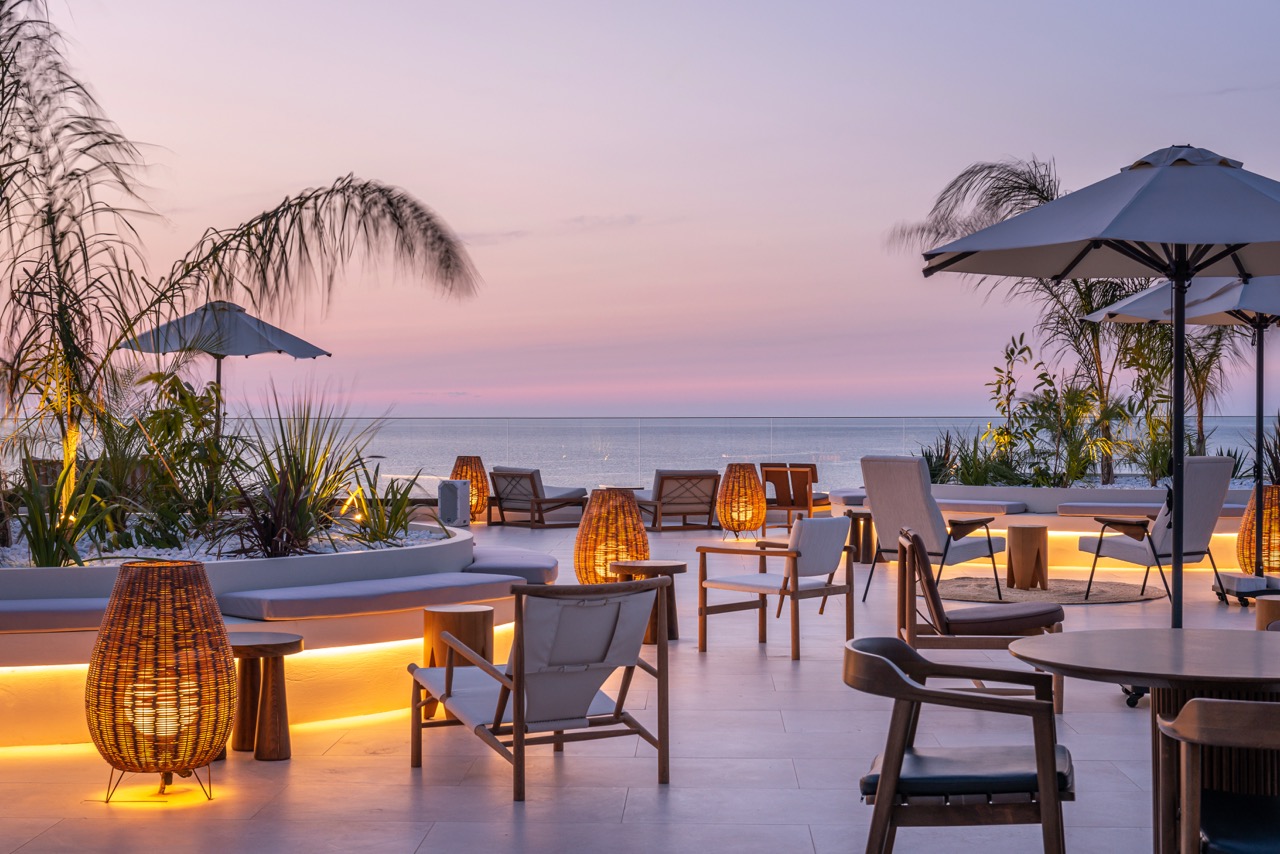
The Spritzeria at AULUS Chania. ©Domes Resorts.
When you do head to Chania, the best way to travel is via helicopter, making use of Domes of Elounda’s hilltop helipad and hopping to the brand’s newest site, Domes Aulus Chania – an ultra-luxury, ultra-all-inclusive concept – two phrases that don’t typically share a sentence, but in this case, it works. Positioned atop the wild cliffs near Chania, this location comprises 199 rooms, three pools and a plethora of areas to lounge. Highlights are the rooftop bar "spritzeria", where you can sip on cocktails as the sun sinks into the sea and a traditional Cretan band plucks at guitar strings. The floating sea deck, fit with sunbeds and access straight into the crashing waves, is, in my opinion, the best spot in the hotel to stop and appreciate the island’s sheer natural beauty.
What to Do in Crete?
Wander around the Palace of Knossos
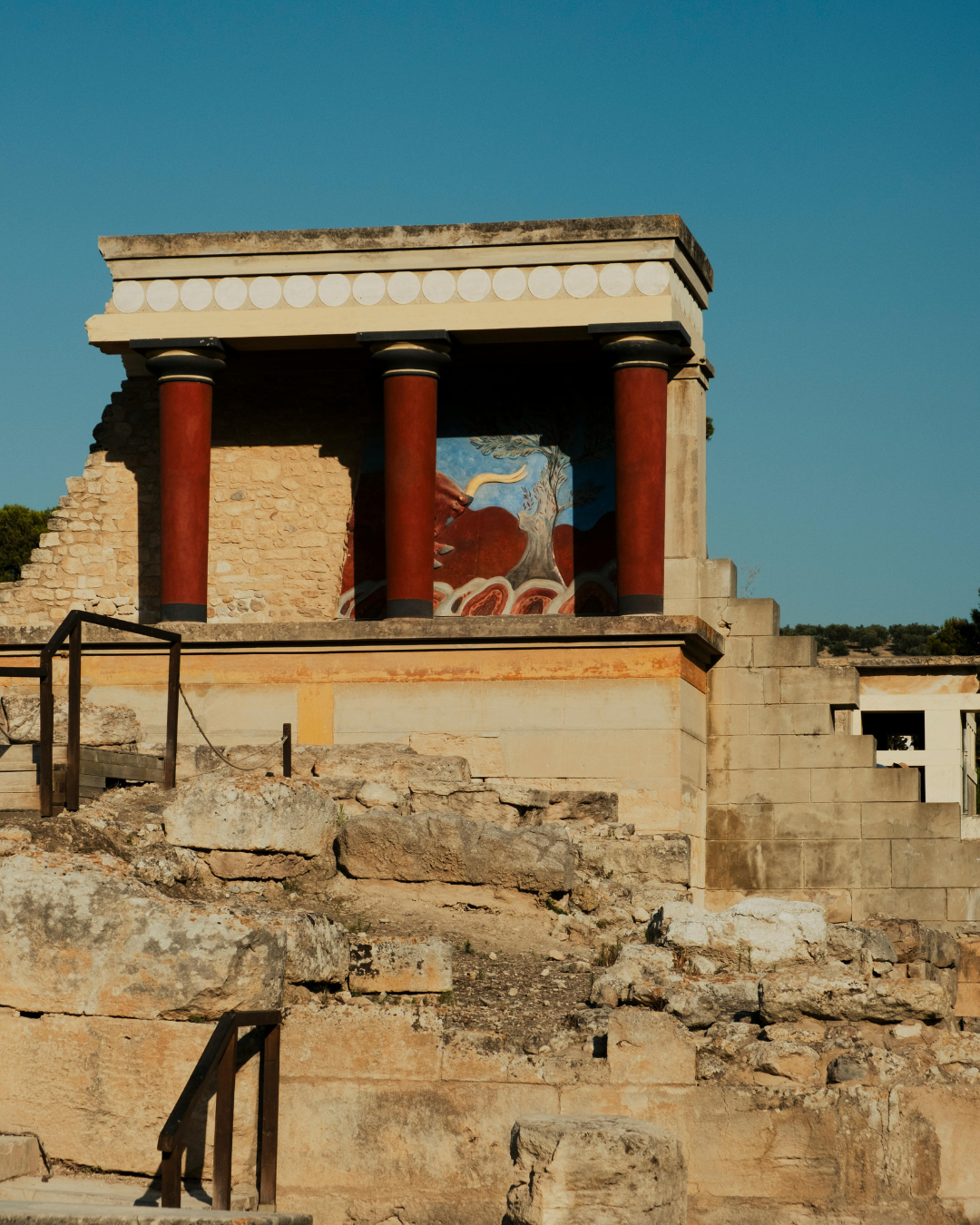
The Palace of Knossos.
Crete has long been heralded as the birthplace of European civilisation, thanks to the Minoans who once ruled here. Best known for its colossal architecture and vivid frescoes, nowhere on the island honours that legacy quite like Knossos. Book a private tour and you'll have the rare chance to watch myth turn tangible, tracing the palace's legendary labyrinth – built, so the story goes, by King Minos to contain his monstrous Minotaur.
Peruse the Village of Plaka
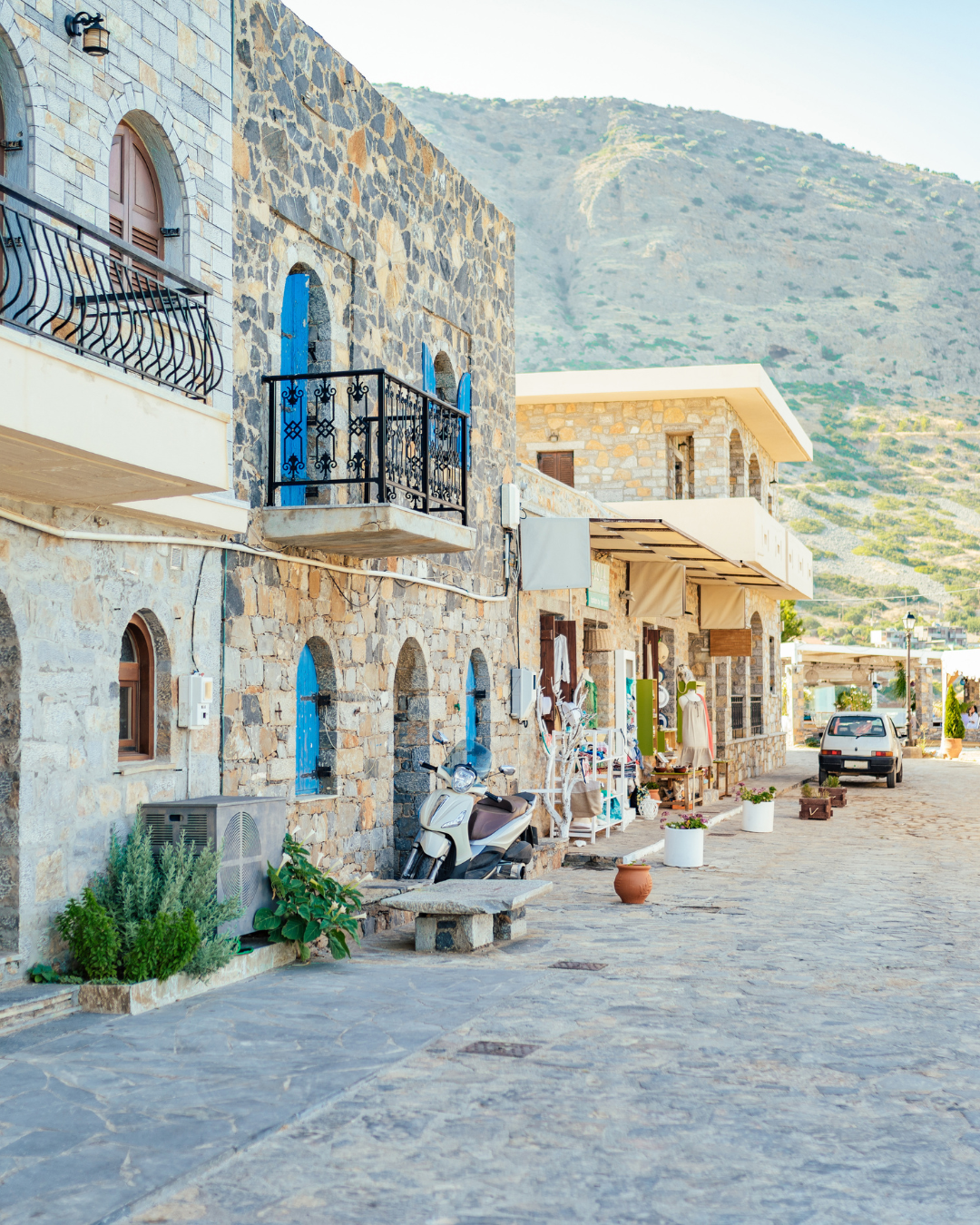
The restored old buildings in Plaka.
It’s worth ambling down the coast from Elounda for a mooch around the even smaller, even more tranquil Plaka. Also a former fishing village, this seaside hamlet feels somewhat frozen in time because of the old, restored houses, pebble beaches, and old-school tavernas, little changed by the years. Stop at Giavanni’s, the oldest in the village, which serves seafood straight off the local boats and sits in the shadow of Spinalonga.
Visit Spinalonga
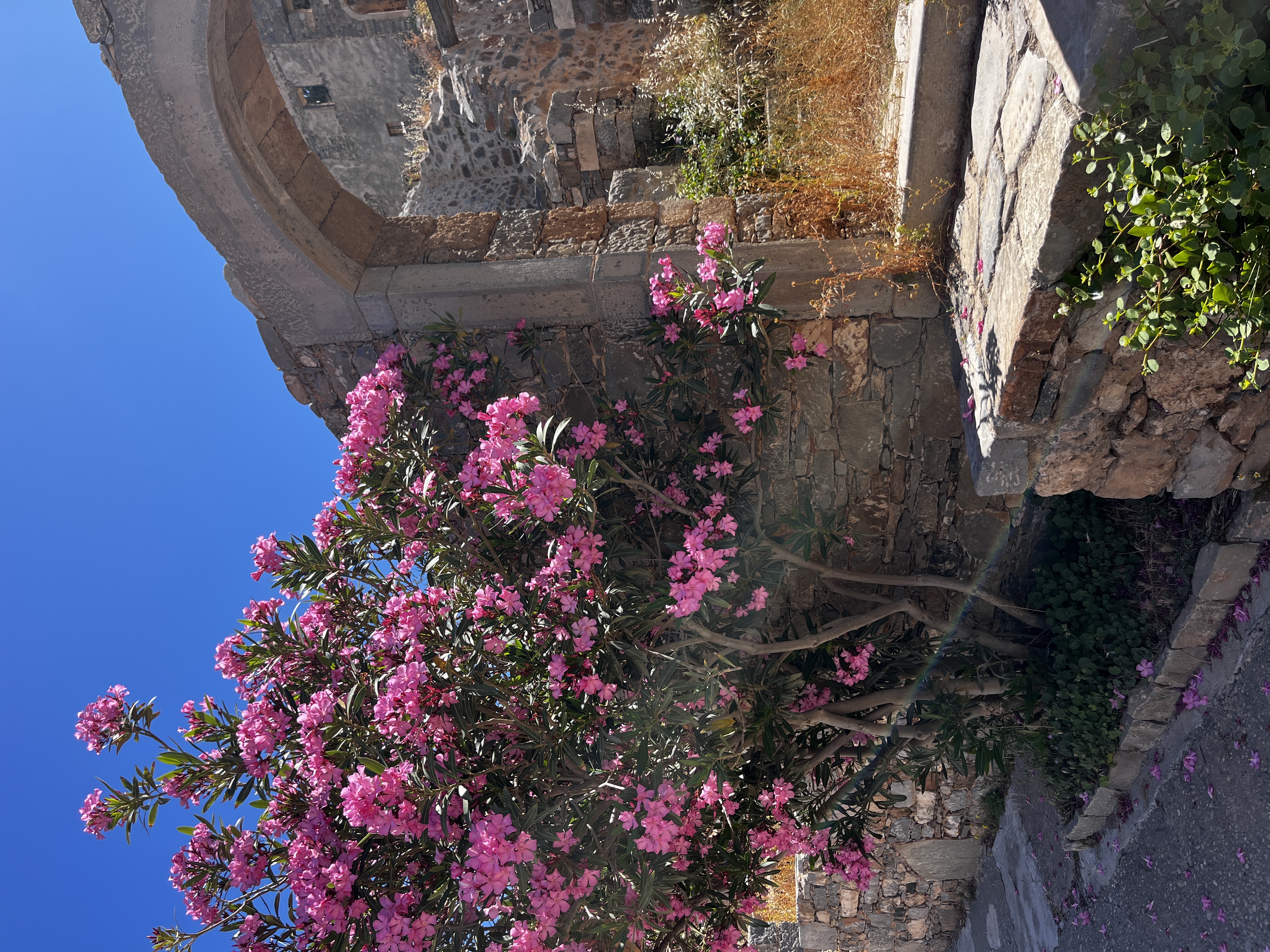
The ruins at Spinalonga.
At night, Spinalonga appears as a dark, lonely mass, bathed in the milky moonlight. There’s a chilling stillness to the island, which hasn’t been inhabited since the 50s, that carries through to the day. Europe’s last leper colony, it’s a truly remarkable reminder of humanity, or lack thereof – equal parts haunting and humbling. It’s an absolute imperative that you visit. I recommend doing so in the early morning by private tour, before the crowds pour in, to really take in the profound weight of the place. As you wander the abandoned streets, you’ll find evidence of remarkable resilience and community.
Explore Rethymno
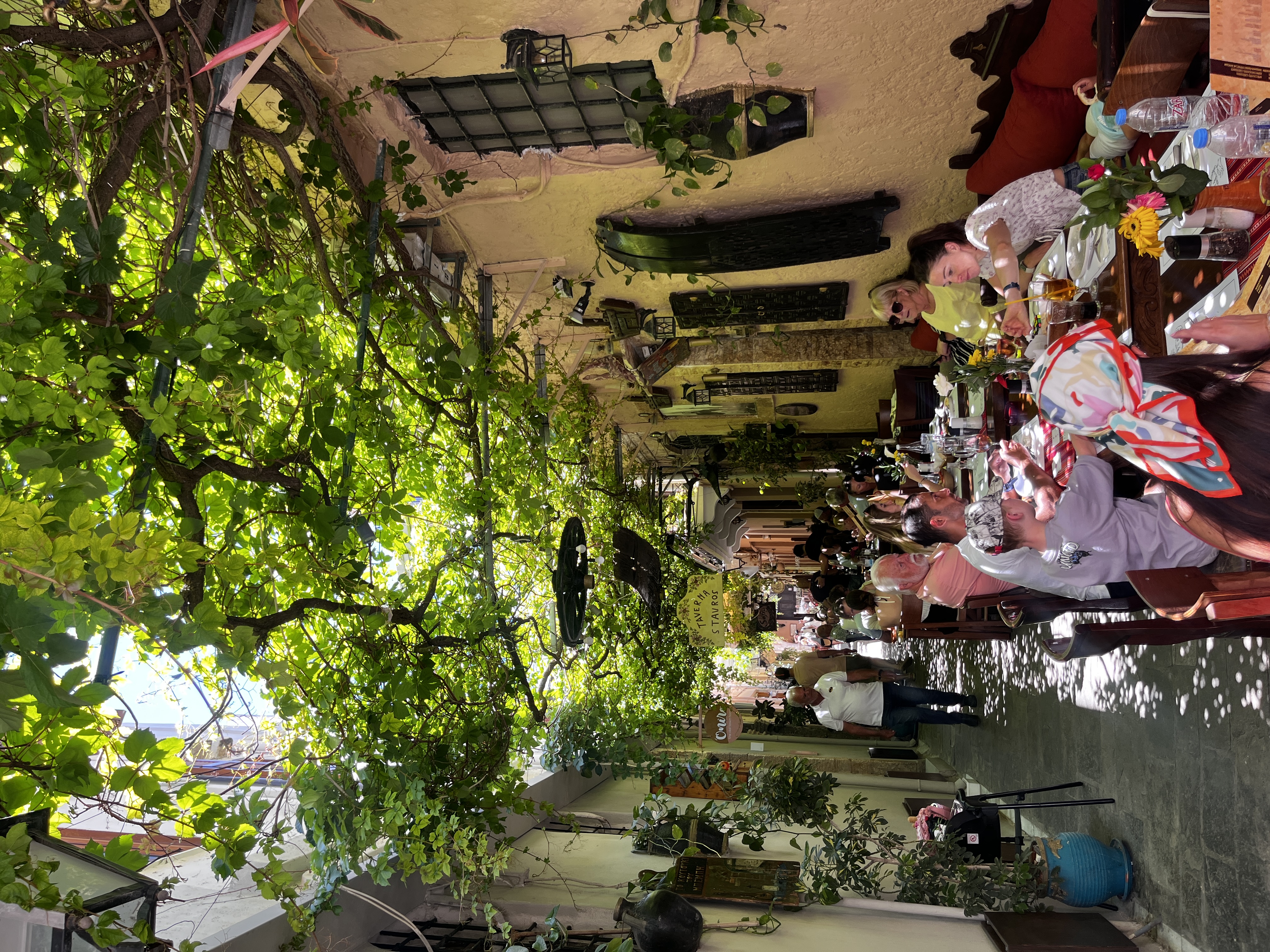
The streets of Rethymno.
Where the Cyclades excels with its whitewashed walls and cobbled alleyways, Crete counters with its medieval Venetian towns. On the road between Elounda and Chania, you’ll find the romantic old town of Rethymno – well worth the pit stop and incredibly walkable. Get lost in the maze of passageways and backstreets, inspecting local shops laden with golden-green bottles of olive oil, cloth-topped jars filled with honey and thyme, slabs of local cheeses and hand-made ceramics, before making your way to the harbour. Here you can sit, sipping a cappuccino Fredo and think of all the impressive former conquests the island has seen.
Spend an Evening in Chania
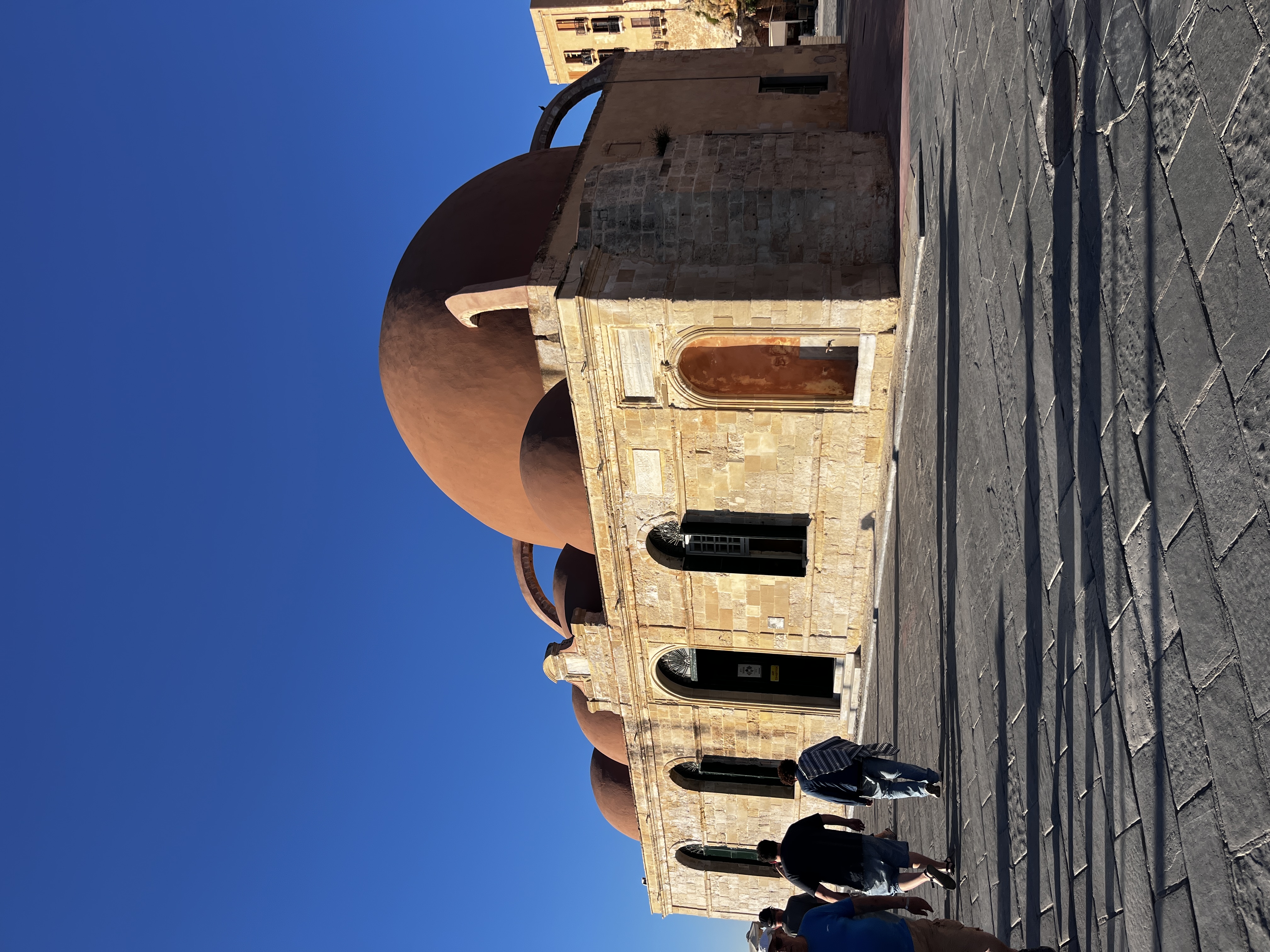
The waterfront in Chania.
It’d be criminal not to venture into Chania for an aperitif or meal. Like Rethymno but bigger, this is yet another treasure from the Venetian period. Bars and knick-knack shops line the waterfront where old fishermen throw out their lines and stray cats bathe in the last of the afternoon sun. For the best views (and the best spritz), duck into PALLAS restaurant, beloved by holidaymakers and locals alike. For something more salt-of-the-earth, it doesn’t get more rustic than Oinopoieio, a 100-year-old winery turned taverna. The walls inside are crowded with hanging copper pans, dried flowers and black-and-white pictures documenting the restaurant’s history. Still, I recommend sitting pavement-side for the people watching. The menu is packed with all your Greek favourites – mousse-like taramas, tangy tzatziki, parcels of rice wrapped in vine leaves. The famous Cretan Dakos salad, juicy ruby tomatoes served on crisp barley husks and topped with crumbled feta, is a must. As is the patates me staka, hand-cut chips covered in the creamy, fatty essence of goat cheese – a Cretan poutine, if you will. One thing is for sure: Cretans are feeders (they blame their yia yias), so you will certainly never go hungry. Head to Monastery bar – exactly what it says on a tin – after for a final digestif.
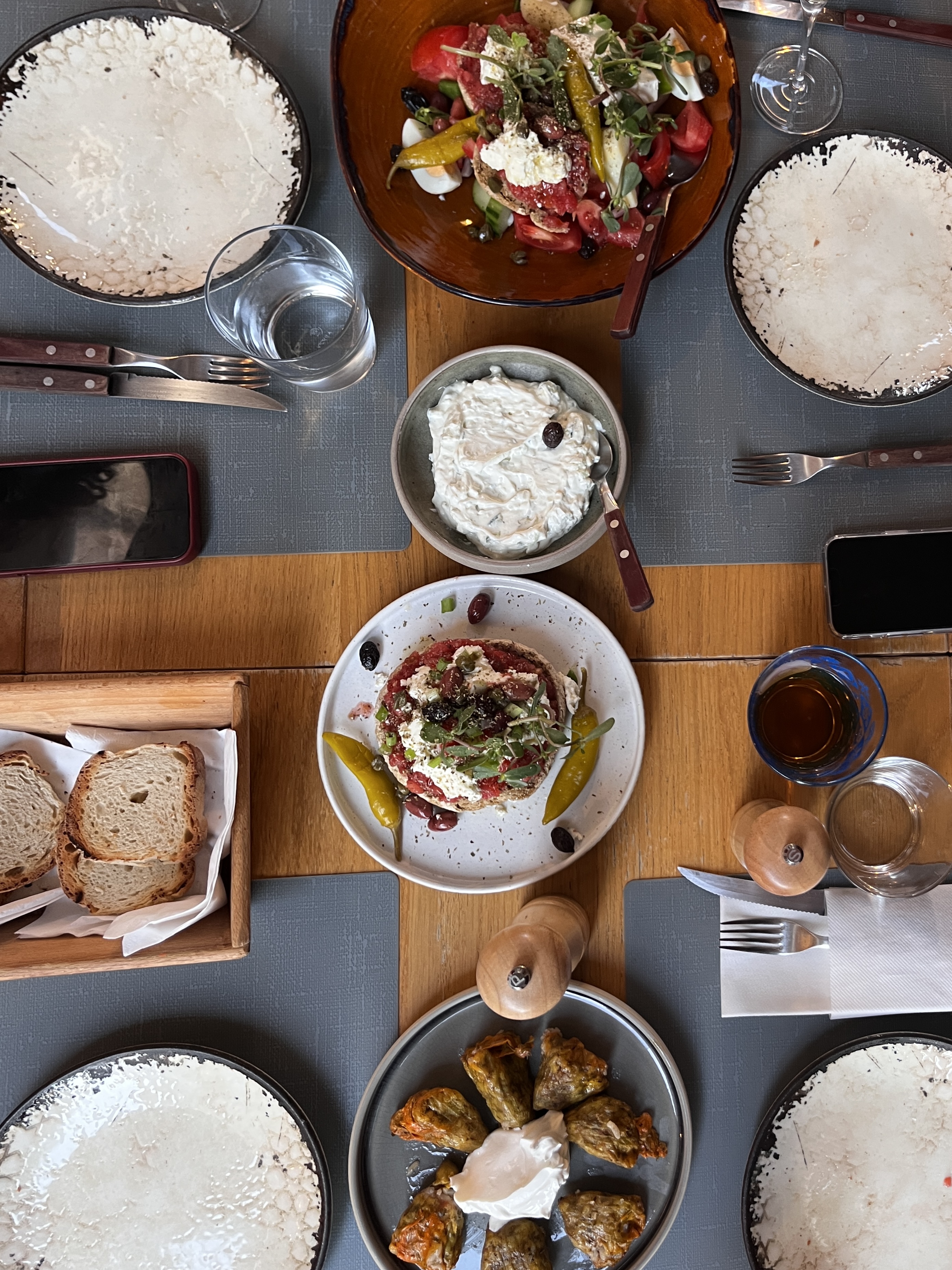
A typical Cretan table.