Dame Tracey Emin’s commitment to unapologetic self-expression has transformed our understanding of art. But Maria Balshaw, Director of Tate and Lead Curator of Tracey’s latest exhibition, Tracey Emin: A Second Life, is clear: “This isn’t a retrospective”. It’s an exploration of the second phase of Tracey’s life.
Tracey Emin: A Second Life at Tate Modern
Words by
Lisa Barnard
26th February 2026
Tracey Emin's paintings and other works lead A Second Life at Tate Modern, a raw exploration of trauma, survival and rebirth across 40 years of fearless self-expression. SPHERE attends the preview and gets an inside look.
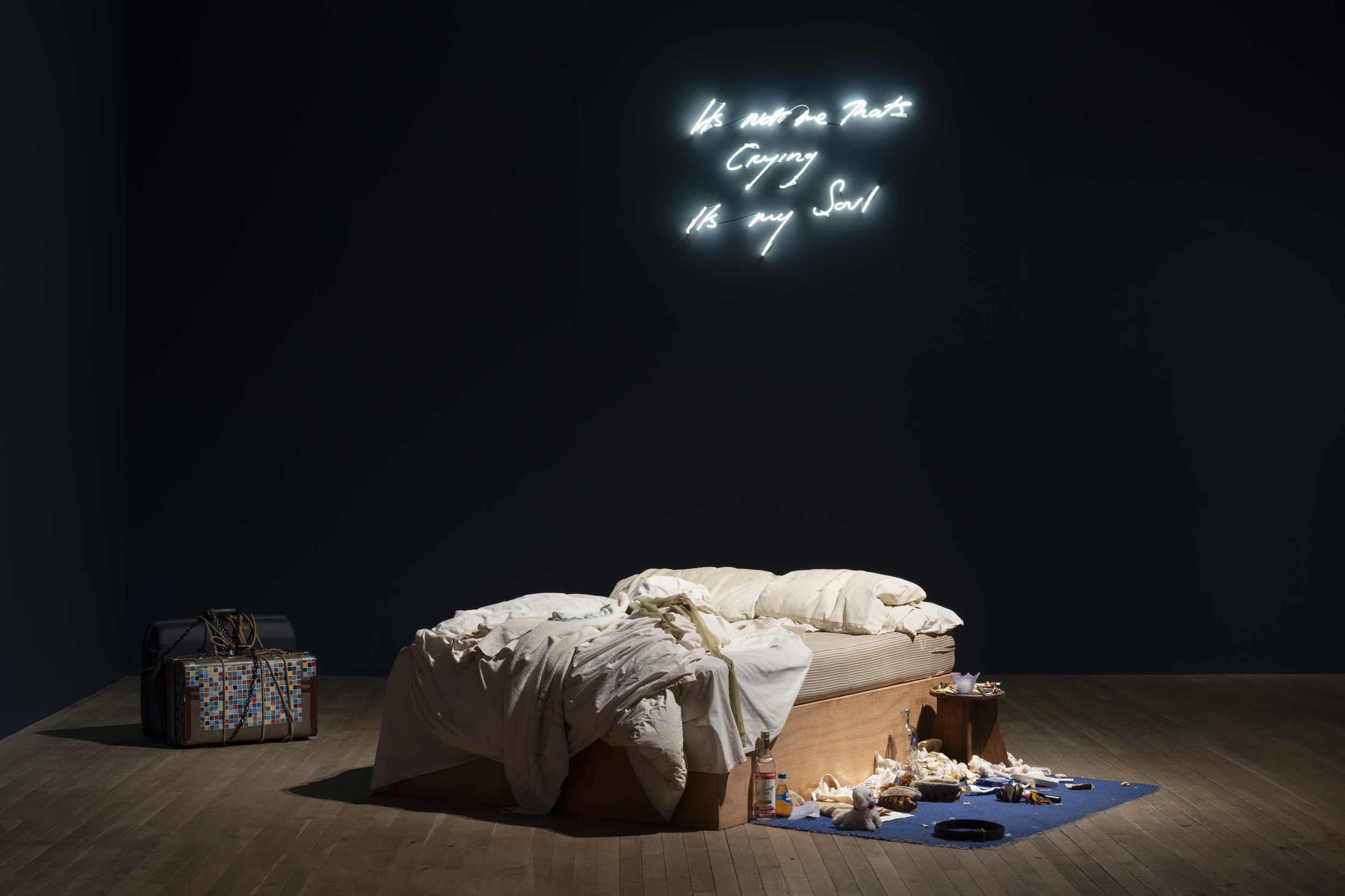
Tracey Emin A Second Life at Tate Modern installation view. Photo © Tate (Jai Monaghan).
The Turkish Cypriot and British artist needs no introduction. “My Bed”, the iconic piece showcasing the detritus and chaos of a woman’s life, is perhaps the most significant of her works. Yet, as Maria aptly points out, “there’s a whole generation who never saw it in real life”. Including Jess Baxter, Assistant Curator of the exhibition.
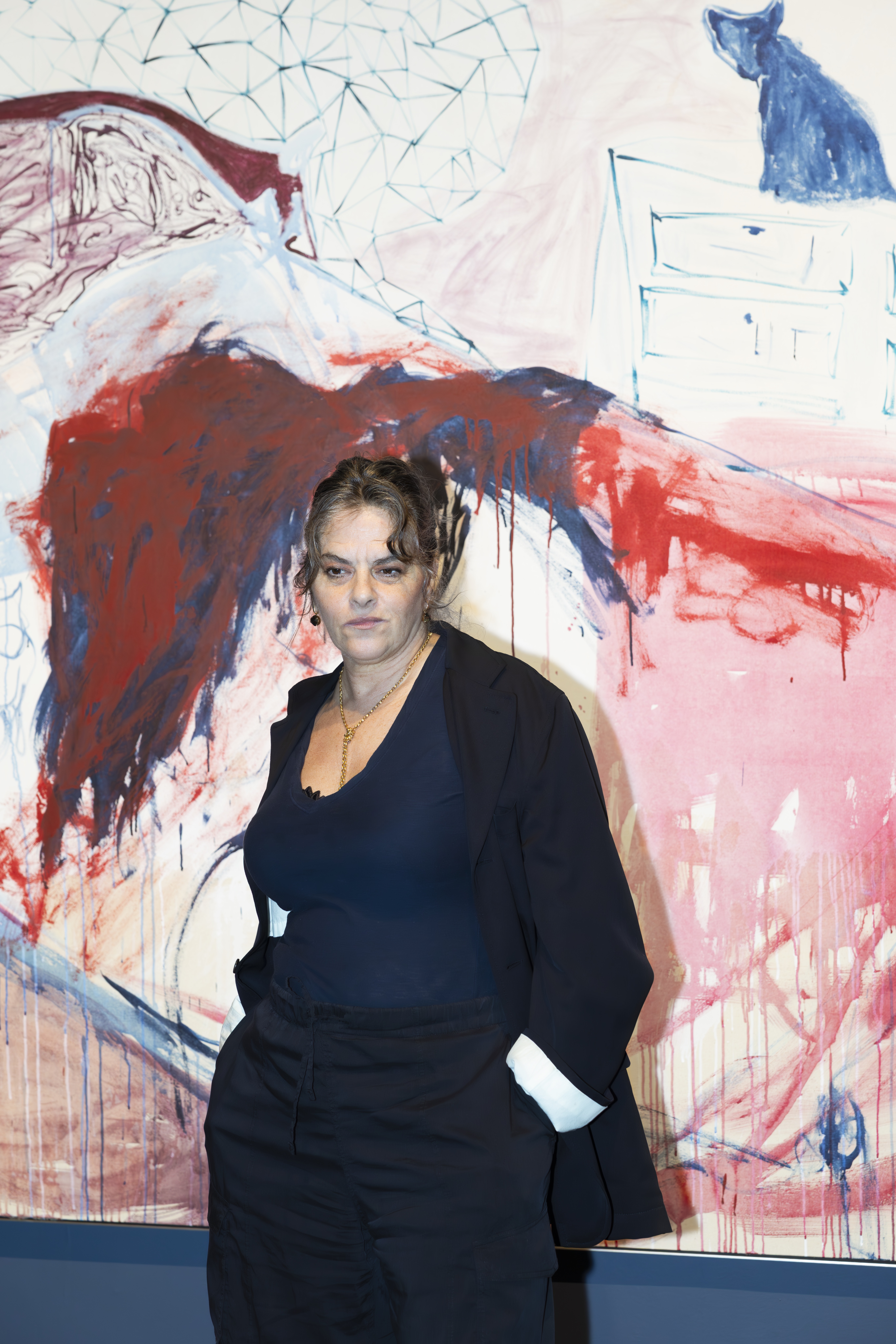
Portrait of Tracy Emin at Tate Modern 2026. ©Tate Photography Yili Liu.
Of course, “My Bed” features in the exhibition – the largest ever celebrating her groundbreaking work. Upon seeing it for the first time during the installation period, Jess describes it as “so extraordinary and forensic-like”. She tells us that she “didn’t understand when Harry and Tracey said that My Bed is like a self-portrait until I saw it in that seedy neon lighting. It’s like walking into a Manet”.
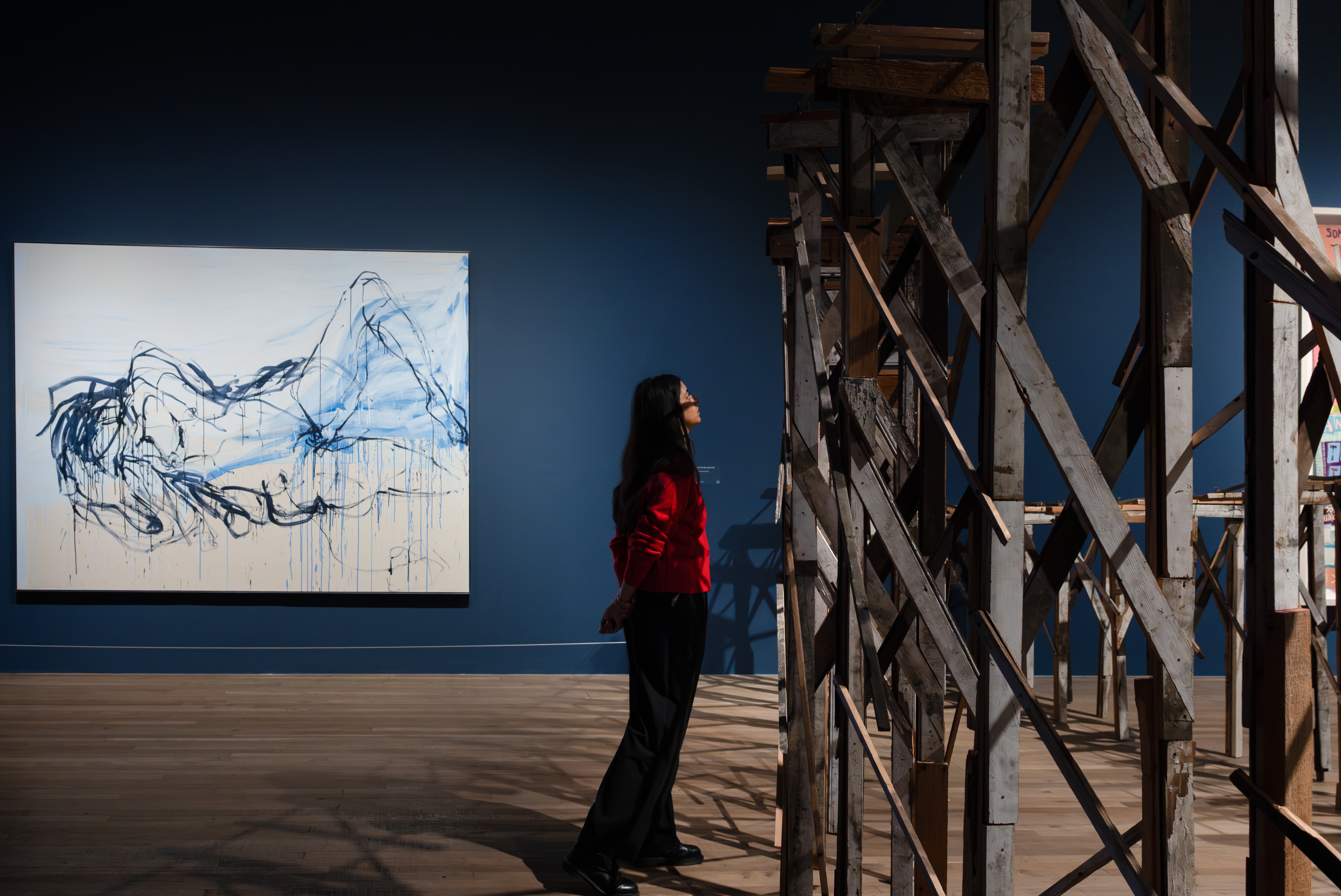
Tracey Emin: A Second Life at Tate Modern installation view. ©Tate (Sonal Bakrania).
Spanning her 40-year practice, A Second Life traces the key life events that have shaped her work, including negotiating her identity, her relationship with Margate, her experiences with racism and the whole sexual spectrum – sex, sexual violence and trauma.
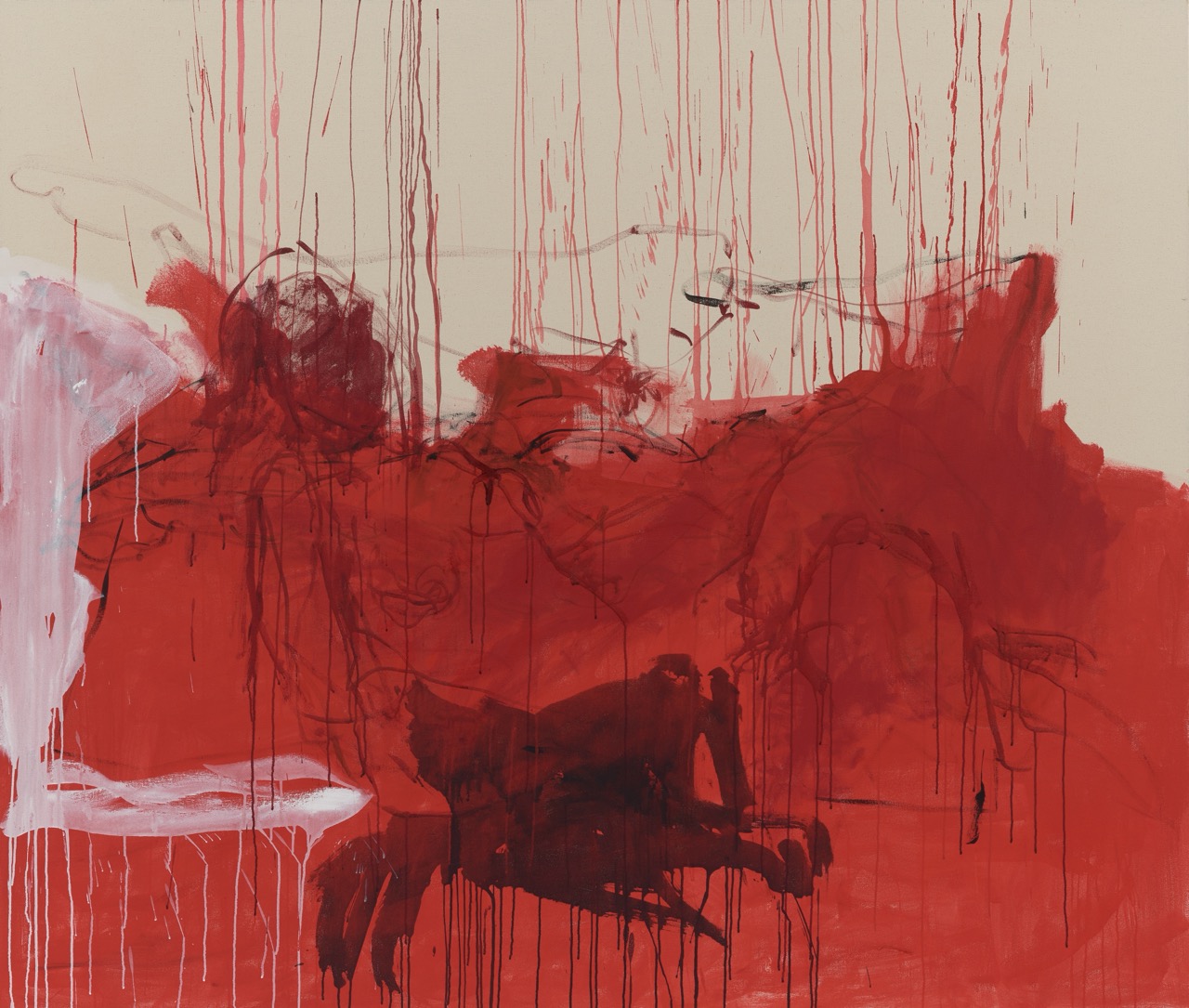
Tracey Emin, I never Asked to Fall in Love - You made me Feel like This 2018 © Tracey Emin
It has been 15 years since the last whole-career exhibition of Tracey’s work. A Second Life brings together over 100 works encompassing painting, video, textile, neon, sculpture and installation, all illustrating her raw approach. The show begins by presenting works from her first solo exhibition at White Cube, My Major Retrospective 1982-93, comprising a series of tiny photographs of her art school paintings from the 1980s, which she destroyed during her self-proclaimed “emotional suicide”. This acutely sets the tone for introducing the many facets of Tracey.
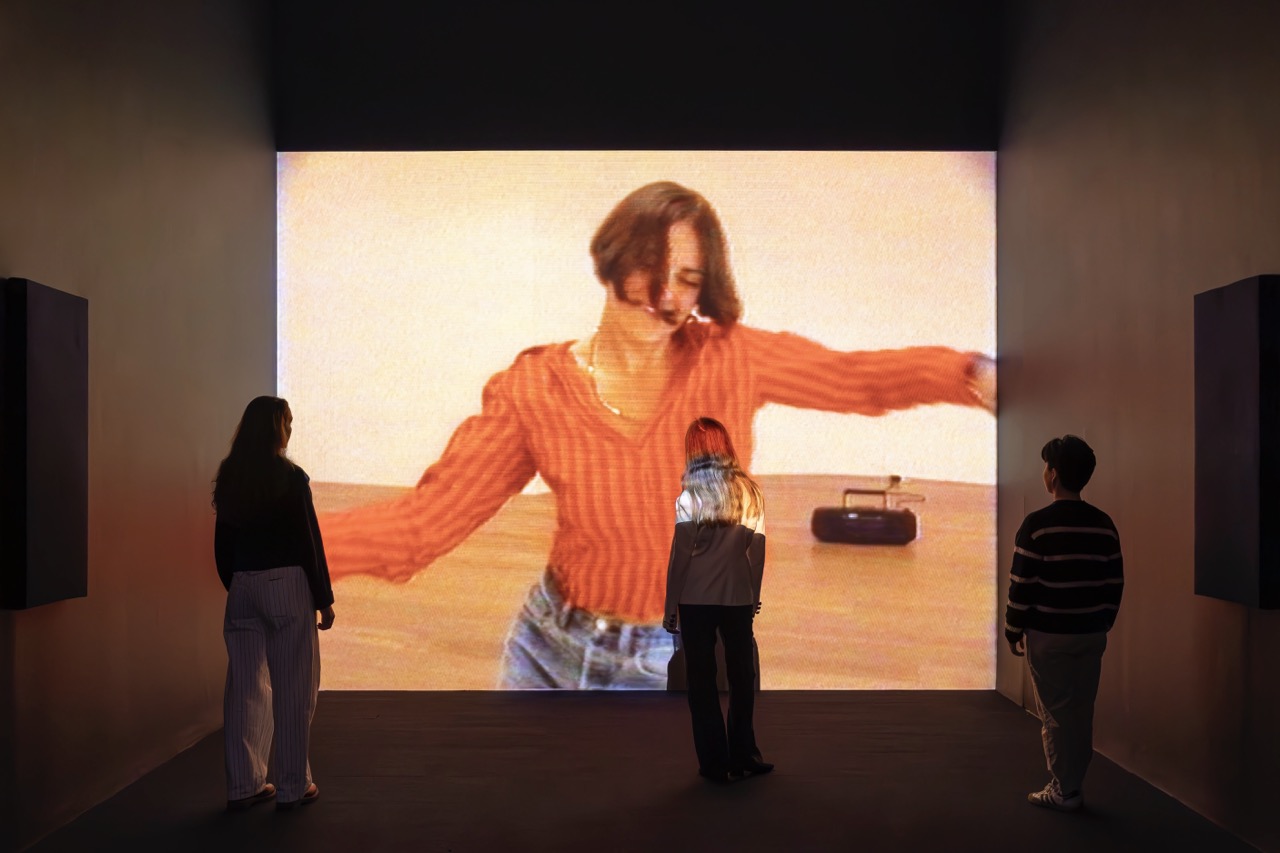
Tracey Emin: A Second Life Tate Modern installation view of Why I Never Became a Dancer (1995). Photo © Tate (Yili Liu).
From here on, there is somewhat of a chronology to the show, while maintaining the classic Tracey Emin sense of chaos. Frequently confronting personal trauma and pain, the exhibition showcases Tracey’s commitment to dispelling the stigma surrounding issues that are often left undiscussed.
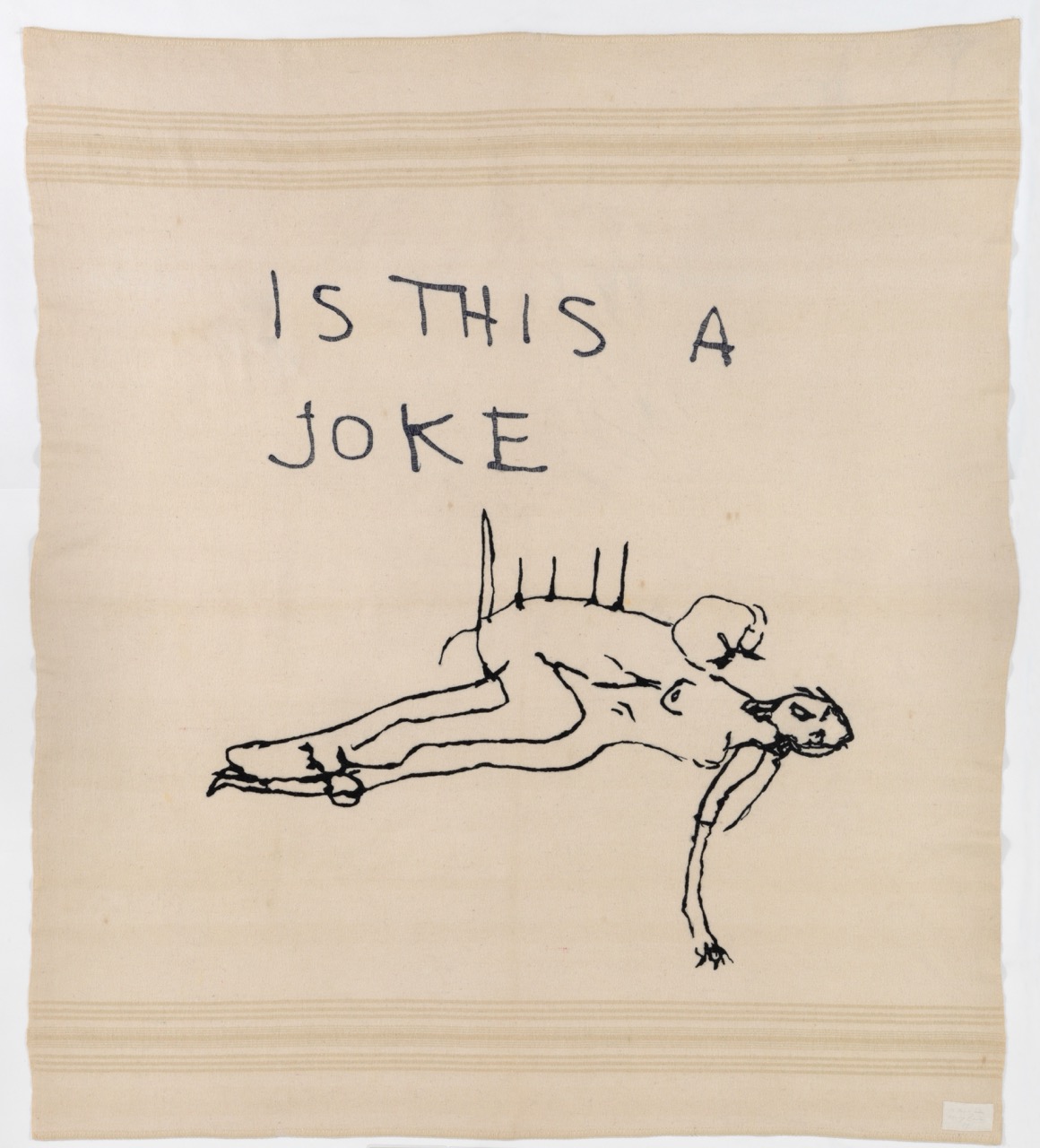
Tracey Emin, Is This a Joke 2009, ©Tracey Emin.
She addresses her experience of sexual assault through the neon I could have Loved my Innocence 2007 and the embroidered calico Is This a Joke 2009. Similarly, she gives a challenging yet empowering account of her traumatic experiences with an abortion gone wrong, describing institutional neglect, the physical and psychological implications of refusing motherhood, and the misogyny associated with it. Shown publicly for the first time, the quilt The Last of the Gold 2002 is emblazoned with an ‘A to Z of abortion’, providing advice for women facing a similar situation. Maria describes the piece as showing “what to do if a condom breaks, how to process your own feelings, which is particularly prescient in a time when women’s rights are being rescinded – again”.
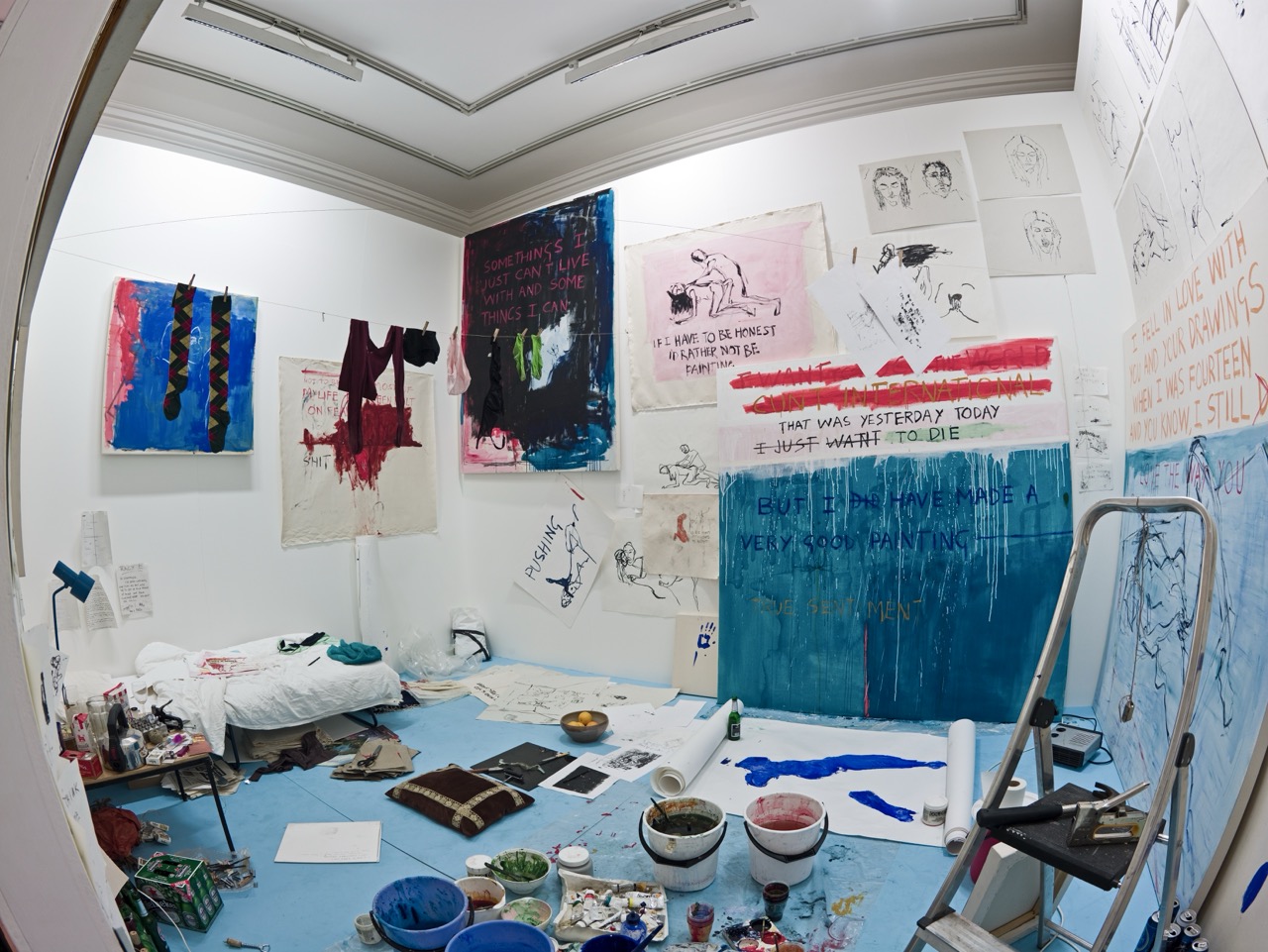
Tracey Emin, Exorcism of the last painting I ever made 1996 © Tracey Emin.
At the heart of the show also sits Exorcism of the Last Painting I Ever Made 1996, which documents a period of three weeks where Tracey locked herself in a Stockholm gallery, naked, in an attempt to reconcile her relationship with painting, abandoned six years earlier after her abortion. The extraordinary piece moves visitors into the second part of Tracey’s life.
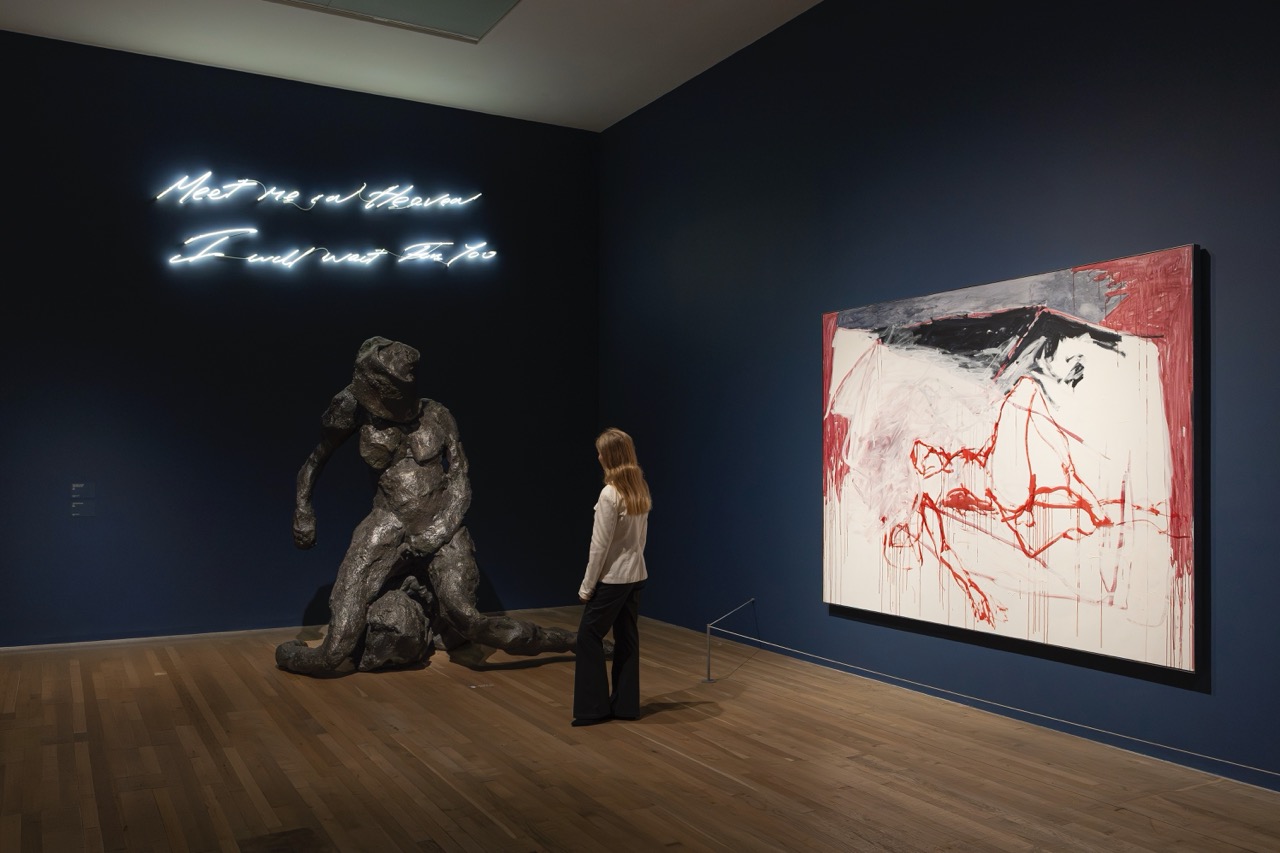
Tracey Emin: A Second Life Tate Modern installation view Photo © Tate (Yili Liu).
Equally critical in bringing visitors on this journey is the recent bronze sculpture, Ascension 2024. Laying bare Tracey’s relationship with her body following a major surgery for bladder cancer, further exemplified by the addition of new photographs of the stoma she now lives with.
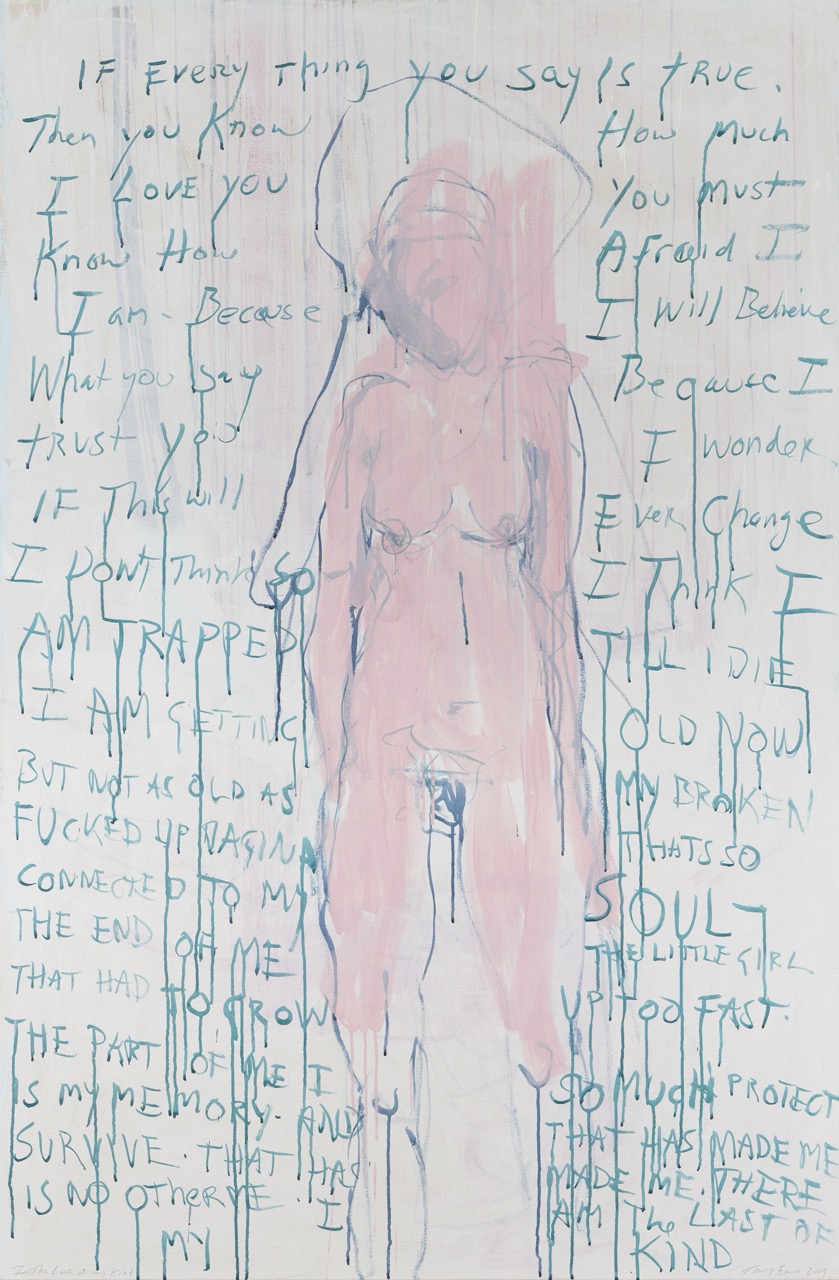
Tracey Emin, I am The Last of my Kind 2019 © Tracey Emin.
The exhibition culminates with the artist exploring the dimensions of her second life in painting. While pain and heartbreak are still present, Emin’s ambitious large-scale paintings offer a transcendent, spiritual quality, showing a resolute determination to live in the present. As visitors leave the gallery, they’ll see the monumental bronze I Followed You Until The End 2023, which sits outside Tate Modern, inviting passersby to experience Emin’s groundbreaking, visceral work.
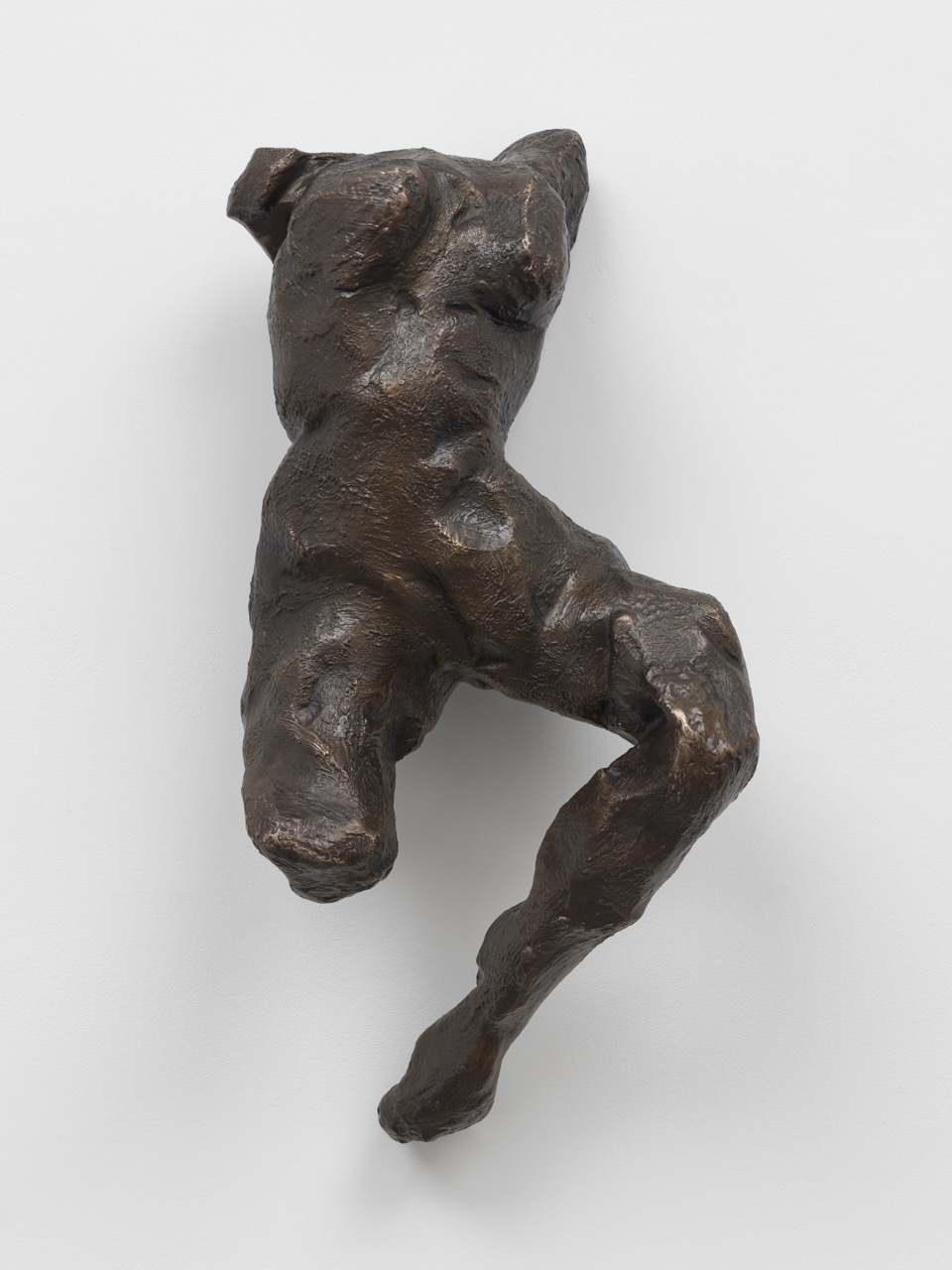
Tracey Emin, Ascension 2024 ©Tracey Emin.
Tracey Emin has long been critiqued for “being all about Tracey”, Maria explains. But what is abundantly clear from the exhibition is her desire to stir feelings in those who view her works. “Tracey wants people to now look at My Bed and think of their bed and not hers.”
Tracey Emin is showing at Tate Modern between 27 Feb – 31 Aug 2026. Tickets can be secured via tate.org.uk.