As the luxury sector navigates the current challenging economic landscape, sales in stores and online retail have been squeezed. However, one relatively new commercial channel is booming. Recently at Sotheby’s Paris, a vintage Hermès Birkin bag sold for $10m, the highest price ever paid for a handbag. Meanwhile, according to market research firm, ArtTactic, luxury goods sales reached a market share of 18.8 per cent by value for auction house sales in the first half of 2024, rising to 20.2 per cent in the first half of this year. The volume of luxury item sales has also surged, with the number of lots sold rising 21.9 per cent year-over-year, from 22,960 in the first half of last year to 27,985 in the first half of 2025.
The Luxury Auction Lots That Are Worth the Bidding War
Words by
Simon Brooke
9th March 2026
It’s brisk business for the luxury auction market, thanks to buyers’ bids for items from rare handbags to vintage jewellery.

To mark the occasion of the Grand Pix in Abu Dhabi, RM Sotheby’s offered a trio of future competition cars representing McLaren Racing’s impressive portfolio
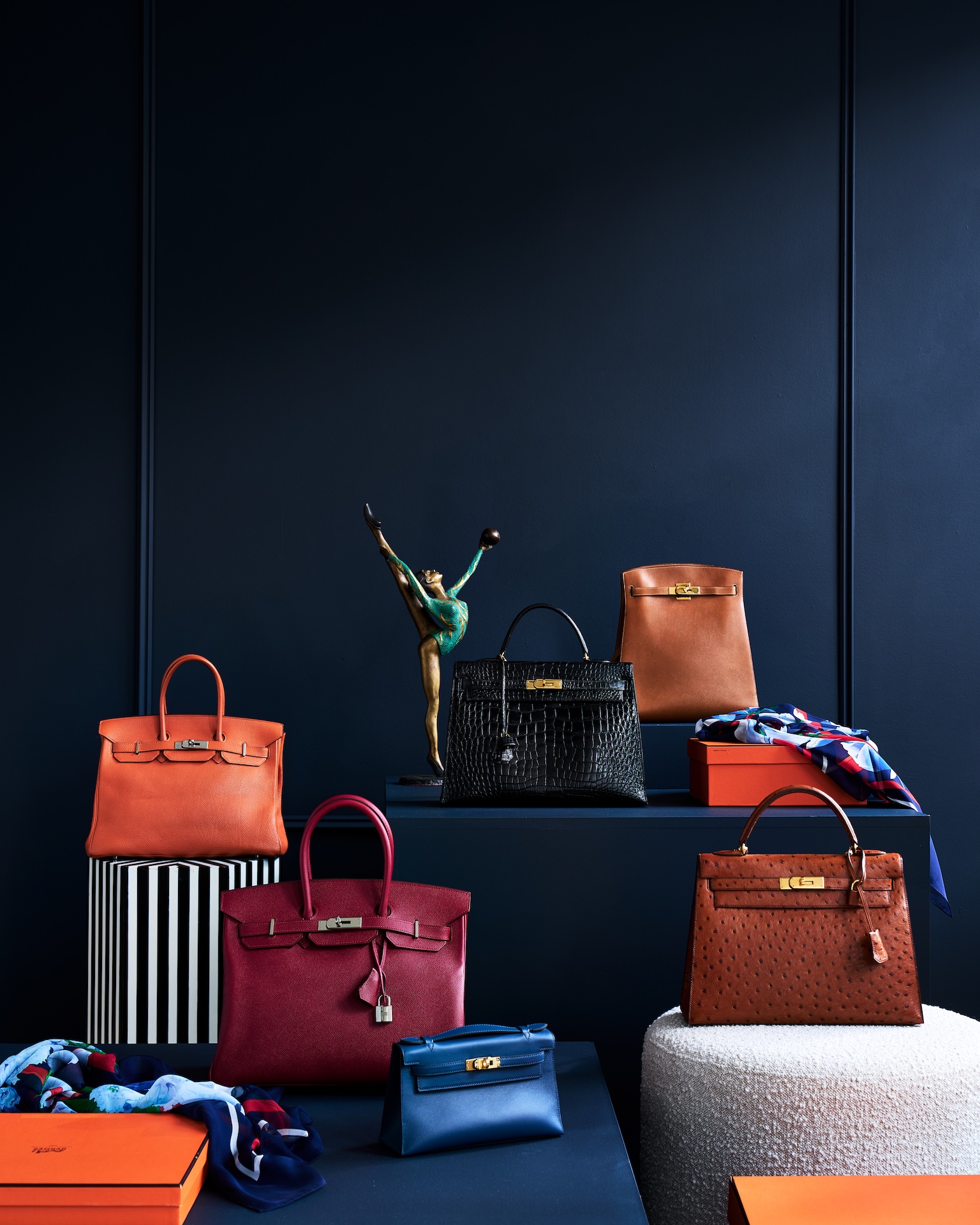
A selection of Hermès handbags including the celebrated Kelly and Birkin bags, which went for up to £13,000 at Lots Road
Christie’s has seen a 29 per cent increase in luxury sales in the first half of this year compared to the same period in 2024, accounting for $468m, or about 23 per cent of its global auction sales. Such growth is particularly significant, since ArtTactic has also calculated that fine art sales at Christie’s, Sotheby’s and Phillips fell 44 per cent in the f irst half of 2025 compared to the same period in 2022. Phillips’ jewels sales doubled from 2022 to 2024, totalling revenues of $60m, and it is increasing its offerings each year, with 1,000 lots sold in 2024 — a 16 per cent increase on 2023.
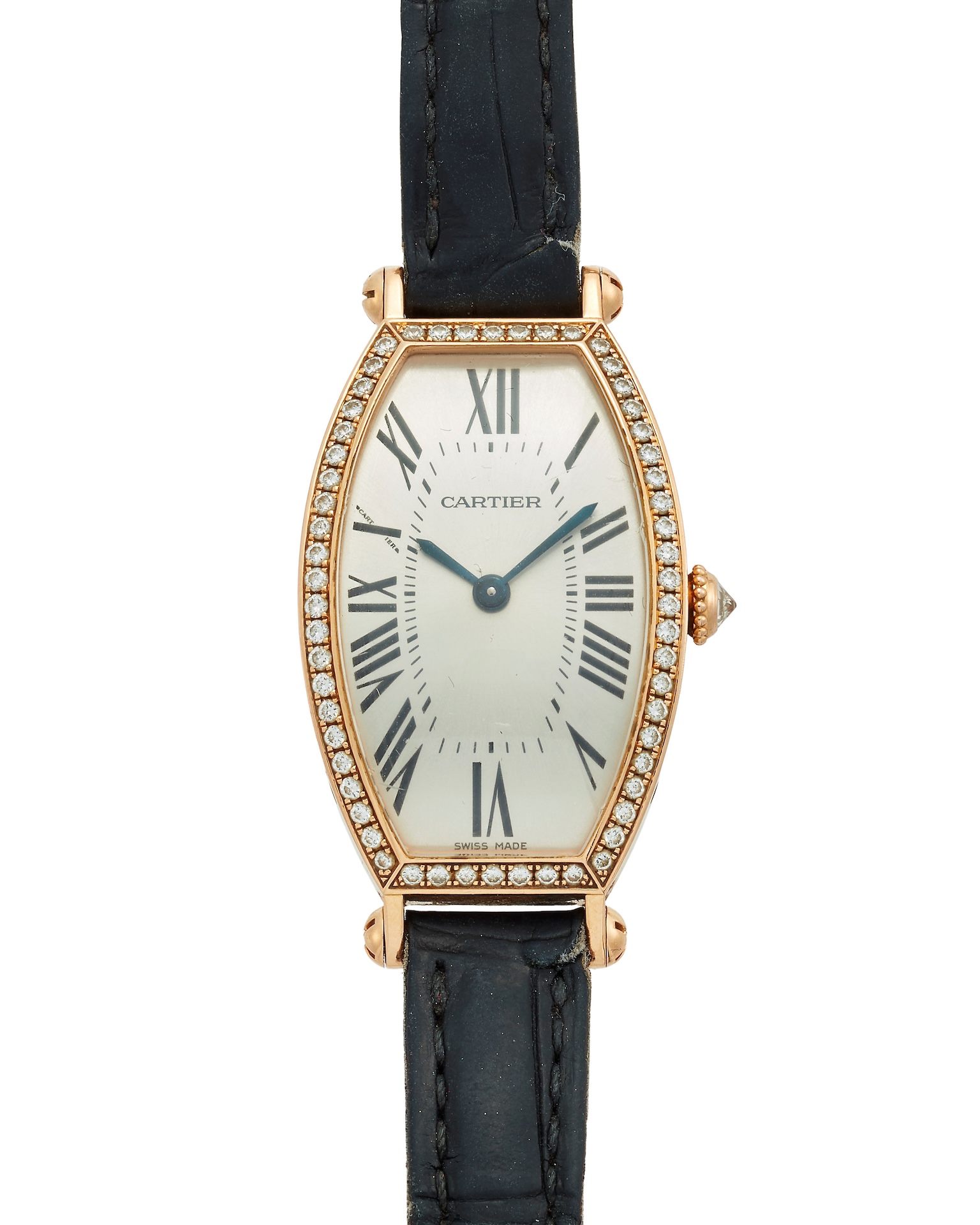
Roseberys auctions items such as this Cartier Tonneau Watch in 18ct rose gold
Roseberys, a privately owned specialist fine art and antiques auction house and valuer, has seen a “huge” increase in its sales of luxury items and watches over the last two years and in December 2024, it launched a dedicated luxury department. “Watches have become an established collecting category over the last two decades or so, but now, because this category is so big and mature, people have started looking for new brands to collect,” says Kate Lacey, a watch specialist at Roseberys. “We’ve seen huge growth in demand for independent makers such as Roger W. Smith and F.P. Journe. There’s also a growing interest among both male and female buyers for pocket watches.”
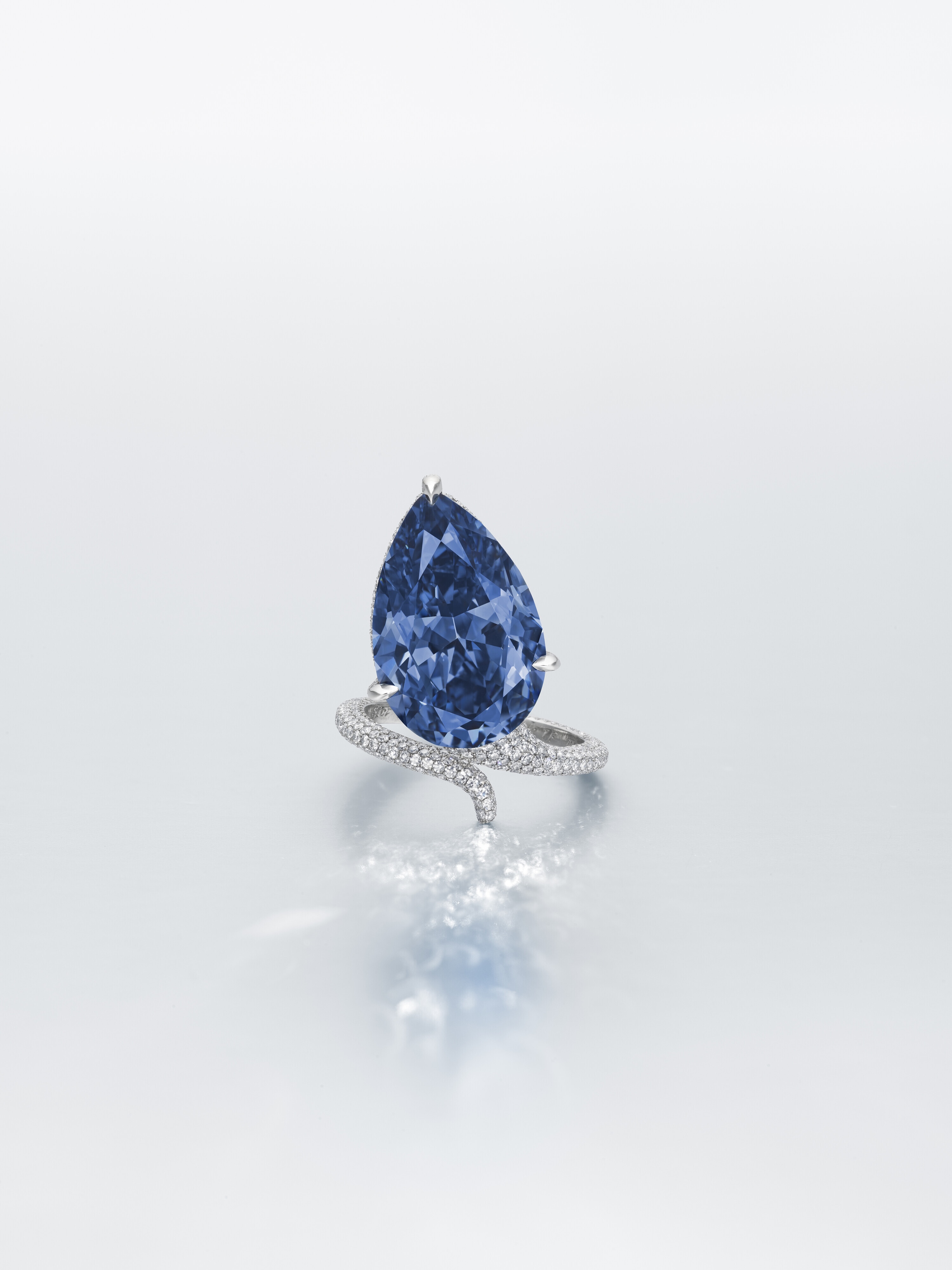
The Mellon Blue Diamond is expected to fetch up to $30m at Christie's auction in November
The demographic of buyers has also changed considerably over recent years, she says. “It used to be predominately middle aged men, but what I’ve found so interesting is the number of women taking part in watch auctions. I first noticed this in Hong Kong, but now we’ve caught up here, and we’re seeing a huge increase in the number of younger female collectors. It’s driven by fashion more than it used to be. We’re also seeing a lot of these young buyers and consigners using Instagram, for instance.” According to Kate’s colleague Sally He, a luxury items specialist, buyers are attracted to auctions for a variety of reasons these days. “It might be because they don’t want to have to wait a long time for a particular bag to be released, and so they buy vintage, but they’re mainly interested in limited editions; they want something more exclusive.” Among the hottest brands at auction over the next year or so, she believes, will likely be Jonathan Anderson, following his move to Dior, and pieces designed by Phoebe Philo, either from her tenure at Celine or from her own, eponymous brand.
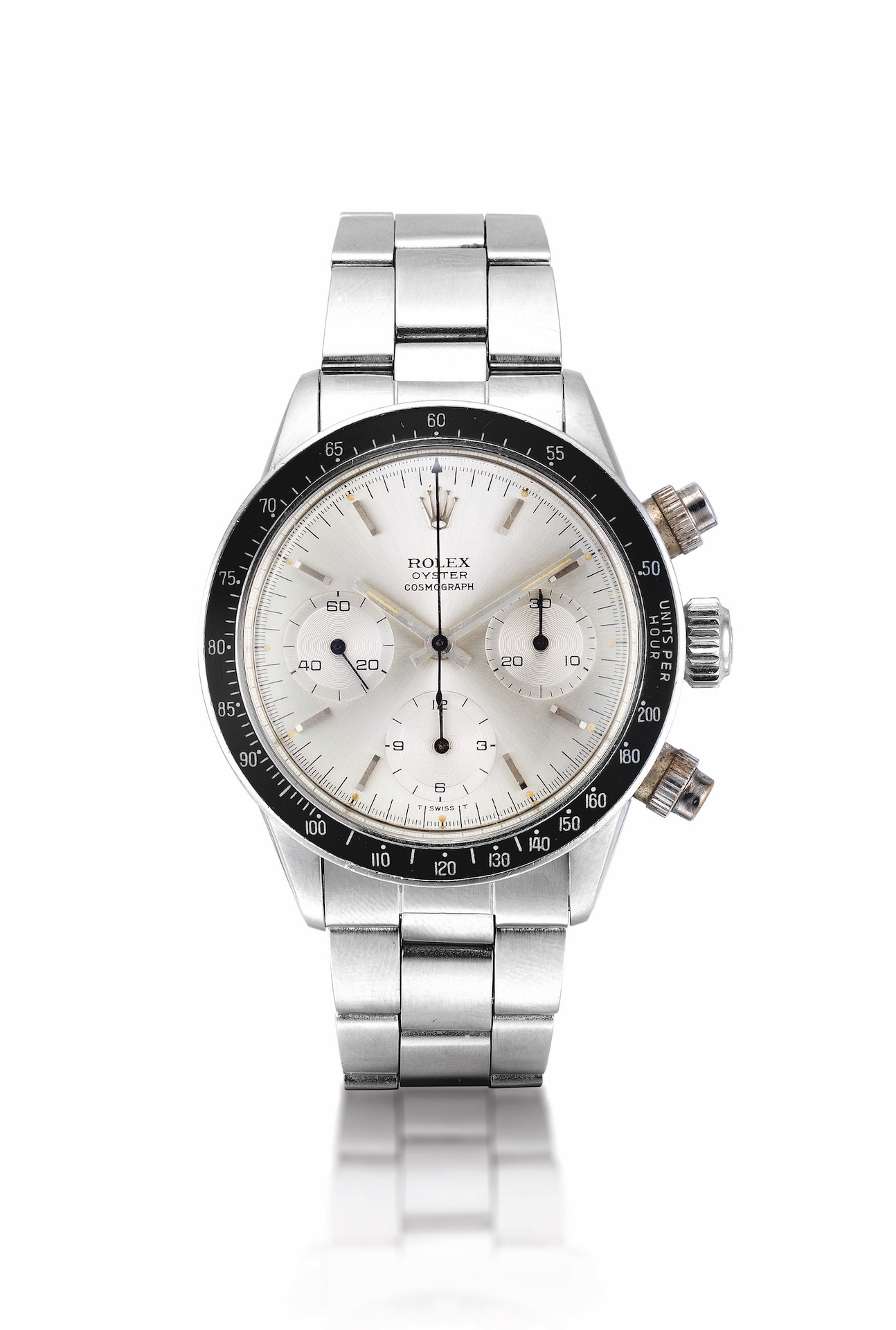
The Rolex Albino Daytona will be open to bids during Sotheby's Collectors’ ‘Week
There’s a connection with two key trends among younger affluent customers — renting and concerns about sustainability. “We’re seeing a lot more rotation these days,” explains He. “People will buy a watch or a bag at auction, use it for a few years, and then sell it again through an auction house and buy something else.”
Christie’s is seeing considerable interest among buyers in vintage jewellery from the 1970s, 1980s and early 1990s. “A good example is Bulgari’s Monete collections,” explains Rahul Kadakia, International Head of Jewellery at Christie’s. “The first appearance of the Monete collection took place in 1966 and was adored by film divas like Elizabeth Taylor and Grace Kelly. Later, in the 1980s, a second wave of jewellery pieces centred around ancient coinage was released by Bulgari. In 2022, a third collection came to market. Initially, the auction market mainly focused on the 1960s pieces, but interest has expanded to the 1980s pieces in the last two to three years. The secondary market will turn its interest more rapidly to the 2022 pieces as earlier pieces are more difficult to find.” In November, it will sell the Mellon Blue in Geneva. The Fancy Vivid Blue Diamond, weighing in at 9.51 carats, is expected to fetch between $20m and $30m.
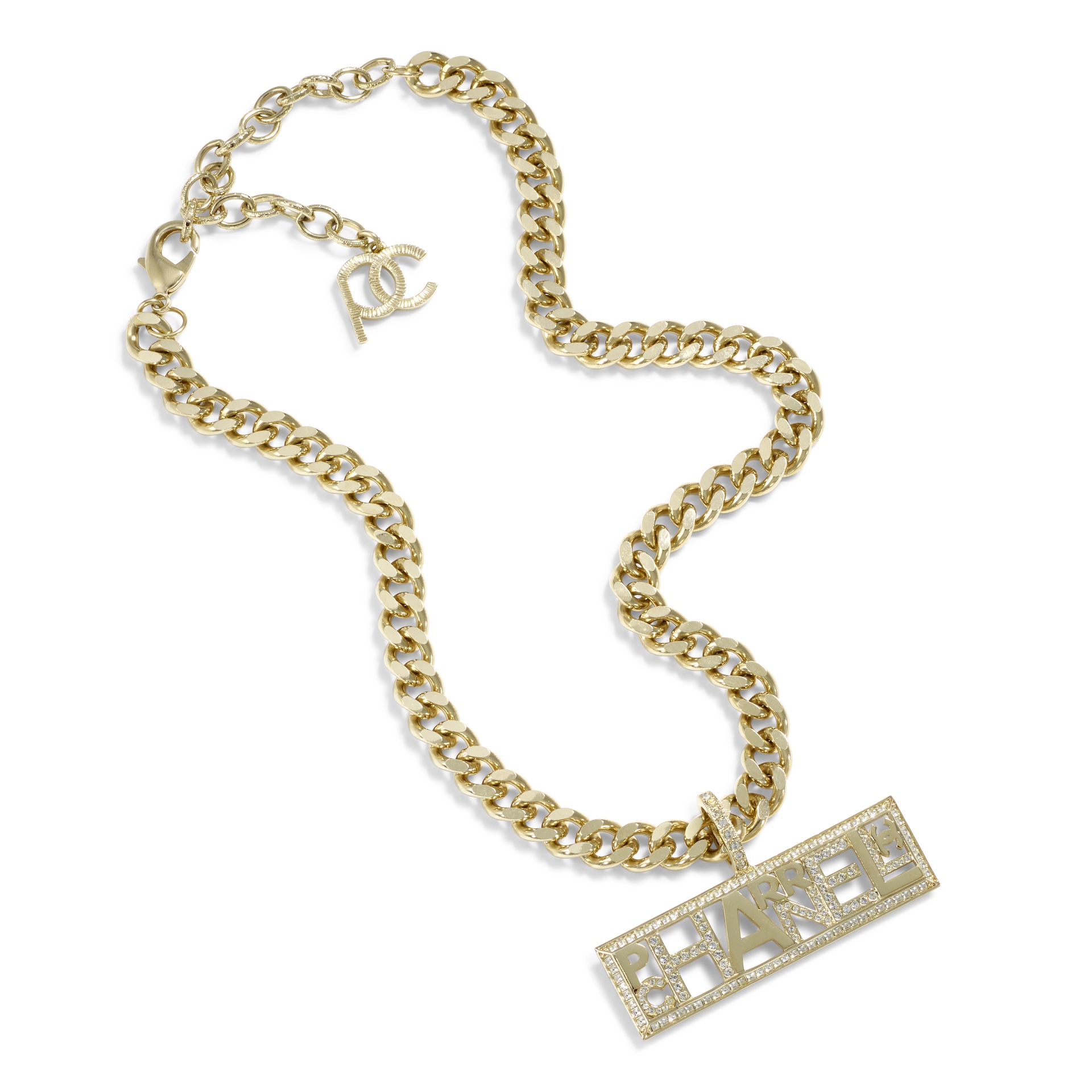
A Bonhams’ lot: a Chanel ‘gold Pharrell chain
Sotheby’s luxury business has tripled since 2019, selling into new categories and geographies, to reach over $2.3bn last year. This December, Sotheby’s launches Collectors’ Week, a programme including auctions, panel discussions and exhibitions to take place in Abu Dhabi. Staged in partnership with the Abu Dhabi Investment Office (ADIO), auctions will offer high jewellery, rare timepieces and high performance cars among other items. “Auctions tell stories about rarity, provenance and demand,” says Paul Redmayne, Senior Vice President for Luxury Sales, Sotheby’s Dubai. “They create high-visibility price benchmarks that help feed back into brand desirability at the retail level. There is also a diversification of collectors’ demographics. They are becoming younger and can be found in emerging luxury markets such as the Middle East, which has been growing exponentially over the past five years, especially. There is also the recognition that exceptional luxury items can hold their value over time and even increase in value to become class assets.”

A collection of contemporary design classics including a Bauhaus-inspired chair, midcentury table and armchair, and modern art prints, sold through Lots Road.
Bonhams has recently held online sales of luxury items, including “From the Vault: an impressive private collection of Chanel,” featuring many rare bags and runway looks and “London Luxury: Handbags and Fashion,” with a number of Hermès Birkin and Kelly bags, plus two simulated pearl jewels from Jacqueline Kennedy’s personal collection. “When I first started offering bags at auction, the client base was a small, dedicated group who understood luxury and luxury resellers,” says Meg Randell, Bonhams’ Head of UK & Europe for Designer Handbags and Fashion. “Now, we have a much broader group buying on the secondary market, with archival pieces being of key interest. There’s demand for archival fashion pieces, particularly runway or red-carpet items. We tend to sell to individuals who are buying for themselves, either to wear or looking for investment pieces. The age range can vary from people in their early 20s looking for the latest ‘hype’ piece, to women in their 50s seeking a more classic item.”
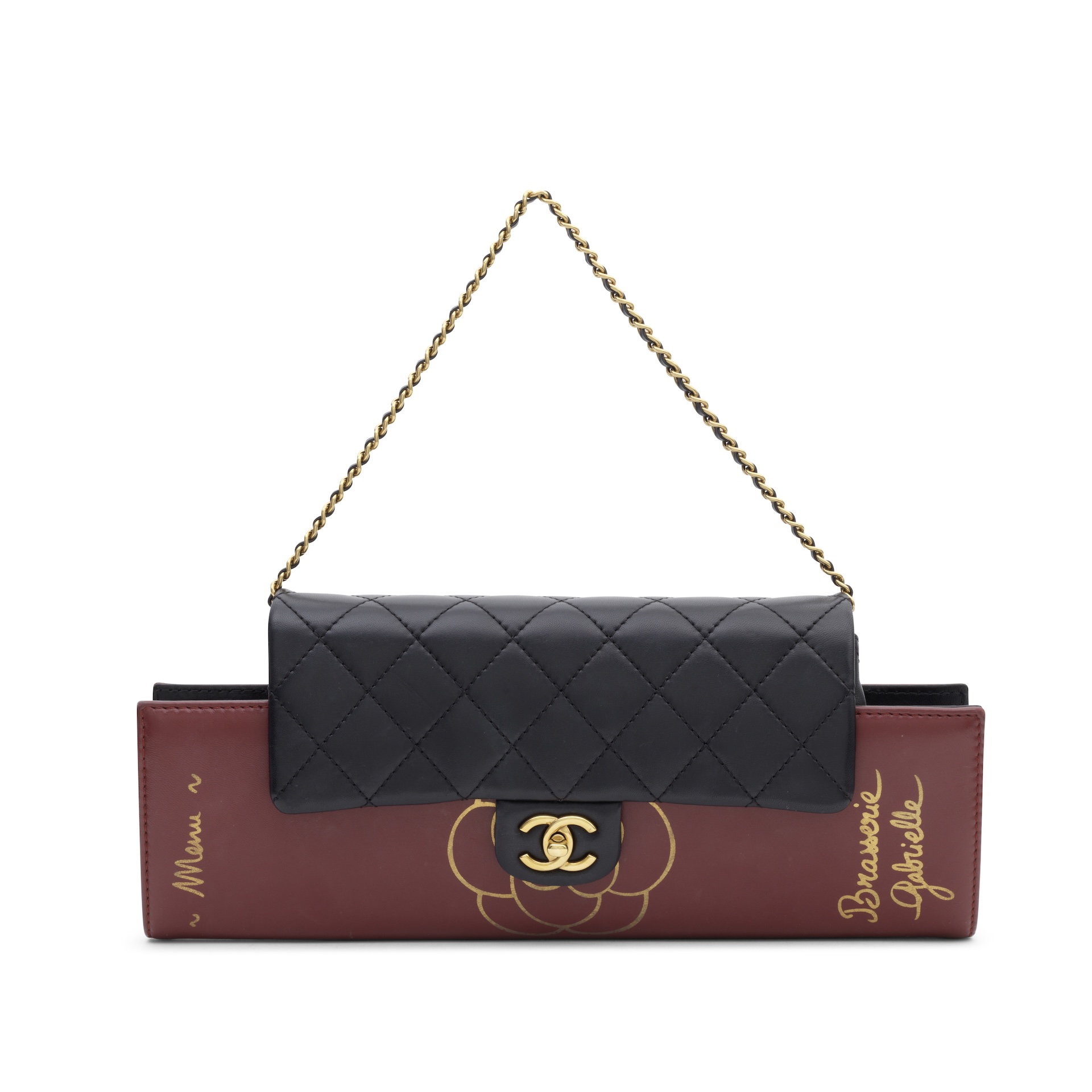
Karl Lagerfeld for Chanel ‘Brasserie Gabrielle’ Menu Clutch Bag, auctioned at Bonhams
In general, luxury brands themselves are happy with this trend, believes Mario Ortelli, Managing Partner of Ortelli & Co, a strategy and mergers and acquisitions advisory company specialising in the luxury goods industry. “They don’t believe that auction house sales cannibalise their retail strategy; if anything, this new channel complements it,” he explains. This is partly because for many years now brands such as Cartier, Bulgari and Rolex have been buying back their own items from auction to develop their museums.
Not only that, but auction house sales help to transform luxury items into an asset class, which adds to their appeal and increases their perceived value, he says. “It turns them into investment pieces and adds to their exclusivity and the scarcity around them. Auction houses also provide independent valuations — it’s not just the luxury brand claiming that one of their watches, accessories or items of clothing is worth a particular amount of money.” These products can be viewed as works of art, alongside the paintings and sculptures that the auction house might be selling, Ortelli points out. Many of these buyers are younger consumers who are more attracted by luxury collectibles and who might become the art collectors of the future.
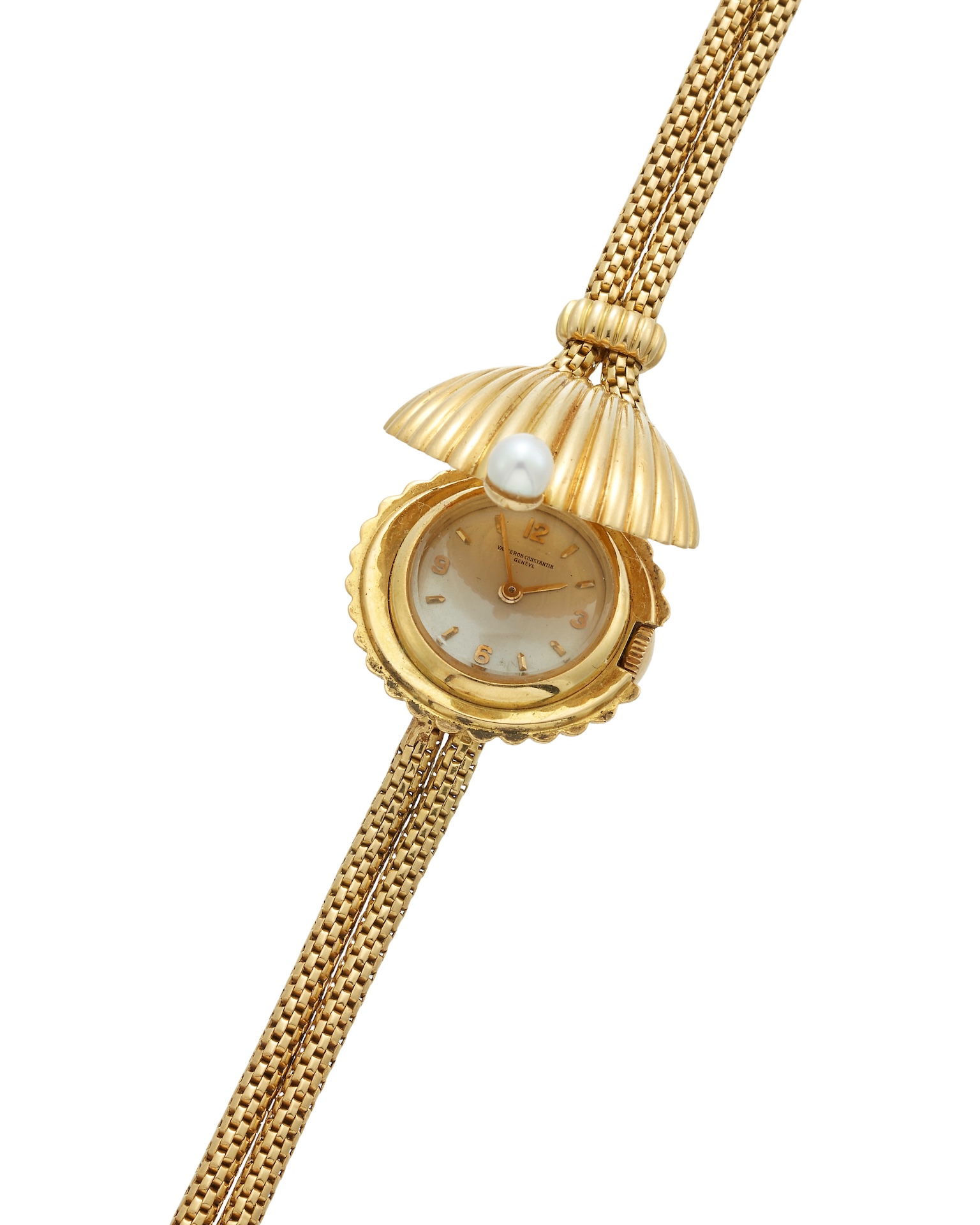
Vacheron Constantin shell watch, up for auction through Roseberys
Nick Carter, the Managing Director of Lots Road Auctions, which hosted its first standalone Luxe Auction last year, has found that two categories are really capturing the imagination of buyers — watches and fine art. The auction house will hold a sale of pieces from interior designer Anouska Hempel in November. “We expect the momentum we’re seeing now to continue — and even accelerate — in the coming years,” he says. “More than ever, buyers are after authenticity, craftsmanship and stories behind the pieces they invest in. Luxury is no longer just about status; it’s about personal connection and lasting value.”
Concerns about sustainability and the growth of “conscious consumption,” are changing attitudes and priorities among luxury consumers. “Auctions offer a way to participate in luxury that feels responsible and rewarding,” Carter explains. “Rare watches, iconic handbags, fine jewellery and fine art will remain cornerstones, but expect to see an even greater appetite for unique items that carry history and character. Ultimately, this trend reflects a broader shift. Luxury buyers want pieces that resonate emotionally and financially — items that tell a story, hold their value and fit seamlessly into a thoughtful, modern lifestyle. It’s an exciting time for the market — and for collectors who know that true luxury is timeless.”
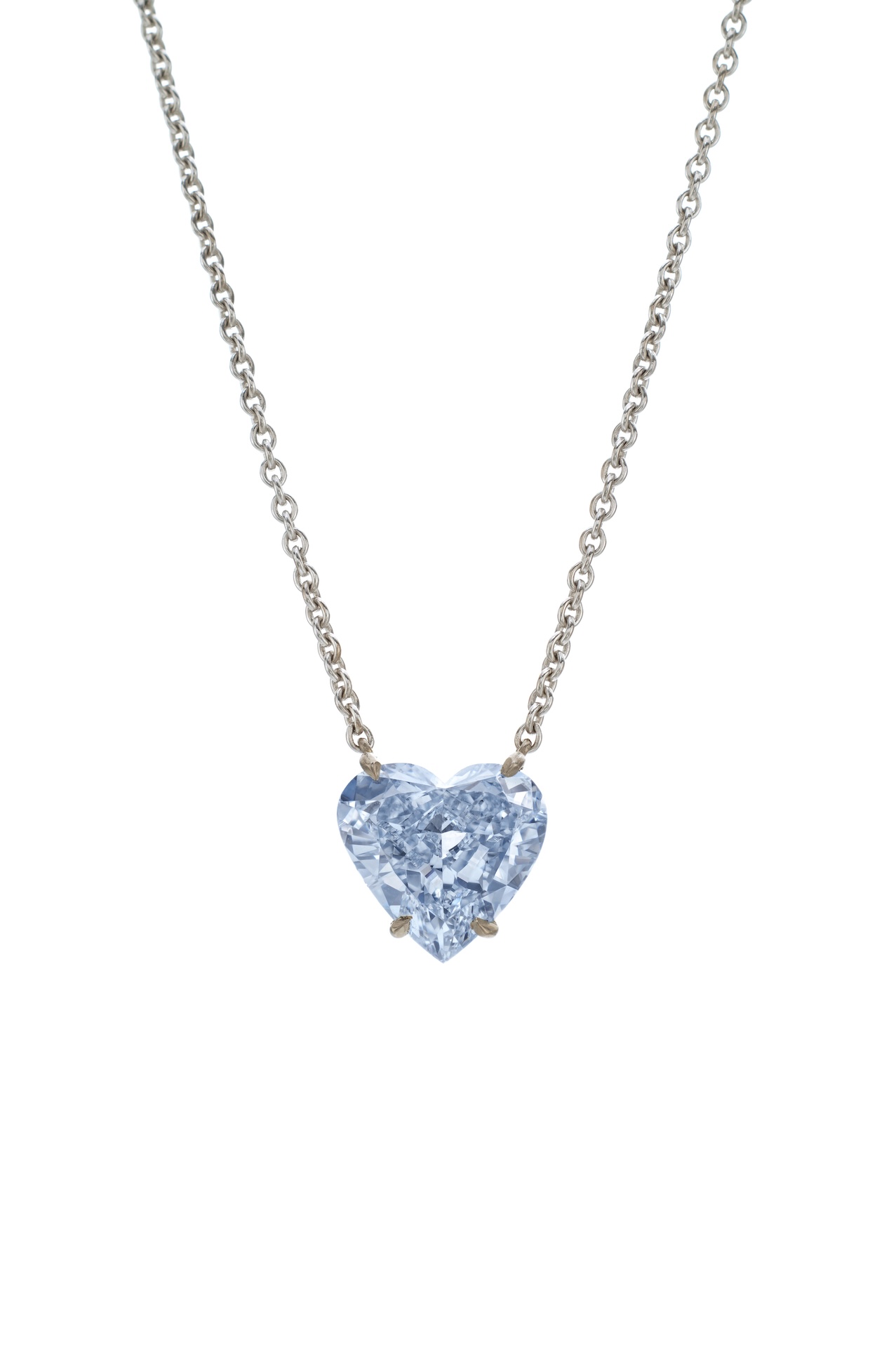
A diamond pendant necklace sold at Sotheby’s for approximately £900,000 earlier this year