10 Decades of Queen Elizabeth II
Words by
Lucinda Gosling
21st April 2026
Through 10 decades, Queen Elizabeth II was a front-row witness to history, and a frequent participant in moments that mattered. Lucinda Gosling charts the ups and downs of her long and eventful reign.
Republished from The Illustrated Royalty in Britain Magazine by Illustrated London News.
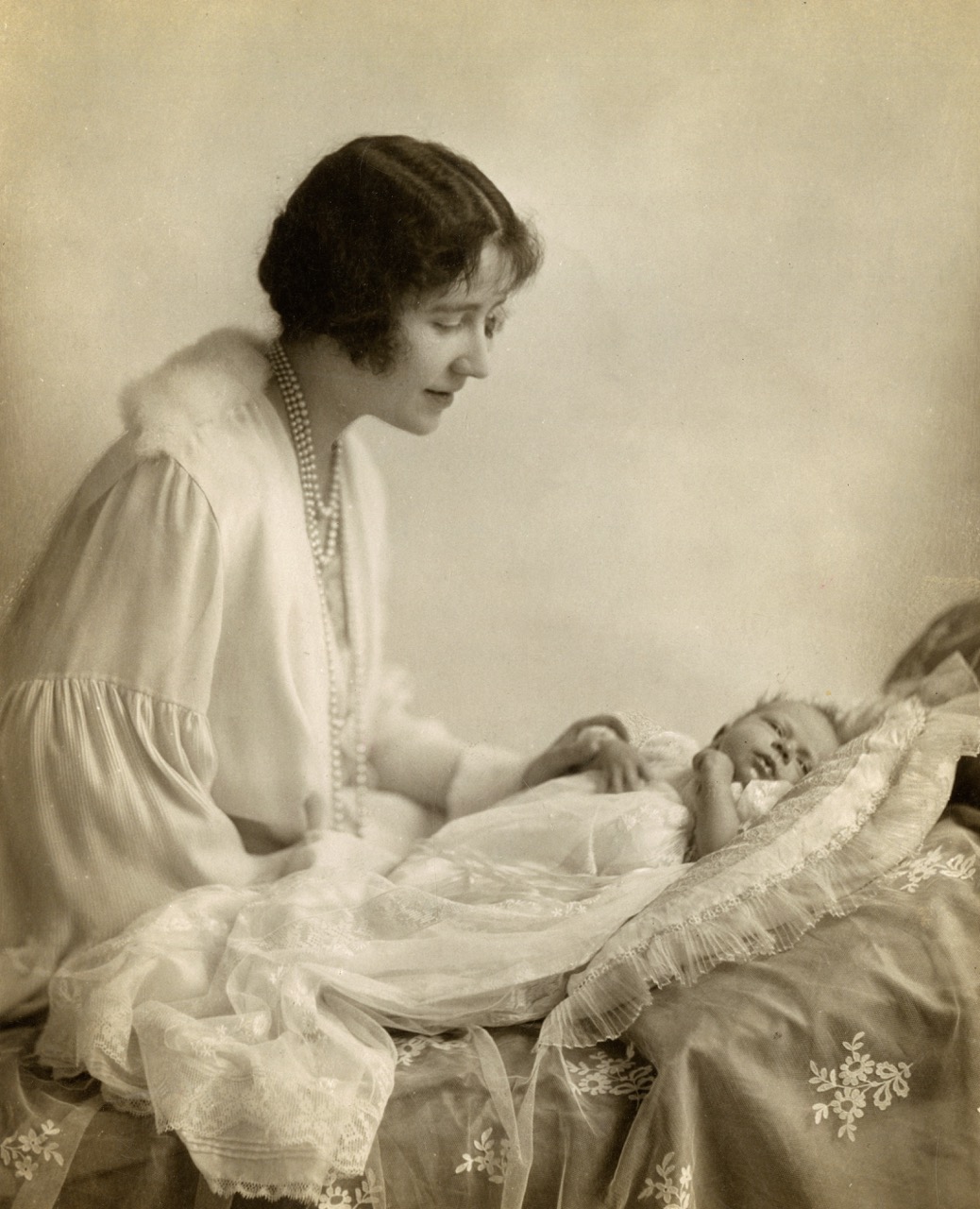
The Duchess of York with the baby Princess Elizabeth, pictured in The Sphere in May 1926. ©Mary Evans Picture Library.
1926
Princess Elizabeth of York is born on 21 April 1926, at 17 Bruton Street, the London home of her maternal grandparents, the Earl and Countess of Strathmore. The Duke and Duchess of York stay there for three weeks with their newborn baby and are therefore in the heart of London when a General Strike is called across Britain on 4 May. An estimated 2.5 million workers in transport, gas, electricity, building, engineering, iron, steel and printing come out in support of the country’s coal miners, who are protesting against reduced wages and longer working hours. According to Winston Churchill, then Chancellor of the Exchequer, the country loses an estimated £4 million in revenue due to the shutdown, but after eight days, with little public support, the strike is called off. King George V, while sympathising with the strikers, noted the peaceful outcome of the crisis in his diary: “Our dear old country can be proud of itself,” he wrote with relief. “It shows what a wonderful people we are.”
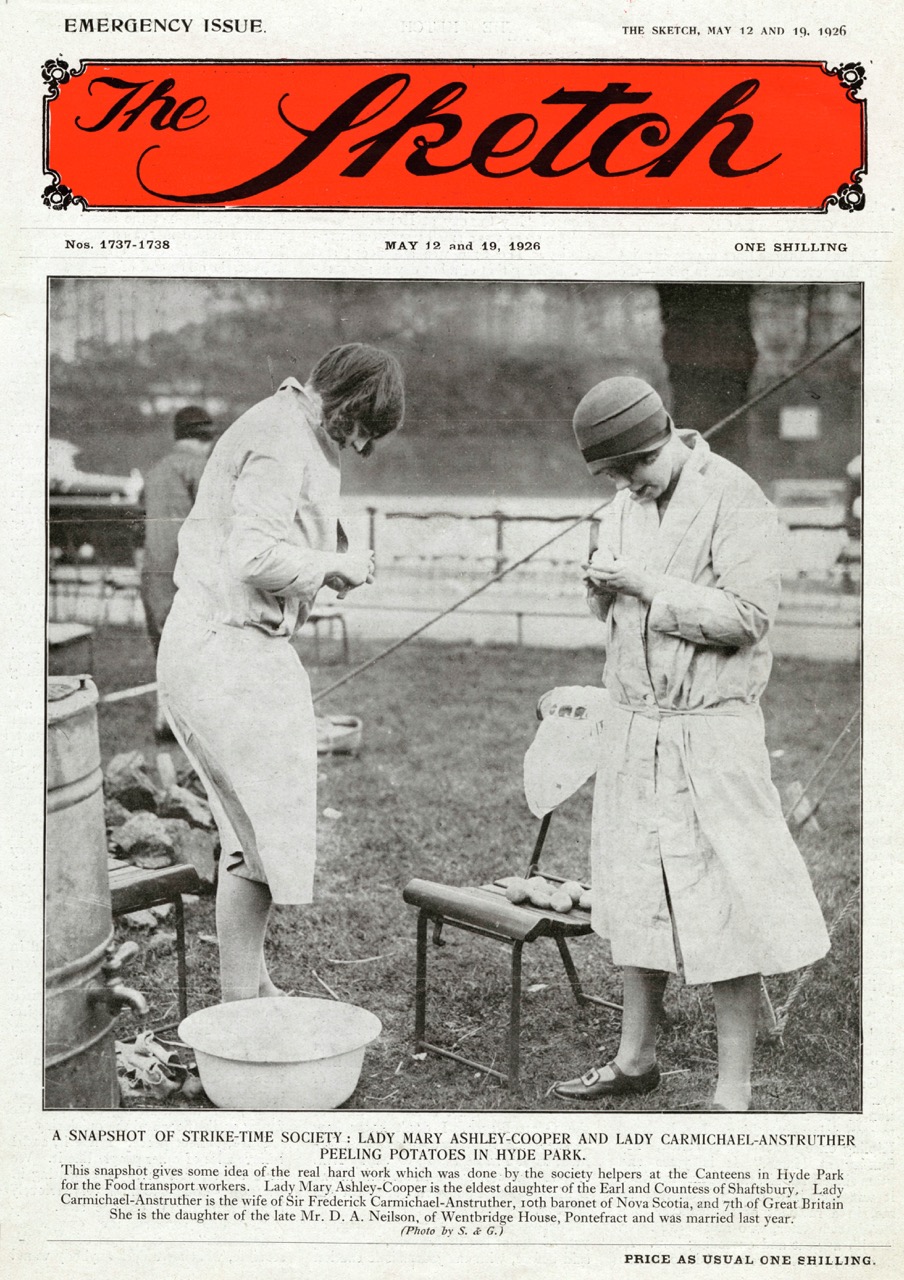
Lady Mary Ashley-Cooper and Lady Carmichael-Anstruther peeling potatoes in Hyde Park, from The Sketch. ©Mary Evans Picture Library.
1927
When Princess Elizabeth is just eight months old, her parents depart on a six-month tour of Australia and New Zealand, leaving her in the care of both sets of grandparents and her nanny, Clara ‘Allah’ Knight. After bidding farewell to her daughter, the Duchess of York writes to her mother-in-law, Queen Mary, admitting she “felt very much leaving on Thursday, and the baby was so sweet playing with the buttons on Bertie’s uniform that it quite broke me up”. But it was not unusual for children in aristocratic circles to be left in this way, and in the case of Princess Elizabeth’s parents, who had been invited to open the Commonwealth Parliament in the new Australian capital of Canberra, duty to the King and the Empire, comes first.
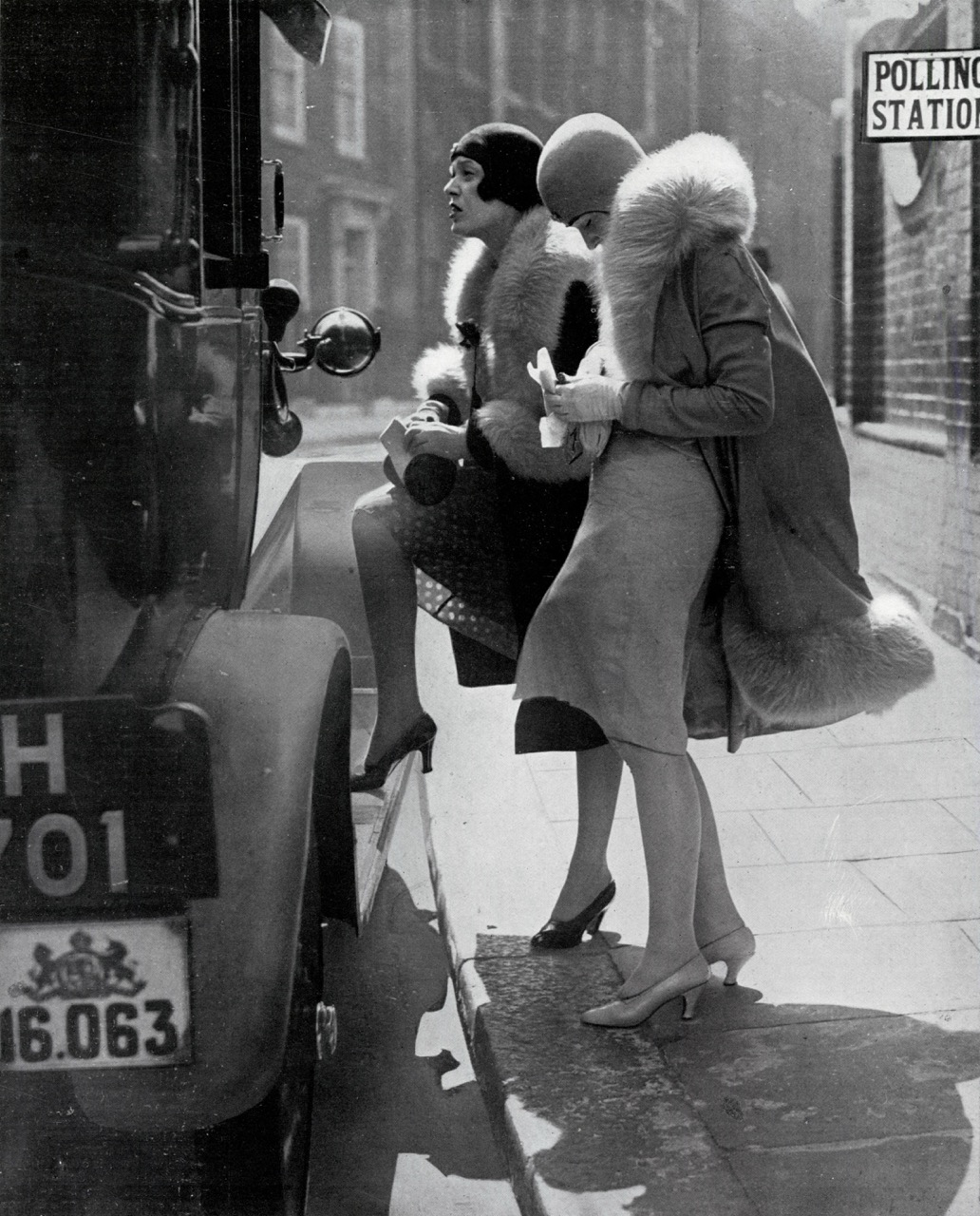
In 1929, women over 21 were able to vote for the first time. ©Alamy.
1929
In the General Election, all women over 21 can vote for the first time following the Representation of the People Act the previous year. It is known as the ‘flapper vote’. King George V, receives Britain’s Labour Prime Minister, Ramsay MacDonald in his bedroom at Windsor as he is recovering from an operation for a pleural abscess. During The King’s long convalescence, Princess Elizabeth joins her grandparents in the seaside town of Bognor, where her presence greatly lifts the spirits of her ‘Grandpa England’. “G. delighted to see her,” writes Queen Mary in her diary.
The 1930s
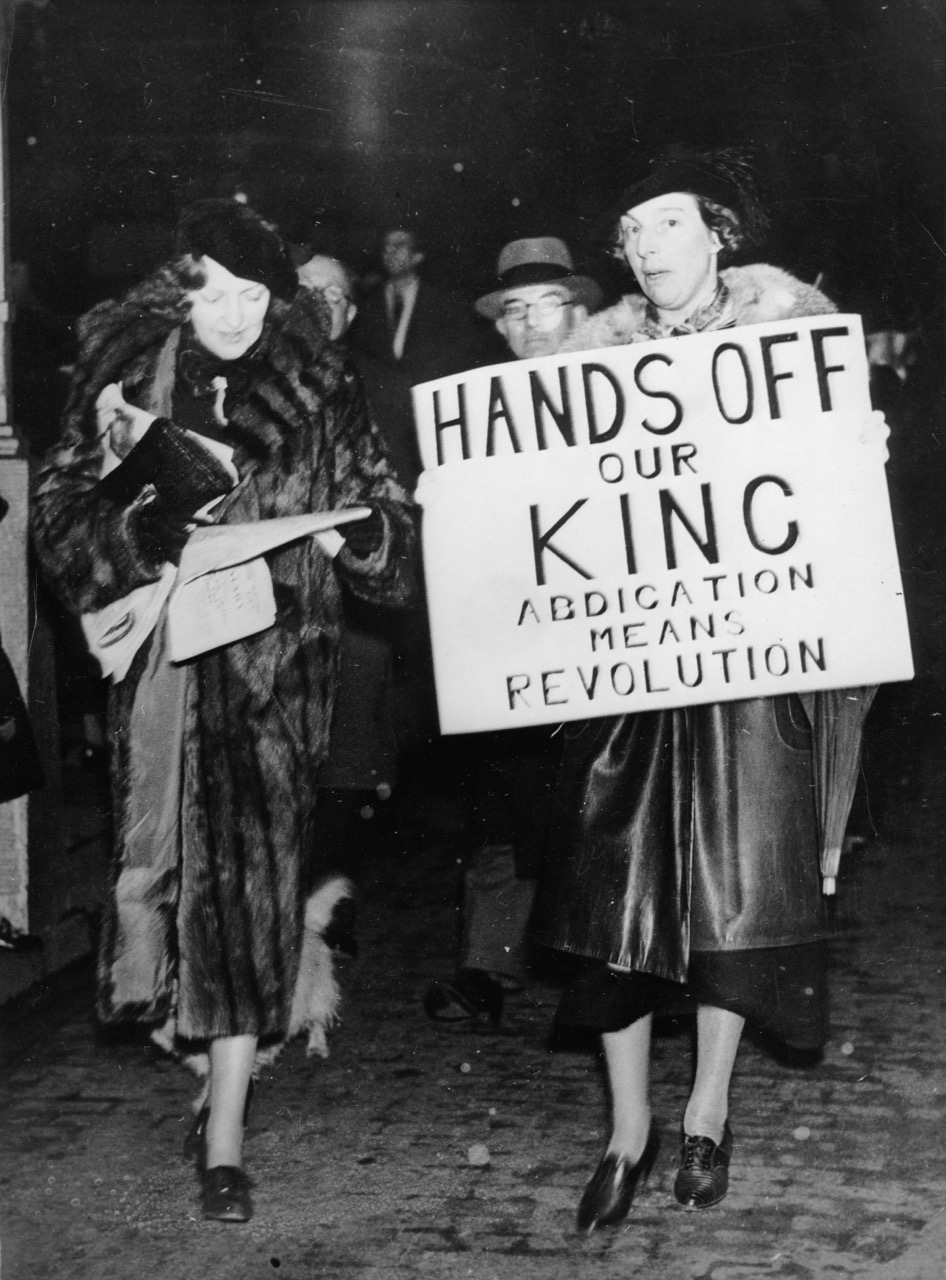
Demonstrators about The King's abdication. ©Mary Evans Picture Library.
1931
Repercussions of the Wall Street Crash are felt in Britain as the pound is devalued by 30 per cent. King George V urges his family to economise in line with the rest of the country, and decrees that Civil List payments to himself and his sons be cut by half. The Duke and Duchess of York, used to renting winter homes, now use Royal Lodge in Windsor as their country home. Y Bwthyn Bach, a miniature cottage built and given to Princess Elizabeth by the people of Wales, stands in its grounds. Princess Elizabeth, aged five, undertakes what is considered to be her first public engagement when she is a bridesmaid at the wedding of Lady May Cambridge to Captain Henry Abel Smith at St Mary’s Church in the village of Balcombe in West Sussex.
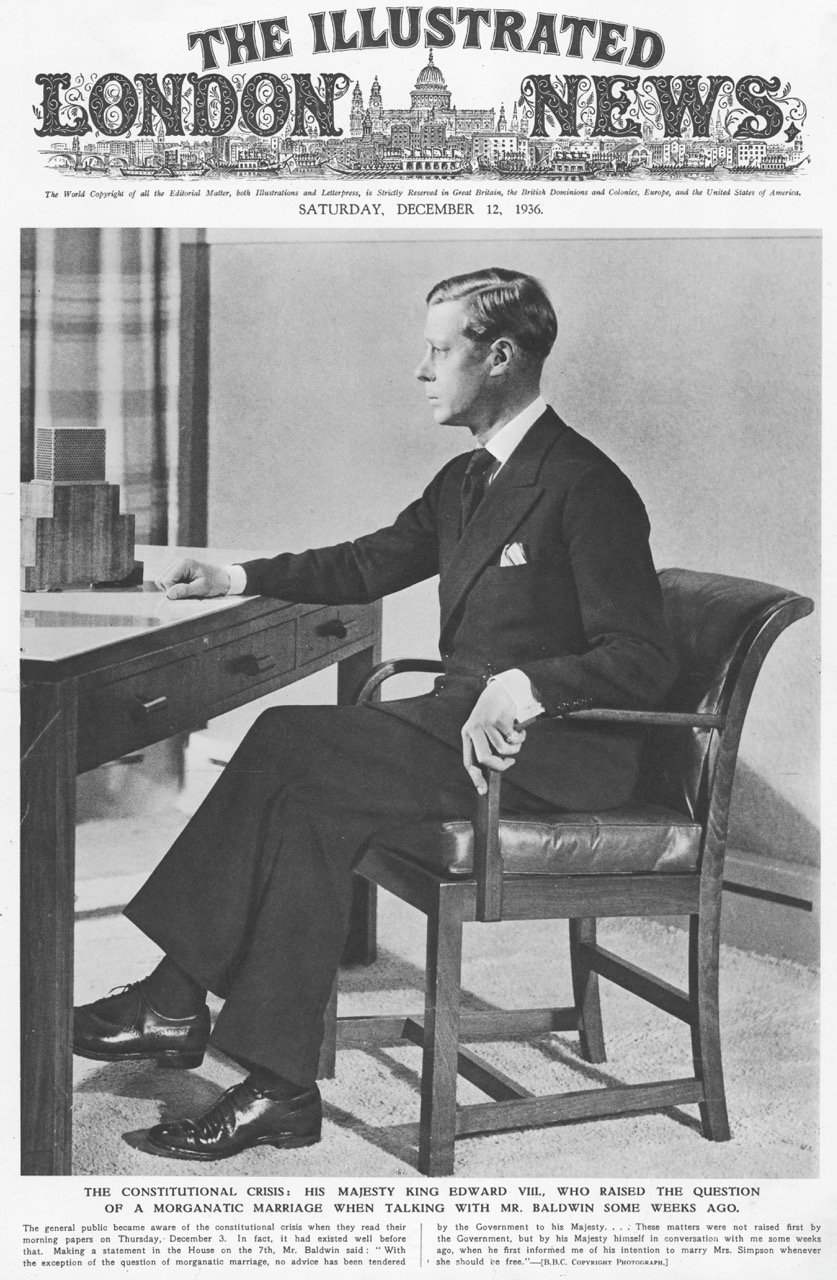
Britain faces a constitutional crisis over Edward VIII and Mrs Simpson. ©Mary Evans Picture Library.
1936
After several years of ill health, King George V dies at Sandringham on 20 January 1936 and Princess Elizabeth’s Uncle David becomes King Edward VIII. The new King is viewed as a modernising man of the people, a culmination of his high-profile world tours and his visits to deprived areas during the years of economic depression. Adept at public gestures, he is a monarch with flair; widely popular and seen to have the common touch. But behind the scenes, his intensifying love affair with American divorcée Wallis Simpson causes concern. On 9 December 1936, after a reign of less than a year, King Edward VIII abdicates in order to marry Wallis. His younger brother Bertie reluctantly becomes King George VI. On hearing the news, Princess Margaret famously remarks to her older sister, “Does this mean you’re going to become Queen?” Princess Elizabeth replies, “Yes, I suppose it does”, a typically phlegmatic response from a young girl who would go on to be admired for her unwavering sense of duty.
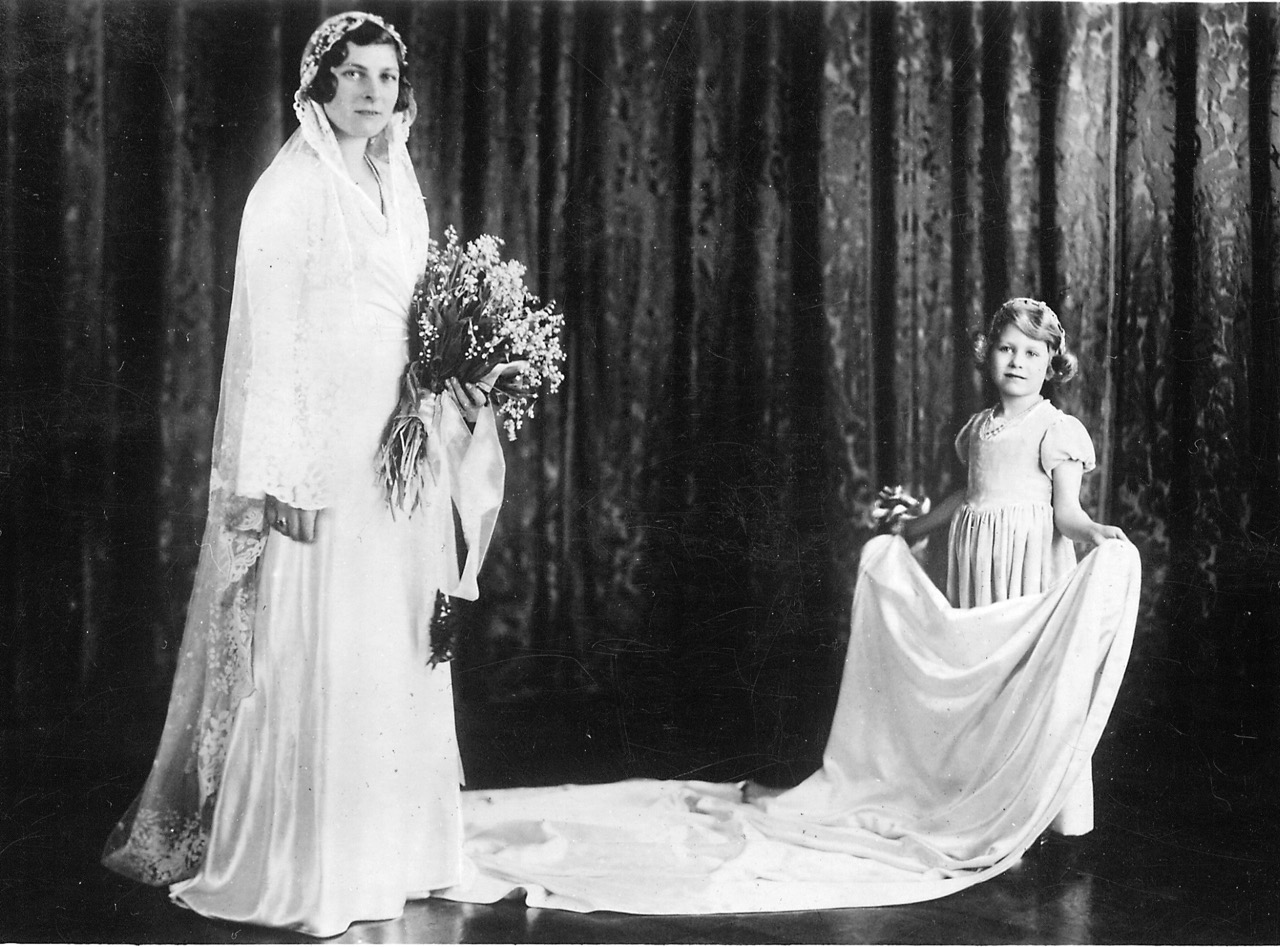
Princess Elizabeth as a bridesmaid. ©Mary Evans Picture Library.
1937
The Coronation of King George VI takes place on 12 May. Princess Elizabeth watches the ceremony beside her grandmother, Queen Mary.
1939
On 3 September, Britain declares war on Nazi Germany.
The 1940s
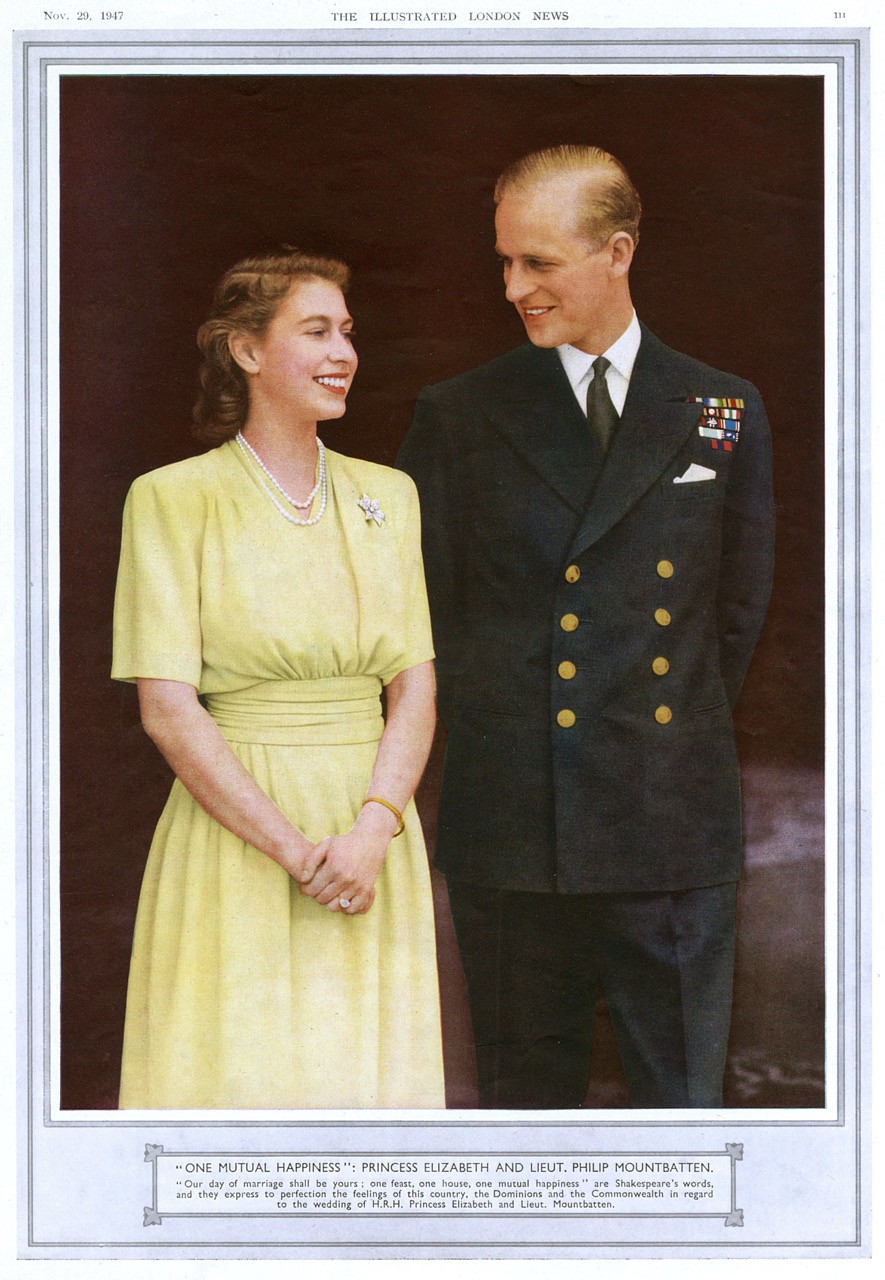
Princess Elizabeth and Lieutenant Philip Mountbatten in the Royal Wedding Number of The Illustrated London News in 1947. ©Mary Evans Picture Library.
1940
On 12 May 1940, Princess Elizabeth and Princess Margaret move to Windsor Castle with their governess, Marion Crawford, and a changing cohort of Grenadier Guards as protection. The exact location of their whereabouts remains undisclosed. Buckingham Palace is bombed in September 1940 when The King and Queen are in residence. The Royal Family plays a pivotal part in maintaining national morale through the war years, with Princess Elizabeth being no exception. In October 1940, she makes her first radio broadcast aimed at British children sent overseas saying: “We know from experience what it means to be away from those we love most of all.” She and her sister are depicted in the press bearing their isolation with stoicism, knitting and sewing, or learning useful skills as Girl Guides.
It is made known that the privations of war extend to royalty too, with reports that dresses are being altered and birthday cakes made from the simplest ingredients. The Royal Family’s perceived ‘ordinariness’ and their own wartime experiences, while distinct from those of most of the population, are nevertheless totemic of the family values and decency for which the armed forces are fighting.
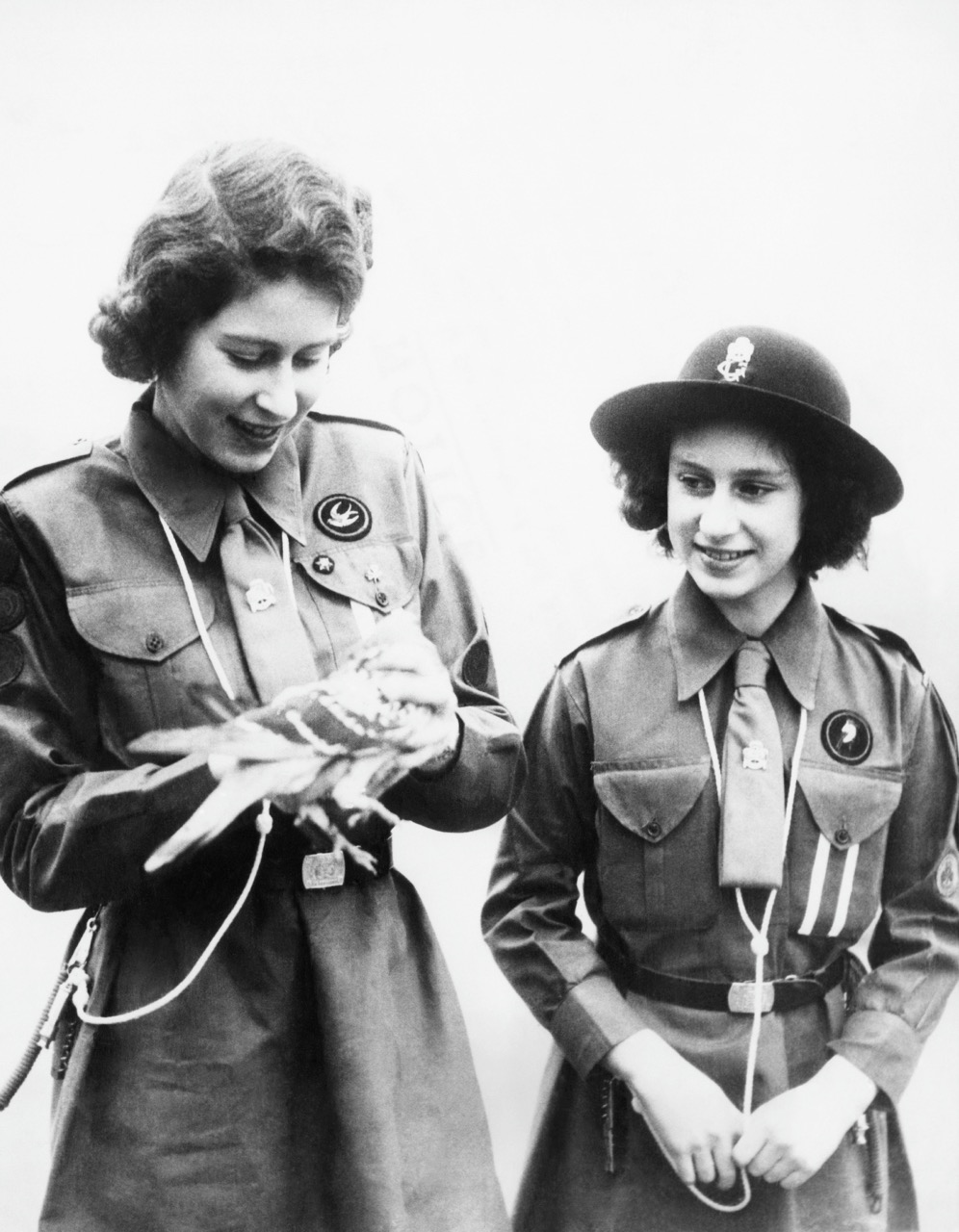
Girl Guides Elizabeth and Margaret send a message by courier pigeon in 1943. ©Mary Evans Picture Library.
1945
In the spring of 1945, Princess Elizabeth joins the Auxiliary Territorial Service (ATS) and takes a driving and vehicle maintenance course at Camberley, Surrey. On 8 May, as the nation celebrates VE Day, she appears in uniform on the balcony of Buckingham Palace alongside her mother, father and sister, to acknowledge the cheering crowds gathered below. Later that day, she and Princess Margaret mingle, mostly unrecognised, with the revellers celebrating the end of the war in Europe.
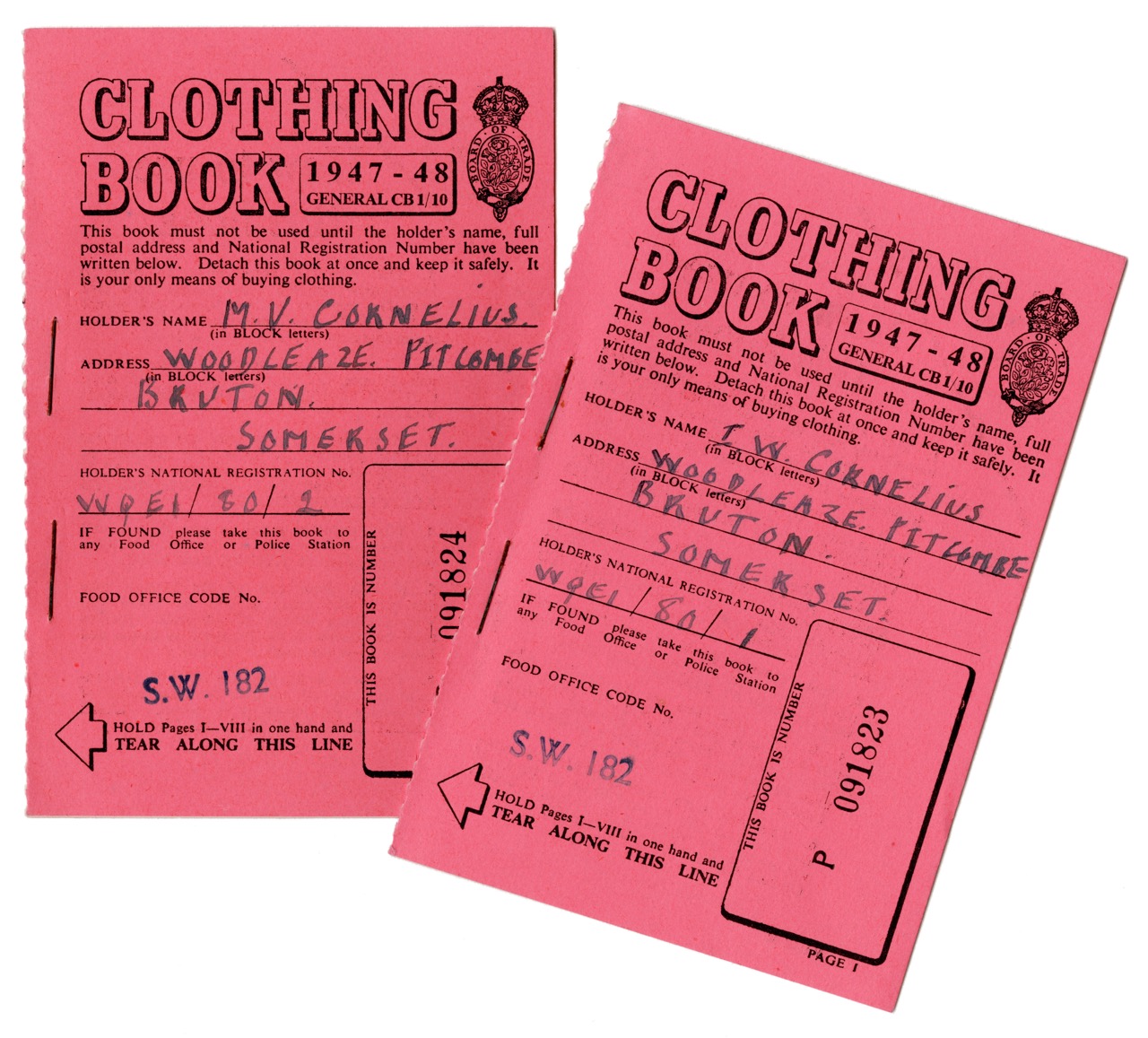
Clothing coupons issued during rationing – Princess Elizabeth received 200 towards her wedding dress. ©Mary Evans Picture Library.
1947
The National Health Service is established by the post-war Labour government, promising healthcare for all, from cradle to grave. In July 2022, 75 years later, Queen Elizabeth II would award the George Cross to representatives of the NHS in recognition of its outstanding work. Princess Elizabeth embarks on her first royal tour, accompanying her parents and sister to South Africa. In July of that year, her engagement to Lieutenant Philip Mountbatten is announced. The wedding takes place at Westminster Abbey on 20 November, an event described by Sir Winston Churchill as “a flash of colour on the hard road we travel”. Rationing is still in place and Princess Elizabeth is given 200 clothing coupons towards her Norman Hartnell dress, while ingredients for the wedding cake are donated from around the world, including flour from Canada and rum from Jamaica.
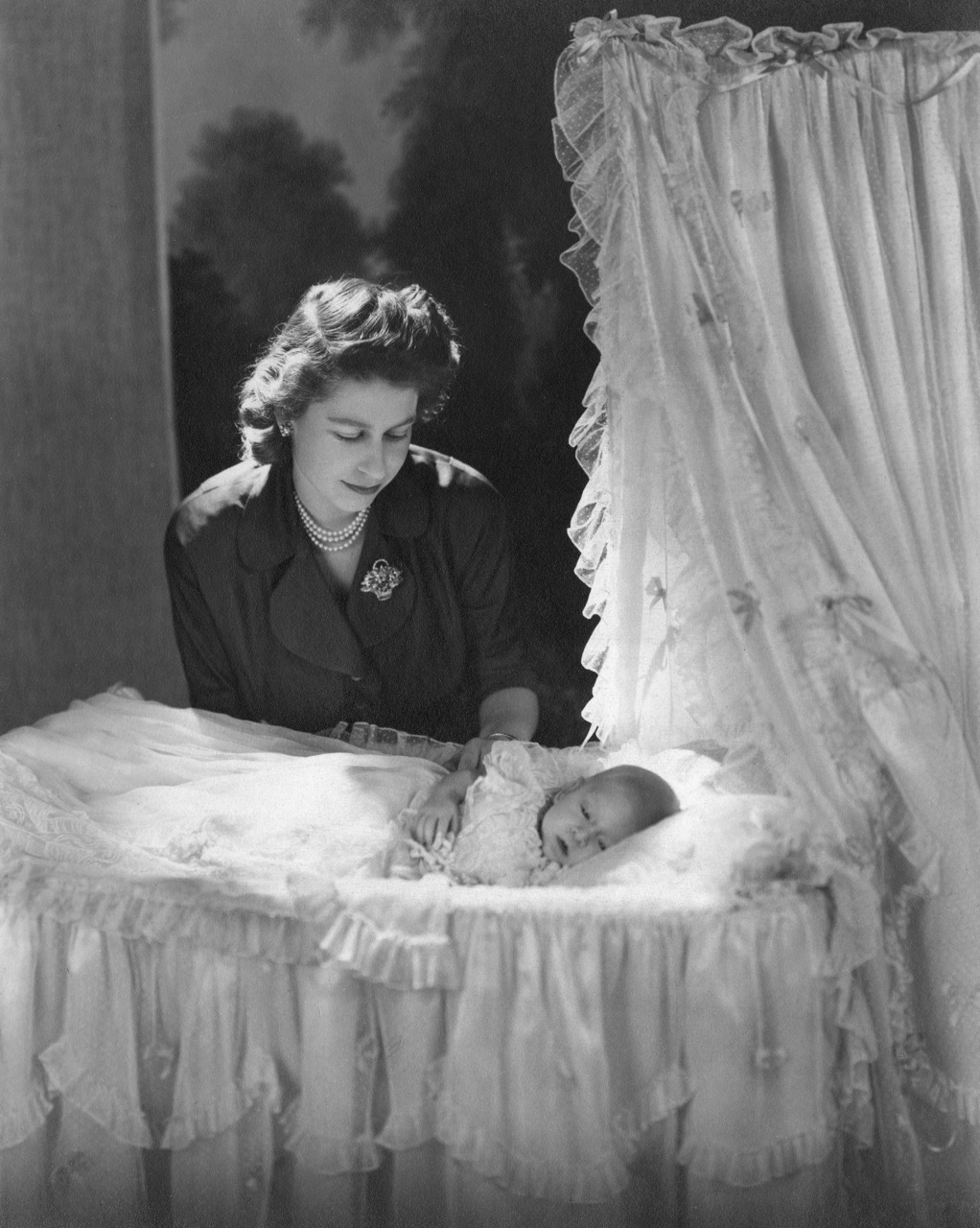
The first official portrait of the Princess with Prince Charles, taken by Cecil Beaton in 1948. ©Mary Evans Picture Library.
1948
Princess Elizabeth gives birth to a baby boy on 14 November 1948 at Buckingham Palace. The future King Charles III is the first of her four children. In celebration of the new arrival, gun salutes are fired and the fountains in nearby Trafalgar Square are illuminated in blue.
The 1950s
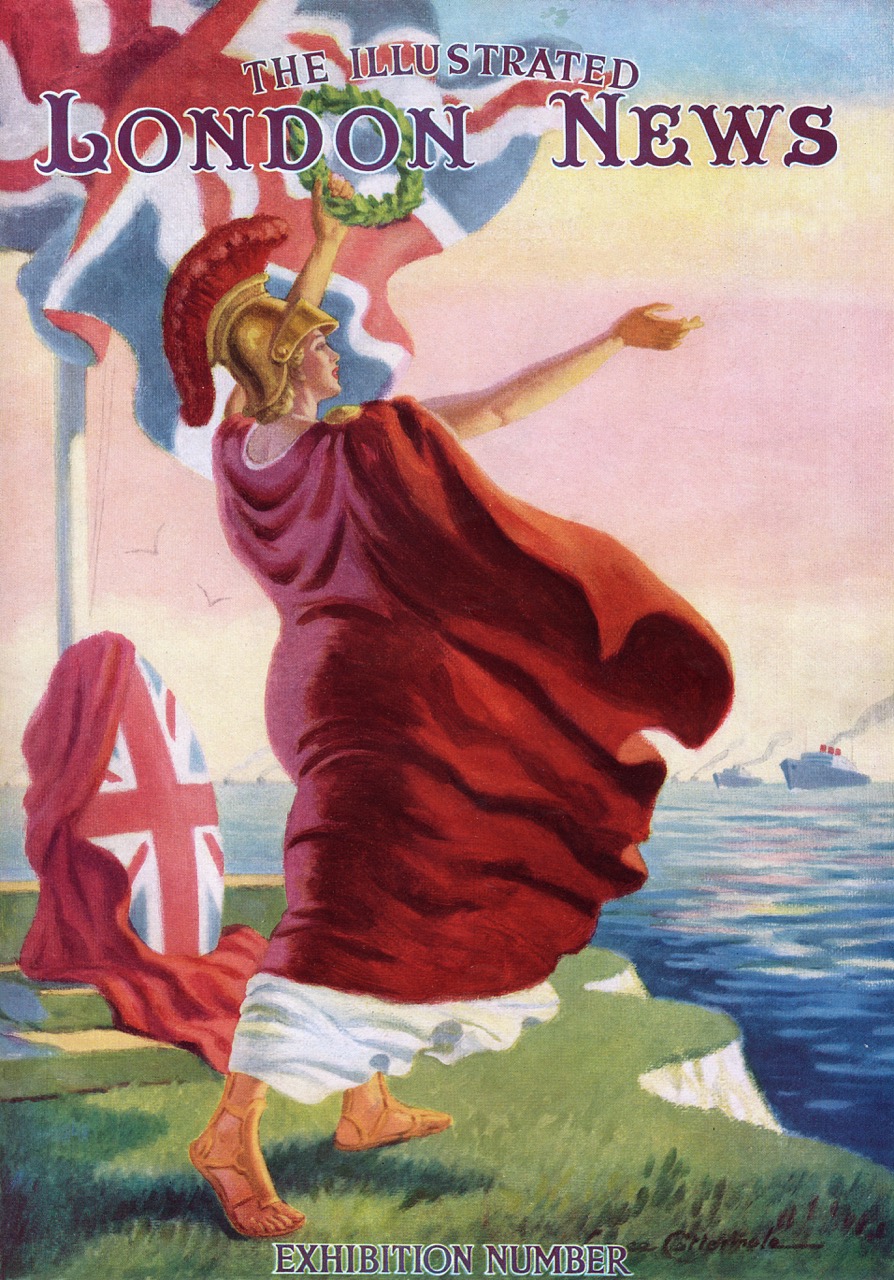
A May 1951 issue of The Illustrated London News celebrating the Festival of Britain. ©Mary Evans Picture Library.
1951
The Festival of Britain takes place between May and September, marking the centenary of the Great Exhibition organised by Prince Albert, and offering an optimistic celebration of British art, design, science and industry in the austere post-war years. The festival is officially opened by King George VI from the steps of St Paul’s Cathedral on 3 May and the Royal Family visits the festival site on London’s South Bank the following day. Princess Elizabeth visits festival events in other cities, including Glasgow and Norwich. Together with The Duke of Edinburgh, she departs the UK on 8 October for a successful five-week tour of Canada, a trip that confirms her role as a fully fledged working royal.
1952
On 6 February, King George VI dies in his sleep at Sandringham. Although his health has been deteriorating for some time, it is unexpected, and his daughter is on holiday in Kenya ahead of a tour of Australasia. The news is broken to her by her husband who had been informed by their aide, Major Martin Charteris. The latter tells a press conference that she received the news “Bravely, like a queen”. The following day, she disembarks from a plane at London Airport, pale but composed, and is met by the Prime Minister, Winston Churchill. The Illustrated London News, reporting
on The King’s death, writes: “We take this opportunity of voicing our deep sorrow and loyal sympathy with The Queen and all the Royal Family, and most particularly with Princess Elizabeth, who now takes up the heavy responsibilities to which her destiny has called her.”
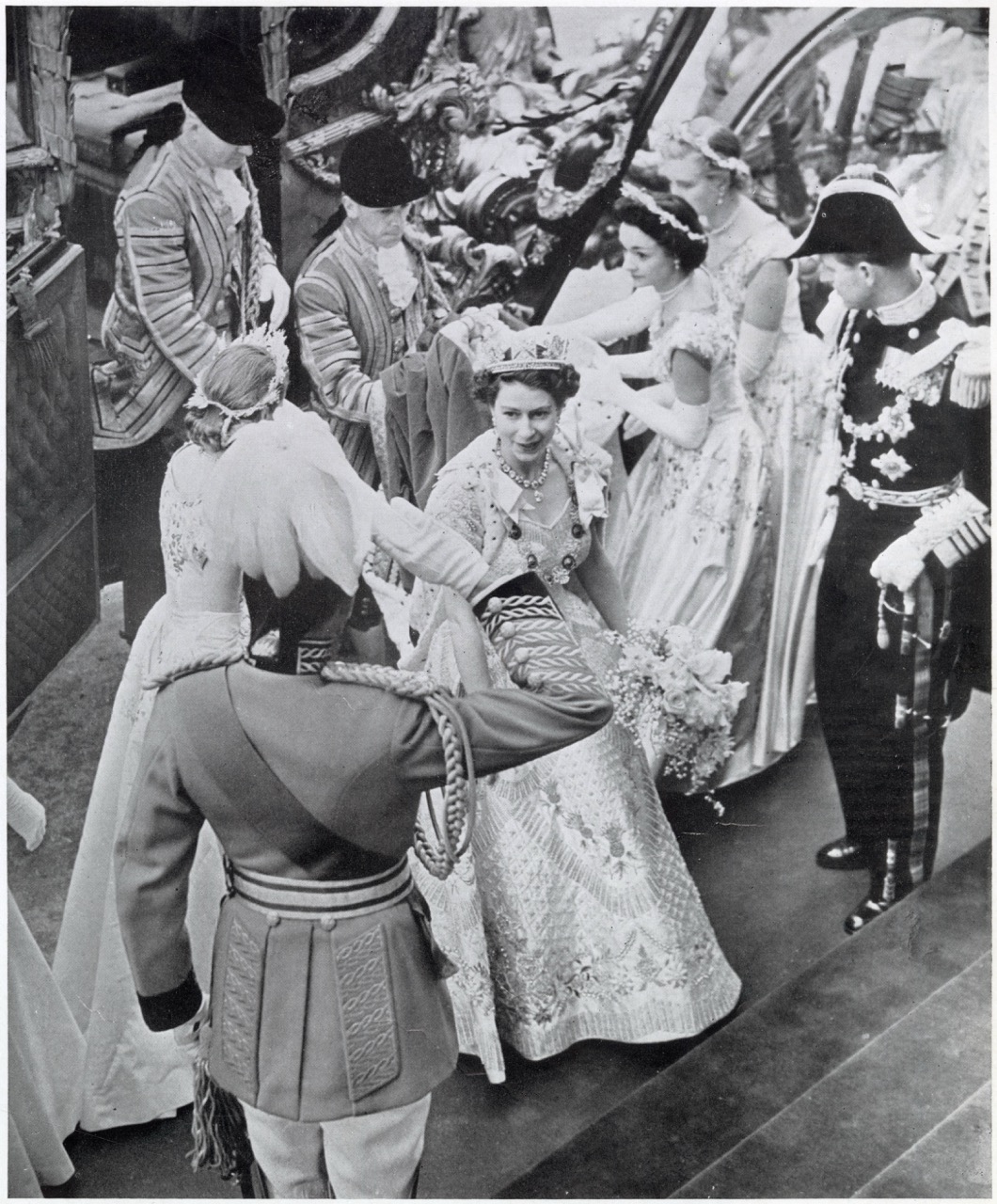
Queen Elizabeth II arrives at Westminster Abbey for her Coronation in June 1953. ©Mary Evans Picture Library.
1953
The Coronation of Queen Elizabeth II takes place on 2 June, heralding a new Elizabethan Age.
1956
After Egypt nationalises the Suez Canal, Israel invades, followed by Britain and France, who do so on the pretence of peacekeeping. As constitutional monarch, The Queen is at the centre of the deepening Suez Crisis. She is privy to more information than some Cabinet ministers, but must remain neutral in her opinions, upholding the monarch’s role, to ‘advise and warn’ her Prime Minister. The Queen’s views on Suez remain private, although one courtier later suggests she may have asked the Prime Minister, Anthony Eden, “Are you sure you are being wise?” The Suez Crisis leaves Britain’s relationship with its ally, the United States, strained and its status on the world stage considerably diminished.
1957
Television ownership has been increasing across the United Kingdom, initially spurred by The Coronation. On Christmas Day, The Queen delivers her first televised Christmas message live from Sandringham.
The 1960s
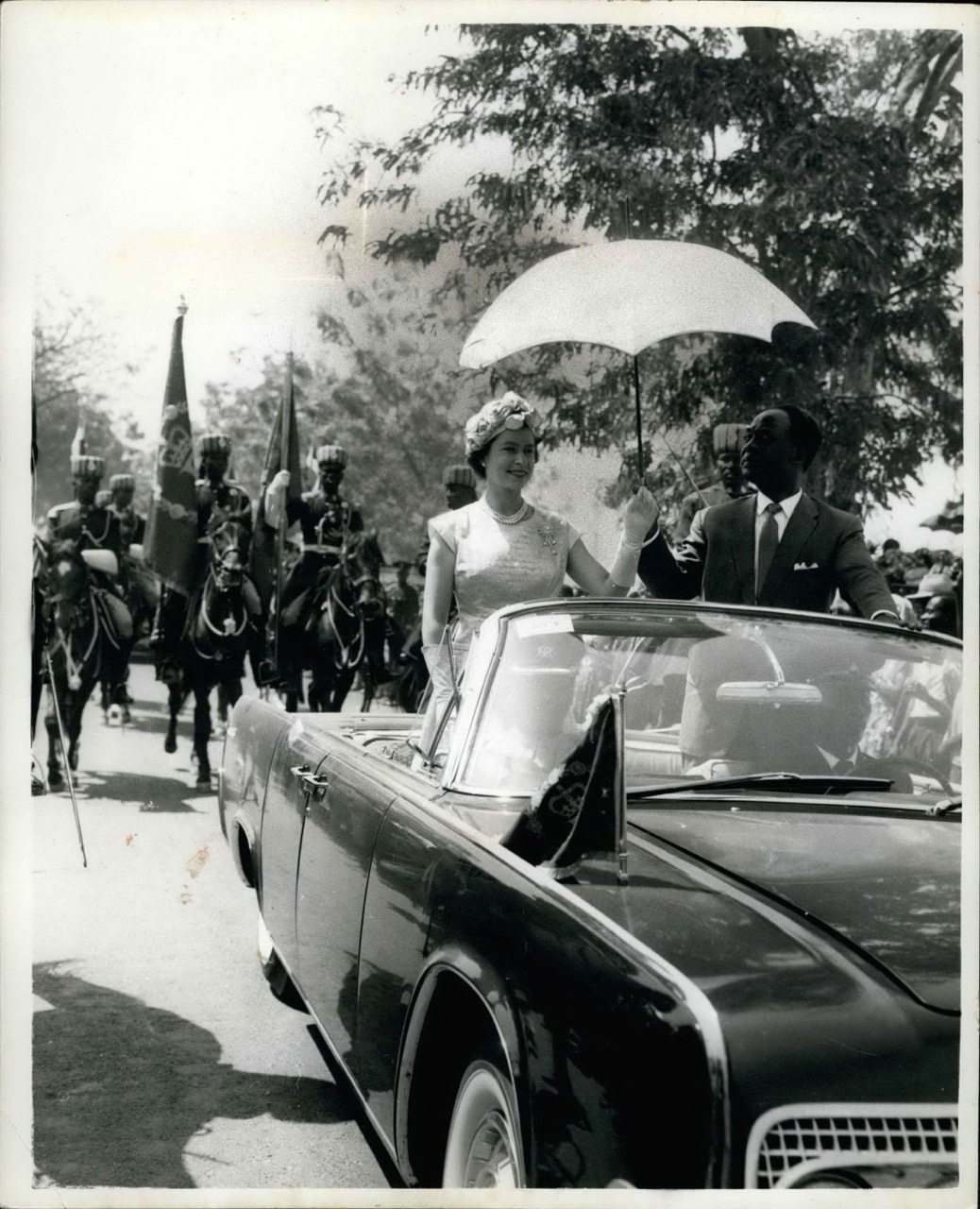
The Queen with President Kwame Nkrumah of Ghana during her state visit. ©Mary Evans Picture Library.
1960
The wedding of Princess Margaret to Antony Armstrong-Jones takes place on 6 May at Westminster Abbey.
1961
The Queen makes a state visit to Ghana, which had gained independence from the United Kingdom in 1957 but is a member of the modern Commonwealth of Nations. Now a republic under the leadership of President Kwame Nkrumah, it is a country where there is single-party rule and anti-British sentiment is high. There are fears among government advisers and the Prime Minister, Harold Macmillan, over The Queen’s safety, but as Head of the Commonwealth, to which she is wholeheartedly committed, she insists on going ahead (having cancelled a proposed trip in 1959 because of pregnancy). The visit passes without incident and the Ghanaian press calls her “the greatest socialist monarch in the world”.
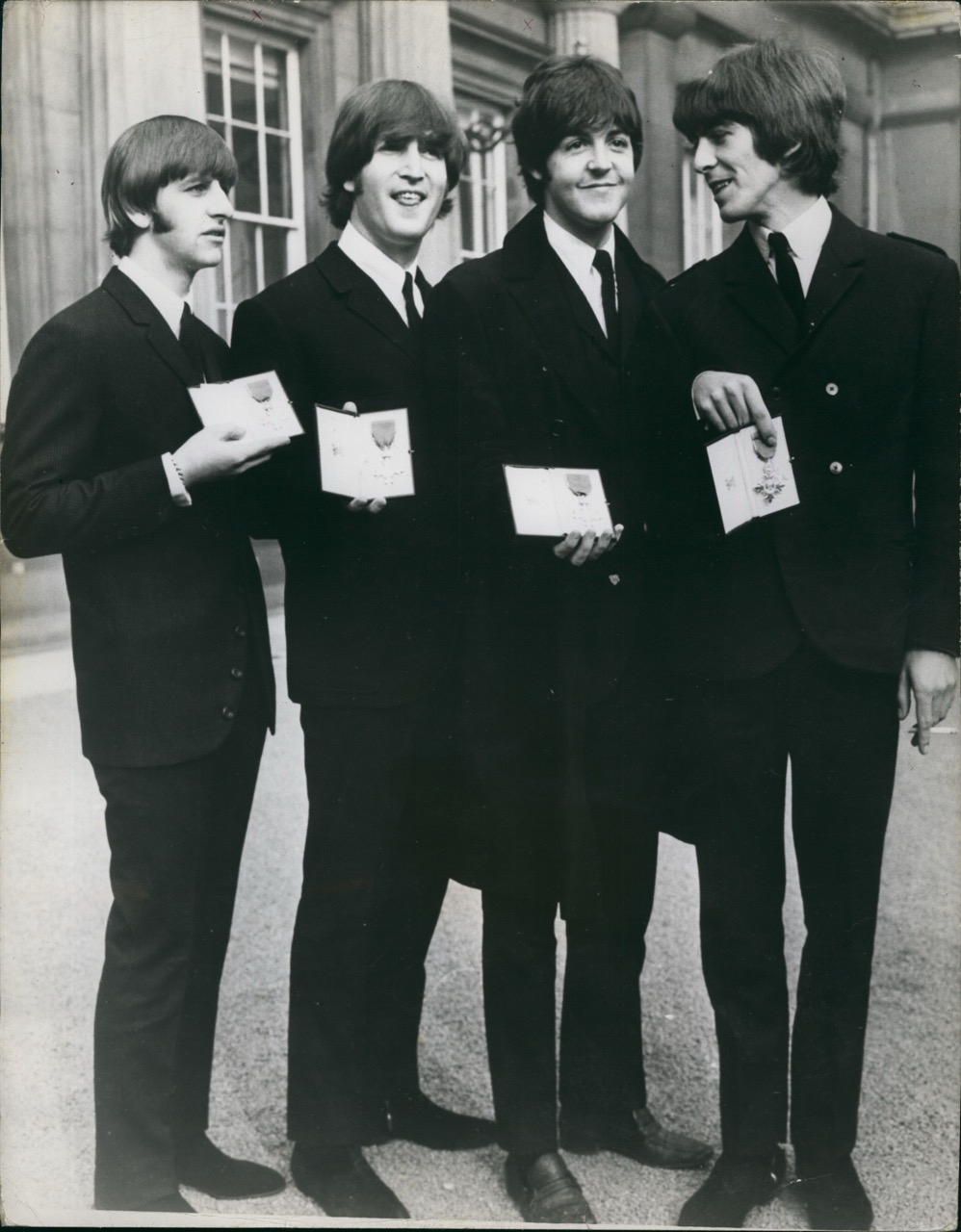
The Beatles at their MBE investiture. ©Mary Evans Picture Library.
1965
On 26 October, The Beatles collect their MBEs from The Queen at Buckingham Palace. Some former recipients are so incensed that they return their own awards, and one war veteran sends back his medals. When the Fab Four meet The Queen she asks them, “Have you been together long?” Paul McCartney replies, “Yes, many years” and Ringo Starr adds, “Forty years” causing her to laugh. Recognition of The Beatles and their contribution to British music is instigated by the Prime Minister, Harold Wilson. It is seen as part of a wider effort to move with the times. In 1969, John Lennon would post his MBE back in protest at Britain’s involvement in the Nigeria/Biafra conflict and its support of the Vietnam War.
1966
The Welsh mining village of Aberfan suffers an unimaginable tragedy on 21 October when a spoil heap collapses, engulfing a primary school and killing 116 children and 28 adults. The Queen delays visiting Aberfan for six days, expressing concern that her presence may hamper rescue efforts. It is a misjudgement in a situation calling for a more instinctive, instantaneous response. When she does visit, she is visibly moved by what the Aberfan community has endured. On 30 July, England win the World Cup, beating West Germany 4-2 (after extra time) in the final at Wembley. The Queen presents the trophy to England captain, Bobby Moore.
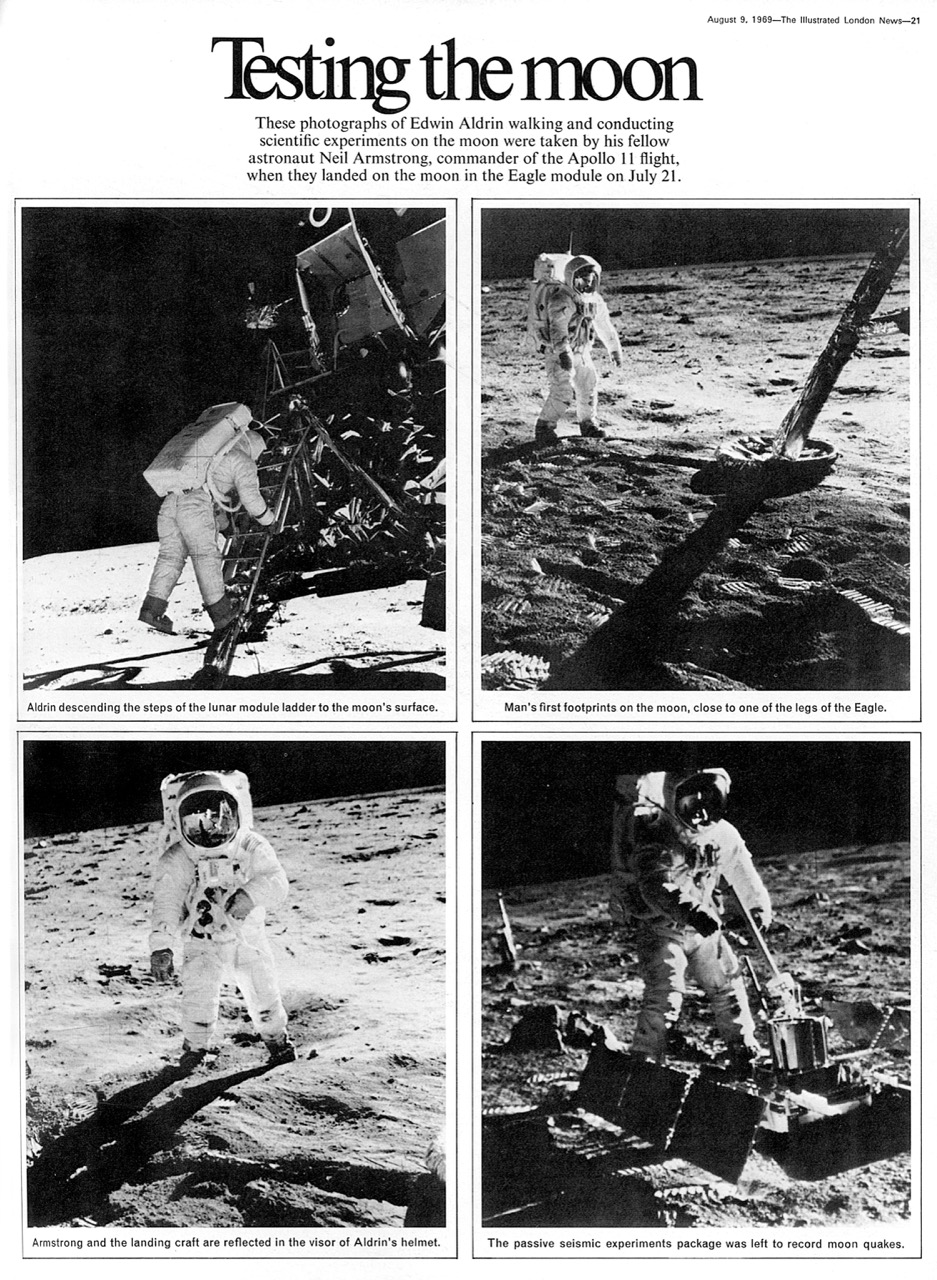
The Illustrated London News features Neil Armstrong’s pictures of fellow Apollo 11 astronaut Buzz Aldrin on the moon. ©Mary Evans Picture Library.
1969
The Royal Family stars in a fly-on-the-wall documentary. Transmitted on BBC1 on 21 June, Royal Family is watched by an estimated 68 per cent of the British population, who tune in to see private moments like The Queen buying Prince Edward an ice cream, or the Royals preparing for a family barbecue. Intended to present a positive portrait of a modern monarchy, some argue that Royal Family damages their mystique, fuels a less reverential attitude and encourages future intrusion.
The Investiture of The Prince of Wales takes place at Caernarfon Castle on 1 July, in a ceremony that has its roots in the medieval era but is beamed into the country’s living rooms through modern technology. The Queen sends a message to the Apollo 11 astronauts after the first moon landing, stating: “I salute the skills and courage which have brought man to the moon. May this endeavour increase the knowledge and well-being of mankind.” On 15 October, the astronauts are invited to Buckingham Palace. Neil Armstrong, suffering from a bad cold, has the mortifying experience of accidentally coughing in The Queen’s face.
The 1970s
1971
The UK moves to decimal currency on 15 February (pictured below). A new profile portrait of The Queen by Arnold Machin appears on the decimal coinage.
1973
Princess Anne marries Captain Mark Phillips at Westminster Abbey on 14 November.
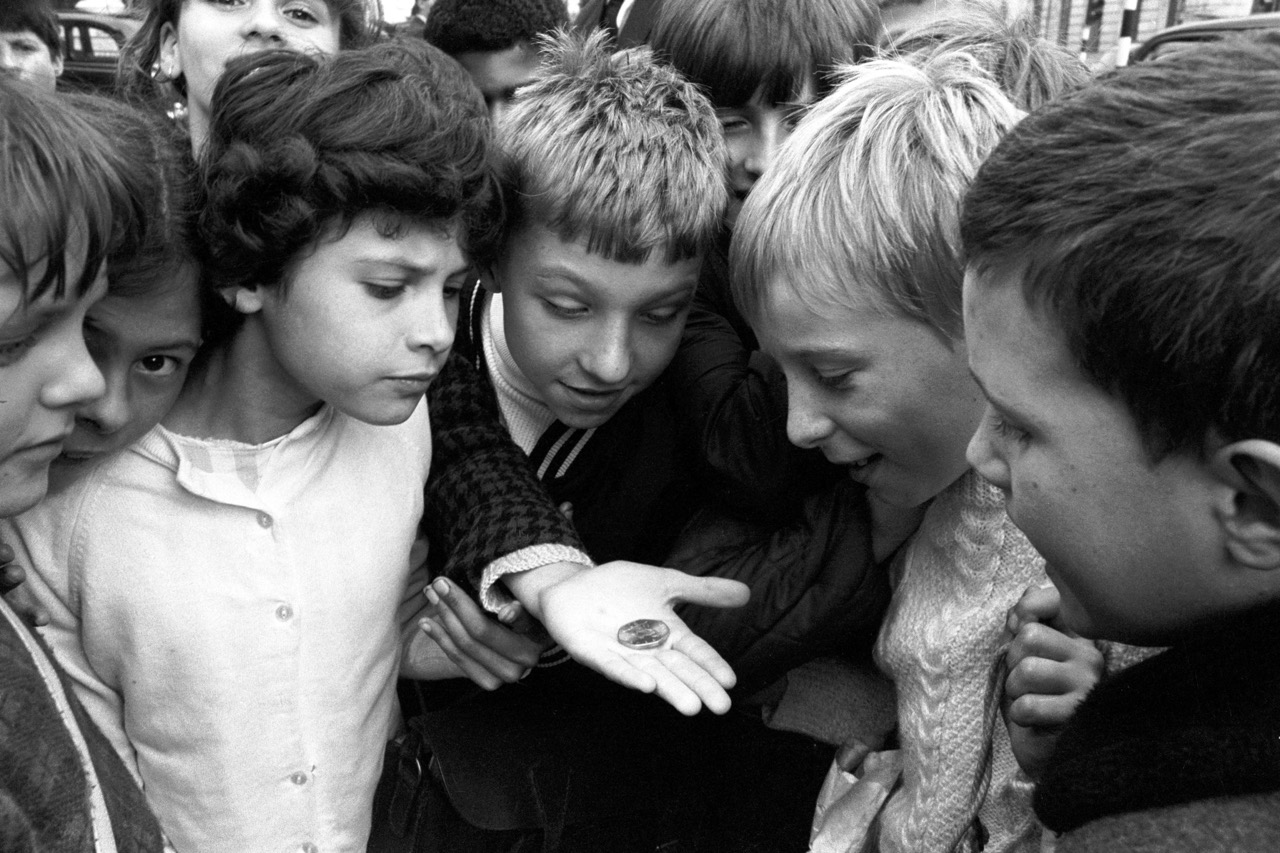
The UK moves to decimal currency on 15 February 1971. ©Alamy
1977
The country celebrates the Silver Jubilee of Queen Elizabeth II, with street parties fostering a feel-good atmosphere across the nation. The Queen and Prince Philip travel a total of 56,000 miles, touring the UK and Commonwealth countries to mark her 25 years on the throne. This includes a visit to Northern Ireland during the Troubles. In a speech to the people of Ulster, she appeals for them to put aside “old fears and attitudes born of history” and to “turn into reality our hopes for a peaceful and stable future”. There is further cause for celebration this year with the birth of Her Majesty’s first grandchild, Peter Phillips, on 15 November.
1979
In May, Conservative leader Margaret Thatcher becomes Britain’s first female Prime Minister, and for the first time in British history, the two highest constitutional positions are occupied by women. On 27 August, while on holiday at Classiebawn Castle, Mullaghmore in Ireland, Earl Mountbatten of Burma, cousin of The Queen and uncle to The Duke of Edinburgh, is killed by an IRA bomb planted on his fishing boat, Shadow V. His 14-year-old grandson, Nicholas Knatchbull, a local boy Paul Maxwell and his daughter’s mother-in-law, Lady Brabourne, are also killed. In the wake of the murder, The Queen invites Nicholas’s twin brother Timothy (who survived the blast) to stay at Balmoral while his parents recover in hospital. Arriving in the middle of the night, The Queen and Prince Charles are there to greet him and his sister. He recalls The Queen’s concern felt like “a mother duck gathering up her lost young”.
The 1980s
1981
With the continued threat of IRA attacks, there are increasing concerns about The Queen’s safety, and when shots ring out across Horse Guards Parade during Trooping the Colour on 13 June, witnesses immediately think the worst. However, the shots are blanks, and the perpetrator is an unemployed 17-year-old with mental health issues who is swiftly apprehended by police and soldiers. The Queen courageously calms her horse, Burmese, and continues with her review of the troops. But she is shaken, afterwards admitting she did not know what was happening behind her and feared for The Duke of Edinburgh, Prince Charles and the accompanying escort. The fairy-tale wedding of Prince Charles and Lady Diana Spencer takes place on 29 July 1981 at St Paul’s Cathedral. At a time when Britain is suffering from high unemployment and inflation, crowds line the wedding route (pictured above) and the spectacle is embraced with relish by the public.
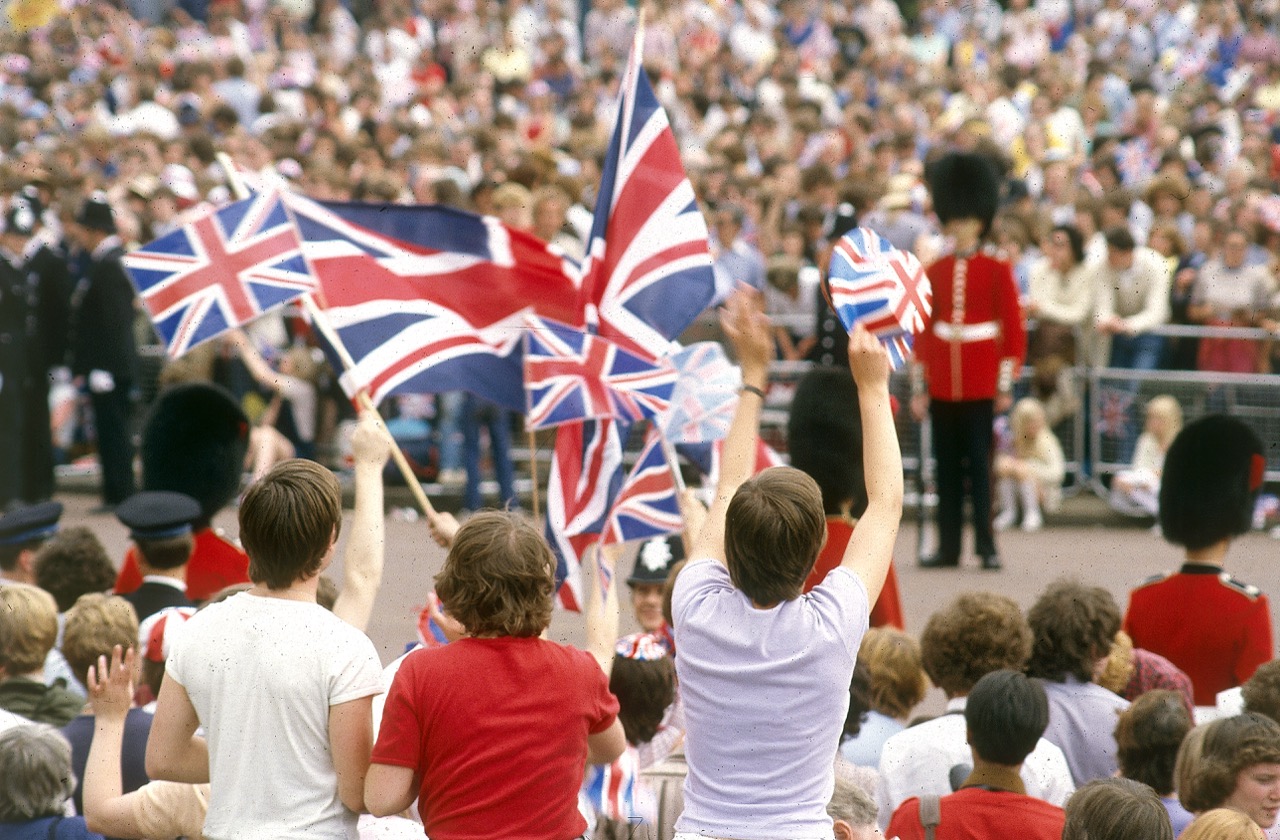
The country celebrates the wedding of Prince Charles and Lady Diana Spencer. ©Mary Evans Picture Library.
1982
The issue of The Queen’s security is once again headline news when it is revealed that an intruder, Michael Fagan, had climbed over the railings of Buckingham Palace and found his way to The Queen’s bedroom. The Queen remains unruffled during the encounter and is able to raise the alert when she leaves the room after Fagan asks her for a cigarette.
Prince William of Wales is born on 21 June, becoming second in line to the throne.
1986
The Queen and Prince Philip arrive in China on the first visit to the country by a British monarch. The trip follows the Sino-British Declaration, signed by Margaret Thatcher in 1984, agreeing for the transfer of Hong Kong to Chinese sovereignty in 1997. The couple visit the Great Wall of China and at the end of their tour, The Queen indulges in her favourite pastime with a day at Hong Kong’s new Sha Tin racecourse.
The 1990s
1992
On 24 November, at a dinner to mark 40 years since her Accession at Guildhall, The Queen reflects on the events of 1992, admitting, “it is not a year on which I shall look back with undiluted pleasure. In the words of one of my more sympathetic correspondents, it has turned out to be an ‘Annus Horribilis’”. The year has seen the marital breakdowns of The Prince and Princess of Wales, Princess Anne and Mark Phillips, and The Duke and Duchess of York in rapid succession. Diana, Princess of Wales breaks long-held codes of privacy among the Royal Family when she apparently collaborates on a tell-all book, Diana – Her True Story by Andrew Morton, and on 20 November, a fire, caused by a faulty spotlight, breaks out at Windsor Castle (pictured below). It takes 15 hours to extinguish, and 100 rooms suffer damage.
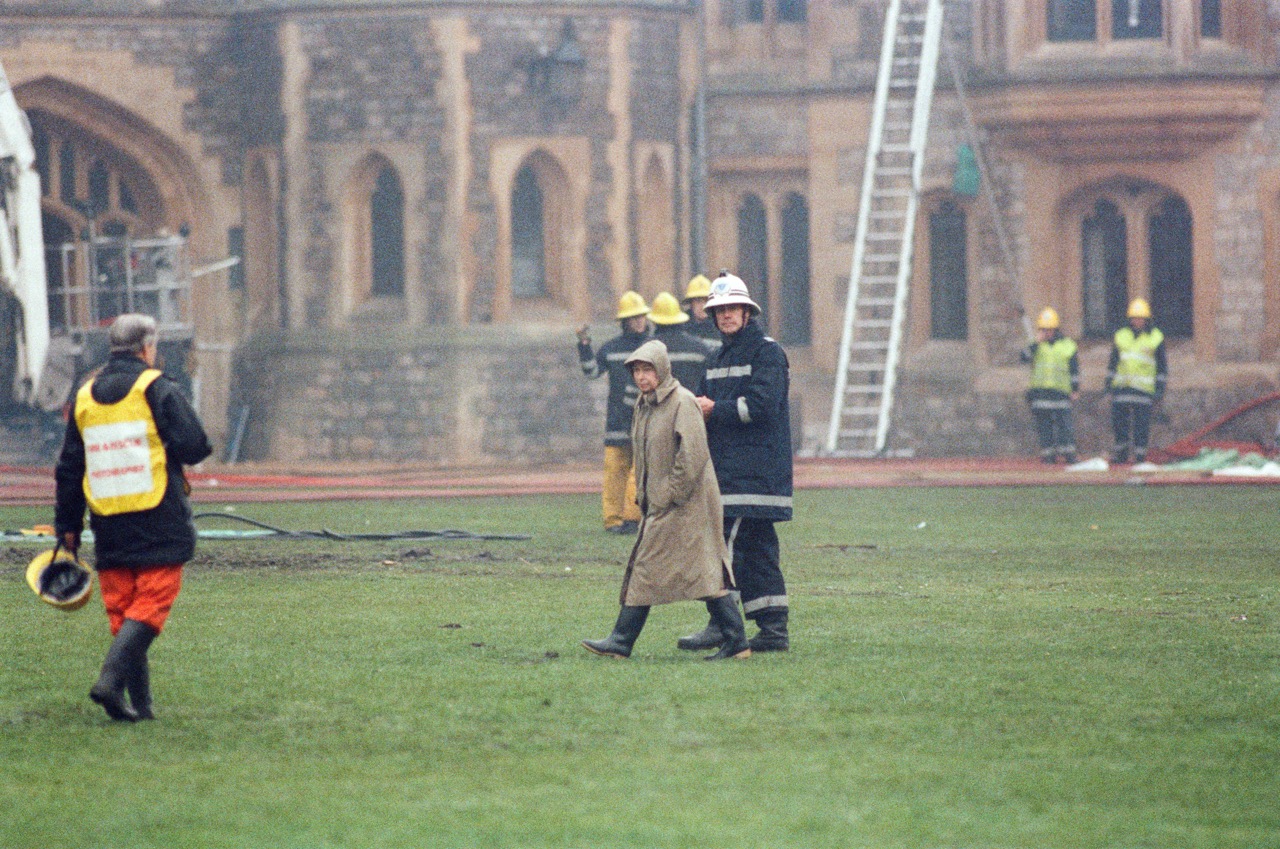
A fire, caused by a faulty spotlight, breaks out at Windsor Castle. ©Alamy.
1993
As a new tax year dawns on 6 April, The Queen embarks on her first year as a UK taxpayer. Attuned to public opinion, she had put forward the suggestion the previous November after criticism surrounding the £36.5 million cost of restoring Windsor Castle and if it was to come from the public purse. To help fund the repairs, Buckingham Palace’s state rooms are opened to the public for the first time.
1997
On 1 September, Britain wakes to the shocking news that Diana, Princess of Wales has died in a car crash in Paris, alongside her boyfriend Dodi Fayed. The Queen chooses to remain at Balmoral to care for her grieving grandsons. Her decision to act in their best interests does not endear her to a public who grow critical of her continued absence and silence.
The Queen, never one for emotive displays, nevertheless makes concessions to public demands. Going against age-old protocol, she orders that the Union flag be flown at half-mast over Buckingham Palace, meets crowds outside Kensington Palace and explains in a televised speech on the eve of Diana’s funeral that everyone was trying to cope in their different ways. She adds, “I for one believe that there are lessons to be learned from her life and from the extraordinary and moving reaction to her death.”
The 2000s
2000
The Queen attends New Year celebrations at the Millennium Dome in Greenwich, and the nation watches through gritted teeth as she awkwardly holds hands with Prime Minister Tony Blair during a refrain of Auld Lang Syne.
2001
Two days after the 9/11 terrorist attacks in the US, The Queen orders The Star-Spangled Banner to be played by the Coldstream Guards at the Changing of the Guard, as a mark of respect to the 2,977 victims and in support of their families.
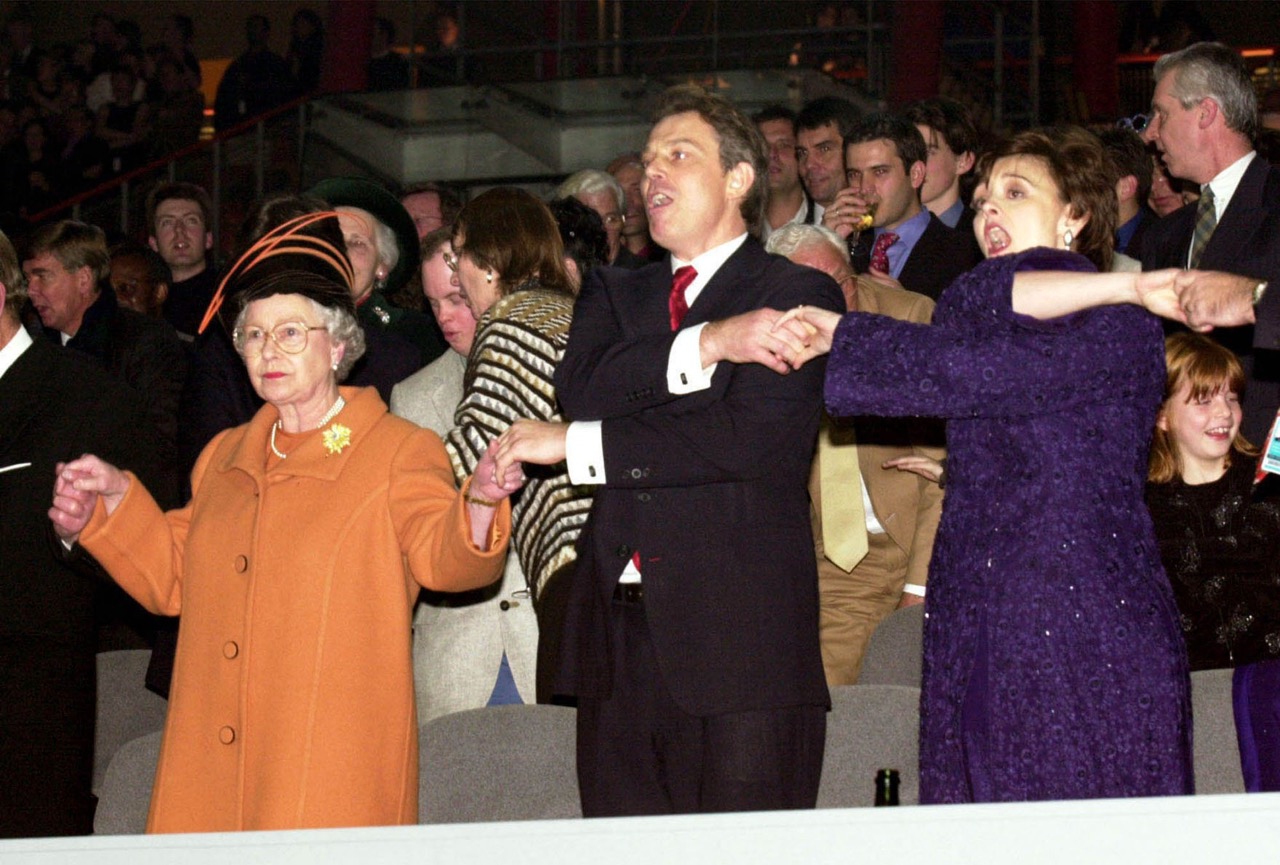
The Queen and Prime Minister Tony Blair during a refrain of Auld Lang Syne. ©Alamy.
2002
After suffering a series of strokes, Princess Margaret dies on 9 February. Seven weeks later, on 30 March, Queen Elizabeth, The Queen Mother passes away at the age of 101. The Queen, coming out to view the floral tributes at Windsor, tells the crowds her mother “had a wonderful life”.
Despite the loss of her mother and sister, The Queen’s Golden Jubilee celebrations go ahead, and she and Prince Philip clock up 40,000 miles this year travelling around the UK and Commonwealth. On 4 June, after a National Service of Thanksgiving at St Paul’s Cathedral, she speaks at a lunch at London’s Guildhall, saying, “Gratitude, respect and pride, these words sum up how I feel about the people of this country and the Commonwealth – and what this Golden Jubilee means to me".
2005
The Prince of Wales marries Camilla Parker Bowles at the Windsor Guildhall on 9 April (the first member of the Royal Family to be married in a civil ceremony). The wedding was originally planned for 8 April but is postponed by 24 hours after the death of Pope John Paul II as Prince Charles and the Archbishop of Canterbury are expected to attend the funeral. The Queen and the rest of the Royal Family are present at the marriage blessing at St George's Chapel afterwards.
2009
The Royal Family joins the social media age on 28 April with an account on Twitter. At first, their ‘handle’ is @BritishMonarchy but is later changed to @RoyalFamily. The Queen sends her first tweet on 24 October 2014.
The 2010s
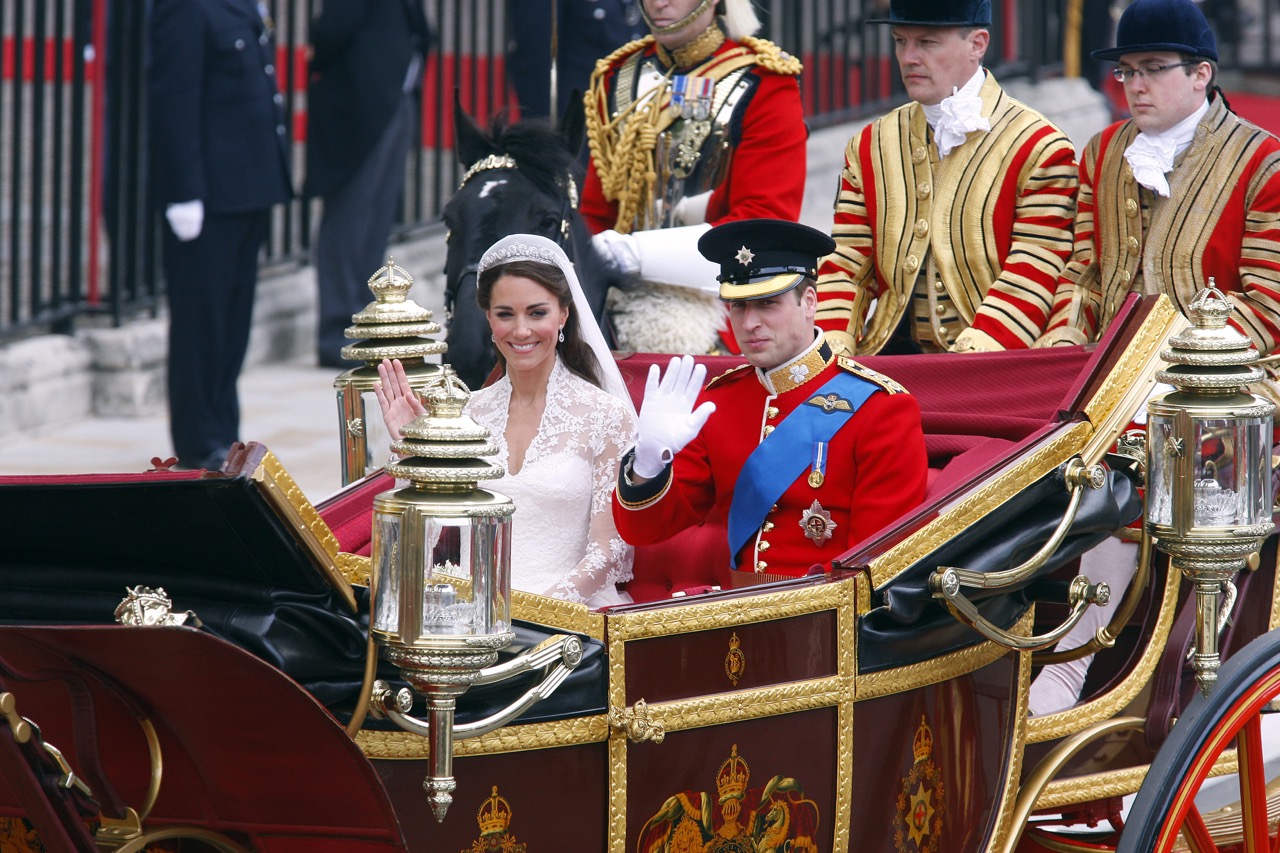
Prince William and Catherine Middleton’s wedding in April 2011. ©Mary Evans Picture Library.
2011
Prince William marries Catherine Middleton at Westminster Abbey on 29 April. The Queen makes a historic four-day visit to Dublin, the first since the creation of the Irish Republic in 1921.
2012
Sixty years since she acceded the throne, Queen Elizabeth II celebrates her Diamond Jubilee. Although the Jubilee weekend is marred by bad weather, there is genuine affection for the octogenarian monarch. Her scene-stealing appearance at the opening ceremony of the Olympic Games in London, in the company of James Bond, further boosts her popularity. If 1992 was her Annus Horribilis, perhaps 2012 is the Queen’s Annus Mirabilis? The Queen pays a Diamond Jubilee visit to Belfast, where at the Lyric Theatre she shakes hands with Deputy First Minster and former IRA commander, Martin McGuinness. The moment of reconciliation symbolises the cementing of the long peace process in Northern Ireland.
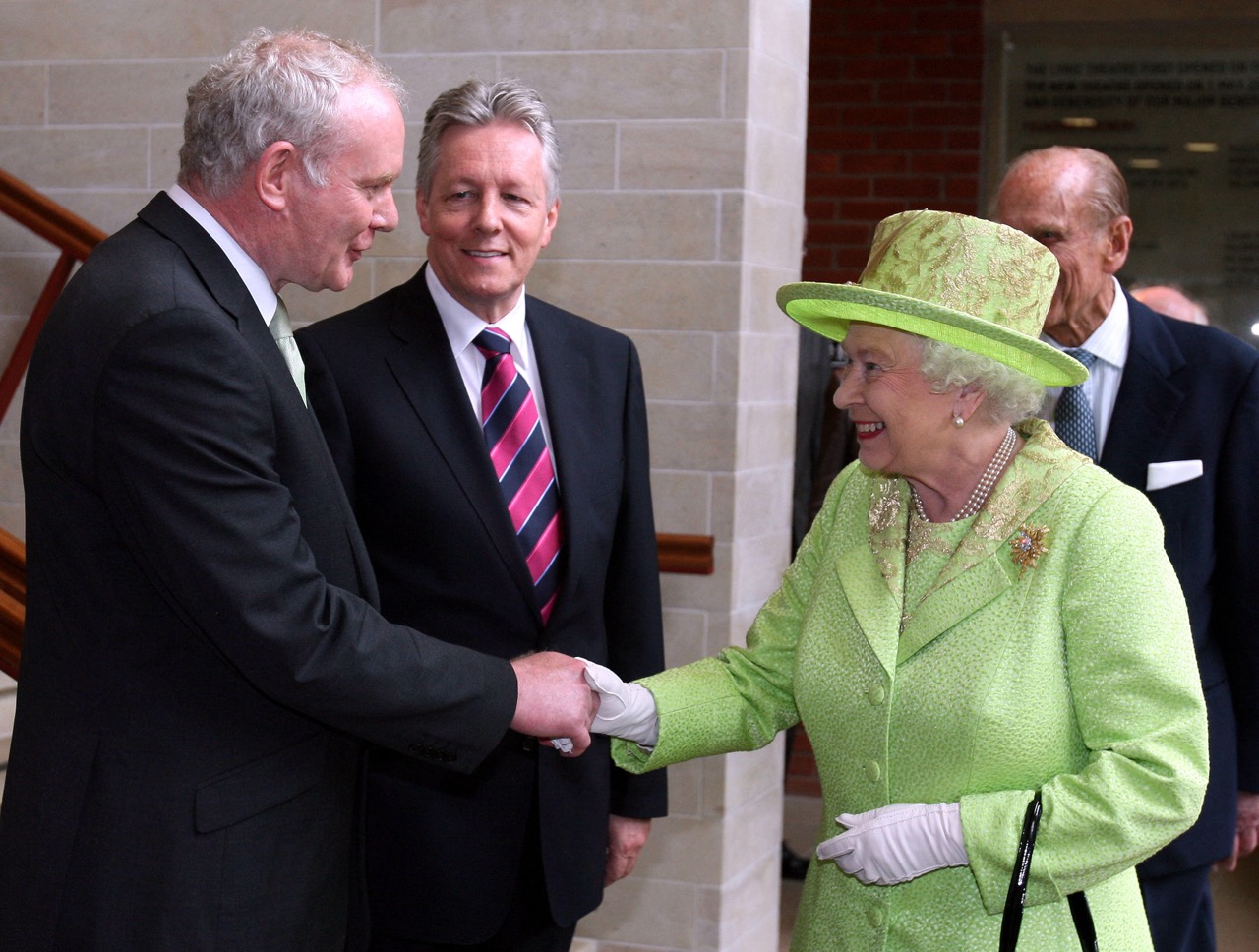
A historic handshake between The Queen and Northern Ireland Deputy First Minister Martin McGuinness during her Diamond Jubilee. ©Alamy.
2013
The Succession of the Crown Act receives royal assent, meaning the eldest child inherits the throne regardless of gender. In the event, the Duke and Duchess of Cambridge’s first baby, born 22 July, is a boy – Prince George.
2016
The Queen celebrates her 90th birthday and among the guests at Windsor are US President Barack Obama and First Lady Michelle Obama, who are in London for a four-day visit. Her Majesty has a soft spot for the Obamas and despite protests from the Secret Service responsible for the President’s security, insists that she goes out to pick them up on their arrival by helicopter. The Obamas are consequently ferried to Windsor Castle in a Range Rover driven by Prince Philip. The United Kingdom votes in a referendum on whether or not to remain in the European Union. In the poll, 52 per cent of voters opt to leave, with ‘Brexit’ causing political turmoil and endless debate about how it can be implemented. Although The Queen must, as ever, remain politically neutral, it is thought by a number of insiders and royal experts that she was privately supportive of remaining in the EU. As the Prime Minister, David Cameron, later comments: “You always sensed that, like most of her subjects, she thought that European co-operation was necessary and important,
2017
Prince Philip, Duke of Edinburgh, retires from royal duties at the age of 96. He has carried out 22,219 engagements since 1952.
2018
Prince Harry marries Meghan Markle at St George’s Chapel, Windsor on 19 May. They became the Duke and Duchess of Sussex but step down as working royals in January 2020, following media intrusion and disagreements about their role.
The 2020s
2020
As the Covid-19 virus causes a global pandemic, the UK goes into lockdown and social distancing, face masks and Zoom calls become a way of life. ‘HMS Bubble’ is formed at Windsor Castle as The Queen and Prince Philip isolate there together with corgis Muick and Sandy, dorgi Candy and a reduced retinue of staff. Royal events and engagements are cancelled or postponed, but The Queen gives two televised speeches, the first of which, on 5 April, invokes a wartime spirit, when she reassures the nation, “We will meet again”.
2021
The Palace announces that The Queen and Prince Philip had received their Covid vaccines on 9 January. Following heart surgery, Prince Philip, Duke of Edinburgh, dies at Windsor Castle on 9 April just two months short of his 100th birthday. At the time funerals are restricted to a maximum of 30 guests, and The Queen attends the funeral of her husband of 73 years sitting socially distanced from the rest of her family in St George’s Chapel, Windsor. This poignant image of her is in marked contrast to the actions of Prime Minister Boris Johnson and his staff, who it is later revealed flouted Covid restrictions with a series of social gatherings at No 10 and Conservative Party HQ throughout 2020.
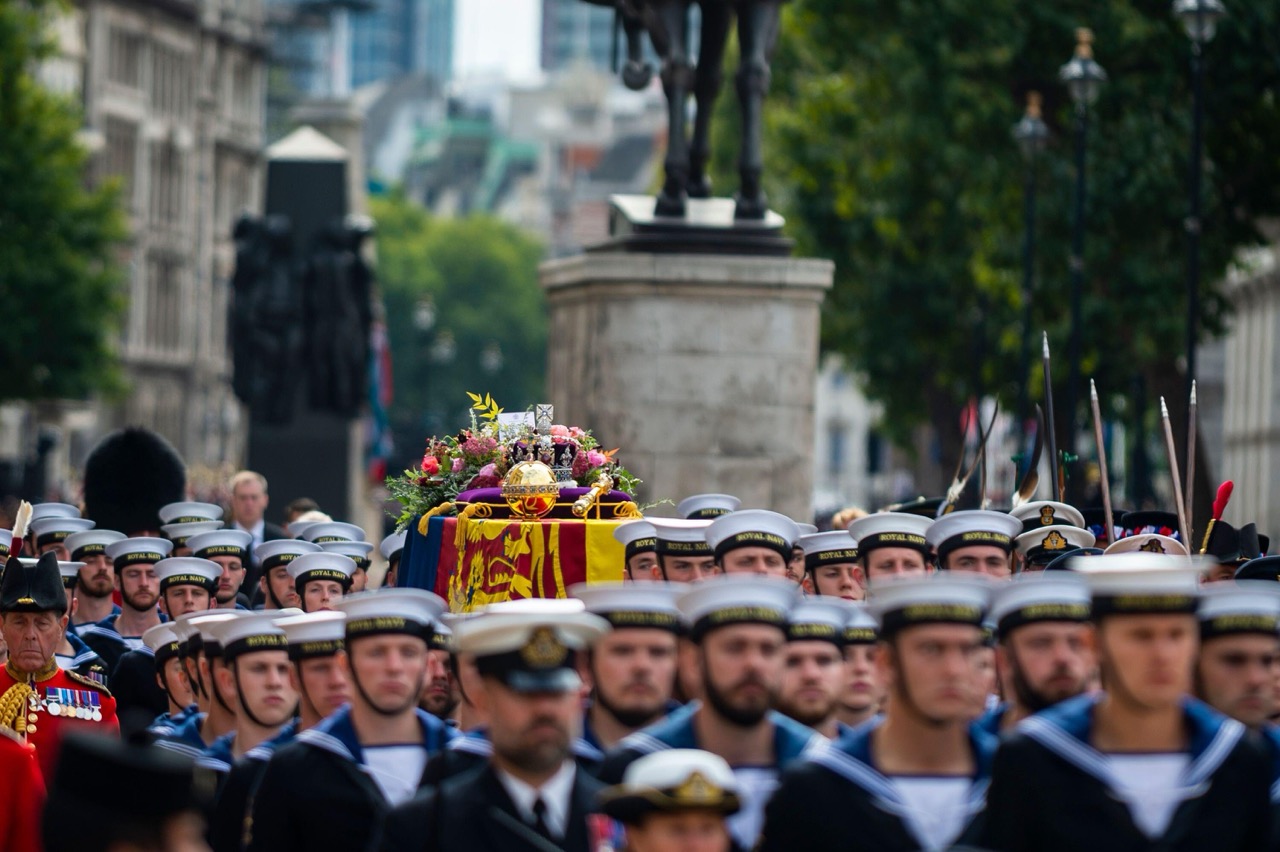
Queen Elizabeth II's funeral procession. ©Alamy.
2022
The Queen celebrates her Platinum Jubilee, the first British monarch ever to do so. The 96-year-old sovereign is suffering from mobility issues, and her public appearances are limited. She goes to the opening of the new Elizabeth line in May and attends Trooping the Colour on 2 June, afterwards appearing on the balcony of Buckingham Palace. At the Platinum Party at the Palace, a film is shown in which Her Majesty takes tea with Paddington Bear, much to everyone’s delight. Leaders from around the world send messages of congratulations and pay tribute to her years of service. In her Accession Day message on 6 February she acknowledges the changing times through which she has lived: “As I look ahead with a sense of hope and optimism to the year of my Platinum Jubilee, I am reminded of how much we can be thankful for. These last seven decades have seen extraordinary progress socially, technologically and culturally that have benefited us all; and I am confident that the future will offer similar opportunities to us and especially to the younger generations in the United Kingdom and throughout the Commonwealth.”
On 8 September, it is announced that HM Queen Elizabeth II has died peacefully at Balmoral. Just two days earlier, working to the very end of her life, she had appointed Liz Truss as Prime Minister. Between 14 and 19 September, an estimated 250,000 people queue to file past her coffin as she lies in state in Westminster Hall, London.
On 19 September, a state funeral – the first since Winston Churchill in 1965 – includes a service at Westminster Abbey, followed by a gun carriage procession to Wellington Arch, from where the state hearse takes The Queen to Windsor and her final resting place alongside her husband.