The Centenary of Queen Elizabeth's Birthday

Words by
Robert Hardman

14th April 2026

As we mark the centenary of Queen Elizabeth II's birthday, Robert Hardman looks back over the life of an unprecedented monarch who presided over extraordinary change. 

As featured in Royalty in Britain Magazine.

She was not born to reign. Princess Elizabeth came into this world exactly 100 years ago as the daughter of King George V’s second son, Bertie, Duke of York. Known as ‘Lilibet’, she was widely expected to drop down the line of succession over time. Except that Fate would decree otherwise. Her childless uncle David would reign less than a year as Edward VIII before her father came to the throne as George VI. Though the Duchess of York had produced a younger sister, Margaret, there had been no brother to supersede Lilibet as heir. Her father’s untimely death in 1952, meant that she was just 25, still adjusting to life as a naval wife and a mother of two, when she became Queen Elizabeth II.

Yet the world would never know another monarch quite like her. 
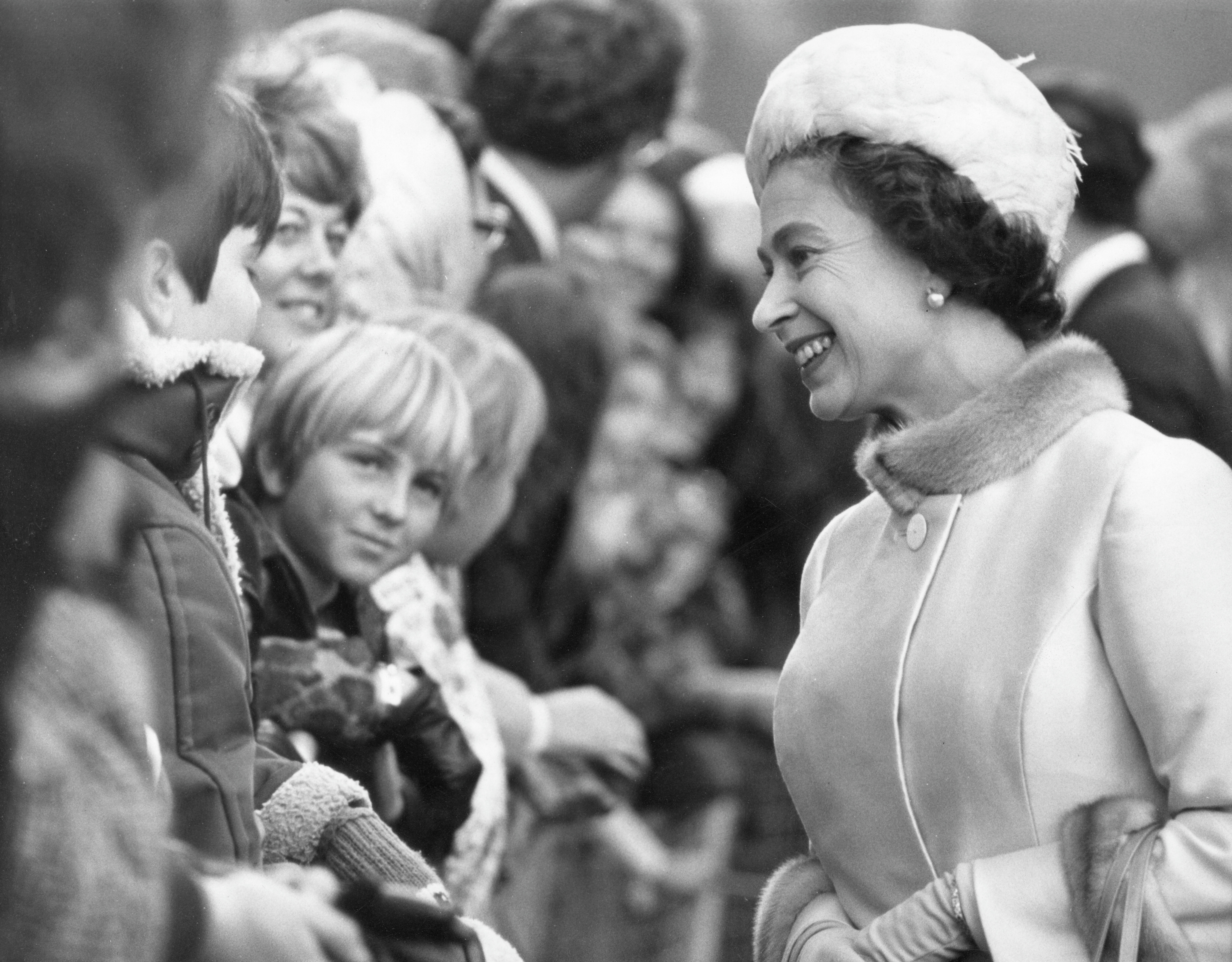
Queen Elizabeth birthday, greeting crowds.
The Queen talks to children in the crowd as she unveils the foundation stone for the new Barbican Arts Centre in 1972. ©Mary Evans Picture Library.

No sovereign would travel further or command more affection and admiration from nations around the globe. Queen Elizabeth II’s remarkable 70-year reign had a seismic impact both on those who met her and on the many, many others who felt a special bond with a woman whose life was truly extraordinary. Her dedication to a role unexpectedly thrust upon her, performed with such dignity and purpose, even during the most challenging periods, made her a figure of great reassurance.

First and Unequalled

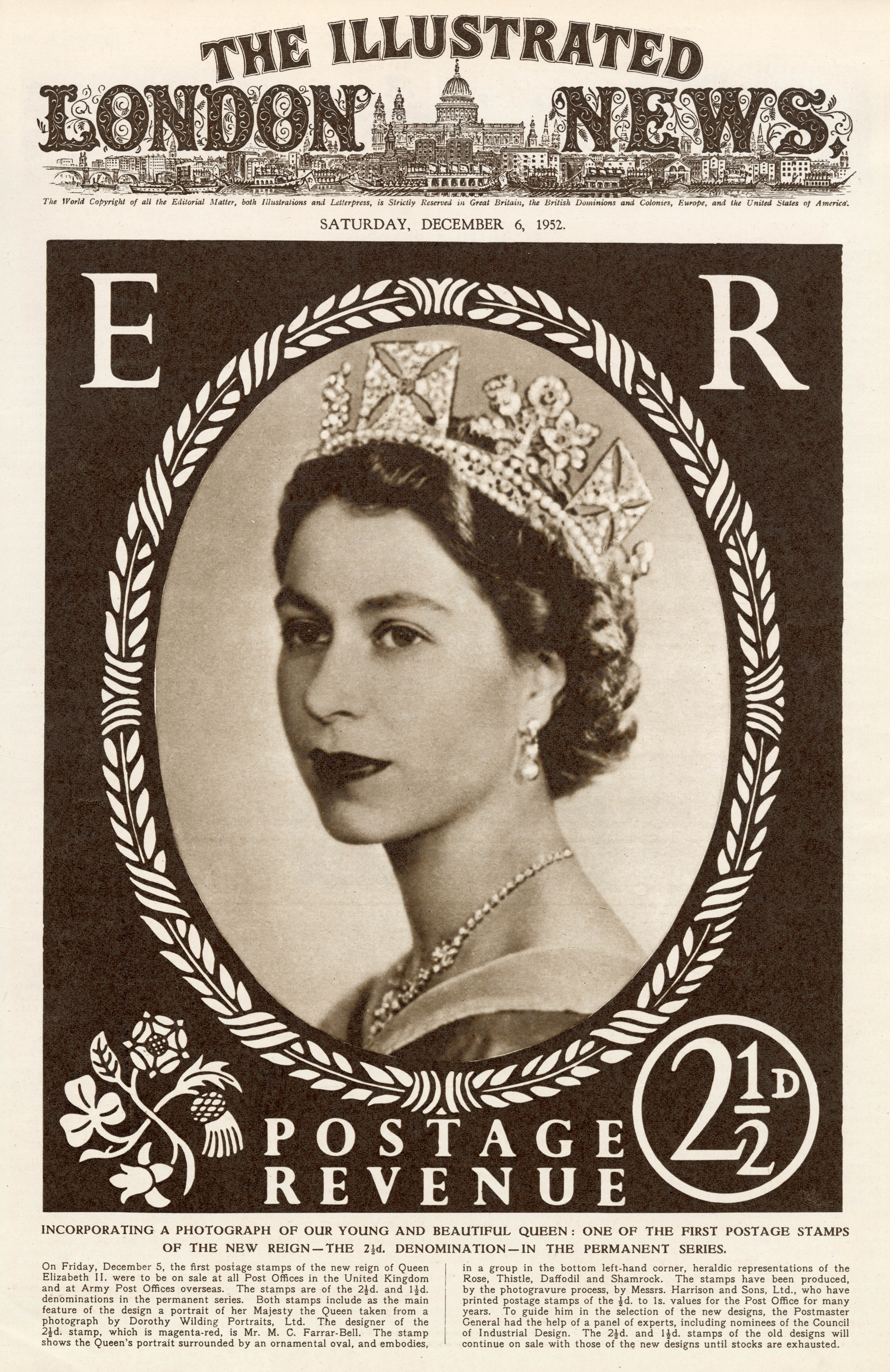
Illustrated London News, Queen Elizabeth birthday.
The Illustrated London News in 1952 features the design of one of the first postage stamps of The new Queen’s reign. ©Mary Evans Picture Library.

She claimed almost every first in the royal record book – the first monarch to make a television broadcast, to visit Russia and China, to fly in a helicopter and even to change a tyre. Her 73-year marriage to Prince Philip was unsurpassed in royal history. Elizabeth II would become Britain’s longest-reigning monarch and second only to France’s boy king, Louis XIV. It is an achievement that meant far more to her subjects than to The Queen herself. Famously modest (this was the monarch who once said: “I can’t wear beige because people won’t know who I am”), she was never remotely competitive with her ancestors. If she had ever kept an eye on any family record it is probably the one enjoyed by Edward VII – the only monarch to win the Derby. Her passion for the races has left us with some of the most enduring images of her zest for living, beaming and cheering as the horses streaked towards the winning post. 

Queen Elizabeth birthday Antigua.
The Queen in Antigua during her West Indies tour in 1966. ©Mary Evans Picture Library.

Talk to any of The Queen’s family or staff and they will say how much pleasure she took in all aspects of her life, both personal and public. Having enjoyed privileged access to the Royal Household while writing a portrait of The Queen, I was struck by her cheerful reluctance to scale back any of her duties. Until the frailty of her final years became increasingly apparent, did anyone ever suggest she might slow down? “We all do,” Prince William told me during my research. “My father and her children say it a lot to her. For the grandchildren, it’s a bit difficult for us to say ‘Take it easy’ when she’s so much older than us and has done so much more. “We do hint at taking some things off her, but she won’t have anything of it!” 

Hence the fact that, just two days before her death, The Queen was saying farewell to one prime minister, Boris Johnson, and appointing another, Liz Truss. Even then, a day later, she was still keeping abreast of the news. History will record that her last official statement was to send a message to the people of Canada following a terrorist atrocity.

The Face of a Nation

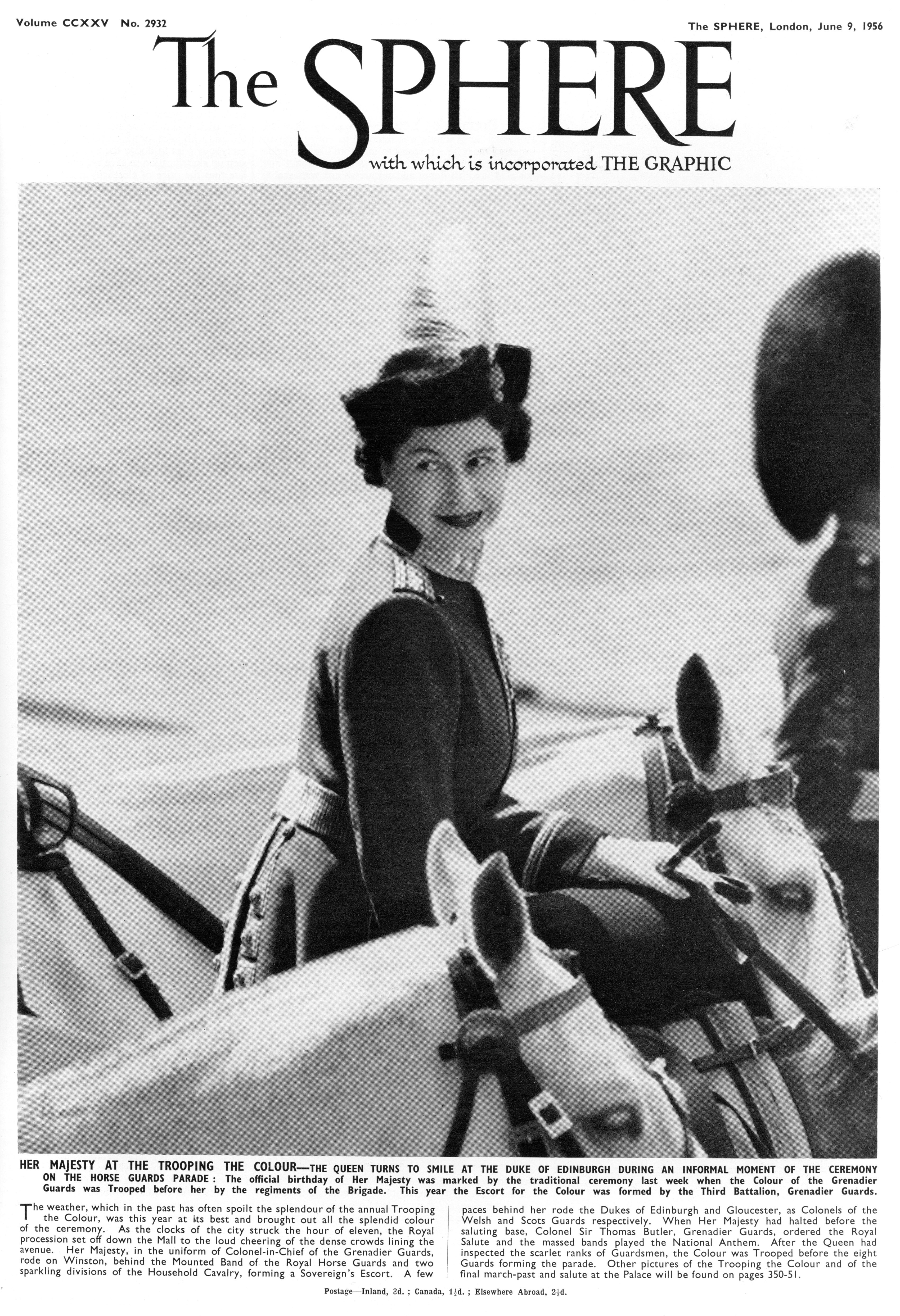
SPHERE, Queen Elizabeth birthday.
The Sphere shows The Queen during Trooping the Colour in 1956. ©Mary Evans Picture Library.

We now look back over a reign that, whether we realise it or not, is embedded in our consciousness. Today, few can recall a time when there was someone else on our coins and stamps or leading the nation at the Cenotaph on Remembrance Sunday. Indeed, the British people became so used to seeing their imperturbable sovereign on her travels, or speaking to the nation at 3pm on Christmas Day, or appearing on the Palace balcony every June, that somehow we felt – impossible though we knew it to be in our hearts – that she would be with us  for ever. 

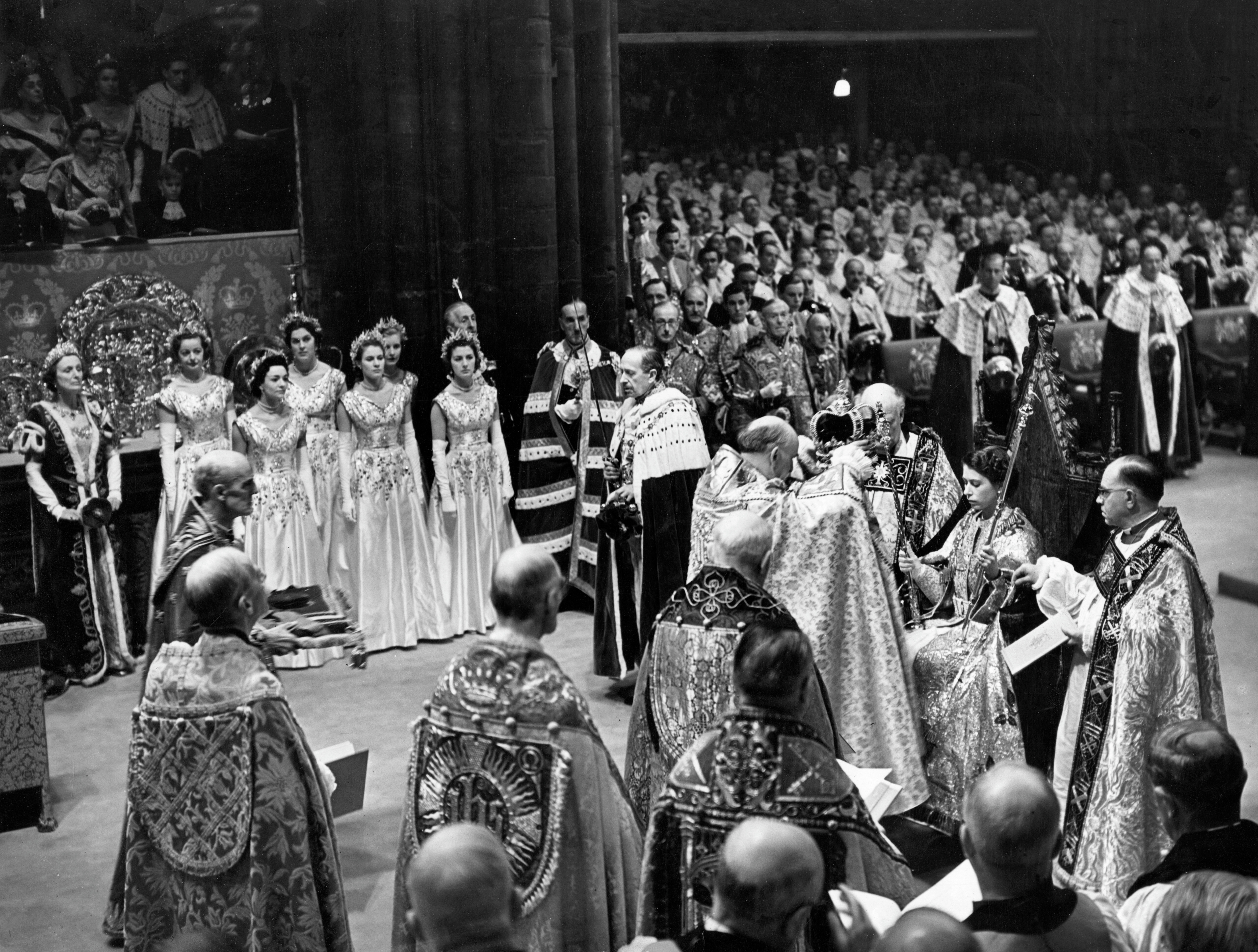
Coronation, Queen Elizabeth birthday.
The Archbishop of Canterbury places St Edward’s Crown on the head of The Queen at the Coronation service in 1953. ©Mary Evans Picture Library.

Most Britons held her in great affection, as did her subjects in her many realms – of which 15 remained at the time of her death, including Canada and Australia. She was, therefore head of state of more of the Earth’s surface than anyone else. Her face was on so many currencies that it became one of the most reproduced images in history. For the rest of the world she was often regarded with amazement – not merely a person but a phenomenon. She was easily the most famous woman on the planet, despite having no interest in celebrity. In Germany, for instance, she was no longer described in the conventional way as ‘die Königin’, but simply as ‘die Queen’. On her death, the French president, Emmanuel Macron, memorably declared: “To you, she was your Queen. To us, she was The Queen.” When she came to the throne on 6 February 1952, more than half the countries on earth did not exist in their present form. She was a head of state who predated their flags, their anthems, and often their national boundaries.

An International Queen

Taj Mahal, Queen Elizabeth birthday.
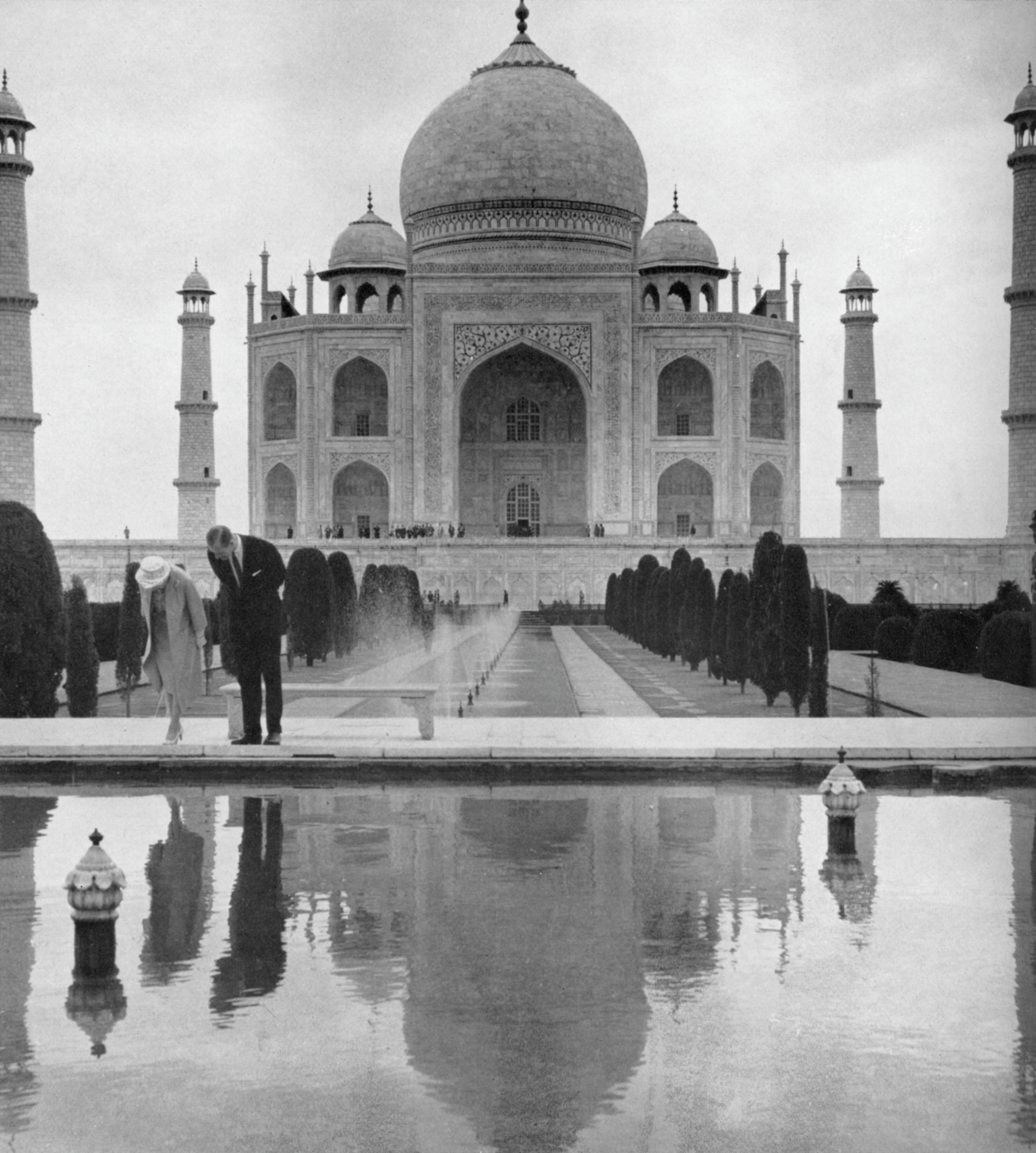
The Queen and Prince Philip at the Taj Mahal during the 1961 tour of India and Pakistan. ©Mary Evans Picture Library.

While, throughout most of the 19th century, Queen Victoria oversaw the expansion of the British Empire to the point where it covered more than a quarter of the planet, she never visited her imperial possessions. Her children sailed the oceans on her behalf but, throughout her 63-year reign, Spain and Germany were the extremities of Victoria’s travels. Queen Elizabeth was quite different. As air travel opened up the world, she presided over the decline of empire and the emergence of the Commonwealth “family” of independent nations. She visited most and took a keen and genuine interest in them all, from top-table negotiations to the work of myriad small, self-supporting organisations. She attended all but three of the Commonwealth summits that were staged in different continents from their inception in 1971 until her death. 

Robe, Queen Elizabeth birthday
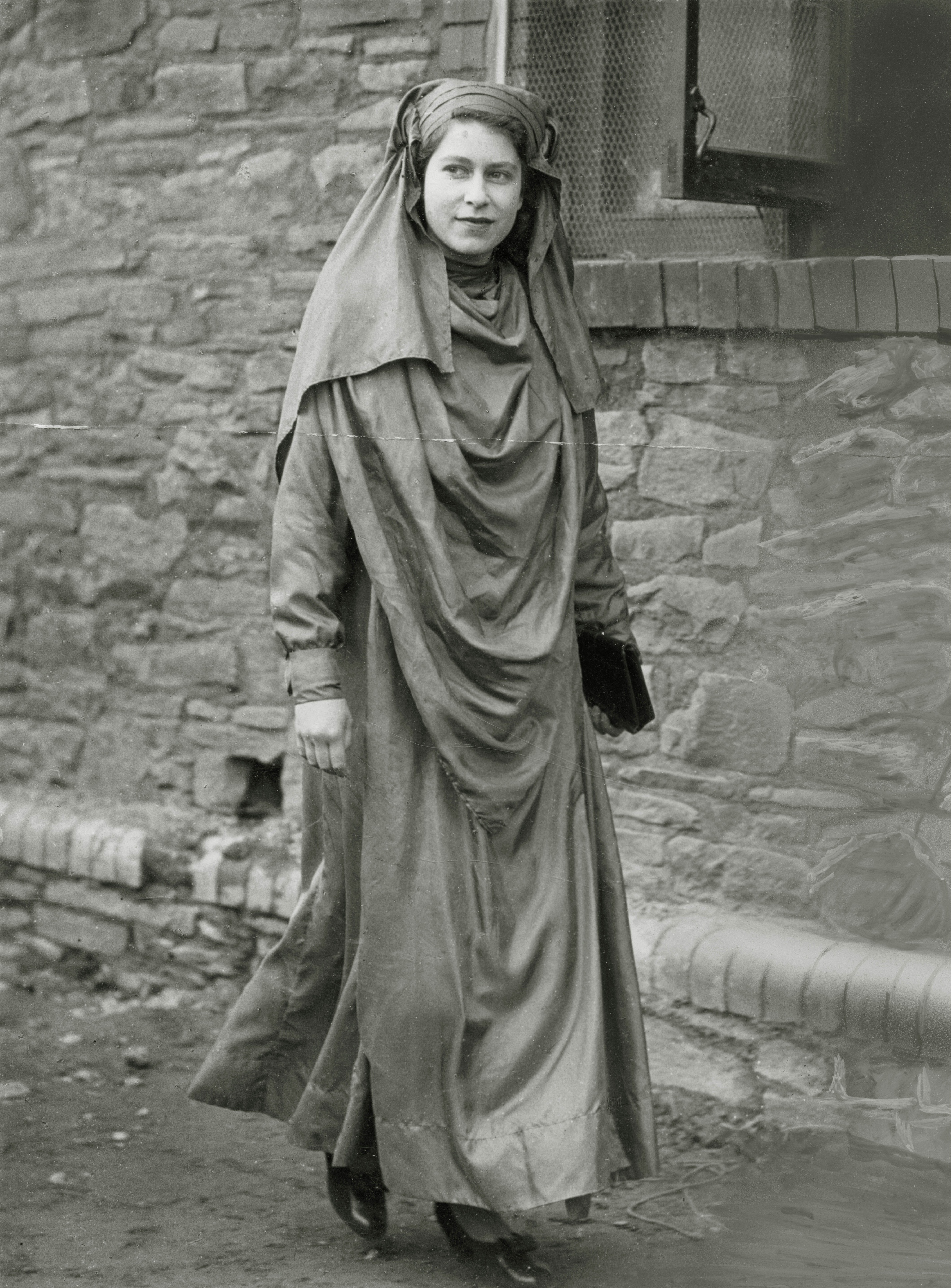
Princess Elizabeth wears a bardic robe at the National Eisteddfod in Mountain Ash, Glamorgan, in 1946. ©Mary Evans Picture Library.

Perhaps the reason The Queen was so proud of the Commonwealth is that it was a project of her own making. All her other roles – the Crown, the judiciary, the church – were inherited; the Commonwealth was her own work. Commonwealth politicians and diplomats readily concede that without The Queen’s personal involvement, the organisation might have folded by now, either through infighting or inertia. Instead, countries were queuing up to join, including several which had never been part of the former British Empire. When she came to the throne, the organisation had eight member states. By the time of her death, there were 56.

Changing Times

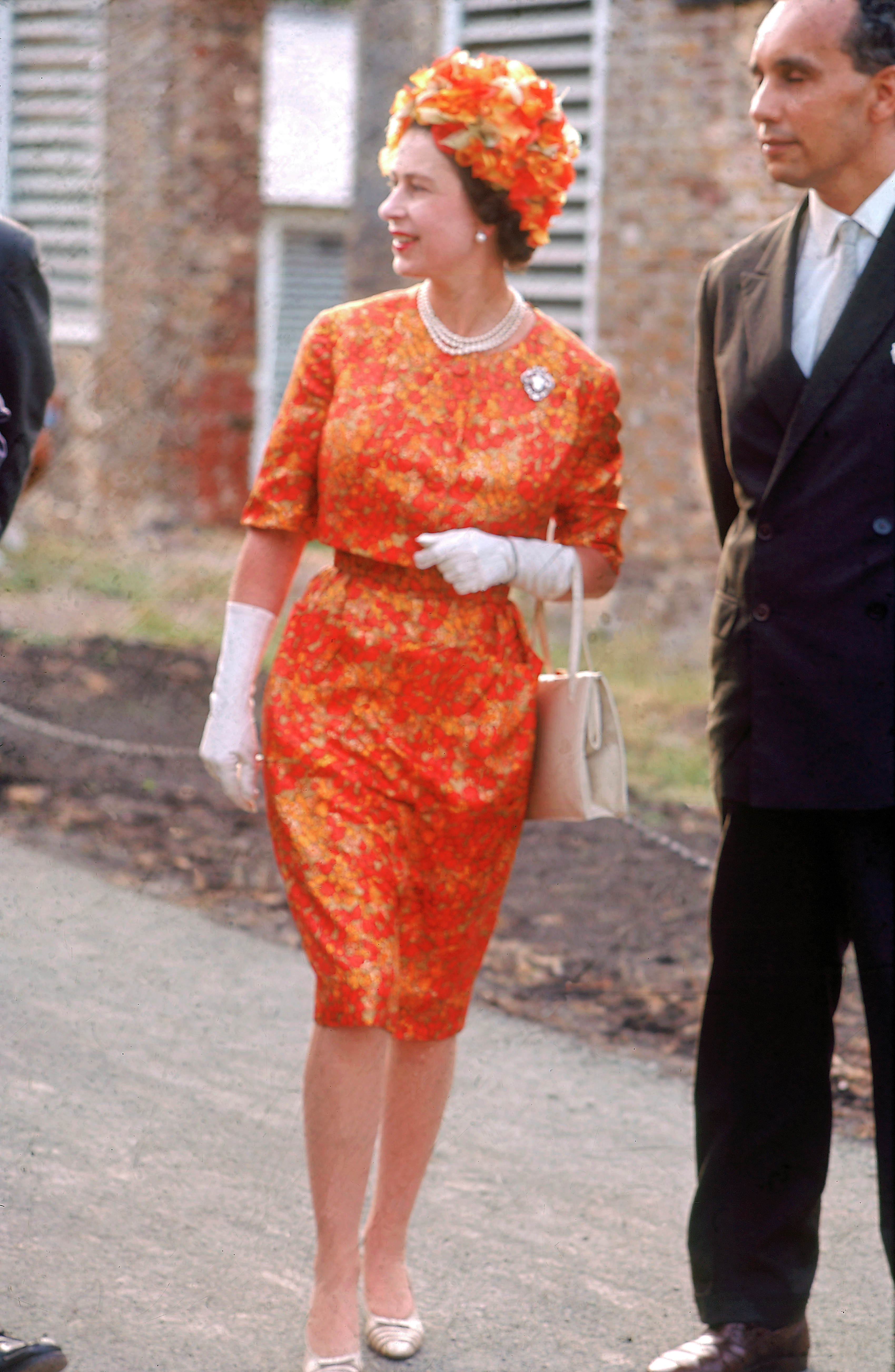
St Kitts, Queen Elizabeth birthday.
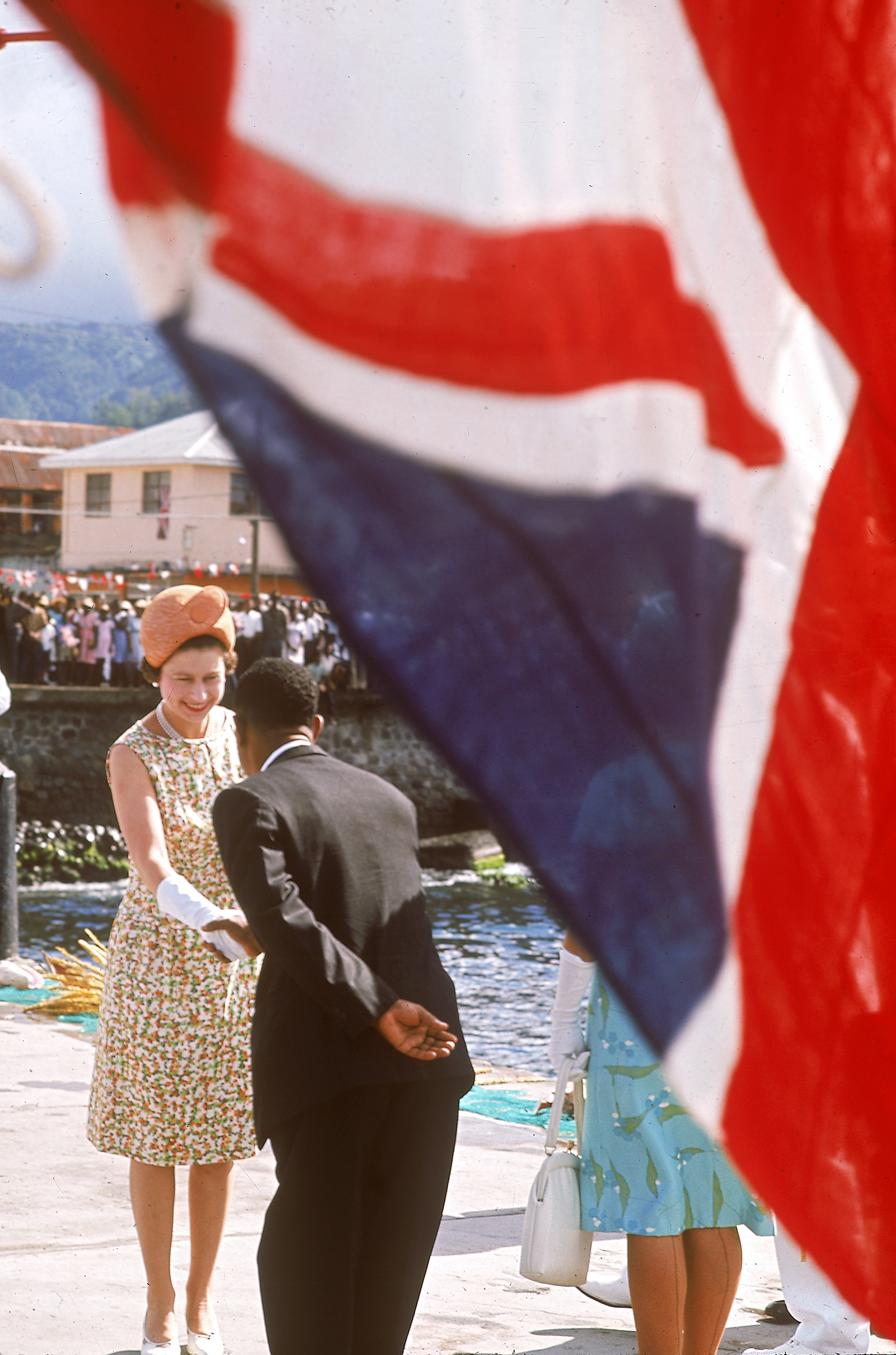
The Queen arrives in St Kitts during her 1966 West Indies tour. ©Mary Evans Picture Library.

In so many ways, we can trace and track the way the ‘new Elizabethan age’ defines our times. In her first year on the throne, The Queen sent out 255 birthday telegrams congratulating subjects who had reached their 100th birthday. By 1955, that number had risen to 395. In 1990, the figure was 3,715 and, by 2020, the total was 16,254. Whichever yardstick we choose, we see that the pace of change during Queen Elizabeth II’s reign was extraordinary. Be it fashion, transport, technology or taste in food (Britain was still on rations when she came to the throne), the gap between then and now is all the more striking when we think that it all occurred under this one monarch. And it helps to illustrate a defining characteristic of her reign: she constantly adapted to the changing times. She has so often been described as a ‘constant’, but that could not have happened without an acute sense of the need to adapt. She was never worried about being ahead of the times. Her concern was that the monarchy should not be left behind. On her watch, it seldom was. 
 

And yet, through it all, she stayed true to herself. Even at the age of 96, we saw the very same character – dignified, devoted to her nation, but leavened with an acute sense of humour – as the one who appeared in the plummy-toned 1950s newsreels. A clear barometer of change is popular music. The Queen reigned through Perry Como, Elvis, the Beatles, Abba, Elton John, the Spice Girls and Lady Gaga. She met most of them, too. They may not all have matched her taste in music, but, as in so many other areas of her life, she kept her own preferences private. If these were the artists the nation liked, then they were more than welcome to perform at the Royal Variety Performance.  

Join the

SPHERE Life

*By joining, you agree to receive news from SPHERE Magazine

Whatever the celebrations, she was delighted to welcome artists who were not necessarily to her own tastes. The Queen was thrilled when she was awarded a gold disc for sales of the album of her Golden Jubilee concert. Her Platinum Jubilee celebrations culminated in an emotional recital by Ed Sheeran of his song Perfect over a montage of clips of Her Majesty. Few would have imagined, in the early years of her reign, that there would one day be rock bands performing at the Palace. But then, even at the turn of the millennium, it would have been inconceivable to think of The Queen taking part in a sketch with James Bond for the 2012 Olympics opening ceremony or sharing her marmalade sandwich secrets with Paddington Bear at the Platinum Jubilee. The Bond and Paddington videos were not without risk. Yet her decision to take part proved pitch-perfect. As those who knew her well can testify, she always listened receptively to an idea, however unorthodox, as long as it was well-argued. 

Powerful Force

RAF, Queen Elizabeth birthday.
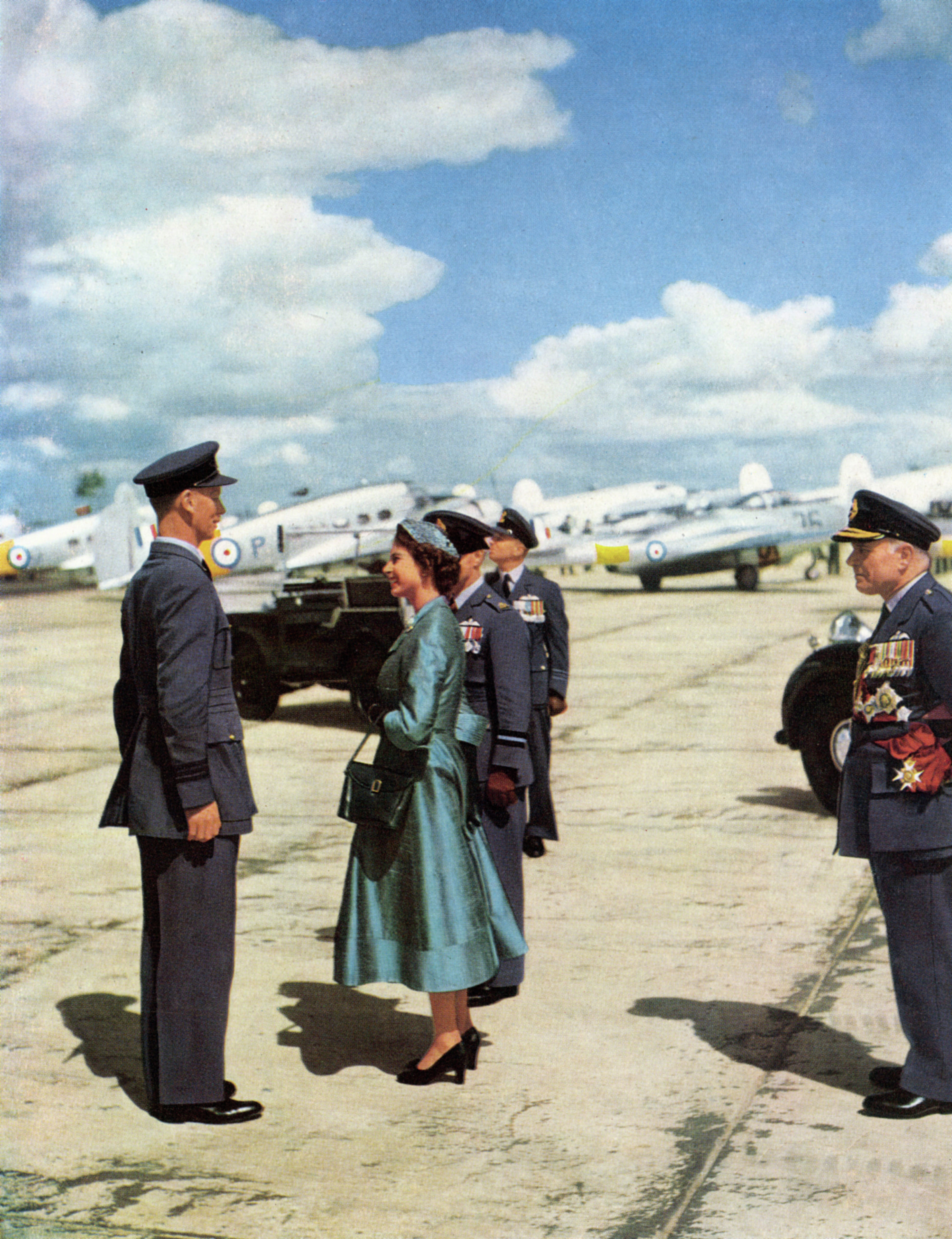
The Queen on her tour of inspection during the RAF Coronation Review at Odiham, Hampshire in July 1953. ©Mary Evans Picture Library.

One of The Queen’s roles was Head of the Armed Forces. The Windsors have always been a Forces family. The Queen was extremely proud to be the daughter, wife, mother and grandmother of servicemen. She saw all the Forces (and, in particular, the Household Division, which guards the royal palaces and performs Trooping the Colour), as an extension of the family. And so it was to be expected that The Queen would follow the example of monarchs who went before her by introducing her own decoration, the Elizabeth Cross, in 2009. It is a most unwanted decoration – yet, once awarded, it is deeply cherished. For it is only presented to the families of service personnel killed in the line of duty.

In Touch with the People

Indeed, it was her 1953 Coronation that did more to extend the reach and ownership of televisions than any other event in British history. This historic occasion was the greatest splash of badly needed glamour since the Second World War. For the first decade of her reign, media coverage of the monarchy was almost entirely benign and respectful. Yet The Queen would see all that deference disappear in the social maelstrom of the 1960s. Her response was to embrace this change. The first royal television documentary, the BBC’s Royal Family, broke viewing records when it was screened in 1969. And the investiture of The Prince of Wales – amid a nationalist bombing campaign – was the first ceremonial event designed entirely around the cameras.

Prince Phillip, Queen Elizabeth birthday.
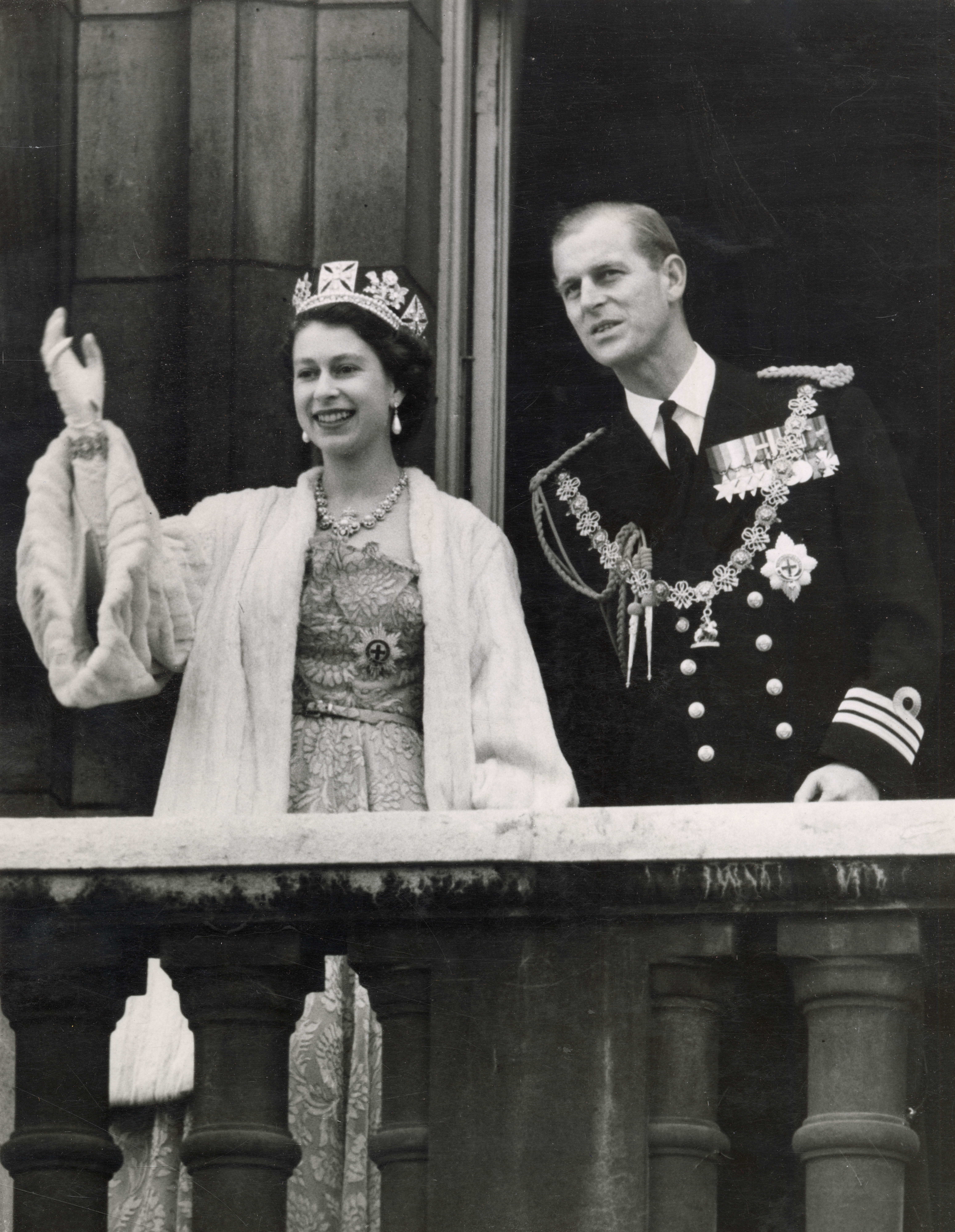
The Queen, with Prince Philip on the balcony at Buckingham Palace, after Her Majesty’s first State Opening of Parliament in November 1952. ©Mary Evans Picture Library.

A year later, on a street in New Zealand, the Queen and Prince Philip quietly tried out an idea which would prove so popular that it has shaped every royal engagement since. Instead of waiting to be introduced to lines of dignitaries, they started to make polite conversation with complete strangers in the crowd. The ‘royal walkabout’ was born. Since then, it has become the staple of royal engagement with the public. King Charles III has never needed any encouragement to plunge into a crowd. In the days following The Queen’s death, one  of the most significant sights was that of Princes William  and Harry – and their wives – performing a joint walkabout  at Windsor. 

By the 1990s, the monarchy would be under sustained media attack as royal marriages and royal finances became a tabloid staple diet. With the advent of 24-hour television, followed by the digital revolution, today’s media landscape would have seemed incomprehensible in 1952. The same could be said of The Crown, the lavish Netflix drama purporting to tell the story of The Queen’s life. Though many plotlines are entirely fictitious, millions still regard it as broadly factual. 

Photography, Queen Elizabeth birthday.
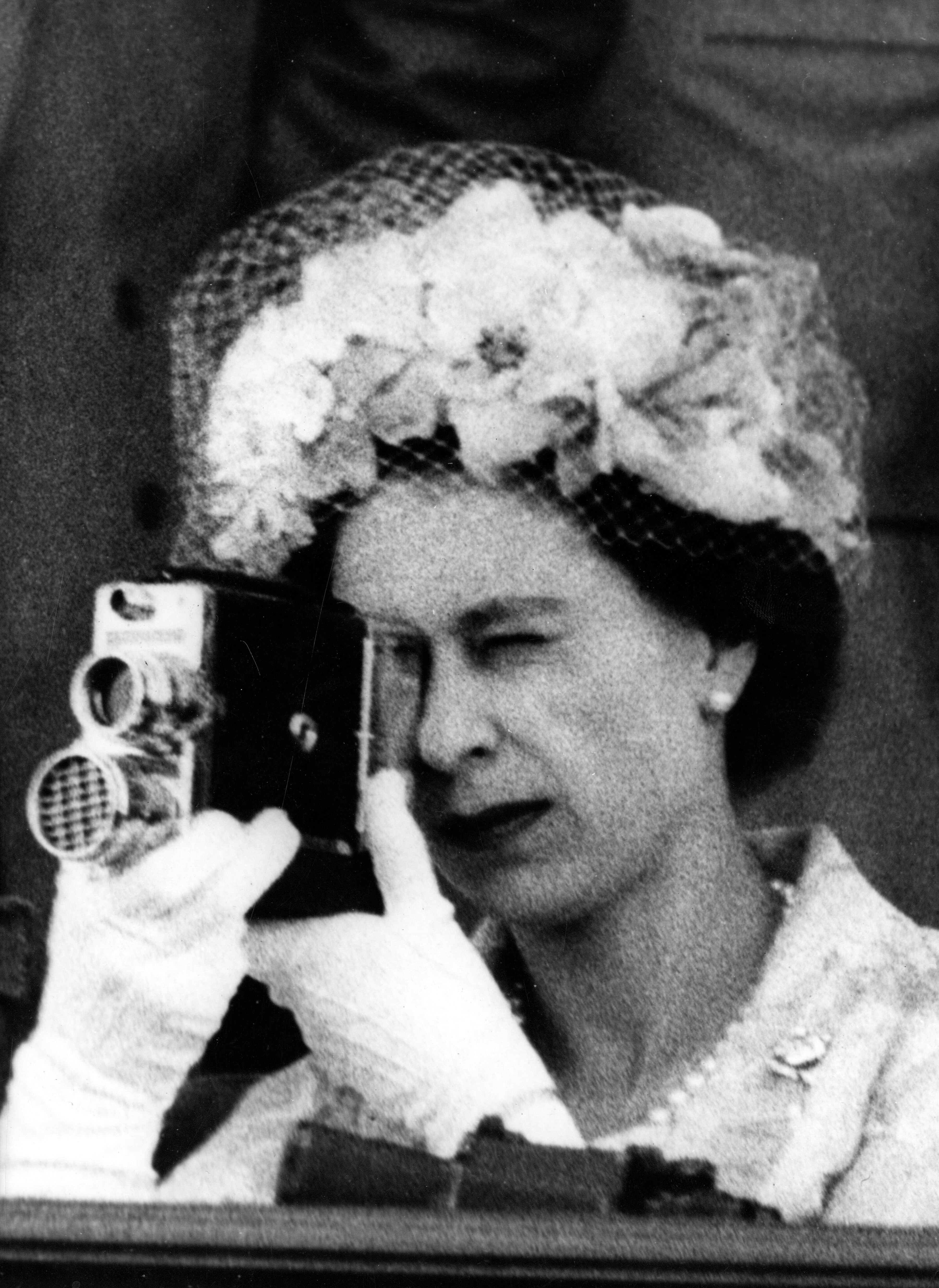
Always a keen photographer, using a cine camera in 1965. ©Mary Evans Picture Library.

Yet The Queen was never averse to innovation. Not only did she welcome television cameras into her homes but she also had her own website and Twitter/X feed, and was often heard remarking to Prince Philip: “You should Google that.” The Covid-19 pandemic showed how she was more than ready to embrace new forms of video communication. And, while the ‘age of deference’ may be long past, the Queen’s personal standing and media ratings barely moved between her accession in 1952 and her death in 2022.

A Modern Monarchy

Prince Charles, Queen Elizabeth birthday.
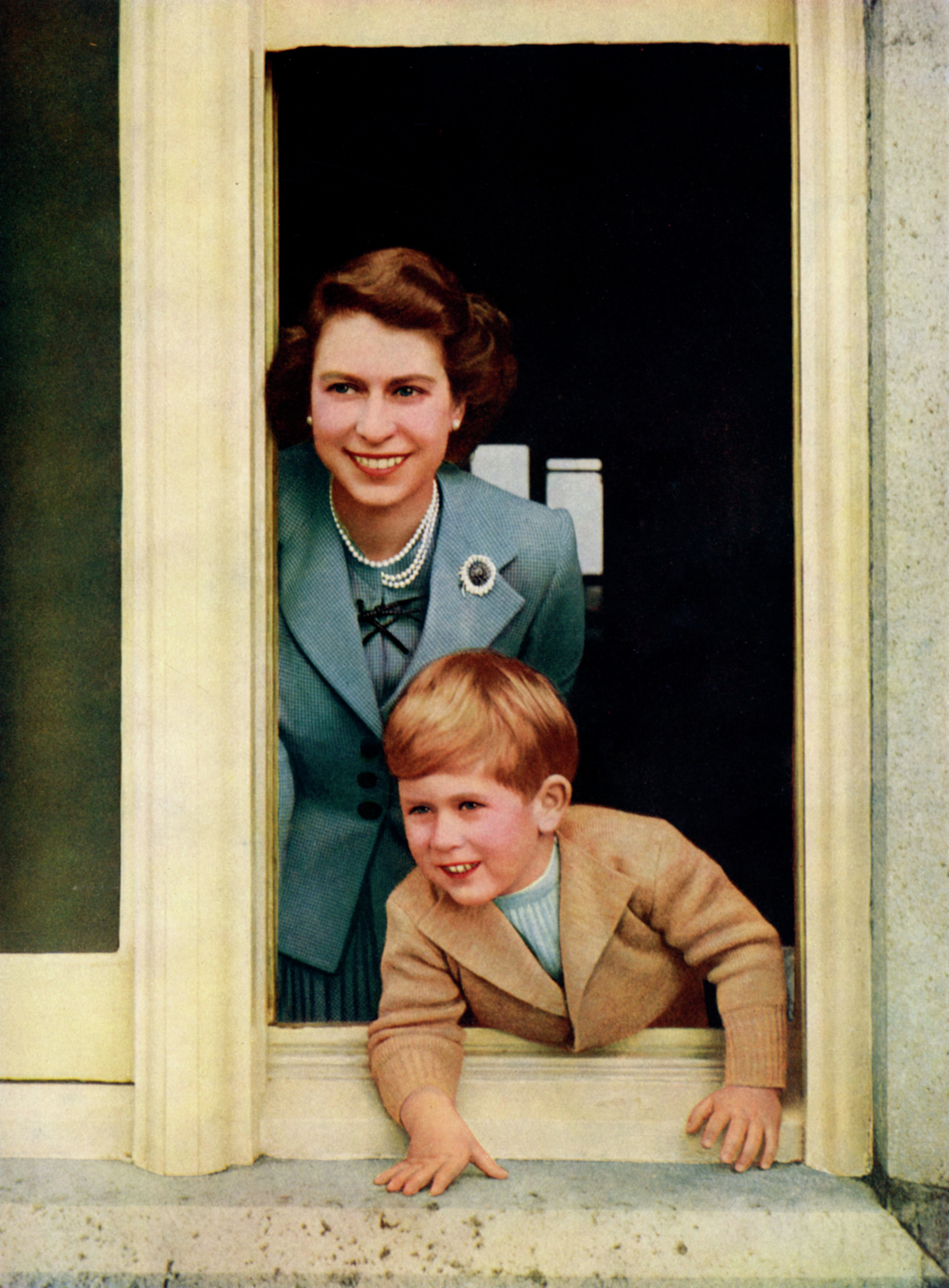
The Queen with the young Prince Charles in 1949. ©Mary Evans Picture Library.

Of course there were hurdles along the way. The 1990s saw a reversal of fortunes, but The Queen refused to retreat or retrench, carrying on as usual. As she often remarked: “I have to be seen to be believed.” At home, she pushed through the most radical reforms of the Royal Household for a century. The era of the gentleman amateur was over. Unisex professionalism transformed the culture of the Palace. The cost of the monarchy was halved (and the average age of the staff went through a similar reduction).  

Beyond the Palace walls, these were historic times. As a new world order took shape following the collapse of the Soviet Union and apartheid-era South Africa, The Queen was soon extending the hand of friendship to a new generation of leaders such as Nelson Mandela, Boris Yeltsin and Václav Havel. As those leaders themselves entered the history books, the monarch who started out with Winston Churchill just kept on going, sharing her wisdom and worries with prime ministers who were closer in age to her grandsons than herself

The Queen was well into her 10th decade when the nation faced its greatest peacetime challenge. Yet it was her reassuring, calming tones which comforted millions in the darkest depths of the Covid-19 pandemic. Precisely 80 years on from her first broadcast to evacuees at the height of the Blitz at the age of 14, here she was performing the same crucial role: offering reassurance. Her closing remark – “We will meet again” – was more uplifting than anything her politicians had to offer.

Happy Queen Elizabeth birthday.
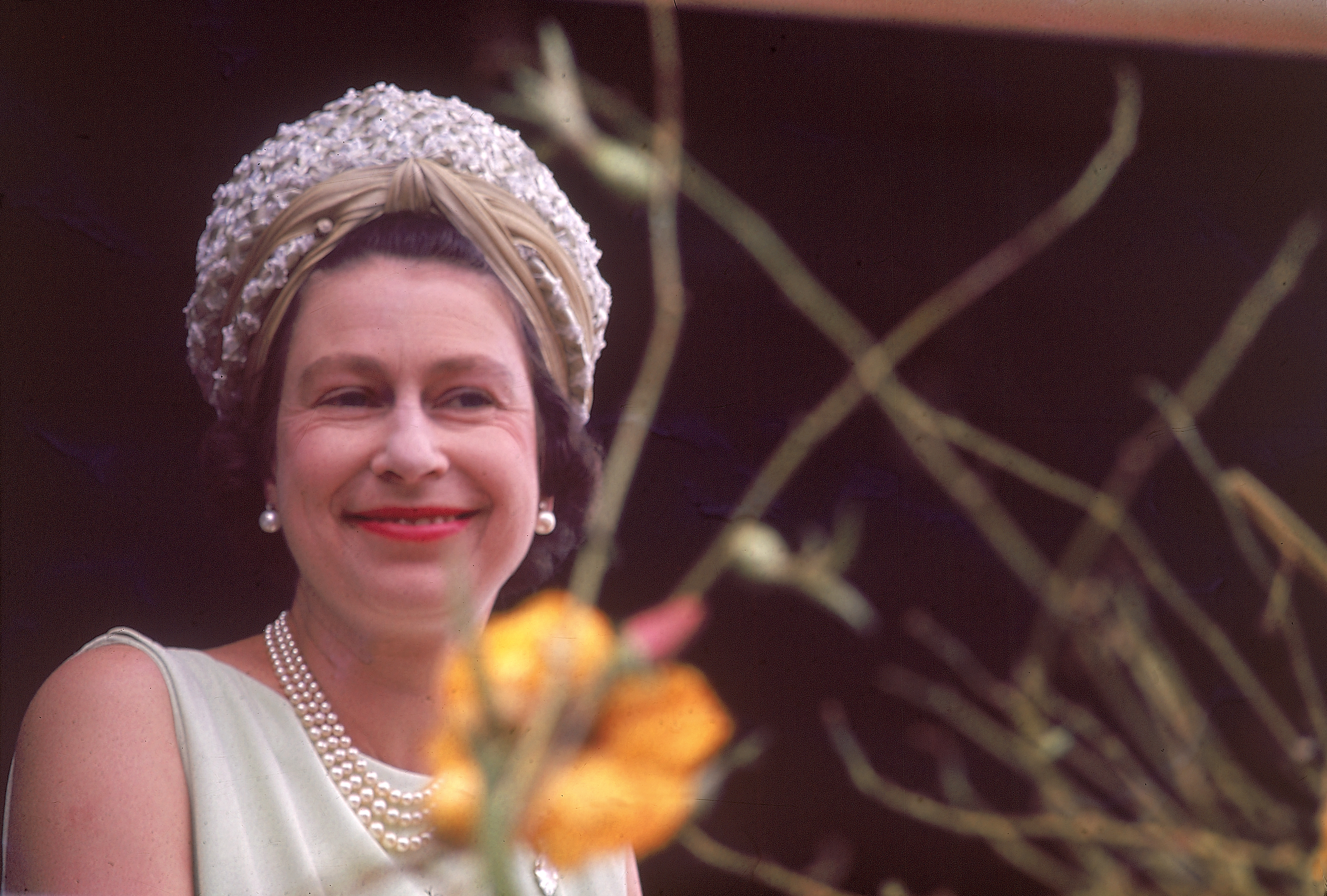
Happy and glorious while in Grenada during the royal tour of the West Indies in 1966. ©Mary Evans Picture Library.

The Queen’s position as an assiduous Supreme Governor of the Church of England was a great comfort to many of Britain’s religious minorities, for whom today’s increasingly secular society can be a source of concern. It is territory where no politician would dare to tread. And it helps to explain why every one of The Queen’s prime ministers was grateful for the weekly audiences that form the bedrock of Britain’s constitutional democracy.

Through it all, she had to cope with personal challenges and sadness, most notably the loss of Prince Philip in 2021. Thereafter, in tandem with her heir, she showed a sure hand in laying the ground for the new reign of King Charles III. Between them, they would ensure a transition far smoother than most predicted.  

State visit, Queen Elizabeth birthday.
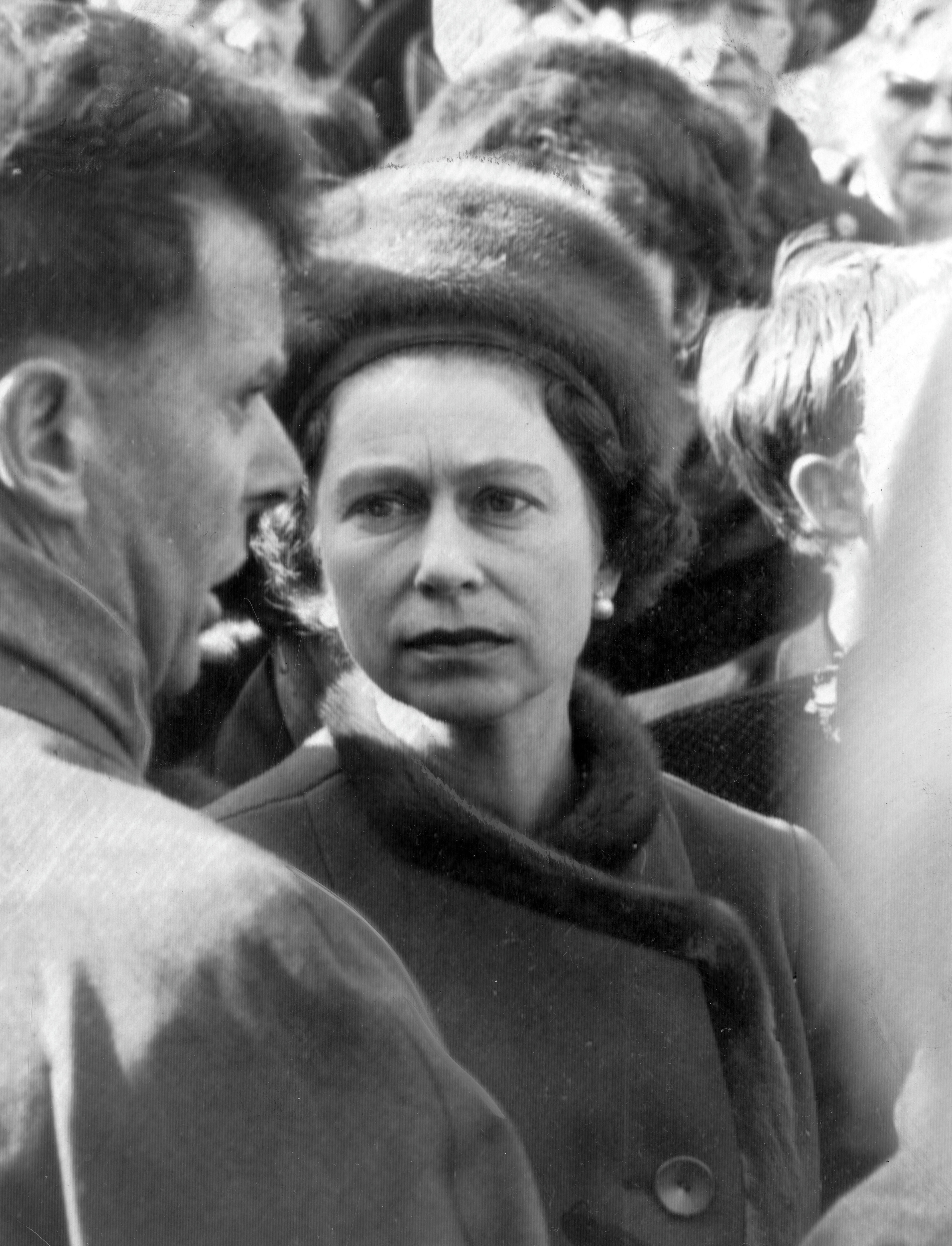
Visiting the people of Aberfan after the spoil heap disaster in 1966 which killed 144 people, including 116 children. ©Mary Evans Picture Library.

Historians will debate her legacy for years to come. They will, of course, point to shortcomings, notably the over-indulgence of her second son, Prince Andrew, who was later drummed out of public life and went on to heap disgrace upon the family. These, however, were far outweighed by the way in which she guided her thousand-year-old institution during times of unprecedented social, technological and geopolitical change. She inherited the throne of Britain and her other realms at the dawn of the Cold War and the Jet Age, a woman in what was still seen very much as a man’s world. While other world leaders came and went, she remained firmly in charge all through the Swinging Sixties, the Space Age, the rise of a new world order and into a new millennium and the Digital Age.

From start to finish, she consistently retained the respect, love and affection of her very proud peoples. To have maintained the monarchy’s position at the apex of society through so much upheaval, while remaining constant and true to herself, is not just remarkable. It is the hallmark of greatness. 

Robert Hardman writes for the Daily Mail and is the bestselling author of ‘Elizabeth II. In Private. In Public. The Inside Story’ (published by Macmillan)

Articles may contain affiliate links; all selections are independent and at no additional cost to you.