Inside The FT Business of Luxury Summit 2026

Words by
Sphere Editors

26th May 2026

Leading luxury figures, from Victoria Beckham to Jonathan Anderson, gathered in Puglia for the FT Business of Luxury Summit last week. SPHERE was present as Supporting Media Partner, with Lisa Barnard – ILN CEO and SPHERE Digital Editor – on the ground to gather the key insights shaping the industry.

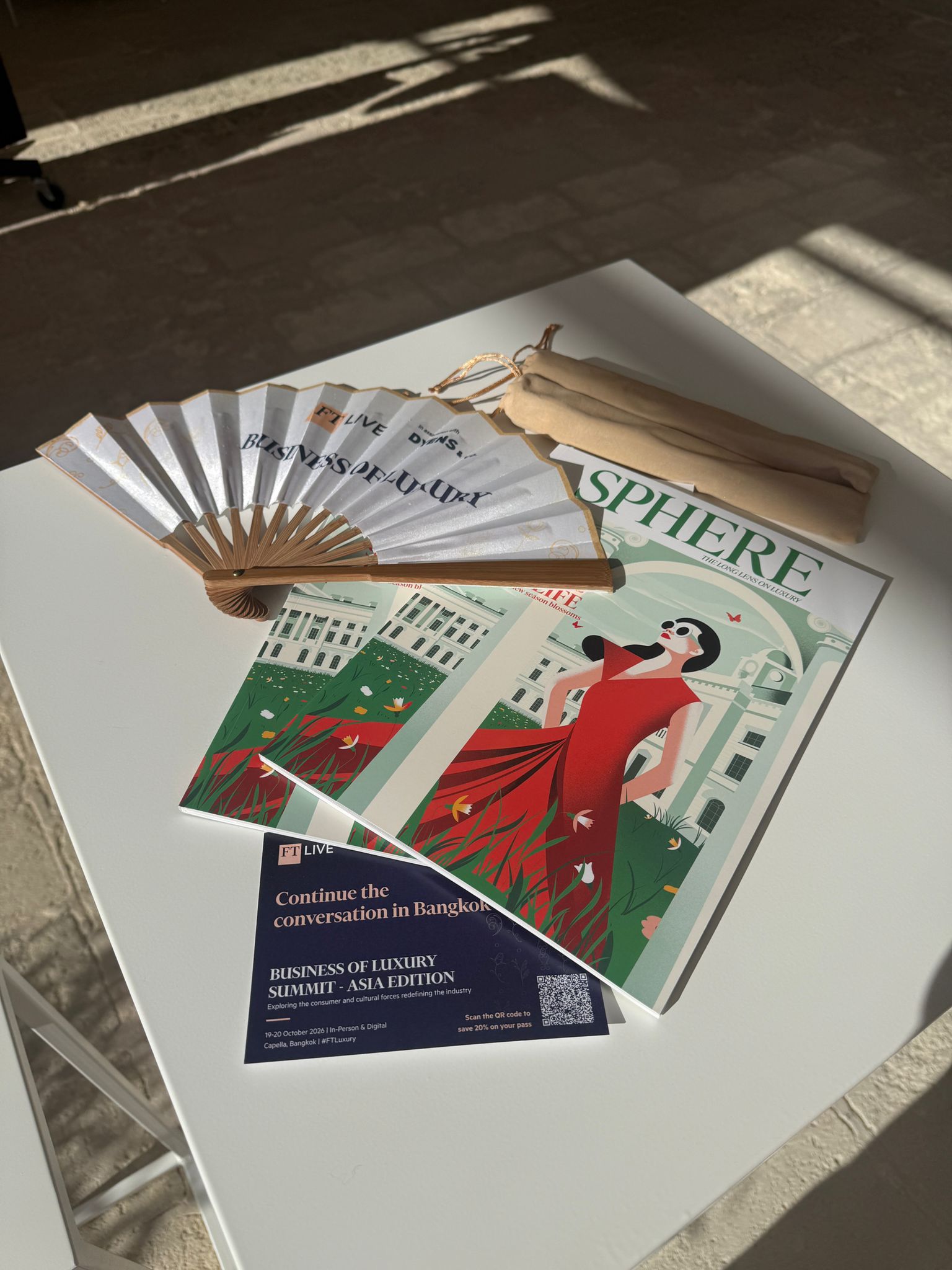
FT Business of Luxury Summit - a copy of SPHERE.
SPHERE was the Supporting Media Partner once again at this year's FT Business of Luxury Summit

Set against the storied, rustic surroundings of Borgo Egnazia in Puglia, the FT Business of Luxury Summit returned for its 22nd year. With SPHERE as Supporting Media Partner, the florally illustrated covers of our recent Spring Issue were dotted around the venue for attendees to flick through between talks. SPHERE Digital Editor and ILN CEO Lisa Barnard was on the ground to take her place in the buzzing audience and gather the key insights shaping today's luxury industry.

This year's discussions centred on the theme of "bringing resilience into luxury brands", with conversations touching on the ups and downs across all areas of the sector – from fashion to travel and hospitality. Jon Slade, CEO of the Financial Times, identified some of the difficulties the industry has faced: "Geo-political volatility, slow demand in some key markets and disruption to the travel sector all weigh on the sector itself." With some 20 million consumers having cut back last year, luxury brands have had to rethink their strategies, rebuild relationships with customers and retell their stories to protect their businesses.

Read the insights from last year's FT Business of Luxury Summit in Barcelona via this link

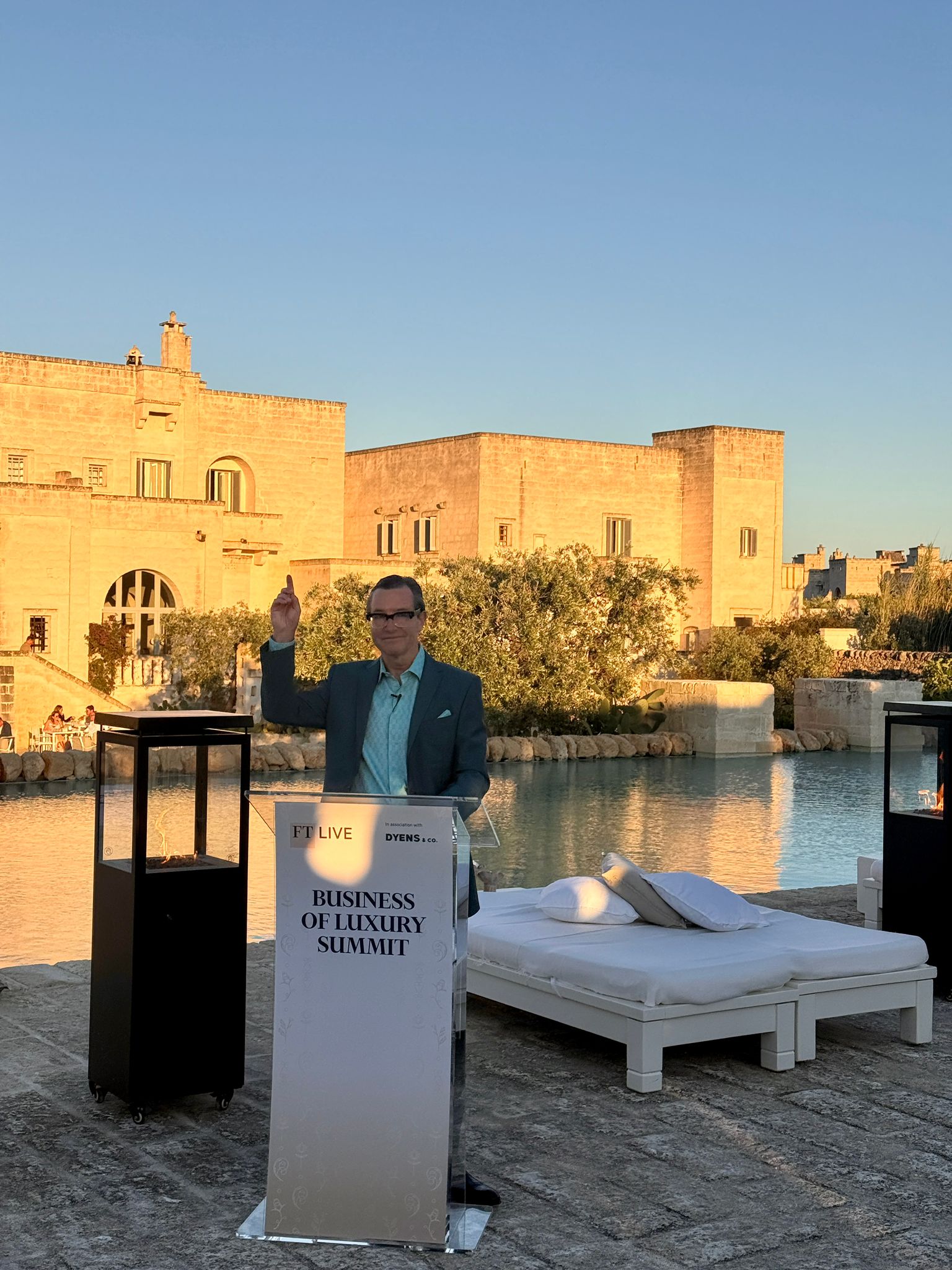
FT Business of Luxury Summit - John Ridding.
John Ridding, Chairman of the Financial Times

The summit brought together global leaders in luxury, including names such as Cedric Charbit, CEO of Saint Laurent, Cristiano Fiorio, CMO of Maserati and Victoria Beckham, the eponymous founder of her own label. One message that rang loud and clear across the summit was that creativity and storytelling are the two factors that will continue to keep luxury sacred amongst shoppers. However, creativity must be supported by strong business structures – in the words of Thom Browne: “If you’re going to be commercially creative, you also have to have a side to your business that is commercial and sellable.”

Creativity is at the core of luxury

In a world where the ubiquity of AI has started to make taste and design feel homogenous, it is human touch that has become the biggest luxury. Floriane de Saint Pierre discussed this in a panel, saying: “We are in a creative economy.” She further explained: “The more we use data, the more we need creativity.” De Saint Pierre also expressed concerns for the next generation of luxury pioneers: “If the entry level positions in design are replaced by AI, how will we groom the next generation?”

Her sentiment was echoed by Cedric Charbit, CEO of Saint Laurent, who highlighted that “creativity, craft and attention” are the pillars of luxury. Like Thom Browne, Charbit discussed the importance of underpinning creativity with a flawless operational understanding, saying that at Saint Laurent he aims to “equally focus on the creative and the executive.”  

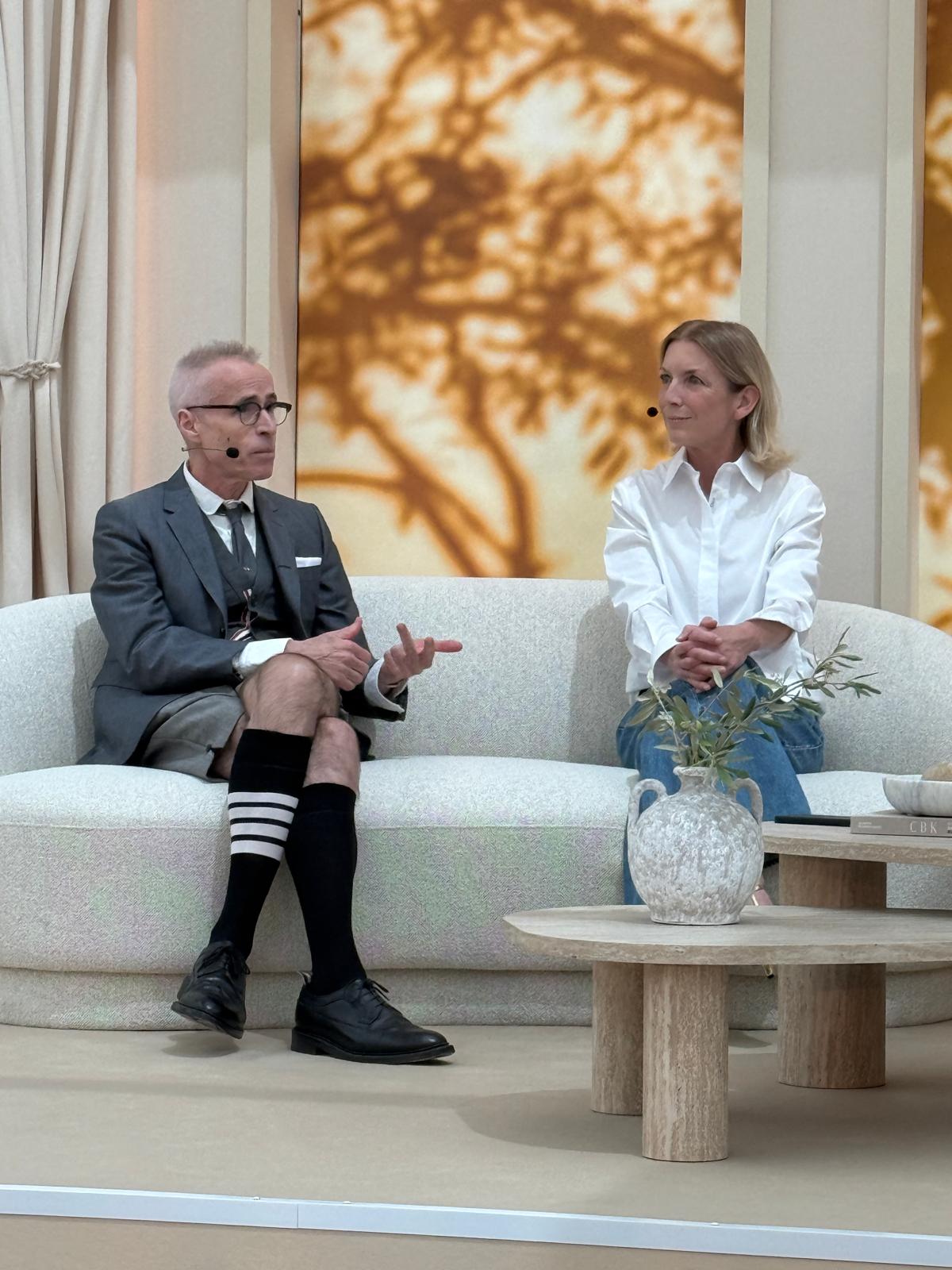
FT Business of Luxury Summit - Thom Browne and Floriane De Saint Pierre.
Thom Browne and Floriane De Saint Pierre in conversation.

With this year's Met Gala theme of “Fashion is Art”, fine art is at the forefront of everyone's mind. Author of Art Thinking, Vadim Grigoryan, argued in his talk that “art thinking must penetrate the thinking of top management.” He discussed that “art gives people purpose”, and that amidst uncertainty, thinking with, across and like artists can help to maintain the qualities that make luxury so special.

Jonathan Anderson, Creative Director of Christian Dior, expressed his want to surprise audiences. In a world where fashion has become entertainment, Anderson, in conversation with Delphne Aunault, at Dior, “there will not be a formula.” If you knew the ending of a film, would you watch it? Anderson aims to embody the gripping methods of great cinema within his fashion offerings.

The next generation of luxury buyers 

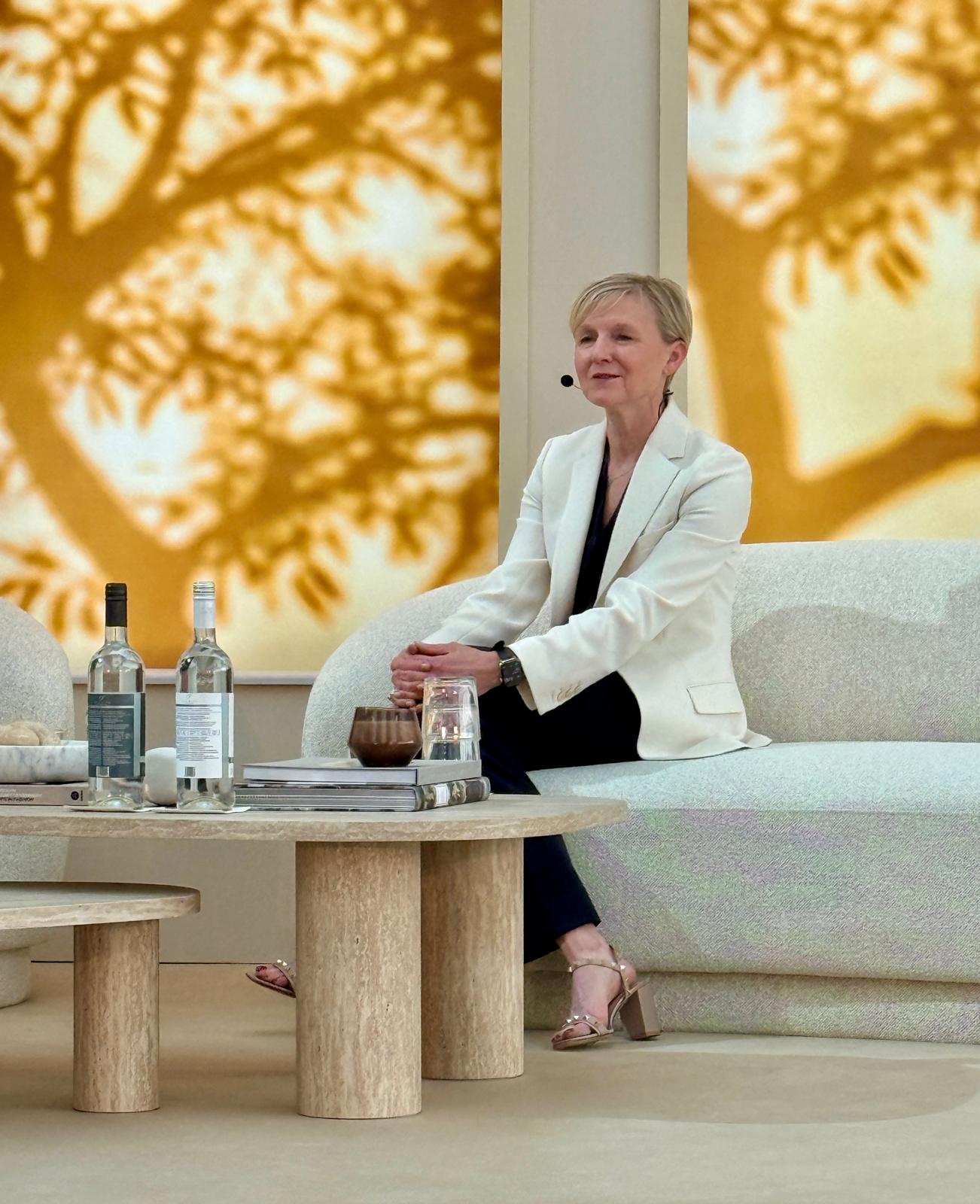
FT Business of Luxury Summit - Susie McCabe.
Susie McCabe, Co-CEO of McArthur Glen

By 2030, Gen Z is poised to account for almost a third of all luxury purchases, therefore it essential for brands to consider how to cater to this group in order to future-proof their business plans. Burberry has had massive success in the past year, using their brand storytelling to connect to younger people. “We’ve been really seeing Gen Z react to our expression of timeless British luxury,” said Jonathan Kiman, CMO, adding that Burberry aims to cater for three generations using “emotional longevity”. Though oftentimes marketing aimed towards Gen Z can come across as forced or saccharine, Kiman asserted that: “We want to make sure nothing is a gimmick.”

FT Business of Luxury Summit - Jonathan Kiman and Joanne Crevoiserat.
Joanne Crevoiserat, CEO of Tapestry, Inc. and Jonathan Kiman, Chief Marketing Officer of Burberry ©FT Live

Joanne Crevoiserat is CEO of Tapestry, Inc., who have seen similar success across Gen Z audiences with their brand, Coach. Crevoiserat spoke to many Coach customers and found that many thought fondly of the brand due to making their first luxury bag purchase from them. In this knowledge, Crevoiserat “set out on a mission to earn the right to be the next generation of consumer’s first luxury bag purchase.” Interestingly, Crevoiserat observed that Gen Z have the highest customer retention rates, and that they are not less loyal shoppers than previous generations, they just have more choice.

FT Business of Luxury Summit - Stéphane de La Faverie
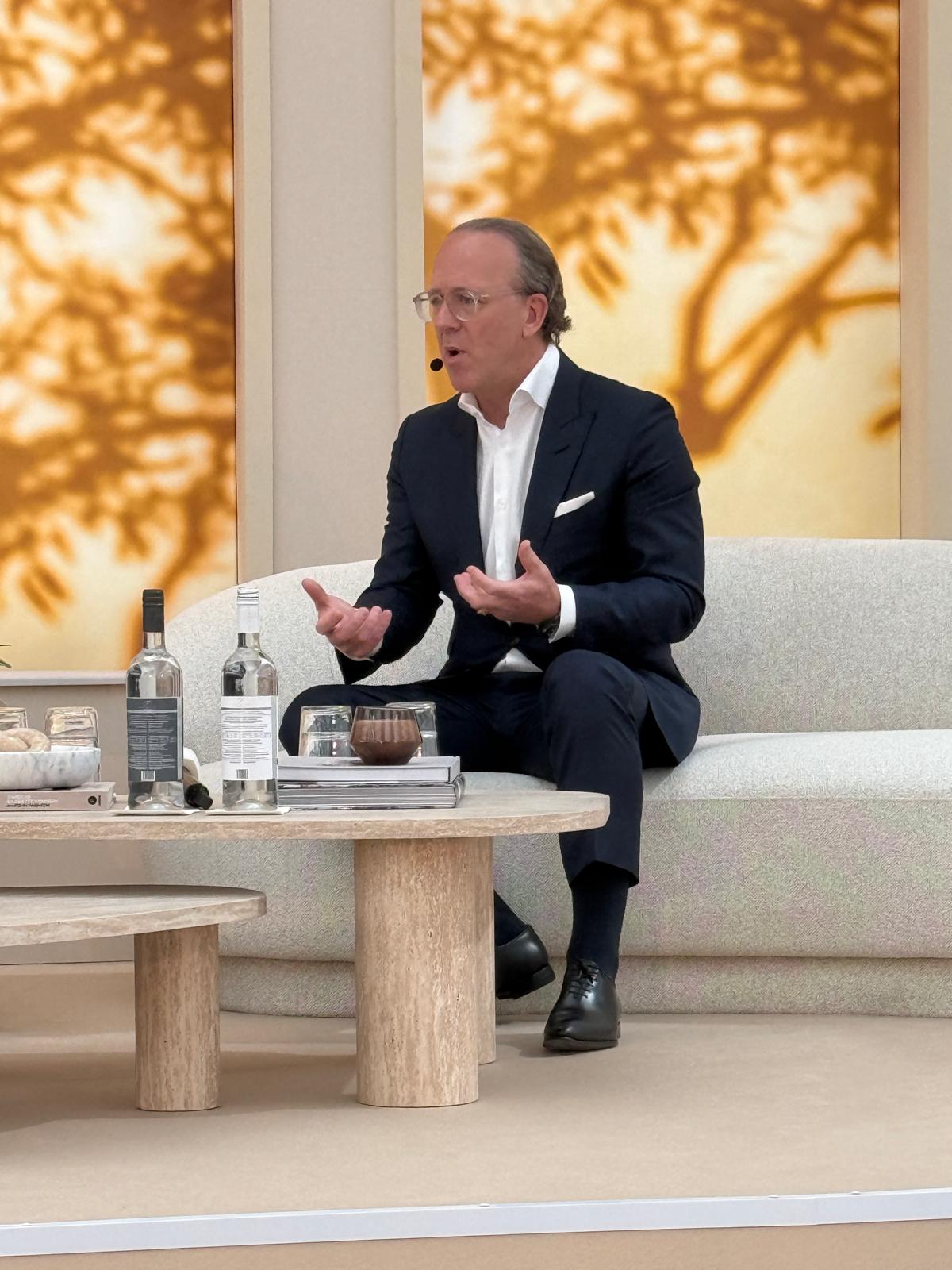
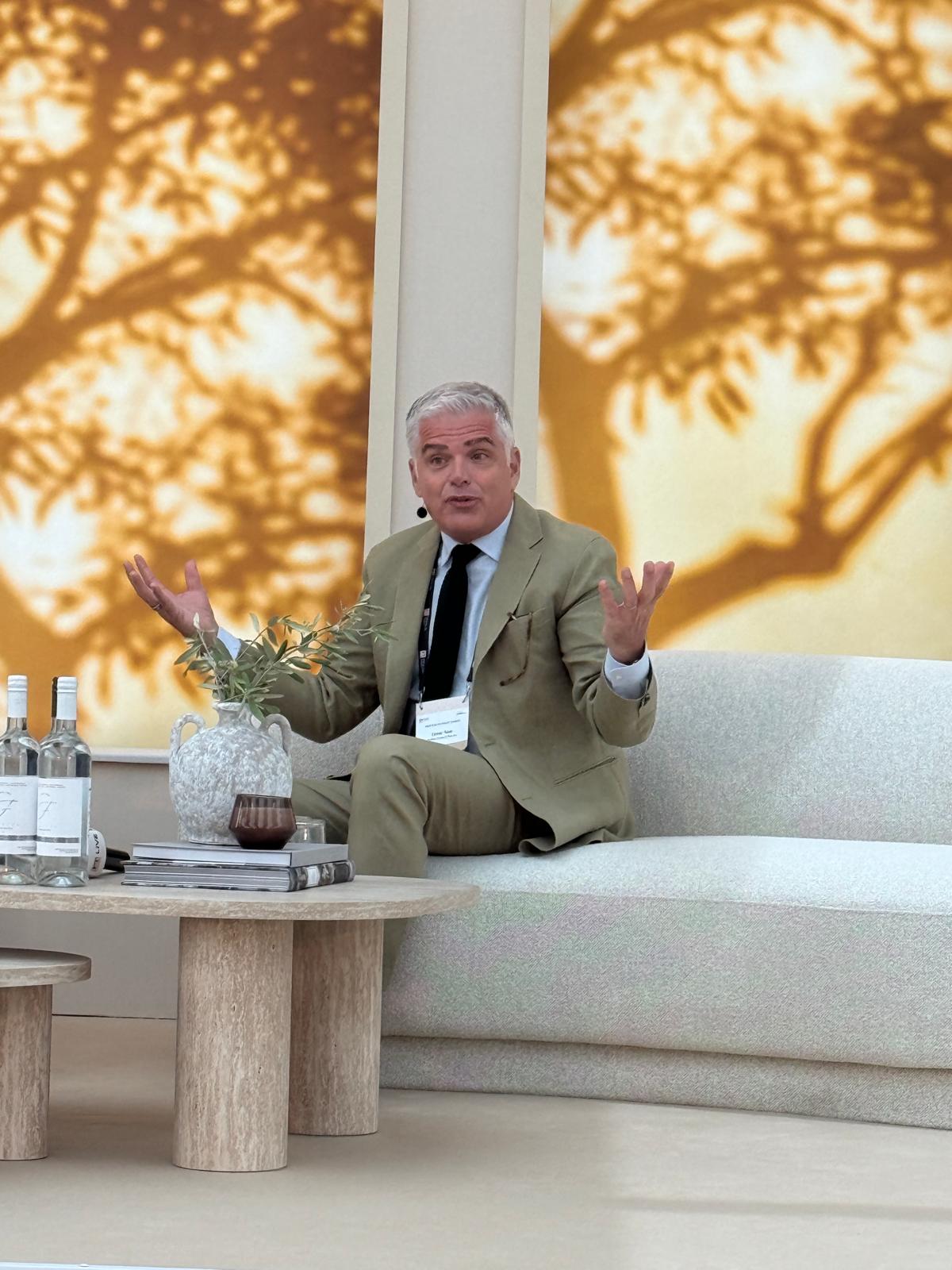
Stéphane de La Faverie, CEO of Estée Lauder Companies

Stéphane de La Faverie, the President and CEO of The Estée Lauder Companies has also seen growth by using more youth orientated e-commerce platforms, including TikTok shop and Amazon. Rather than leading people away from in-person retail purchases, he argues that this creates a brand new ecosystem, where customers discover the brand via e-commerce platforms and become loyal customers at the brands own stores.

Quality over quantity, always 

Despite a difficult year for Italian luxury cars, Cristiano Fiorio, CMO of Maserati, gave an optimistic talk. He was particularly upbeat when discussing the new bespoke limited-run offering at Maserati, allowing customers to “embed their own preferences inside their car,” describing this process as “giving soul to projects”. This run focuses particularly on craftsmanship and quality – as Fiorio says: “there are a lot of computers on four wheels, we do cars.”

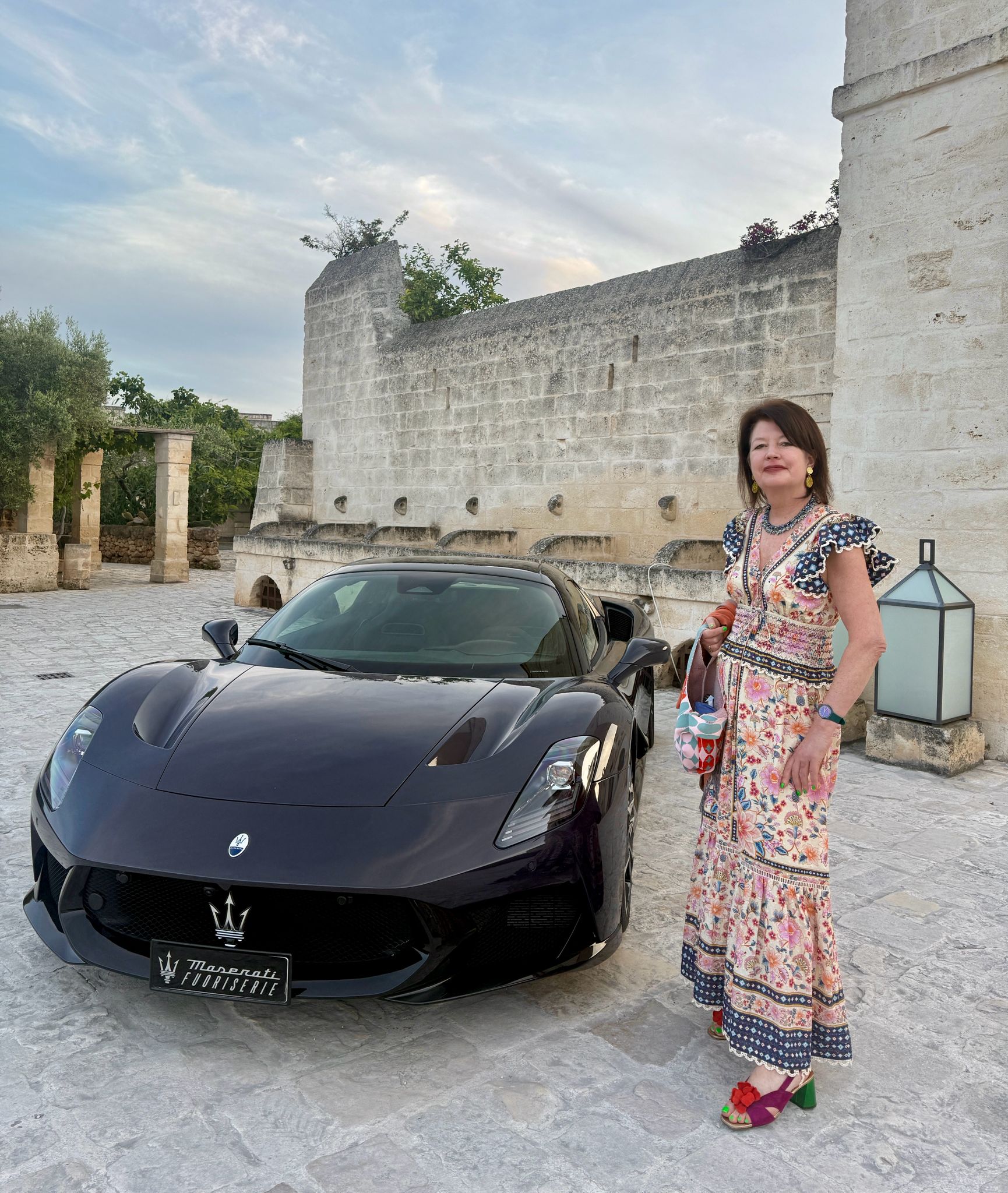
A Maserati at The FT Business of Luxury Summit.
Maserati cars on display at Borgo Egnazia during the Summit

In the luxury hospitality sector Aldo Melpignano, owner and CEO of Borgo Egnazia and Egnazia Ospitality, also puts quality at the forefront of his business. “We are trying to create a new brand in every place we go,” he said, focusing on creating beautiful hotels that embody the energy of their surroundings rather than quickly franchising.

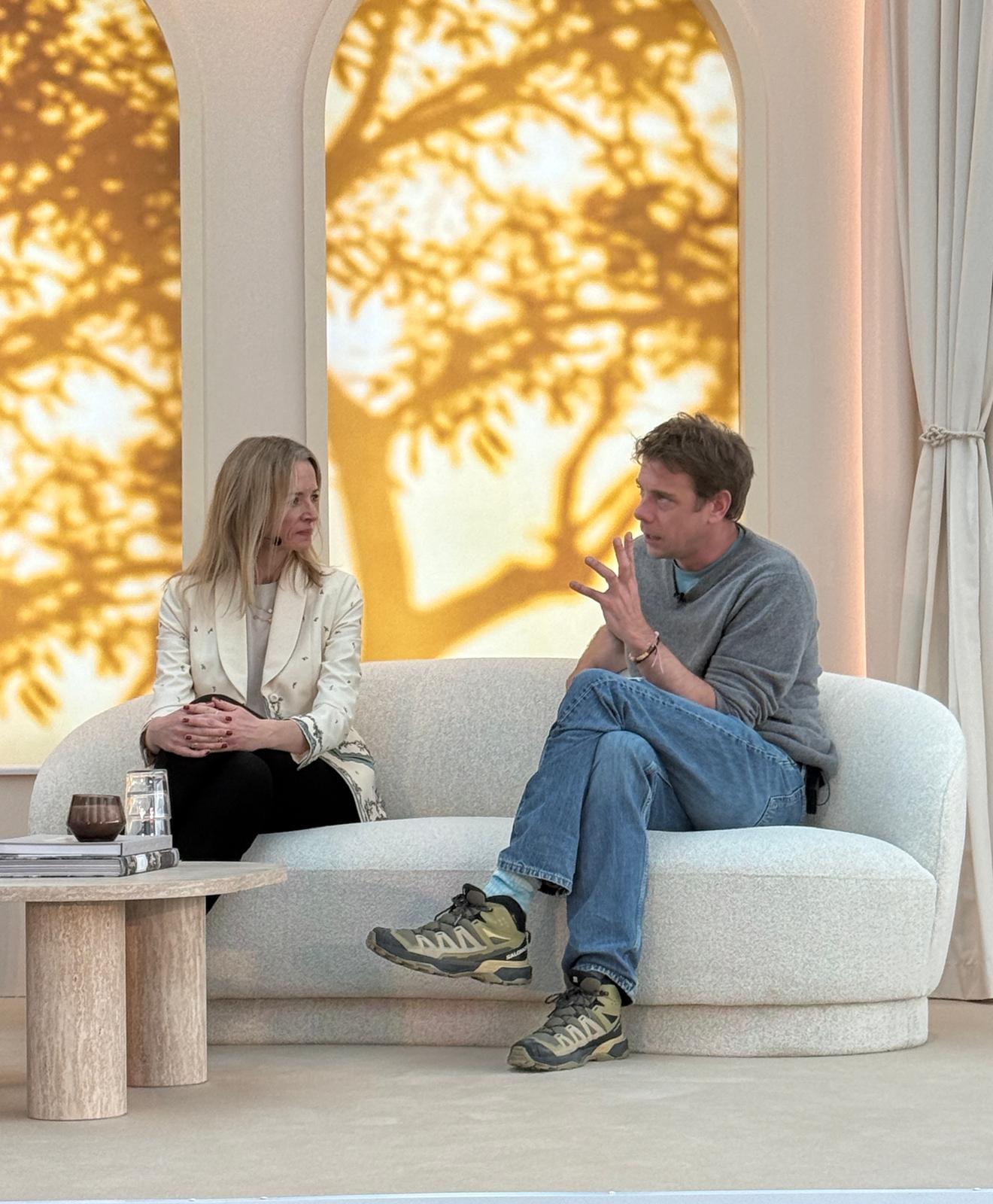
FT Business of Luxury Summit - Jonathan Anderson and Delphine Arnault.
Delphine Arnault, Chairman and CEO of Christian Dior Couture and Jonathan Anderson, Creative Director of Christian Dior's women’s, men’s and haute couture collections

Delphine Arnault, Chairman and CEO of Christian Dior Couture discussed pricing, a controversial topic in the luxury industry as of late, with many arguing that price hikes have pushed away many loyal customers. Arnault stated that: “We can’t increase the price of the product without increasing the quality of the product.” Arnault, like her father Bernard Arnault, CEO of LVMH, spends much of her time of the shop floor. Her father has always been a perfectionist, and Arnault recalled stories of her father adjusting the shelf lighting in retail spaces – it is this attention to detail that defines luxury.

Having faith in the quality of your own products is incredibly important to instilling faith in your customers – something that Victoria Beckham, founder of Victoria Beckham and Victoria Beckham Beauty, has in swathes. "I feel very lucky that now, if I want tailoring, I truly believe that my tailoring is the best tailoring out there," said Beckham, continuing to expand on the drive behind her fashion label: "I'm designing what I desire, what I want and what I couldn't find anywhere else. That's why I started doing what I was doing. I could not find those things, and that continues to be my why."

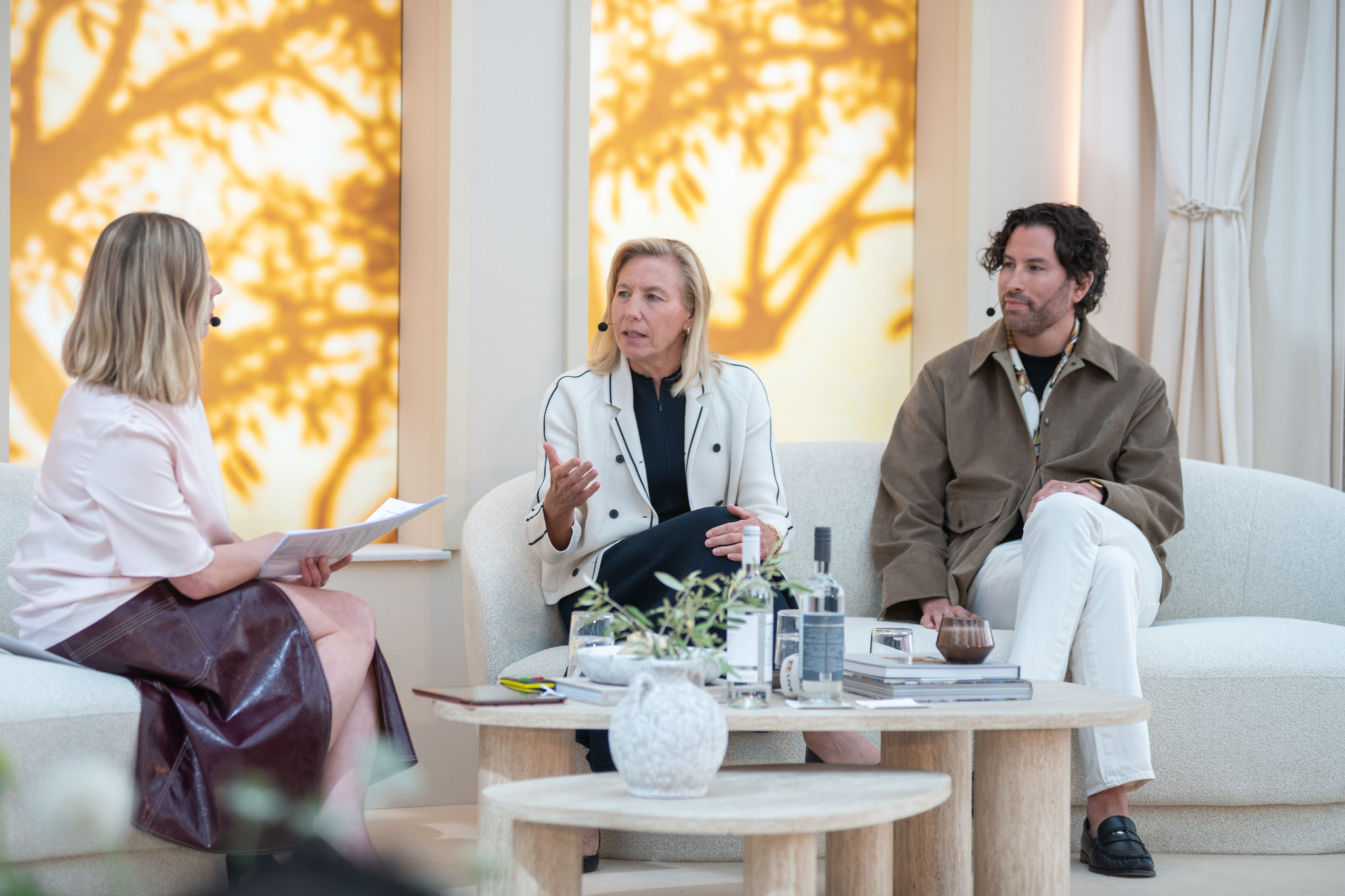
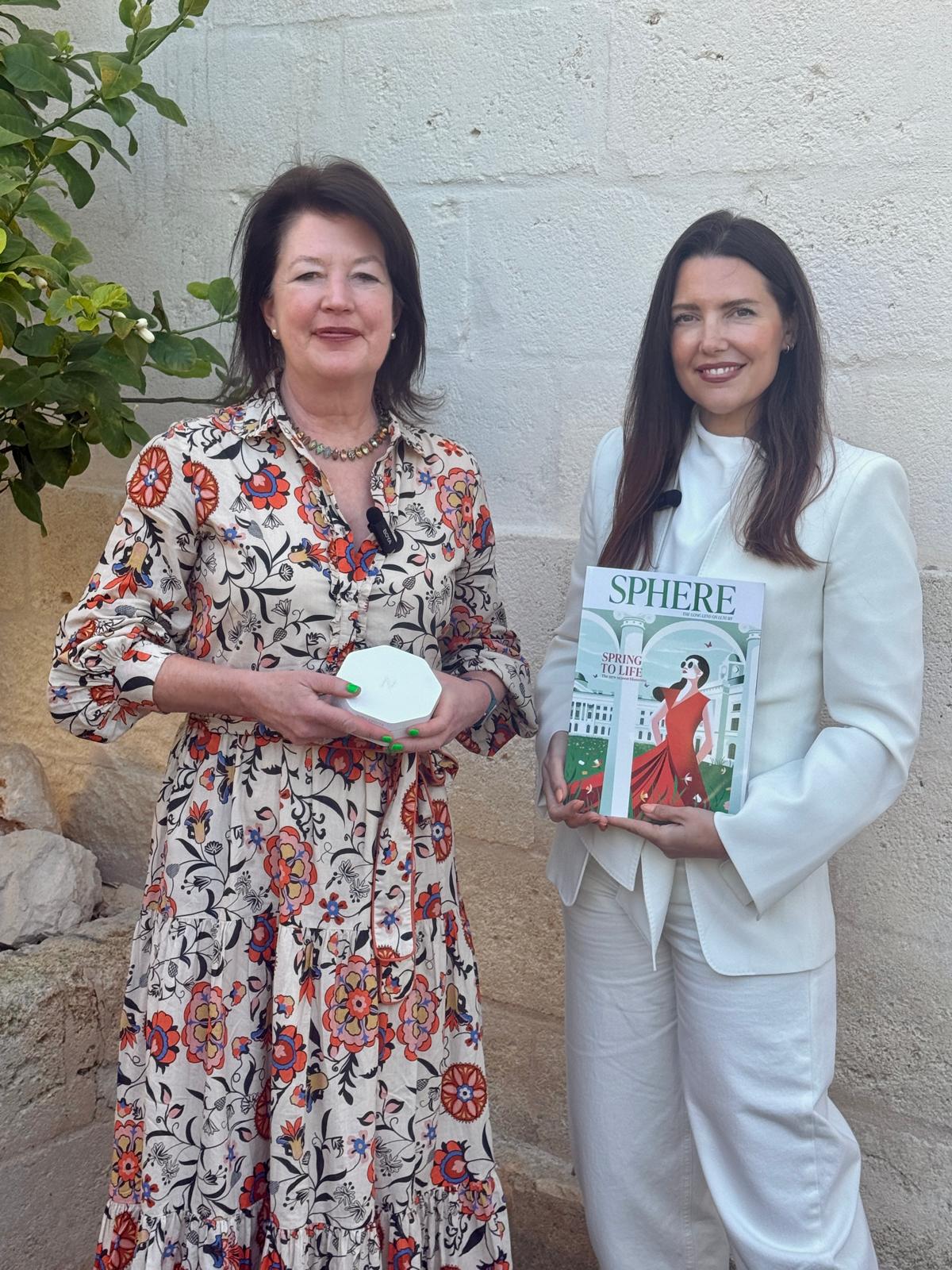
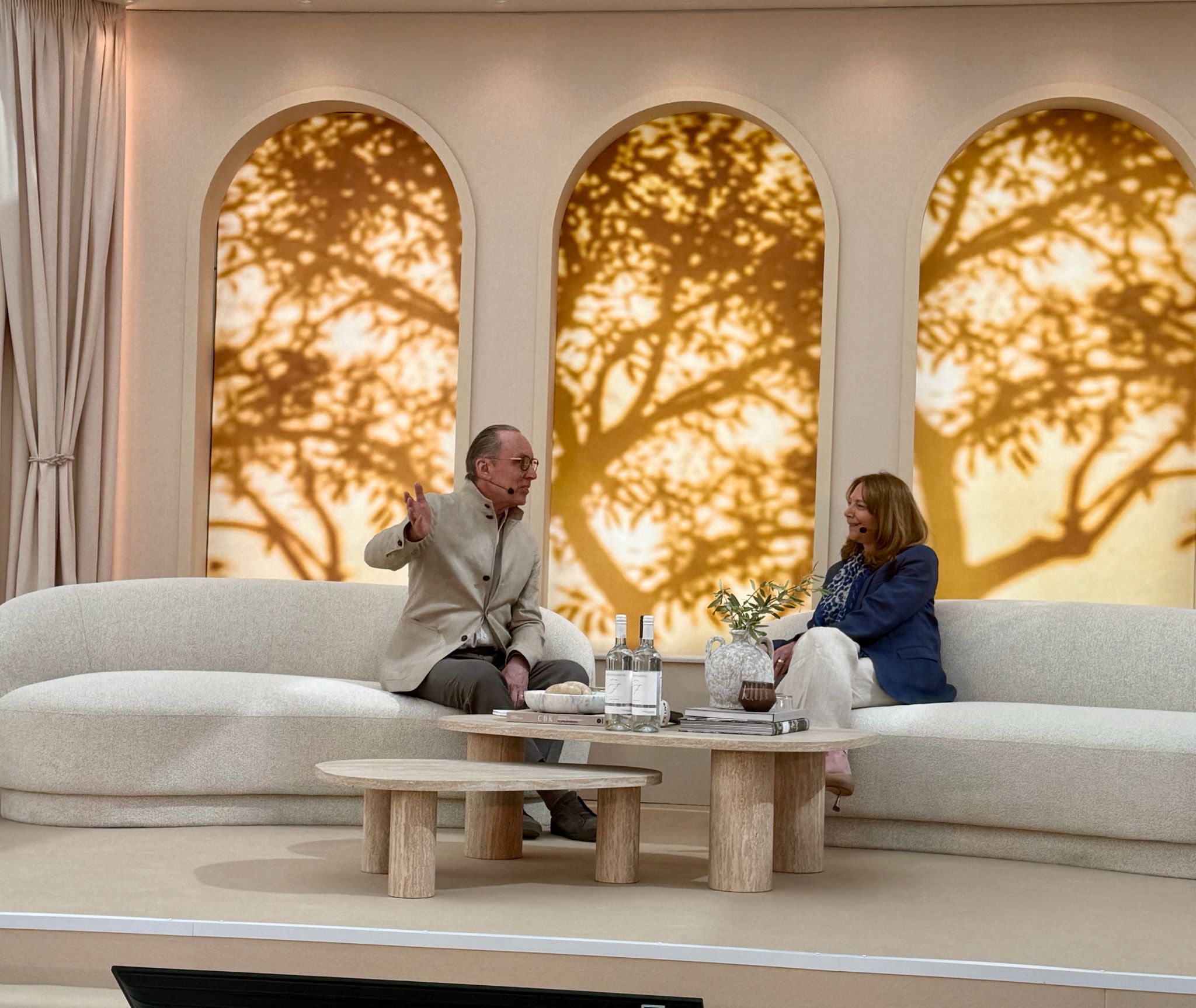
FT Business of Luxury Summit - Lisa Barnard and Celine Talabaza.
SPHERE Digital Editor and ILN CEO, Lisa Barnard and CEO of Noble Panacea, Céline Talabaza

Amidst speaking on current successes, the Spice Girl-turned-founder also openly expressed the challenges she has faced in building her business as a known public figure and picking it back up in moments it has fallen. "My business hasn't been through anything that most fashion businesses have not been through. But because my name was on the label, it was front page news with humiliating headlines," explained Beckham, who said she "just tried to not listen to the noise and focus on the product."

Reflecting on the early stages of her fashion label, Beckham said: "I never lost sight of why I was doing what I was doing. It was never a vanity project, but there were definitely times when I felt like the whole house was just burning down."

Luxury wellness continues to soar 

FT Business of Luxury Summit - Omer Acar.
Omer Acar, CEO of Raffles Hotels & Resorts and Fairmont Hotels & Resorts

Wellness has been the word on everyone’s lips in the luxury industry for a while now, however it is yet to show any sign of slowing down. Tamara Lohan, Global Brand Leader of Luxury Hyatt identified this change within hospitality settings. A decade ago, gyms used to be tiny rooms in hotels often hidden away in the basement and were glossed over in tours as a useful, yet largely functional, amenity. Nowadays, gyms often occupy prime real estate within a hotel. They are commonly large spaces, flooded with natural light, and an essential feature for many travellers when considering which hotel to book.

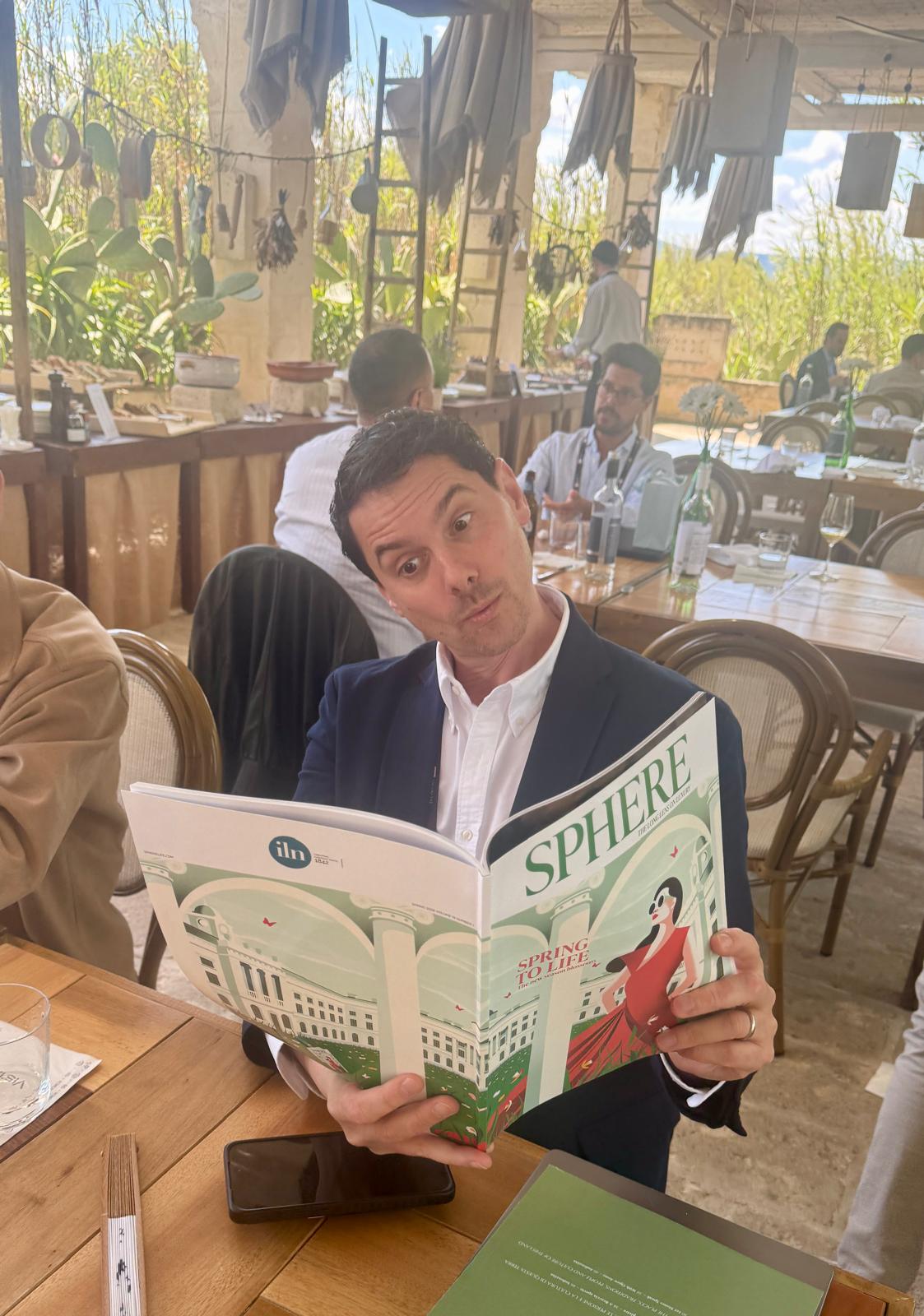
FT Business of Luxury Summit - SPHERE Magazine being read.
As the Supporting Media Partner, our latest SPHERE Spring Issue was available around the FT Business of Luxury Summit for all attendees to read.

This has also been reflected in homes. As Nerio Alessandri, CEO of Technogym said, gym equipment has gone “from the basement to the rooftop”. Alessandri argued that part of the reason wellness has become popular so rapidly is due to its ability to build communities, and that this side of the industry offers “a huge opportunity to connect young people.”

India Mahdavi, the founder of India Mahdavi Studio shone a light on the Adrere Amellal Ecolodge in Siwa, Egypt. This luxury resort has no electricity and offers visitors a complete escape from the rapid pace of modern society. With candlelit dinners and tables that change situation dependant on the position of the moon, Mahdavi argues that this opportunity to experience a “slow life” is the ultimate luxury.

Sustained relationships mean more than virality 

FT Business of Luxury Summit - Ermenegildo Zegna
Ermenegildo Zegna, Group Executive Chairman of Ermenegildo Zegna Group

Ermenegildo Zegna, Group Executive Chairman of Ermenegildo Zegna Group said that “close personal relationships” are essential for the success of his business, after all, “4 per cent of our customers make 40 per cent of our purchases”.  This success is accelerated by his business model, which is 85 per cent D2C – “I control my own distribution”.

Cedric Charbit, CEO of Saint Laurent
Cedric Charbit, CEO of Saint Laurent. ©FT Live

Cedric Charbit, CEO of Saint Laurent, also discussed the evolution of the VIC (Very Important Customer), arguing that all clients – whether they have made a purchase or not – should be treated as a VIC: “that is what luxury is about.”

In the closing talk, Matteo Atti, Global CMO of Vista poised the question: “Are we doing the right thing by focusing on trends?” The FT Business of Luxury Summit closed on the reminder a personal and individualised experience should be at the centre of all facets of the luxury industry, after all “luxury started with a face-to-face relationship with people.”