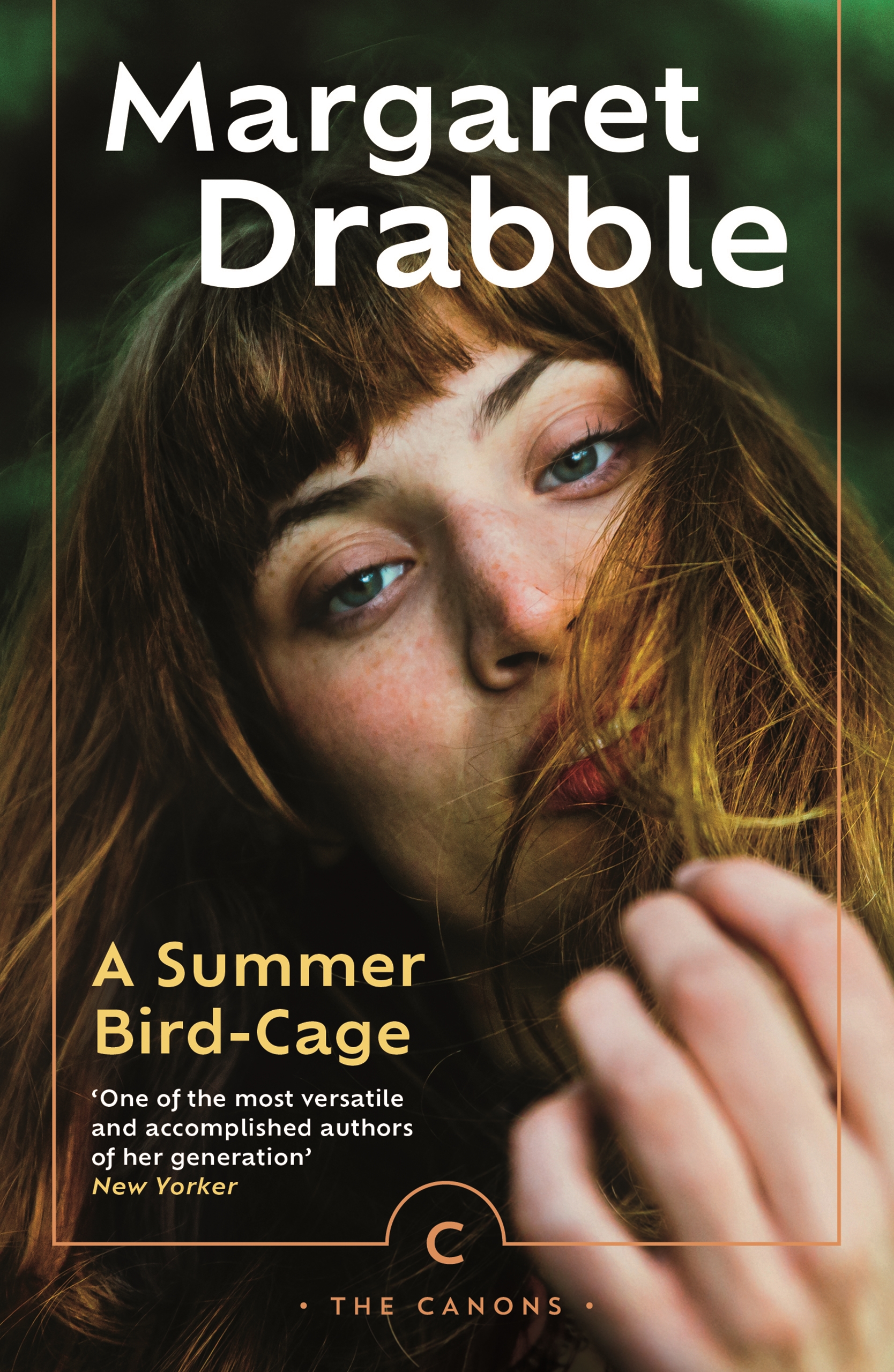
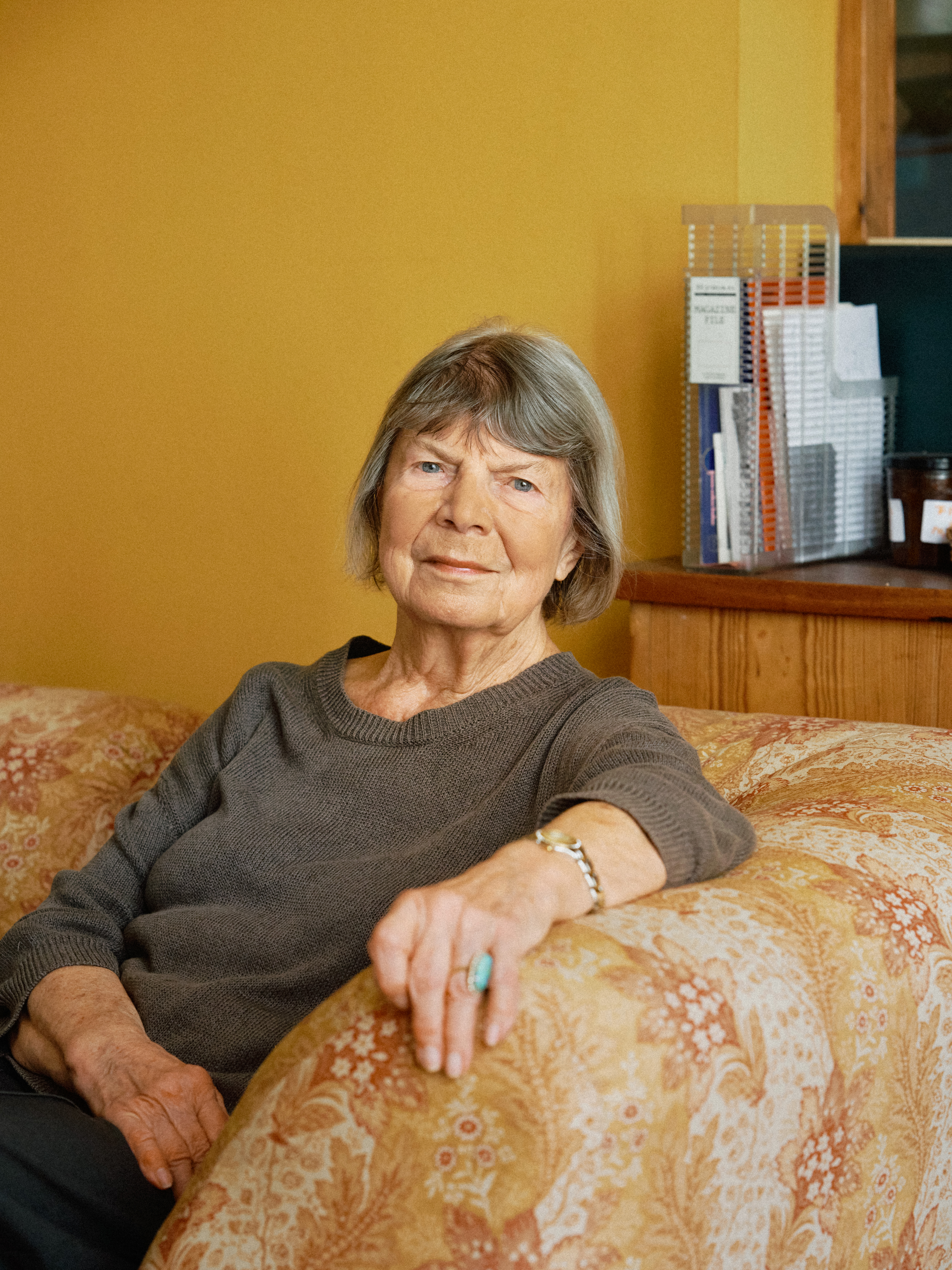
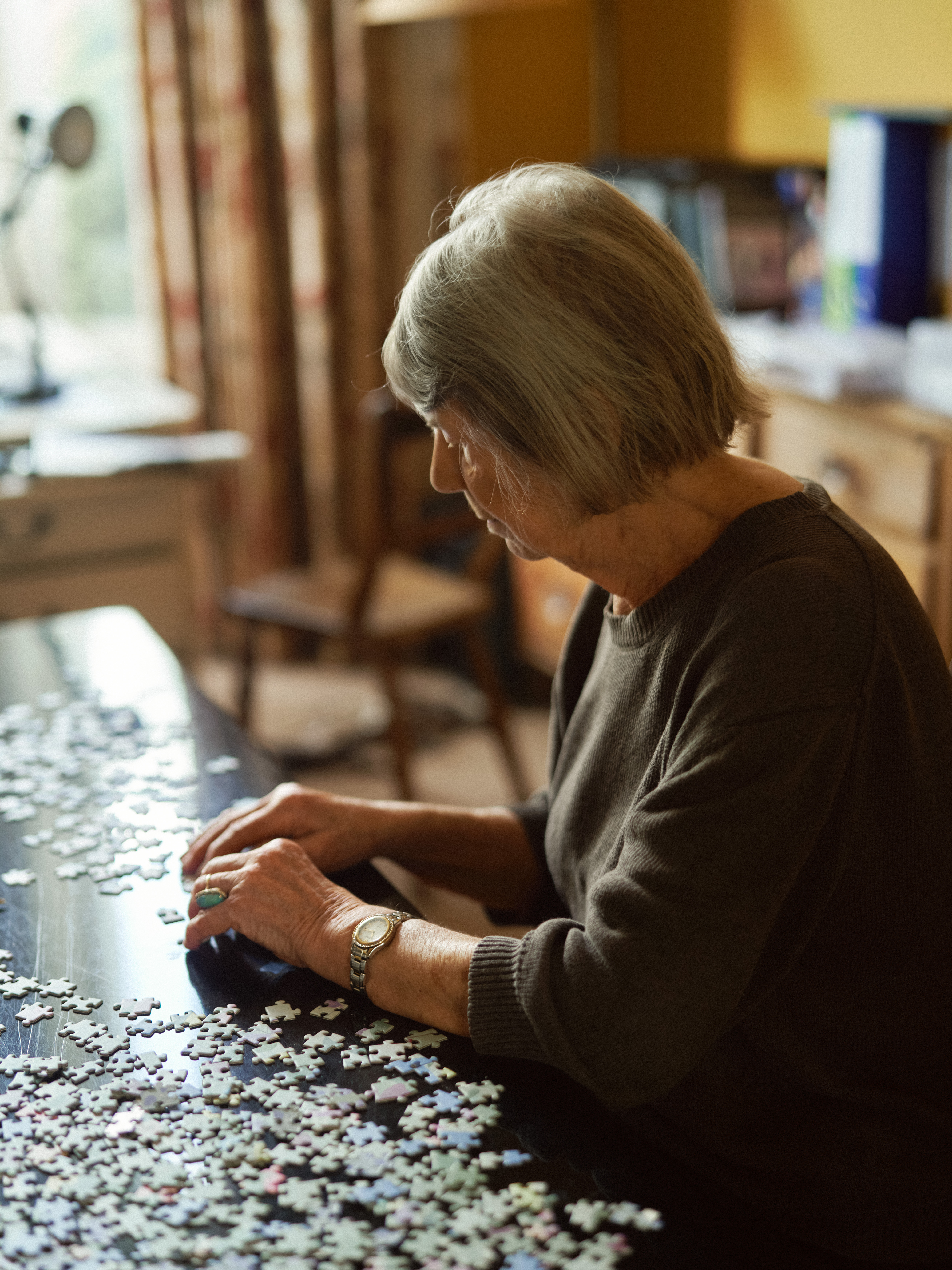
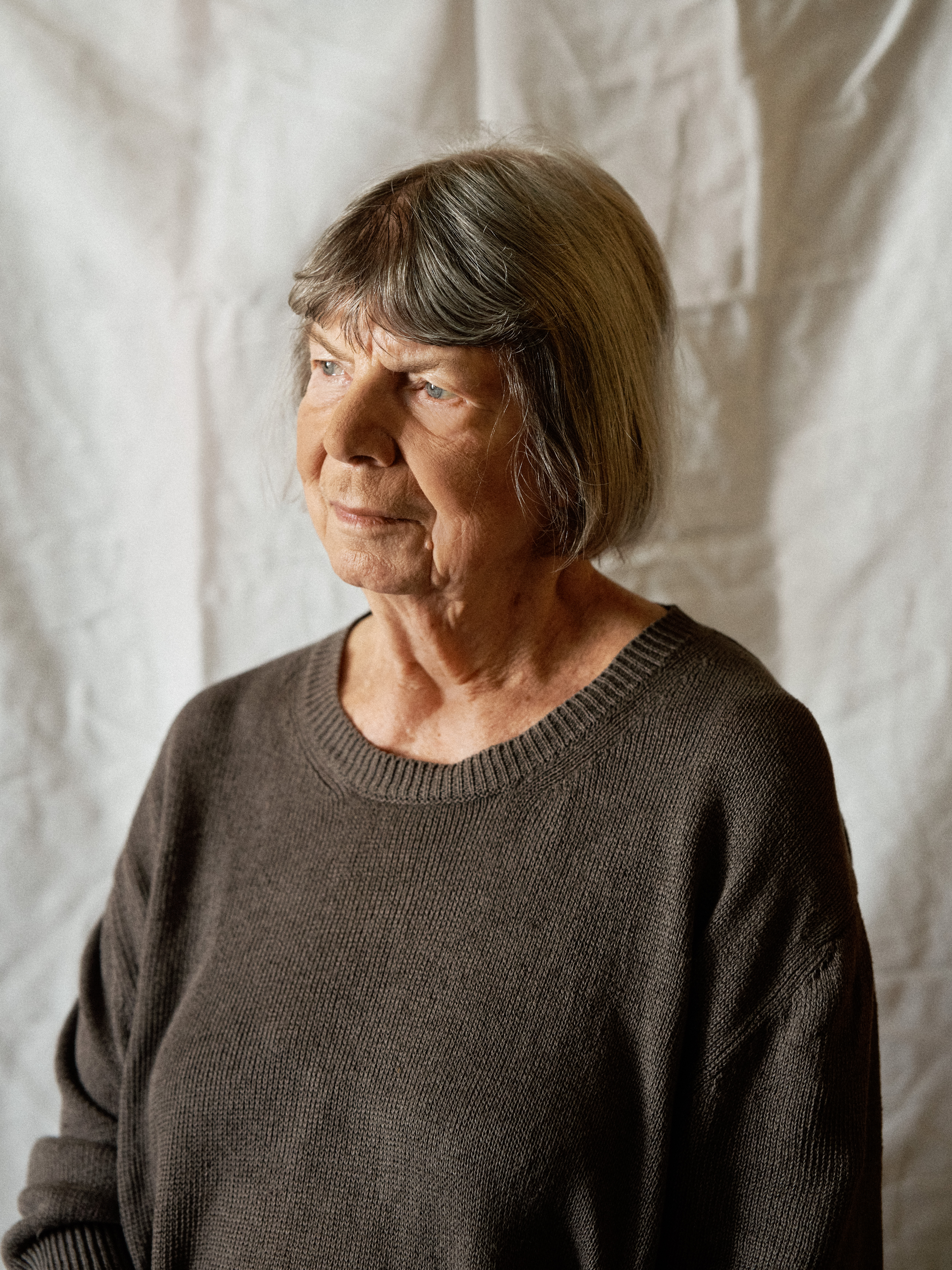
Margaret Drabble sits with her back to a large sash window. Outside, a vast cherry tree sways and bends under the weight of great clusters of white blossom. Against this magnificent natural backdrop, Drabble, a small figure neatly dressed in charcoal grey, is lent a certain majesty fitting for one of Britain’s most prominent, prize-winning authors. Now 87, Drabble was awarded a DBE in 2008 for services to literature. She wrote her first novel, A Summer Bird-Cage, in 1963, when she was 25, and went on to write a further 18, alongside her non-fiction books about Thomas Hardy, Arnold Bennett and more. Like many, I have devoured Drabble’s novels since adolescence, captivated by her penetrating perception of our inner lives. With her first husband, Clive Swift, Margaret had two sons, Adam, a professor of political theory and Joe, a celebrated garden designer, and a daughter, Rebecca, a poet and essayist. In 2017, Rebecca died of cancer at just 53, and on Radio Four’s This Cultural Life, Drabble told John Wilson that the devastating impact of Rebecca’s death meant she would never finish another book.
Margaret Drabble on Her Memoir 'The Great Good Places'
29th June 2026
Author Margaret Drabble’s piercing insight into our inner lives has earned her an army of devoted readers. Here, she reflects on her own rich yet challenging life and what’s to come.
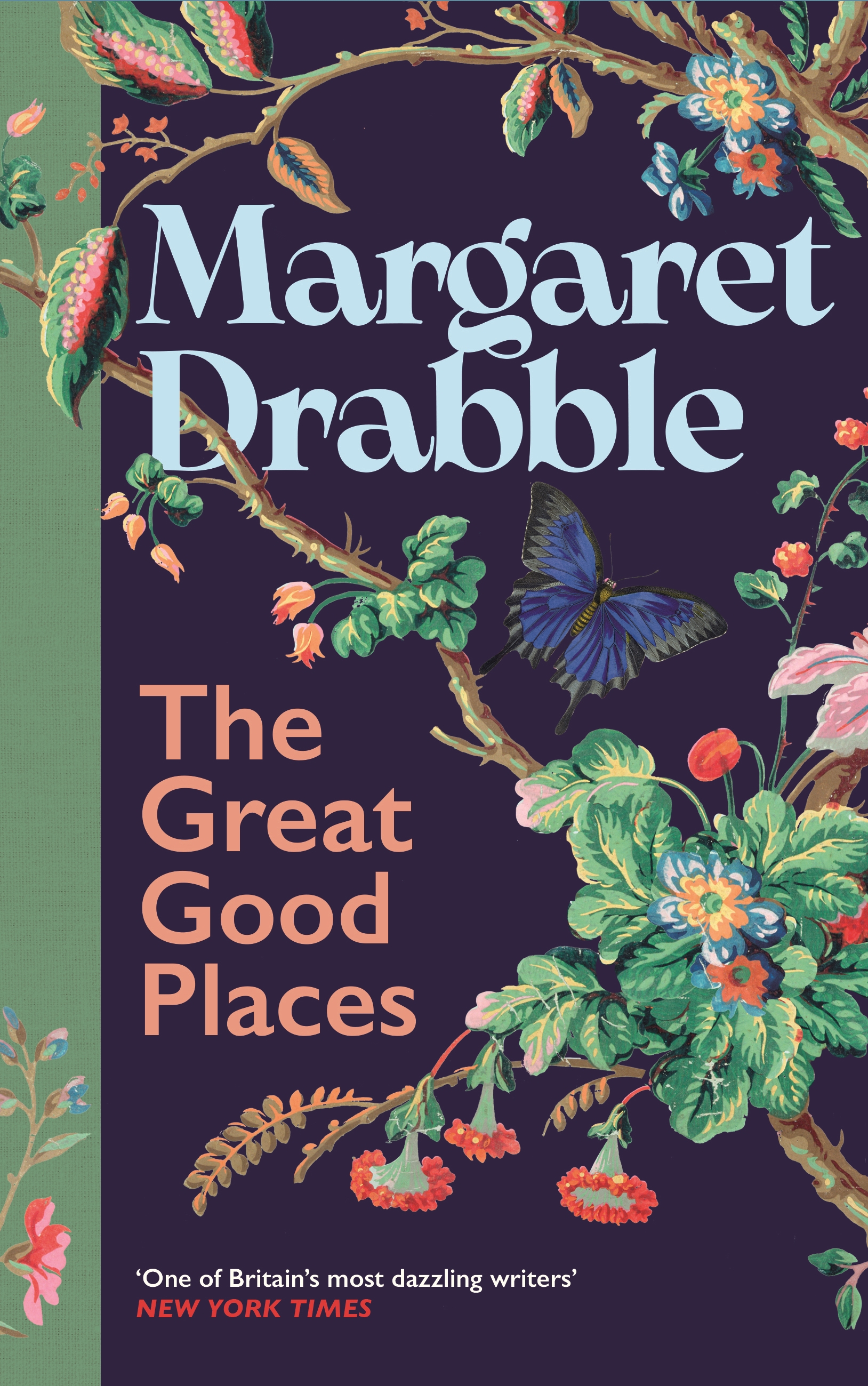
Yet here we are, to discuss The Great Good Places, so I ask about her decision to publish it. “Well, though I don’t have the appetite to plot another novel, I felt there was something still to be said, so this is a small collection of unpublished stories, some bits of memoir and chapters about places I’ve loved in my life.” The book includes a chapter on Sheffield, where she was born in 1939 at the outbreak of war, and another on her grandparents’ house, to where she was evacuated on the Nottinghamshire-Lincolnshire border. “My grandfather had been an electrician at the gas works in the Yorkshire coal fields, and he and my grandmother bought the lovely little house in the 1930s to fulfil their dream of running a tearoom. Over the years, we had so many really happy holidays there, playing in the fields all day and talking all night. Our parents didn’t talk to us much, but as siblings, we just never stopped.”
Margaret was one of four, born to parents resolutely committed to their children’s education. Both her parents were Quakers and studied at Cambridge, and she and her siblings followed suit. Before that, Margaret attended The Mount, a Quaker school where her mother, Kathleen, was a teacher. Her father, John, was a county court judge who wrote two detective novels after retirement, which she confesses to have enjoyed, particularly admiring the second. Her brother, Richard, became a KC; her younger sister, Helen Langdon, an artist and art historian; and her older sister, Antonia, the successful novelist, AS Byatt. Margaret and AS Byatt fell out bitterly and publicly around the time AS Byatt won the Booker Prize for her novel Possession.
At Cambridge, Drabble read English at Newnham College and took up acting. Her contemporaries included Ian McKellen, Derek Jacobi, Eleanor Bron, Corin Redgrave, Trevor Nunn, Peter Hall, and her first husband, Clive, who later became known for playing Hyacinth Bucket’s long-suffering husband in Keeping Up Appearances. They married in 1960, shortly after she’d finished her degree. “Clive was already at the Royal Shakespeare Company, and Peter Hall, who was running it then, really liked working with husband-andwife teams. So I moved to Stratford and was taken into the company as a walk-on and an understudy. Those were such happy days.” She started writing because she was “bored”. “I understudied Vanessa Redgrave and Judi Dench, who were hardly ever off stage,” she explains. “Then Clive was on stage every evening, and I didn’t know many people in Stratford, so I wrote a novel to occupy myself. To my astonishment, it was published. It led to an easier life, especially with children. Writing you can do anytime, anywhere — at least I could. And I was lucky it was never a struggle.”
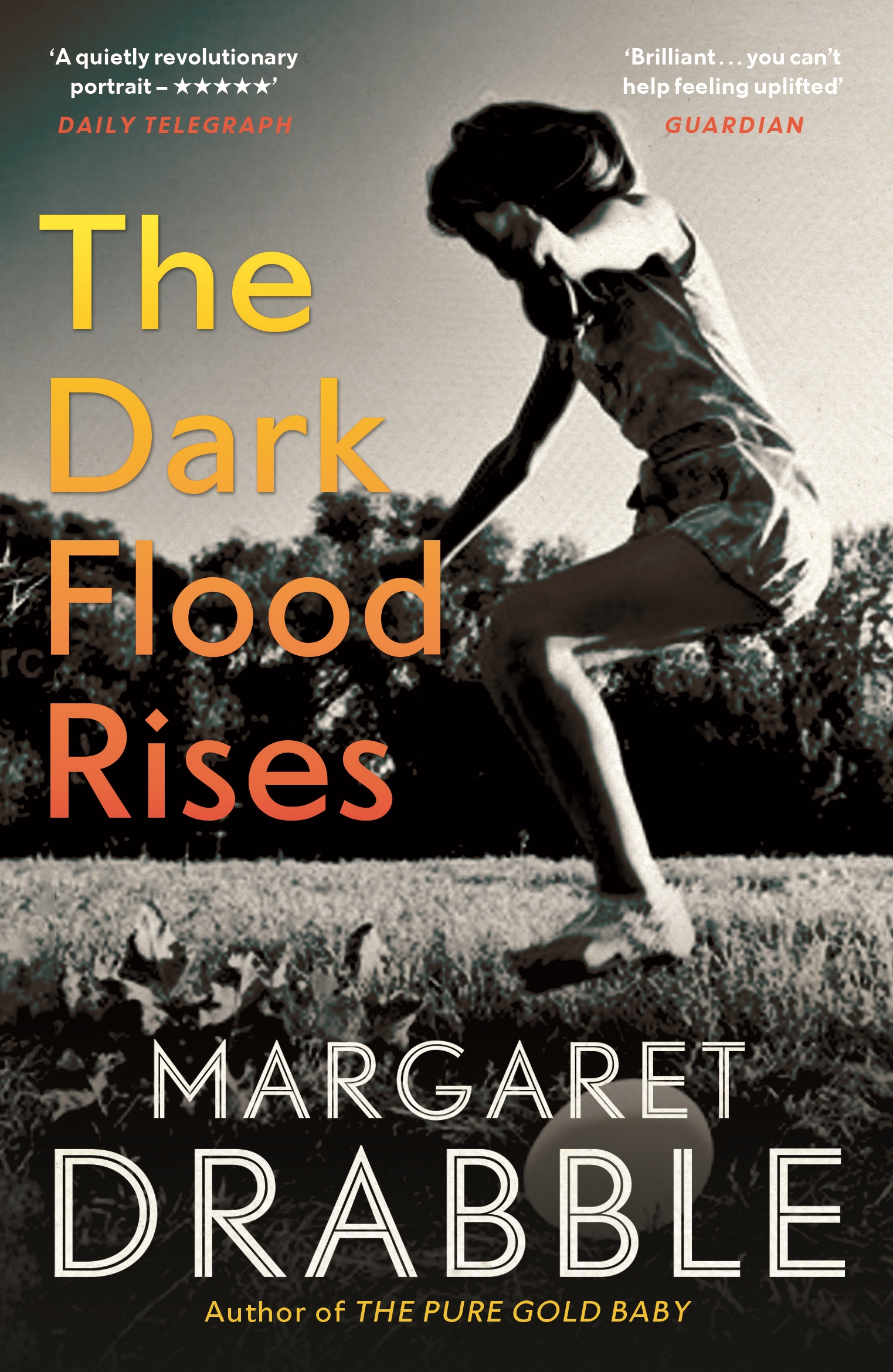
I ask her if it wasn’t hard to be creative after learning such rigorous practical criticism skills at Cambridge. How did she manage not to apply those to her own writing? “It’s interesting you should ask that question,” she says. “Because I did have to find an entirely new casual, first-person, narrative voice. I wrote as a young woman, not as an academic having to please an instructor, and soon realised I could say exactly what I wanted and no one was going to stop me. I was looking at life through fresh, innocent eyes. It was fun finding my voice, and on it went.” We go back to discussing The Great Good Places and her love of the Canary Islands, which also feature in her last novel, The Dark Flood Rises, published in 2016. She has been going to Lanzarote with her second husband, the biographer and writer Michael Holroyd, whom she married in 1982 (she divorced Clive in 1975), for about 30 years.
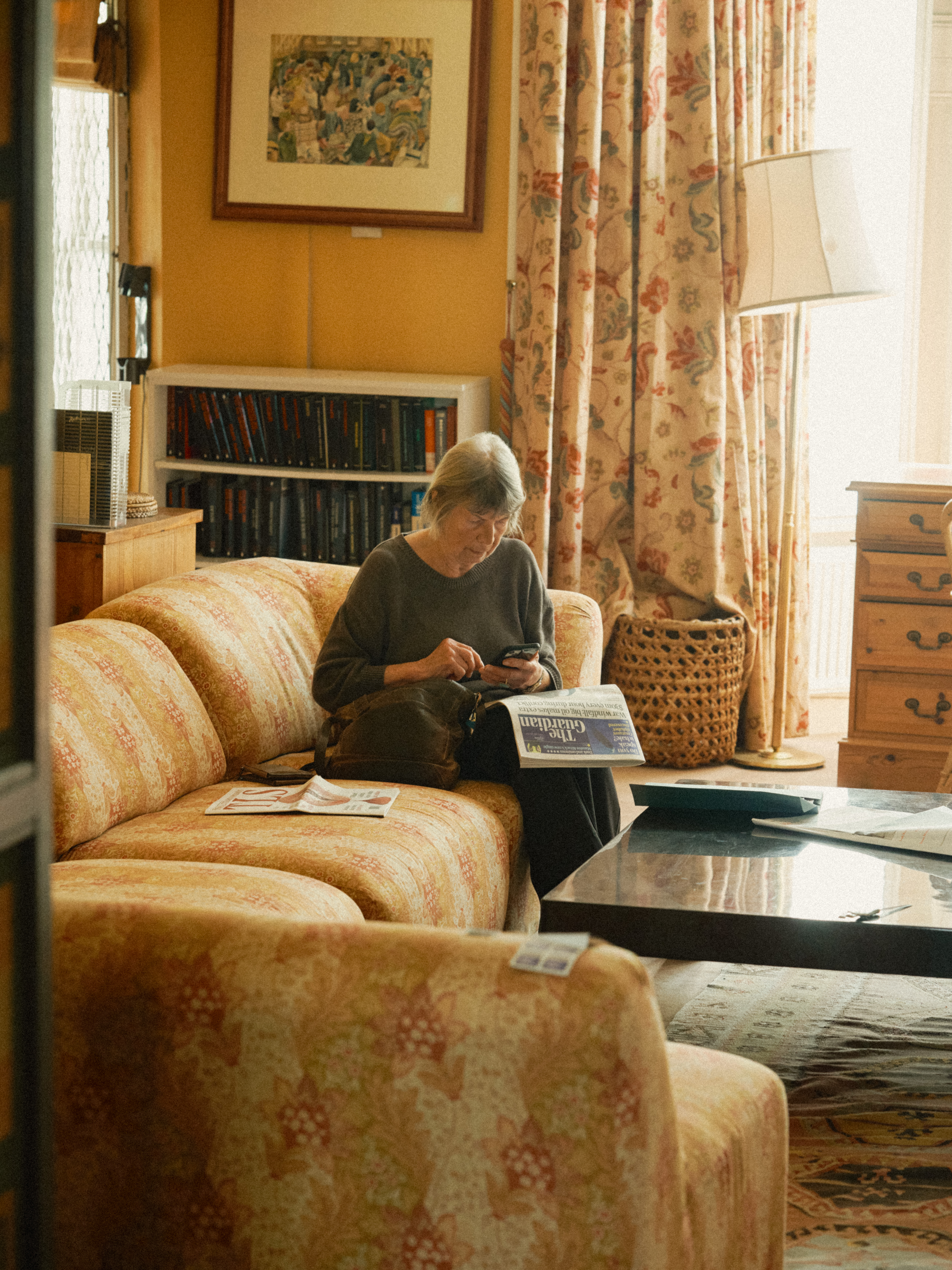
“We were introduced to the Canaries by my son Adam when he and his family were all staying in a sort of bunker. We stayed at a nearby hotel. It was mass tourism but luxurious, and the food was excellent, so what was not to like? We now have a timeshare, and Michael and I have been going there every February for about 15 years. It was the last place we went to together before lockdown.” Michael was gravely ill with cancer and now has severe Alzheimer’s and is non-verbal, so Margaret is rarely able to leave London or even the house. She spends time reading him poetry, and they watch television series together. I ask her about her current favourite place, aware that she’s mainly having to stay put and can probably do no more than dream about it. “Oh dear, it’s so hard to say, as I don’t really go anywhere now,” she replies. “I really love Porlock, our family house in Somerset on the Devon border. It’s so beautiful and overlooks the Bristol channel, and you can walk into the sea if you don’t mind pebbles. But I haven’t been able to go for a year.
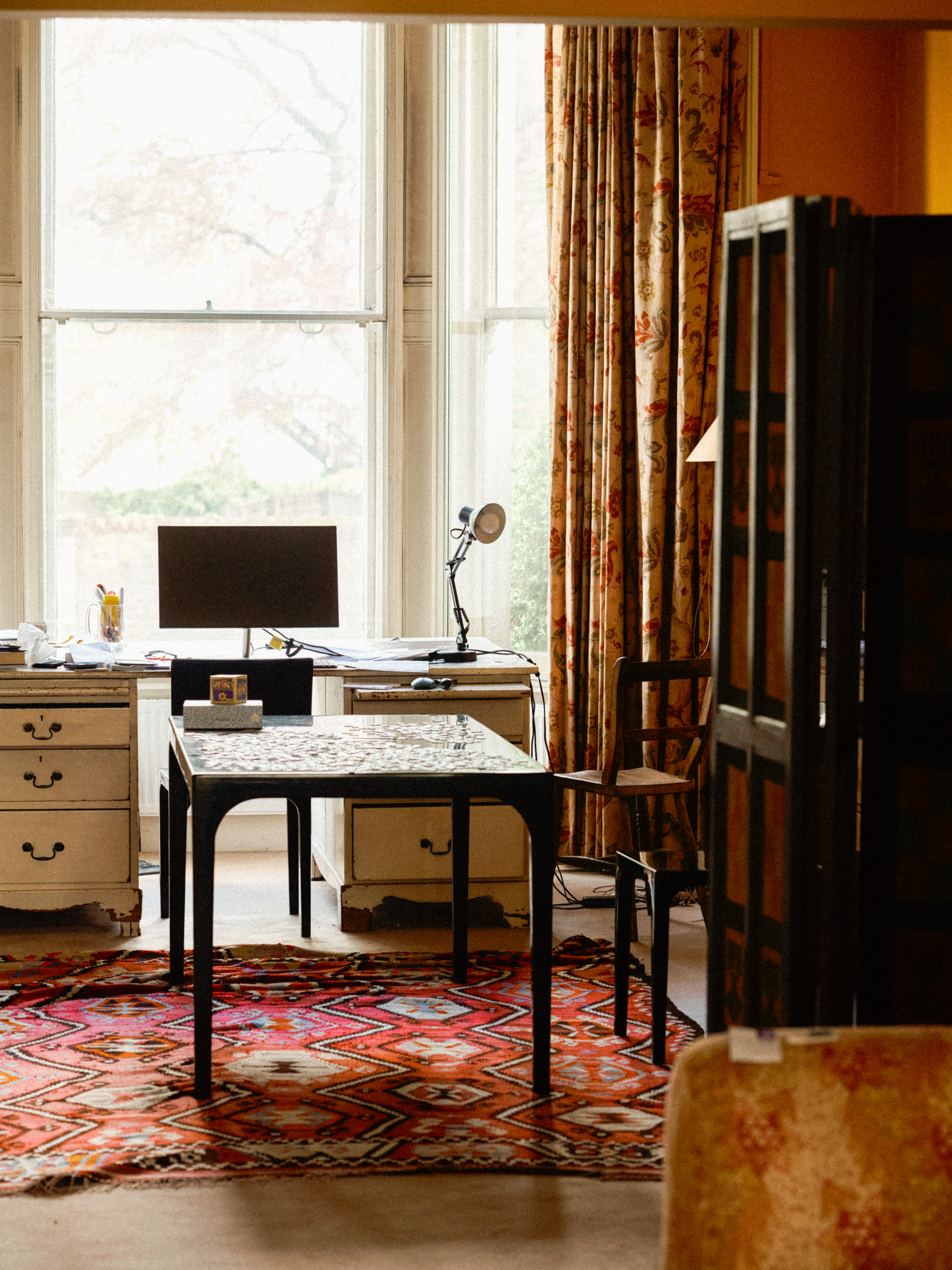
“I do go out, but not very often. On the whole, I just keep on at my memoir. I’ve never kept a diary because I was too busy with books and didn’t think it was interesting enough. But now, if a small incident strikes me, like a conversation on the bus, or I remember something peculiar, I’ll go to my endless reams of script and add another 100 words or so. I’m leaving it to my sons to sort out after I’ve gone.” I ask her how long the memoir is so far. “Huge,” she grins ruefully. “Probably around 200,000 words — some of it unpublishable. But at least it’s a place I can go to put my thoughts. I’ve written a couple of short stories and am about to start a new one, but since Rebecca died, my sense of constructing a novel has completely disappeared. Life seems to be on hold in so many ways.”
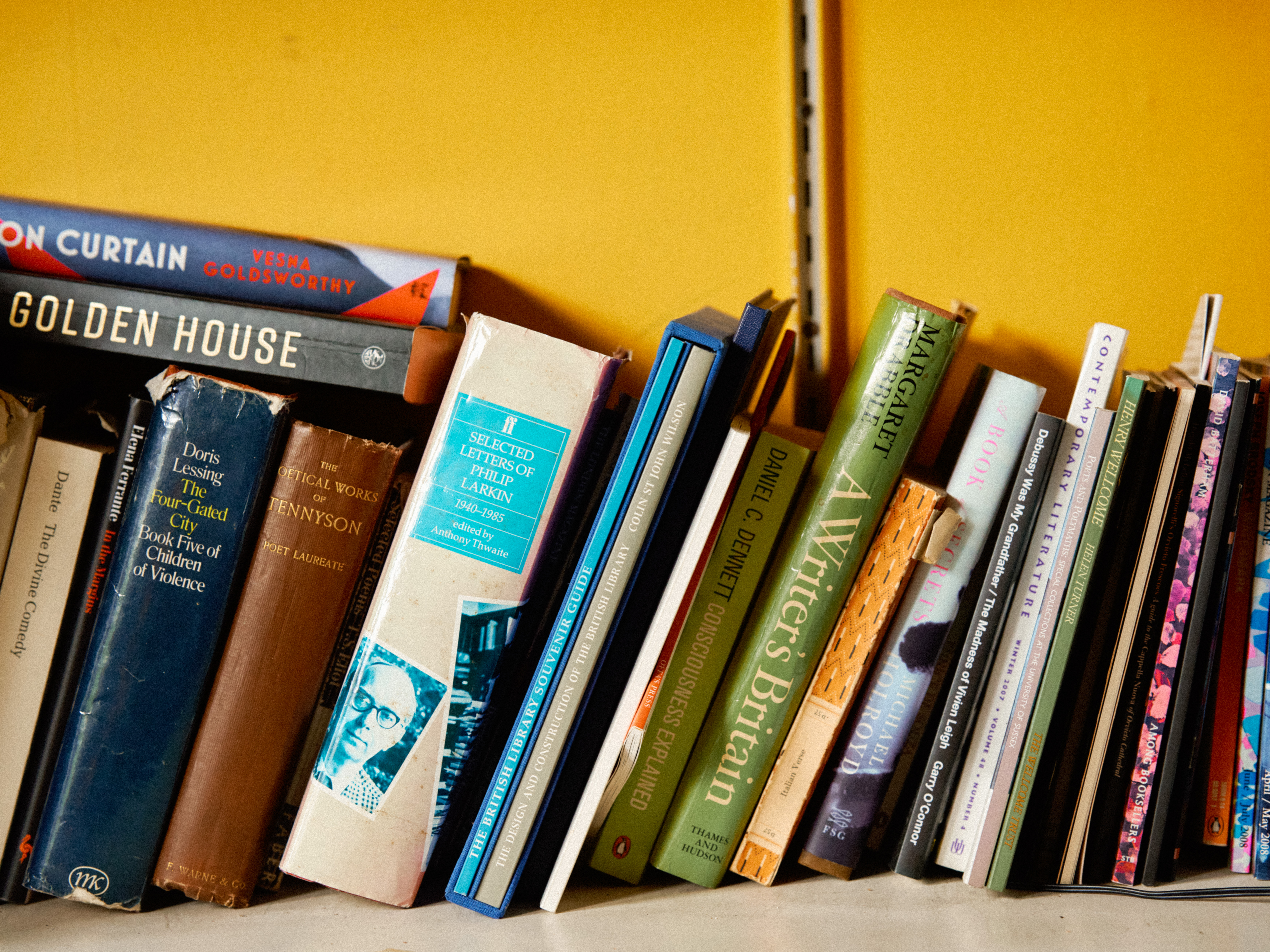
We start talking about the way she seems to be facing her own mortality, having publicly spoken about her hope that her grandson, Danny, will sing at her funeral. “He’s a brilliant singer,” she says. “And it makes me smile thinking of his lovely voice seeing me off.” Indeed, Danny’s choir reached the semi-finals of Britain’s Got Talent. “I watch my friends die and think, ‘That was a peaceful way to go,’ or, ‘What a pity they had so much pain in the last couple of months.’ I don’t worry much about dying because that’s what happens. When it’s my turn, I just hope for peace.” She’s not religious. “I think I’m agnostic rather than an atheist,” she explains. “I wouldn’t say there was absolutely no God. Some kind of prime mover must have started all this off in the first place, and we human beings may never know what that thing was. Space and the Big Bang are imponderably huge concepts, and our brains aren’t up to coping with them. I have no idea what’s in store, but I don’t necessarily think death needs to be a total blackout.”
I ask her if she’d have done anything differently in her life. “No. I took the risks I wanted to take, did the things I wanted to do. Overall, my decisions about the big things, like buying and selling houses, worked out well.” Then she surprises me: “And I have to say that I’m immensely grateful to Michael for teaching me to drive in my forties. I’d failed my test twice, but he was so patient, and I loved learning to do something I thought I couldn’t do. How long I’ll carry on, I don’t know. I spoke to Joan Bakewell, who said she’ll drive for as long as she can. She said it was so liberating, just to be able to drive up to Primrose Hill, look at the view, and then drive home again.
“So many things can start closing down as you age, so it’s good to find things that open our lives up a bit. Someone told me she’d learnt to swim late in life and how wonderful that was, so it’s never too late to discover something that enriches us.”
The Great Good Places, published by Canongate, is available in hardback.