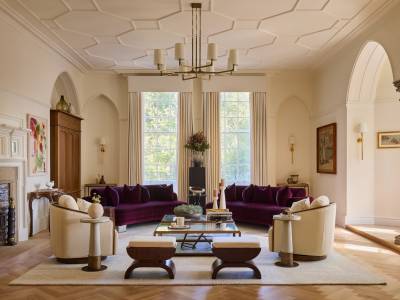
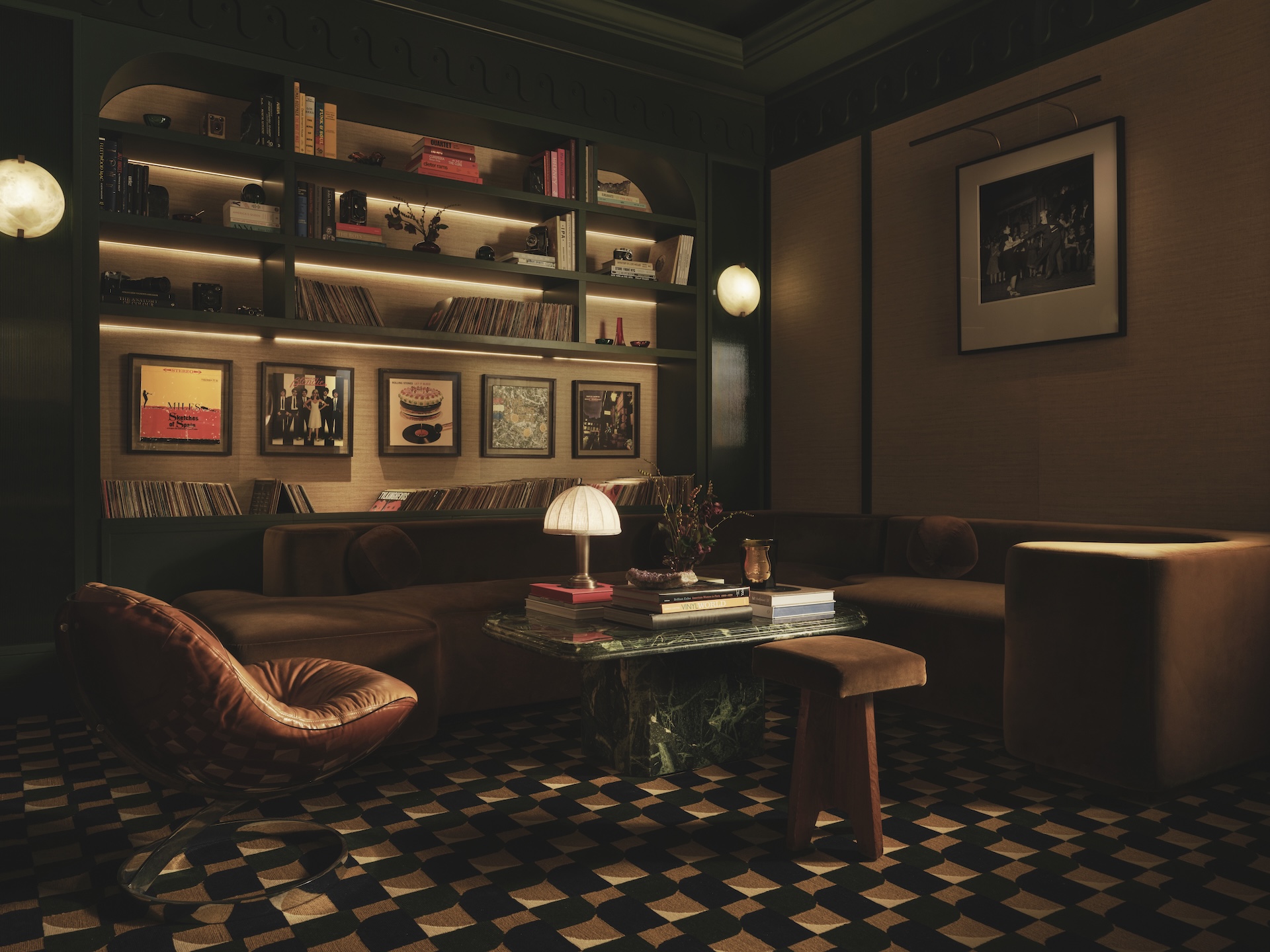
A century on from its explosion in popularity in America’s Prohibition era, the speakeasy bar is back. You might think that in a ‘look at me’ social media age, where no one seems too shy about sharing their views, the last thing anyone feels is restrained from speaking. But perhaps it’s a sign of our need to escape the madness of the world by retreating to old-fashioned, adults-only dens for screen-free enjoyment — spaces that offer the immersive experience that high-net-worth home owners expect. The whole point of a speakeasy is that it should be hard to find. So, while it’s tricky to miss the new, Georgian-inspired 12,800 sq ft mansion that is 1 Whistler Square at Chelsea Barracks — also known as The Collector’s House and priced at £45 million — its sultrily dark, retro-feel speakeasy bar is hidden behind a painting that acts as a door. “It creates a sense of discovery as you enter,” says its designer, Brigitta Spinocchia Freund.
The Rise of Speakeasy Bars in Luxury Homes
30th June 2026
Speakeasy bars, private libraries and cigar rooms are a must-have feature for high-net-worth-owners seeking a retreat from the world’s chaos.
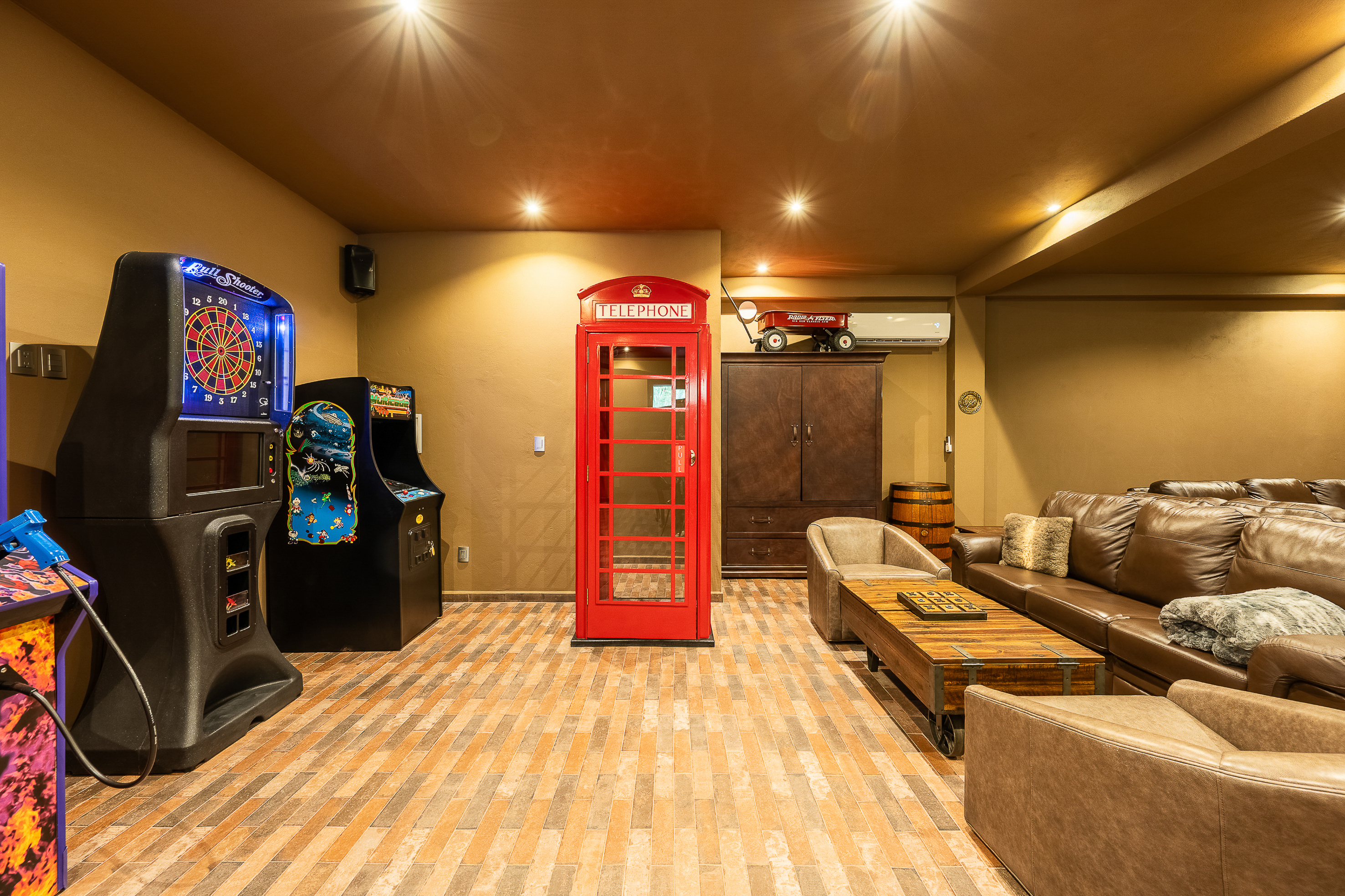
If you think that’s dramatic, you should see Rancho Paraiso Oasis, a 12-acre walled estate on Mexico’s Riviera Maya with a speakeasy whisky bar that lies within a natural underground cavern surrounded by stalactites and stalagmites. In a house designed for fun, this clandestine bar is reached via a concealed tunnel that’s entered through a classic red British telephone booth. “Buyers are wanting old-school conversation areas to unplug from their very connected, fast-paced lives,” says Matt Mathieson from Christie’s International Real Estate Mexico Luxury Properties, who is marketing the mansion for just shy of $12 million (approximately £8.8 million).
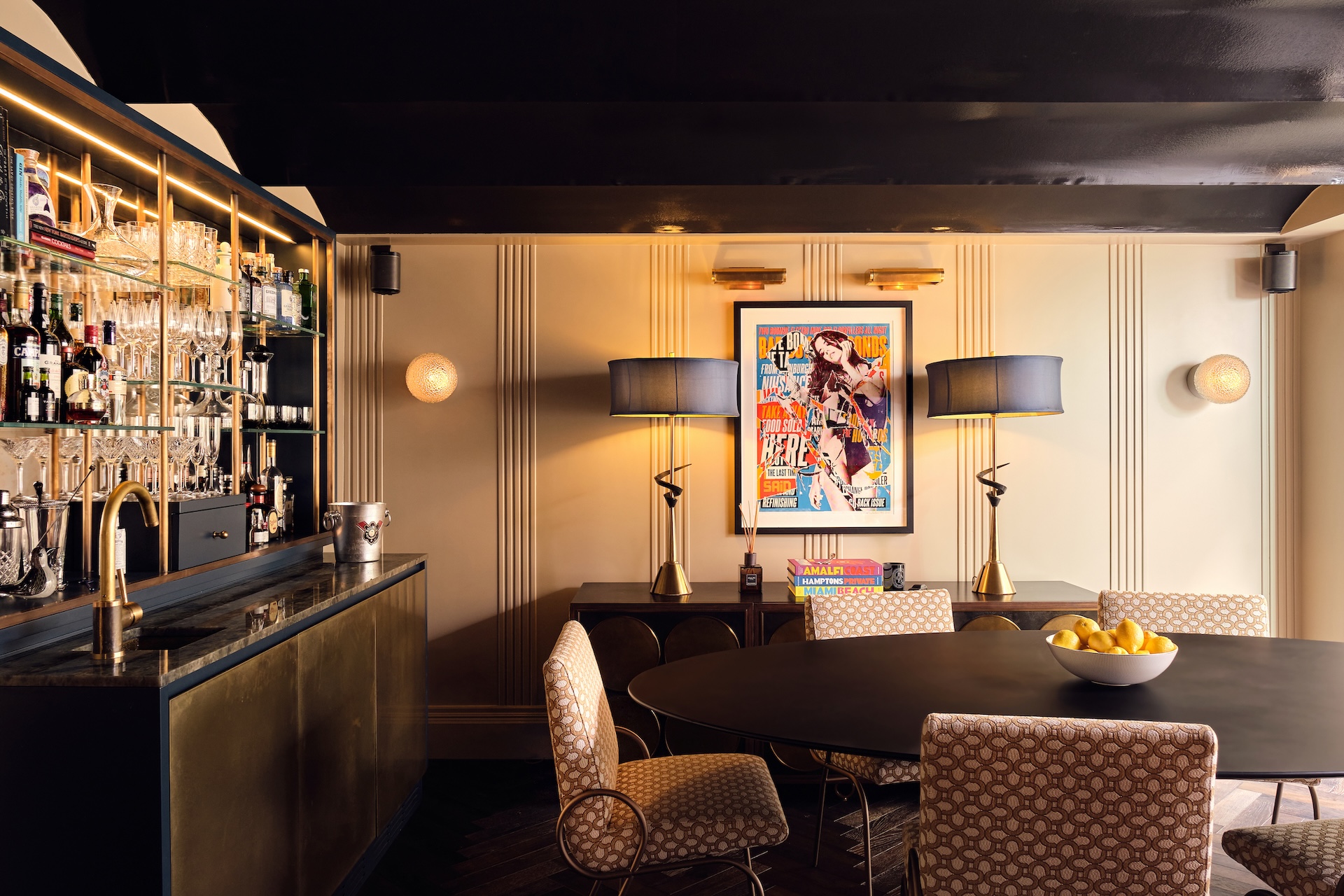
Designers and agents will tell you that the recent return of indulgent spaces such as speakeasies, private libraries and cigar rooms in high-end homes is all about reconnecting with analogue pleasures. They are designed for spending time “centred around music, conversation and hosting — where the focus shifts to tactile rituals such as playing records, mixing drinks and sitting together without distraction,” says Spinocchia Freund, whose den-like bar is shaped around a curated record collection and DJ booth, with seating designed for conversation and music. “It’s designed first and foremost as a retreat from the pace of everything else,” she adds.
Hidden in the depths of a mews house in West London, one high-profile, party-loving couple — who are both experts at creating immersive experiences in their respective industries — requested a “clubhouse” look to their basement, reports the London-based Canadian designer Erik Munro. “They entertain a lot, and they wanted this property to feel like a private members’ club. By moving the formal dining and club lounge to the lower ground floor, it felt more like a destination and a surprise,” Munro says. He has transformed a featureless, lowceilinged space into a conversation point — newly faux-vaulted and black scalloped. “I designed an infinity mirror for the stairwell, which invites guests down to a different world,” adds Munro, whose current London projects include a 1970s Moroccan-inspired sunken lounge with a huge travertine bar and games den. “These spaces are about indulging their passions, and as a designer, it’s where you also get to have the most fun,” he says.
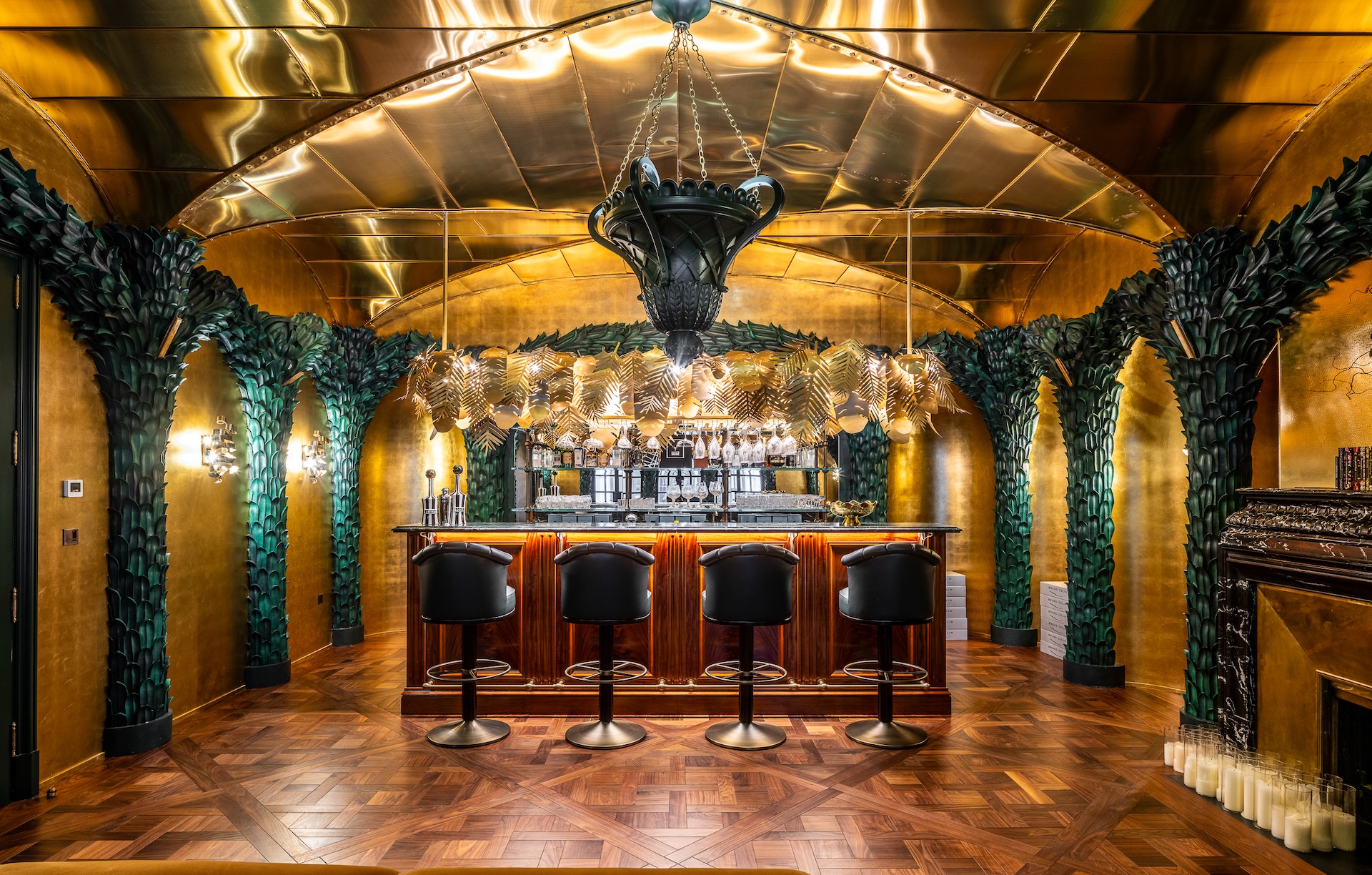
Age is no barrier to sampling the clandestine pleasures of a Prohibition-style bar, either. The intimate, club-like atmosphere of the speakeasy at Auriens Chelsea — the gold standard of later living, with residences for the over-65s starting at around £2.75 million to buy or from £13,750 a month to rent — is a favourite spot for a tipple before retiring to the private cinema next door. Few tenants can boast of having an Annabel’s-inspired private club in the basement, either. But on Avenue Road in super-prime St John’s Wood, an opulent five-bedroom detached house available for £35,000 a week has been given a full redesign by Paolo Moschino, featuring a theatrical club-like space that does its Mayfair muse proud, with four-metre-high vaulted brass ceilings, a fully equipped bar and a dance floor.
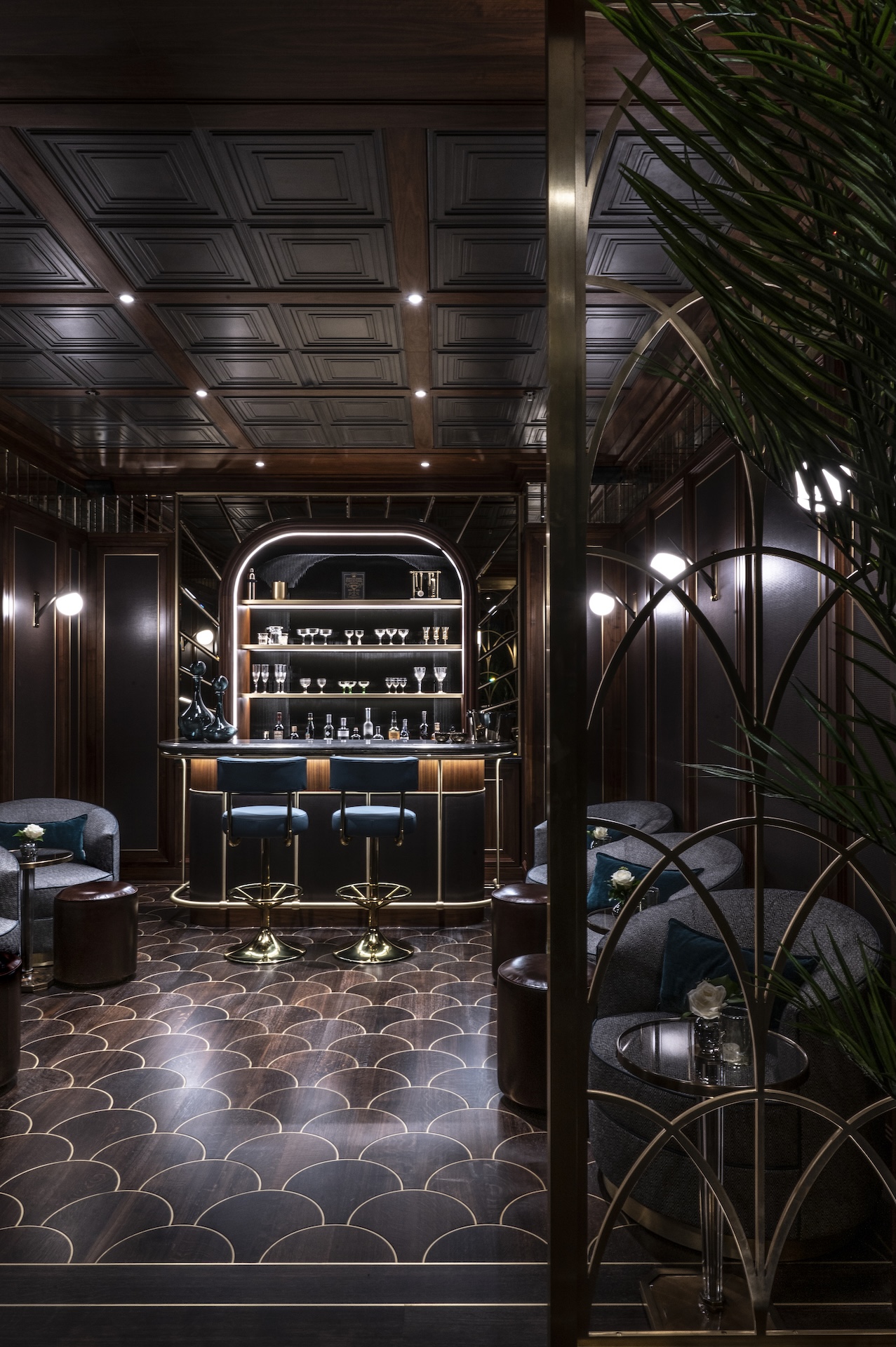
“It’s unlike anything I’ve seen before, but it was created as the owner’s own home. Entertaining space is paramount at this end of the market, and renters want the ‘wow’ factor,” says Olivia McSweeney from Sotheby’s International Realty, who is marketing the house. When you tire of all that easy speaking, you could always call on leather designer Bill Amberg to provide the antidote: a listening room. In one such room for a London client, he has used naturally acoustic leather flooring, suede walls and long, deep banquettes to “create an environment that feels safe and comforting,” says Amberg. “With the world feeling quite chaotic, I’ve definitely noticed a growing interest in more intimate spaces within the home.”
The desire to turn your home into a “private eco-system” as a buffer against the outside world is a worldwide trend, according to Christie’s International Real Estate in its 2026 Global Luxury Perspectives Report. The super-rich want their “shielded sanctuaries” to be a form of self-expression, reflecting their lives, not just their wealth, Christie’s adds. For many, that means a personalised place of quiet introspection rather than raucous conversation — and it’s giving rise to a private library renaissance, according to Andrew Clark at hdesign, the interior design arm of Hamptons estate agency. “Reading a book in a tranquil setting has almost become an act of wellness,” he comments.
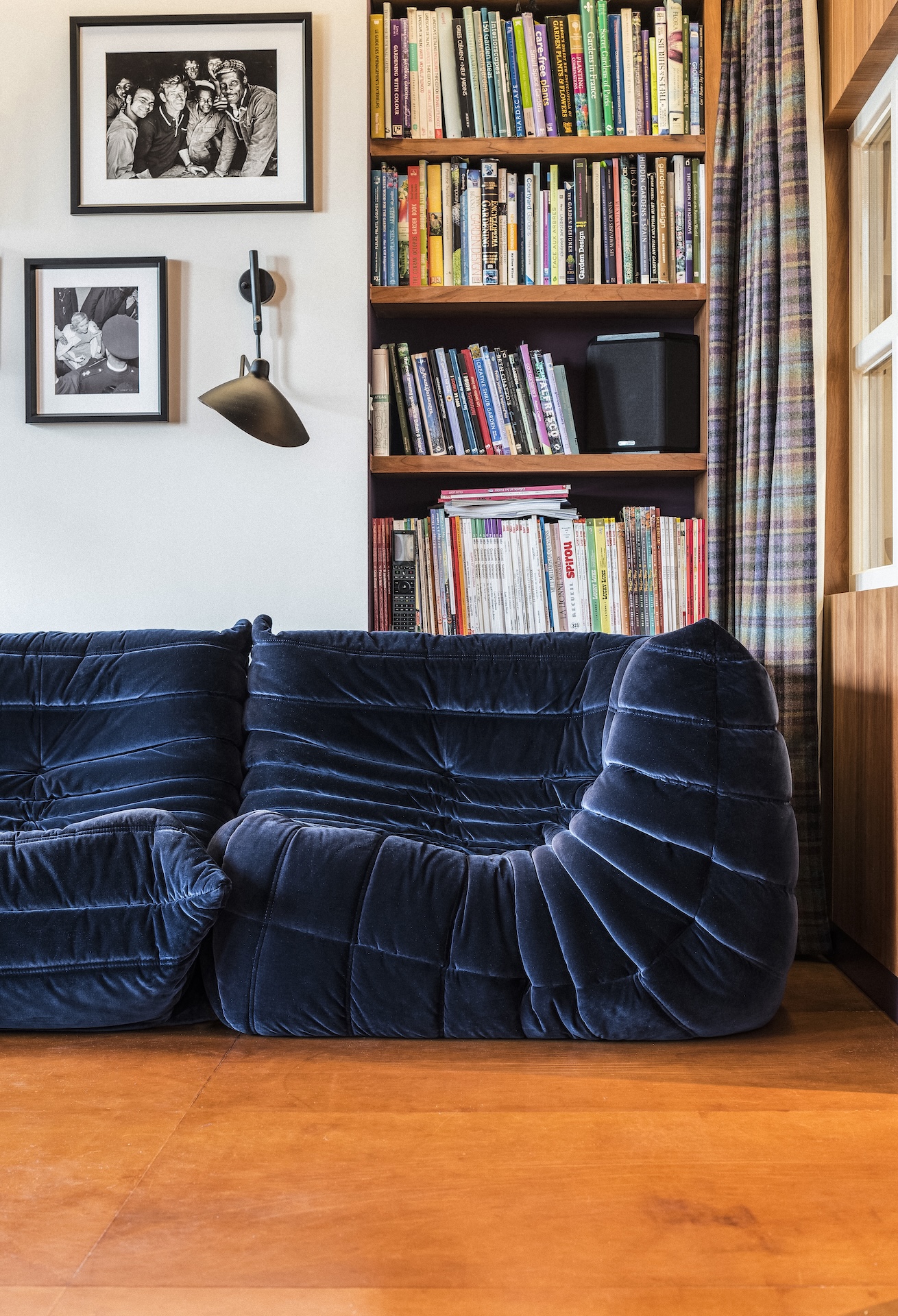
As any dedicated bibliophile knows, how you curate the contents of your prized collection is a serious matter, prone to fierce debate. Do you arrange titles chronologically, by theme, author — or, controversially, by colour? One of Clark’s clients chose the latter in their Buckinghamshire home, arranging the entire library chromatically, “transforming the space into a piece of art,” says Clark, whose team was also tasked with sourcing the specially bound top 100 novels and top 100 works of non-fiction of all time. For those wanting a quick fix for wall-to-wall empty shelves, Cheffins auction house handles occasional sales of the entire contents of personal libraries — most recently that of the mural artist Graham Rust, whose move to a smaller house saw him part with his 1,700 books. The sale attracted 609 bidders, “about 40 per cent looking to buy up beautiful books for their aesthetic merit, with the rest book collectors and the trade,” reports Charles Ashton, Cheffins’ fine art director.
As you would expect from the well-read, inspiration often comes from famous and sometimes far-flung libraries. A client of Philipp Nagel’s, director of British furniture designers Neatsmith, requested their contemporary, floor-to-ceiling library in their Regent’s Park house be influenced by the modern Starfield Library in Seoul and the Tianjin Binhai Library in Yancheng, China. “The library was created to house an extensive limited-edition book collection. Each section was meticulously tailored to hold the varying sizes and bindings of the volumes while keeping a perfectly balanced, architectural uniformity,” says Nagel, who added some discreetly integrated LED lighting and “a bespoke ladder system” for good measure.
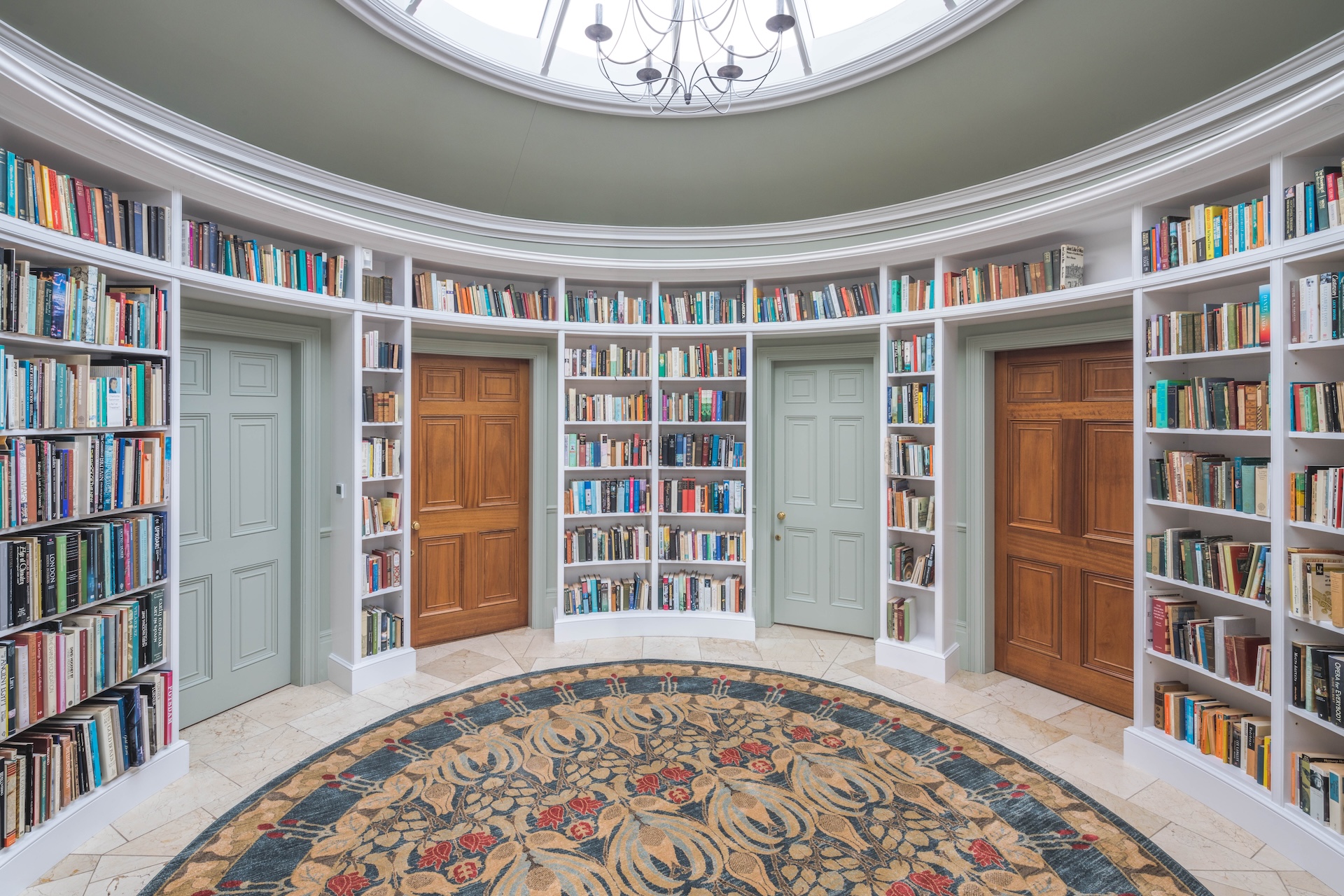
In a Grade I listed Georgian house in central Bath, the owner asked designer Joel Bugg to turn the property’s circular atrium into their private library, inspired by the one at the National Trust’s Stourhead in Wiltshire. “Seven doors, all slightly different in width and none symmetrical, lead off the room. It also has double doors to the garden, a fireplace and a circular ceiling lantern to naturally light the room,” Bugg says of the design challenge. As bespoke furniture companies couldn’t cope with all the curves, Bugg came up with the perfect solution, “like designing different-sized segments of a cake to fit a circular mould. Machining curves for back panels, shelves, skirting and cornicing is no mean feat,” he says.
Function sorted, it’s then all about the experience of these escapist dens. “In the prime segment, buyers are increasingly prioritising spaces that foster connection, privacy and a sense of identity. Libraries, music rooms and reinterpreted speakeasies are highly intentional spaces designed for analogue experiences such as reading, hosting, collecting or disconnecting,” comments Sven Odia, executive chairman of Spain Sotheby’s International Realty. Perhaps the closest equivalent to the purpose of the original speakeasy, however, given how anti-social smoking is widely perceived to be, is the cigar lounge. Yet new cigar shops and sampling lounges are springing up across London, including The Cigar Merchant at Dukes hotel in Mayfair. And places for a private puff are desirable features of super-prime homes, such as the historic eight-storey townhouse in Mayfair’s St James’s Square that Henigman have spent several years redeveloping. It’s now tentatively on the market for around £200 million.
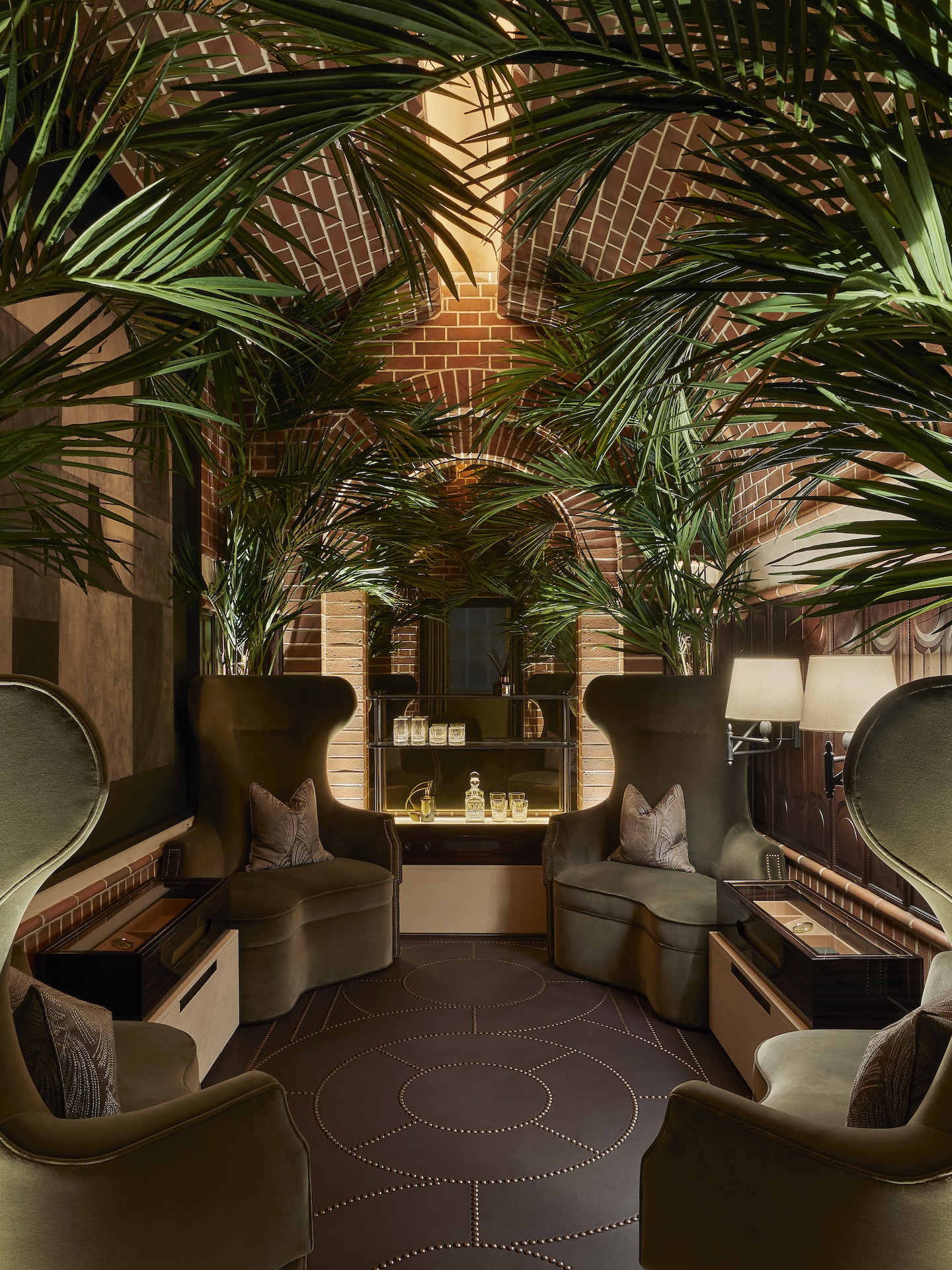
Set apart from the showpiece entertaining rooms and opulent master suites, the cosy, earthy-hued cigar room, with its breezy palms, high wingbacks and red brick barrel-vaulted ceiling, exudes an elegant, old-school warmth. It feels like the secret spot you might sneak off to when you tire of the bombastic dinner table chat among visiting VIPs. “This cigar room also works as a whisky tasting room, nightcap lounge or intimate after-dinner space. It’s particularly valued among Middle Eastern clients, for whom hospitality, privacy and entertaining in their homes are central to their lifestyle,” comments Dean Main, Henigman’s founder. In these designer, disconnected inner sanctums for the super-rich, there’s just one rule: please leave your phone at the door. That’s if you can find it first, of course…