Behind some of the world’s most respected hotel brands lies a secret ingredient that goes beyond business strategy: powerful partnership. From reimagined country houses to contemporary urban retreats, the hospitality industry has long been shaped by couples who share not just a marriage certificate, but a unified vision for exceptional experiences. These dynamic duos bring together complementary strengths, where one partner’s creative flair is balanced by another’s business acumen, or shared passions that drive innovation in service, design or cuisine. When genuine fervour meets mutual respect and a commitment to creating extraordinary stays, the results can be transformative, building generation-lasting legacies.
The Power Couples Behind Iconic Hotels
Words by
Ben McCormack
16th February 2026
Meet the hospitality power couples who mix pleasure with business to be the force behind some of the world’s most well-known iconic hotels.
TIM & KIT KEMP, FIRMDALE HOTELS
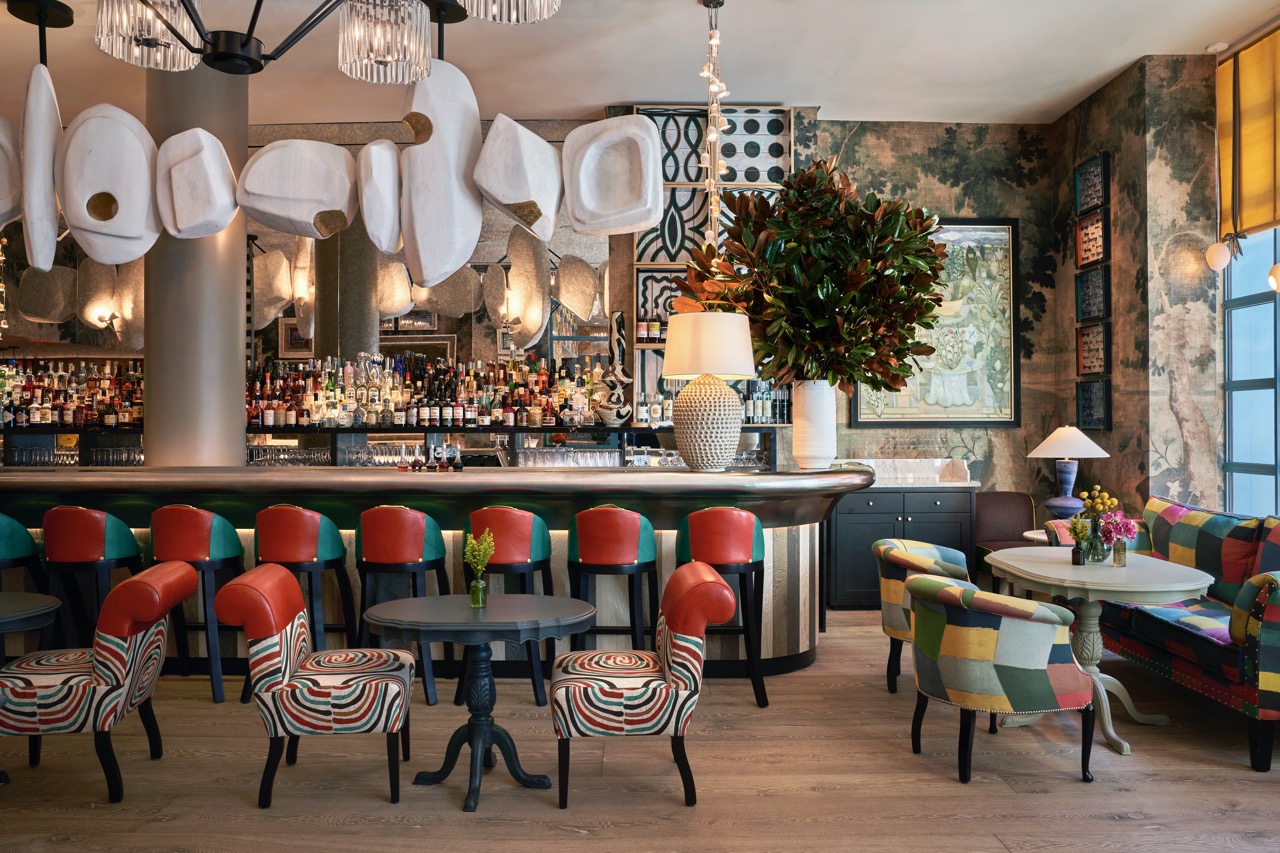
The bar at the Warren Street Hotel, Firmdale Hotels.
This year marks the 40th anniversary of Firmdale Hotels, the empire built by Tim and Kit Kemp that has redefined boutique hospitality. Their story began through Leszek Nowicki, a Polish architect who Kit worked for, “making the tea and carrying around a tape measure” while Tim, then a property renovator, was a client. A couple of years later, Tim and Kit found themselves seated together at Nowicki’s wedding and began to date. “Tim invited me to have a look at a property he was renovating for himself,” Kit recalls. “He told the builder, ‘I think I’ll need a cat flap.’ And the builder said, ‘but you haven’t got a cat.’ And I thought, I have a cat — maybe he is quite serious about me.”
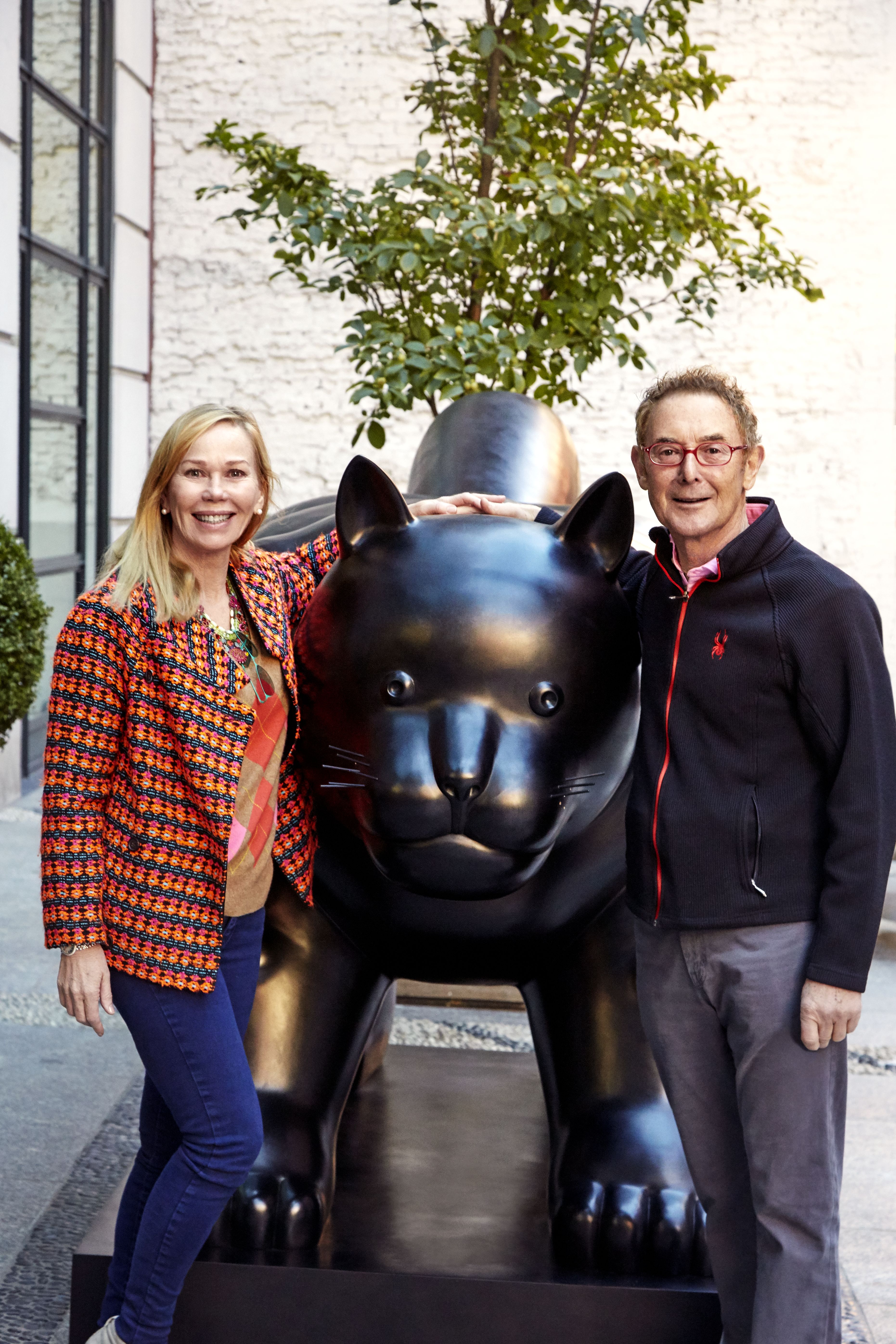
Tim and Kit Kemp, the power couple behind Firmdale Hotels.
Both brought design sensibilities, but their roles diverged strategically. “I think we work quite autonomously,” Kit explains. “Tim allows me to do the interior design, although he’s very much involved with the kitchens for the restaurants, and the bathrooms. But he finds the properties and his is the financial mind.”
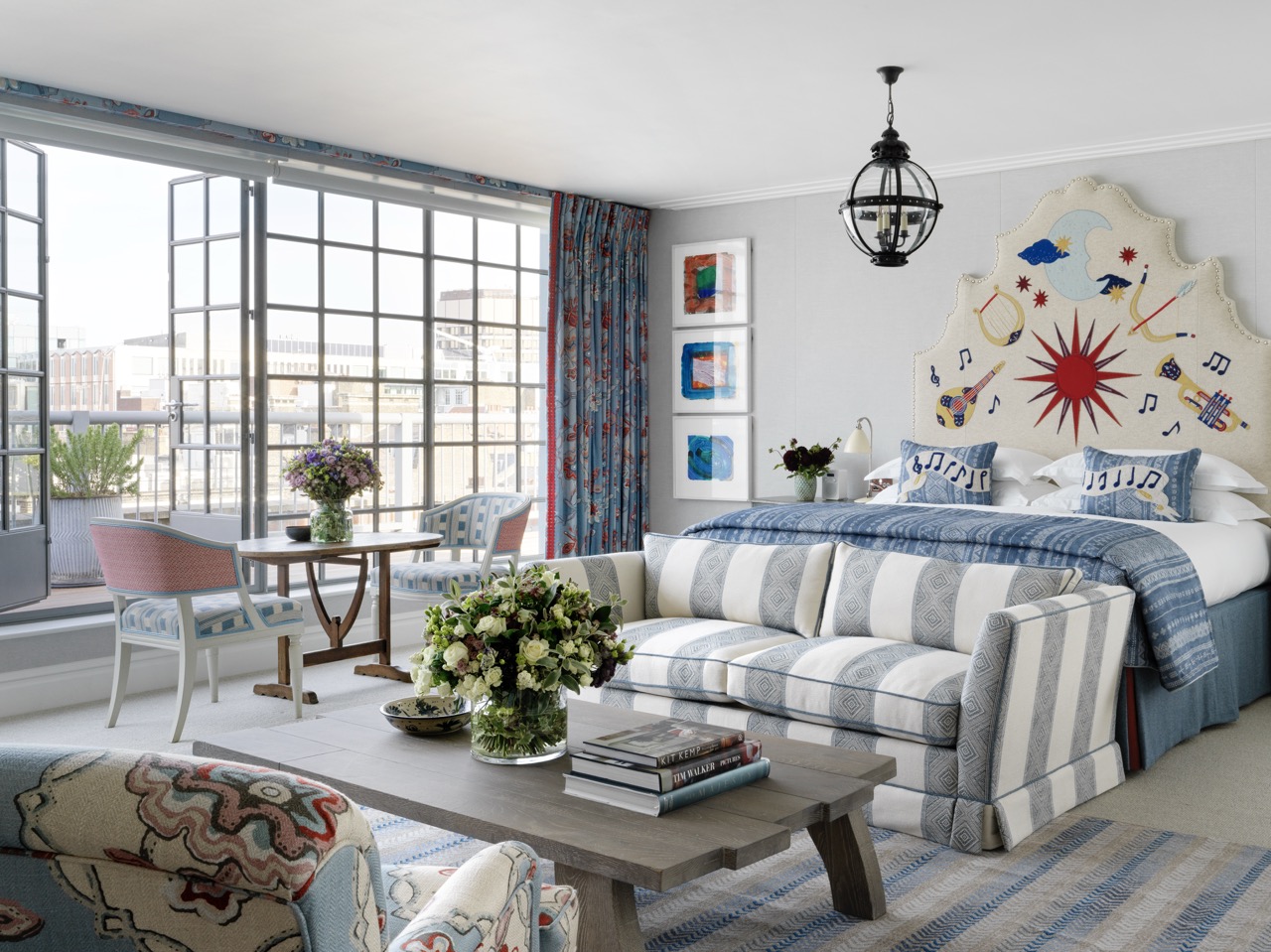
One of the bedrooms in The Soho Hotel, Firmdale Hotels.
They launched the 38-room Dorset Square Hotel in 1985. “A small hotel that had character wasn’t seen as something that was worthwhile or even profitable,” Kit says. “It was a struggle. We approached about 14 banks before anyone said, oh, that might be a good idea.” Following Dorset Square’s success, the press had a name for that good idea: the boutique hotel.

The Croc bowling alley inthe Ham Yard Hotel.
Today, Firmdale encompasses some 11 individually styled hotels across London and New York, 10 of which earned Michelin Keys in 2024. Keeping it in the family, Kit’s design team now includes two of her daughters. Next up will be Bedford Place, a Bloomsbury townhouse opening in 2027, with a first east London hotel in Shoreditch to follow, proving that four decades haven’t dimmed the Kemps’ ambition to produce distinctive properties together.
DAVID & KAREN RICHARDS, THE IDLE ROCKS AND ST MAWES HOTEL
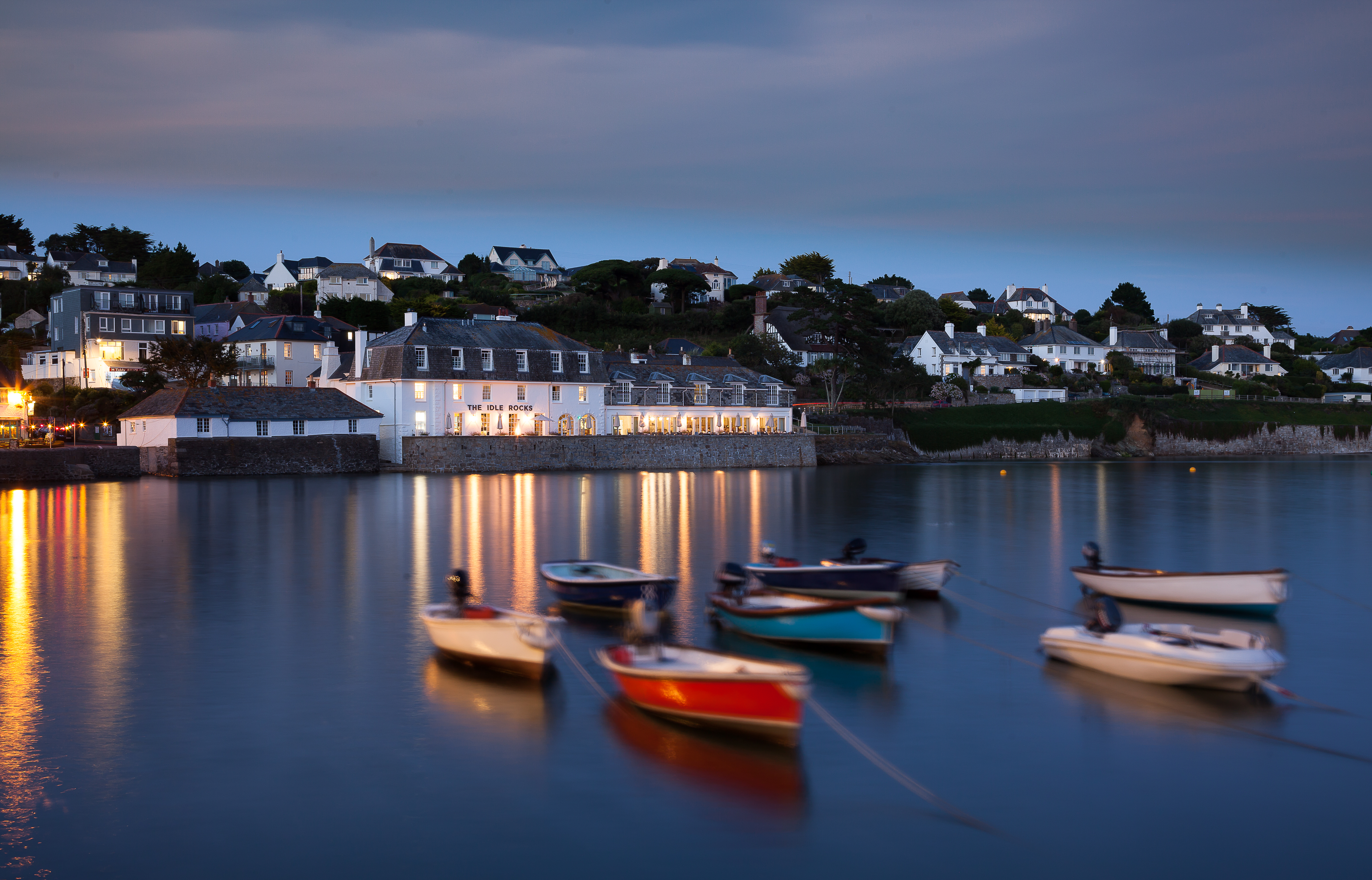
Idle Rocks from the harbour at dusk.
David and Karen Richards met at 16 at a Young Farmers dance — an appropriately West Country beginning for a couple who would go on to create two distinctive Cornish coastal retreats. David built his career in Formula 1 and rally racing, led the takeover bid for Aston Martin and served as CEO and chairman of motorsport and engineering group Prodrive, alongside roles as a qualified pilot and chairman of the Air Ambulance.
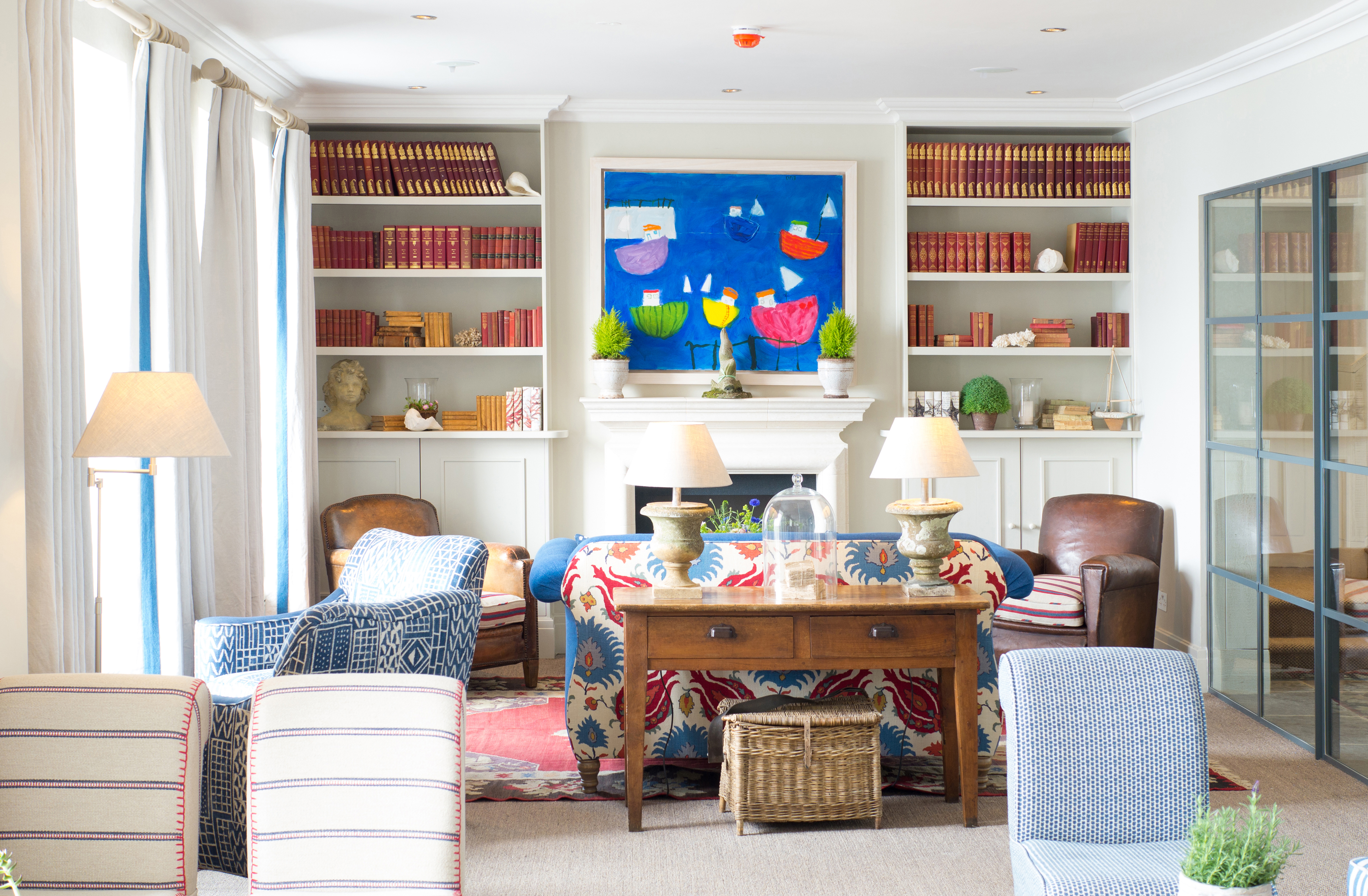
The Idle Rocks lounge.
Karen dedicated herself to supporting David’s high-octane career while raising their family. In 2013, becoming a hotelier allowed her to channel years of homemaking and hosting experience into her own venture. The pair balance each other beautifully.
“Karen is the creative director who brought the interiors and the hotels’ flawless concept to life,” David explains. “She wanted to design two different, yet complementary, hotels. My role is finance, recruitment and marketing — but in the background.”
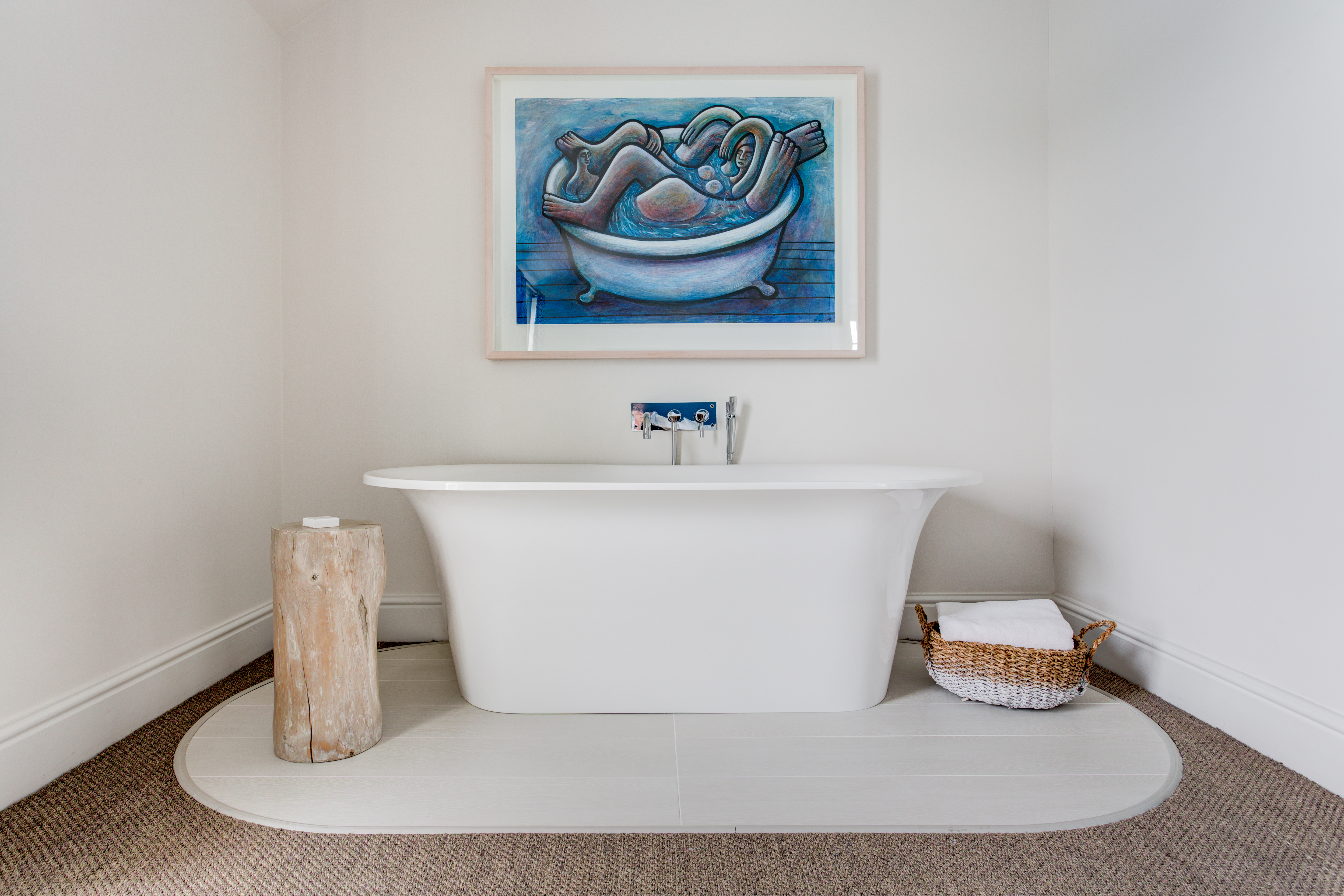
The bathroom in the Grand Seaview Room - The Idle Rocks
Karen took complete creative control, defining every detail from uniforms to menus, local art to playlists. The Idle Rocks attracts a multigenerational clientele and what David calls “the inner circle of F1”; the St Mawes Hotel, a three-minute walk away, serves as a local landmark at the heart of village life.
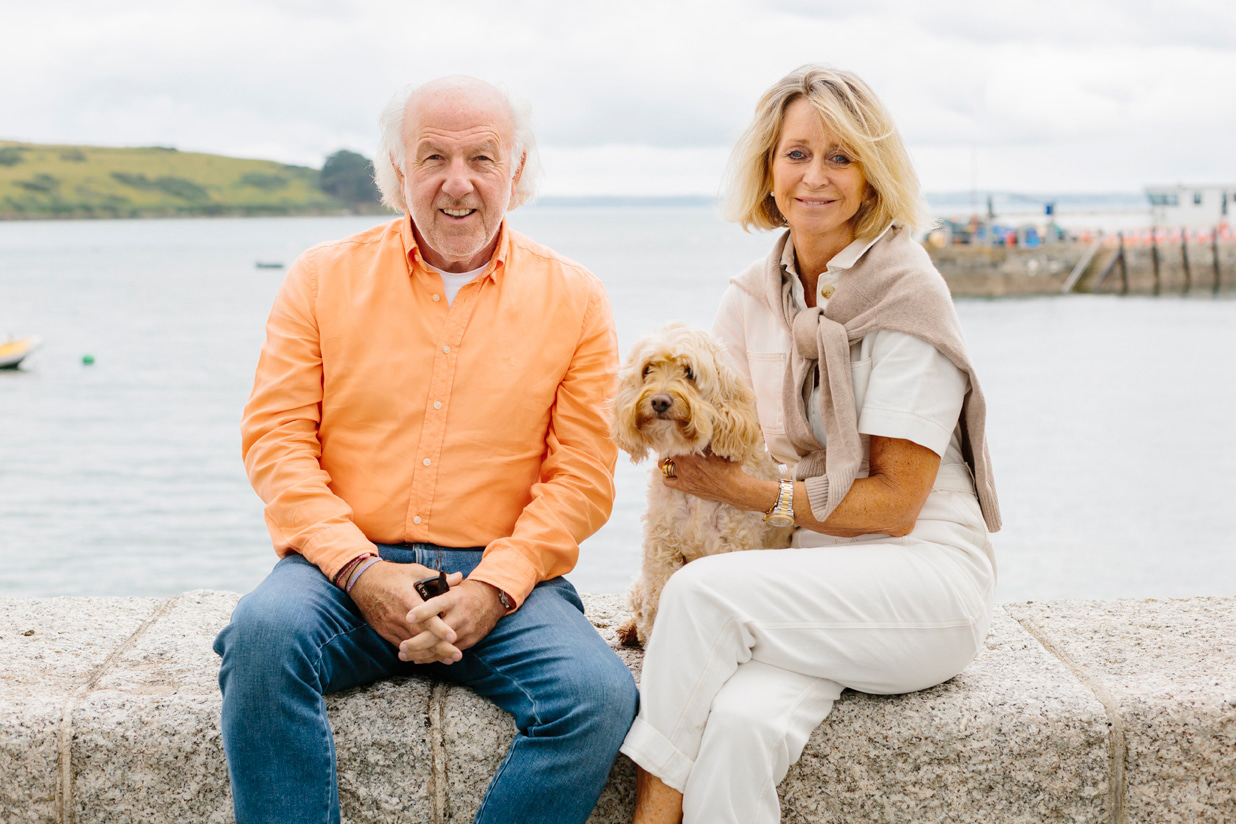
David and Karen Richards.
Their philosophy centres on effortless comfort and locally sourced menus, with the wellbeing of staff as important as the enjoyment of guests. “We preserved and redefined two beautiful hotels on the Cornish coast,” Karen says. “Our properties are designed with our grown-up children and their families in mind, and we warmly welcome the next generation.”
ANDREW & CHRISTINA BROWNSWORD, ANDREW BROWNSWORD HOTELS
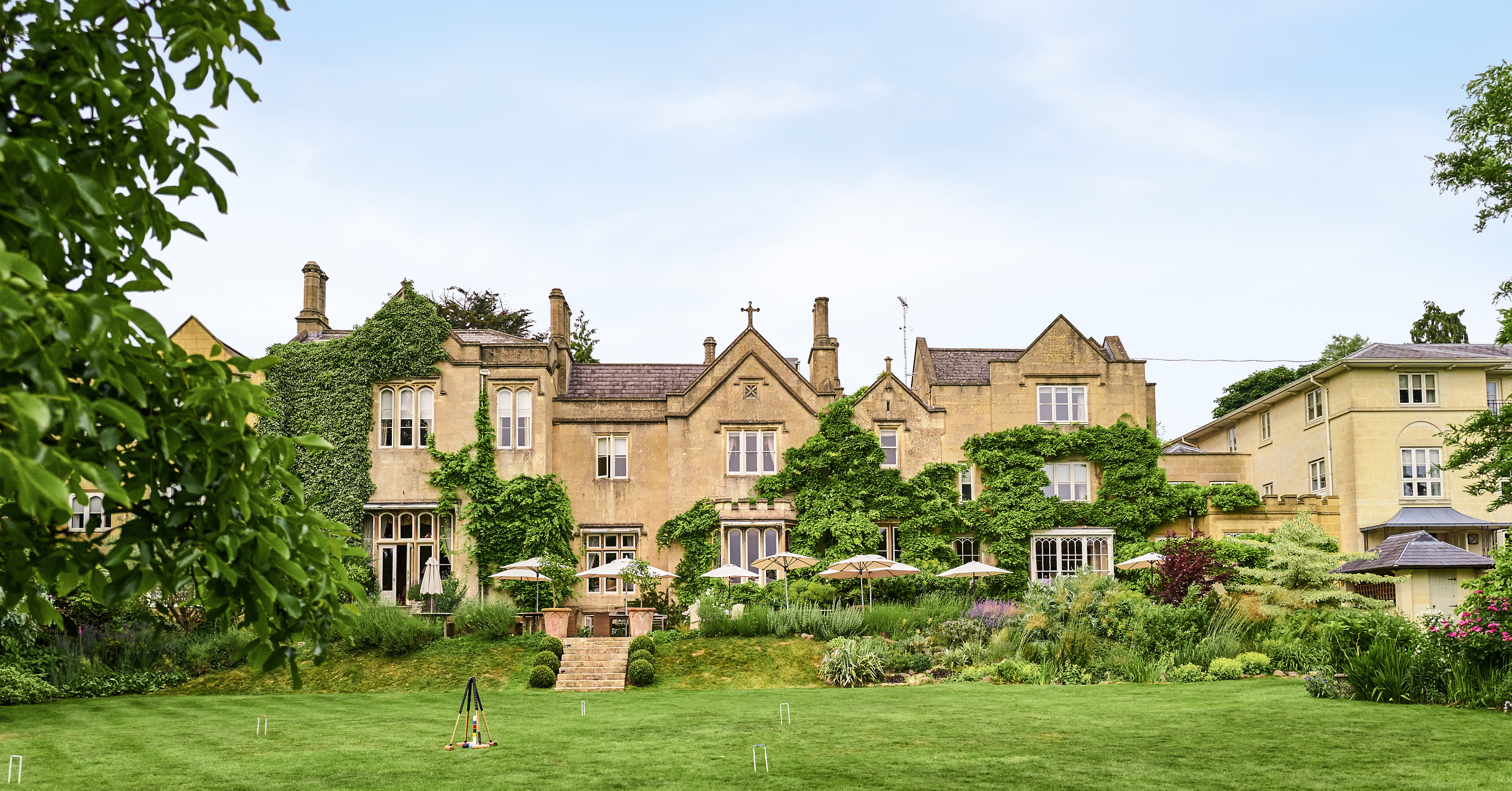
The gardens at The Bath Priory.
Andrew Brownsword’s path to hospitality was unconventional. Studying business at Brighton Polytechnic with the ambition of going into hotel management, he took a summer job with a printing firm and experienced his lightbulb moment: greeting cards cost very little to produce. He dropped out immediately, selling cards from his car boot and building an empire he would eventually sell to Hallmark in 1994 for approximately £195 million.
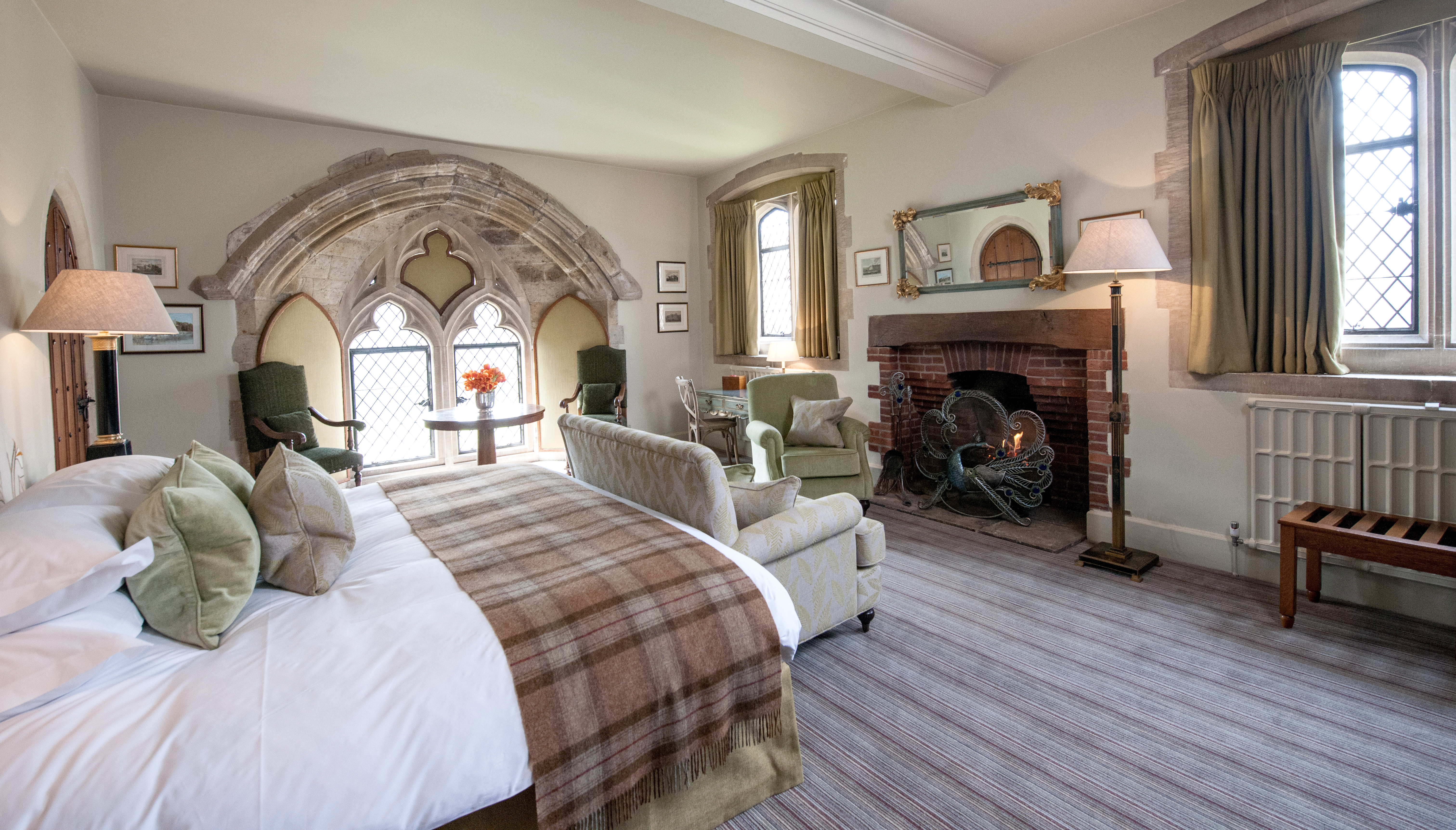
Deluxe room at Amberly Castle.
Christina, who had worked as a bookkeeper in Andrew’s publishing business, became his life and business partner. In 1994, they bought The Bath Priory, initially intending it as a new home to move to from their Royal Crescent house. However, finding the new property too large and impractical to live in, they returned it to hospitality, launching their second career.
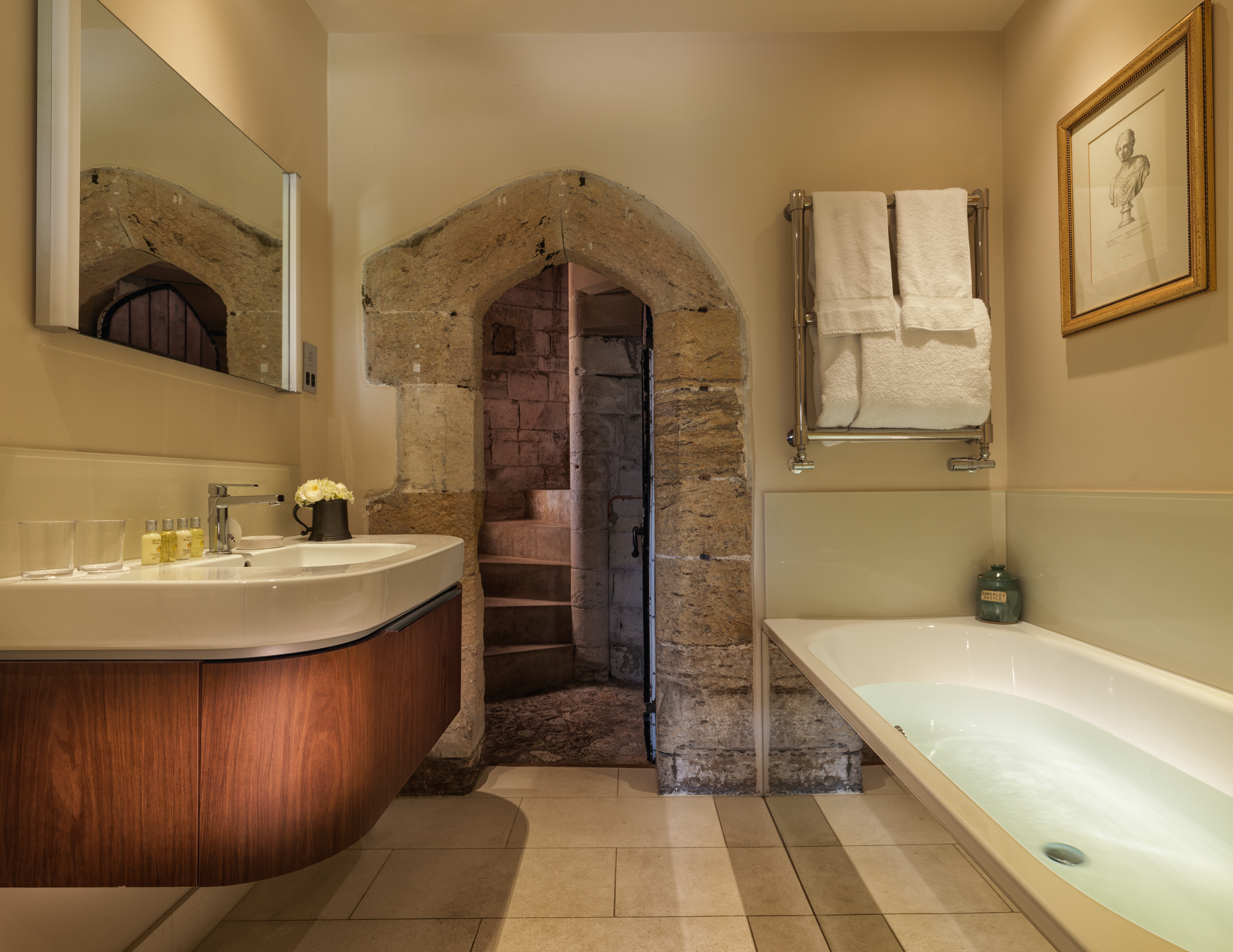
Bathroom at Amberly Castle.
The couple’s philosophy mirrors Andrew’s greeting card success: originality, personality and quality, known within their business as OPQ. Their impressive expansion has been opportunistic rather than strategically planned, with many of their acquisitions being distressed properties in need of rescue. They have breathed new life into each through substantial investment in both the fabric of the buildings and an unwavering commitment to high standards — for example, Gidleigh Park on Dartmoor is currently Michelin-starred and won two stars under previous chefs Michael Caines and Michael Wignall — ensuring each hotel reflects the couple’s personal vision and design aesthetic.
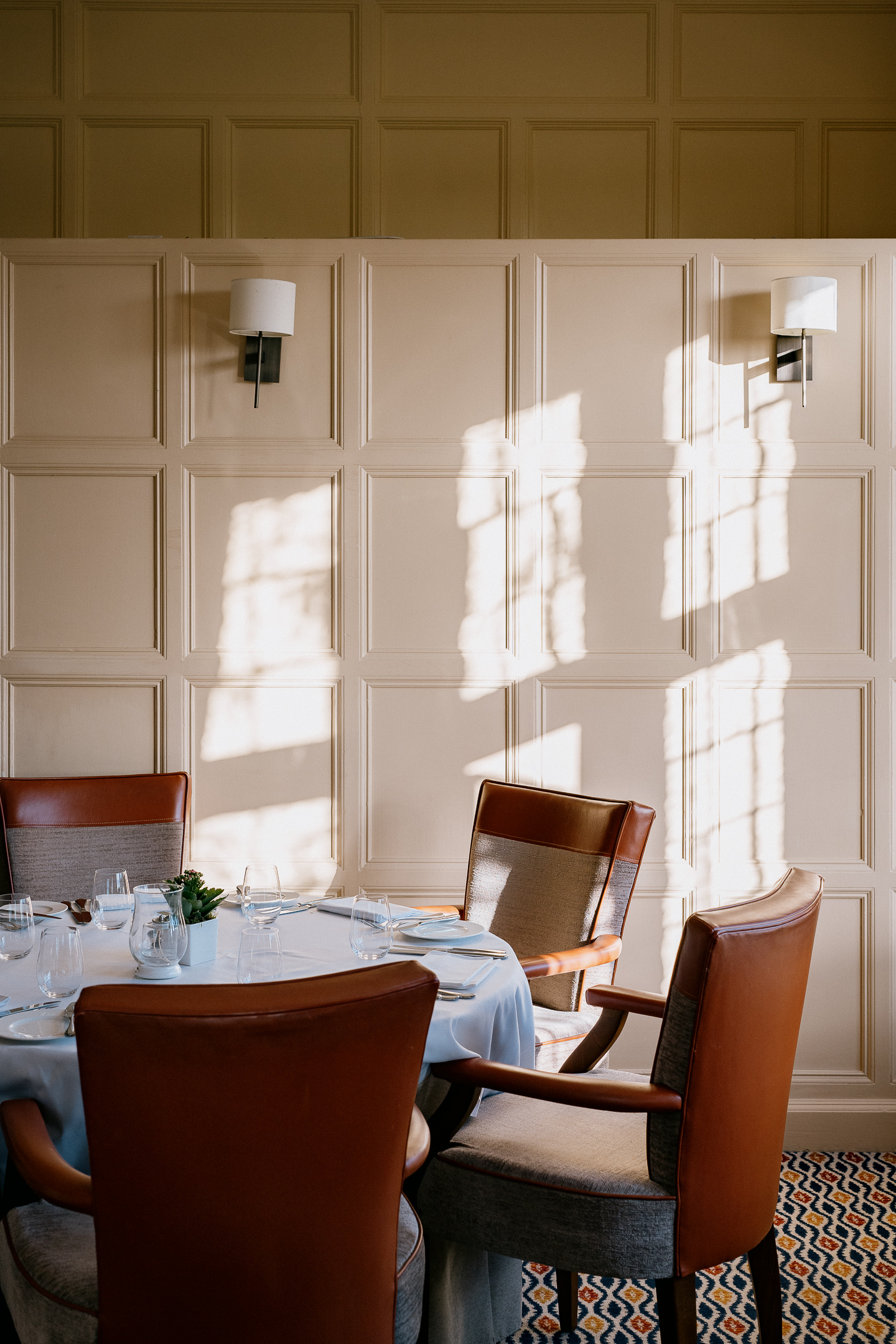
The restaurant at Buckland Manor. ©Olly Hunter.
Every hotel is meant to feel like a home away from home, not least because many of the properties were initially known to the Brownswords from family holidays and personal experience; The Bath Priory, for instance, was a favourite local dining destination for the family.
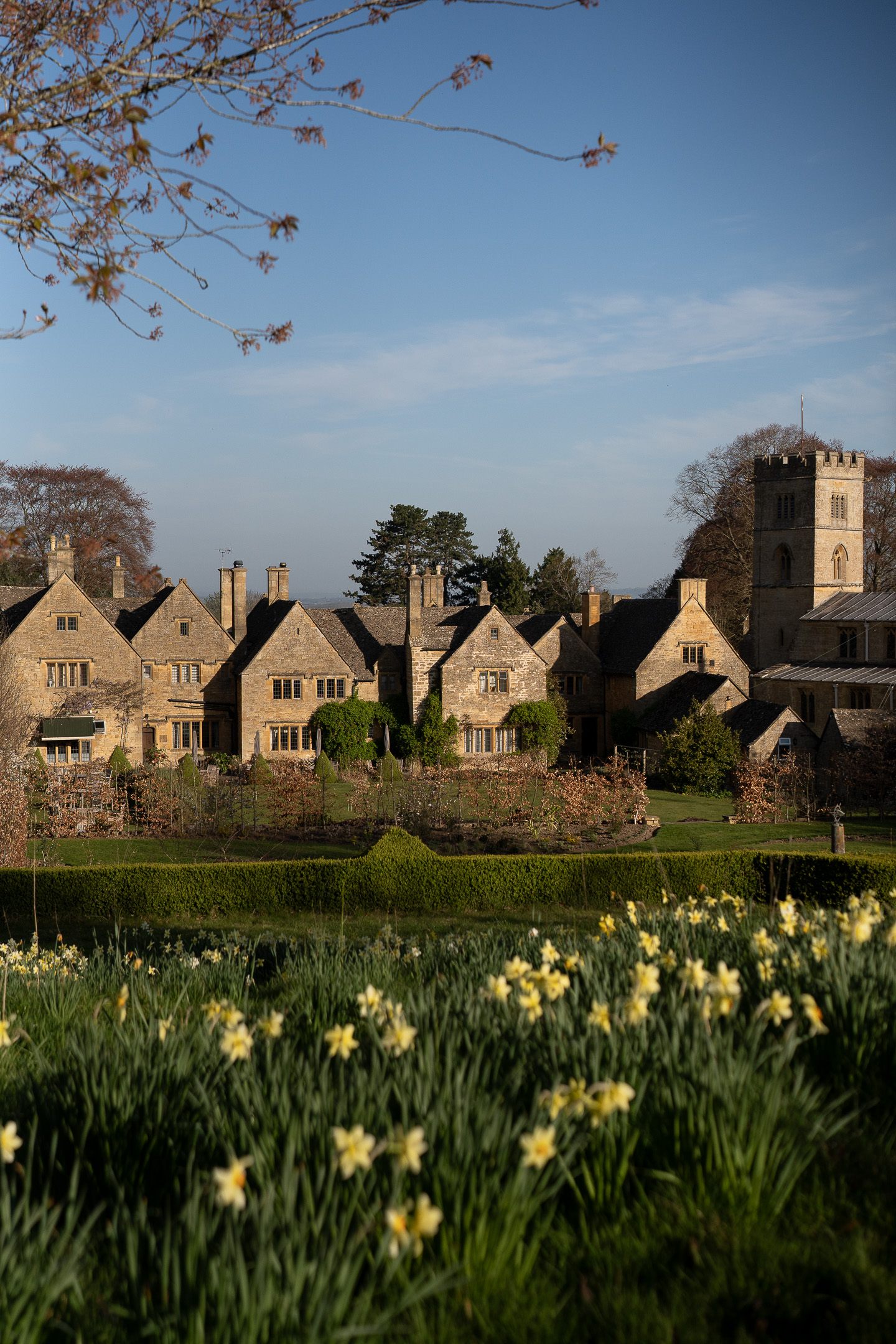
Buckland Manor. ©Olly Hunter.
Today, Andrew Brownsword Hotels encompasses 12 distinctive properties, from the 900-year-old Amberley Castle in West Sussex to sleek city-centre Abode hotels in Canterbury, Manchester and Chester. Their hotel collection showcases 20th-century art — much from their personal holdings — while Gidleigh Park boasts one of Britain’s largest wine cellars. The family retains complete ownership, with their children increasingly involved, ensuring their careful custodianship continues into the next generation.
SAM & GEORGIE PEARMAN, COUNTRY CREATURES AND CUBITT HOUSE
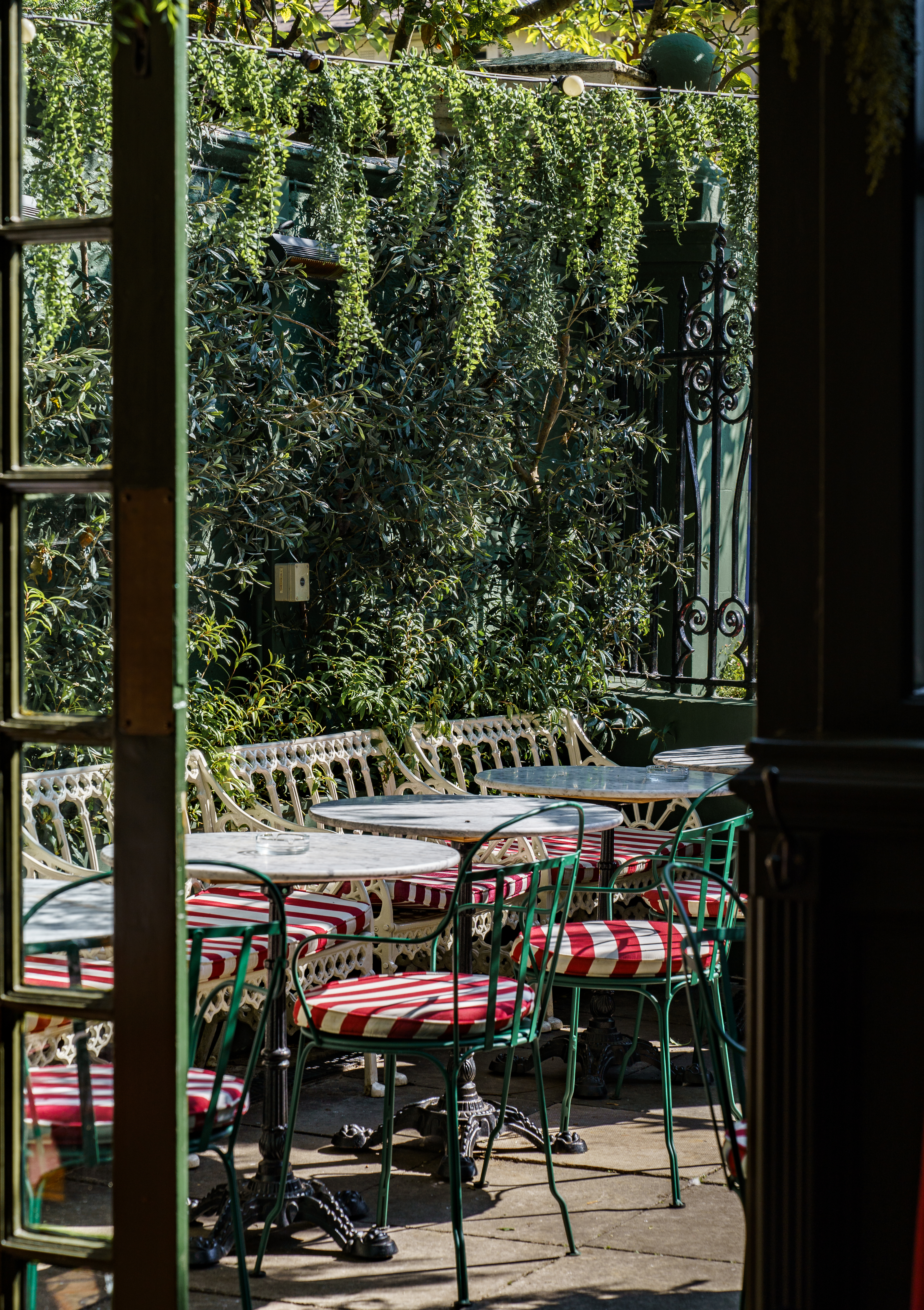
Outside at The Princess Royal.
Sam and Georgie Pearman have spent over 20 years building their hospitality empire together, but their backgrounds couldn’t have been more different. Georgie grew up surrounded by her parents’ hotel business during the 1970s and 80s — “when melon, powdered ginger and a glacé cherry were considered exotic,” she says. “More like Fawlty Towers than what we are part of now.” She studied law at university and became a solicitor. Then she met former professional rugby player Sam.
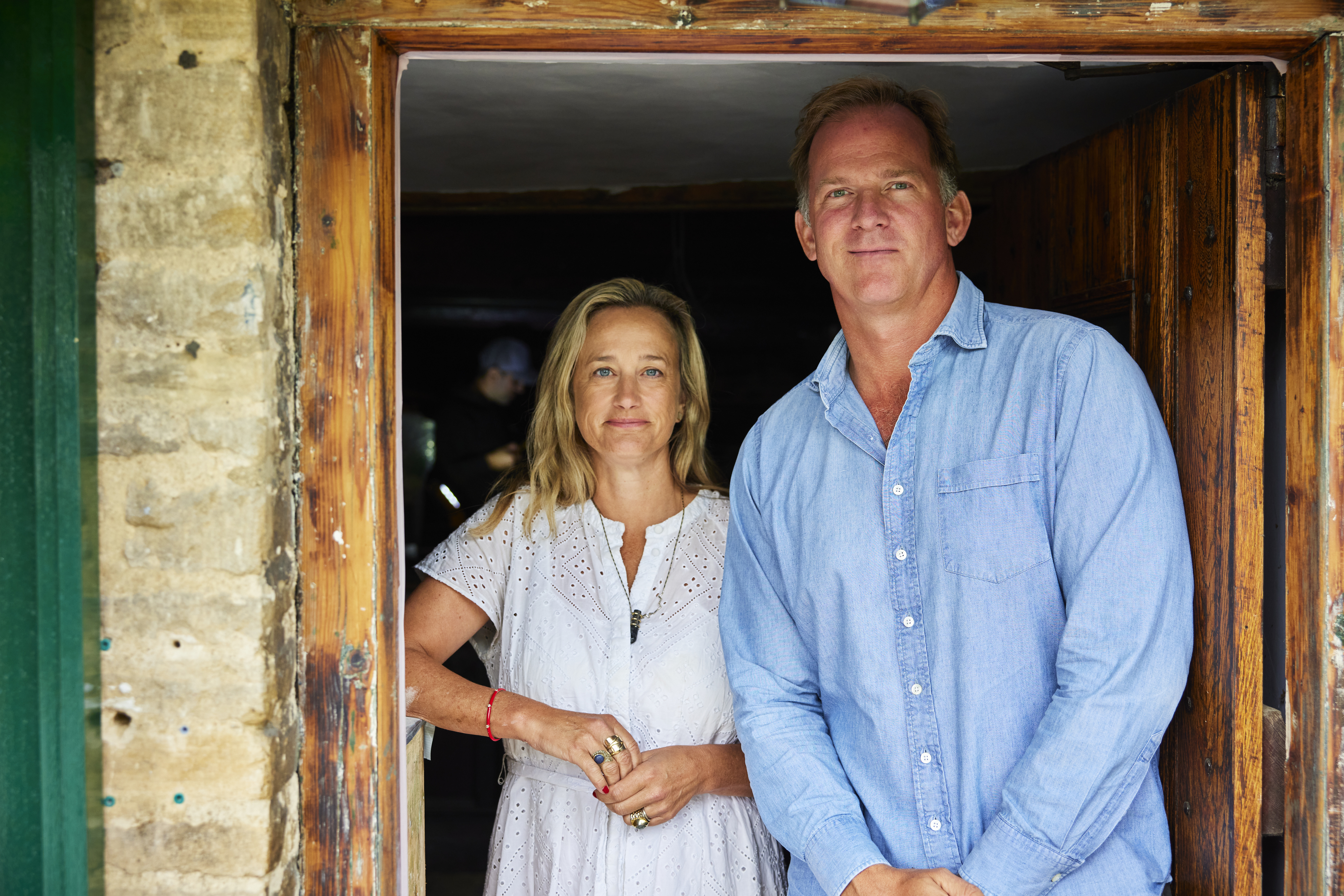
Sam and George Pearman.
Sam’s upbringing centred on parents who loved entertaining. “Pubs for me are, quite literally, public houses, somewhere you can walk in and feel as if you are at home,” he explains. “Always comfortable, always friendly, always inclusive.” The couple founded The Lucky Onion hospitality group in 2006, leaving the business in 2017, first to start Country Creatures and then to take over Cubitt House — two distinct brands with contrasting philosophies.
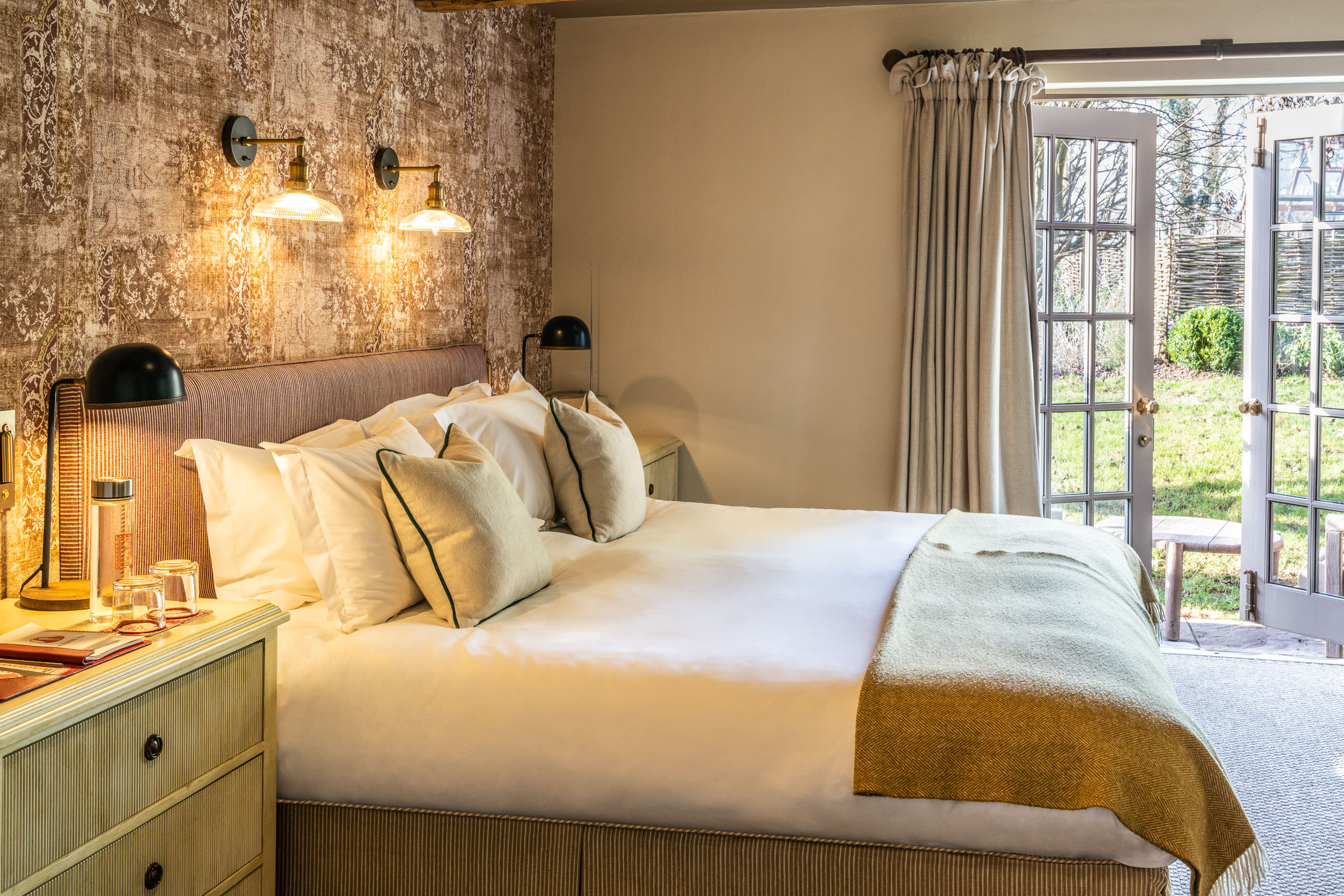
Bedroom at the Double Red Duke.
The couple founded The Lucky Onion hospitality group in 2006, leaving the business in 2017, first to start Country Creatures and then to take over Cubitt House — two distinct brands with contrasting philosophies. “Country Creatures was created to focus on the true beauty and charm of the countryside, whereas Cubitt House brings the creative design of the city,” Sam explains.
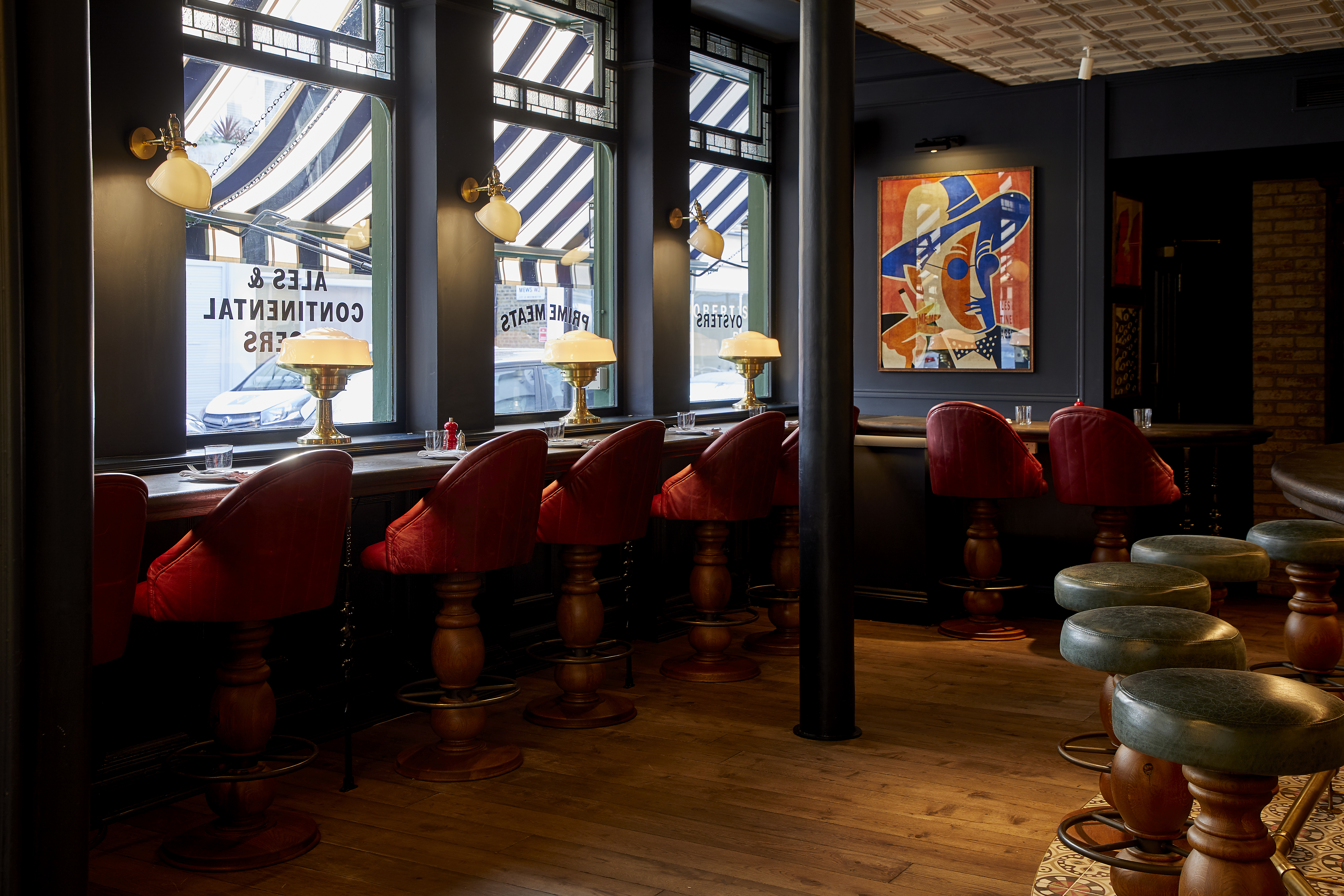
The bar in the Princess Royal.
The Country Creatures portfolio includes The Double Red Duke and Mason’s Arms in the Cotswolds, while Cubitt House’s eight pubs-cum-boutique hotels include The Princess Royal in London’s Notting Hill. Next year brings The Wild Duck Inn to Country Creatures, a Grade II-listed former gardener’s cottage near Cirencester given a glow-up with 20 bedrooms.
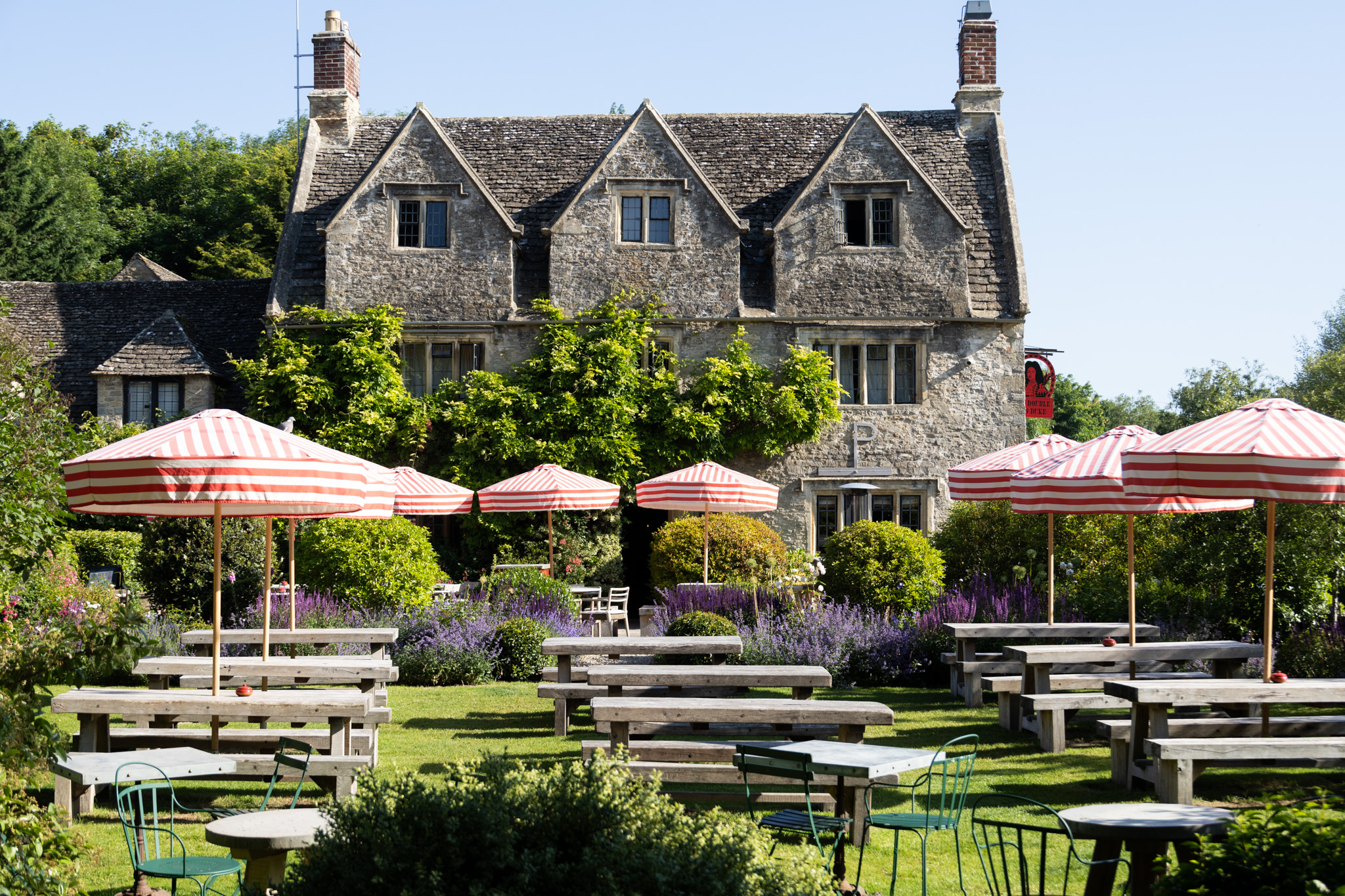
The exterior of the Double Red Duke.
After two decades of working side by side, the couple has mastered the professional partnership. “We have the perfect sounding board for all our ideas,” Georgie says, although they firmly insist on boundaries: no work discussions at home with children, family and friends present. countrycreatures.com; cubitthouse.co.uk