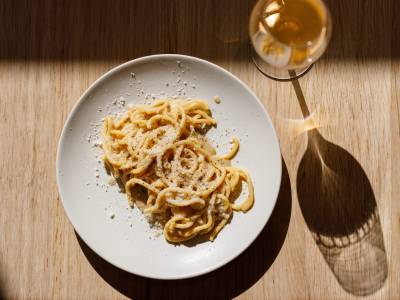
His first and most famed restaurant, Mirazur, sits in the serene hills above the French Riviera and was once crowned the best in the world – but his work extends far beyond great food. Having worked shoulder to shoulder with the world’s culinary masters, the constant ally at the heart of his work is nature, woven deeply into every concept he creates.
5 Minutes with Chef Mauro Colagreco
Words by
Izzy Schaw Miller
20th February 2026
Izzy Schaw Miller takes a pew with Mauro Colagreco in the striking, soaring interiors of The OWO, home to his restaurant at Raffles London – one of twelve outposts in the Argentine chef’s global portfolio.
In conversation with SPHERE, he reflects on everything from where his love of vegetables began as an Argentinian to his hopes that future chefs search for meaning over recognition.
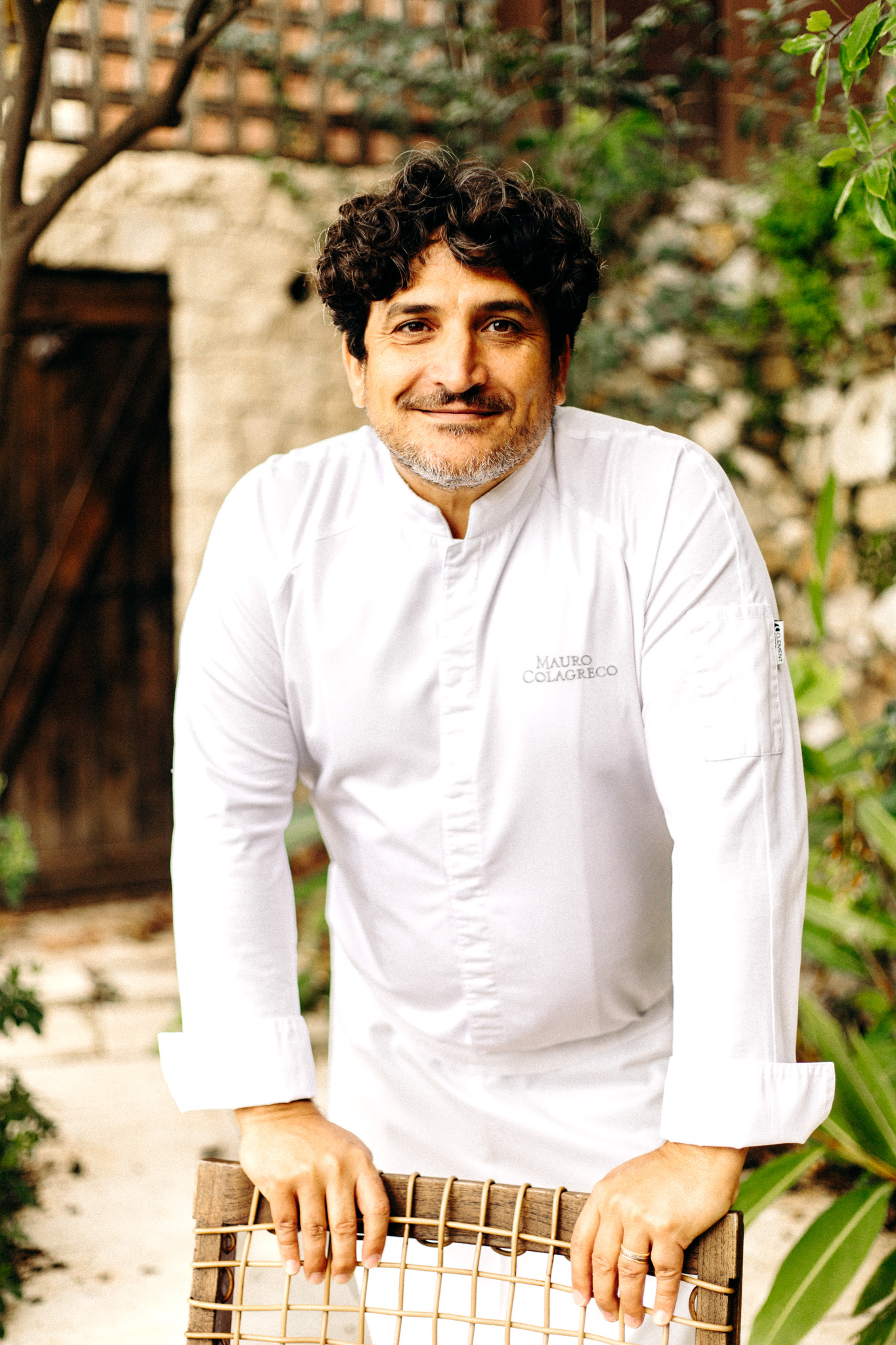
Chef Mauro Colagreco at Mirazur, crowned the world's best restaurant in 2019 ©Ophélie Collignon.
My cooking style is… rooted in Mediterranean cuisine, but here in London we work with local British products and try to highlight the incredible vegetables grown in London and the UK in general. So it’s a very personal approach, without borders, because it’s not strictly Argentinian or French. It’s guided by nature: great products and seasonality. I always try to do something very tasty, very refined, but not something aggressive. More about freshness and delicacy.
My love of vegetables began…I love meat, of course – I’m Argentinian. But I grew up in a family where we grew our own vegetables. So I had both influences: the strong meat culture and a more Mediterranean, vegetable-focused approach.
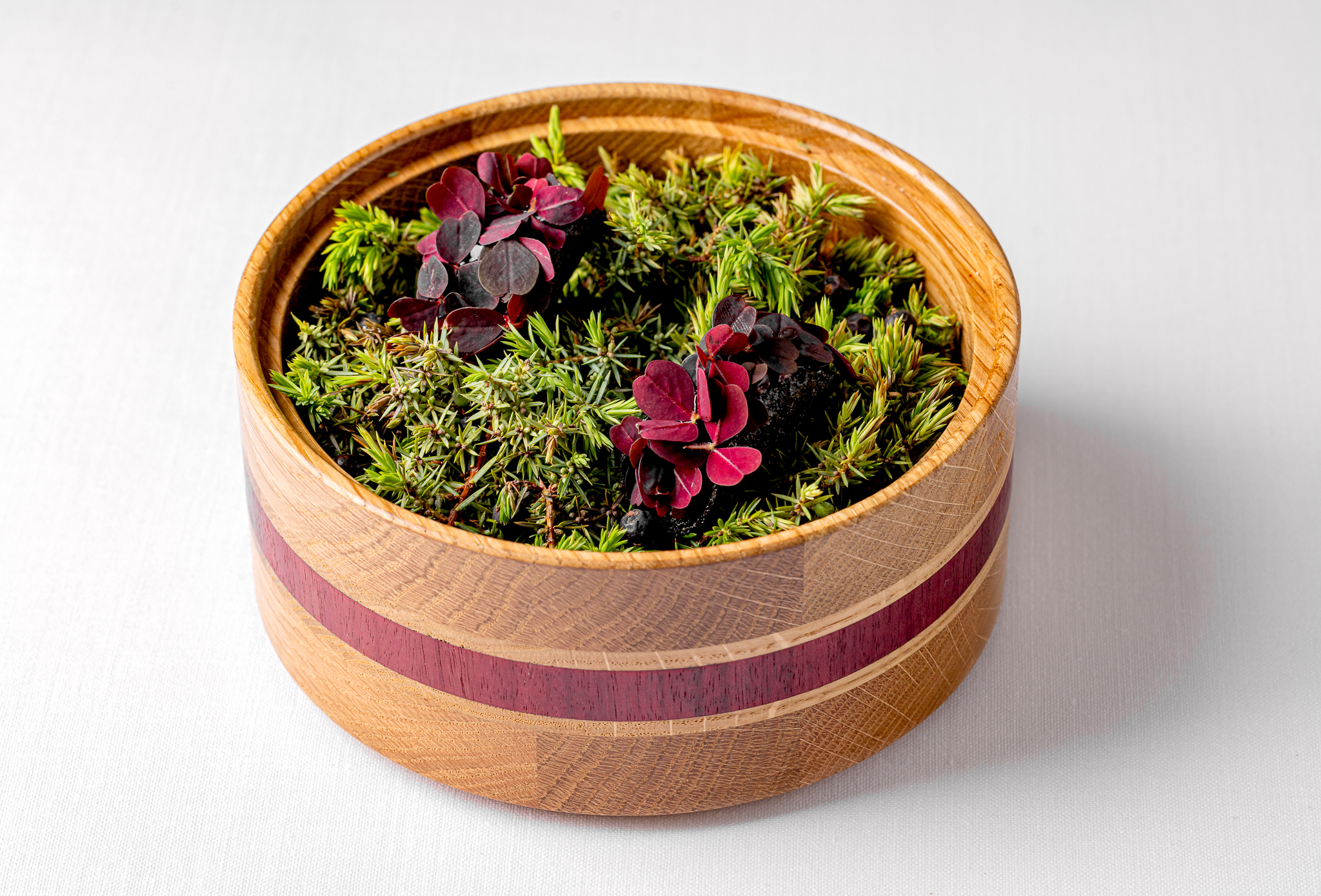
Mauro Colagreco at Raffles London at The OWO. Wood sorrel taco, Forest Menu. ©Justin De Souza.
My drive to work with nature came from… in Argentina, you can be in a big city like Buenos Aires, and 20 minutes later you’re in the middle of nowhere – like Patagonia with so many different landscapes.
I was lucky because my parents travelled all around the country with us. So from very young, I appreciated nature. We spent many holidays in the middle of nowhere. Later, through my work, I went deeper into the questions of being part of the problem and also the solution.
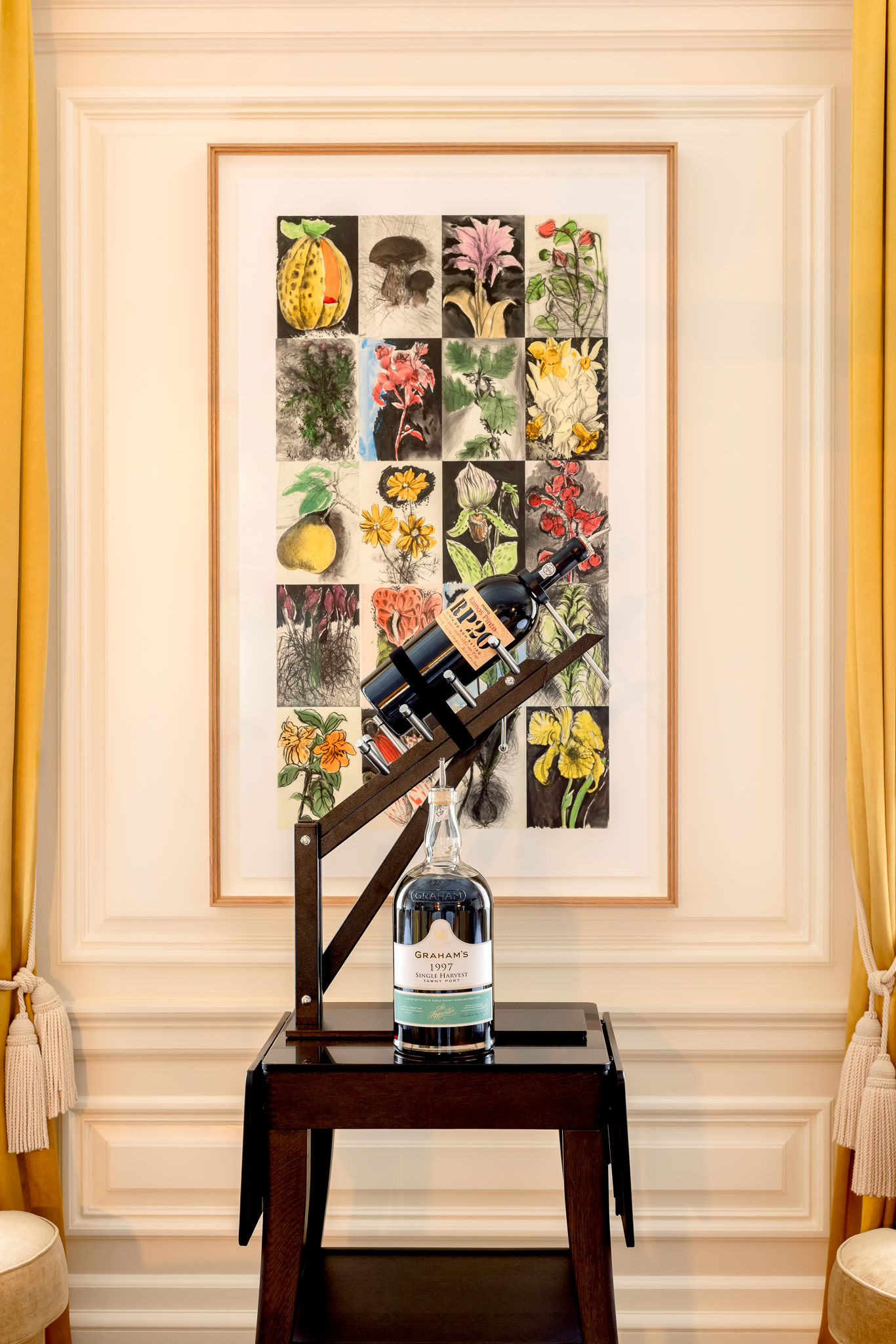
Drinks trolley at Raffles. ©Justin de Souza.
The attitude to vegetarianism in Argentina is… changing. but still, we are one of the countries that consumes the most meat per person in the world. Historically, there was balance – partly due to Italian immigration, which brought a strong vegetable culture.
But over the last 20 years, industrial meat production changed things and was a big problem. Now, people are becoming more conscious – about health, chemicals and impact. This shift is happening globally, not just in Argentina.
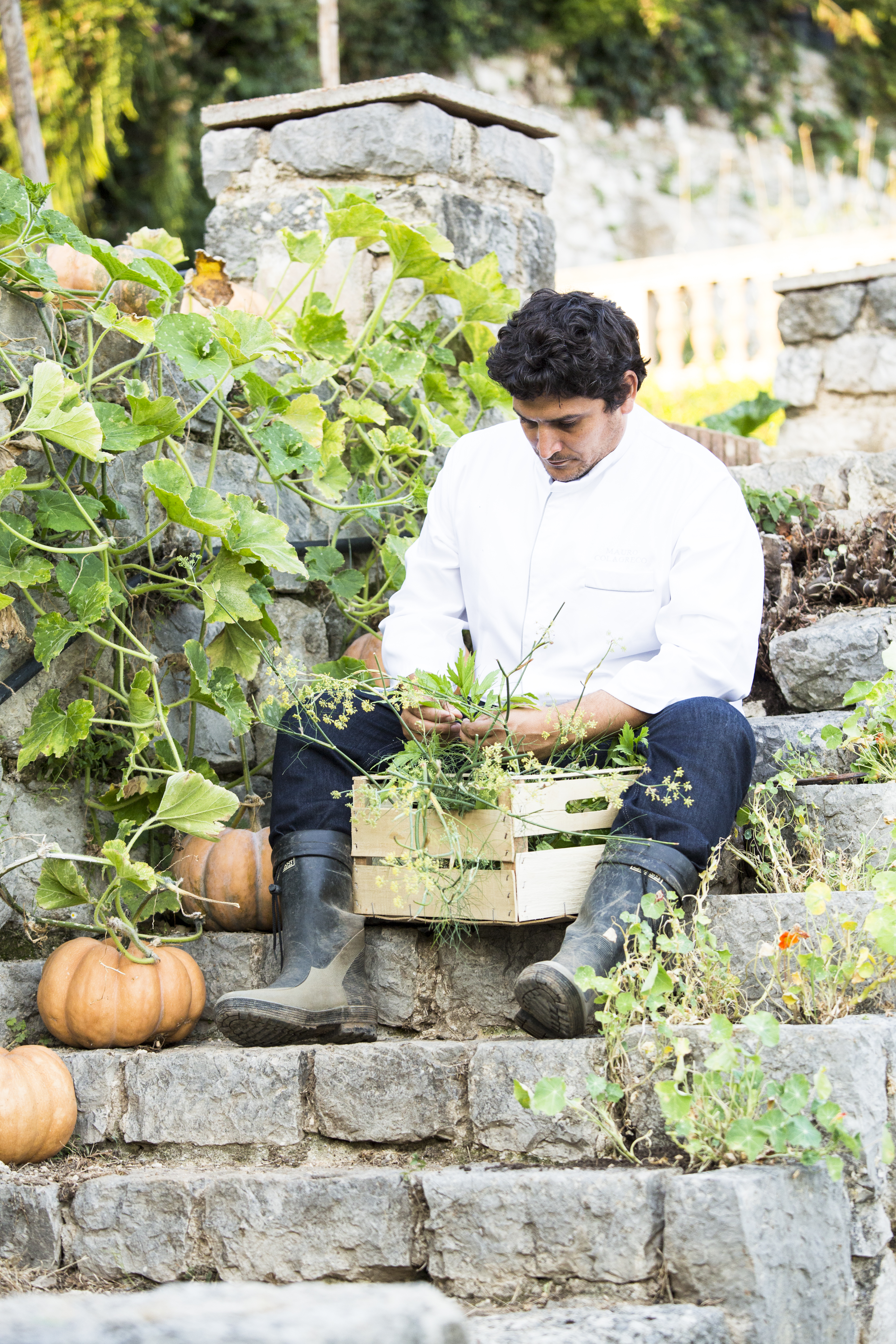
Mauro Colagreco working with nature.
Sustainable dining should be… accessible. It’s important for everyone to learn how food impacts their lives and the planet. It’s easier in fine dining, when you cook for a few people who have access to practically everything. But that’s why I also started more accessible concepts of bakeries, pizzerias and a burger joint which is a B Corp. It’s not always a question of pricing or margin, but education.
The moment I truly understood the importance of food was… when my sons were born. I was there, and the first thing my wife did was feed them. For me, as a chef, it was incredible. I understood food as the first act of love. That really stayed with me.
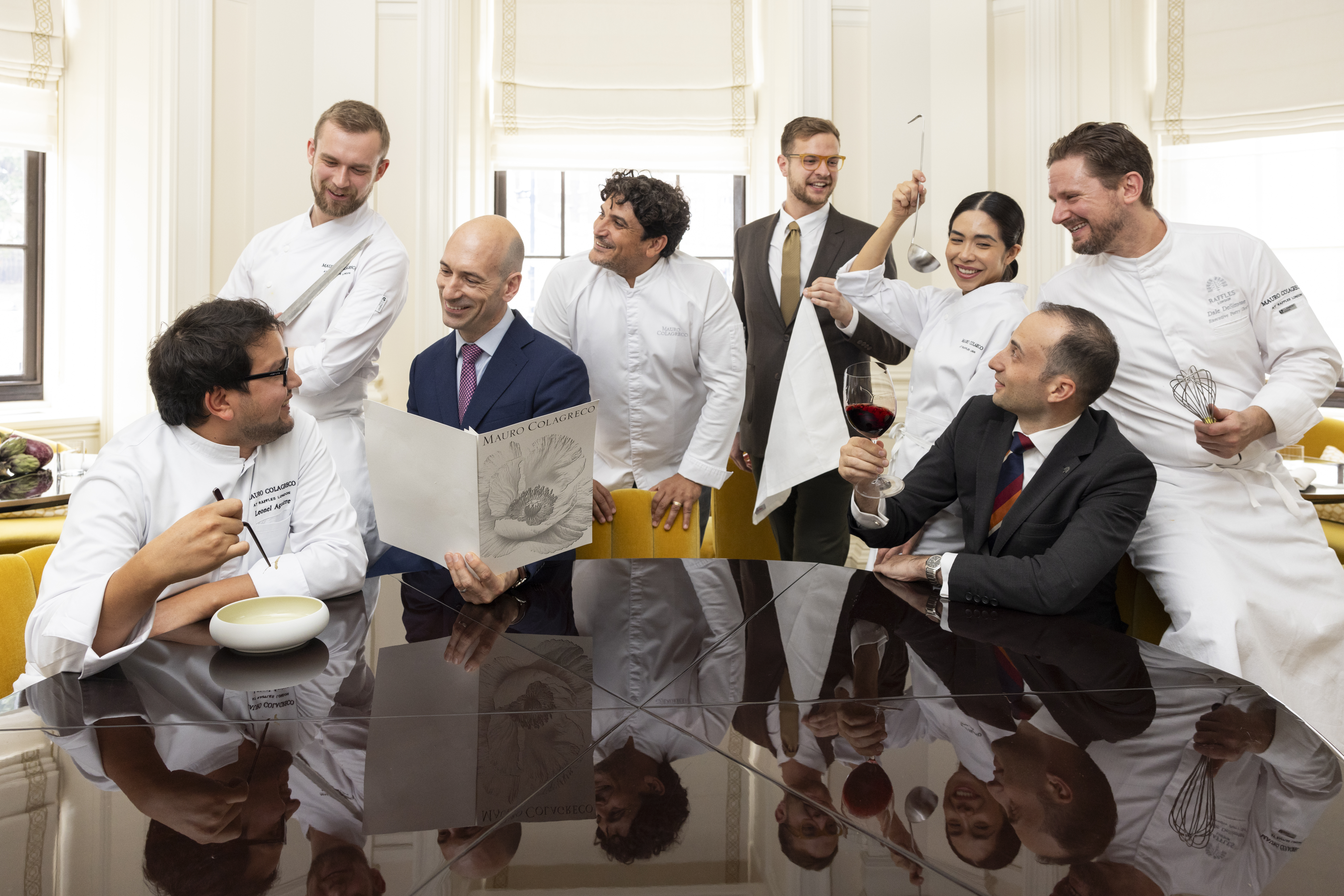
The team at The OWO. ©MatteoCarassale.
My frustrations in the food industry… come from large-scale industrial systems – how food is produced, how animals are treated, and the prioritisation of profit over quality. It’s frustrating because change feels urgent, but slow. Still, you have to keep pushing forward.
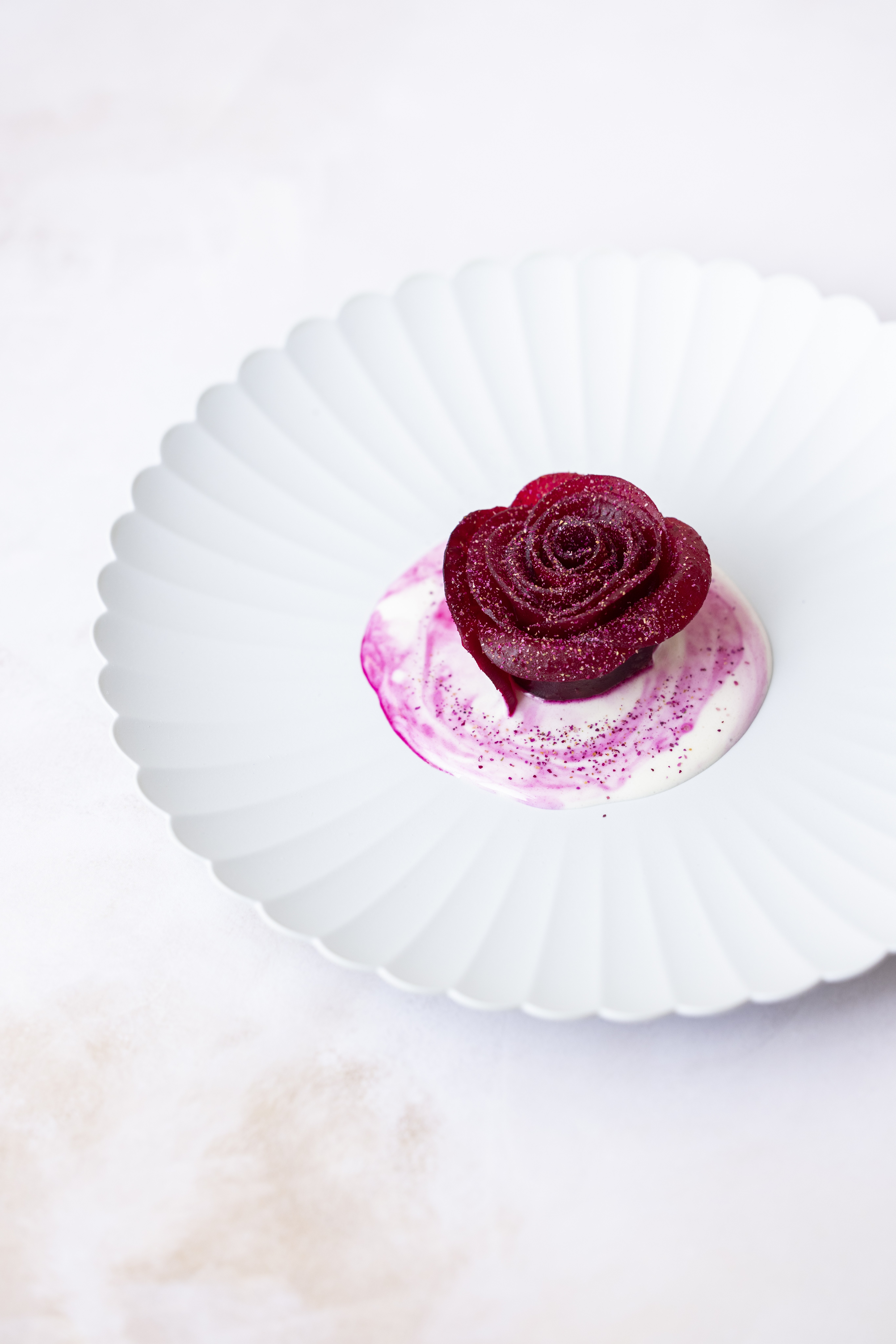
Dessert at The OWO 2023. ©Matteo Carassale.
Something I’m trying to change is… At Mirazur, we were the first restaurant in the world to achieve plastic-free certification. We started working on it in 2017, before it was widely discussed. We worked very hard on it. It’s still a constant battle – plastic is everywhere – but we continue to fight it.
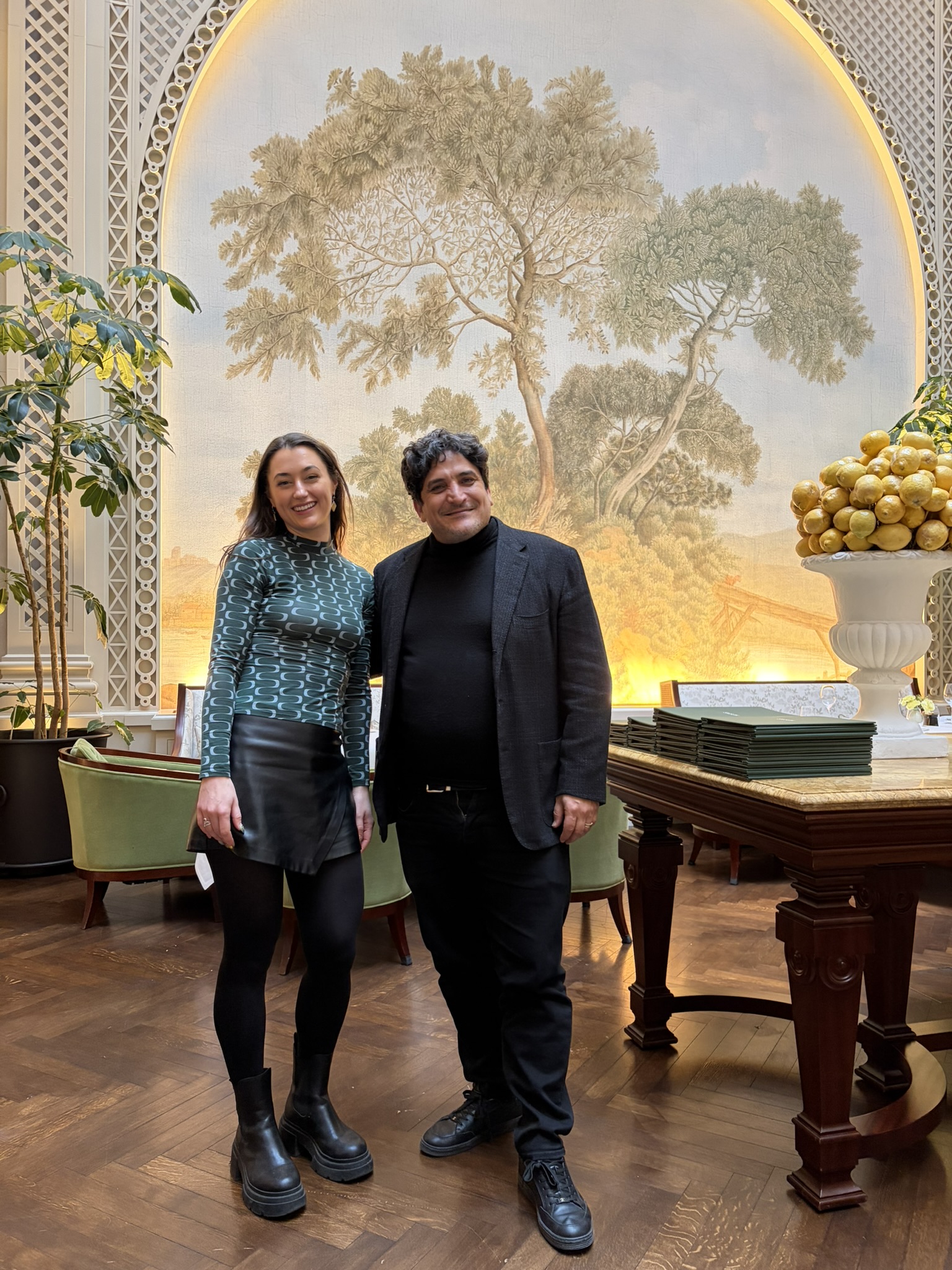
Izzy Schaw Miller and Mauro Colagreco.
A chef who influenced me early on… A chef in Argentina named Beatriz Chomnalez had a huge impact on me. She believed in me from the beginning and encouraged me to come to Europe to learn French cuisine. I met her when I was around 20 or 21, and that changed everything.
A chef that particularly shaped my philosophy… Working with Alain Passard was very impactful – especially his work with vegetables and gardens. But all of them (Bernard Loiseau, Alain Passard and Alain Ducasse) taught me something – precision, service, passion.
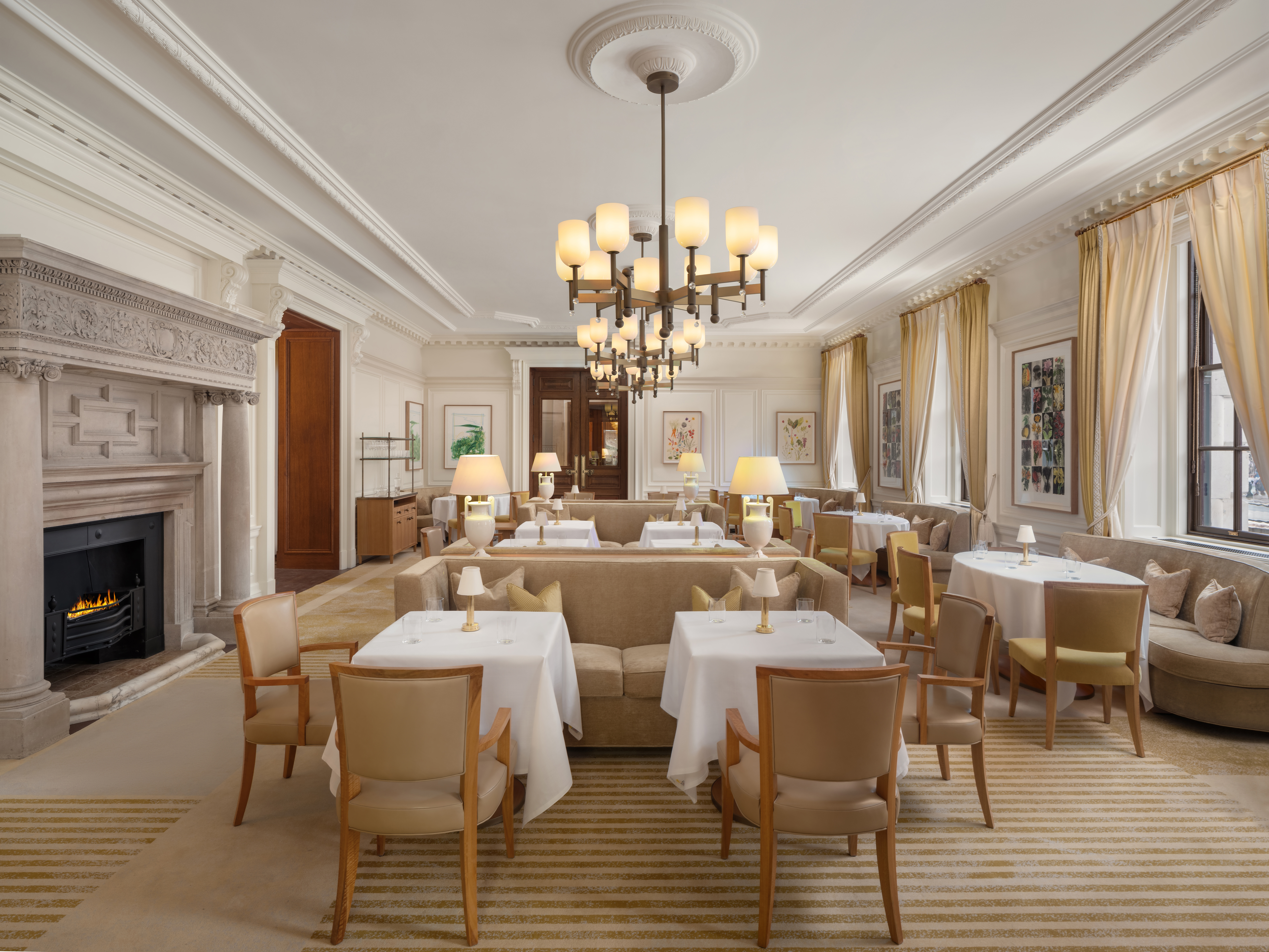
Raffles London dining room.
In terms of its impact, my most meaningful achievement is… Being a UNESCO Goodwill Ambassador for Biodiversity allows me to go beyond the restaurant world and have a broader impact. When I was at COP16 in Colombia we launched an education programme, called "Seeds for the Future", and this year we will run pilots in France to teach children about food and sustainable habits. Today many people don’t learn this at home anymore.
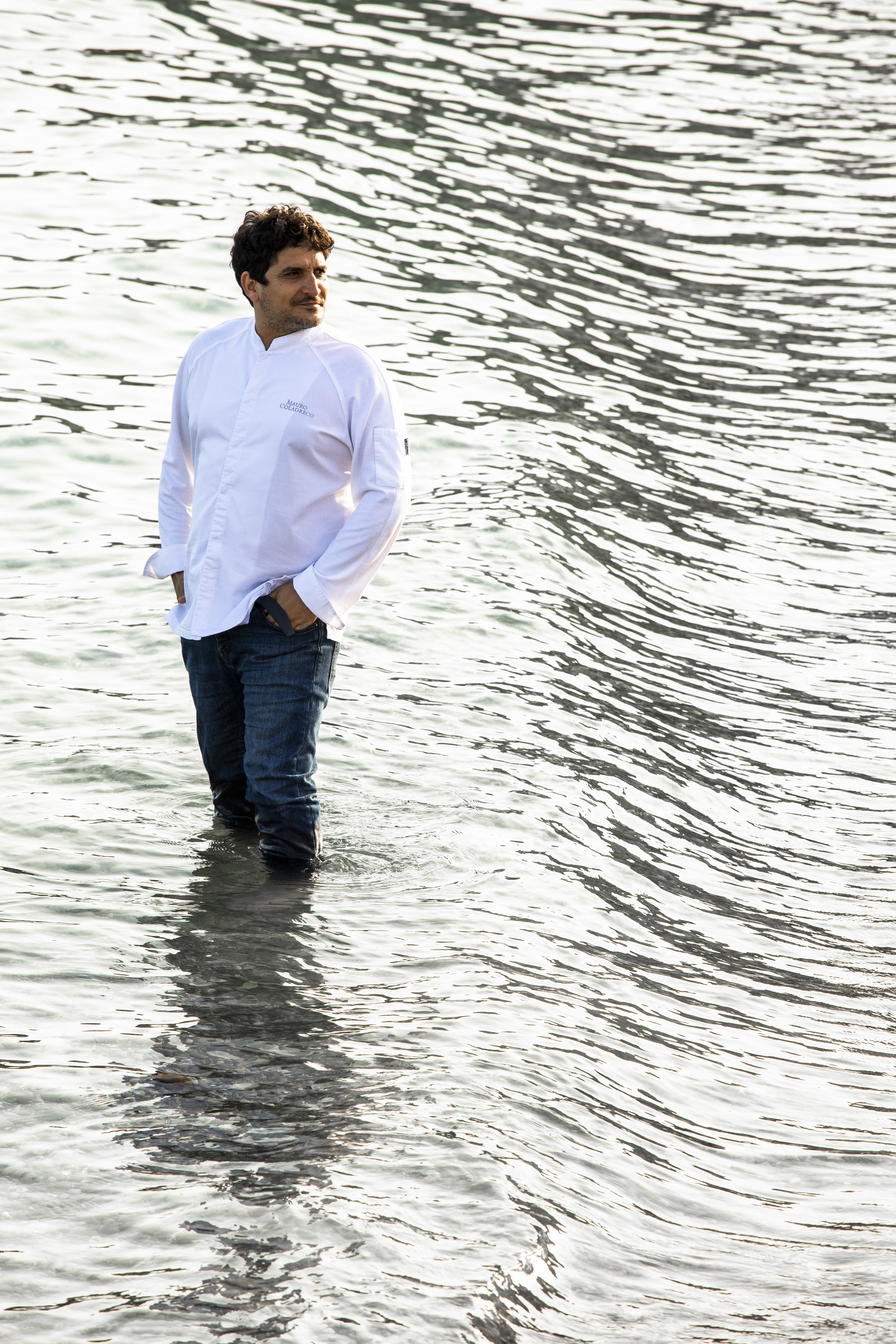
Mauro Colagreco portrait in water. ©Matteo Carassale.
Approaching biodiversity in London is… different from working in the south of France, where we have our own garden. One of my worries was the British vegetables, but I was surprised because there are fantastic farms and the diversity is great. It’s interesting because most of biodiversity is lost from what we eat. There are hundreds of varieties of tomatoes or carrots for example but we only consume one or two. So it’s important to bring that to our plates and teach our guests this way. That’s what we do here, we put forward vegetables.
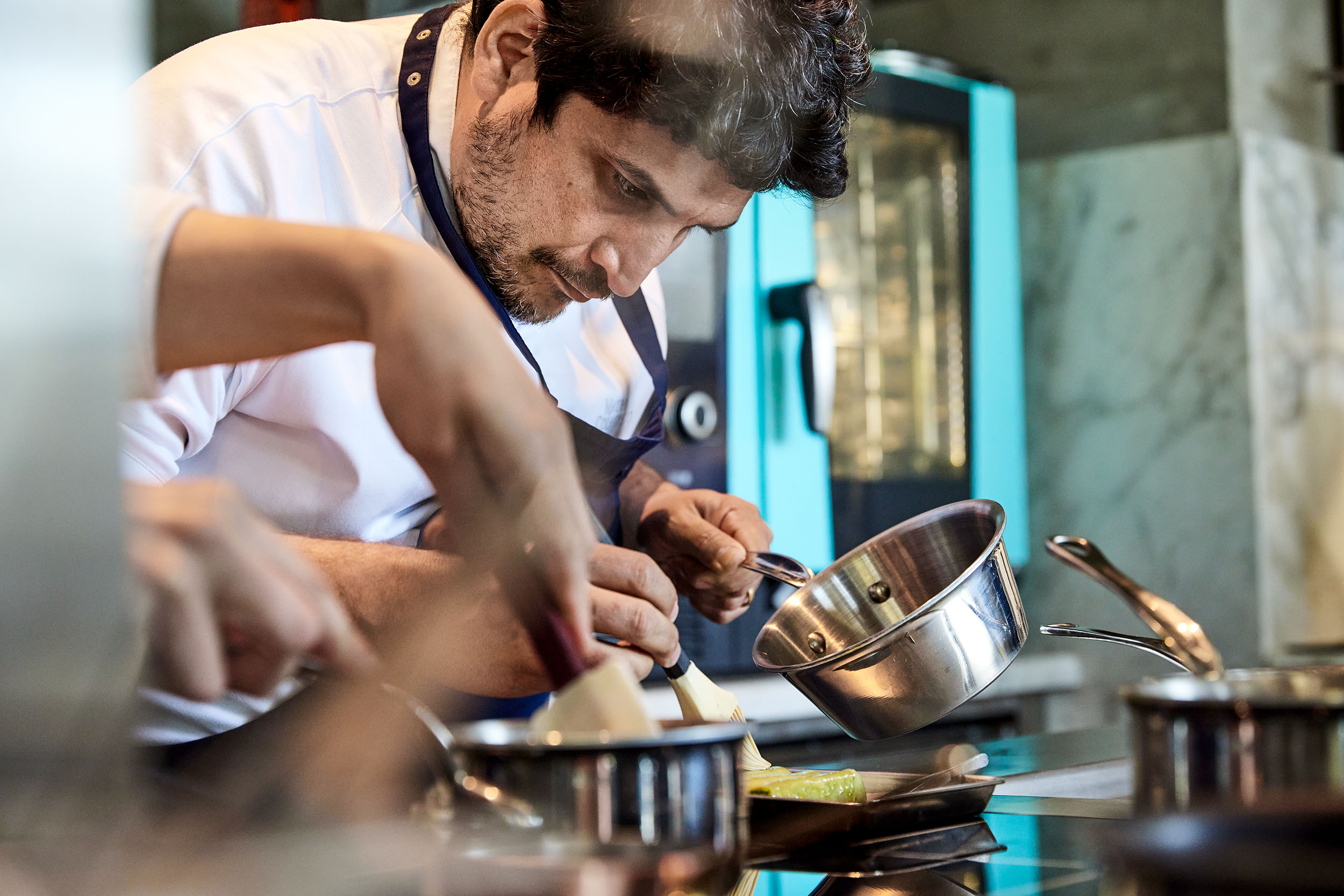
Mauro Colagreco at work in the kitchen.
When it comes to sustainability in restaurants… we should be careful, it shouldn’t be greenwashing. But I believe we’re seeing the results of seeds planted years ago. Change takes time, but I’m optimistic. We need hope – but also action.
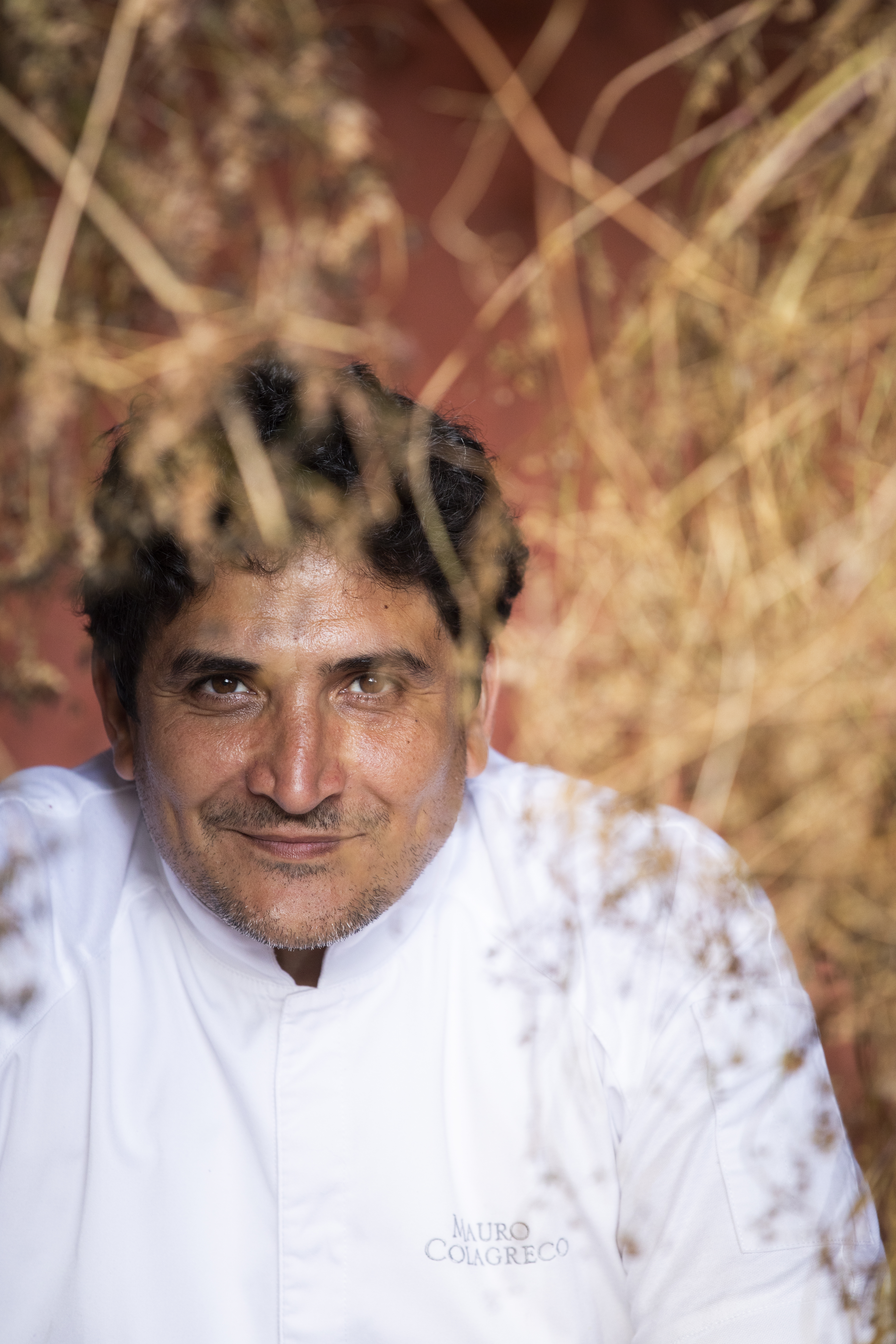
Close-up portrait of Mauro Colagreco. ©Matteo Carassale.
My hopes for the next generation of chefs… that they are conscious of their impact. Cheffing can be very glitzy now, with the opportunities for media and visibility, which is a very good thing for a good purpose, but there’s a downside too that it can be for the wrong purposes.
Every choice is an act of love – but also a political choice. I hope they stay grounded, humble, and conscious – not just chasing recognition, but creating meaningful change.
The biggest challenge of opening restaurants around the world is… that every place is different. We don’t copy-paste concepts. Each restaurant has to adapt to its environment, its products. For example, working in Dubai was challenging because of limited local agriculture, while in London we can rely on excellent British producers. It’s exciting too though – it keeps me curious and challenged.
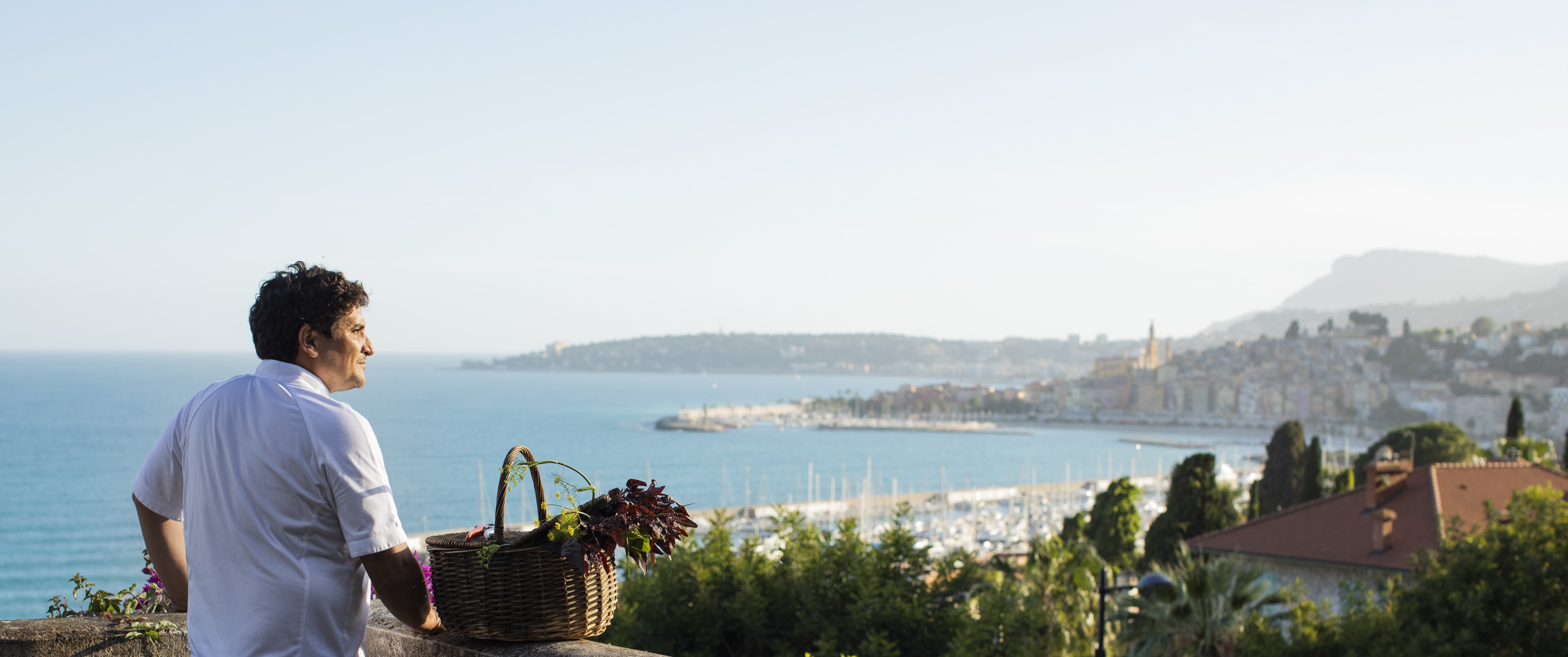
Mauro Colagreco looking out to sea. ©Mattea Carassale.
Luxury means to me… not about price or brands. It’s about time, detail, and experience. It’s sharing a meaningful moment, being part of something unique – not something you simply buy.
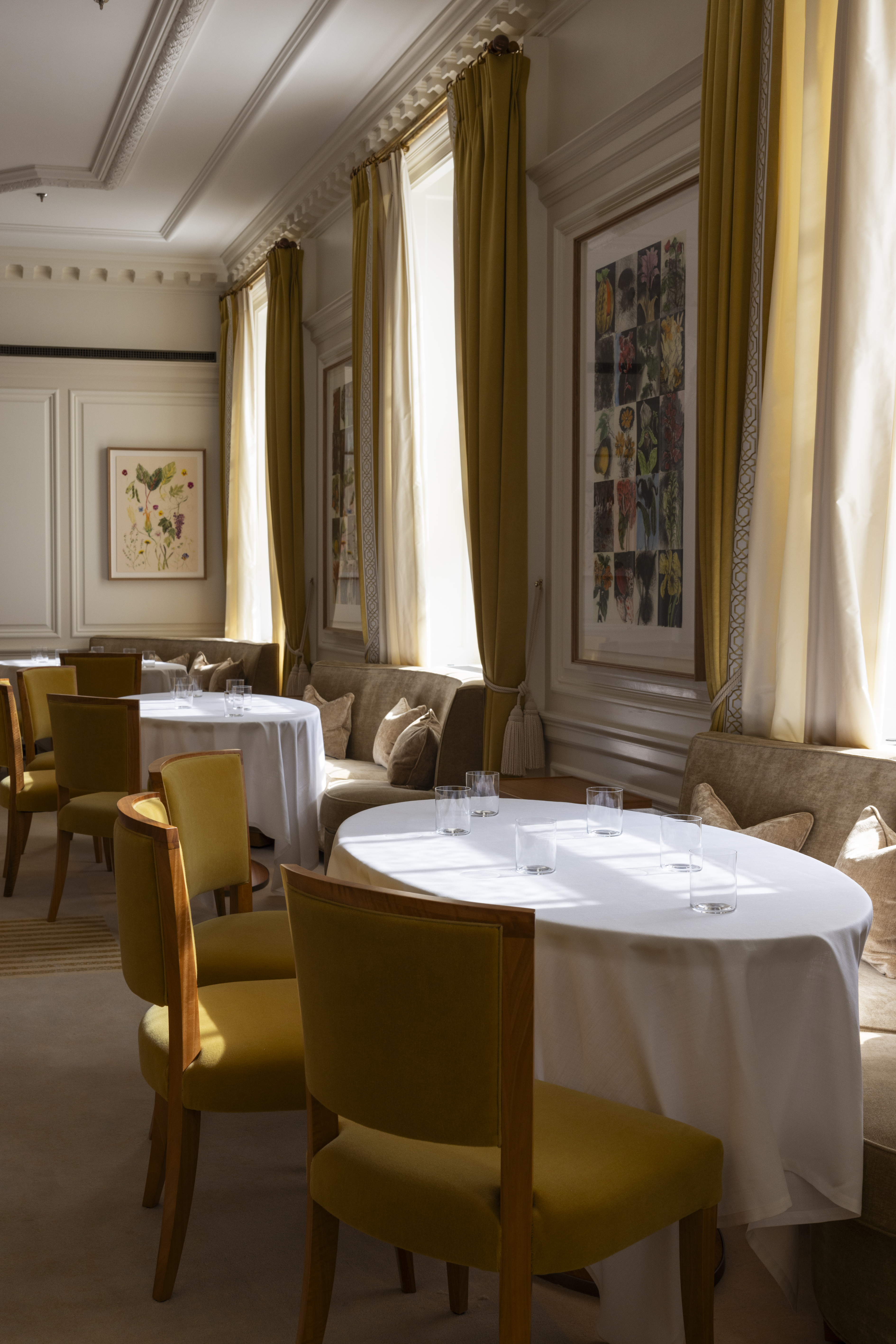
Mauro Colagreco at Raffles London at The OWO. ©Matteao Carrasale.
What matters most to me right now… my family – watching my children grow is incredible. And also working for the future – for the next generation – while still enjoying the present moment.
My favourite recipe is… the one I’ll create tomorrow.