5 Minutes with Ivan Ramen

Words by
Izzy Schaw Miller

10th April 2026

With ramen on our minds since World Ramen Day last week, SPHERE takes five minutes with Netflix chef and "ramen guy" Ivan Orkin. Opening the first non-Japanese ramen shop in Tokyo – a career change that came after 40 – is no mean feat. Here, the straight-talking New Yorker gives us the lowdown on what such a challenge truly takes.

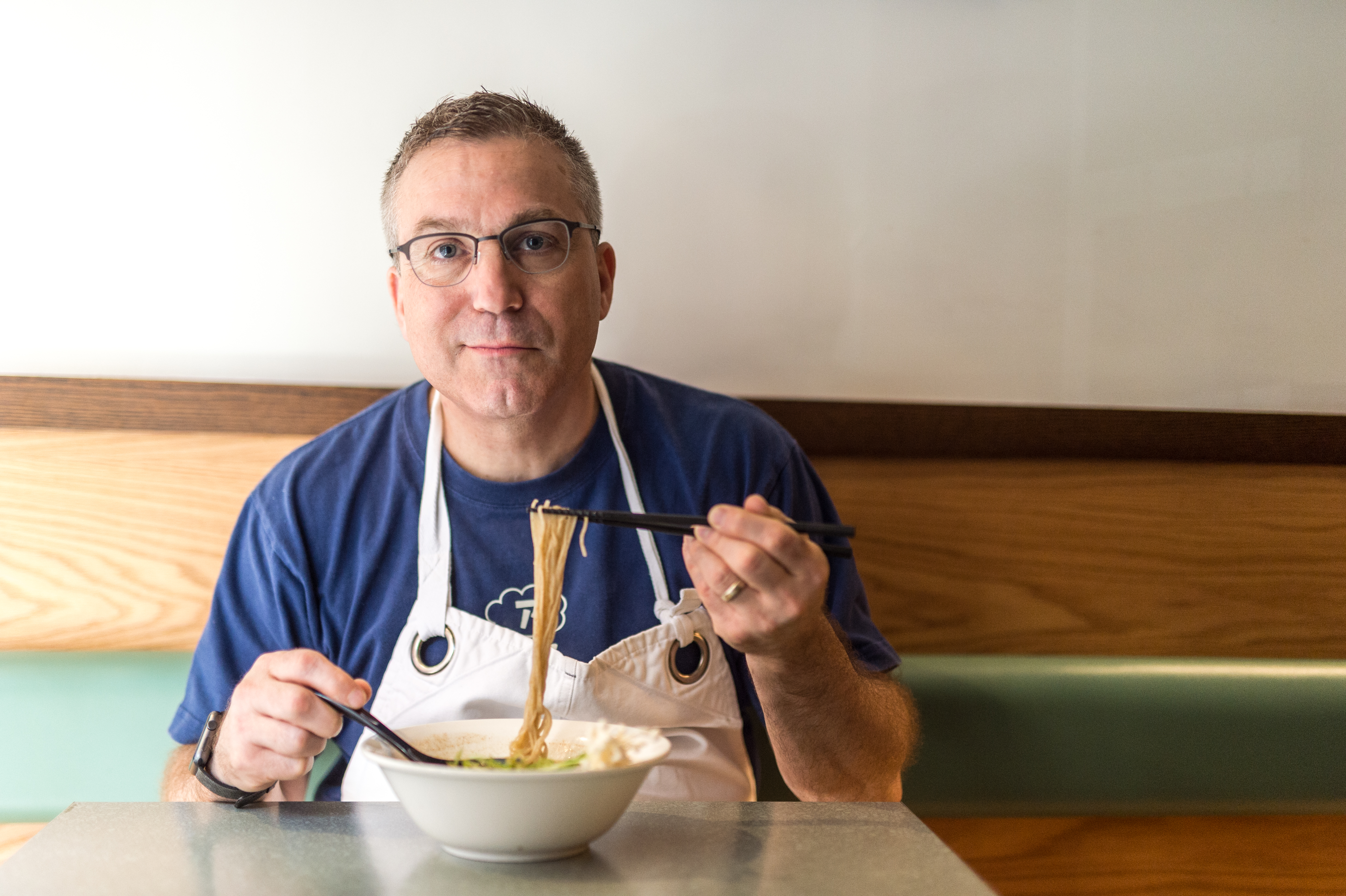
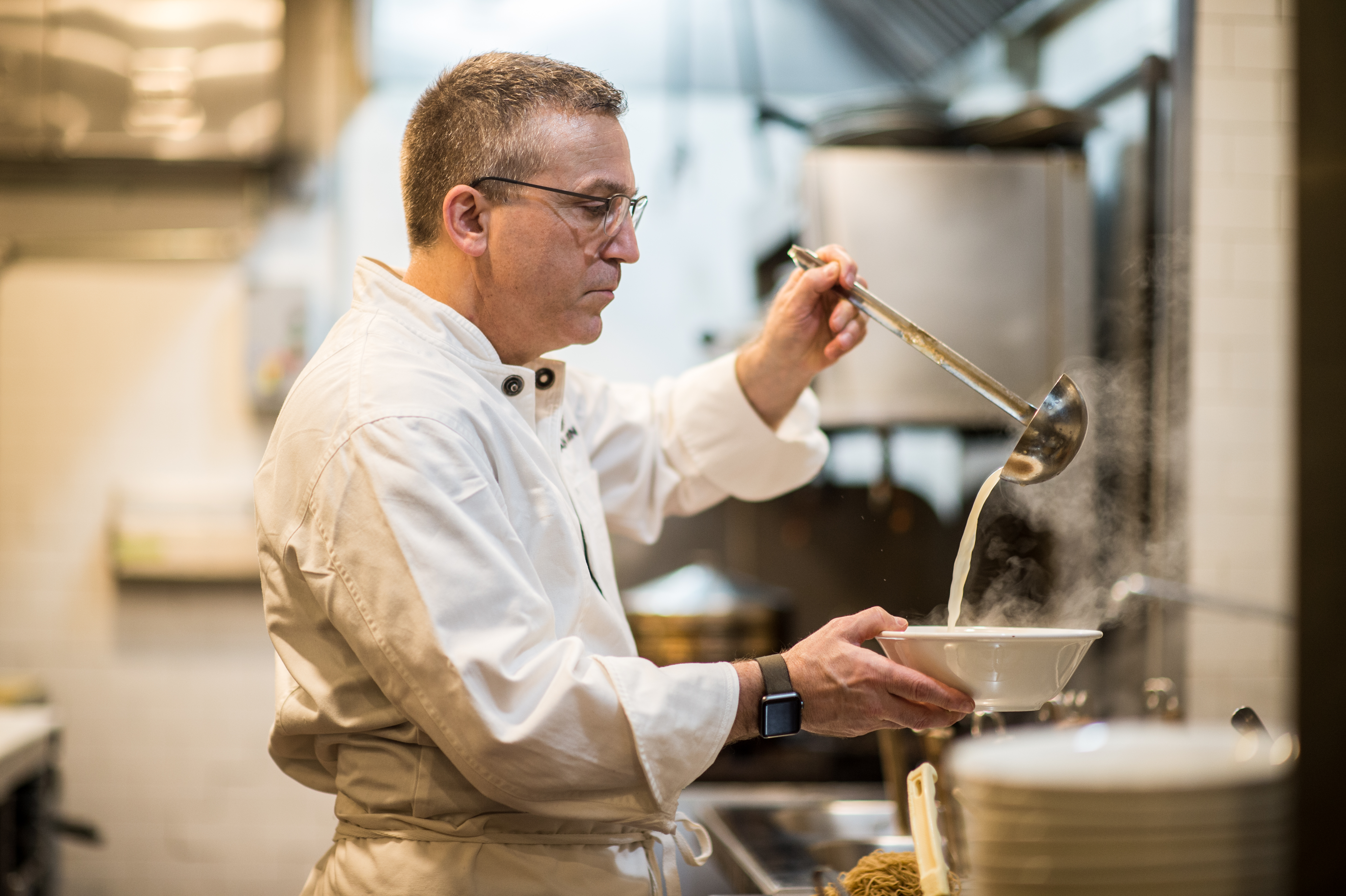
Ivan Orkin at Ivan Ramen Clinton St.

What first drew you to Japan?

I worked in a sushi bar in high school, and listening to the workers in the shop made me very curious. When I went to college, I purposely chose one that taught Japanese – which, in the early '80s, believe it or not, was hard. When I graduated, going to Japan seemed like the only logical next step. It seemed crazy to study a language for four years and never set foot in the country. And when I got there, it was as if the sky opened. I thought, Oh my God, I've been meant to be here my whole life. Every time I step off the plane, I feel like I'm home.
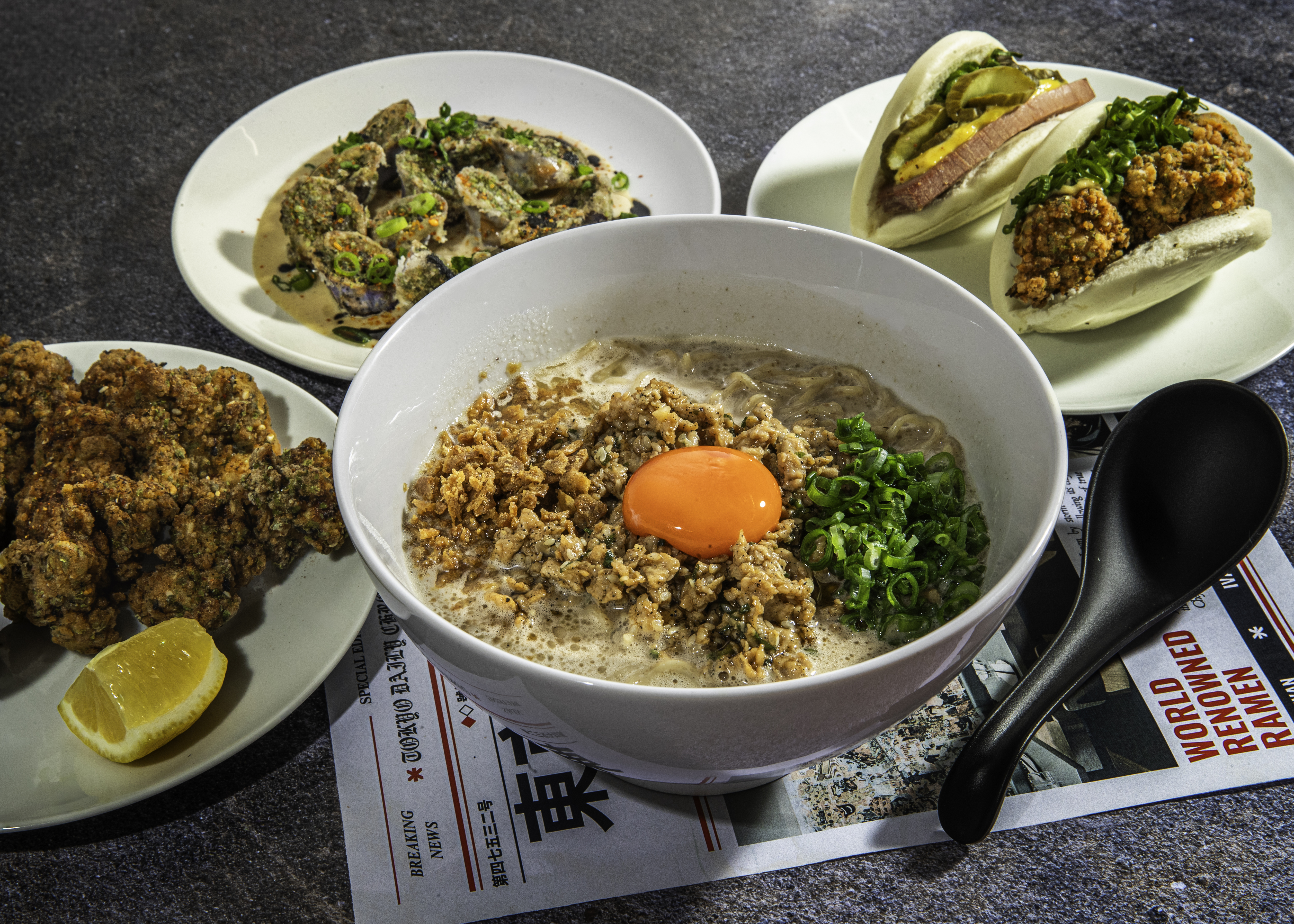
A selection of food from Ivan Ramen.
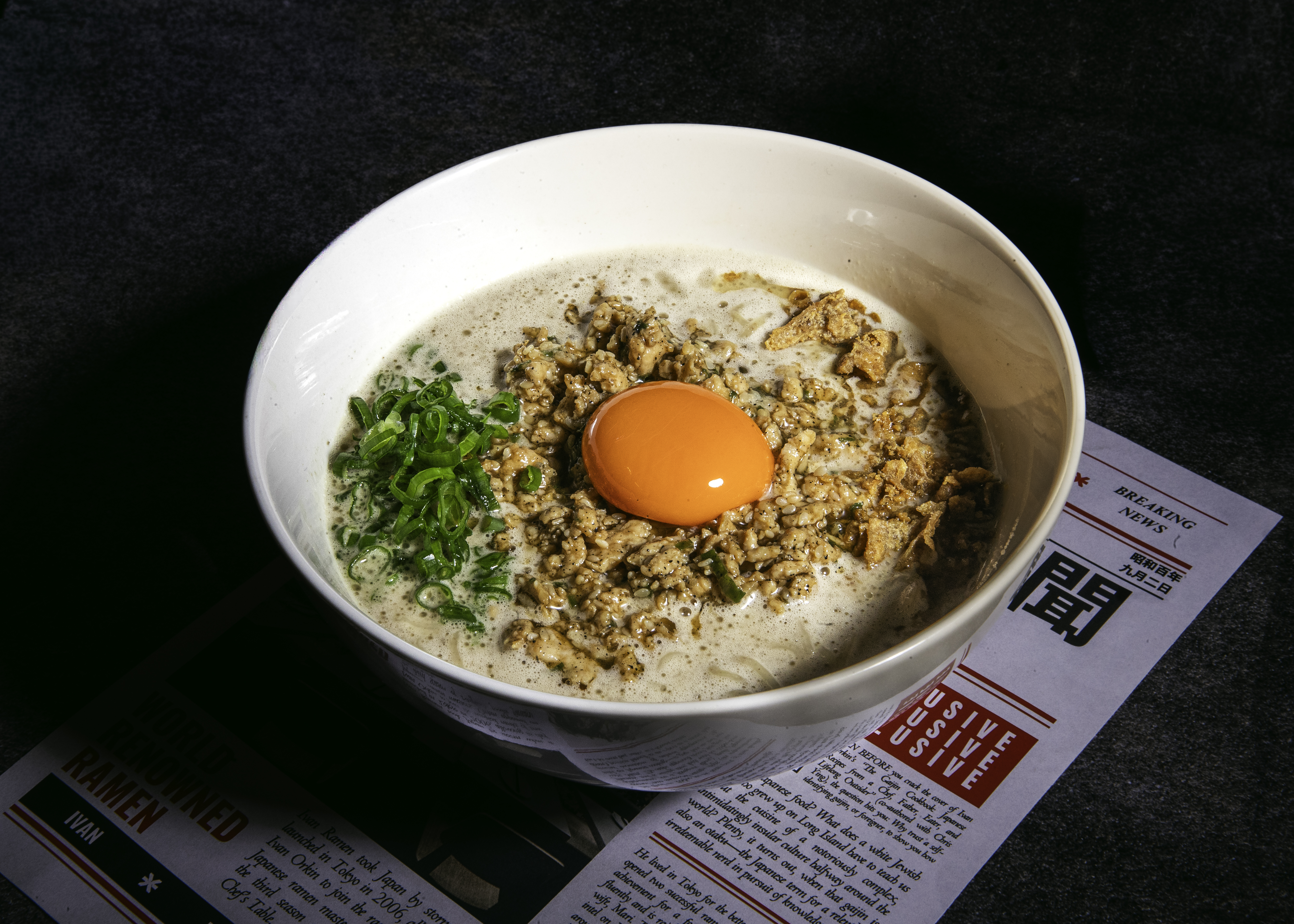
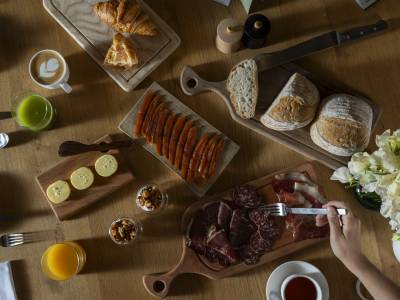
A selection of dishes including Chicken Paitan ramen, Kara-age chicken and salt beef bao bun.

What keeps you going back?

The people are lovely. It's clean, it's safe, the food is extraordinary. And right now, the yen is weak, which doesn’t hurt – you can have a very lovely holiday for a reasonable amount of money, especially compared to, say, London or New York. Japan is a wonderful country.

Ivan Ramen London.
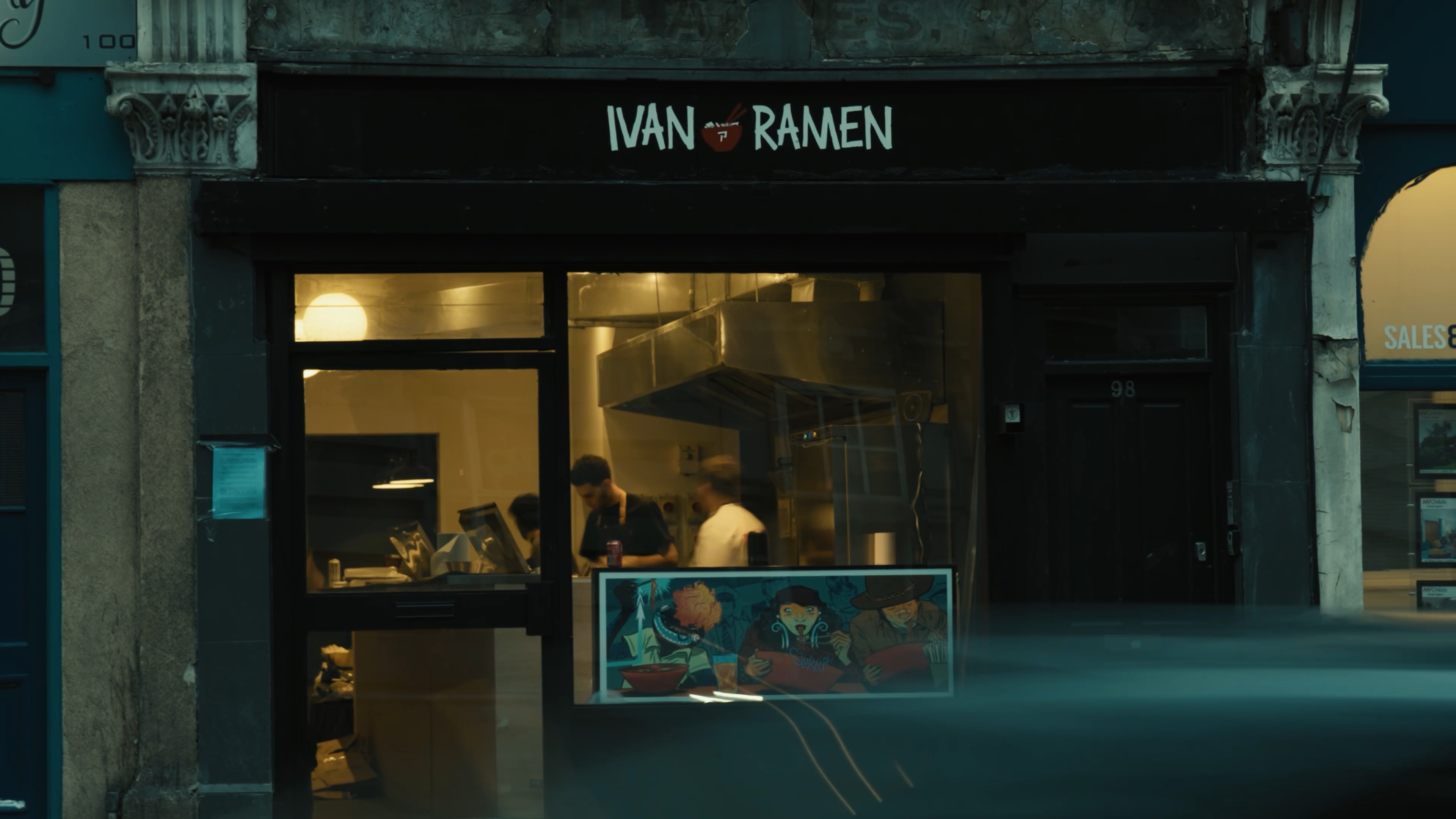
Ivan Ramen Farringdon recently opened.

Was there a single defining moment in your career?

I opened Ivan Ramen when I was in my mid-forties – so that's quite a bit of life before I'd even started my real career. For forty-four years I did all kinds of things, travelled everywhere, tried everything. And then I opened the restaurant, and all of a sudden, that was the defining moment. Though I'd describe it more accurately as a culmination – of every experience, every job, every instinct. Some people never get that culmination. I was very fortunate that somehow I decided to do this particular thing.

What would you say to someone who's afraid to take a leap?

Being uncomfortable is, I think, the thing most of us spend our entire lives trying to avoid. But the only way to really do big things is to lean into that discomfort. A lot of people will tell you things can't be done – which is all rather silly – because lots of things can be done.

The notion of success is also kind of crazy, because some people will tell you that's not successful, other people will tell you it is. Success is how you feel in your heart, and how you feel about yourself, and how you feel about what you've done. Success for me is raising three children, and teaching them, trying to have them have confidence.

Join the

SPHERE Life

*By joining, you agree to receive news from SPHERE Magazine

Ivan Orkin, Ivan Ramen.
Ivan Orkin a.k.a Ivan Ramen.

How do you navigate being a foreigner in someone else's country?

I'm a very hard worker. I think I'm a pretty good cook. I've always been guided by a true, deep love for Japan. Even though I'm a New Yorker and I'm a bit of a loud mouth, and I certainly sometimes step on toes – I was very cognisant of the fact that I was in someone else's country.

If I moved to London tomorrow, I wouldn't insist on doing things my way. I'd ask how the Brits do things and try to be respectful. When you're an expat, you eventually find your footing – how to be yourself within a new culture. That in and of itself is actually rather wonderful, because it brings you right back to that idea of being uncomfortable. Some expats fail because they simply refuse to adapt, and you can't go to someone's home and tell them you're gonna do it your way. It's unkind, and it's foolish, really.

Ivan Ramen Farringdon.
One of the new Ivan Ramen dishes at the Farringdon restaurant.

Is there a Japanese value you carry with you?

The one I love most is this notion of not getting in the way of others. In America, people want what they want when they want it, and if it bothers someone else, so be it. In Japan, it's almost the opposite – just because you want something, if it interferes with others, then that’s not okay. I always describe it as having an invisible three-foot bubble all the way around you. You're constantly aware of your surroundings, always conscious of not disturbing anyone outside that space. My wife would laugh, because I'm too loud and probably bother people sometimes – but I do try.

What's the hardest part of running restaurants?

The restaurant industry is a really tough, horrible business, and things go wrong almost every single day. It's always something. The oven breaks, three people call out sick, your main food delivery doesn't show up, there's a blizzard. In the restaurant business, you need every dollar. But that's also what makes it exciting. A lot of us in hospitality aren't really the white-collar types.  

Sitting behind a desk with a tie, needing to live the corporate life, is very different. A lot of people in the hospitality industry do this because we have all this energy and we don't like to have to conform so specifically. So anyway – we have lots of things go wrong, and a lot of fun fixing them.

Noodle pull, Ivan Ramen.
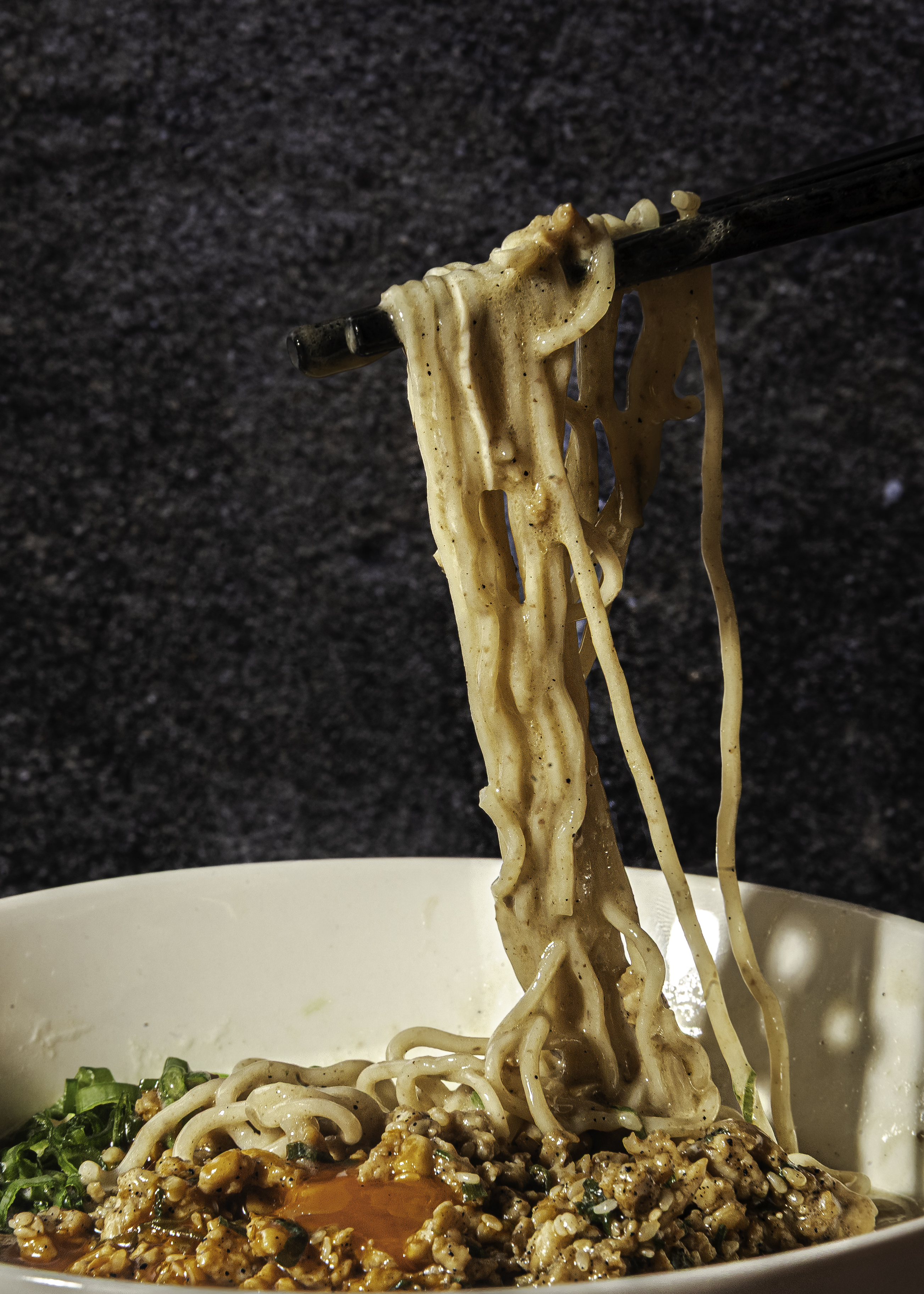
The perfect noodle pull.

What's the secret to a perfect bowl of ramen?

Ramen is simultaneously very simple and very complex. It takes a long time to make. But at the end of the day, the soup needs to be hot, and in my mind a ramen should be intensely flavoured. If it isn't, you may have made something lovely – but it isn't ramen.