If you’ve been following recent news, you might have a feeling of déjà vu. One story keeps repeating — virtually identical except for the date and the amount. It highlights the rapidly rising price of gold, and every iteration reports a new record, which, according to the World Gold Council (WGC), was broken 53 times last year. At the beginning of 2025, gold was a little over £2,150 per ounce; this year it was over £3,300, an increase of more than 53 per cent. As we go to press, the price stands at £3,712.
Fine Jewellery Invests as Gold Prices Rise
Words by
Avril Groom
31st March 2026
As gold prices continue to rise, luxury jewellers are leaning into investment pieces, while the middle market gets creative to hold its ground.
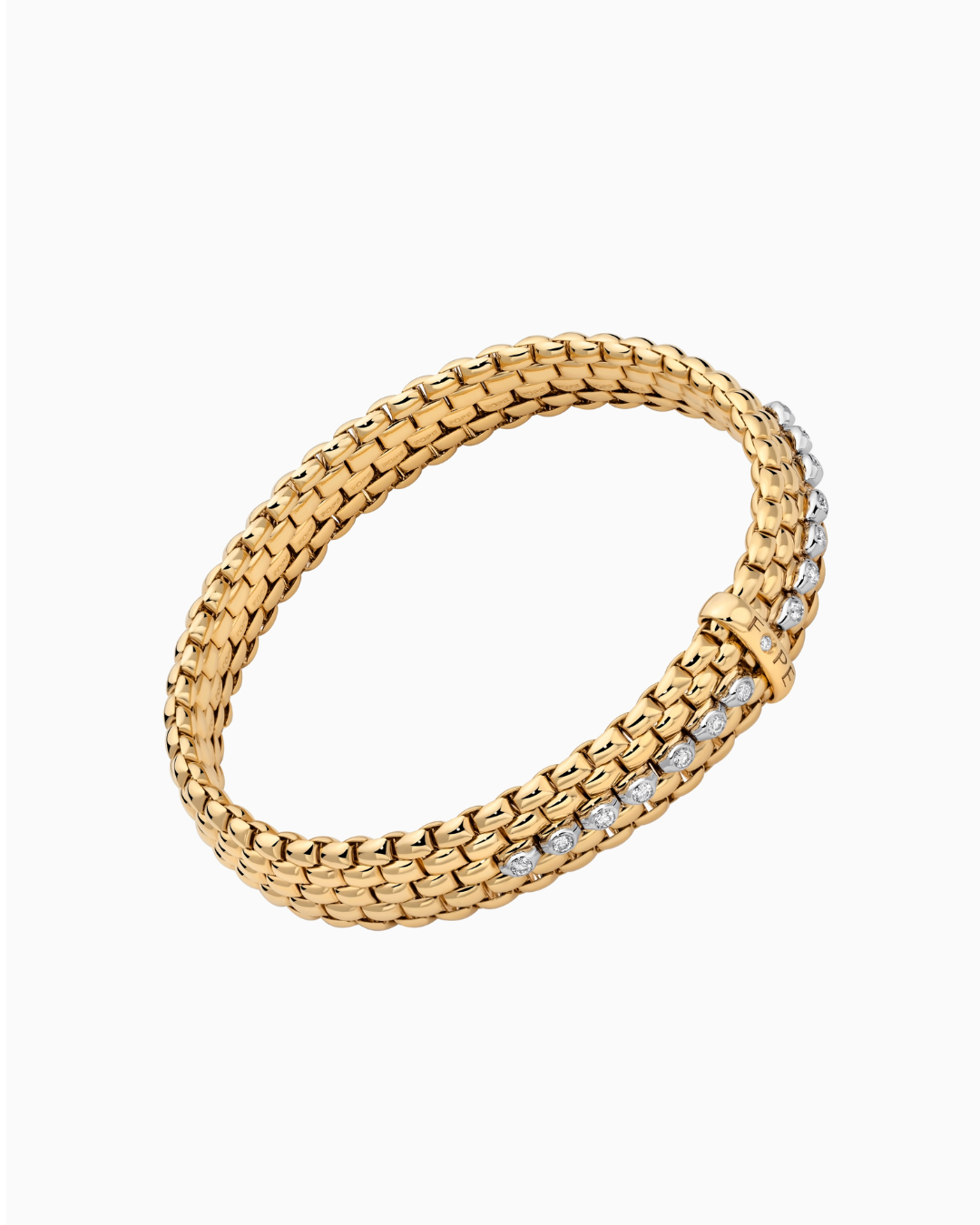
Fope Panorama Flex'it expandable mesh bracelet.
Throughout human history, gold has been a safe haven for wealth, initially because of its portability, but today it is far more organised because investors can choose between personally owning gold as jewellery or coins, taking fractional ownership of large gold bars or buying shares in mining firms and investment funds that track the price of gold.
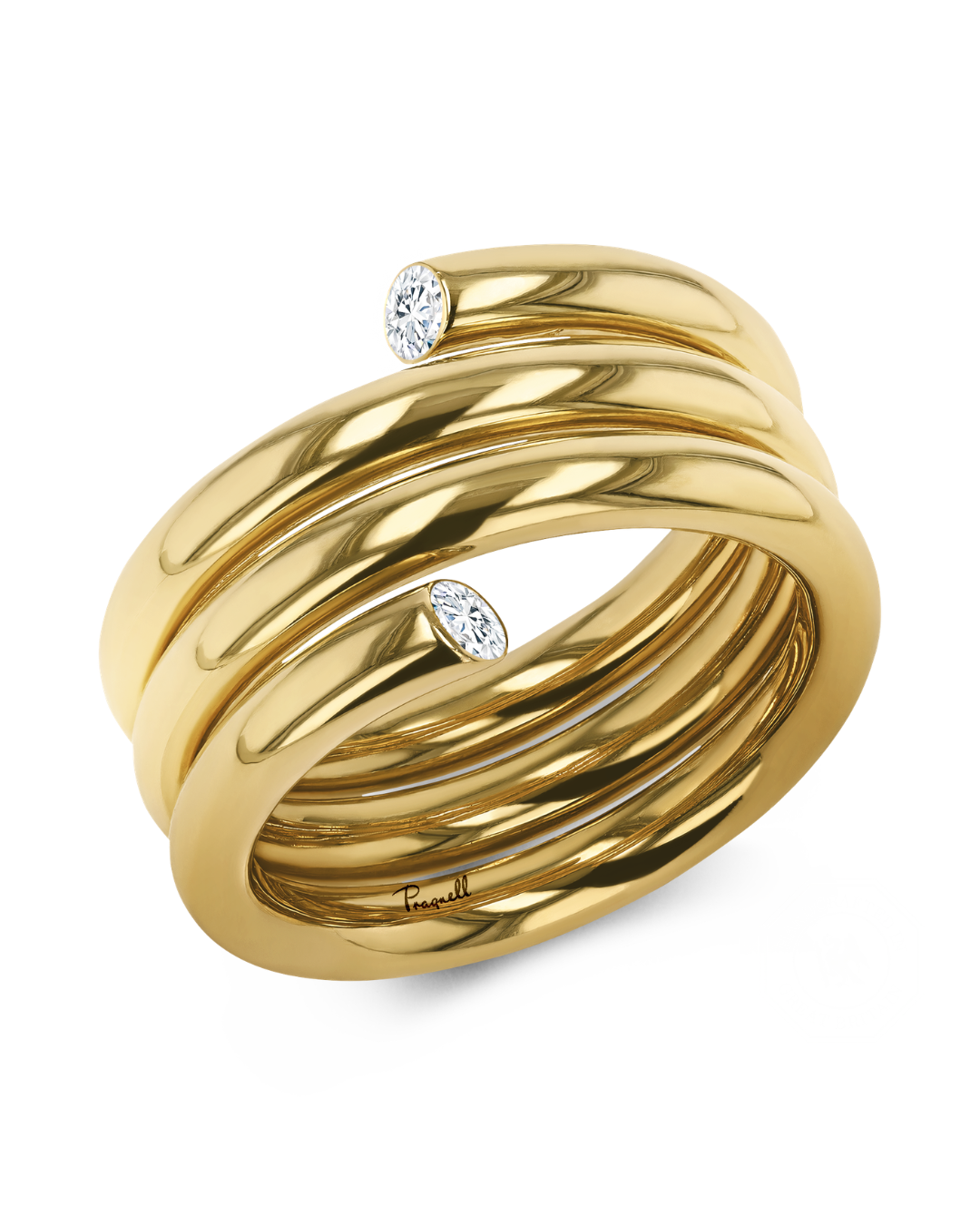
Eclipse 0.07ct Triple Row Diamond Spring Ring.
The drivers behind the rises have little to do with the jewellery industry. They result, says John Mulligan, head of sustainability strategy at WGC, from “global reactions to current geopolitical instability, conflict and potential moves away from the world order established since the Second World War. Uncertainty causes everyone from institutional investors to individuals to move wealth to the proven safest material, and gold remains the barometer of risk. Demand for new gold is outstripping supply, and there is less recycled material than expected as people keep unwanted gold, hoping the price goes higher.”
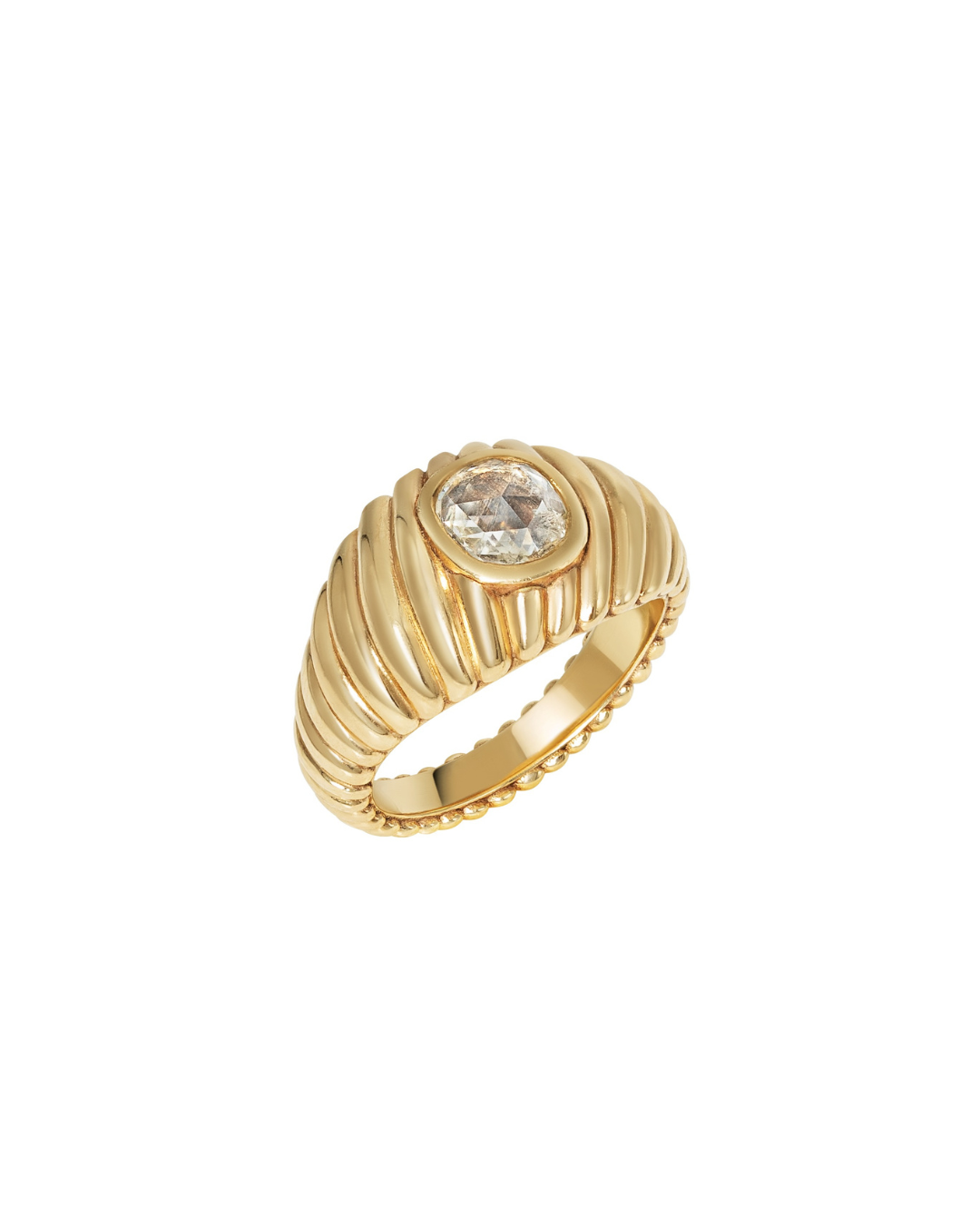
Lylie Diamond Wave ring with gold.
Jewellery is the area most visible to ordinary consumers, and the effect of price rises on the industry is seismic, though there are positives. Charlie Betts, managing director of his family firm, one of the UK’s main gold processors and co-founder of Single Mine Origin gold, which helps both independent designers and responsibly run artisanal mines, notes: “Higher prices support producers, improving margins and resilience, giving stable employment, better wages and investment in environmental, safety and community programmes. But this can result in greater expectations from governments, communities and investors.”
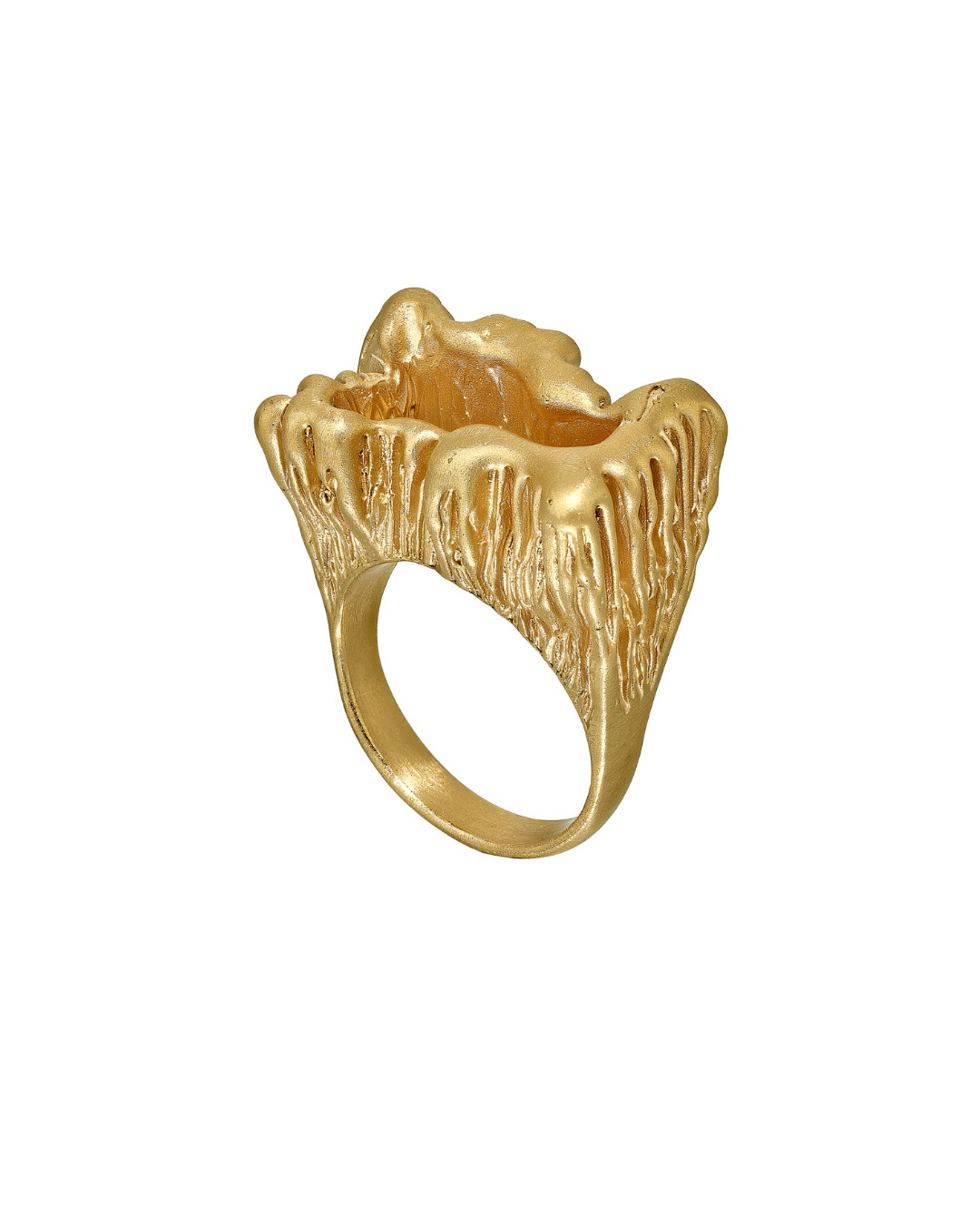
Emefa Cole ring in sculpted and engraved 18-carat yellow Single Mine origin gold.
For jewellers, terms like “terrifying” and “insane” are often bandied about, and no one is immune. Yet, there is a divide. The luxury end remains bullish, with some doubling down on bold, solid gold pieces that attract investment interest; the middle market must be ingenious to compete. “Some are becoming more considered, altering carat weights, mixing metals, or shifting emphasis to craftsmanship and complex design,” says Betts. “Others are holding their ground. Luxury brands are championing gold as consumers trust it as an investment. Brands like Messika, Emefa Cole and L’Atelier Nawbar are embracing the gold rush with bold designs, and jewellery is outpacing fashion as consumers demand long-term value.”
Claudia Piaserico, creative director of Vicenza-based gold specialist FOPE, known for its secret system that creates expanding gold chains, says, “you either use good quality but less expensive materials, from silver to platinum, to express creativity and contain the price rises or, like us, you appeal to high-spending clients who are less affected by the rise and demand high craftsmanship and intrinsic value.” While she is cautious about the retail effect, signs are positive — last year, the almost century-old company produced its best-ever figures.
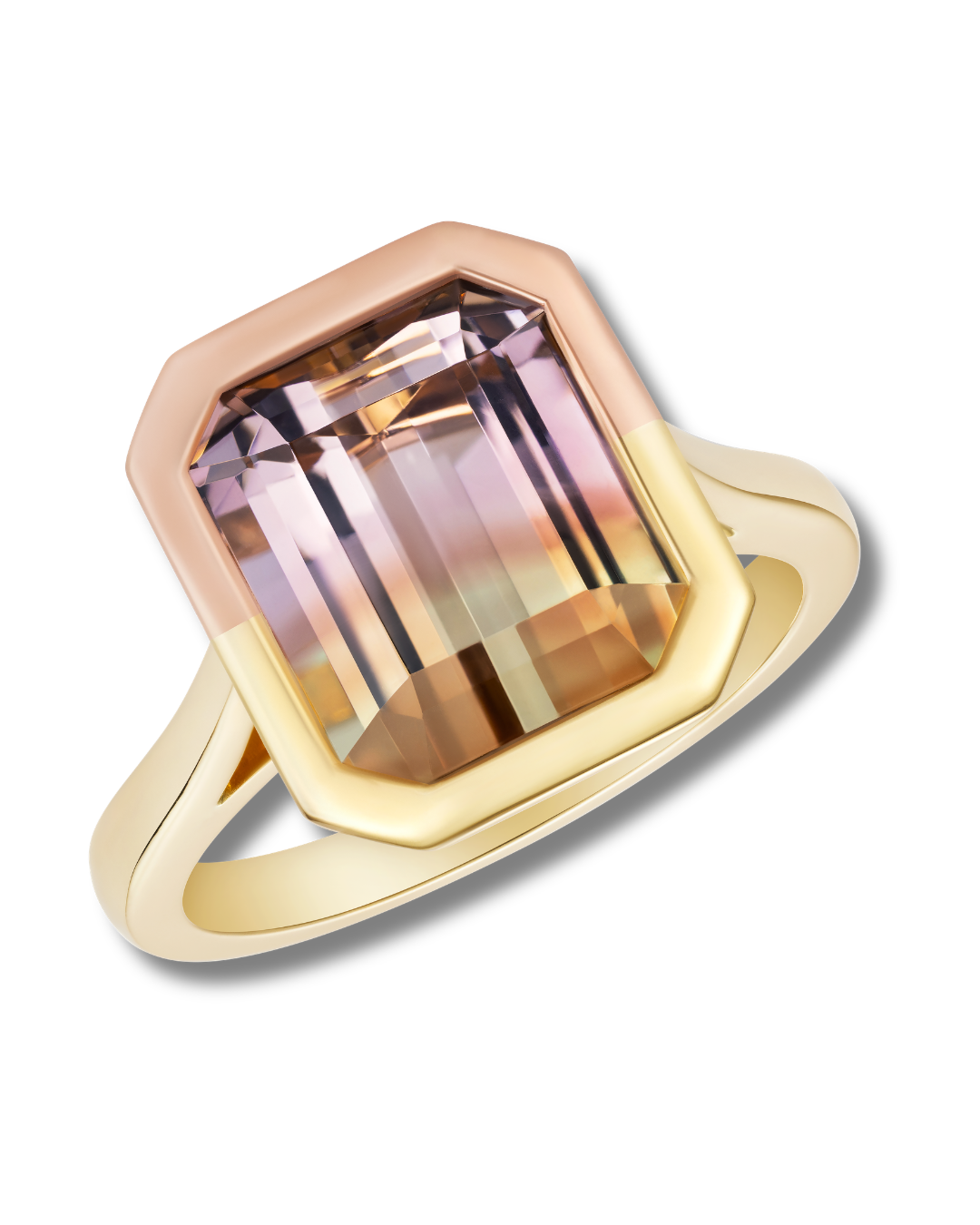
Hirsh Venus ring.
Top independent jewellers agree. Sophia Hirsh, managing director of Mayfair family firm Hirsh, known for rare, coloured stones and unusual diamonds, believes “design comes first, and we think about setting off the gems, not the price. We offer clients a choice, and frequently they choose the more gold version because it brings out the stone. If the item is for a meaningful occasion — whether a gift or self-investment — people want the best to give now, or to pass on years later.”
For rings, she adds, “price rises make a small difference compared to the cost of stones and craftsmen’s time. And a slightly smaller stone can be just as beautiful. I’m not optimistic that prices will stabilise this year, so I’d advise anyone who is thinking about proposing — don’t put it off!”
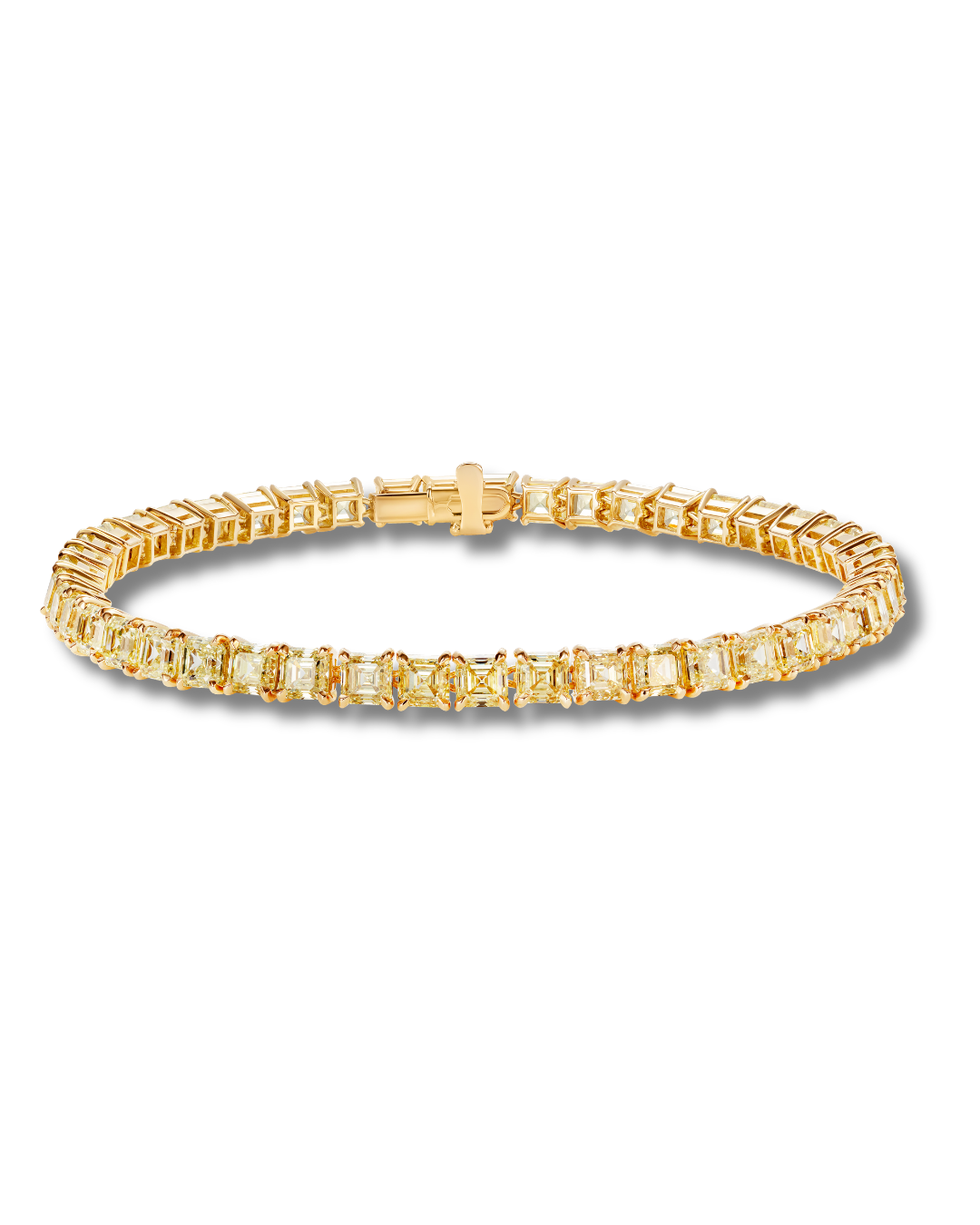
Hirsh grand slam yellow diamond bracelet.
Her Mayfair colleague, Charlie Pragnell, managing director of his family’s firm, also finds international clients seeking substantial items of high jewellery. “We are seeing a major style shift,” he says. “The past five years have seen a swing to yellow gold, starting with stacking bracelets and necklaces. Now, people seek chunkier gold pieces, and demand for high jewellery is rising.”
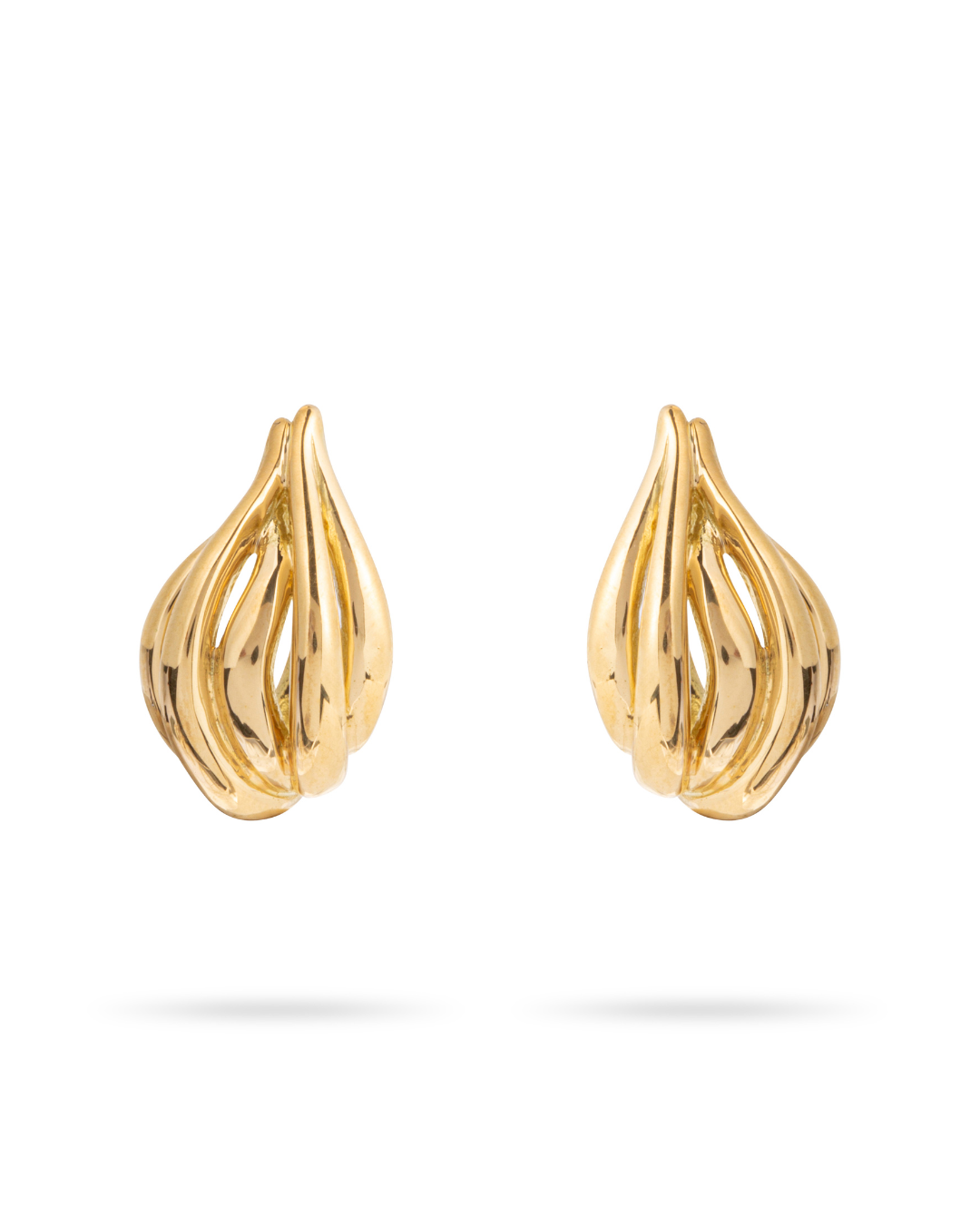
Jessie Thomas Overlap earrings 14-carat yellow gold.
Pragnell also believes “that a business like ours, founded on relationships between our customers, creativity and craftsmanship, will become more highly valued as AI increasingly fulfils previously human roles. But the price of gold tripling in the last two to three years is a major influence.”
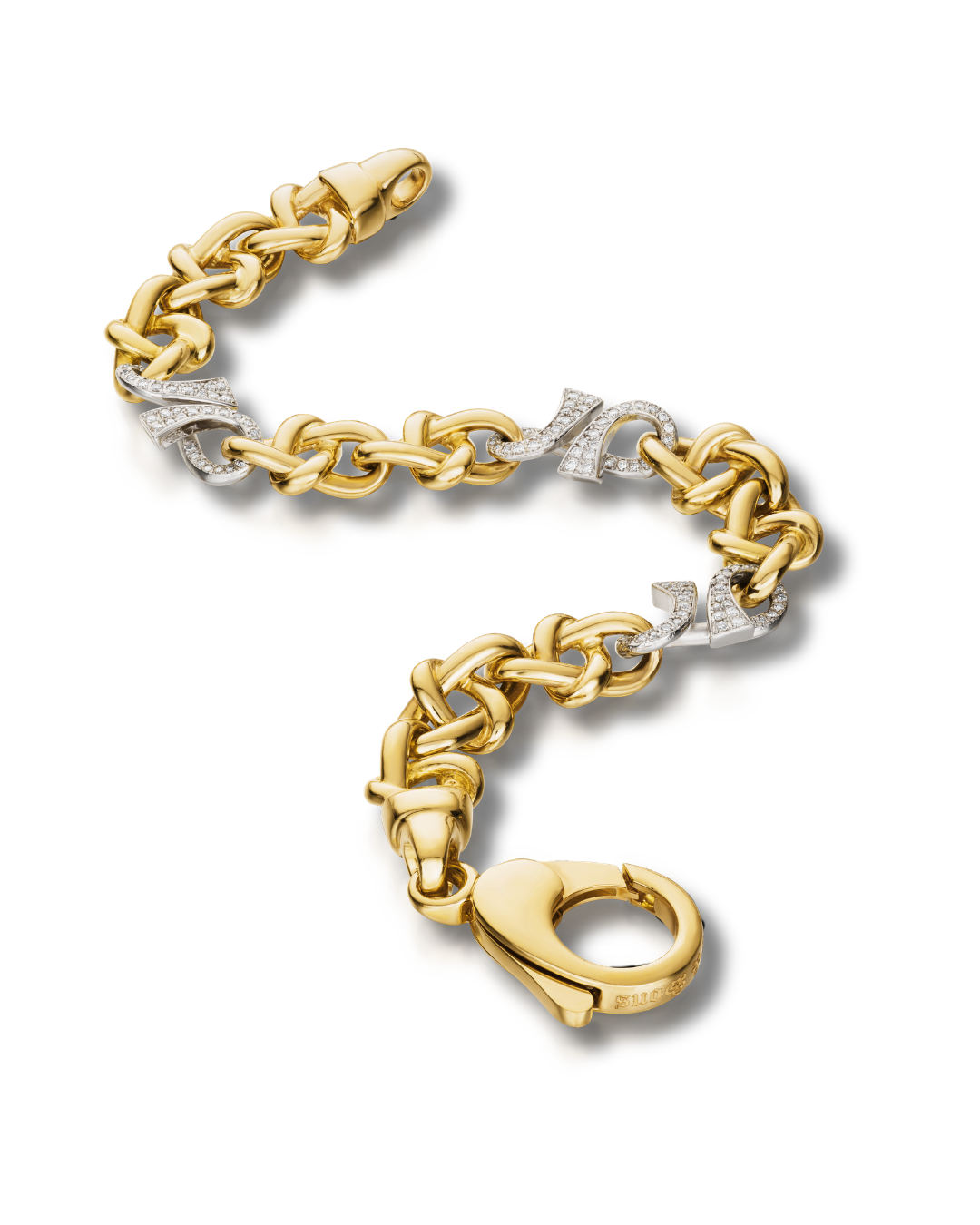
G Collins & Sons Infinity Collection Yellow Gold Diamond Set Bracelet.
This sentiment echoes Mulligan’s view that “Western customers increasingly focus on the value of materials in gold jewellery, as was always the case in the East.” Josh Collins, director of Kent family retailer and designer G Collins & Sons, finds that “upper end clients are choosing solidity over scale, preferring fewer pieces but with real substance and investing more deliberately, and our own Infinity collection reflects this, celebrating weight and timelessness.” That poses issues for individual designers who have good relationships with bespoke clients, not necessarily HNWIs, and who now pay fast-rising prices for materials, inevitably passing these on to clients. Mulligan says this is increasing global creativity and innovation. “We see mixed metals in fine jewellery, silver used in imaginative ways and marketed as enduring pieces, and the use of less traditional materials like resin, enamel and wood.”
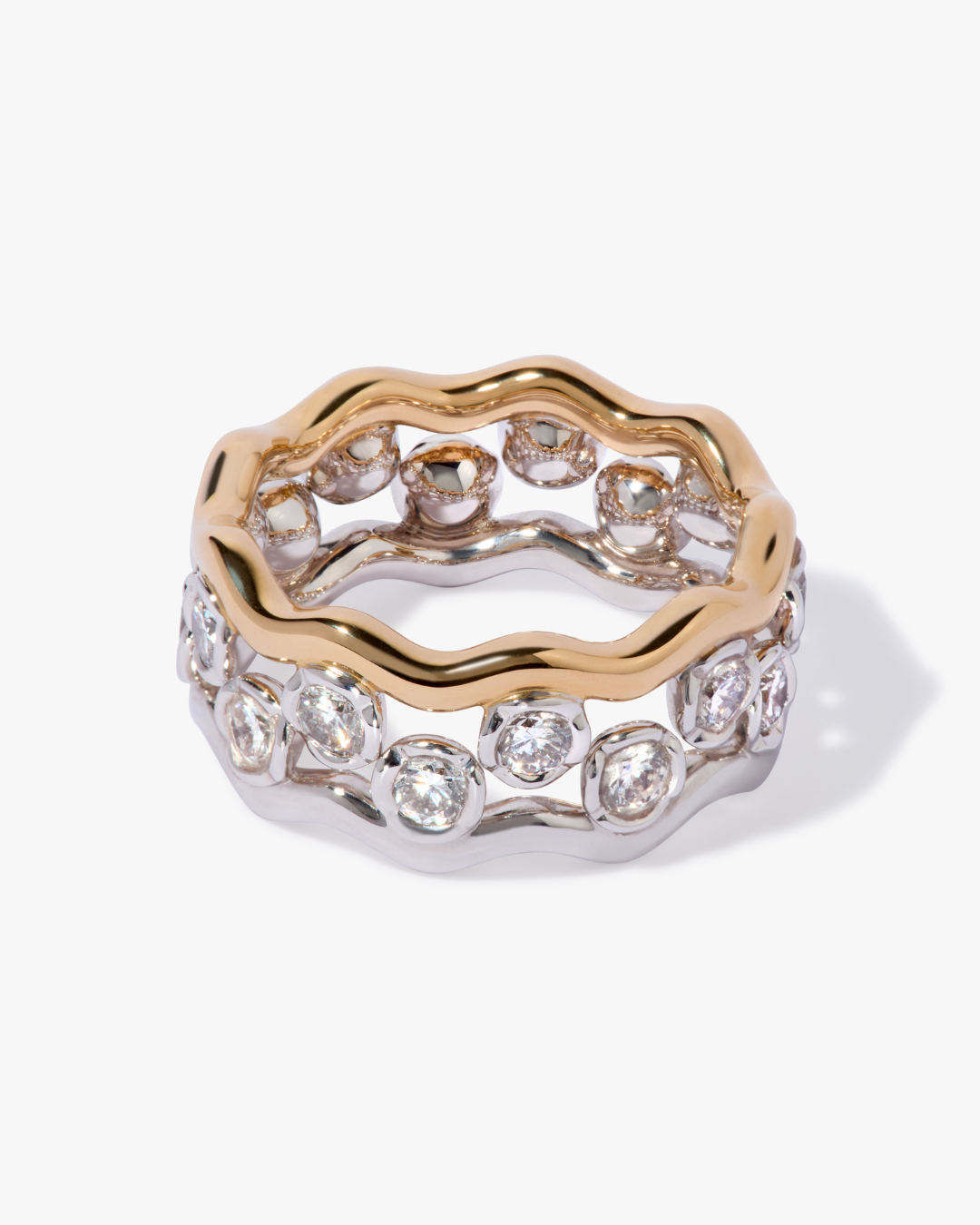
Two Annoushka Whoopsie Daisy stacking eternity rings, diamonds in 18 carat gold, white and rose, respectively
Multi-level designer Annoushka Ducas, who has recently added a bespoke salon to her Chelsea flagship but also creates wide-ranging ready-to-wear jewellery, has used most of those materials. “It is hard to know how our home market will react because Britons are not as attuned to gold prices as Middle East or Asian clients,” she says. “I’ve always believed that jewellery should work hard and be as flexible as possible, so I’ve included materials like wood or carved hardstone, and I’ve done my chunky Knuckle chain range in 14 carat gold and now silver. I’m using mixed metals and ‘negative space’ — metal-free areas — to enhance a design while making it more accessible.”
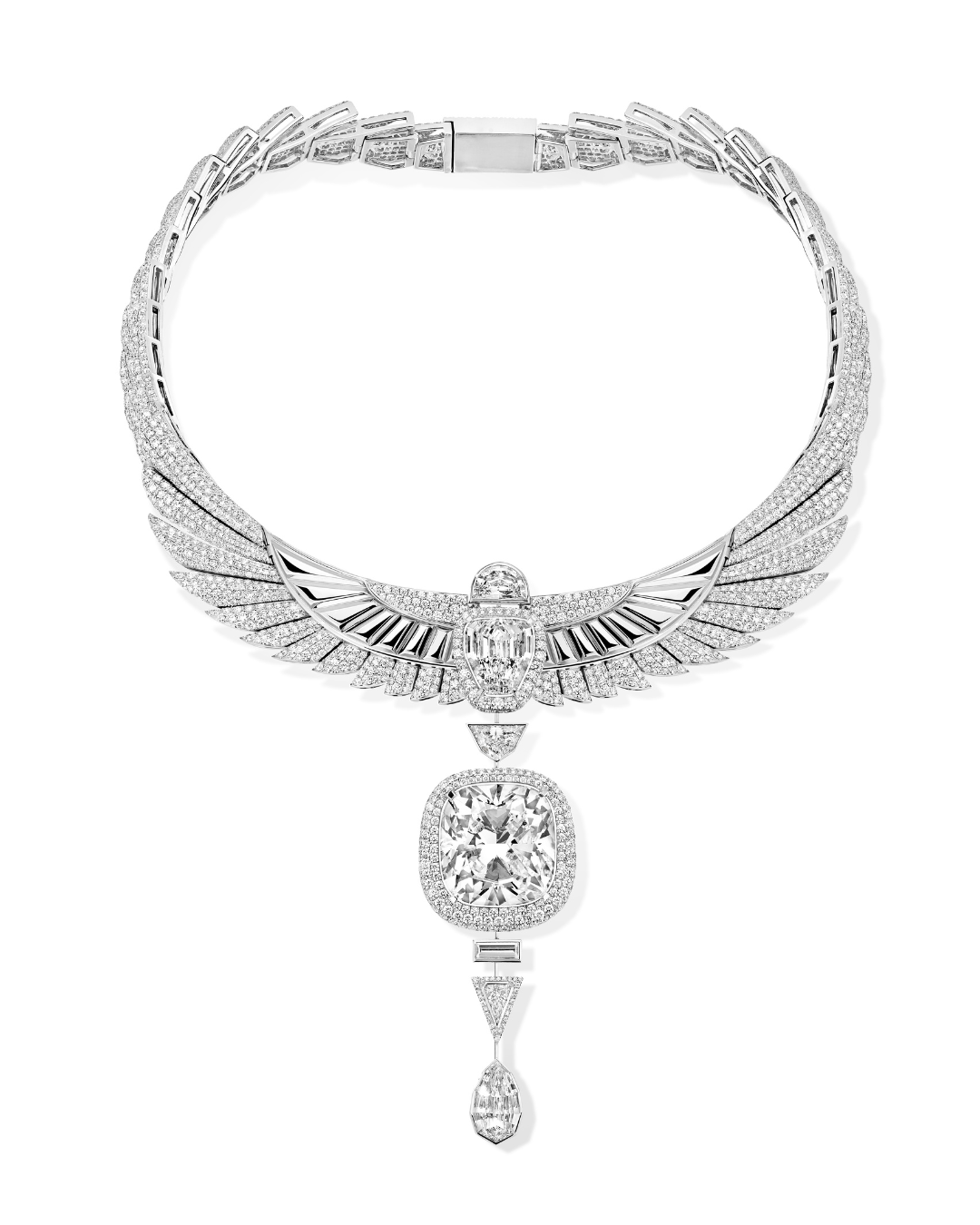
Messika Akh=Ba-Ka necklace, Beyond the Light high jewellery collection, 2550 diamonds totalling 71.49 carats, plus 33 carat cushion cut diamond, in Single Mine Origin 18 carat white gold.
Rachel Boston, best known for her distinctive, contemporary yet understated engagement rings featuring top-quality diamonds, is enjoying the creative challenge of designing more space into her pieces, “where you want to feel the weight of solid gold but not to be dragged down, even more important for earrings, especially in delicate, ready-to-wear pieces.” She thinks the chunkier designs are influenced by celebrity culture and inevitably had to raise prices last year. “I wasn’t sure how customers would react,” she says, “and currently I can only guarantee prices for 30 days, but last year was one of my strongest. While I can’t compete with the middle market, I can offer unique design and impeccable service.”
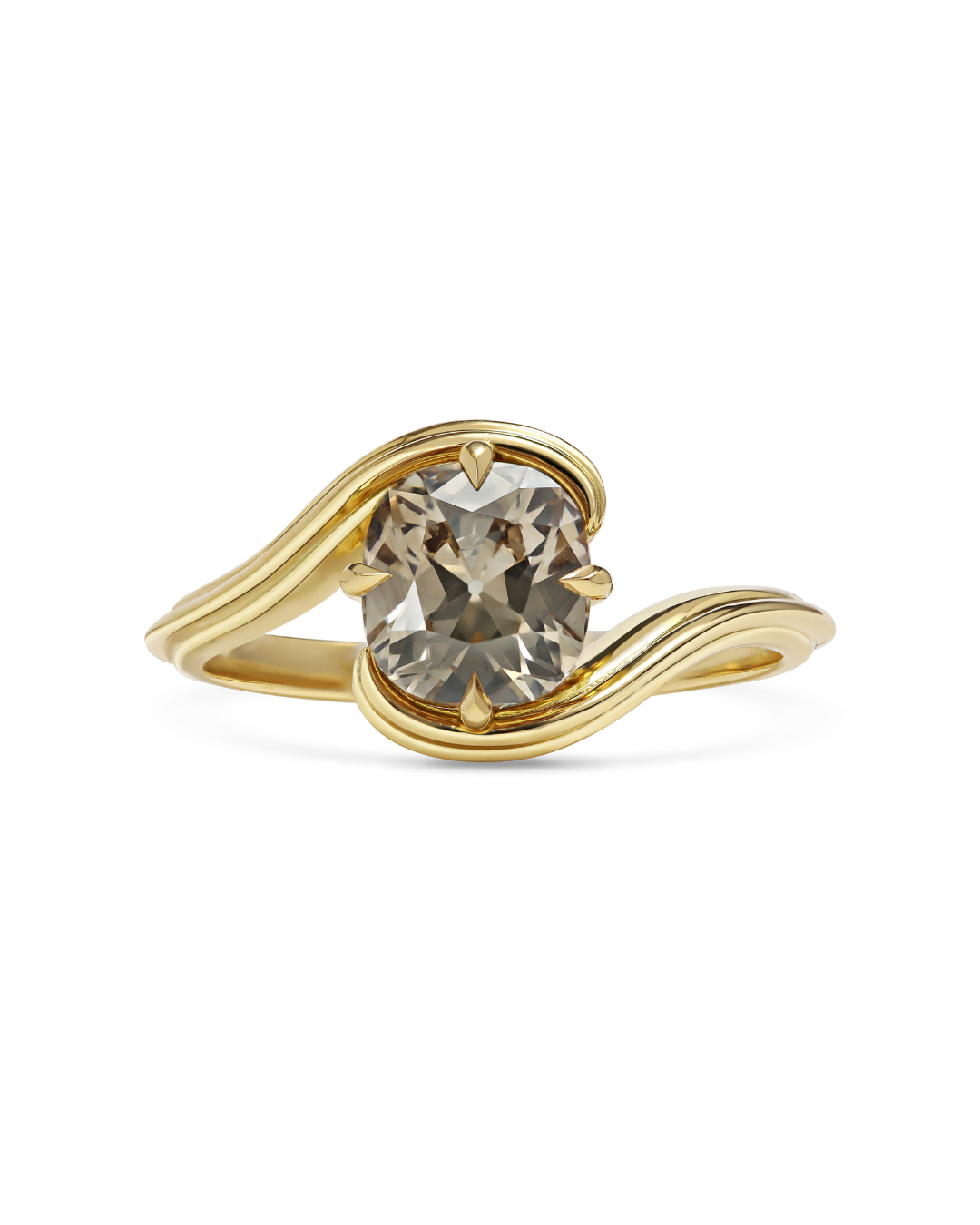
Cascade ring, brown old-cut diamond, 18-carat recycled yellow gold.
Jessie Thomas, who works by appointment from her Belgravia studio, in a light yet architectural, sometimes abstract style based around gold and good quality diamonds, says she finds “pricing tricky now, especially for clients who maybe shop once or twice a year and are not following rises. I can’t hold quotations for too long, but I can send their redundant gold pieces for melting and give the client their value, which helps a little.”
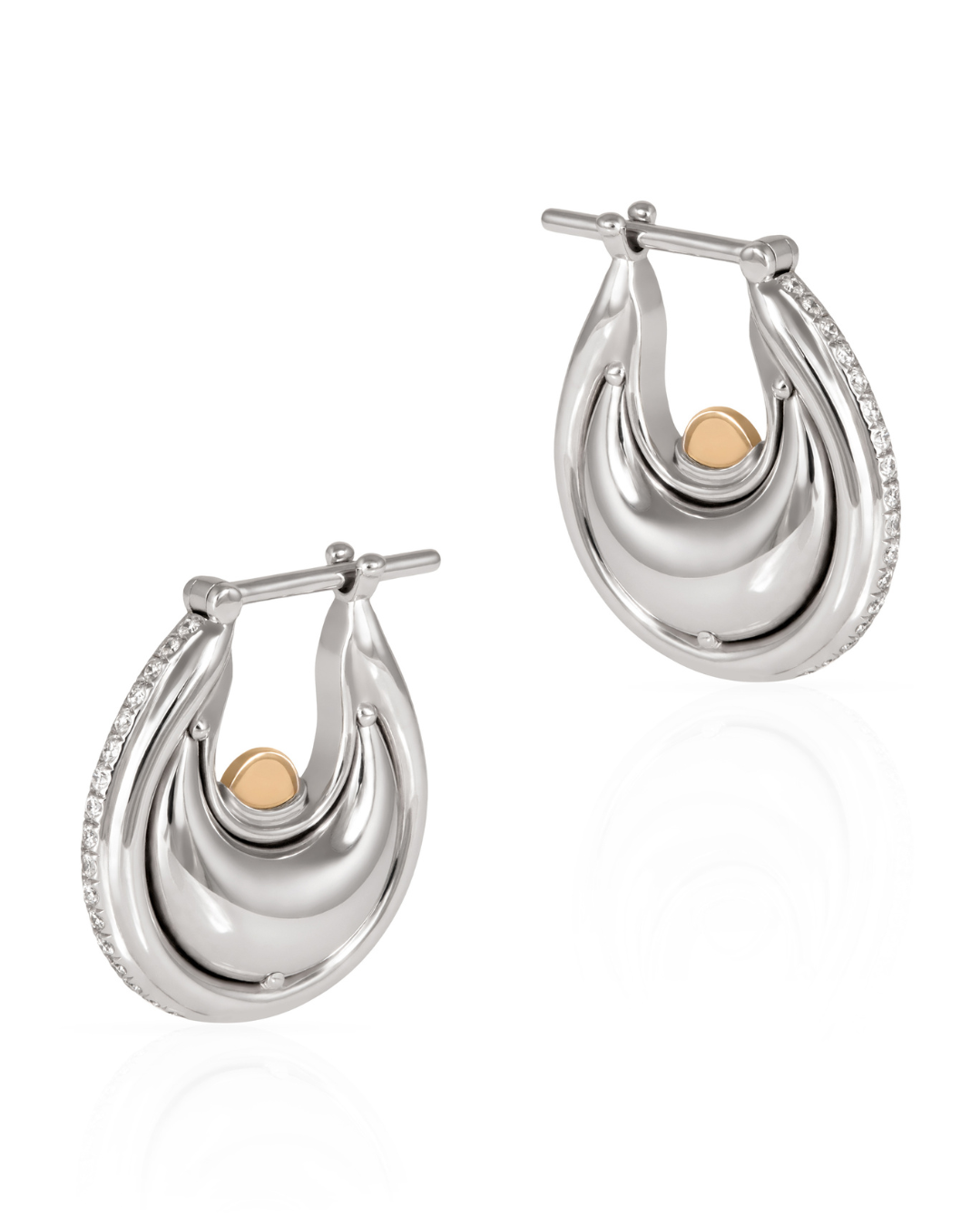
L'Atelier Nawbar Diana earrings, diamonds in 18 carat white and yellow Single Mine Origin gold.
Thomas is working with good quality pavé for sparkle value and notes more requests for yellow diamonds (“unlikely to be lab-grown”) set in yellow gold, sometimes 14 carat, for maximum impact. “But I’m slightly constrained by the price of materials when my ideal is being inspired by a beautiful gem to create a truly unique design,” she explains. This is the heart of it for many individual jewellers. Sloane Street-based designer Cassandra Goad finds “my clients often buy for a special occasion or to make a memory tangible, which is why passing jewellery down is natural, and I design pieces to last with exceptional craftsmanship, handmade in London. While prices have risen, clients still see gold as perfect to hold those memories, and its increasing value reinforces that suitability while encouraging people to consider their choices thoughtfully.”
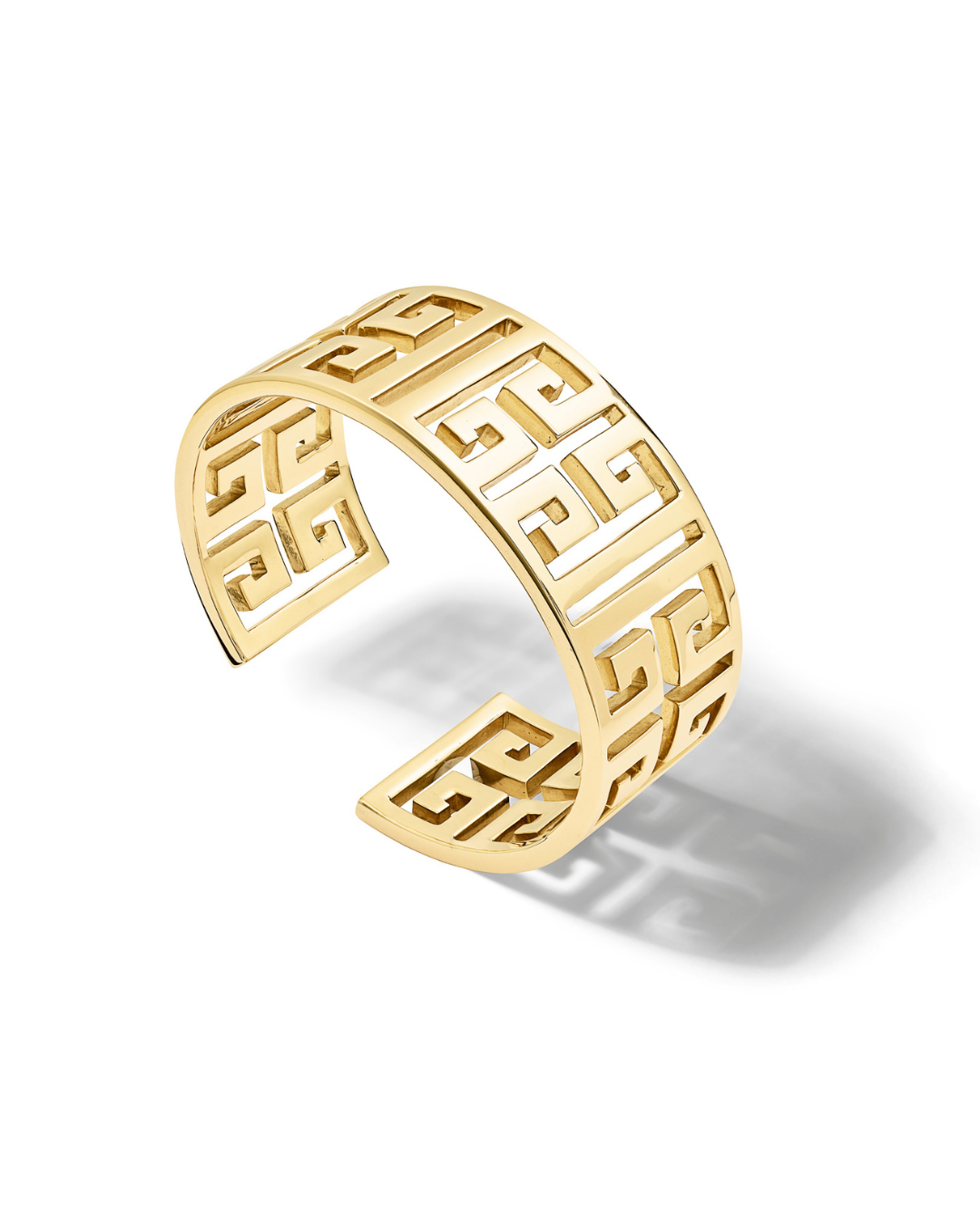
Cassandra Goad Meandros Greek key pattern cuff in 9-carat yellow gold.
So for many, careful consideration is preferable to a gold rush. Betts cautions that “no one can predict price movements and gold is always volatile in the short term, with corrections normal in any commodity cycle. But with factors such as debt and geopolitical upheaval unresolved, the long-term outlook is constructive.” Mulligan believes “there will be some correction if and when the risks diminish. But after past crises like the 2008 crash or the sovereign fund crisis of 2012, it settles at a higher level.” Which, in the long term, should make jewellery lovers and buyers feel a warm, golden glow.
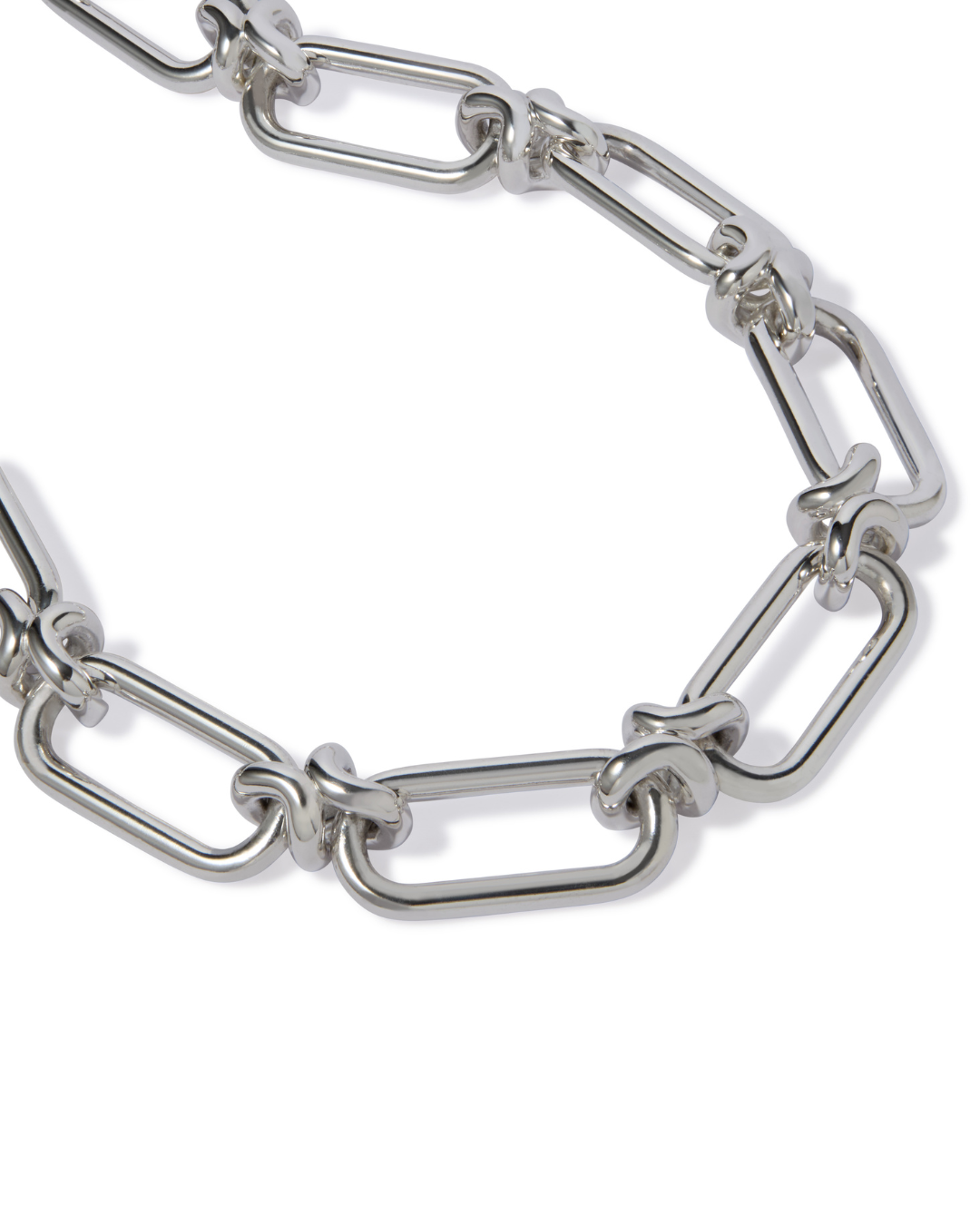
Annoushka large knuckle necklace.
Articles may contain affiliate links; all selections are independent and at no additional cost to you.