Restaurant groups have existed for almost as long as people have paid to go out to eat. Yet the noughties heyday of Caprice Holdings – when one group could define London’s entire high-end dining culture – is over. Now, groups such as JKS (Gymkhana, Kitchen Table) and MJMK (Kol, Anglothai) have proven that diversity is the recipe for success – and a wave of ambitious operators have followed, each attempting to perfect the most challenging of all hospitality formulas: how to build a restaurant group without creating a chain.
The New Luxury Restaurant Groups to Know
Words by
Ben McCormack
11th May 2026
A new generation of luxury restaurant enterprises is in town, all with the same ambition: to build a portfolio without creating a chain. Can it be done?
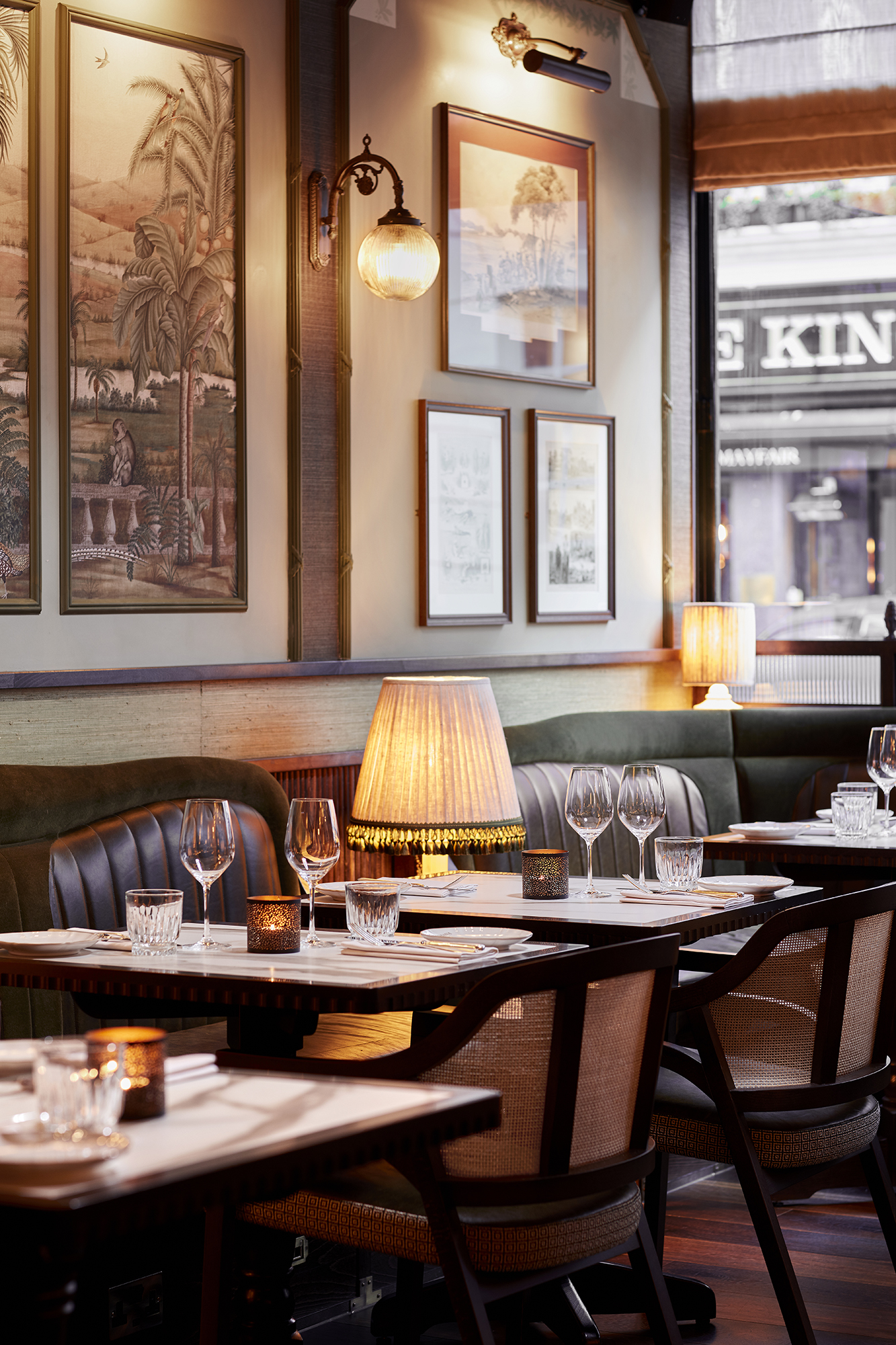
Gymkhana has won two Michelin Stars since it opened in 2013. ©Lateef Photography.
Take George Bukhov-Weinstein and Ilya Demichev. The two schoolfriends began their restaurant careers with Goodman steakhouse in Mayfair in 2008 before co-founding the Burger & Lobster chain, which they left in 2025. However, the pair have also been building what is informally known as the Wild Group, a collection of restaurants that have colonised London’s most exclusive neighbourhoods. While the venues share family traits, each feels individual. “Building a chain or a group was never a goal, and every project is a completely new process,” Bukhov-Weinstein says. “Expansion has happened naturally for us, and every year we say ‘no more’. But then an interesting location or concept comes up.”
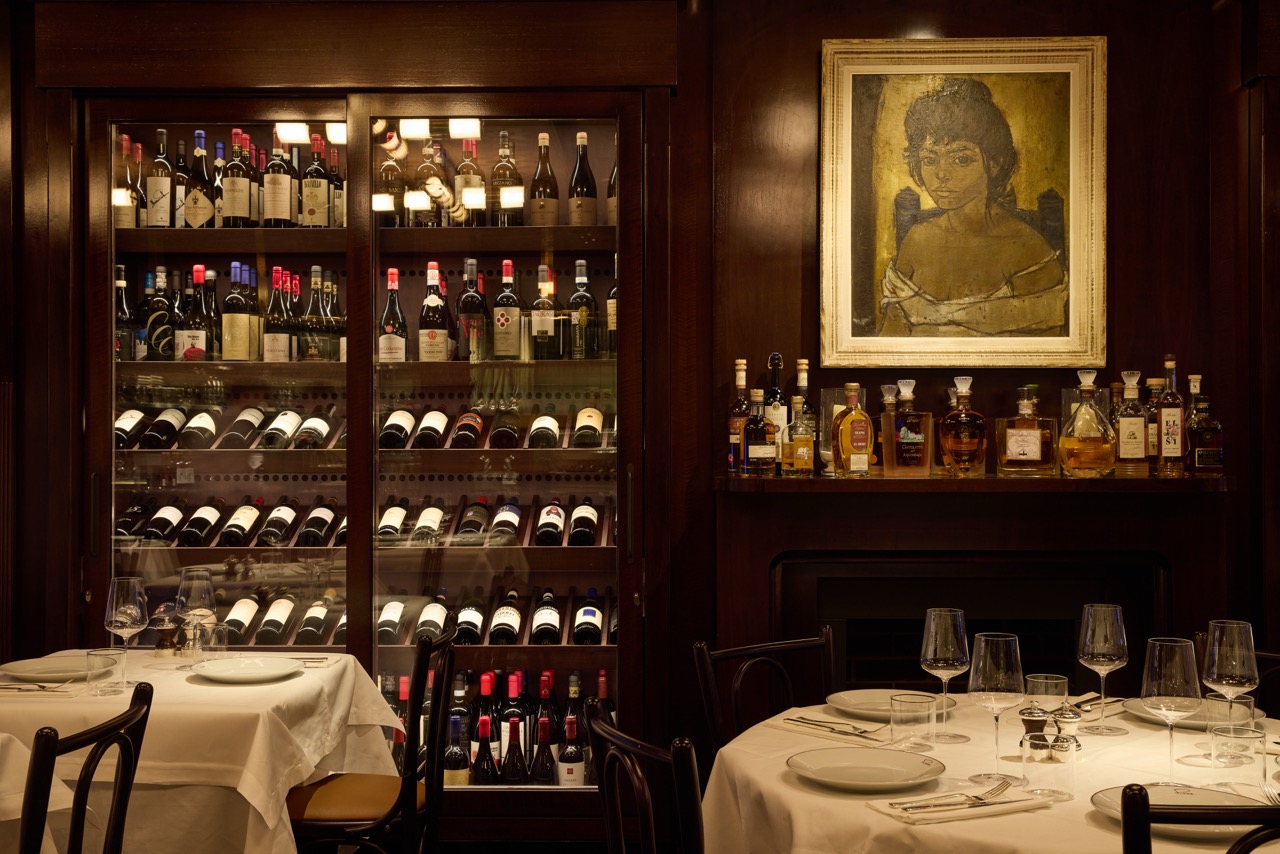
Inside Pinna in Mayfair. ©Ryan O'Donaghue.
From the suit-friendly Sardinian seafood served at Pinna in Mayfair to the family-friendly Belvedere in Holland Park, each restaurant is precision-tuned to its location. New this year is Wild Izakaya, where traditional Japanese cuisine is served in a modern setting, which will be followed by seafood pub The Albatross; both are located on Old Jewry in the City. “We live and breathe each restaurant until it feels like home,” Demichev says. “We love handcrafted restaurants with soul.”
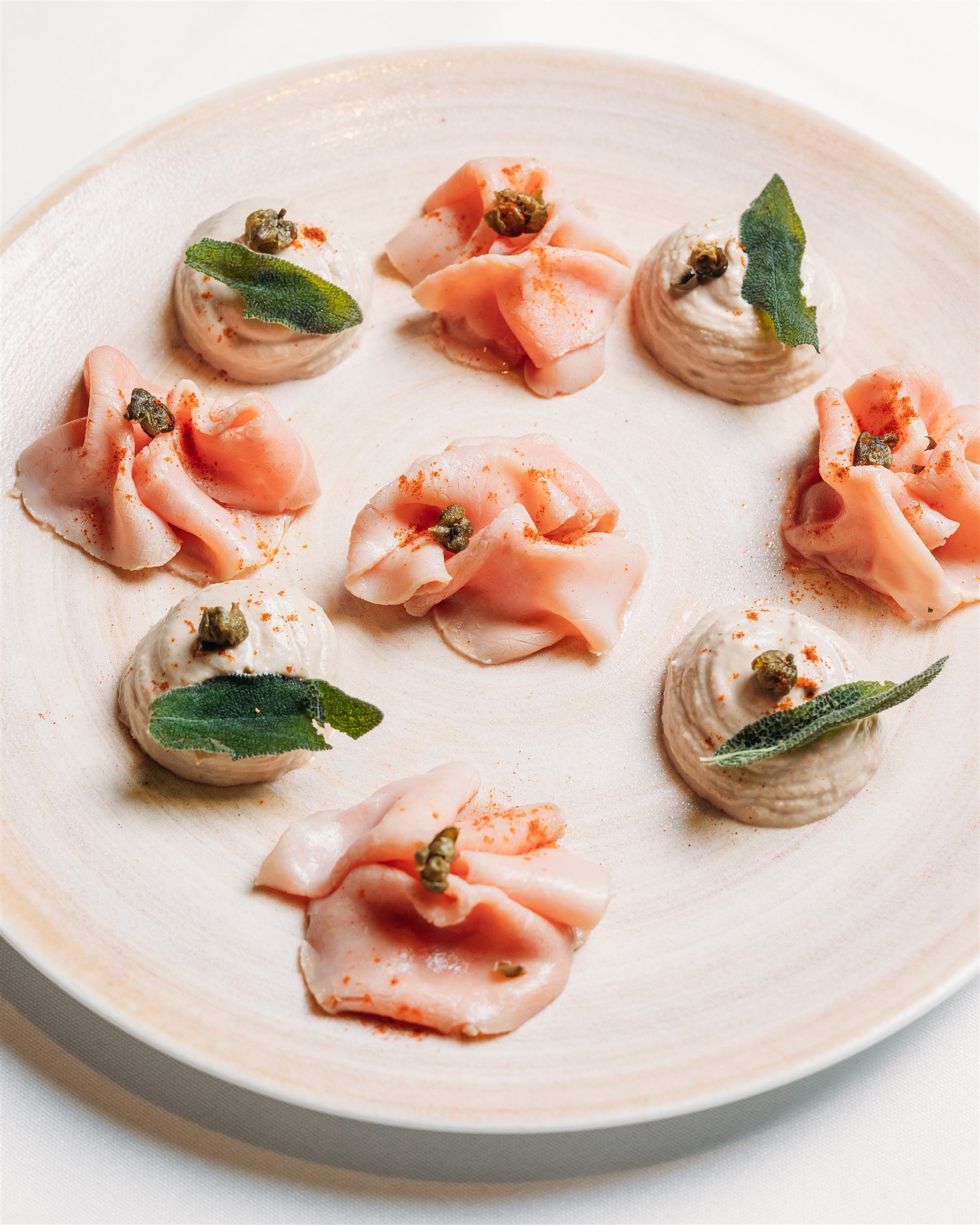
One of Pinna's elegant dishes. ©Wild Group.
Arian and Alberto Zandi’s ambition is more systematic. The 29-year-old Spanish twins launched Emerald Hospitality Group in 2018. Arian explains, “Our clear ambition was to build one of the defining premium hospitality groups to come out of London. We wanted to do it through variety rather than repetition.”
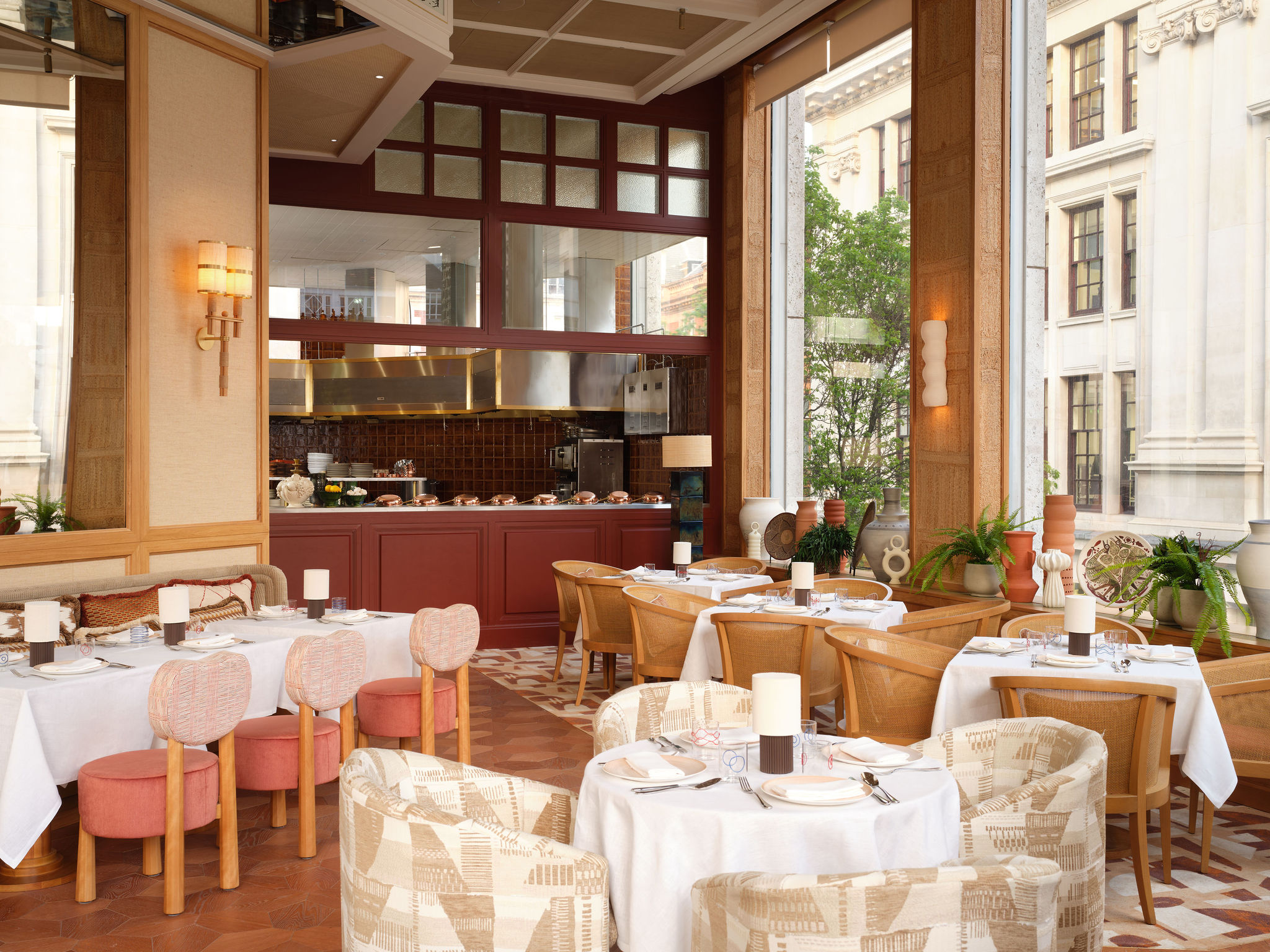
Riviera in St James’s, part of the Emerald Hospitality Group. ©Jack Hardy.
Working together since birth creates operational advantages. “We can be very direct without it becoming personal,” says Alberto. “Most co-founders spend years learning how to communicate under pressure. With a twin, you begin with a lifetime of context.” Their philosophy of “distinct brands, shared standards” will manifest most strongly in their Peterborough Building project this July, which will see three restaurants open simultaneously in the former Fleet Street offices of The Daily Telegraph: Casa Como (Italian), Wild Fire (a live-fire steakhouse) and Sushi Club (a rooftop Japanese). The twins also own a trio of Italian and Mediterranean restaurants: Bottega 35 and Como Garden in Kensington, and Riviera in St James’s.
The brothers might be Spanish but have pragmatically adopted Italian-accented concepts as a concession to what travels well. Other operators, however, lean into their family heritage. Markus Thesleff’s connection to Japan runs deep: his grandfather was the Finnish ambassador there, and his father was born in Tokyo. That background infuses Thesleff Group’s operating philosophy around the Japanese concept of ikigai, which Thesleff defines as “finding meaning in what you devote your life to, and improving by small increments every day.”
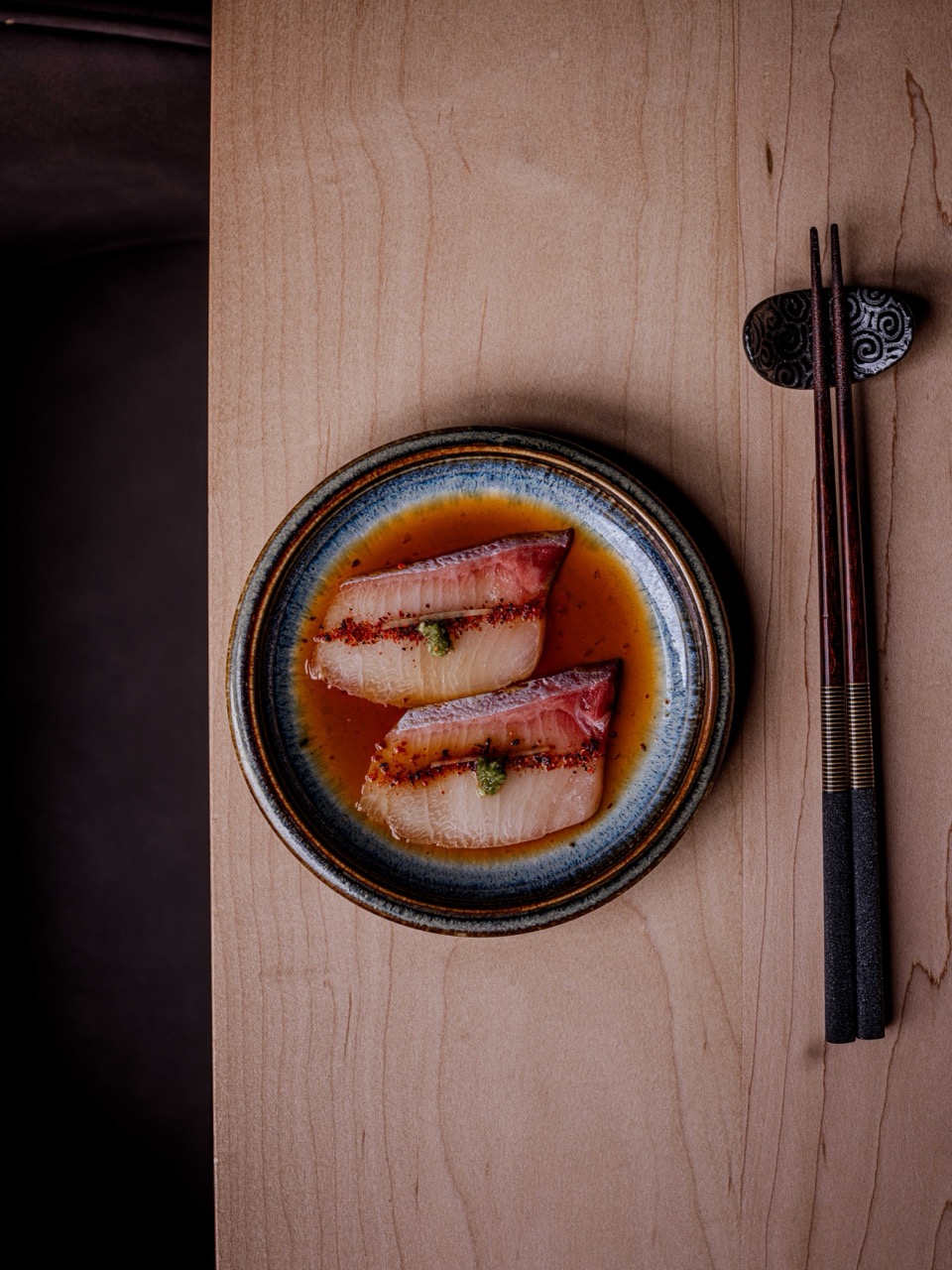
Los Mochis in The City. ©Lateef Photography.
Thesleff Group was founded in 2019. Two years ago, it relaunched Sale e Pepe, the 52-year-old Knightsbridge Italian restaurant where Thesleff was taken as a child. February saw the brand expand with Sale e Pepe Mare, a seafood-focused dining room at The Langham, London. “Within Thesleff Group, heritage and innovation co-exist by design,” he says. His Japanese concepts, meanwhile, range from six-seat Juno Omakase in Notting Hill and Luna Omakase, the only Omakase in the City, to the 472-cover Los Mochis London City and MA/NA, opening in Mayfair in March.
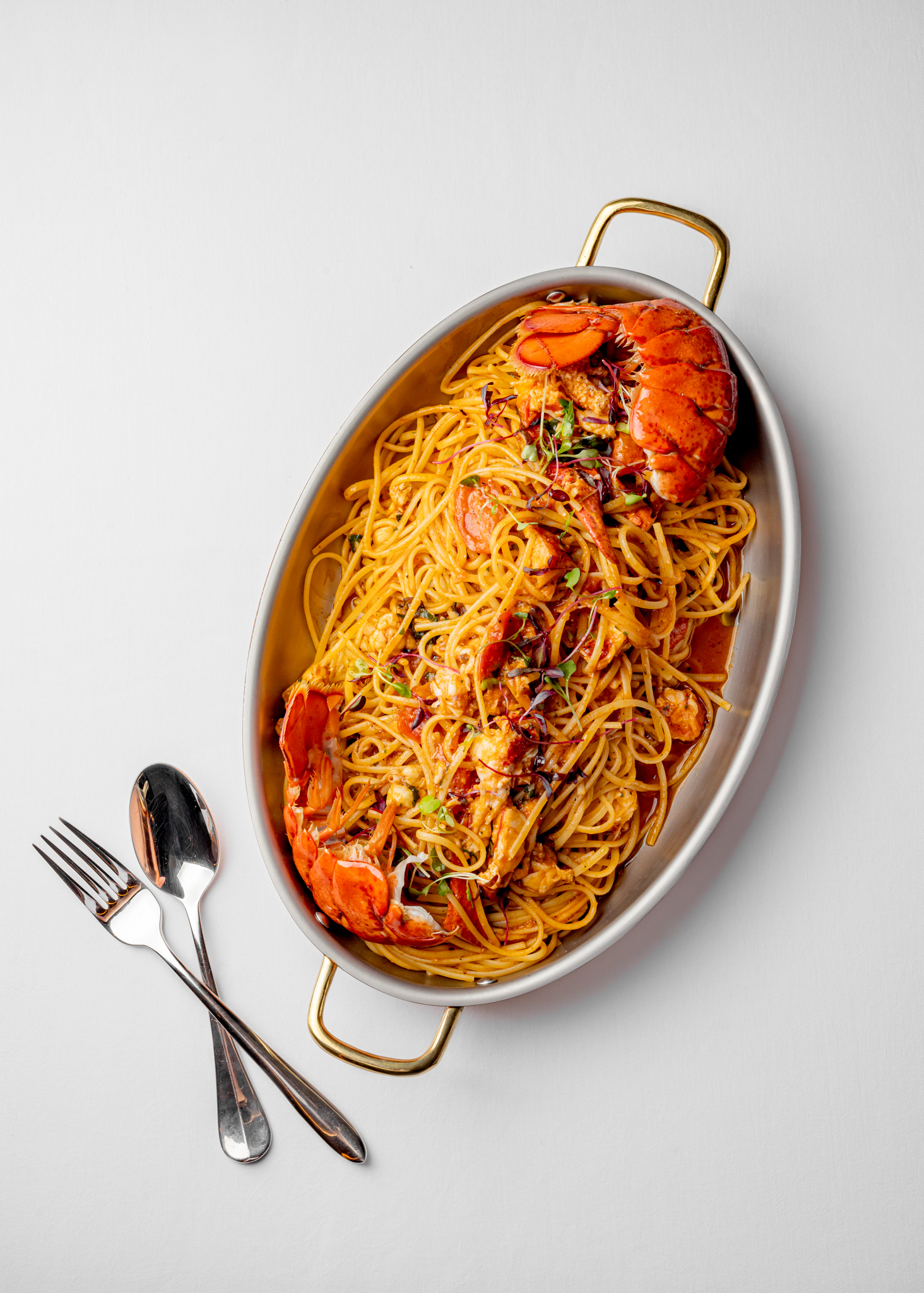
Linguine All'Aragosta. ©Sale e Pepe.
Now, Thesleff is going international, taking his Japanese-Mexican hybrid Los Mochis to the USA. While other operators such as JKS, Hawksmoor and Dishoom have opened their first stateside ventures in New York, Thesleff has chosen Beverly Hills because, he says, Southern California’s wellness-conscious lifestyle is more aligned with the group’s DNA. Los Mochis should be a natural fit in the home of Hollywood. “We see ourselves as part of the entertainment business,” Thesleff says. “Time is the new luxury, and our role is to make that time meaningful.”
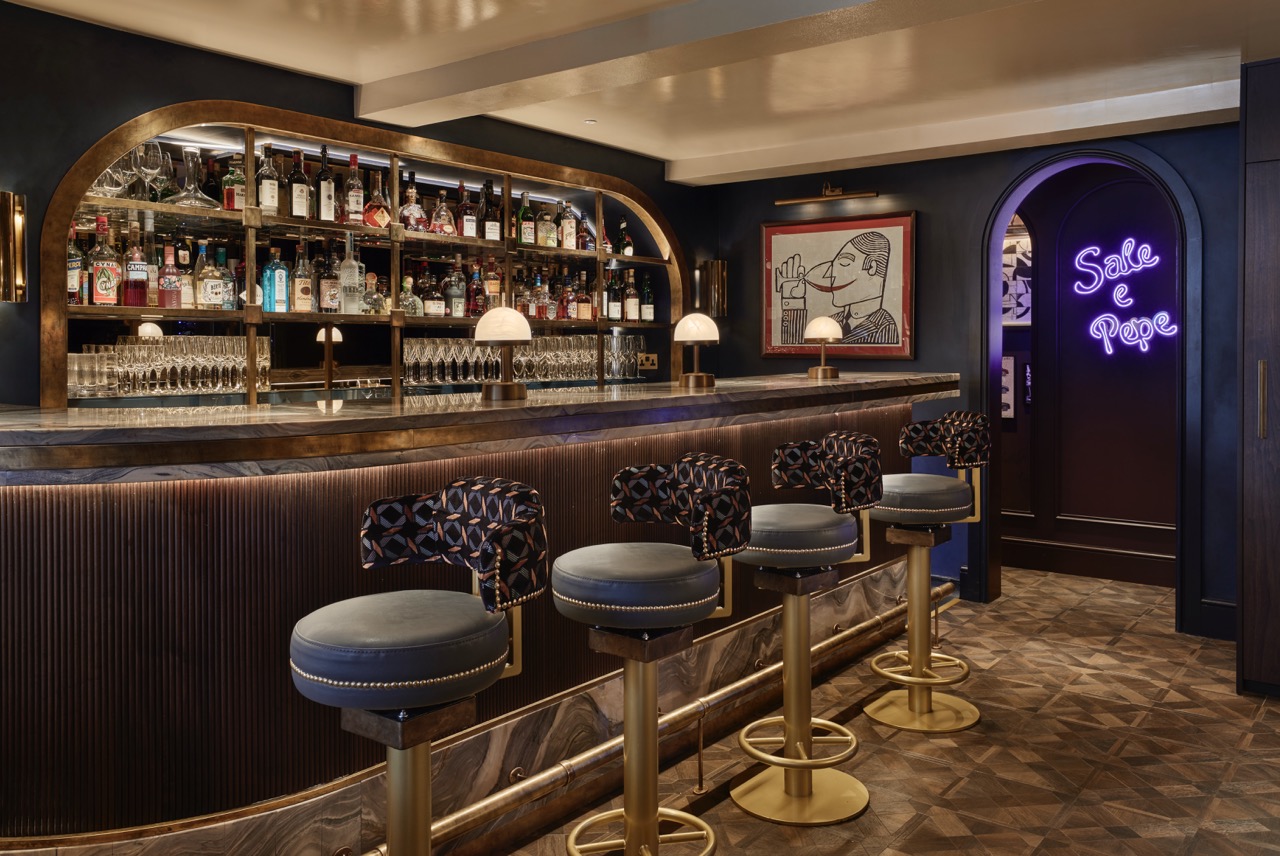
Sale e Pepe in Knightsbridge. ©Theslaff Group.
French-born Aymeric Clemente has likewise parlayed his roots into a restaurant portfolio that balances international ambition with neighbourhood intimacy. He co-founded Bagatelle in New York in 2008, building it into a brand of 14 global outposts, with Lisbon, Malta and Manchester coming soon. Yet Clemente hasn’t lost his taste for the small- scale projects that represent his childhood growing up in his parents’ restaurant in the south of France. “Bagatelle started out as a humble bistro,” he explains, “and while it has evolved into the vibrant brand it is today, our philosophy remains strongly rooted in that original spirit.”
Clemente’s new La Bistrot Collection channels that philosophy: Chez Lui opened in Notting Hill last August as what he calls “intimate dining that feels like home,” with a Belgravia follow-up launching this summer and potential plans for sites in Hampstead, Marylebone and Primrose Hill. “Our aim and vision,” he says, “is to open exceptional local bistros that thrive within their own communities, acting as social anchors where residents feel at home, and visitors can feel connected.”
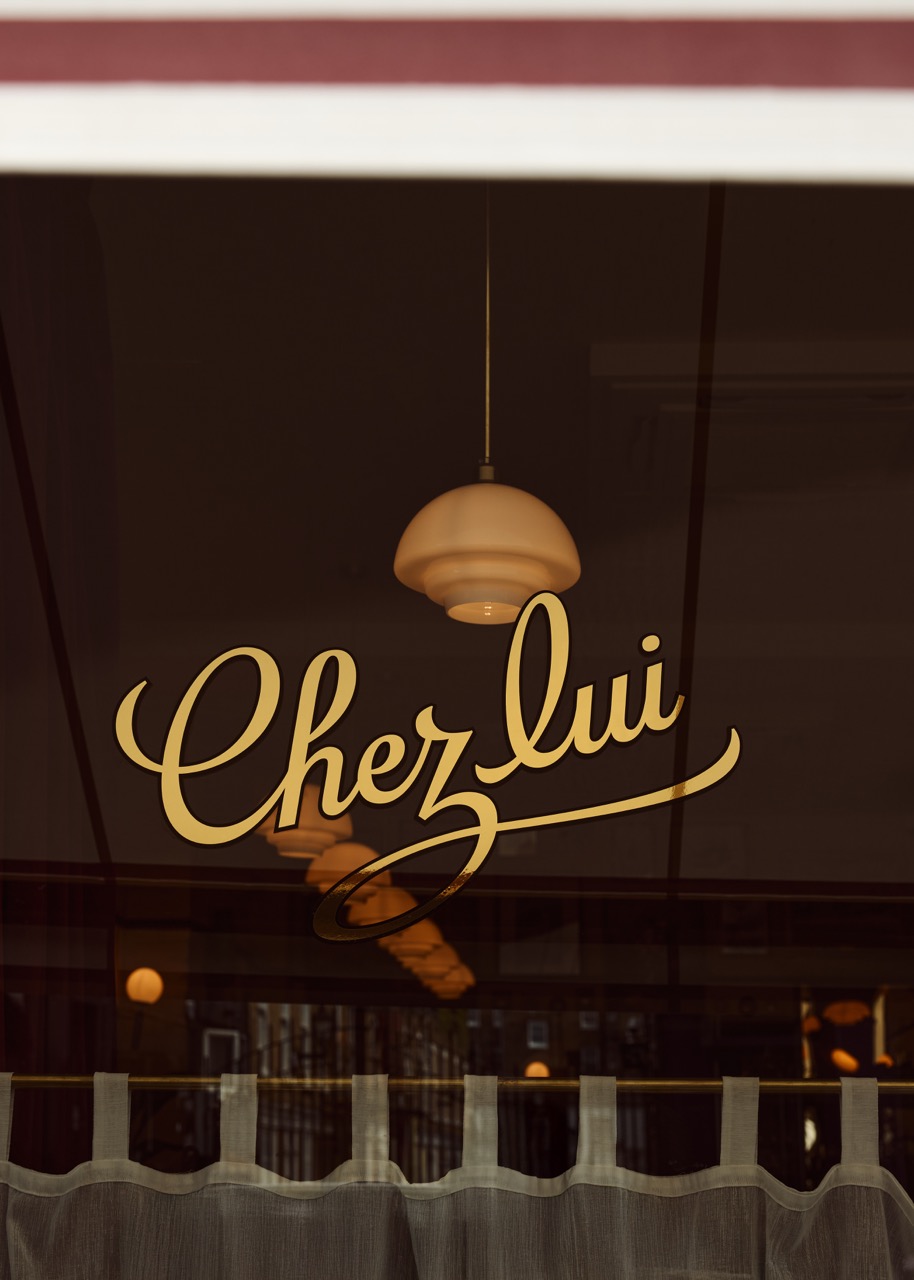
The window at Chez Lui. ©Hannah Miles
A more typically British kind of London local is being revived in the city’s neighbourhoods by Public House’s James Gummer, Phil Winser and Olivier van Themsche. The trio is reinventing the neighbourhood pub as social infrastructure. “We treat pubs like social clubs without the membership,” Winser says. “You can come in for a pint or a big birthday dinner. We spend a lot of time thinking about how each building is used – from casual weekday lunches to events like life drawing and even Pilates.”
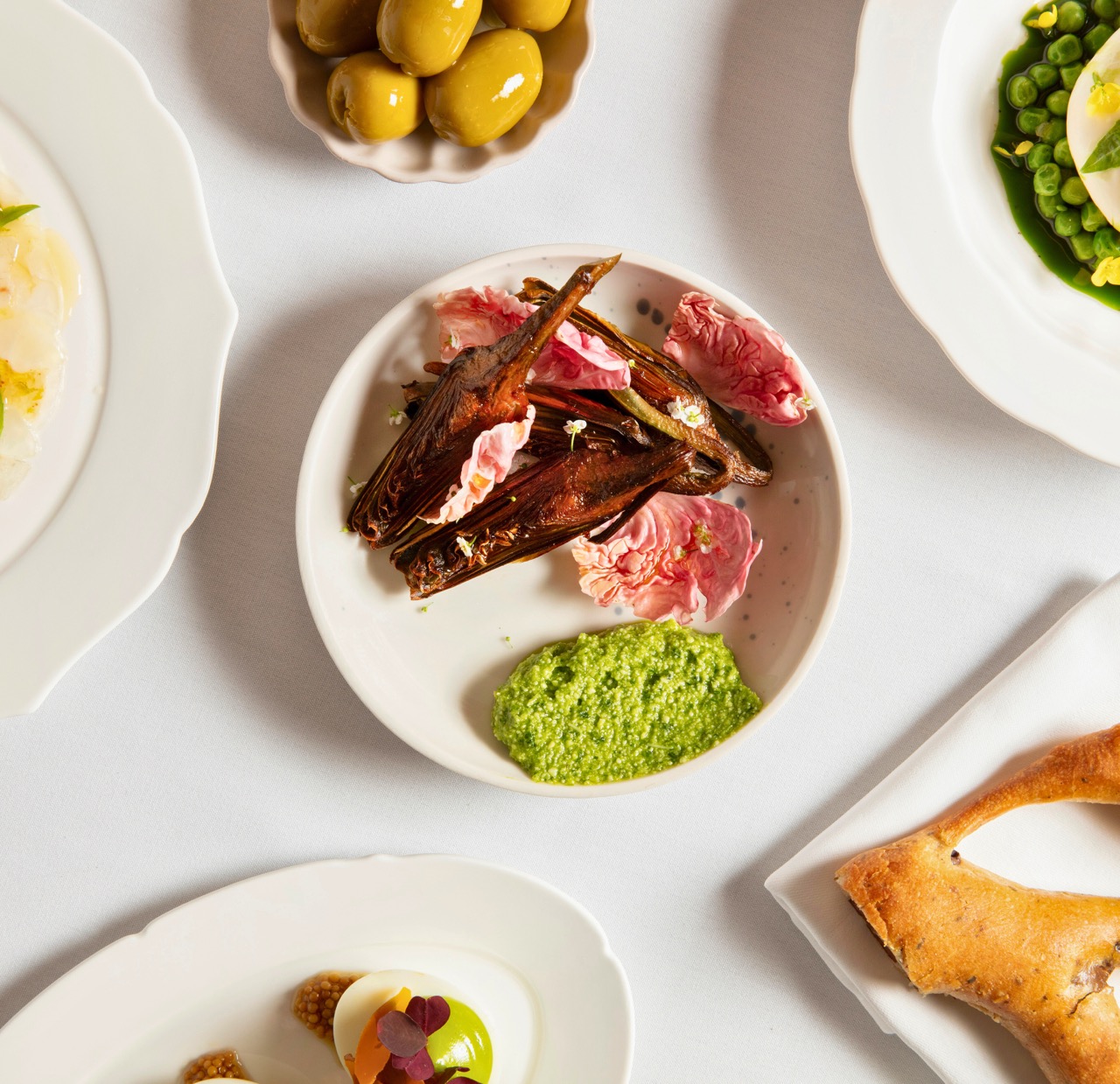
Roasted purple artichokes at Chez Lui. ©Hannah Miles.
Public House’s in-house design studio, led by Winser, strips each building back to find its unique character, using traditional methods and UK-only sourcing, such as reclaimed wood. Ingredients, where possible, come from the trio’s Oxfordshire Bruern Farms market garden, close to where Winser and Gummer grew up, in the days before they transformed their village local, The Bull at Charlbury, into the Cotswolds’ most famous pub.
Gummer describes Public House’s culinary offering as “elevated comfort food that celebrates tradition and creativity, with menus led by what’s available from local farmers and our own growers.” Since The Pelican opened in Notting Hill in 2022 and Italian restaurant Canteen in 2024, four pub sites, including The Hero in Maida Vale, The Fat Badger in North Kensington and The Hart in Marylebone, have followed. “We’re expanding carefully and intentionally,” Van Themsche says. “The team doesn’t rush growth and focuses on doing each project right.”
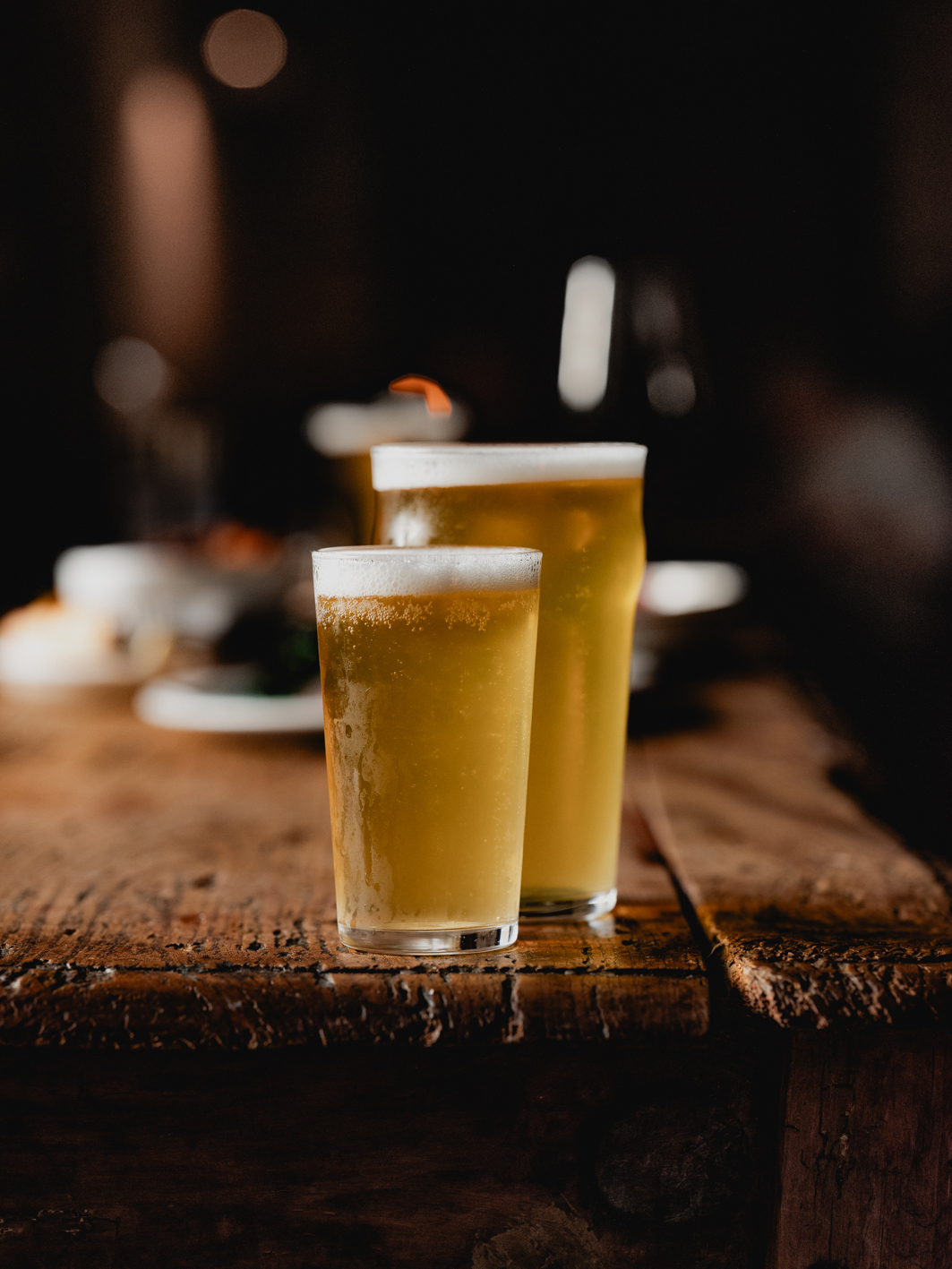
Drinks at The Bull Charlbury. ©Public House.
This year, Public House is launching Pub Club, a hospitality school near Charlbury. Proving that hospitality can be a viable career is an ambition shared by Dominic Hamdy, the founder and managing director of Ham Restaurants. The 33-year-old’s journey began with a Scotch egg stall on Berwick Street Market while studying at UCL, which led to Borough Market, wholesale in Selfridges, and eventually, in 2018, the launch of Crispin restaurant. “I certainly didn’t set out to become a restaurateur,” he says. “It just sort of happened, and once it did, I realised it really spoke to me.”
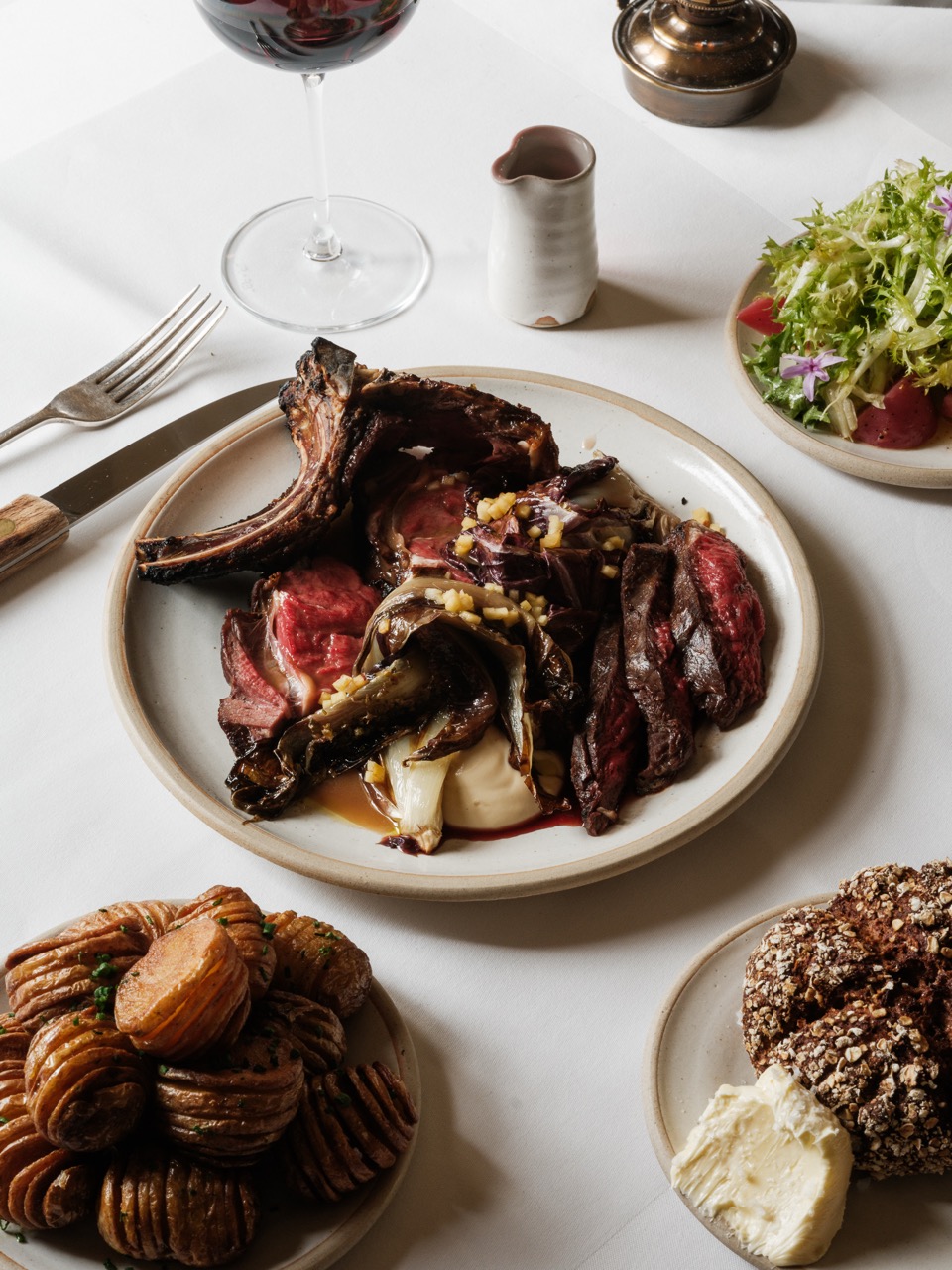
Lunch at The Fat Badger. ©Public House.
Now with five restaurants – including Crispin’s seasonal small plates in Spitalfields and its wine bar offshoot in Soho, Bistro Freddie, an inspired French bistro celebrating British ingredients in Shoreditch and, most recently, the all-day Canal in west London – Hamdy’s own route into hospitality may have been unconventional, but he is determined to create the career infrastructure that the industry can lack. “We’re trying to create a safe, supportive and enjoyable environment for our team,” he says, which includes a plan to offer private healthcare by the end of the year. Happy staff make for happy customers, he says. “That energy is always reflected in the food and the atmosphere.”
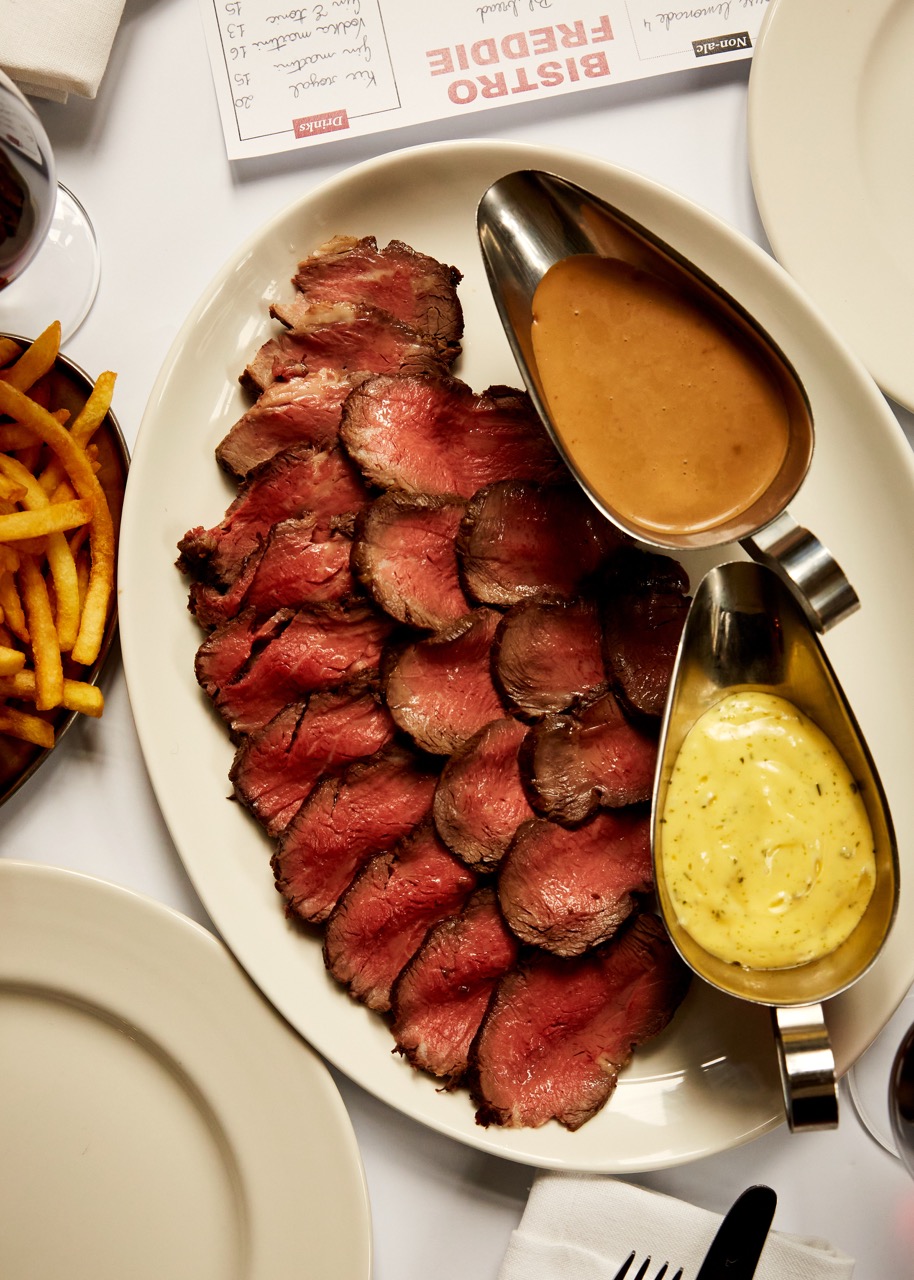
A platter from Bistrot Freddie. ©Matthew Hague.
Hamdy’s focus on employee welfare hints at something more radical – what if staff weren’t just supported, but became actual stakeholders in the business? Ben Chapman, the co-founder of Super 8, which includes Brat, Mountain, Kiln and Smoking Goat, is a passionate advocate for that model. Head chefs and GMs build profit shares through what he calls a “key partners programme”, which includes full financial transparency of profit and loss. “We train them to run their own restaurant,” Chapman says. “Our goal is to get to a point where we are providing genuine opportunities at the top so our leaders can afford good homes and lifestyles in London.”
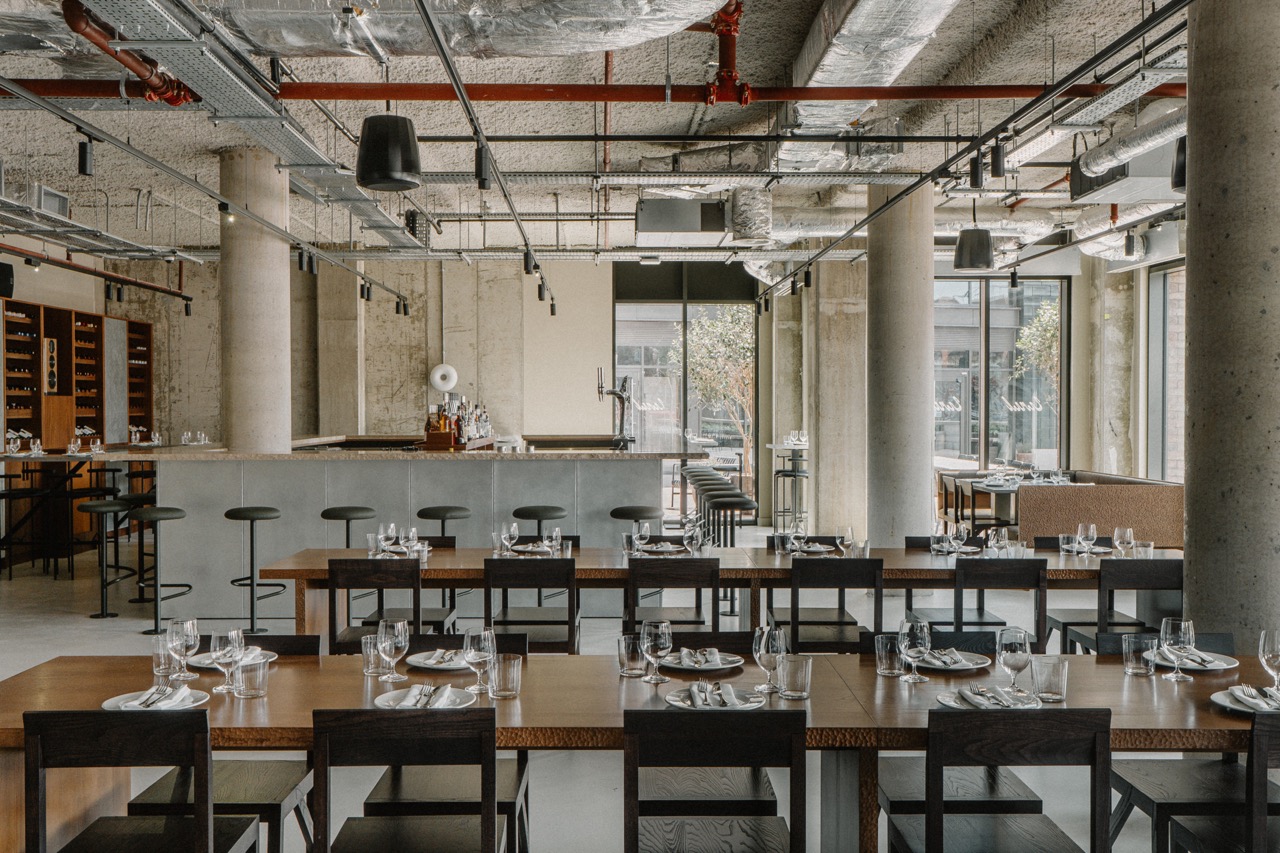
Inside Canal in West London. ©Matthew Hague.
Growth for the group happens only when both produce and people are ready. “For a new Super 8 restaurant,” Chapman explains, “you’re talking about a head chef and GM with a minimum of four years’ experience at our restaurants, then a further two years of putting the supply chain together and two years building the concept.” Impala, a charcoal grill restaurant with influences spanning from North London to North Africa, opens in March. Its head chef and co-owner, Meedu Saad, has been with Super 8 for nine years and was Kiln’s executive chef.
Each of these operators pays tribute to the restaurant groups that have gone before them, from Conran Restaurants to Corbin & King. But new kid on the block Artem Login captures the essential distinction: “I respect groups like Caprice Holdings for how they built timeless institutions, and JKS for their understanding of energy and modern London dining. But I don’t want to copy anyone. Those are not templates. Every era needs its own language.”
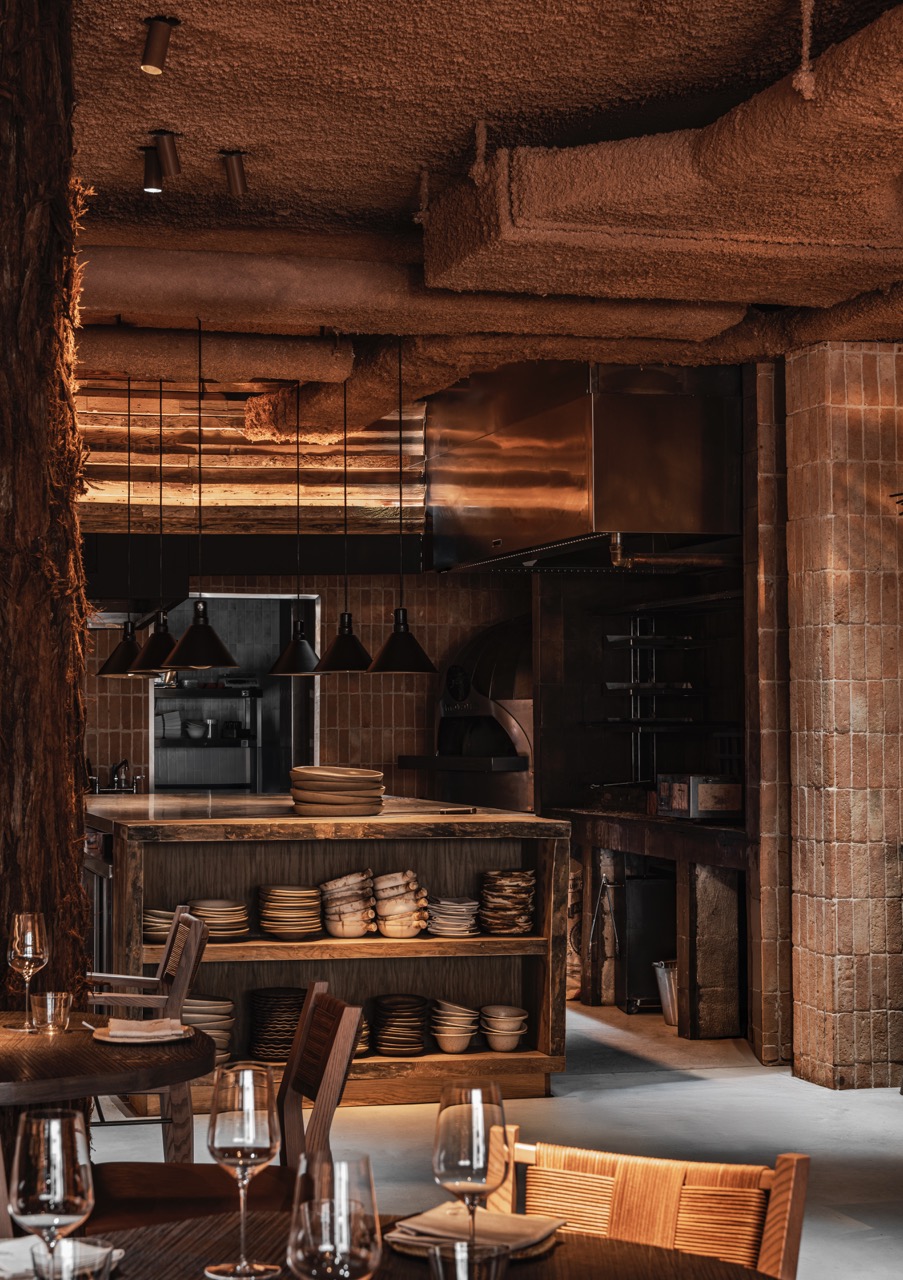
Moi, the Japanese offering from MAD Restaurants. ©Eleanora Boscarelli
Login’s MAD Restaurants points to a future in which controlled growth feels more like confidence than caution. MAD launched last year, with two restaurants in Soho: the Japanese Moi and Spanish Alta. “I never think in terms of rolling out a concept,” Login says. “I’d rather have a smaller group I’m proud of than a large one I barely recognise.”
It’s a sentiment echoed by Dominic Hamdy. “That sense of individuality is essential. There’s nothing worse than walking into a place and immediately recognising the brand behind it. If it feels formulaic, we’ve failed.”