They’re both a celebration of glamour, striking visuals, creativity and craftsmanship. It’s hardly surprising, therefore, that over the last few years, luxury brands have been growing closer to the world of cinema. However, this year, that connection is set to be stronger than ever, with funding for movies increasing, and collaborations becoming closer and more imaginative.
The Luxury Brands Getting into Film
Words by
Simon Brooke
6th May 2026
With The Devil Wears Prada 2 on everyone's mind, Simon Brooke explores the creative coalition of luxury brands and filmmakers, which serves as an immersive showcase for craftmanship and artistry.
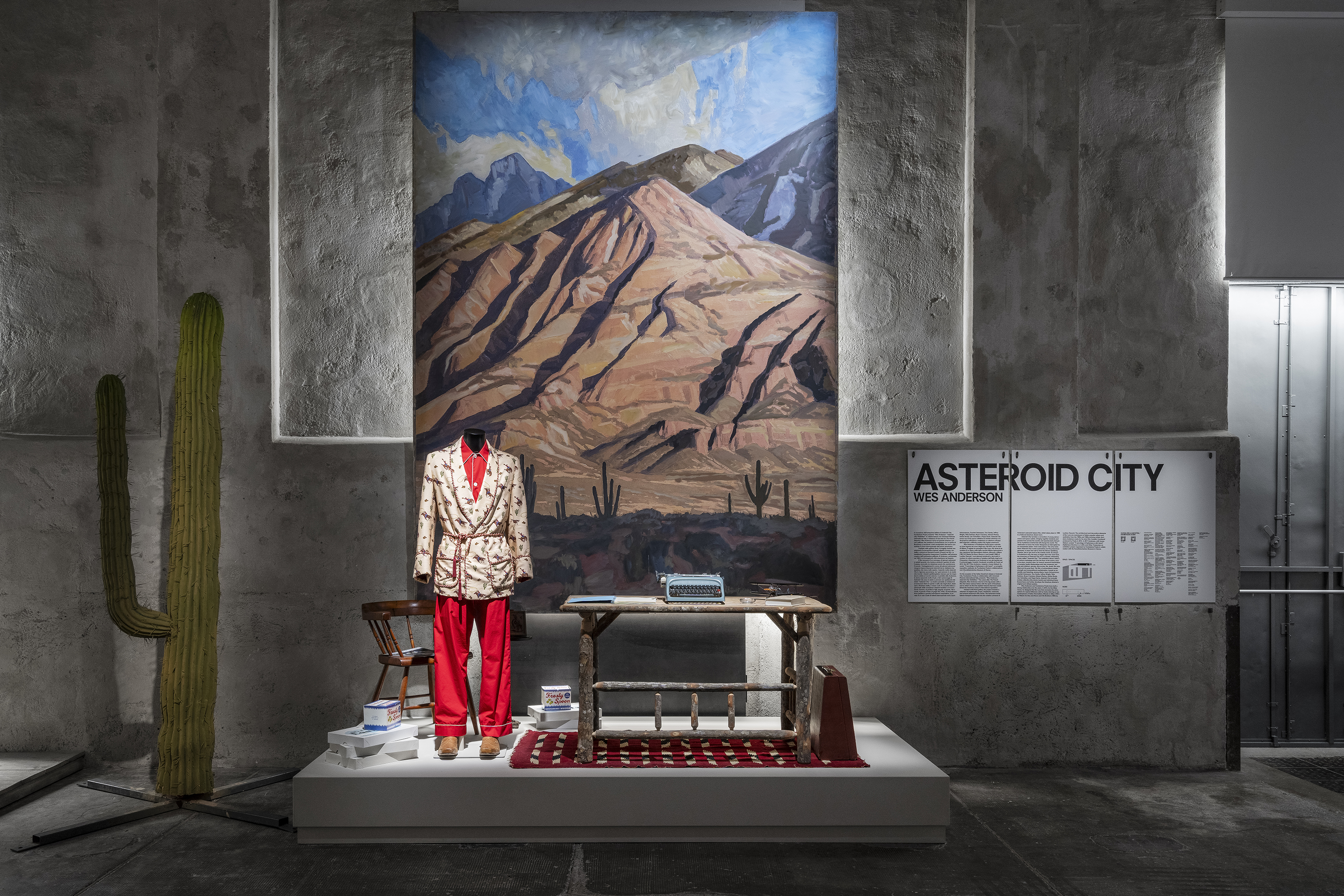
The Italian fashion house, Prada, curated an exhibition in partnership with long-time collaborator and filmmaker Wes Anderson. ©Fondazione Prada.
The Fondazione Prada has recently announced that it will invest €1.5 million annually in filmmaking, with a group of projects to be announced in February this year, while 2024 saw the launch of LVMH’s subsidiary 22 Montaigne Entertainment (named after its Paris HQ). The new venture, created in partnership with Superconnector Studios, which describes itself as being at the “nexus of brands and entertainment,” will create connections between LVMH and leading entertainment creators, producers and distributors to co-develop, co-produce and co-finance entertainment projects.
“LVMH and our 75+ Maisons are creators of culture, constantly innovating to connect centuries of heritage and savoir-faire with current audiences,” says Anish Melwani, Chairman and CEO, LVMH North America. “We created 22 Montaigne Entertainment as a vehicle to work with the entertainment industry, with the world’s best storytellers, to lend depth and authenticity to premium film, television and audio formats.“Entertainment has an ability to generate emotions in a way that advertising simply can’t. When we invest in world-class filmmaking and content creation, there is a real opportunity to represent the craftsmanship, artistry and human stories behind our work into modern culture.”
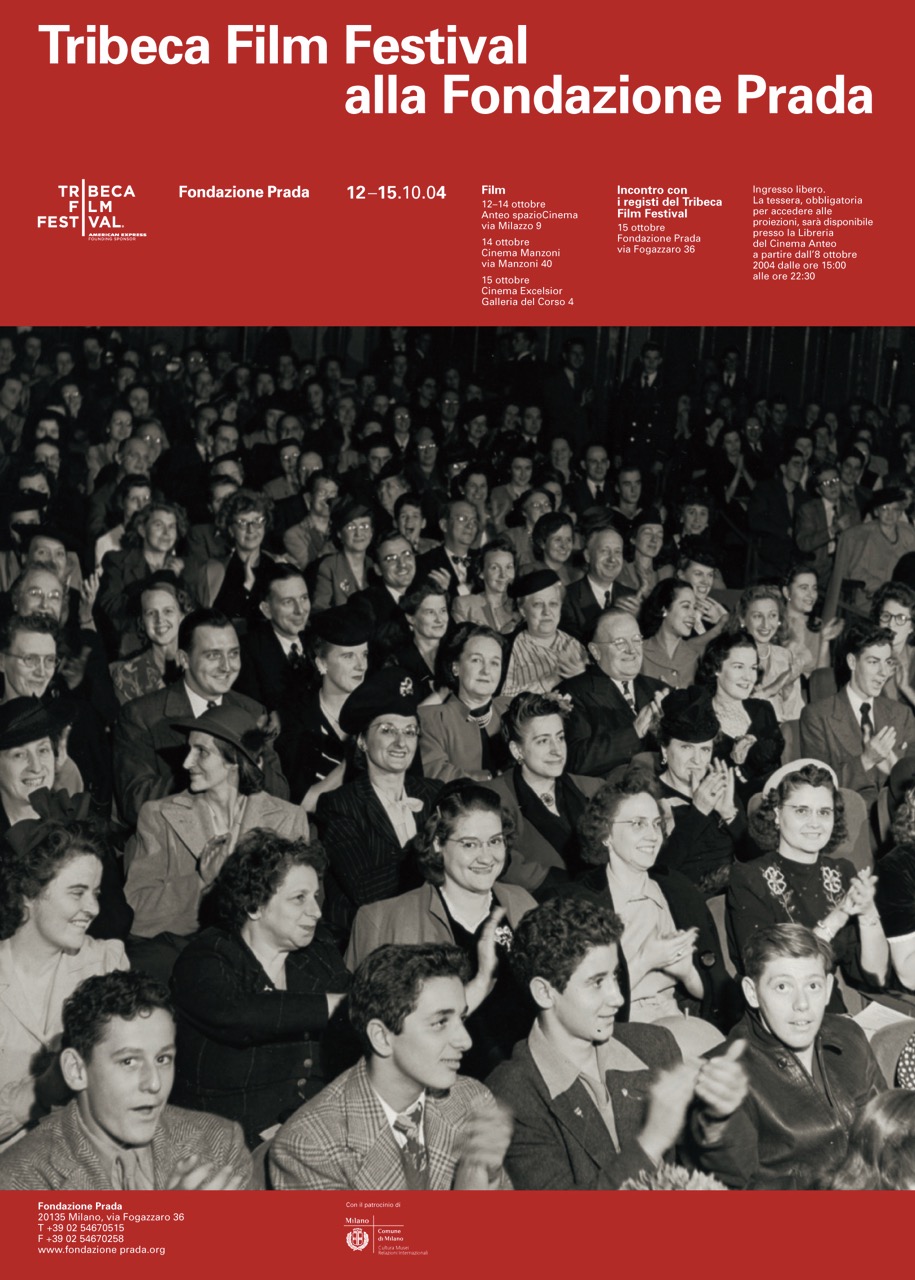
Tribeca Film Festival. ©Fondazione Prada.
Saint Laurent Productions launched in 2023, making it the first luxury brand with its own fully fledged film production. One of its cinematic projects was Pedro Almodóvar’s Strange Way of Life. Cartier has partnered the Venice International Film Festival since 2021, but next year will see its largest investment. Chanel has supported its ambassador Kristen Stewart’s directorial debut, The Chronology of Water, backing its premieres at the Cannes and Deauville film festivals.
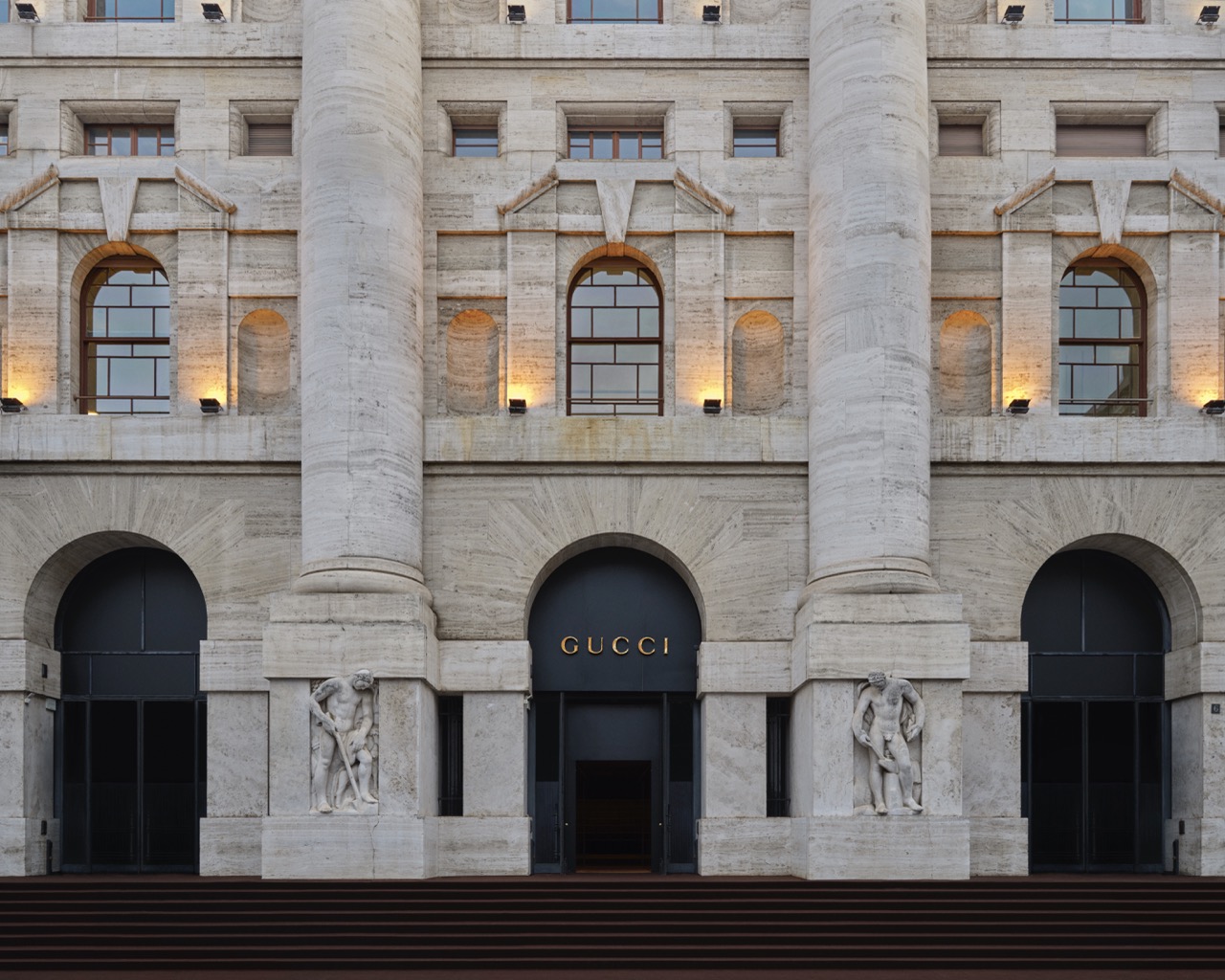
The Palazzo Mezzanotte in Milan served as a pop-up space for his La Famiglia debut collection. ©Fondazione Prada.
Gucci provides another example of the way in which the movies are becoming an integral part of luxury fashion. Newly appointed creative director Demna used a recently released short film, The Tiger, starring Demi Moore, Edward Norton and Ed Harris, to showcase his first collection for the brand.
Meanwhile, Artémis, which has assets of over $40 billion and controls brands such as Gucci and Saint Laurent, as well as Christie’s, recently agreed to buy a majority stake in the Hollywood talent giant Creative Artists Agency (CAA). Founded in 1975, CAA represents some of the biggest names in the movie industry, including actor Salma Hayek, the wife of Artémis founder François-Henri Pinault.
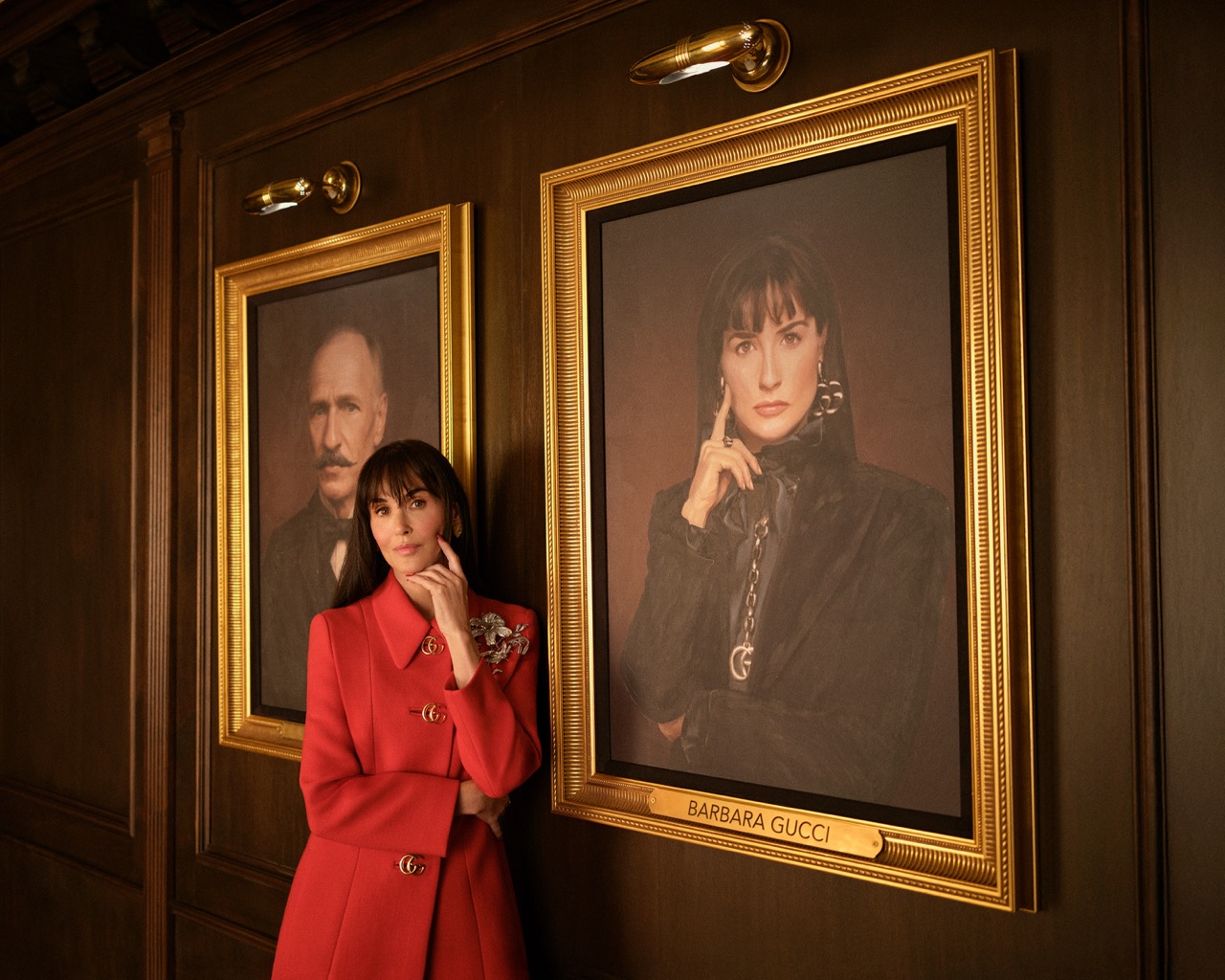
Demi Moore plays the imaginary head of Gucci International in The Tiger. ©Fondazione Prada.
While advertising will always have a place, these large-scale productions give brands more time and space to tell their stories and to celebrate their histories. A major movie has visibility and the ability to generate media coverage that a conventional commercial could never achieve, while an arthouse movie taps directly into a sophisticated, influential audience. Moviemaking also gives luxury houses more control than they could ever have with social media.
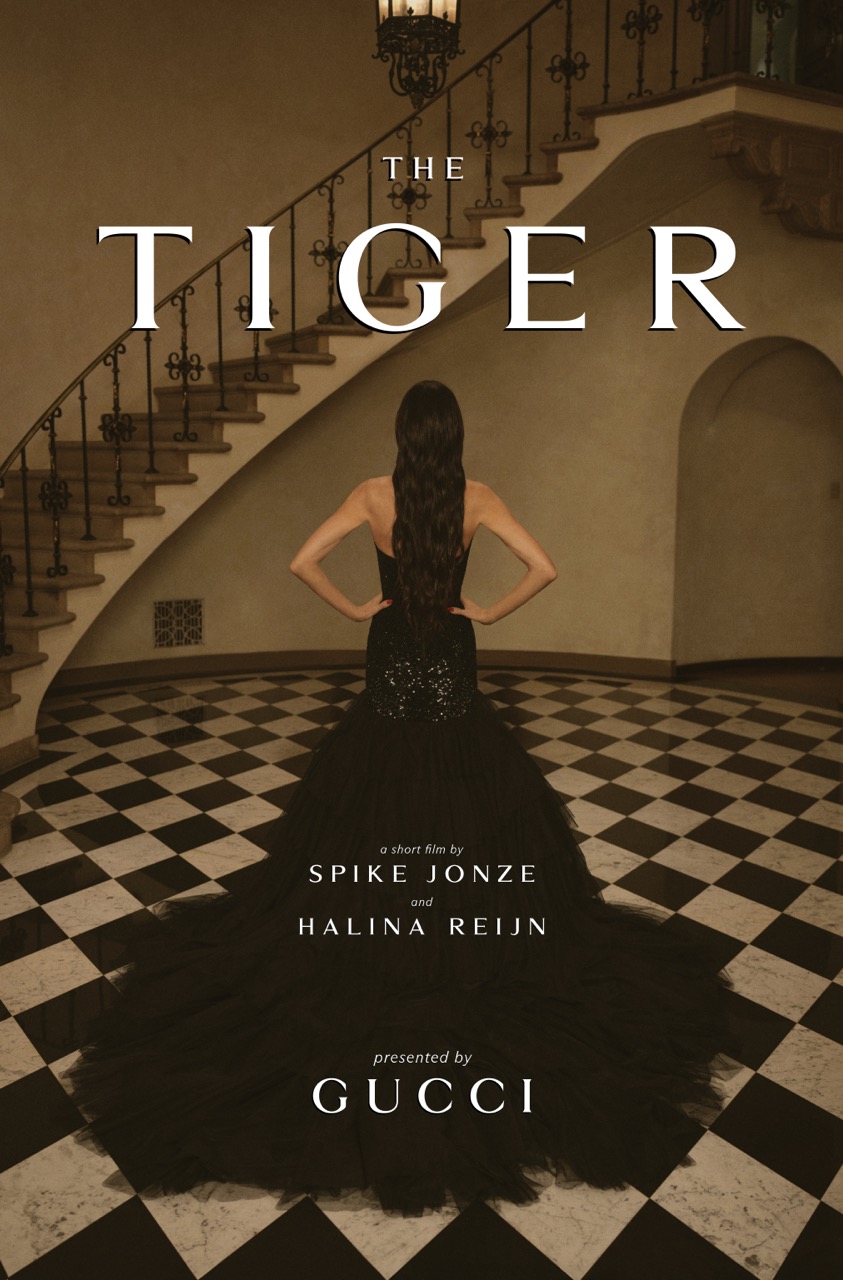
The Tiger, a showcase for creative director Demna’s first collection. ©Fondazione Prada.
“Film creates arguably one of the most holistic and most authentic means of showrooming and building the world you want the customer to see your brand as,” says Emma Ellis, President at global branding consultancy Interbrand London. “If eyeballs are the currency of mass marketing, perhaps this shift towards deliberate and in-the-moment focus, diving deeply into the brand world, is what the high-end customer is craving. The medium of film is the epitome of storytelling and escapism, out of the 27 Tiffany & Co jewels and objects, including necklaces, bracelets, rings, earrings, brooches, pendants, sterling silver objects, a hair comb and a pocket watch.
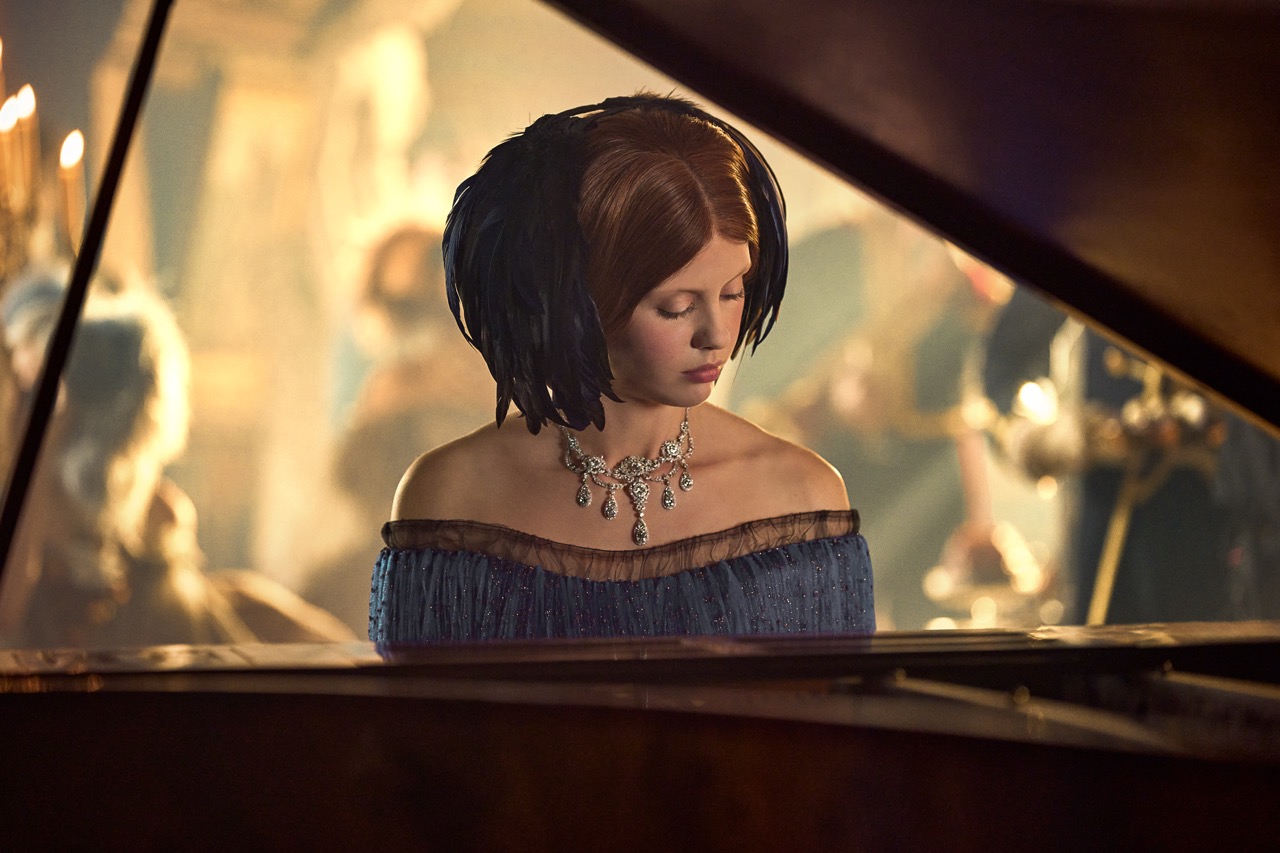
As Elizabeth in Frankenstein, Mia Goth wears a dazzling array of Tiffany jewels. ©Netflix.
In this retelling of the Gothic horror story, the fiendish doctor’s fiancée, Elizabeth Lavenza, takes a more prominent role, developing her own relationship with the monster. “Tiffany’s jewellery became its own creative contribution, similar to hair design, makeup, wardrobe, sets and props, and was integral to completing the design space,” says Kate Hawley, the film’s costume designer. “It was not just an accessory but an essential element specifically to Elizabeth’s character, enhancing the colour palette and overall interpretation of her world.”
Champagne house Ruinart has supported the first three episodes of a new visual podcast called Upstairs With…, an intimate conversation series presented by award-winning chef Adam Byatt and recorded in the dining room above Trinity, his Michelin-starred London restaurant. Each episode invites a guest to revisit the most influential meal they’ve ever had – not the fanciest nor the most famous, but the one that has the most personal significance. Byatt cooks the dish exactly as they remember it, to open deeper conversations about “identity, belonging, ambition and success.”
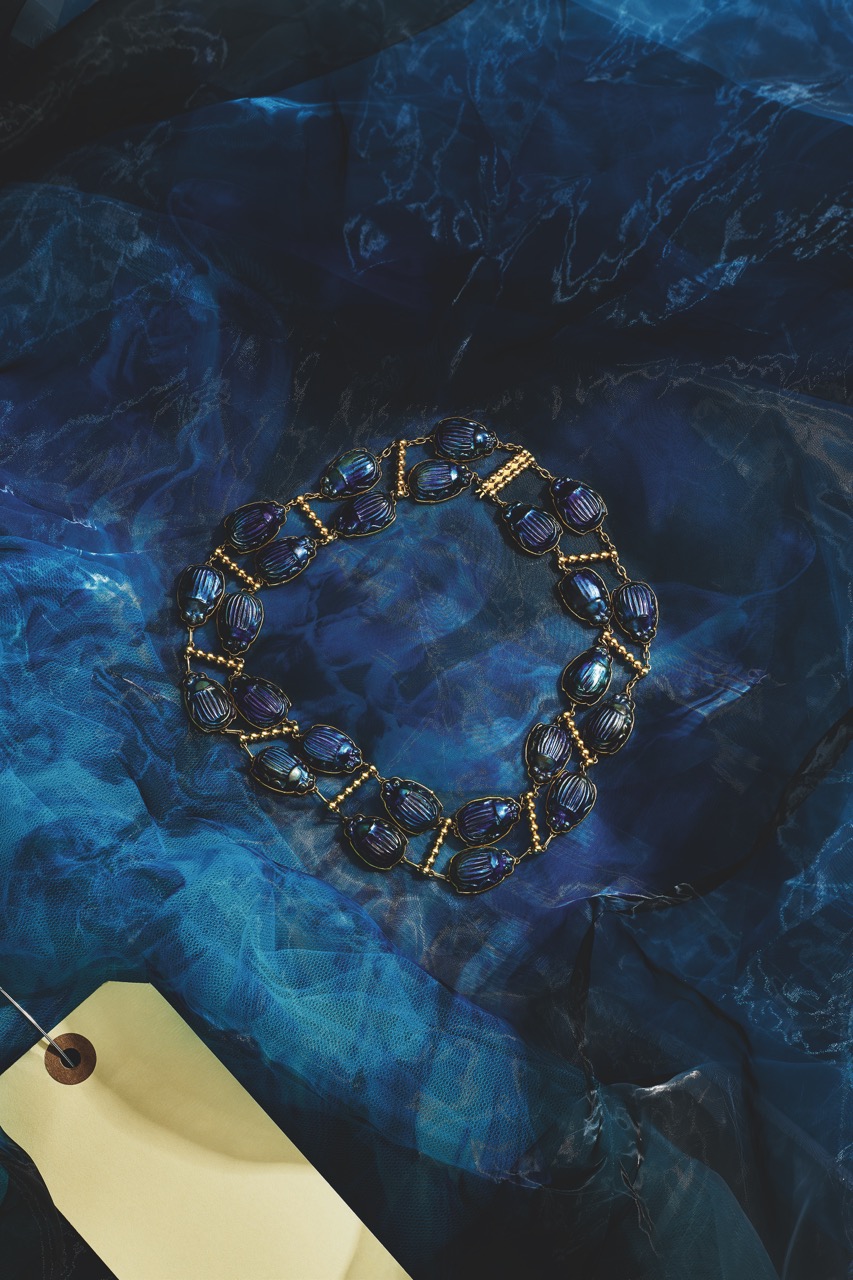
Inky blue Scarab necklace©Tiffany & Co Studio.
The same production company, 7Fifty, has also worked with Bentley Motors to document Obsession, the food and wine festival. The film follows chef director Lisa Goodwin-Allen as she explores the Bentley factory to discover the similarities between her cooking and passion for British produce and the way in which Bentley makes its cars.
“It’s about digging deeper into what a brand stands for, its values, and how to reflect them in content that sits adjacent to what they are selling, as opposed to directly forcing products into view,” says 7Fifty founder Rosa Brough. “Someone watching a film made by Prada might never have thought about aspiring to own a designer handbag, but if they love the films, they then love the brand, and one day might become a loyal fan. And yes, quality filmmaking is about beauty, excellence and aspiration. We watch films to fall in love, dream and escape. They make us feel something, in the same way that luxury brands do. Watching a film of stunning cinematography is a similar experience to gazing with awe at a diamond necklace through a shop window.”
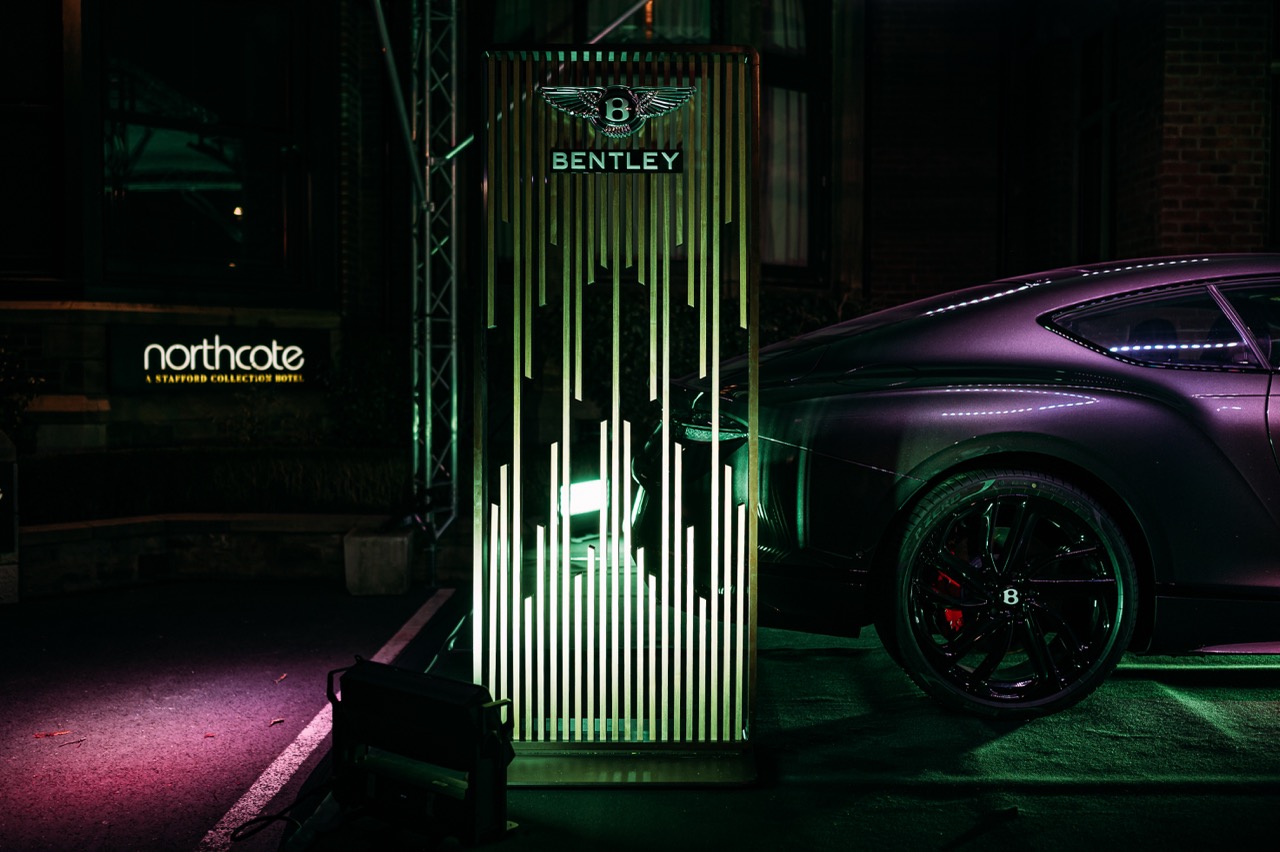
Bentley Motors has stepped into the brand/filmmaking space. ©Arthur Delloye.
An official partner of the Venice International Film Festival for the fifth consecutive year, in 2025, Cartier further strengthened its support for the festival by sponsoring a series of masterclasses on the official festival programme. The Art and Craft of Cinema masterclasses share the skills and expertise of preeminent filmmakers, while putting the spotlight on those who work behind the camera as well as the people who appear on the screen — an interesting way of putting craftsmanship ahead of pure glamour and celebrity.
Cartier presented a series of panels featuring world-leading talents across the various disciplines of filmmaking to explore the often-invisible aspects behind the collaborative aspect of the industry. Most recently, four new masterclasses were held on the Venice Lido, featuring conversations between directors including Sofia Coppola, Jane Campion and Alfonso Cuarón.
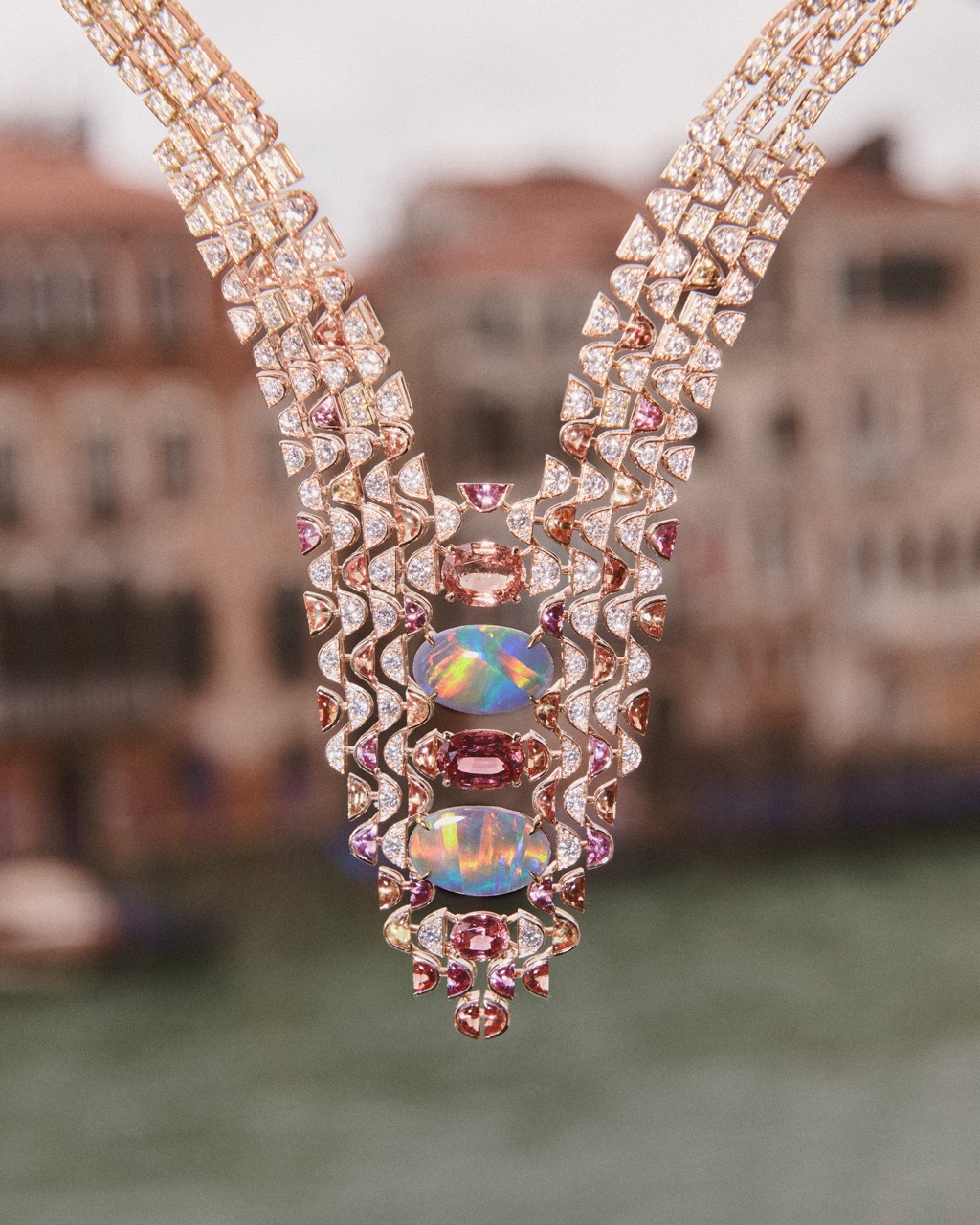
The stunning Cartier High Jewellery En Équilibre Necklace, worn by Riley Keough on the red carpet at the 82nd Venice International Film Festival. ©Cartier.
According to Research Nester, a global strategic market research and consulting firm, the movie and entertainment market, including cinema and streaming, will be worth approximately $119 billion this year, reaching $231.7 billion by 2035. As luxury brands look to engage with new audiences and go beyond simple product development and runway collections to showcase their creativity, their work in the movie industry will open up even more exciting new opportunities.