What does it take to create a new car brand from scratch? To the casual observer, Polestar might seem strikingly new, but the company has its roots in the late 1990s. From its origins as a Swedish motorsport team, it morphed into a performance-focused Volvo sub-brand, with the Polestar name appended to several uprated Volvo models at the turn of the last decade.
Behind the Launch of Polestar 5
Words by
Jonathan Bell
31st March 2026
As the Swedish EV maker gears up to introduce the flagship Polestar 5, SPHERE delves into the history of the design and innovation driving Polestar cars.
Presented by Polestar
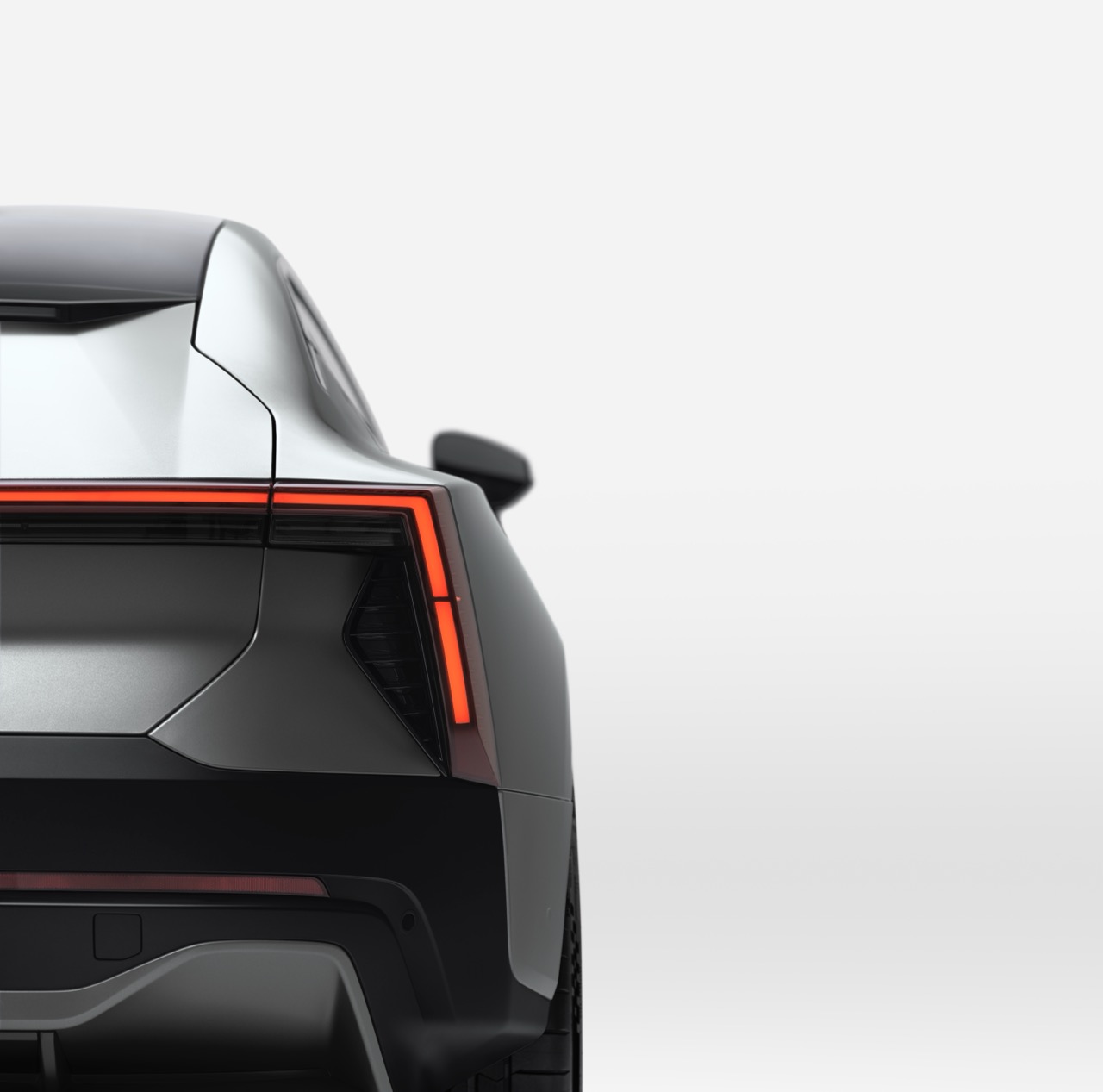
The sleek beauty of the soon-to-be launched Polestar 5: this flagship model’s origins can be traced back to the inception of the innovative car brand in 2017. ©Stefan Isaksson.
Polestar, as we know it now, first emerged in 2017, when the company was spun off from Volvo to create a standalone brand, one that fused its parent company’s vast knowledge of safety with the dynamic spirit of its past and a forward-looking commitment to electric mobility. Under the umbrella of the Geely Group and helmed by founding CEO Thomas Ingenlath – former head of design at Volvo – the company revealed the Polestar 1 in 2017. A svelte 2+2 hybrid coupé, it was built in limited numbers between 2019 and 2021.
The Polestar 1 was a proof of concept, with styling drawn from Volvo’s 2013 Volvo Concept Coupé, an Ingenlath design, and not intended for mass-market appeal. Polestar 2 was different. Again, it drew on a Volvo design study overseen by Ingenlath, the Concept 40.2 from 2016. Yet this time it was a pure EV, setting new benchmarks for performance and technology, incorporating Google’s Android Automotive Operating System, for example.
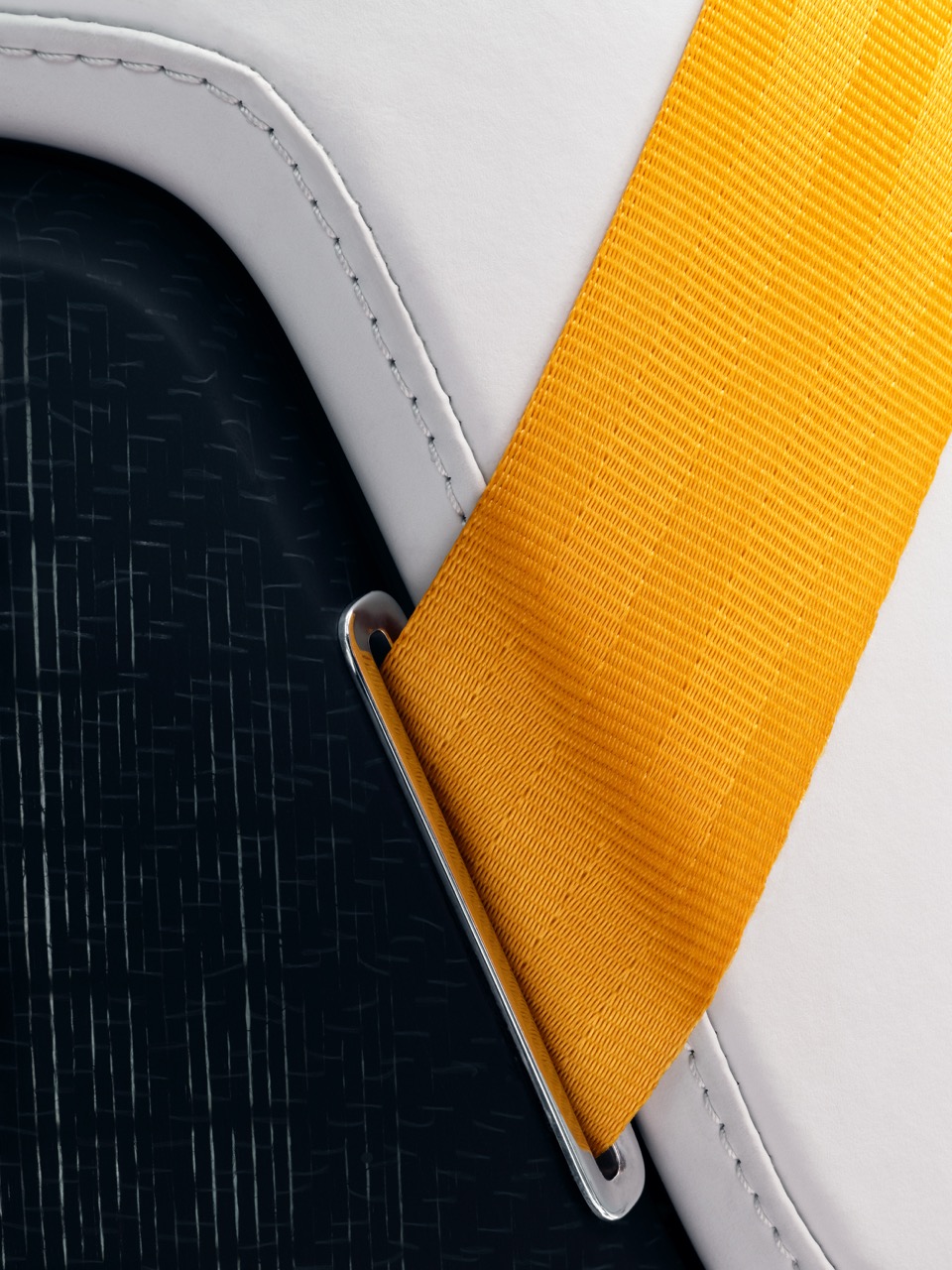
Design details of the 2020 Precept, the concept that paved the way for the Polestar 5. ©Stefan Isaksson.
Launched in 2020 and still in production, the Polestar 2 was subsequently joined by the 3 and 4. Now the Polestar 5 is imminent. This new flagship model has origins that go all the way back to the company’s early years of independence. Ingenlath, together with Head of Design Maximilian Missoni (also previously at Volvo), knew that a clean-sheet design was needed to cement Polestar’s values and its three core pillars: performance, design
and sustainability.
Now led by CEO Michael Lohscheller, Polestar will have a four-car line-up by the end of 2026, with more models to come. Christian Samson has been part of the Polestar project from the very start. “I’ve gone from noisy blue cars to silent white ones,” he notes dryly. An experienced engineer, with stints at BMW and Saab before joining Volvo and subsequently Polestar, Samson oversees the brand’s essential Product Identity team, with further responsibility for the Attributes, R&D and Projects teams. “I’m in charge of making Polestars feel like Polestars,” he explains, “Polestar 5 will be the top of the line, our flagship. It’s the ultimate performer for us.”

Christian Samson, Head of Product Identity. ©Stefan Isaksson.
From the outset, Polestar has sought to carve out a niche that recognises and accommodates the blistering performance of modern EV drivetrains, while also setting itself apart from everyone else. When it came to defining the physical attributes, market segment and potential competitors, all of this had to be taken into account. “It is about controlling 900hp in a way that makes sense,” says Samson, “not short-term impressions, but rewarding those who really appreciate driving.”
A set of parameters was established to create a defining character within the wider Polestar car family. “We have relaxed the suspension to give the 5’s ride some plushness,” says Samson. “It’s still firm; we’ve taken it back just a tad.” With just two drive modes – Range and Performance – the Polestar 5 driving experience conveys the engineering acumen and accumulated knowledge of the team in a straightforward, no-nonsense way. “It’s about being a bit sensible – that might sound Scandi and ‘safe’, but for us it’s about demonstrating confidence and trust,” says Samson. “We know what we are doing.”
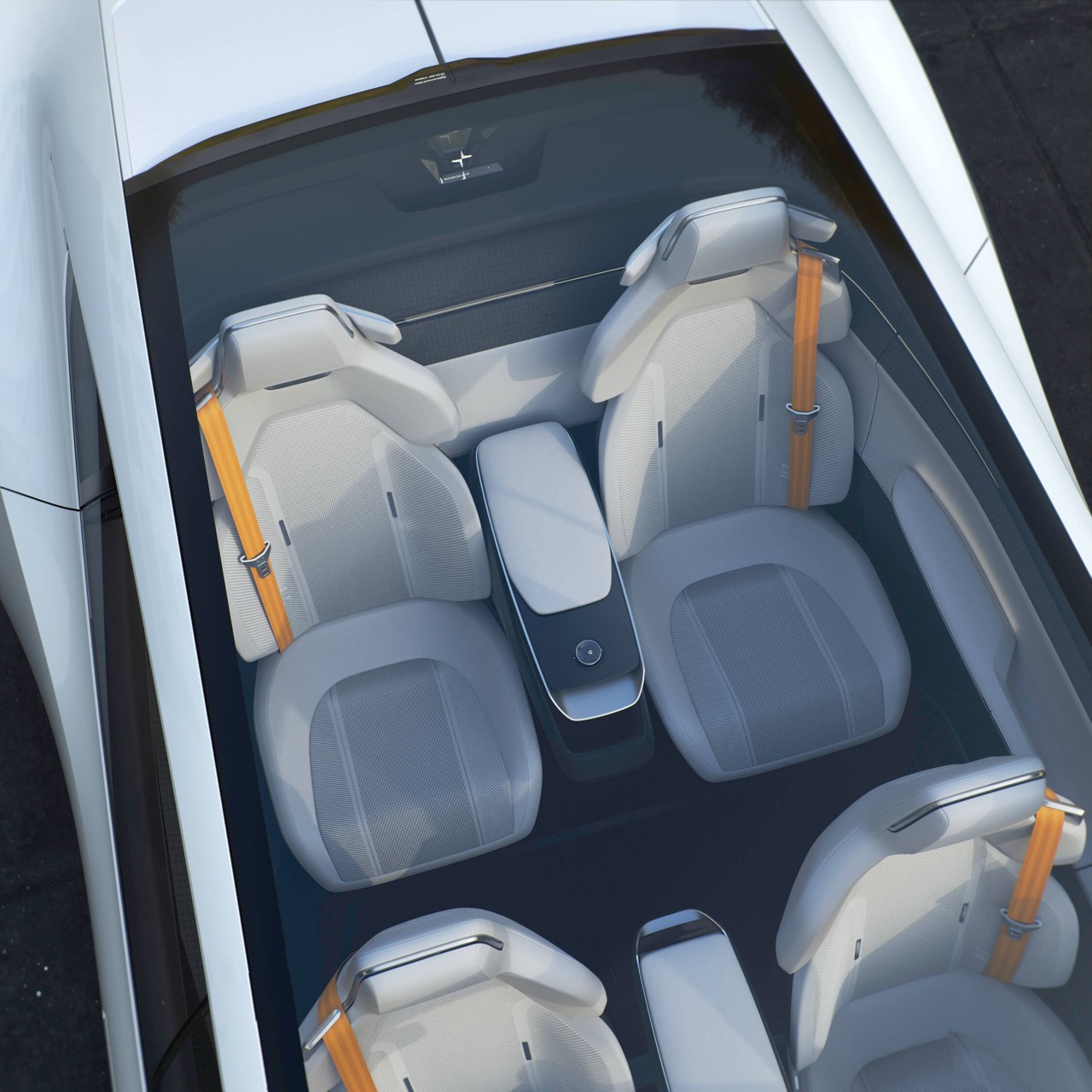
The panoramic roof of the Polestar 5. ©Stefan Isaksson.
Under Samson’s watch, Polestar has carved a niche that attracts like-minded innovators and pioneers, both in the company itself and in the showroom. The Polestar 5 is the unequivocal flagship, blending smoothness, refinement and brute force in one elegant package. “It exceeds all other Polestars in every sense,” says Samson, adding that Polestar drivers are passionate, curious and desiring of something different – “they want to be part of what we offer.” This feeling is shared by Polestar’s own employees, particularly when it comes to the brand’s sustainability ethos, which has been at its heart since inception.
Fredrika Klarén is the company’s Head of Sustainability, a position she has held since 2020. Before that, she worked at IKEA and the Nordic fashion brand Kappahl. The switch from furniture and fashion to industrial manufacturing has not dimmed Klarén’s passion for ensuring sustainability is more than a narrative or a tick box, but an integral part of the process – from product planning to end of life. “Our cars are powerful climate solutions,” Klarén says. “My job is to make them truly sustainable. We collaborate with everyone across the whole company, securing our sustainability ambitions and bringing them to life.”

Fredrika Klarén, Head of Sustainability. ©Stefan Isaksson.
One of Polestar’s most important tools is transparency, supported by an intensive focus on R&D. “We want to fundamentally change the industry,” Klarén acknowledges. “The way forward for all businesses is to be more transparent, and this ensures our value chain becomes more sustainable.” Bringing suppliers on this journey is essential, and a good deal of Klarén’s time is spent ensuring Polestar’s broader network is just as thorough in their processes – for example, using Blockchain technology to create a traceable pathway for materials like cobalt.
In 2020, Klarén’s team undertook a pioneering lifecycle assessment of the Polestar 2. “It taught us so much about the value chain around the car,” she says. Over time, the attention to detail – the granularity of the data – has increased, helping the company on its road towards a net-zero target of 2040. The 2020 study showed that the cradle-to-grave emissions for a Polestar 2 were around 26.1 tonnes of CO2. By 2023, that had already been reduced to 23.1 tonnes, thanks to increased recycled content, production efficiencies and more renewable energy usage, especially in the area of battery production.
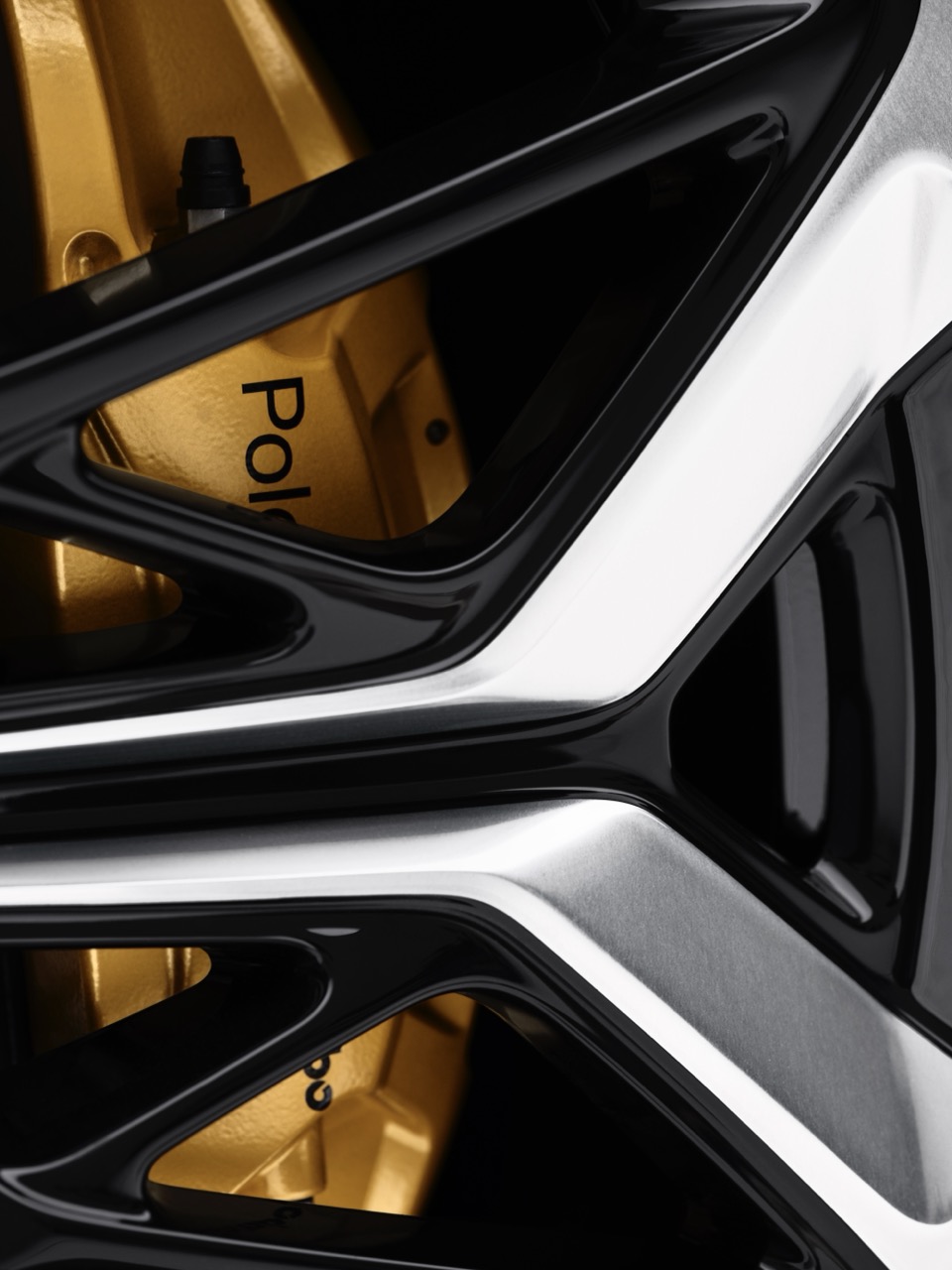
The 5’s brake calipers are finished in signature Swedish gold. ©Stefan Isaksson.
“In 2023, we did a ‘sustainable upgrade’ rather than a traditional facelift,” she says of the Polestar 2, an overhaul of the model that included extending the range and lowering the lifetime CO2 output. Rather than resort to styling tweaks inside and out, Polestar 2 was reconfigured internally, shifting from a front-wheel-drive arrangement to rear-wheel-drive. Unprecedented in the industry (and economically unfeasible for a combustion-engined car), the upgrade highlights the impressive lengths to which Polestar goes to meet its targets.
Above all, Klarén stresses that not only is sustainability highly achievable, but also best practice. “I really want people to understand that there are so many solutions out there — it’s not rocket science,” she says. The old- fashioned, hair-shirted image of recyclability and sustainability must also be addressed. “For us, it’s a challenge in a positive way,” says Klarén. “We’re trying to ensure that customers don’t have to compromise on quality, design or aesthetics.” The sleek, modern look of the Polestar line-up exemplifies this, with recycled aluminium indistinguishable from virgin aluminium, for example.
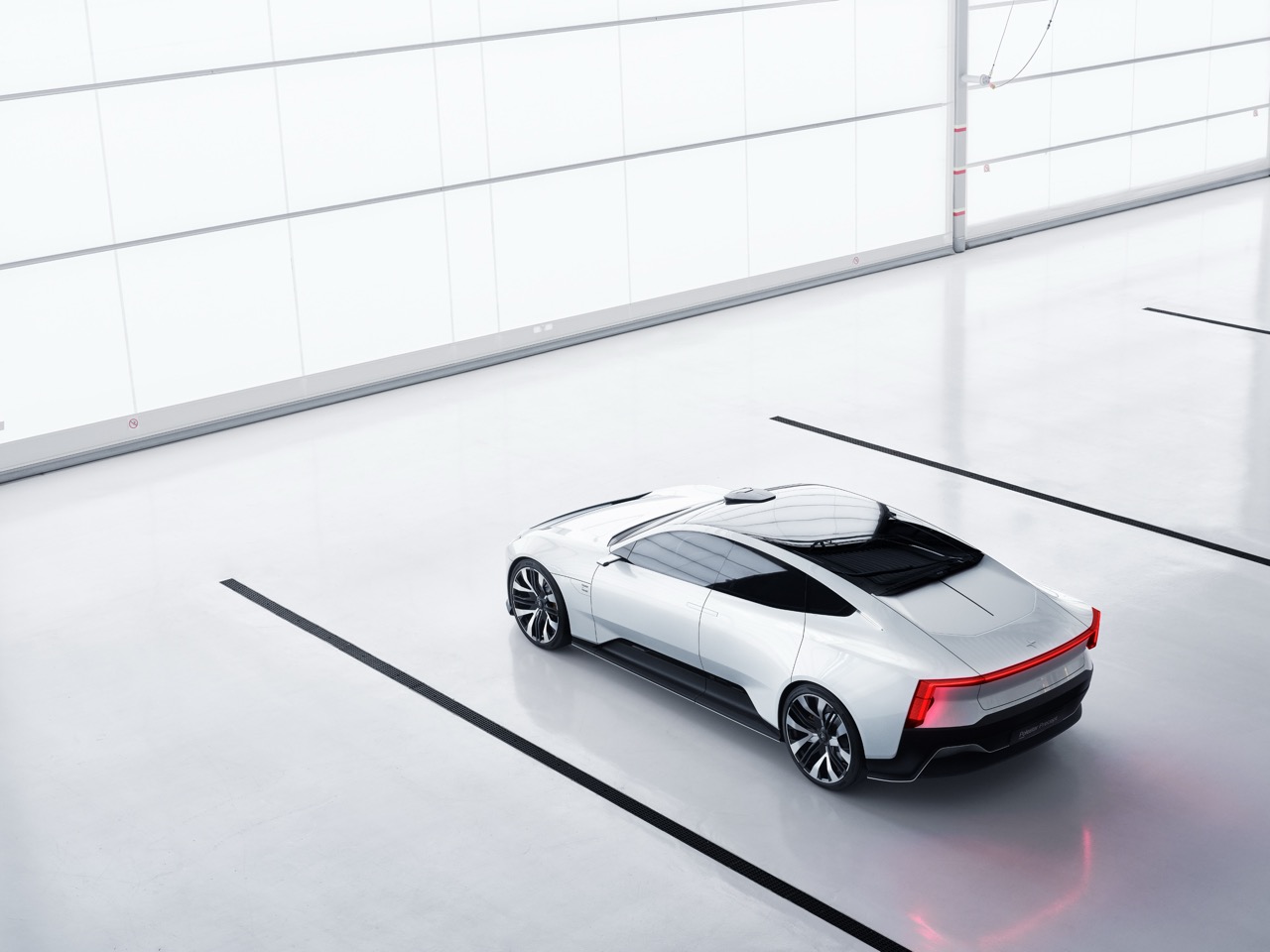
The Polestar 5, with its panoramic roof and pioneering rear windowless design ©Stefan Isaksson.
It’s not all plain sailing, however – cultural and political pushback against the net-zero agenda persists. “There’s a weird narrative around sustainability today,” Klarén agrees, “but it’s not the case in reality. The train has left the station. We are only seeing business value in sustainability, with a whole ecosystem growing up around circularity, for example. We’ve identified this as a huge business opportunity for us.”
Polestar remains heavily immersed in research and collaboration, including with the extended Geely family. “We have the luxury of working with these brands, and their support helps us,” Klarén admits. “In Polestar, Geely saw the potential for a brand to really accelerate the process of innovation. But we still have much to learn. Through transparency, sharing information and using open-source data, Polestar is paving a new way forward.”

Nahum Escobedo, Chief Exterior Designer. ©Peter Jademyr.
The Polestar 5 continues this journey with unmistakable style. Nahum Escobedo, Polestar’s Chief Exterior Designer, has been an integral part of the company’s design team since its inception. Working with Ingenlath and Missoni, Escobedo played a pivotal role in bringing the Polestar 5 and 3 to life. Based in Polestar’s impressive hilltop design studio in Gothenburg – formerly the HQ of Volvo Trucks – Escobedo explains the visual genesis of the company.
“I always get emotional when talking about Polestar 5,” he says, before outlining the timeline. “Our vision really started back in 2018. We wanted to make a strong statement early on, so we designed a car from scratch, something with unique proportions that was strong and different to the rest of the industry.” The result was the Polestar Precept concept – a “vision” car that embodied the brand’s core values. Both Polestar 1 and Polestar 2 had their origins in concept cars that Ingenlath had overseen at Volvo. Precept was different. A clean-sheet design, it demonstrated the brand’s intent. The 2020 Precept was a striking statement of purpose.

Design details of the 2020 Precept, the concept that paved the way for the Polestar 5. ©Stefan Isaksson.
“We didn’t want a traditional concept car, but a vision car that was within reach of customers and didn’t let them down,” says Escobedo. At about the midpoint of the design process, the team realised that a production version was possible. “The Precept represented a balance where design was a key focus, without losing the importance of function, aerodynamics and design,” he explains. “It’s a car that broke certain rules.”
To achieve the required look, feel and capabilities, a bespoke engineering platform was required. As a result, the Precept’s key qualities carried into the production of Polestar 5. “It’s like sitting in a sportscar. Low, very sculptural but also very simple,” says Escobedo, pointing out how strong graphic elements accentuate the long, low form, while muscular fenders appear to increase the car’s width and stance. “It’s a beautiful and perfect balance between Scandi design, product design and architecture,” he adds. “It really showcases the brand’s progressive, pure, technological approach.”
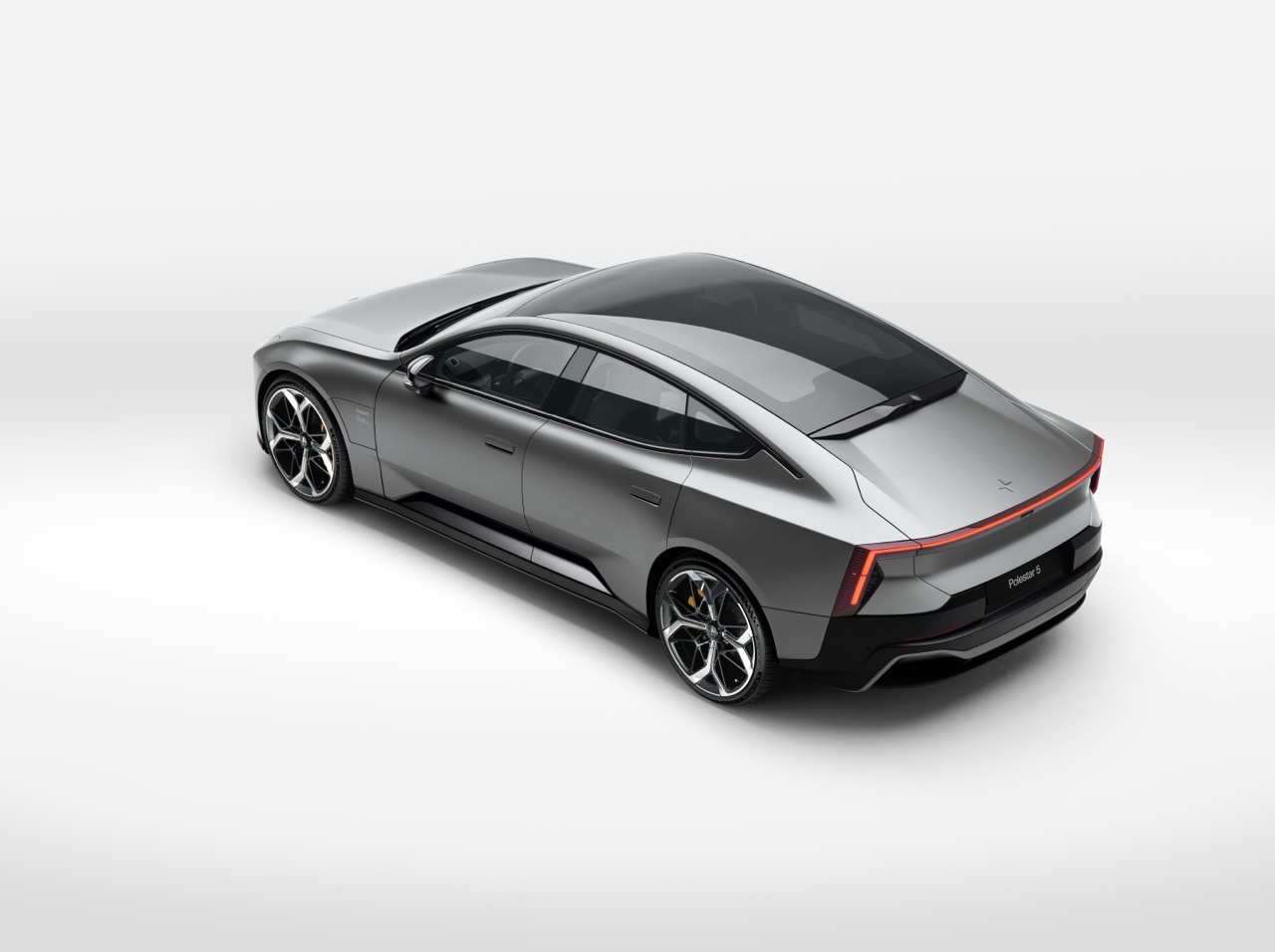
The Polestar 5 design draws from aviation design with its panoramic roof creating a cockpit-like space. ©Stefan Isaksson.
Like many car designers, inspiration and influence can come from a broad range of sources. “Scandinavian design is all about making confident choices – removing lines and elements. We really own this aesthetic with Polestar 1 and 2,” Escobedo says. The design team explored product design, electronics, graphic design and even architecture. “Santiago Calatrava is one of my idols,” he continues, “there’s a purity to his expressive architecture. What is it about that language and how can I incorporate it?”
Other reference points include aviation design – particularly in how the panoramic roof creates a cockpit-like ambience – and the natural world. “A shark is a very confident, majestic form – it demands a certain respect through its simplicity and presence,” Escobedo notes. One notable statement is the absence of a rear window, a quality shared with the Polestar 4. Instead, a high-resolution camera feeds a wide-angle view into a screen in place of the traditional rearview mirror. Escobedo and his fellow designers – in particular the interior team – have become highly adept at working within a sustainable framework. “As a designer, using new materials really shifts your way of thinking. Recycled materials must be treated differently, and that opens the creative window. It’s exciting but also challenging,” he says.
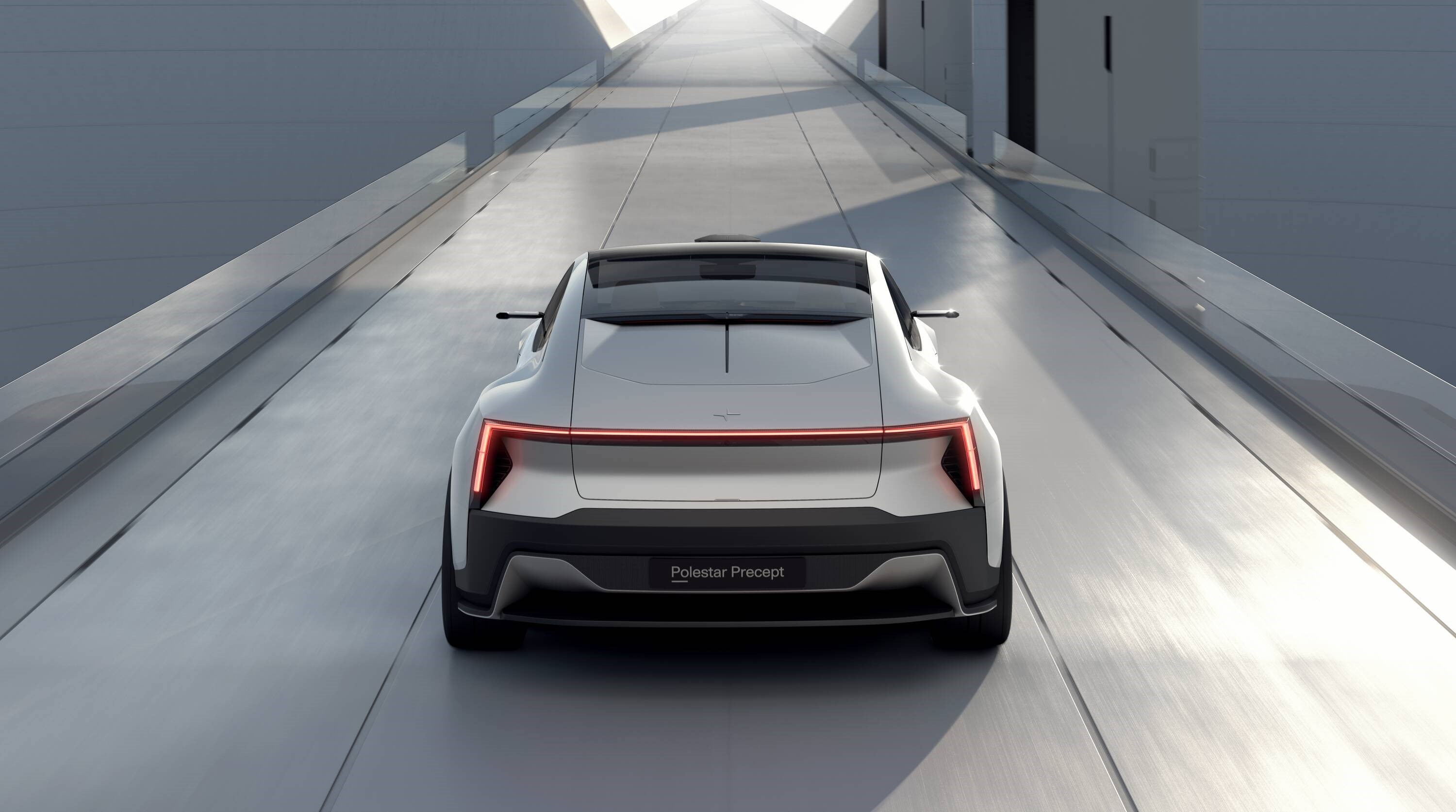
The Polestar 5 precept.
In 2025, Polestar sold more than 60,000 cars. Later this year, Polestar 5 will be joined by a new variant of Polestar 4, with a next-generation Polestar 2 arriving in 2027. A newly announced Polestar 7 compact SUV will follow in 2028. “This model is a dream come true as a designer. Only a few get to create a car from scratch with a new platform, so I’m very lucky,” says Escobedo.
It might look effortless, but Polestar expresses its strong character and meaningful values through intensive efforts in design, resourcing and manufacturing. Polestar 5 will only brighten the company’s status as
a guiding light within the industry.