5 Minutes with Chef Theo Clench
Words by
Clara Taylor
1st September 2026
Executive Chef at IGNI and king of open-fire cooking, Theo Clench, tells us about how he started at Wagamama and why the bread course is the best course.
The only job I could get was making juices at Wagamama. You tend to start at the bottom, and when someone doesn’t turn up, you get the opportunity to fill in. So I jumped in the kitchen one Saturday and that's when the seed was planted. Within 18 months, I was running the kitchen – it was over 1,000 covers a day. Absolute carnage.
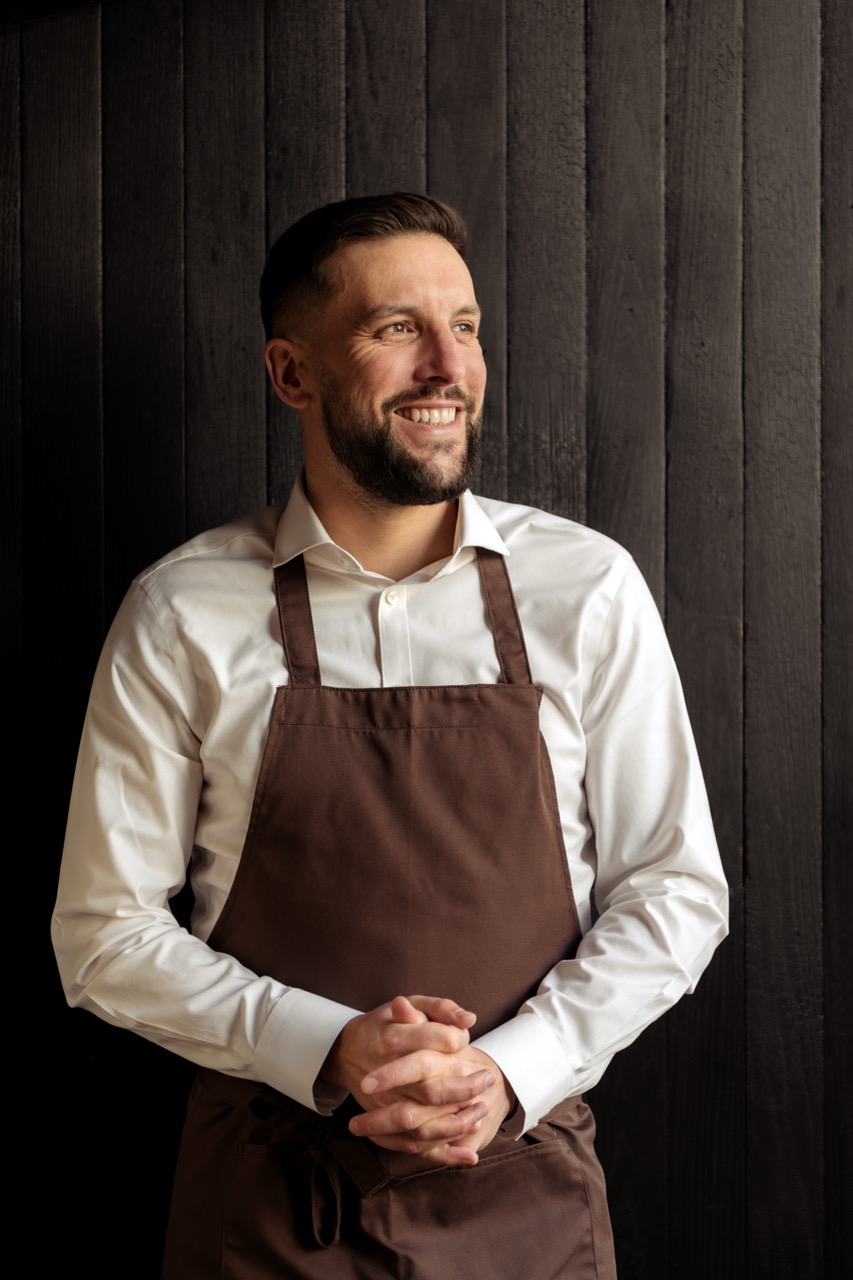
Theo Clench, Executive Chef. ©IGNI.
What’s your favourite Wagamama’s dish?
Still to this day, the chicken katsu curry.
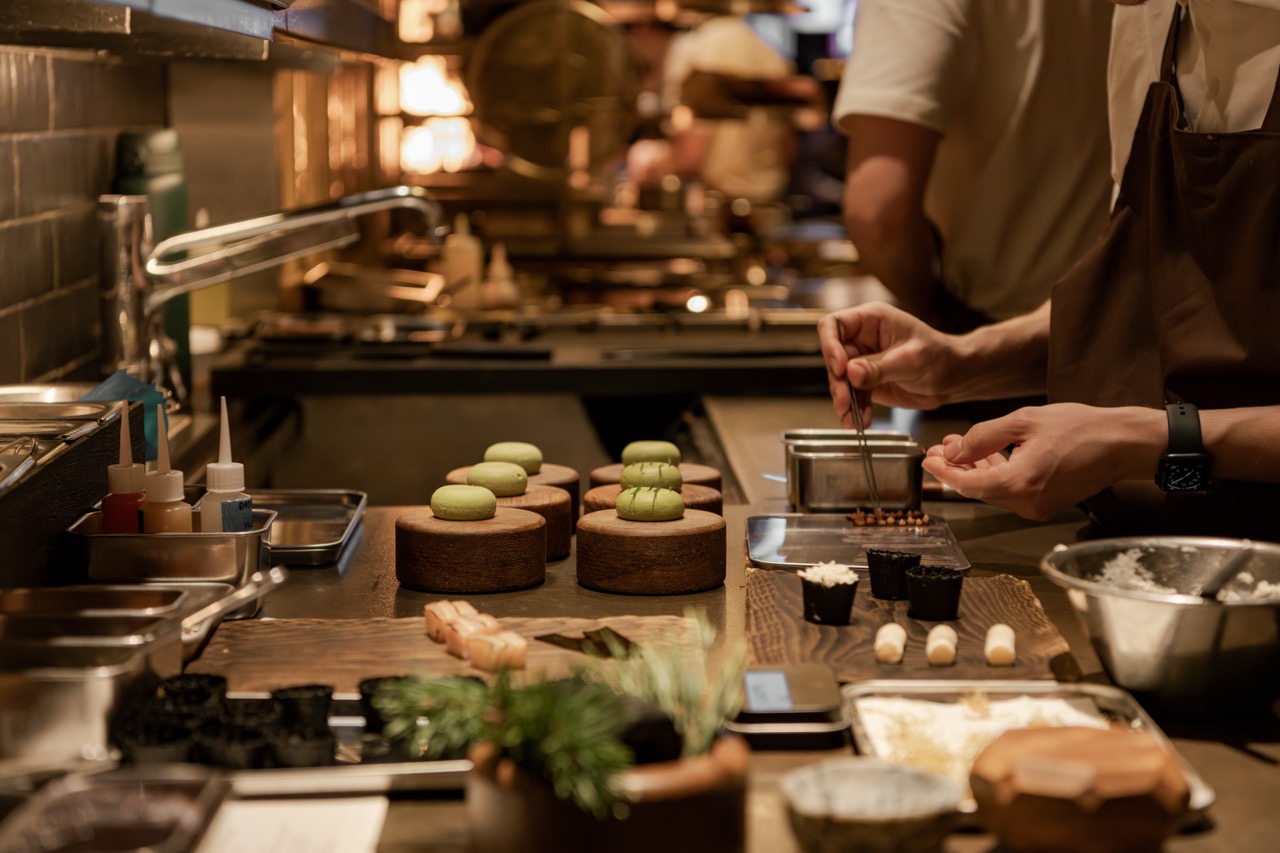
Food prep in the upstairs, open-fire kitchen. ©IGNI,
When did you make the move to London?
The restaurant scene in Brighton at the time wasn’t great, so I knew I needed to come to London. I hammered Adam Byatt at Trinity to give me a job and after three months of emailing him, he asked me to come in for a trial shift on Valentine's Day. That was really my start in fine dining.
Adam is such a great teacher for learning how to cook classically. It really laid the groundwork for when I moved on to Bonhams, which I opened with Tom Campbell and which got a star in seven months!
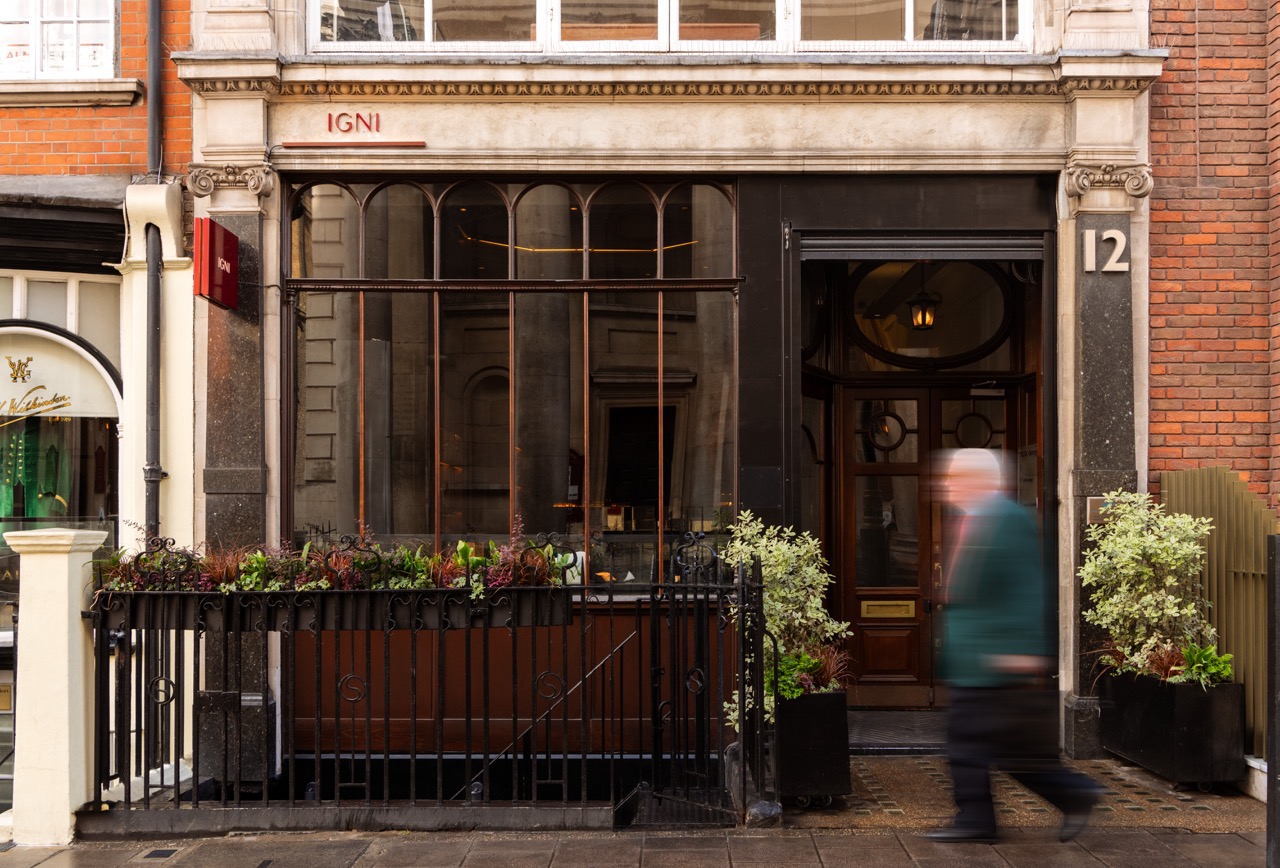
Outside IGNI in Mayfair. ©IGNI.
Cycene also got a star in five months while you were there. What do you think caught Michelin’s attention so early on?
It comes down to the ingredients you use. You have to start with great produce and not do too much to it – that and consistency. Ultimately, I cook food that I like to eat and try to ignore the noise.
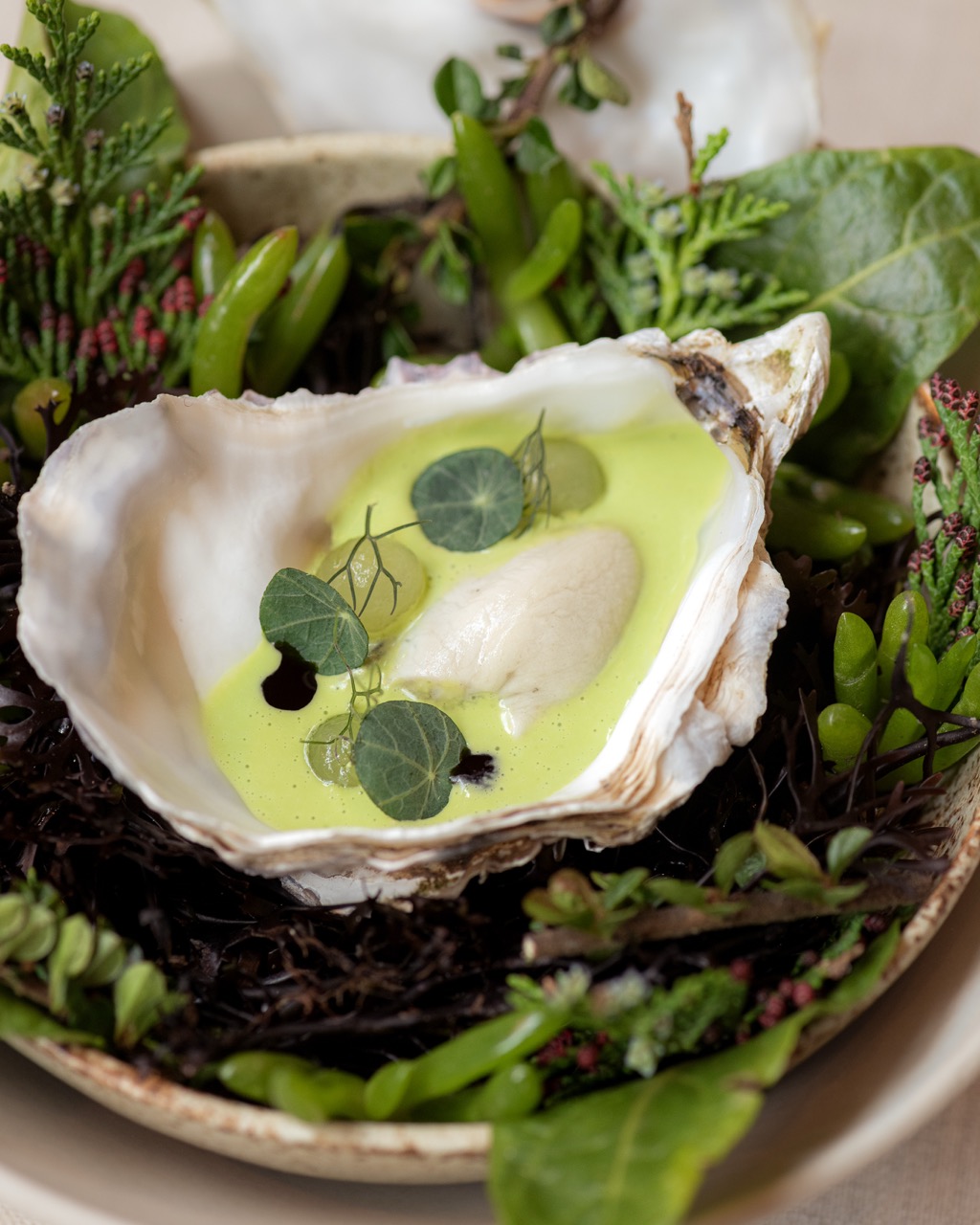
IGNI takes a more restrained approach to open-fire cooking. ©IGNI.
You've been pretty candid about wanting a star for IGNI. How has that ambition shaped the menu?
I want a star for IGNI because that's the level I've been working at for the last 10 years, but we're not cooking to get a star. The ethos is the same. Ingredients first, don’t overcomplicate things, treat it with respect. Hopefully it will come, but I'm not putting things on the menu thinking “Michelin will like this”; I’m doing it because I like this food. This is me on a plate.
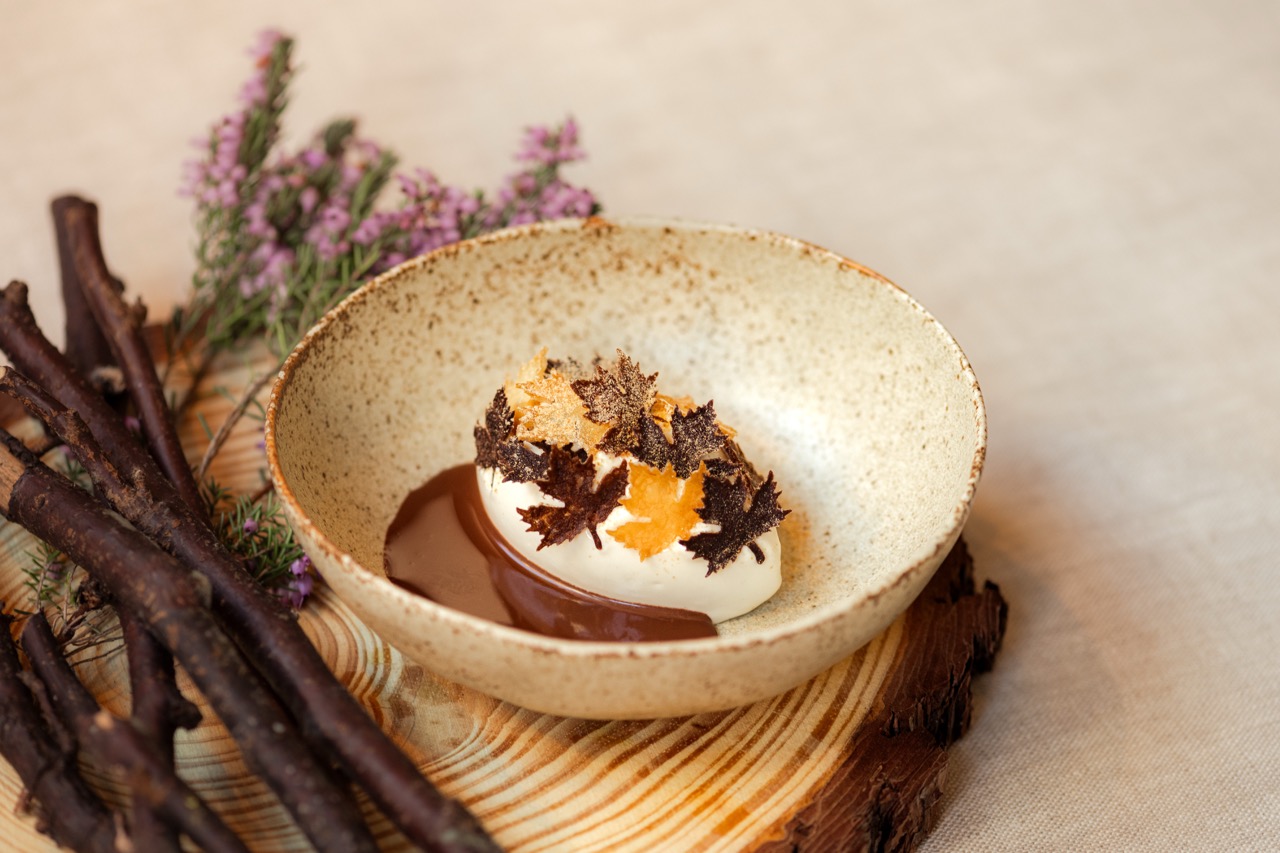
The dishes reflect Theo's style, cultivated over years in the industry. ©IGNI.
To get a star, you have to showcase your personality in the food. What parts are you channelling in the IGNI dishes?
It's more about the style that you build up over time. The hardest thing for chefs right now is finding their own style. With the likes of Instagram, it's hard to ignore the noise. When you make something original and you see someone doing something similar, you want them to stop. I don’t want this to be another London restaurant.
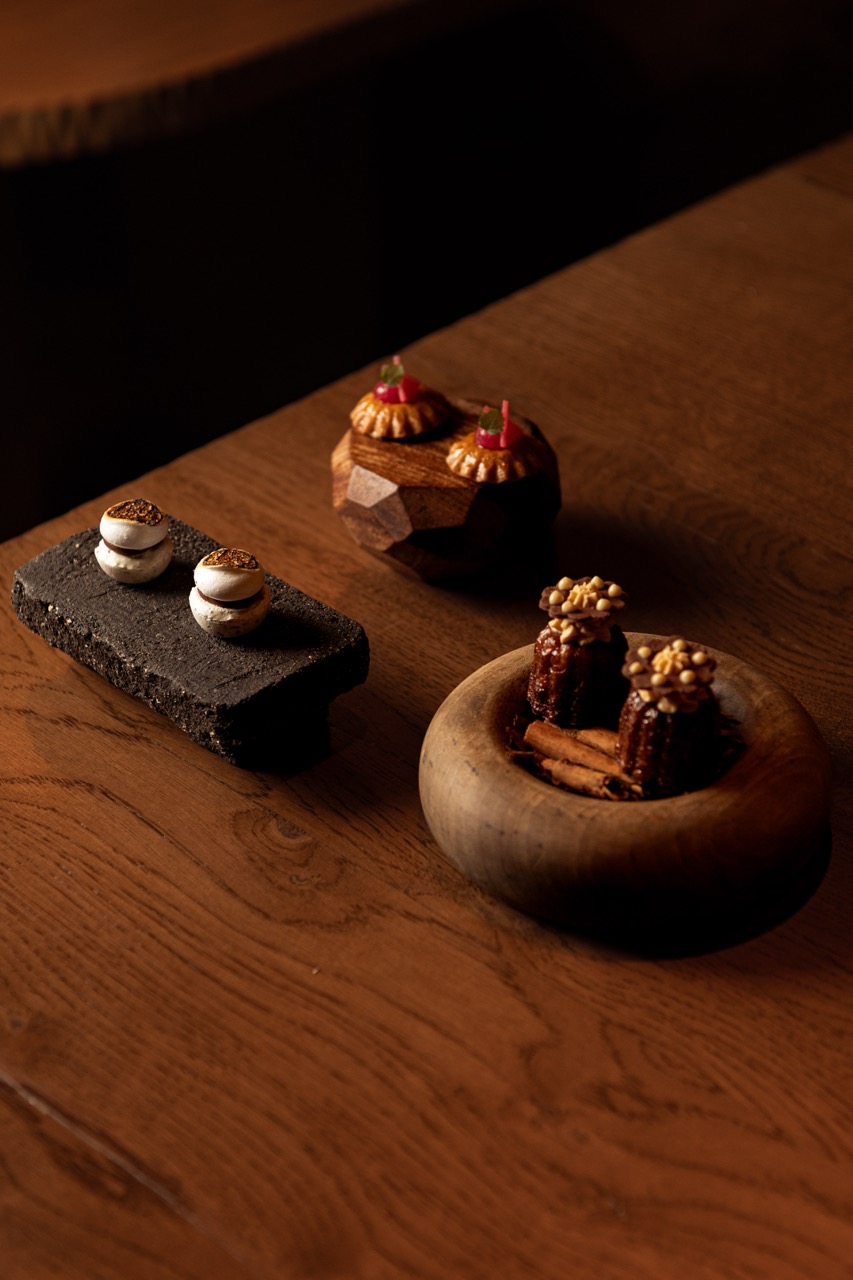
Part of the dessert offering. ©IGNI.
Do you think a Michelin inspector has already been in?
Yes! Over 10 years, you come to know how to spot them. That said, I think there’s a new set of inspectors now who are younger and blend in more. Everyone gets the same treatment, though, when they walk through the door, whether it’s a Michelin inspector or my mum.
Fire-led cooking is IGNI’s signature style. What’s the biggest mistake people make when cooking over open flame?
When you think of open fire cooking, you think of slow-braising or charring big hunks of meat. It can be quite aggressive – beers, chefs with tattoos, the whole look. Fire can be loud and in your face, but I see it as relaxing, – like when you sit in front of a fire in the winter. That's the ethos I have here. A bit more delicate, a bit more subtle and again, not overpowering the ingredients. If I'm eating a piece of turbot, I want to taste the turbot. I don't want to only taste the fire.
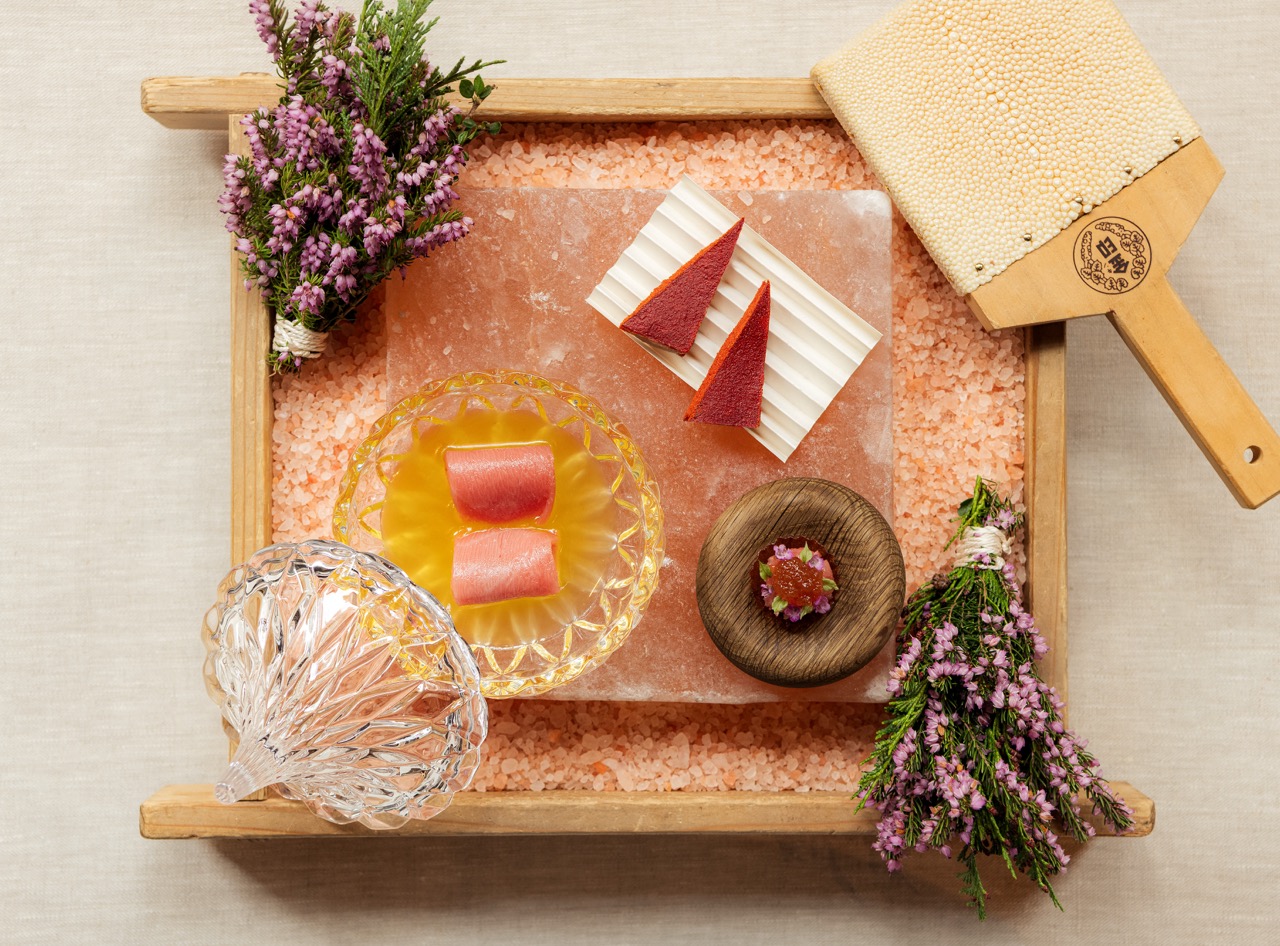
IGNI's famous tuna course. ©IGNI.
Which dish on the menu are you most proud of and why?
The tuna. It's an evolution of a signature dish of mine from the past, and it utilises the whole fish. We make a parfait out of the bloodline, which normally gets discarded. Then you have the loin and the belly – it's served as three different bites.
The bread course has also got loads of attention recently. You judge a restaurant on its bread course, don’t you? It’s a fermented potato bun done in the style of a Taiwanese bao. Then it's grilled over embers and glazed in butter with a spiced miso crumb. There’s a little broth on the side, and because it's been really hot, we've done a tomato and raspberry consommé finished with blackcurrant oil. Then we have a vadouvan-spiced butter, served on a granite pebble. It’s super tasty – that's my kitchen snack.
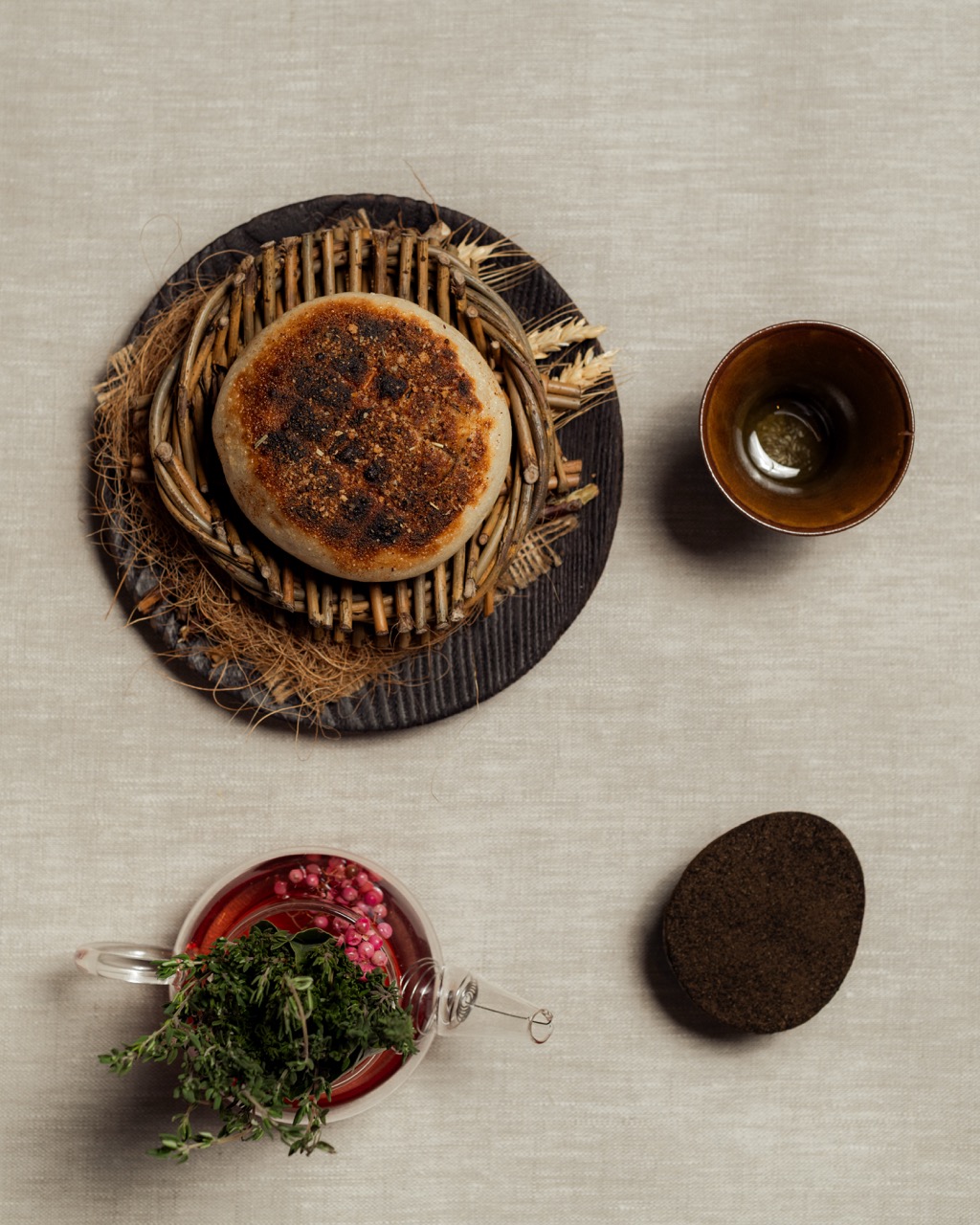
The bread course a.k.a the best course. ©IGNI.
Which chef has inspired you the most?
Adam (Byatt) taught me the most about cooking, and Tom Kemble taught me the most about produce. Ingredients are all about your network. I spend a long time finding suppliers, building relationships with them. For example, I get my fish from Sean Henderson. I’ve developed that relationship over 10 years, so I even know the fishermen he works with and what’s specifically coming off their boats. Or I’ve been down to Devon to meet the scallop-divers we source from.
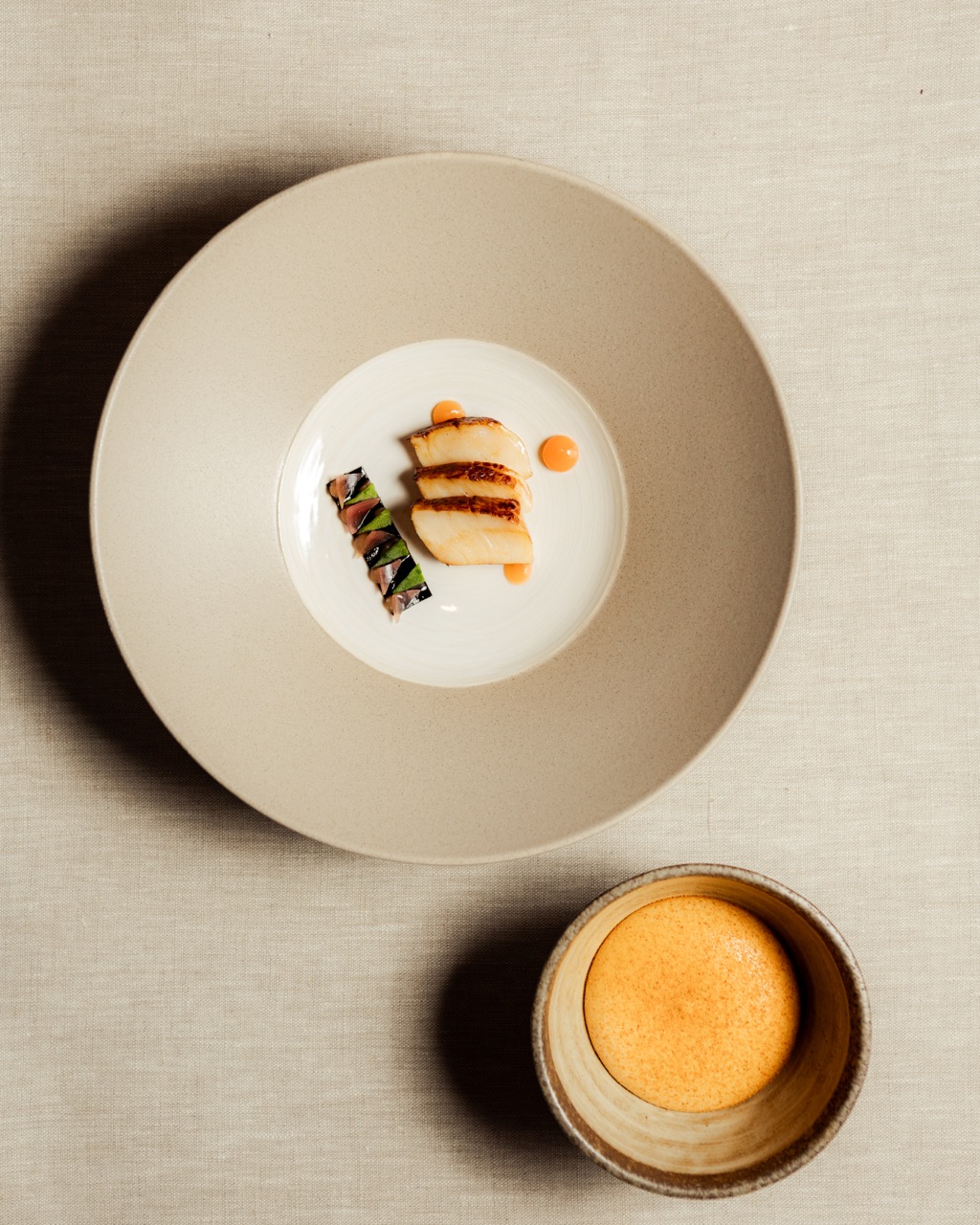
IGNI is hoping to win a Michelin star this year. ©IGNI.
You were a consultant as well as a chef. What was the most common mistake you would see in other people's kitchens?
People being given a job too quickly that they weren't quite ready for. Being a cook is very different to being a chef. You never get taught how to manage people. That's something a good mentor will teach you. Cooking is the easy part. Building the team and culture is really important. Gone are the days when you can scream at people.
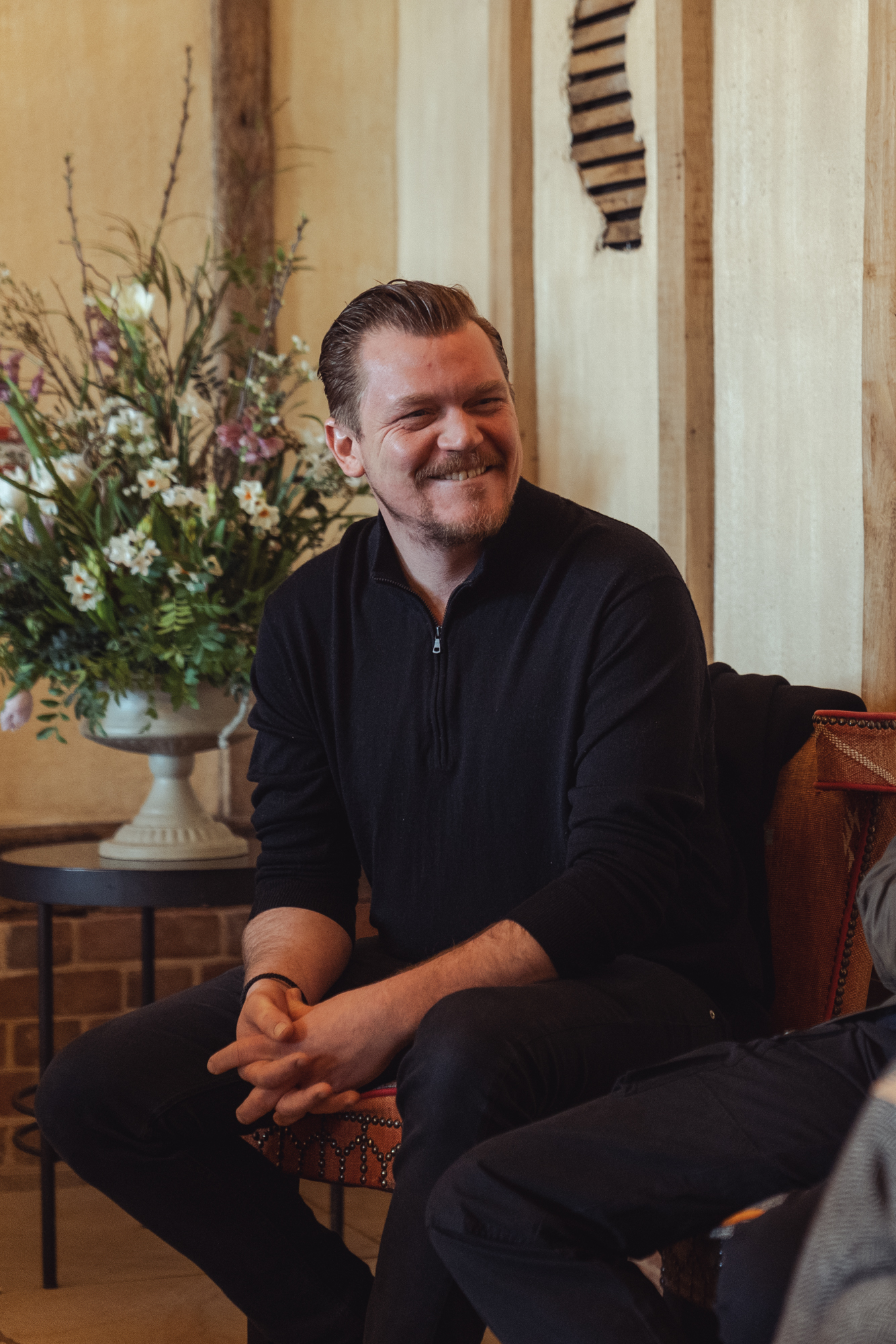
Two Michelin-starred chef, Alex Dilling.
What's the best meal you've eaten that wasn't your own cooking?
For fine dining, probably either The Ledbury or Alex Dilling when he was at The Greenhouse.
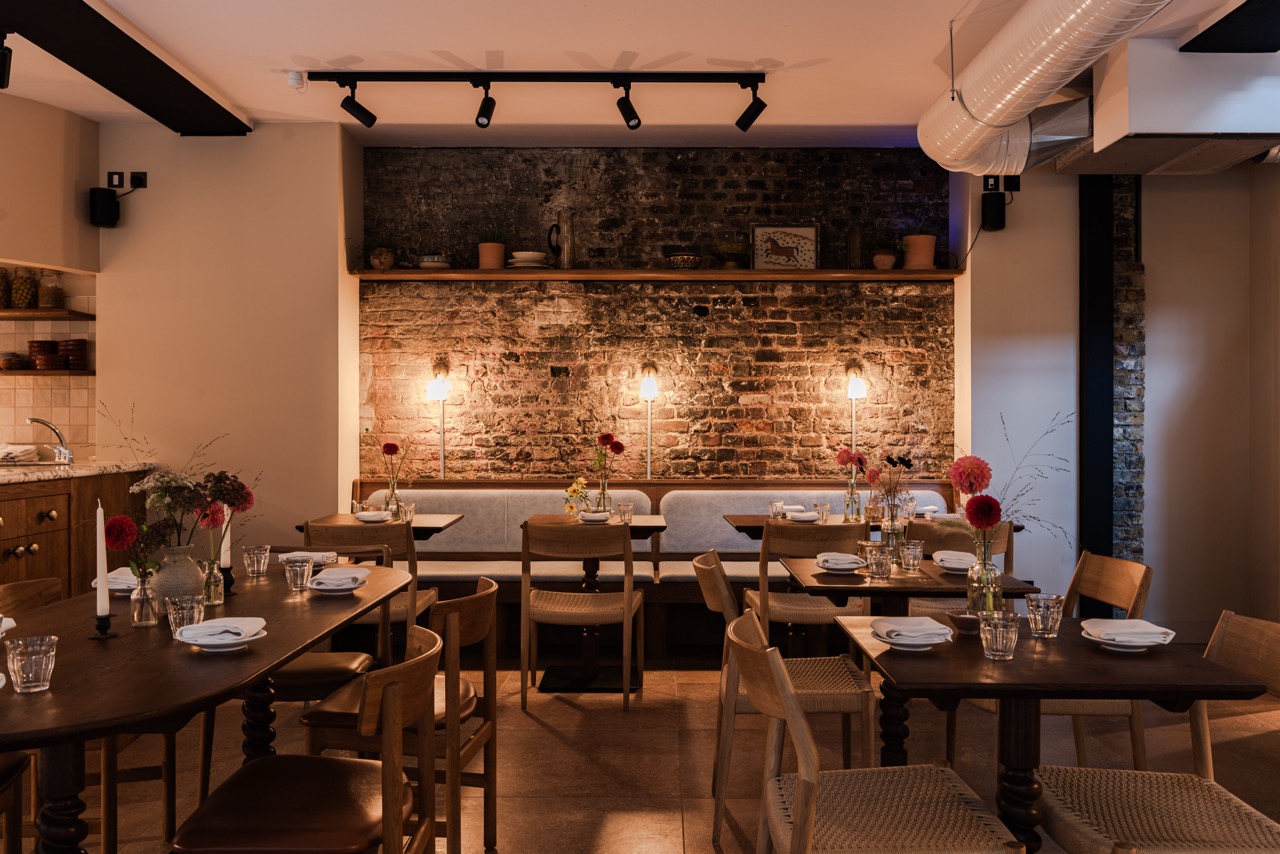
Wildflowers main restaurant. ©Rebecca Dickson.
Where do you like to eat on your night off?
I’ve been to Wildflowers a few times. I used to work with Aaron (Potter) at Trinity many moons ago. It’s a nice place to sit; there are no frills. It's delicious, the service is great, and the environment's lovely. Generally, I don’t get to eat out much.
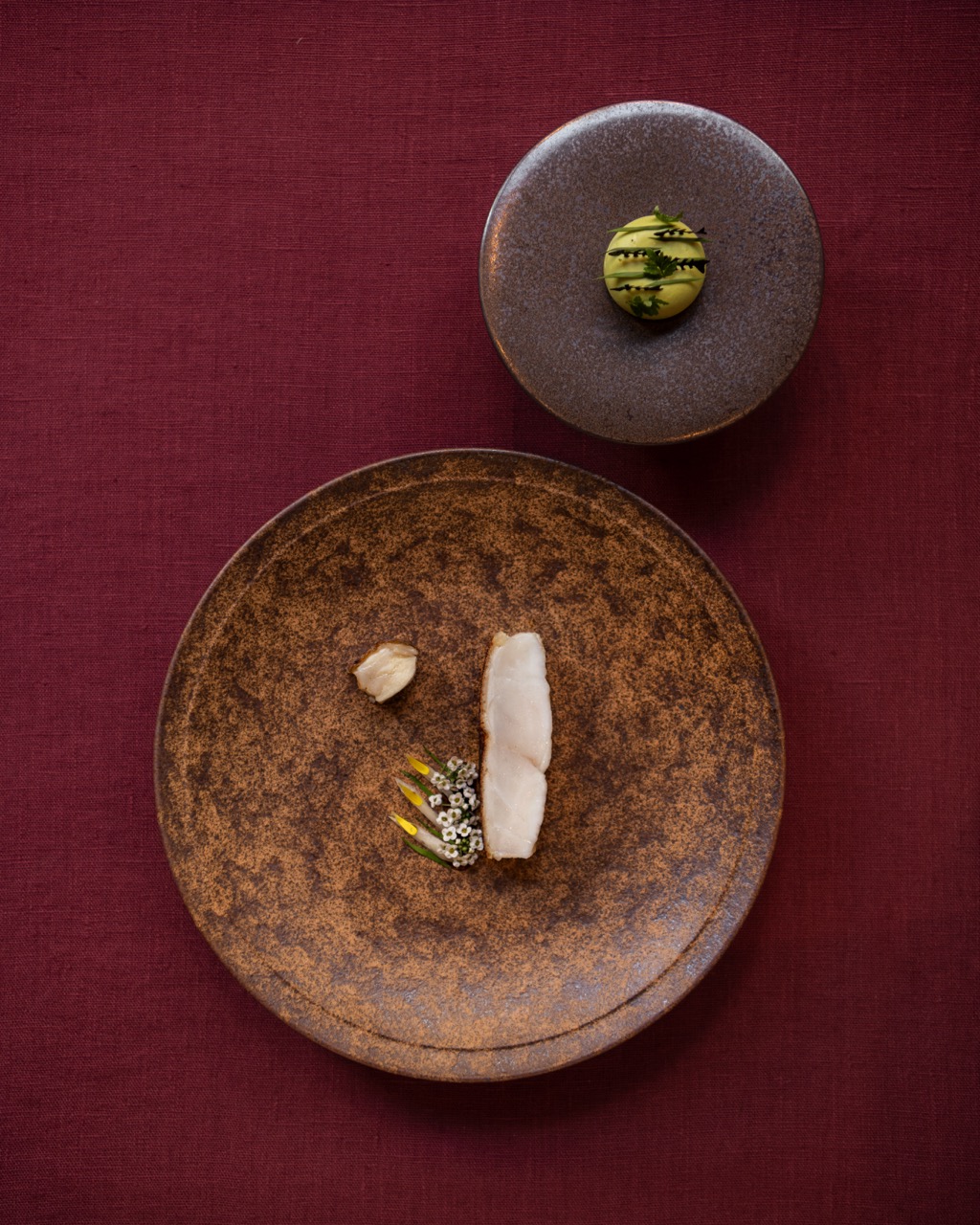
Beautiful plating at IGNI. ©IGNI.
What's the first thing you cook when you get home from the shift?
I don't eat when I get home. I want to go to bed. Generally, we tend to make poke bowls and nice salads. I think if you eat shit, you feel like shit. My wife is a dietitian – she normally keeps me on the straight and narrow – and she’s an amazing cook as well.
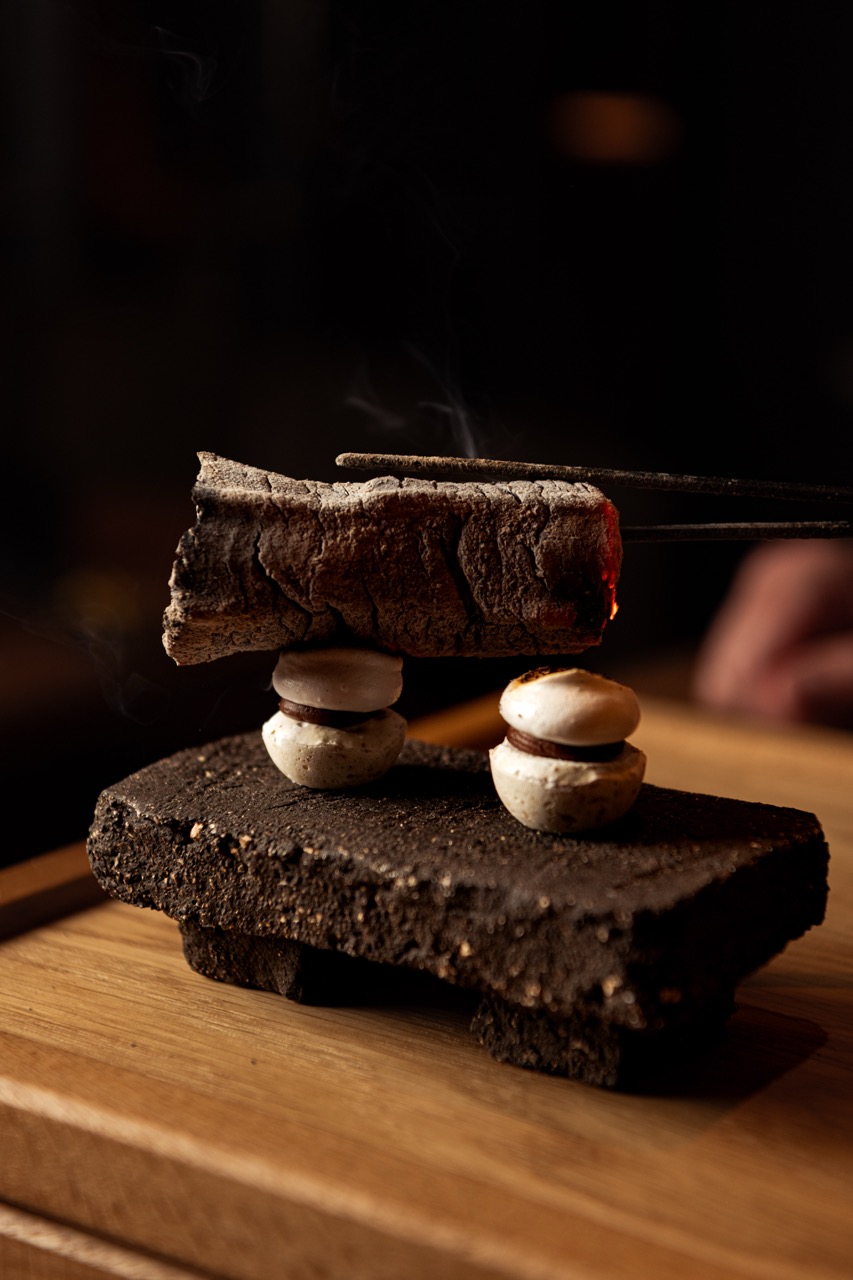
Coal-charring dishes. ©IGNI.
What's your favourite thing to do when you're not cooking?
Boxing. I love it. I go at 6:30 in the morning before work. It's great. The cardio is amazing; mentally it's brilliant. You don't think about anything else for an hour.
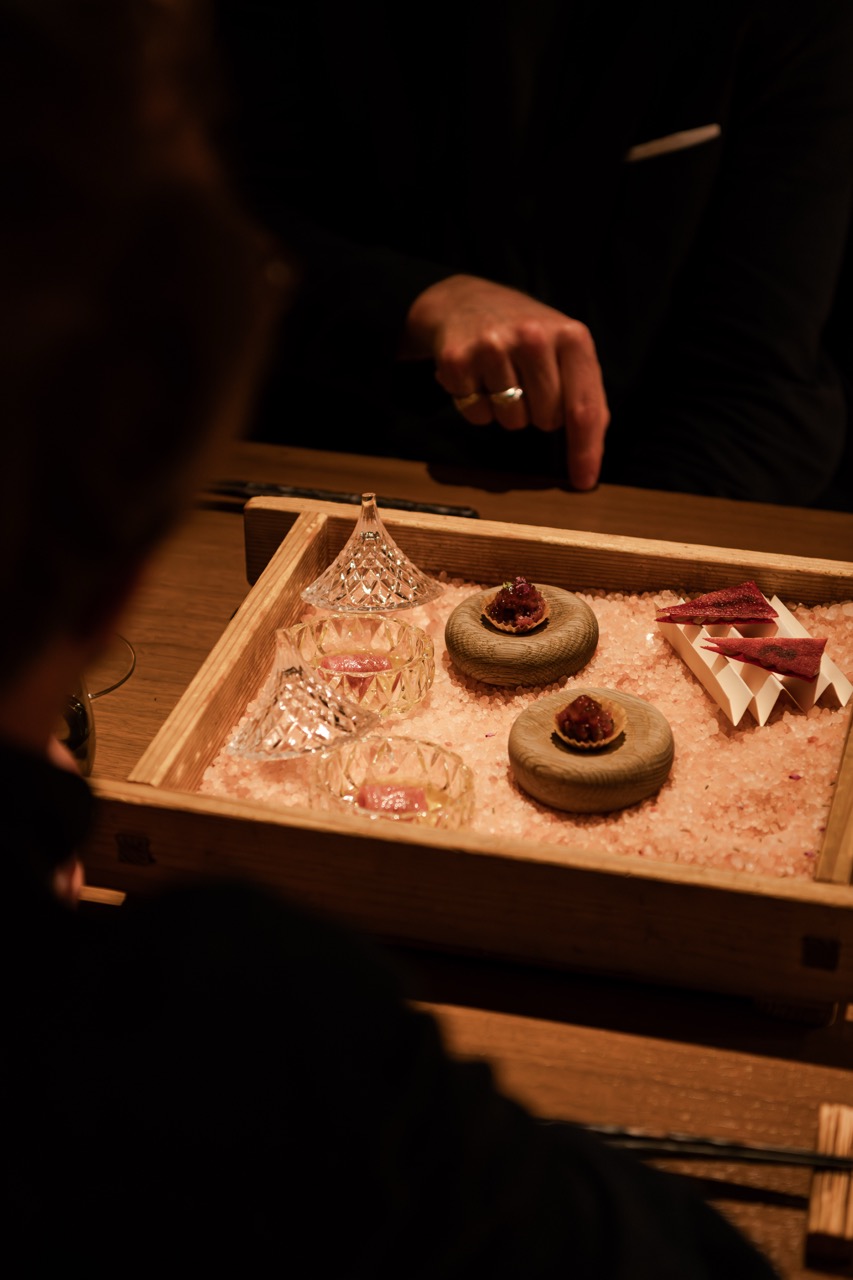
Everyone is treated the same at IGNI - from Michelin inspectors to Theo's mum. ©IGNI.
Where do you recommend people try in Brighton?
Maré by Rafael Cagali, which has just got a Michelin star. The Set Restaurant is good. Ferner as well. That’d be my top three.
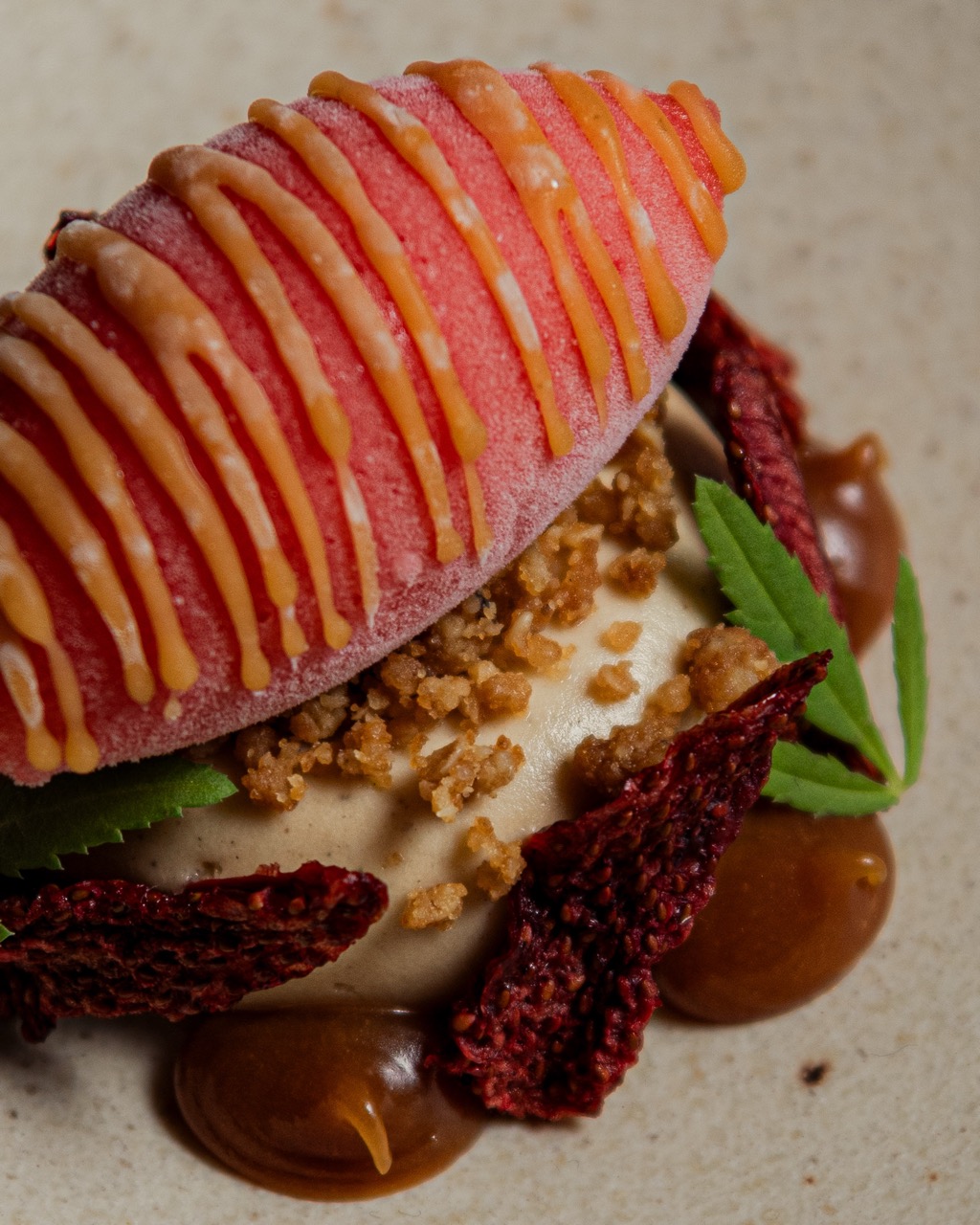
A close-up of one of the desserts. ©IGNI.
What’s your favourite and least favourite thing about the London dining scene?
My favourite thing is the variety of cuisine. You can get literally anything you want. My least favourite thing is the hype machine. Some places will get mega hype around them, and it’s not good. Like the chicken Caesar wrap from Czer blew up recently. It actually looks quite good, but I refuse to queue for a wrap.
Finish this sentence: luxury to me is…
Time!