5 Minutes with Hélène Darroze
Words by
Clara Taylor
21st July 2026
SPHERE spends five minutes with three Michelin-starred chef and real-life inspiration for Collette in Ratatouille, Hélène Darroze.
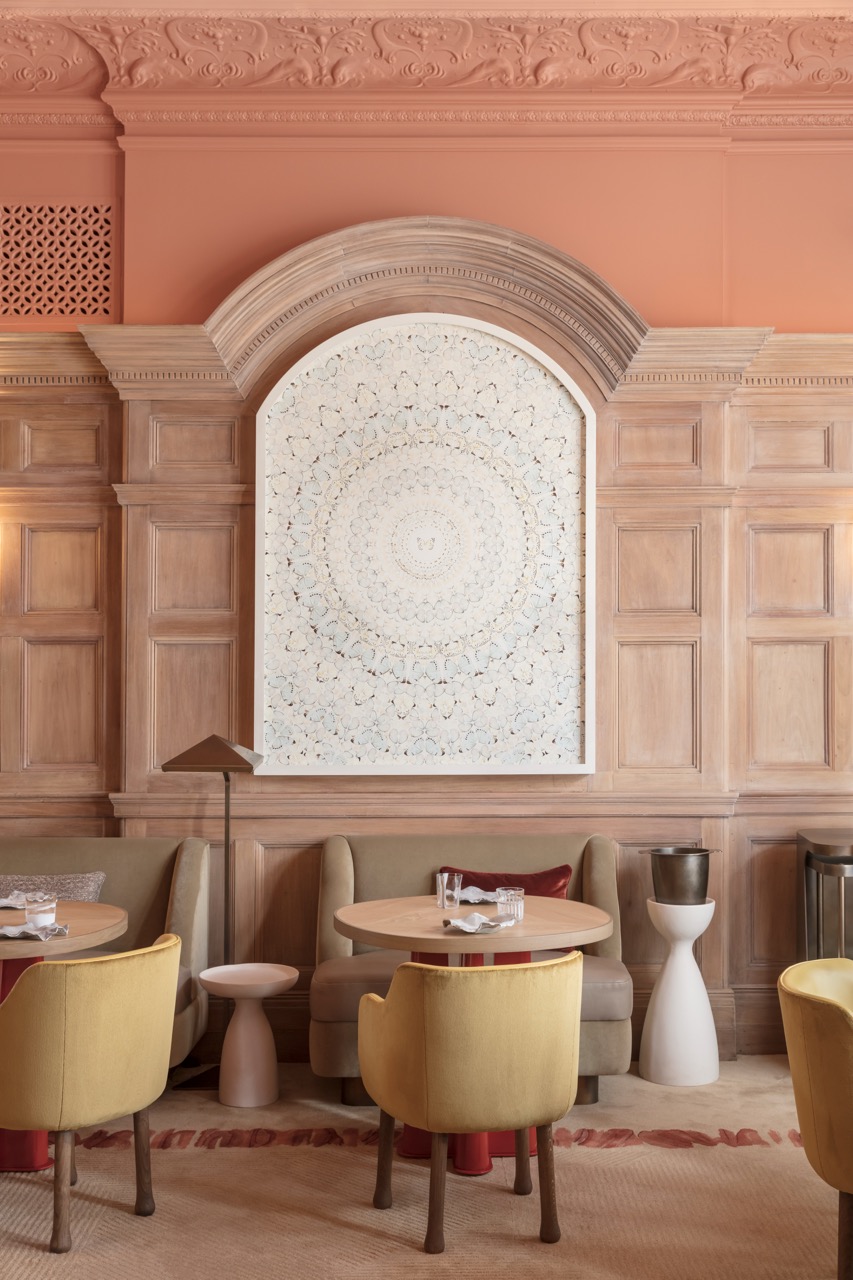
Hélène Darroze at The Connaught. ©Mayborne.
It was less about one specific dish and more about a philosophy – of being connected with the suppliers, the fishermen and grocers. My family had a farm close to the restaurant they owned, so I would always see where everything came from. I also had a desire to bring happiness through food. Cooking has always been synonymous with happiness for me.
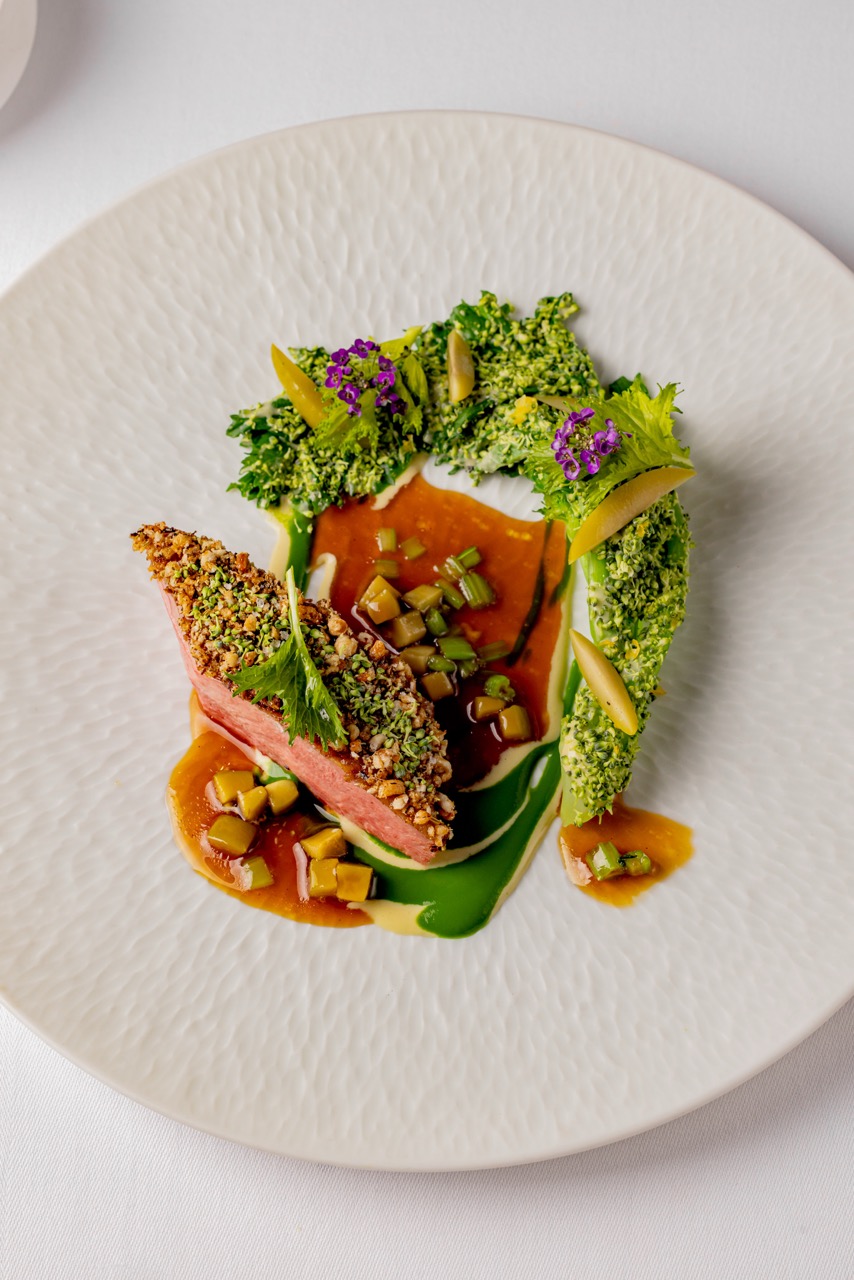
Hélène Darroze's artistic plating. Mayborne.
Did you always know you wanted to be a chef?
Not at all! When I was a teenager, there was this ridiculous notion that if you did well at school, you shouldn’t go on to work in a kitchen. Similarly, it also used to be the case that if you were a woman, you also wouldn’t work in a kitchen.
Were those preconceptions something that you ran into when you eventually became a chef?
Personally, I’ve never experienced sexism in the kitchen. I always managed to find my place and if I ever needed help – like lifting something that was too heavy for me – I could ask for it. Of course, I’ve spoken with other female chefs who unfortunately didn’t have the same experience as me, but I’ve never suffered as a result of being a woman and a chef.
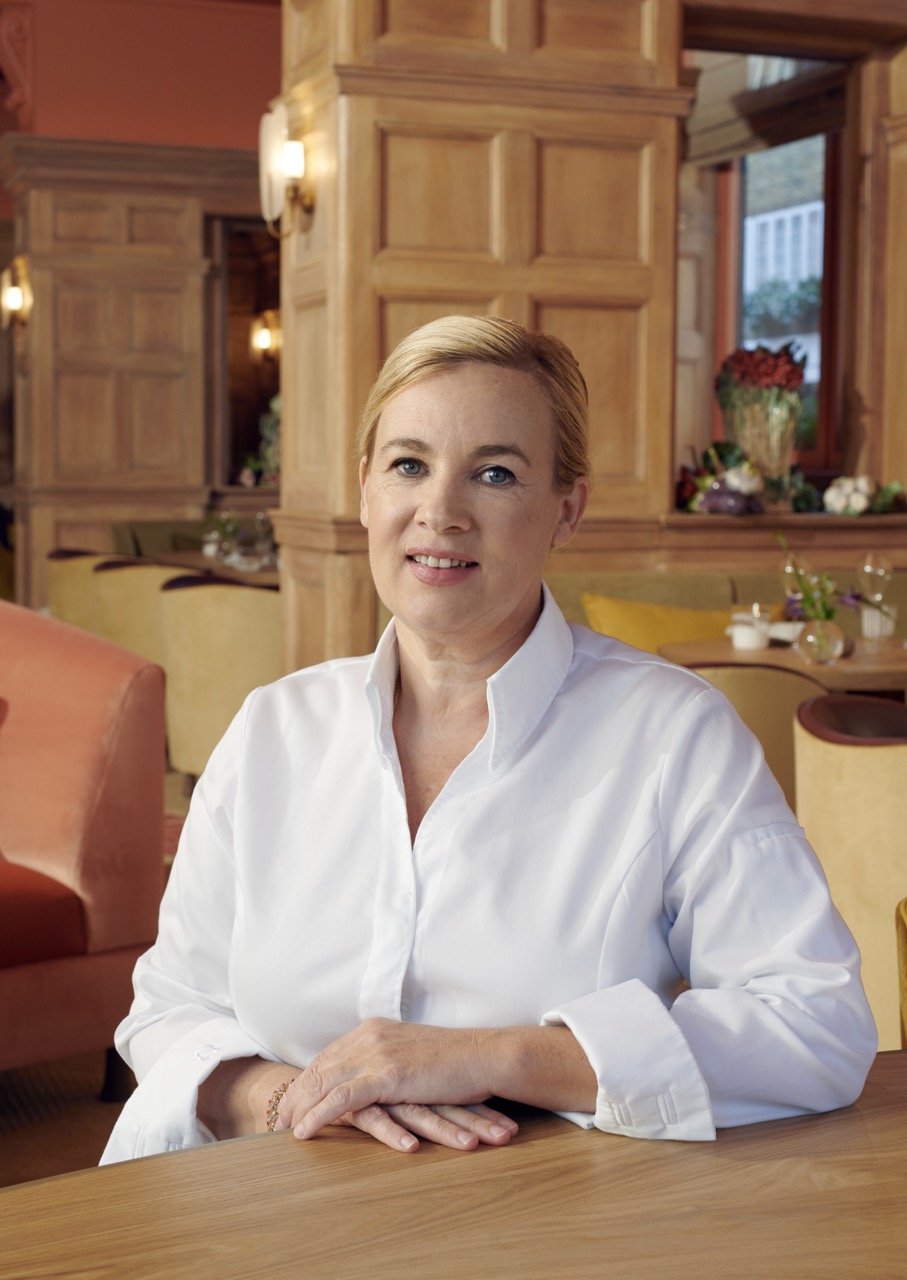
French three-Michelin-starred chef, Hélène Darroze. ©Mayborne.
Alain Ducasse convinced you to become a chef. How did that happen and what do you think he saw in you?
After I graduated from business school, I applied to work in the office at Alain Ducasse’s. He wanted me to better understand the work, so I spent three months in the kitchen learning the business. He could see that I had a good eye and tried to convince me to become a chef. Initially I said no because I hadn’t been to culinary school, but I trusted him so eventually agreed.
What’s the biggest thing you learnt during your time with Alain Ducasse?
Details! He always pays such attention to every single detail. No single component was more important than the other. And also to question everything, every day. What can you be doing better?
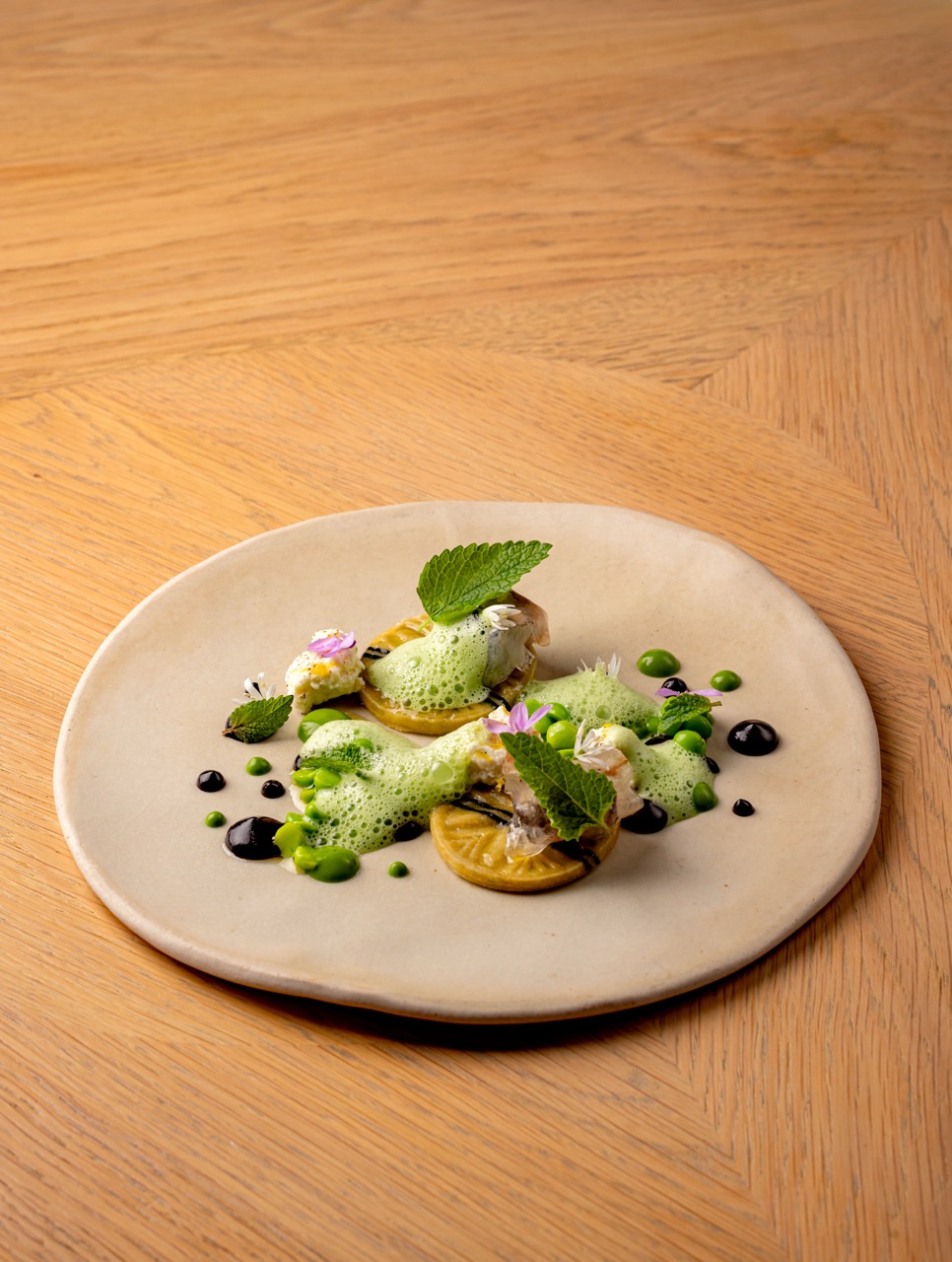
Hélène's spring fine-dining. ©Mayborne.
When you first opened Hélène Darroze at the Connaught, you received some pretty unflattering reviews, from Jay Rayner for example. Have you forgiven him yet?
Yes, for sure! I think at the time everyone around me protected me from it, so I don’t really remember it.
How did the restaurant grow from that to become what it is today – a three Michelin-starred dining experience?
My philosophy is that I provide an experience for the guests and I’m here to please them. They will always be my most important critic. When I see them happy, I’m happy.
Secondly, everything at my restaurant is super honest and authentic. If I do my best and people still don’t like it, then I know there is nothing else I could have done.
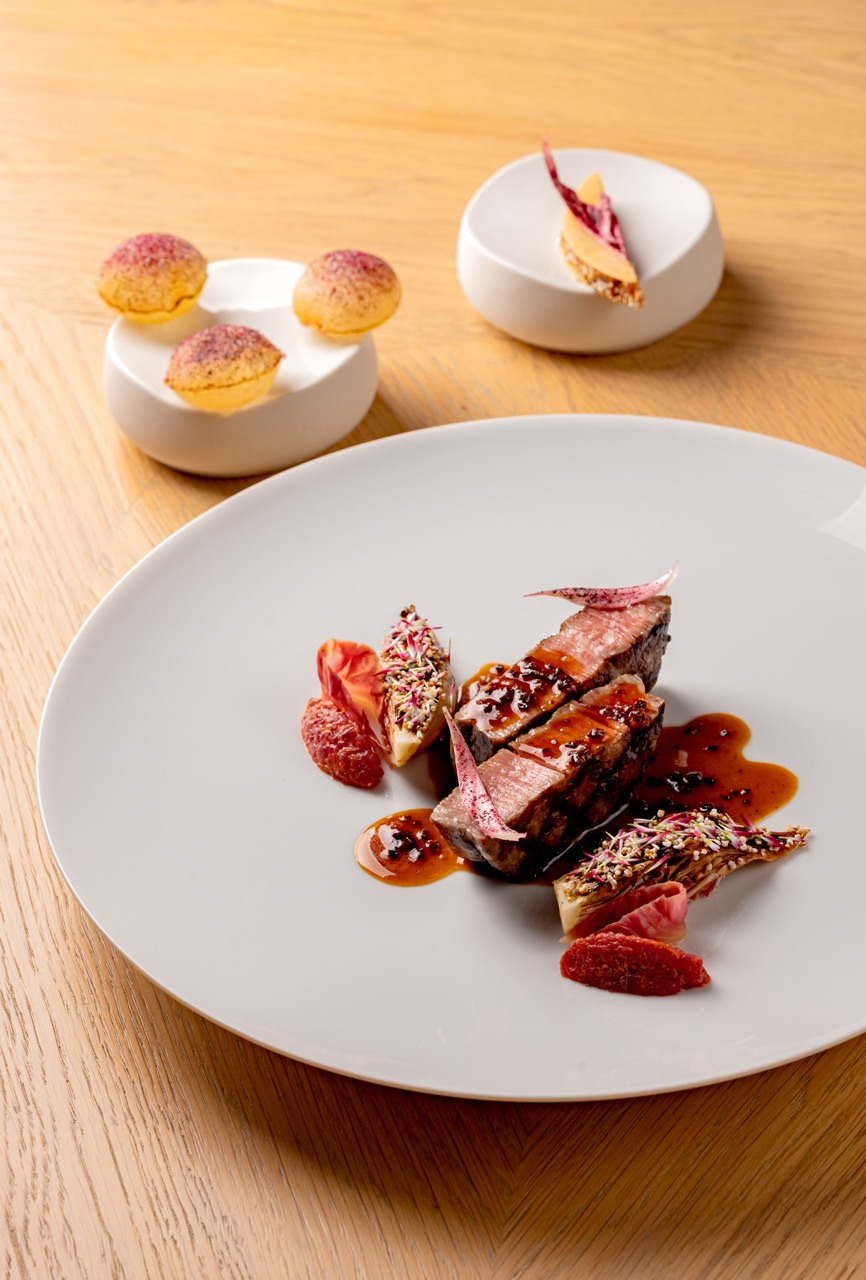
Hélène Darroze at The Connaught's spring tasting menu.
Do you think it's that philosophy which helped you get three Michelin stars?
I think so. I never woke up and thought, “How do I get three Michelin stars?” but I am always thinking about how I can improve, change things, create new experiences, and new dishes.
You have restaurants in Paris and Marrakech which have also been recognised by Michelin. How do you maintain your signature style whilst allowing each place to have its own distinct identity?
I always take inspiration from where I am – for example, in Paris, that’s the first restaurant, so it’s all about channelling my roots and my DNA. At The Connaught, there’s a level of sophistication, while also reflecting the eccentricity and freedom of London.
Describe your cooking in three words?
Respectful, generous and emotional.
What’s it like living at The Connaught?
It’s so special – it’s such an amazing hotel. I start work at about 9 am, though, and finish at around 11.30 pm, so sometimes I don’t even get to see daylight. I do miss getting a feel for and walking around the city.
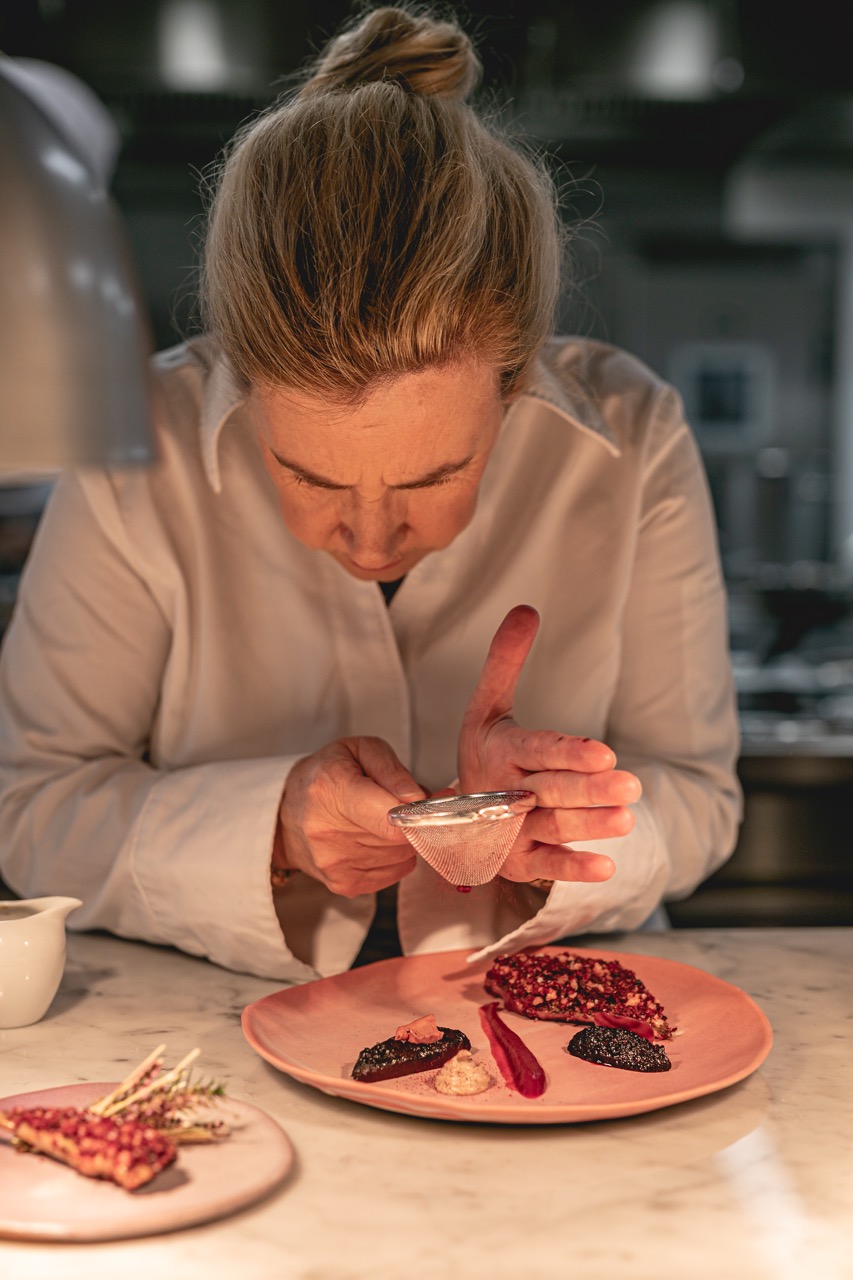
Hélène at work in the kitchen. ©Mayborne.
What’s your typical post-service meal?
It depends on the season. Right now, in the summer, I typically have a tomato salad or something very simple. In the winter, it’ll be a soup or a plate of cheese and really good bread. I also love pasta, so every September I’ll use all the seasonal tomatoes to make a simple sauce to keep in the freezer.
You like to cook in as quiet conditions as possible. How does that work in a busy kitchen?
I joke with my team that they need to speak with their eyes! 100 per cent silence obviously isn’t feasible, so I try and get everyone to only say what is necessary – they also need to concentrate.
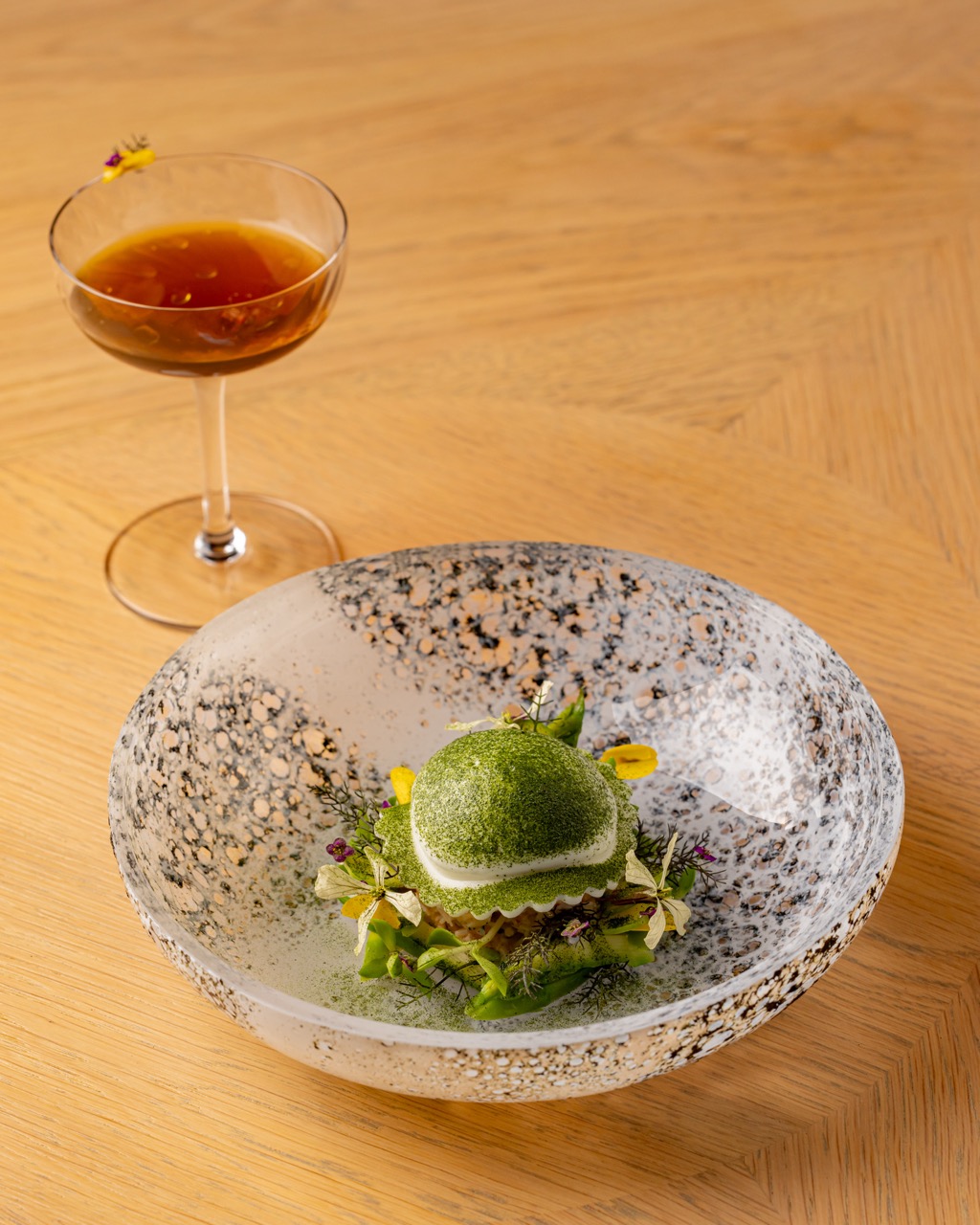
The food at The Connaught has been inspired by the freedom and eccentricity of London. ©Mayborne.
You were the real-life inspiration for Colette in Pixar’s Ratatouille. How did you feel about the portrayal?
I’m always asked about Colette! Pixar originally approached us, and at the time, it wasn’t as big as it is today. My assistant really wanted me to do it because she loved Cars, but I wasn’t super excited when they told me it was a story about a rat in a kitchen. She managed to convince me, and they were super discreet when they shadowed me in the kitchen, watching me cook and seeing how I managed everything. The film didn’t come out for another two years, but I had no idea how big it was going to be. Now it follows me every day.
London's dining scene is getting a lot of attention internationally. How do you compare it to Paris as someone who lives between the two?
I was really surprised by the London scene when I first arrived – it was much more interesting than Paris. At the time, Paris was very focused on just French food, whereas London was much more eclectic and international – you could easily find the best Chinese, Vietnamese, and Mexican food, even 18 years ago. Paris in recent years has opened itself up much more and I think it’s more like London in terms of diversity of food.
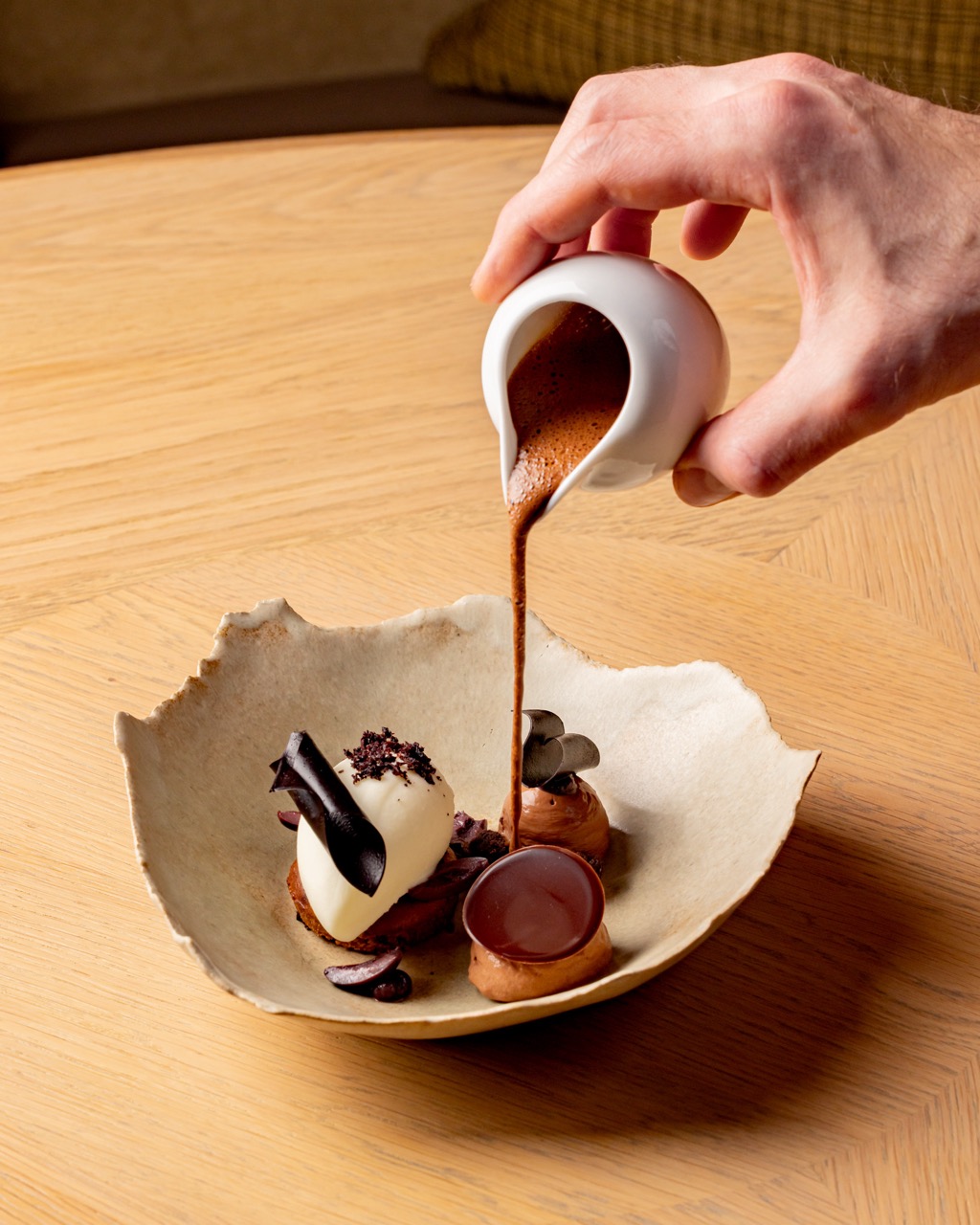
One of the spring desserts. ©Mayborne.
Are there any new openings in London that you're particularly excited about?
I don’t have a lot of time to eat out, but one of the best openings in the last few years was Kol. I also love Claude Bosi’s Josephine, which is really traditional French cuisine.
Finish this sentence: Luxury to me is…
Exclusivity…adapted to who you have in front of you. It’s about delivering a bespoke experience.