For a quintessentially French brand, albeit one with a global following, Louis Vuitton is embracing an entirely different culture for its Spring/Summer 2026 Men’s Collection, designed by Pharrell Williams. The colour palette, rich in burgundy and orange alongside dusty pastels and aged nuances of white, plus its soft, larger-than-life silhouettes, is inspired by the culture of the fastest-growing and most exciting player in the luxury market. With its ancient traditions of design, colour, craftsmanship and textiles overlaid by a larger and rapidly expanding army of consumers, India has suddenly become a focus point for global luxury houses.
India's Booming Luxury Industry
Words by
Simon Brooke
20th July 2026
The global luxury industry is turning its gaze to India, drawn by its rich culture and design traditions and a rapidly growing cohort of wealthy consumers.
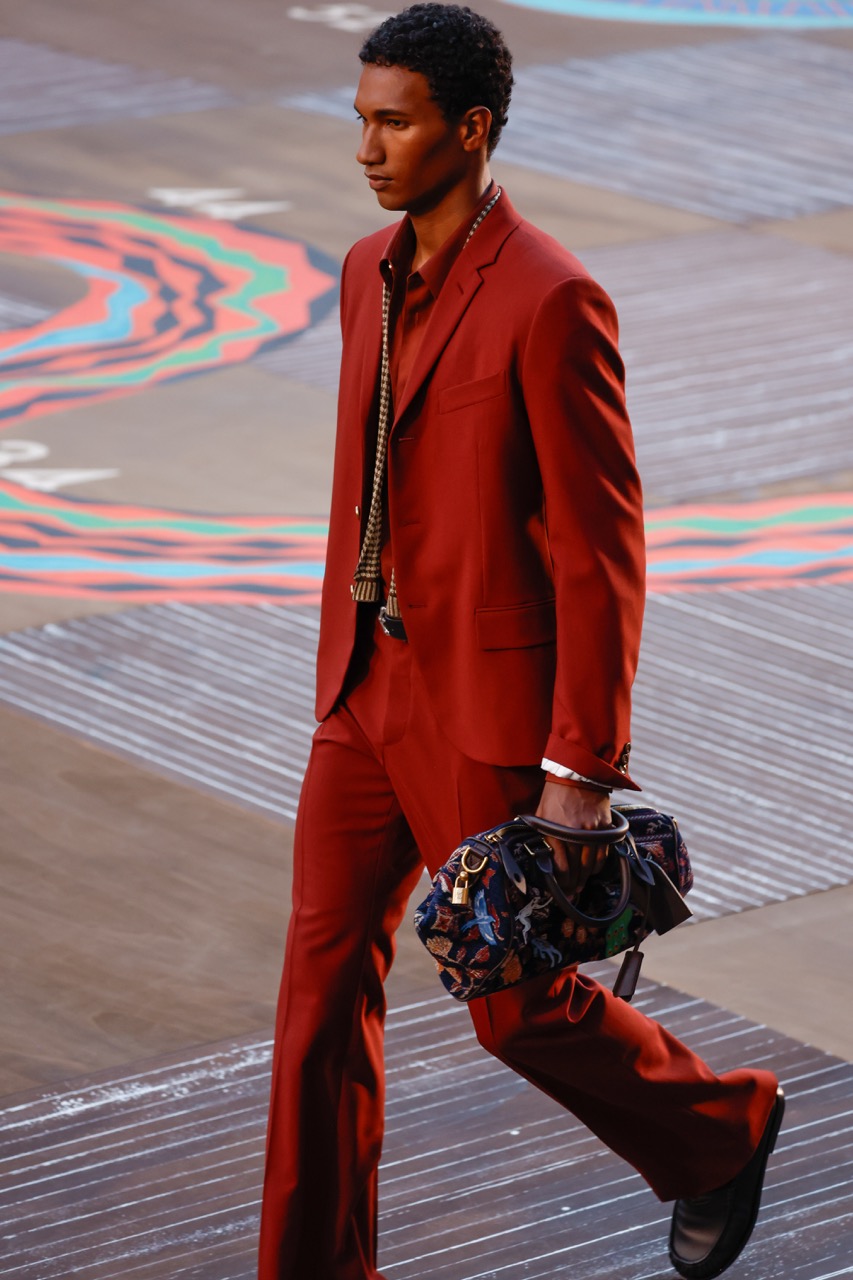
Pharrell Williams, designer of the Louis Vuitton Spring/Summer 2026 Men’s Collection, was inspired by India. ©Louis Vuitton.
“The Louis Vuitton Spring/Summer 2026 Men’s Collection illuminates the influence of modern Indian sartorialism on the global contemporary wardrobe and reflects it in the dandyism at the core of the Studio Homme,” states the maison. With the Centre Pompidou as its backdrop, the show was envisioned by Pharrell Williams and designed by architect Bijoy Jain of Studio Mumbai, whose fusion of Indian tradition and modernity draws on the relationship between humans and nature.
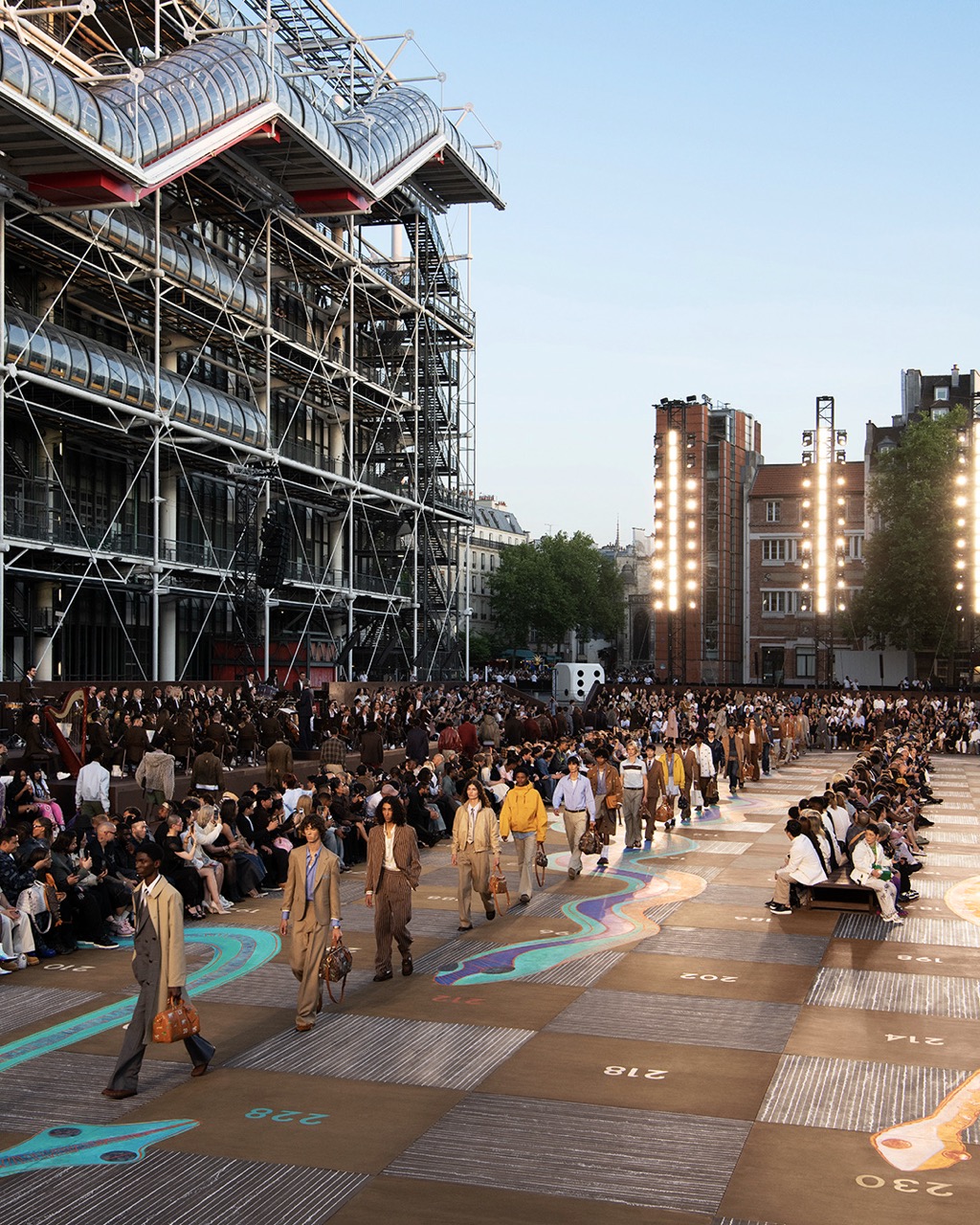
Louis Vuitton Men's SS26 Spring Summer Show Finale. ©Louis Vuitton.
Meanwhile, Bentley has recently announced that actor and producer Priyanka Chopra Jonas will be its latest brand ambassador. The new campaign includes a film in which the star of numerous hit movies, a New York Times best-selling author and UNICEF Goodwill Ambassador, speaks candidly about her life, career and creative outlook.
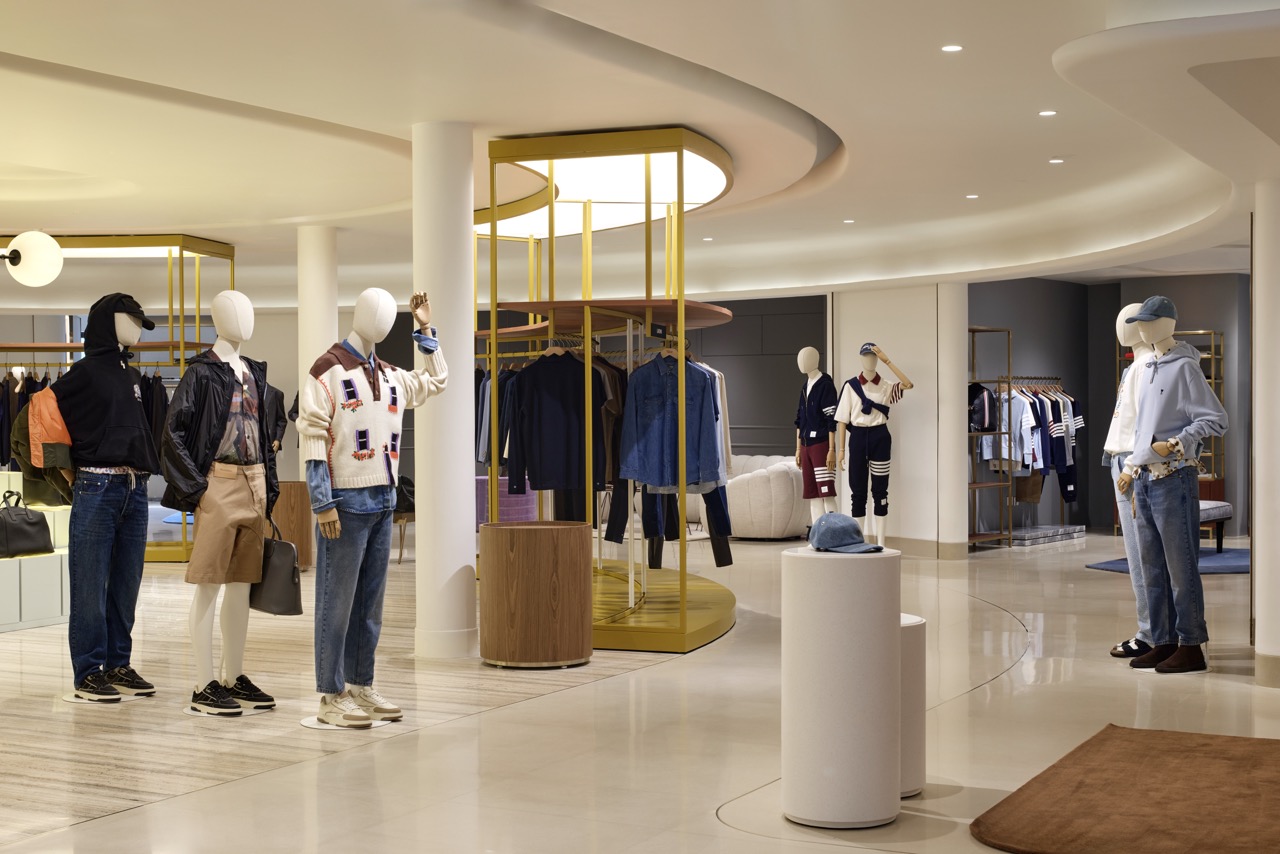
Galeries Lafayette’s first Indian flagship in Mumbai. ©Galerie Lafayette.
French luxury department store Galeries Lafayette is set to open its first flagship outlet in India. “With Mumbai as our anchor point, we are proud to introduce an experience that brings together French heritage, creativity and innovation, while embracing the energy and cultural richness of India,” says Nicolas Houzé, executive chairman of Galeries Lafayette Group. “This flagship will stand as a symbol of our ambition to make the French Art of Living shine on the global stage.”
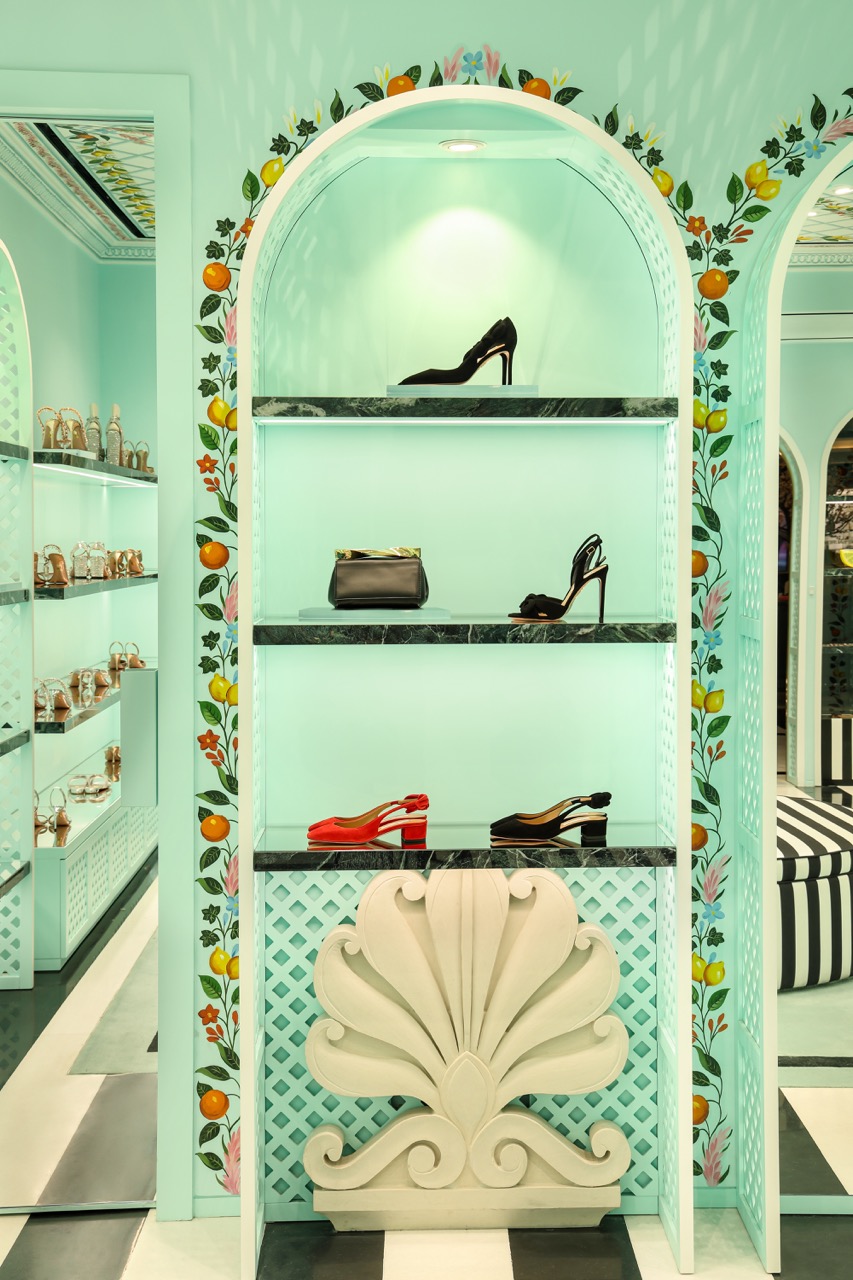
Aquazzura’s “fairy-tale” shoe garden in its New Delhi store and a Tequila Clutch in Daisy Light Gold. ©Aquazzura.
Aquazzura, known for its vertiginous heels and Italian opulence, and beloved of Meghan Markle and Amal Clooney among others, recently opened in Delhi, its first Indian outlet. The store interior is the work of Jaipur-based Dutch designer Marie-Anne Oudejans, with an aim to create “an indoor shoe garden… a fairy-tale world.”
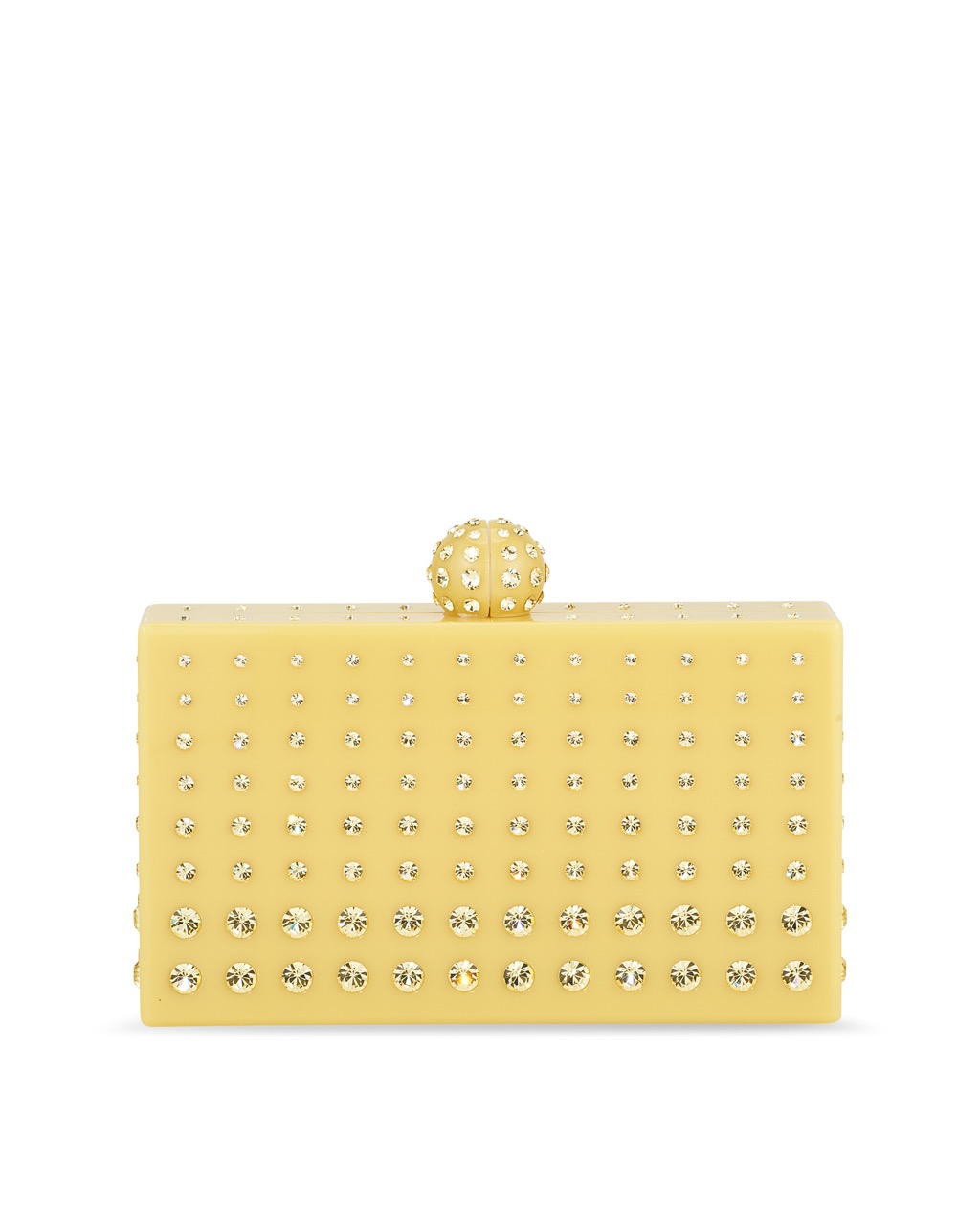
Aquazzura SS26 Tequila Clutch in daisy light gold. ©Aquazzura.
According to Euromonitor International, India’s luxury goods market was projected to grow to $12.1 billion last year, with a compound annual growth rate (CAGR) of 74 per cent over the next five years – making it one of the world’s fastest-growing luxury regions. Over recent years, European luxury houses, including Stella McCartney, Prada and Burberry, have opened retail branches and developed operations across the country. Last year, Chanel named Hindi film star Ananya Panday as its brand ambassador for India, while another screen actor, Deepika Padukone, became the first Indian star to act as a jury member for the LVMH Prize final.
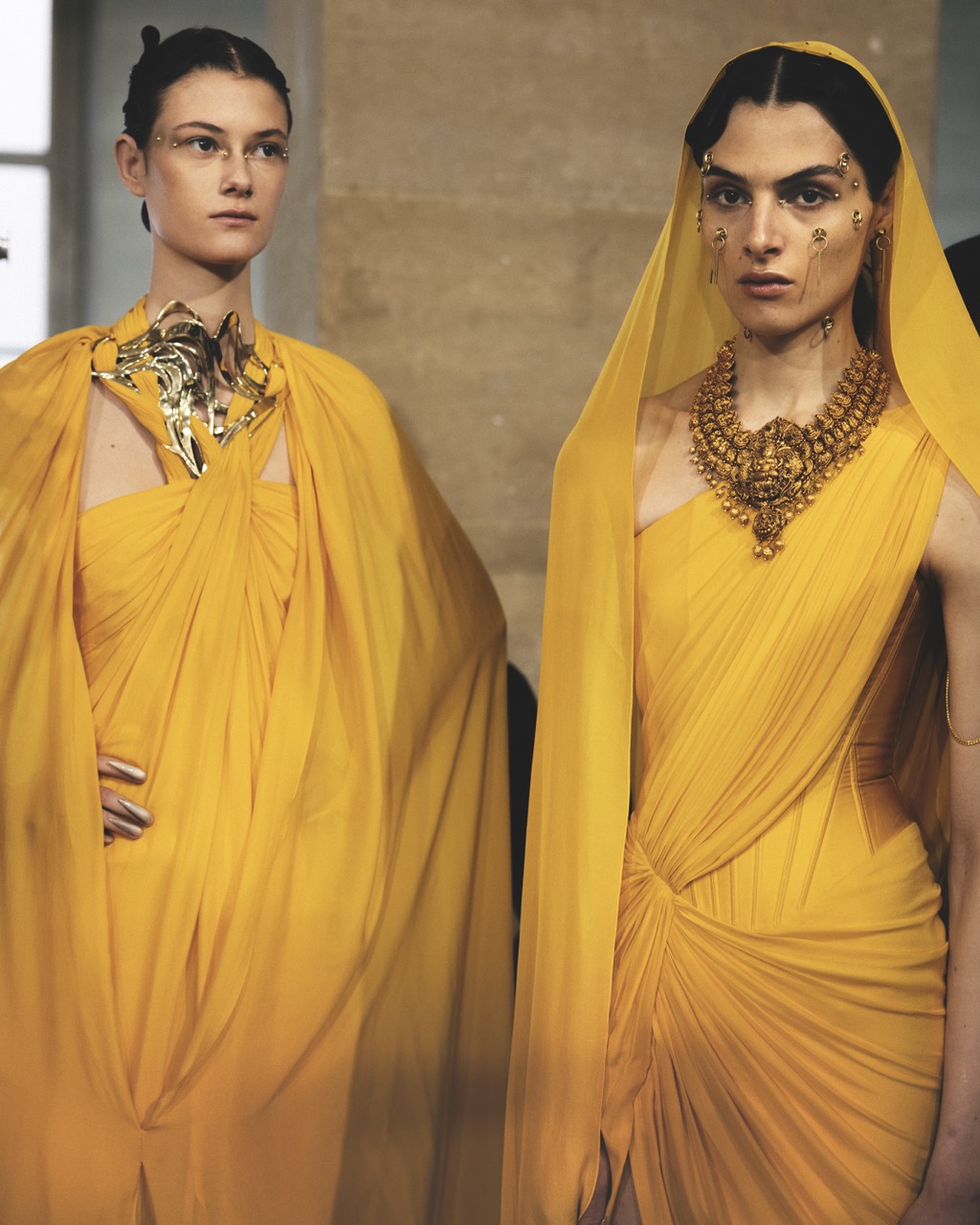
Gaurav Gupta marries classic European elegance with Indian tradition.
“Hermès is succeeding in India because it has expanded carefully but visibly – opening a larger store in Mumbai’s Jio World Plaza, alongside its presence in Delhi – while maintaining scarcity in core products like Birkin and Kelly bags,” says Jai Mallick, managing director of the Indian branch of Intralink, a business development consultancy that helps companies expand in overseas markets. Dior is also doing well, he believes. “Their 2023 ‘Mumbai Voyage’ show at the Gateway of India, a celebration of India’s crafts and artisans, was seen as a watershed moment, showing how a European fashion house could honour Indian craft while speaking a global luxury language.”
India’s luxury experience differs from that of Europe, the US and China, according to Abhay Gupta, founder and chair of consultancy Luxury Connect and the Luxury Connect Business School. “Each of these markets has followed a different trajectory: Europe is heritage-led, China scaled luxury through rapid consumption and brand adoption, while the US blends aspiration with lifestyle and accessibility,” he says. “India is unique because it is attempting to build a luxury culture while simultaneously consuming it. It’s one of the few markets where ancient craft traditions coexist with modern consumption, and where global brands and local identities are negotiating space in real time.”
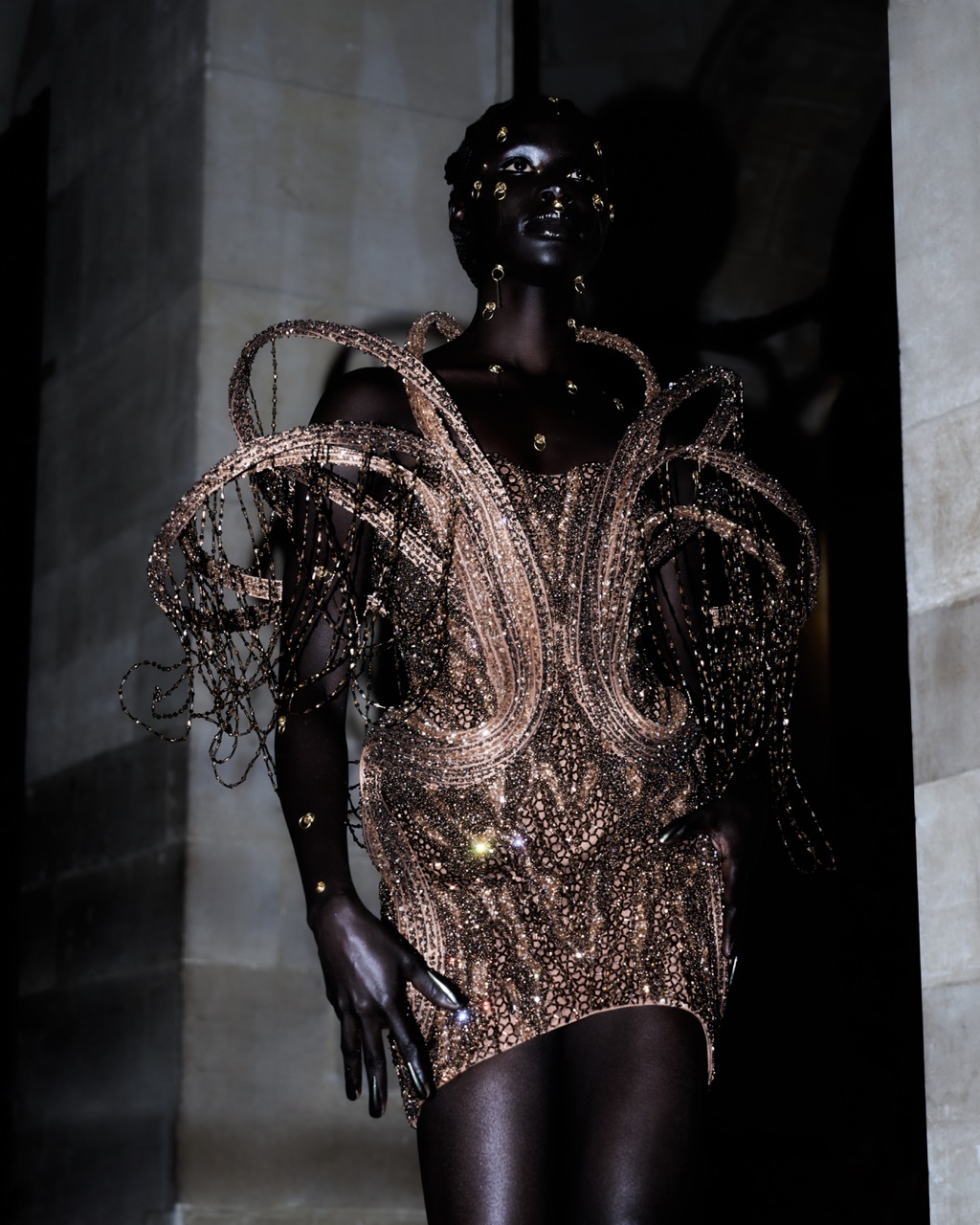
Gaurav Gupta showed at Paris Fashion Week earlier this year.
The European maisons are being joined by a new generation of home-grown Indian luxury brands. Gaurav Gupta’s gowns, for instance, blend classic European elegance with Indian traditions. “Divine Androgyne,” his Spring/Summer 2026 couture collection, draws on an Indian belief system in which creation arises from both masculine and feminine forces, as well as the human and the divine. Another designer, Manish Malhotra, is celebrated for his vibrant, glamorous, heavily embellished womenswear. “Indian luxury consumers want pieces that feel personal, that have a story, and are not mass-produced,” he explains. “There is also a strong emotional connection to what they buy, whether it’s for a wedding or everyday luxury. Today, Indian luxury stands very confidently alongside global brands. We have something very unique to offer – our craftsmanship, our textiles and history. European brands have their own legacy, and we have ours. My vision has always been to take Indian couture to the world.”
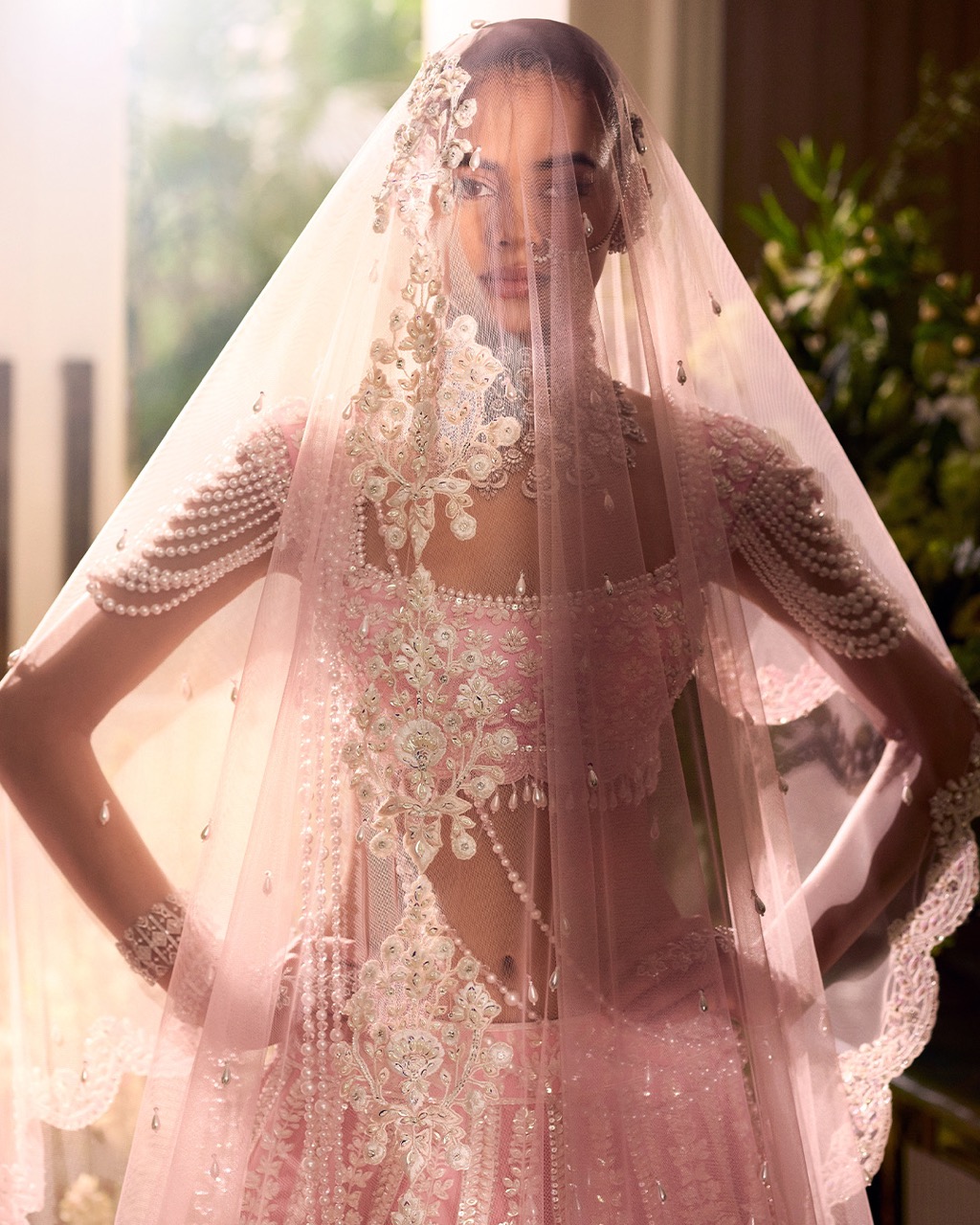
A heavily embellished bridal gown by Manish Malhotra.
In addition to ambassadors, European maisons are now partnering with exciting new Indian design talent. Visionary fashion designer Rimzim Dadu was one of a number of creatives commissioned by Cartier to create pieces to celebrate a century of its iconic Trinity collection. She says Indian luxury is “fundamentally different” from its European counterpart. “It’s deeply rooted, highly personal, and not always defined by brands. For many families, luxury is built on long-standing relationships – whether it’s with a family jeweller they’ve trusted for generations or master artisans they work with closely to create something truly bespoke.”
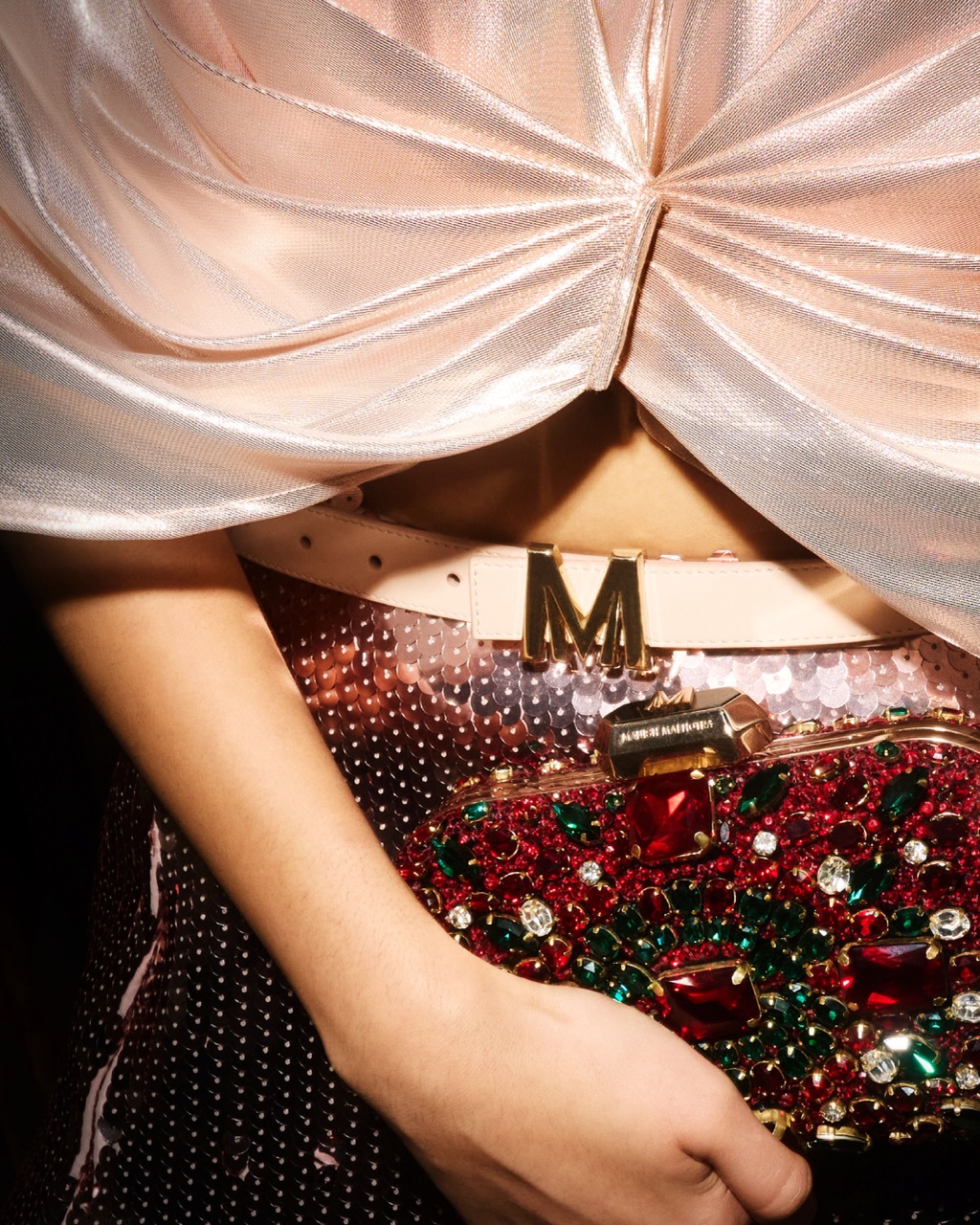
The MM logo shown on a belt detail.
However, there has been a generational shift in the luxury experience for many Indians. “Millennials who grew up in the 90s have seen India transform in real time,” Dadu notes. “This generation relied on friends and family abroad to bring back brands that simply weren’t available here – and not just luxury, but everyday labels. Now, within a single lifetime, that equation has flipped. The world is actively catering to the Indian market.”
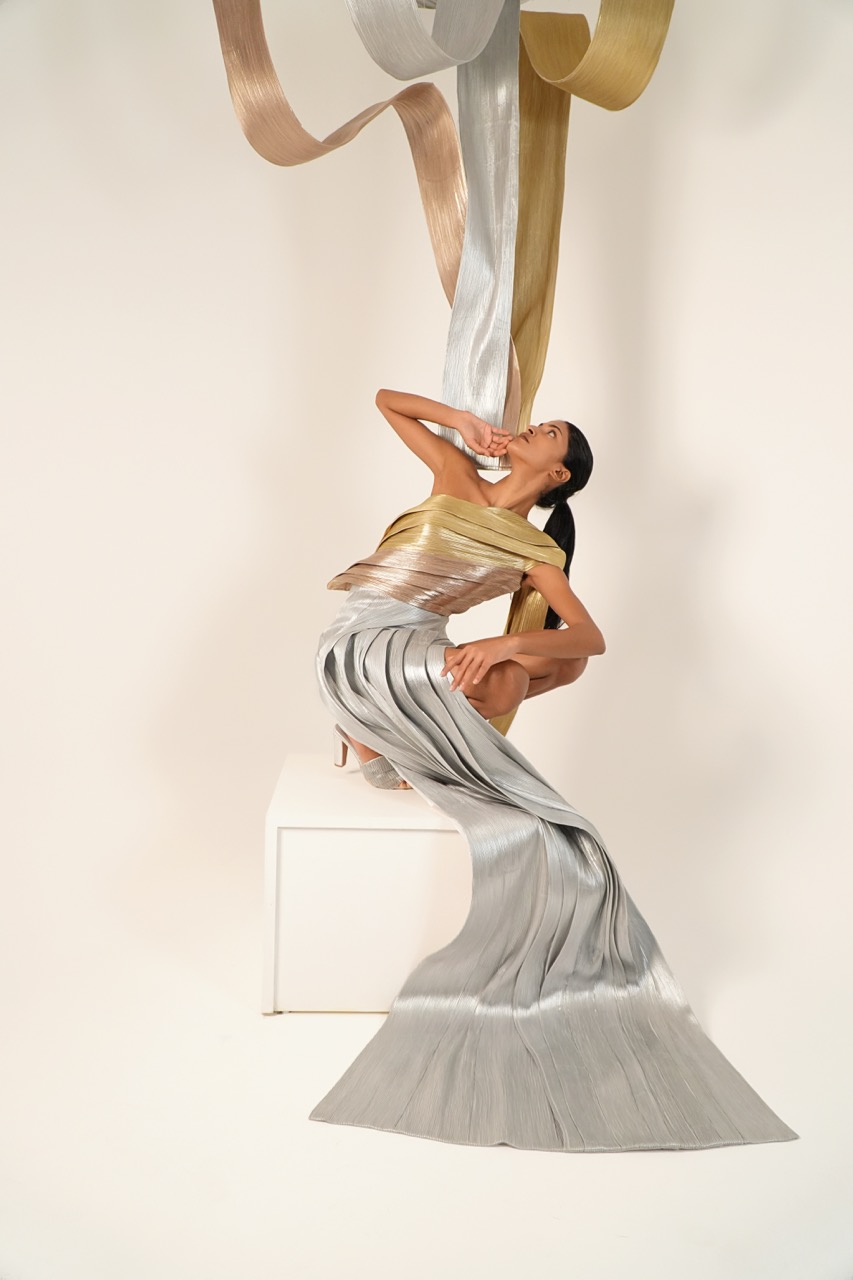
The dress/art piece by designer Rimzim Dadu created for the Cartier.
Zoya, celebrated for its delicate flowing lines and references to the natural world, combined with traditional artisanship, is another highly successful Indian high jewellery brand. Zoya’s collaboration with London-based jewellery designer Alice Cicolini includes hoops and necklaces crafted in 18-carat gold with traditional Rajasthani enamel. Alok Lodha is renowned for its use of rare gemstones, including Burmese rubies, Colombian emeralds and custom-cut tulip diamonds, complemented by exquisite craftsmanship. Based in Old Delhi, thanks to its growing international reputation as a homegrown Indian luxury brand, the atelier’s fans now include Eva Longoria and Amber Valletta, and it recently made its Cannes Film Festival debut.
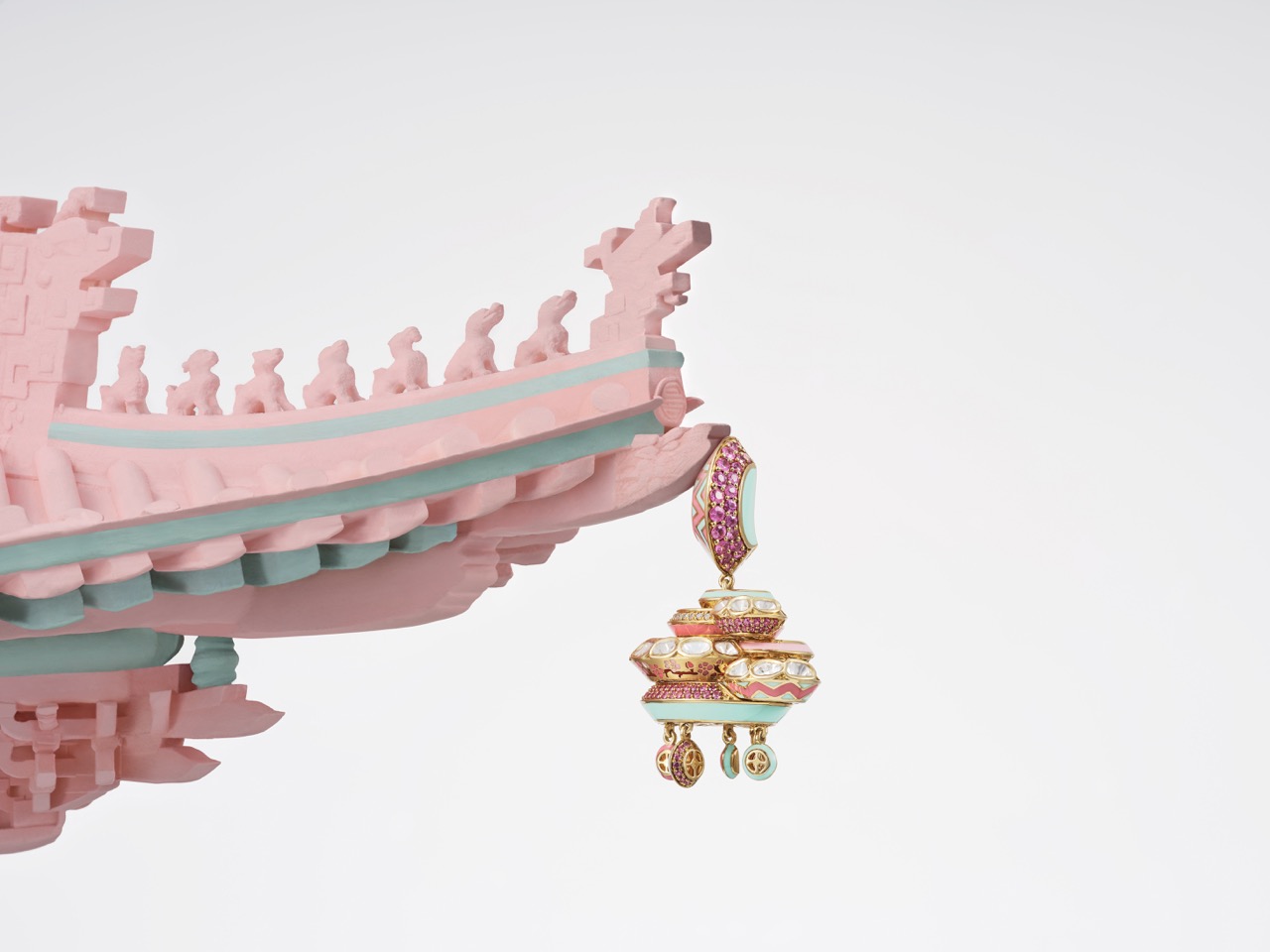
Zoya X Alice Cicolini jhumki earrings.
It would be wrong to suggest that luxury brands have anywhere near the penetration in India – where many of the population struggle to feed and house themselves – as they do in more mature markets. Their target market is very much wealthy individuals. This means there is no need to discount prices – something no maison likes to do – for reasons of both brand integrity and economics.
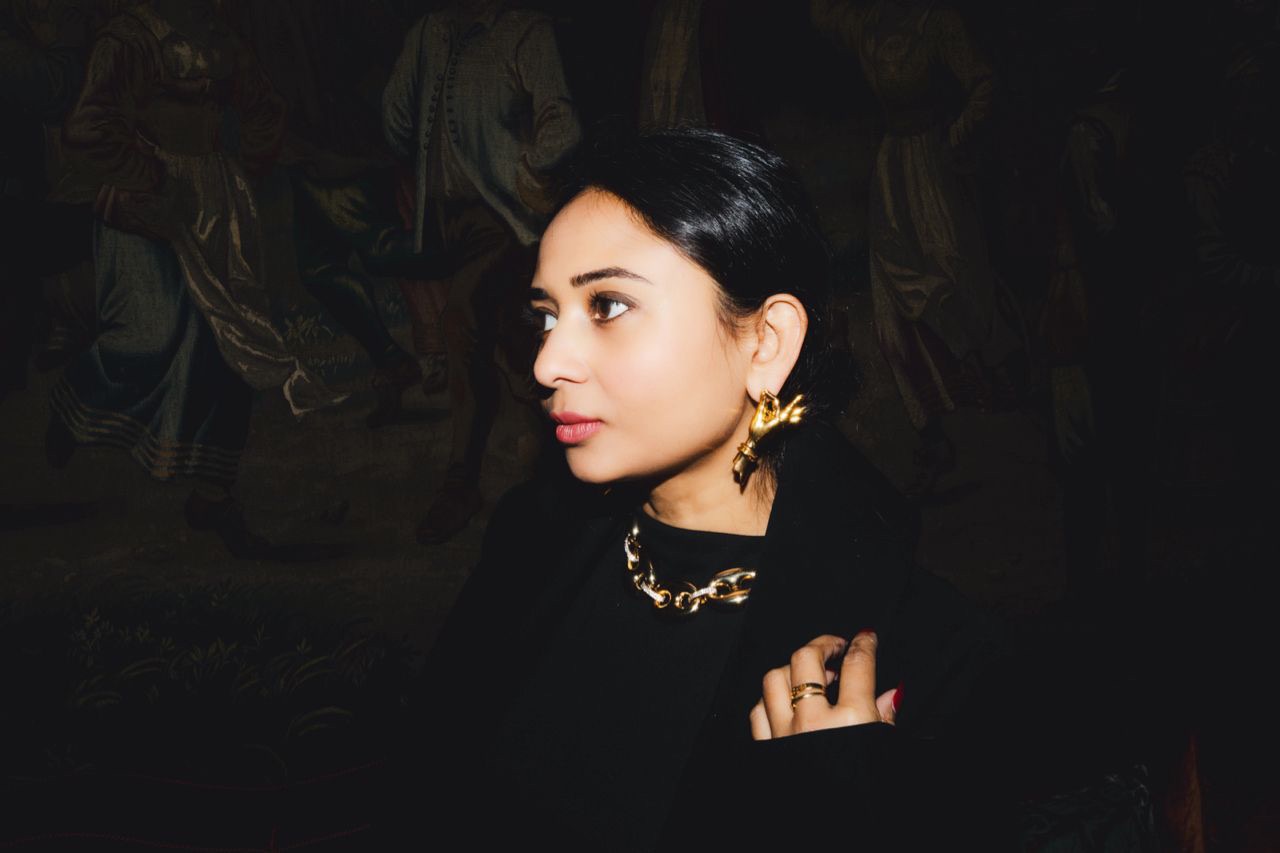
Hema Bose of Maison Bose. ©Gourab Ganguli.
Hema Bose, the founder of Maison Bose, an independent global luxury brand consultancy that has played a defining role in shaping how Indian luxury is positioned globally, says: “The future of luxury here will be increasingly experience-led – travel, hospitality, wellness and lifestyle will grow faster than pure product categories, but still anchored in value, legacy and meaning. At the same time, Indian brands will begin to play a far more important role globally. For a long time, India has been a consumer of global luxury. Now, it is steadily becoming a creator of it.”
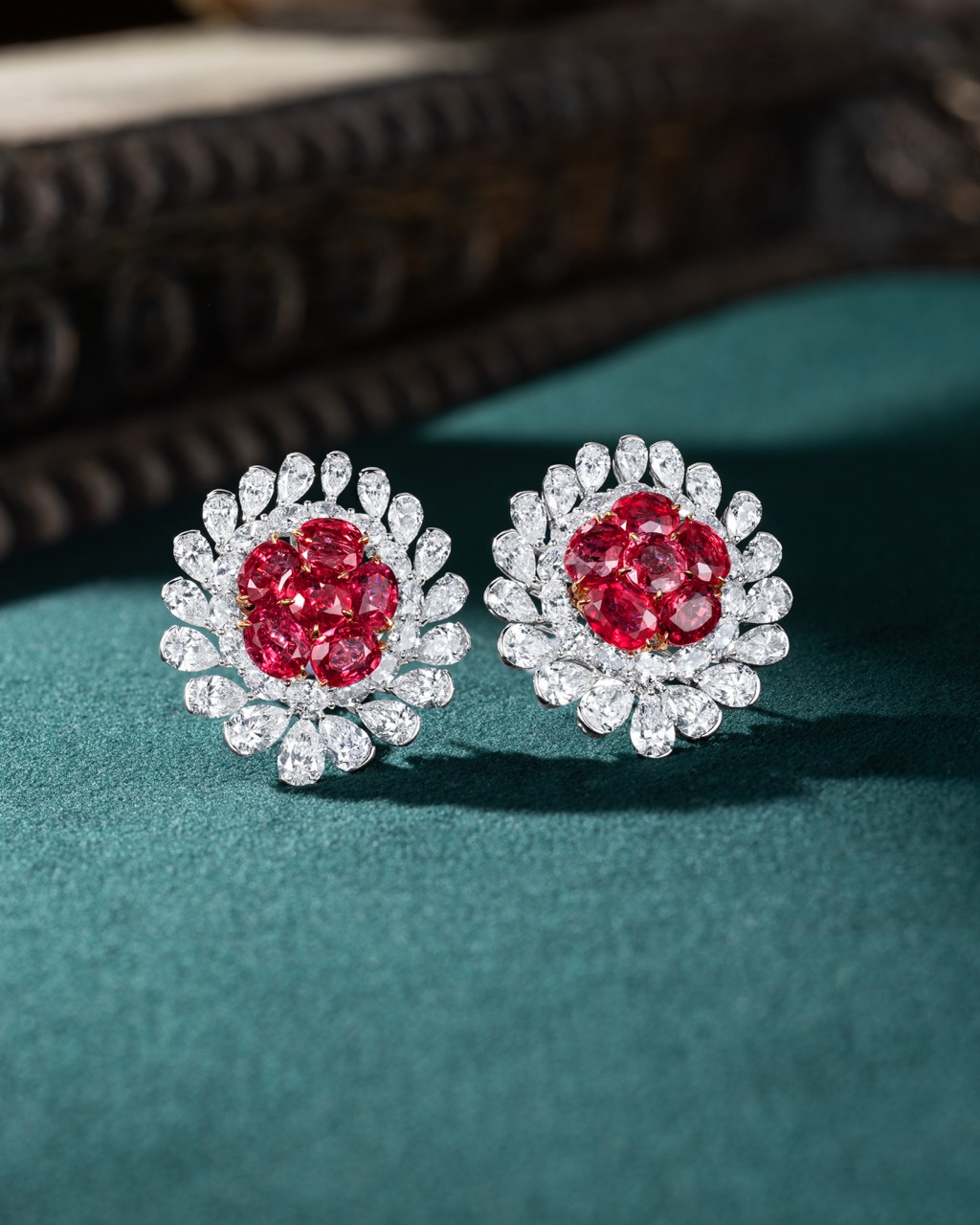
Earrings featuring signature Alok Lodha stones.
India is a country of superlatives, as well as enjoying a long and rich artistic culture. It’s little wonder that global luxury brands are increasingly excited about the nation’s huge potential. As designer Manish Malhotra puts it: “Taking Indian craftsmanship to an international audience continues to be a key focus. That process is still unfolding, and there is a lot more to build and explore – that evolution is what makes it exciting.”