When Taylor Swift got engaged to American football star Travis Kelce last year, it wasn’t just the announcement that broke the internet. The rectangular antique diamond glinting beautifully on her finger illuminated a major trend that had been quietly gathering force and was now in the full glare of consumer desire. The ring, an elongated cushion-cut stone set in a vintage style by American jeweller Kindred Lubeck, “accelerated interest in antique stones,” according to Lisa Levinson, head of UK for the Natural Diamond Council.
Antique Jewellery Goes Stealth Wealth
Words by
Avril Groom
6th July 2026
As Taylor Swift wed at Madison Square Garden, Avril Groom traces how her engagement ring ignited an obsession with antique jewellery – the latest hallmark for “stealth wealth”.
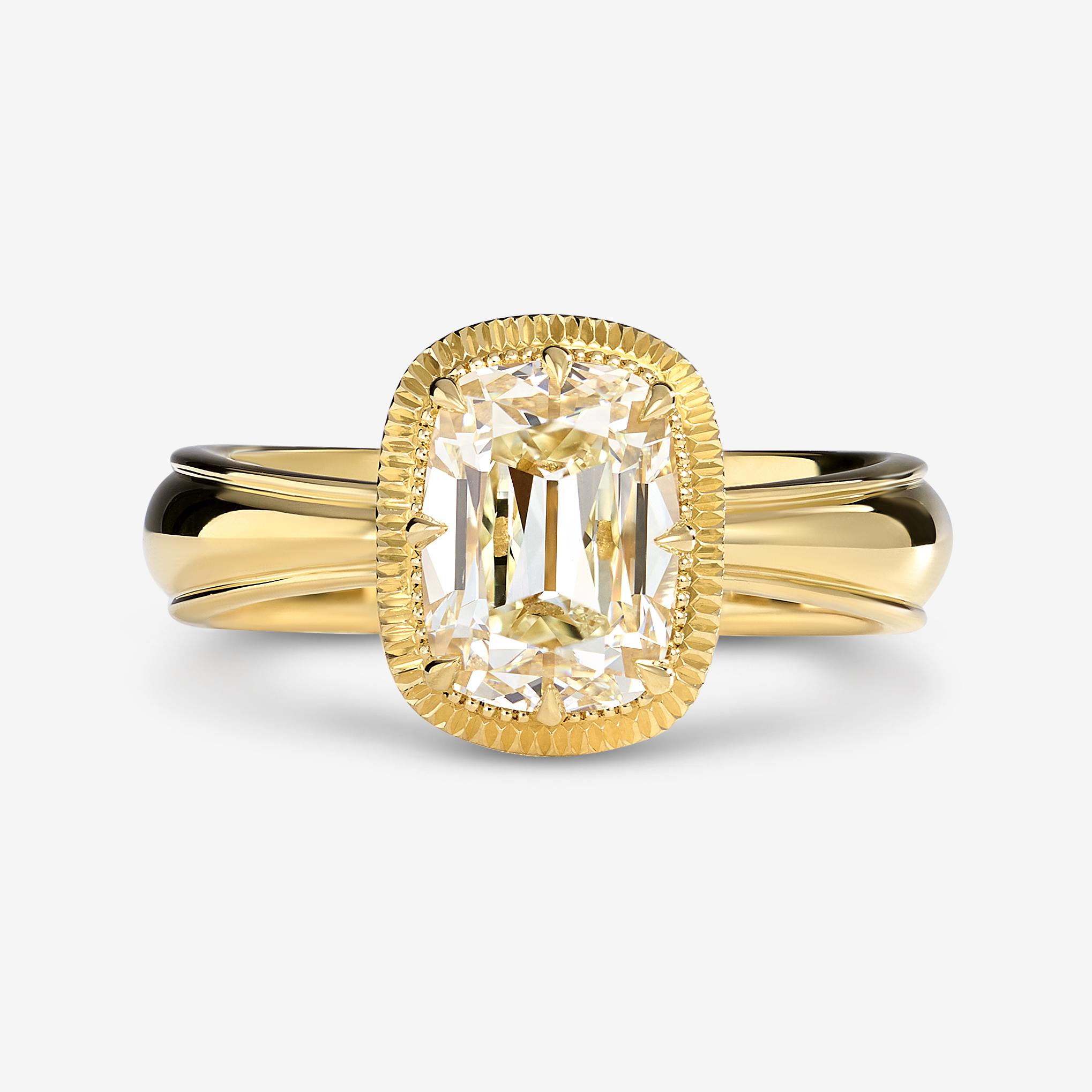
Brigitte ring from Artifex Bride by Kindred Lubeck.
“For weeks after the announcement, it was near impossible to source a similar stone on the British market,” she adds. “Antique cut diamonds are becoming rare because so many have been recut with modern technology for extra brilliance, leading to those that remain being cherished for their softer light return and gentle lustre.” Lubeck has since created a range of bridal jewellery with antique stones in hand-engraved settings, and a capsule collection for Sotheby’s.
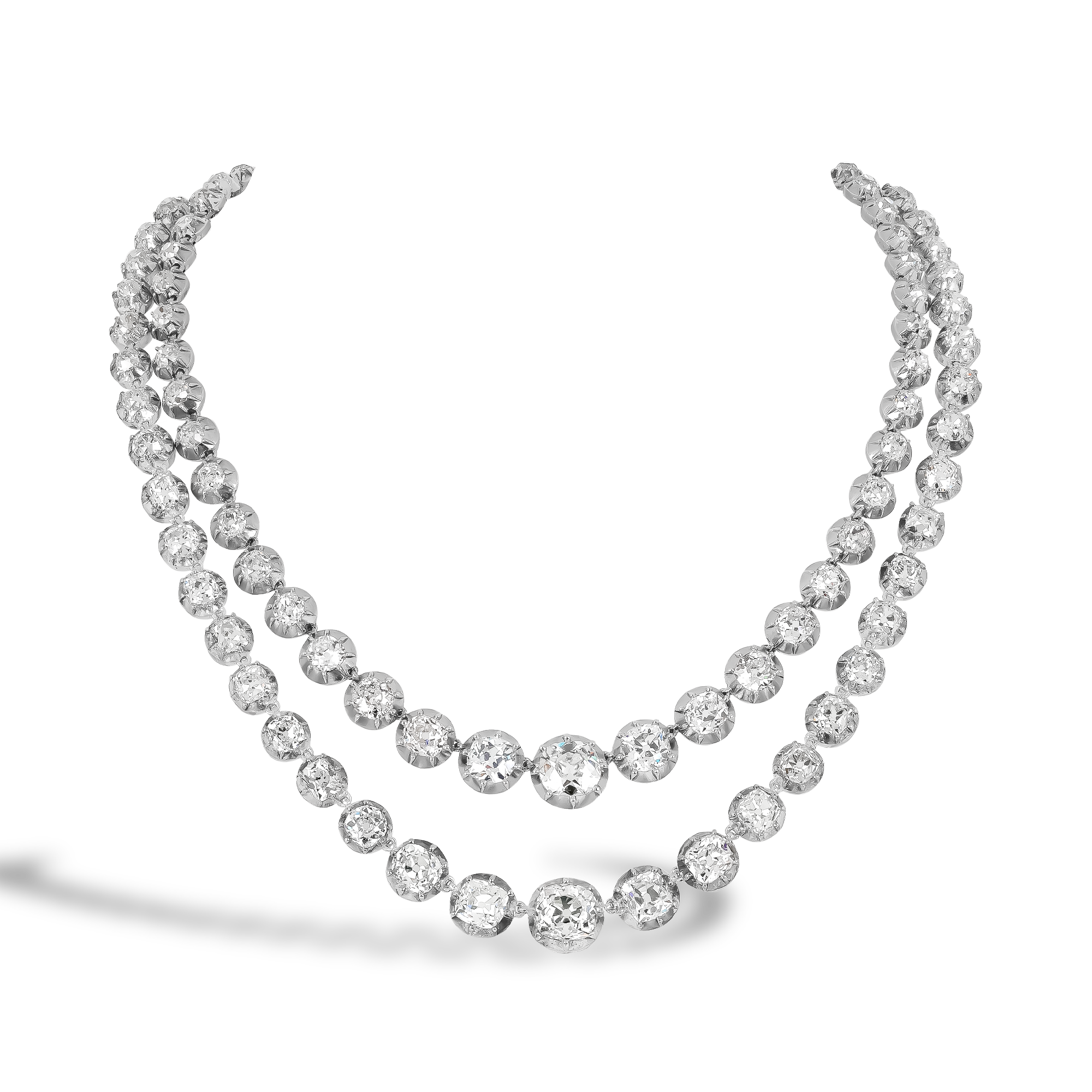
Victorian two-row rivière necklace, Pragnell, 69 ct old mine cut graduated diamonds, silver.
Diamonds vary greatly in colour, cut, clarity and carats, making them as individual as their potential owners. The one that “speaks to you,” as sales staff used to put it, may not be the brightest or whitest. Antique diamonds often have a slightly softer tone that indeed speaks to today’s client, who seeks a more subtle allure than the high-octane dazzle of the round brilliant cut, which now accounts for 75 per cent of gem-quality diamonds. Consequently, antique shops have seen interest in historic cuts “rise over two years as people want something less off-the-shelf,” says Wave Antiques’ director Will Wright. “These stones are distinctive without trying too hard and evoke an emotional reaction.” Auction houses report more young bidders seeking antique jewellery with diamonds of a different cut and character, appreciating that they were hand-cut by highly skilled craftsmen to enhance the refraction of candlelight.
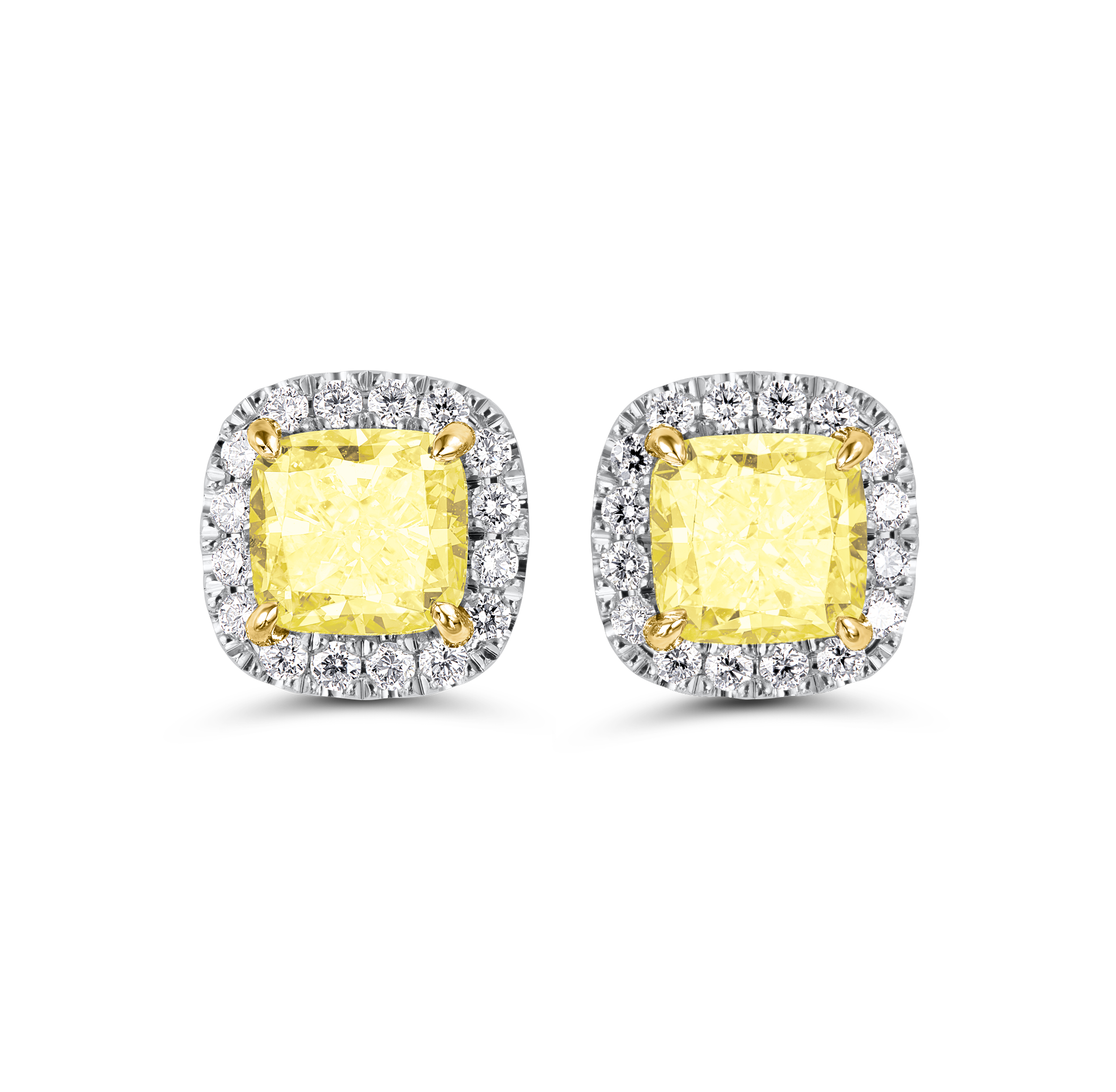
Bucherer Solitaire Collection Joy ear-pins, two fancy yellow cushion-cut diamonds at 2.05 ct, diamond pavé, 18 kt gold, platinum.
“These stones are distinctive without trying too hard and evoke an emotional reaction.” Auction houses report more young bidders seeking antique jewellery with diamonds of a different cut and character, appreciating that they were hand-cut by highly skilled craftsmen to enhance the refraction of candlelight.
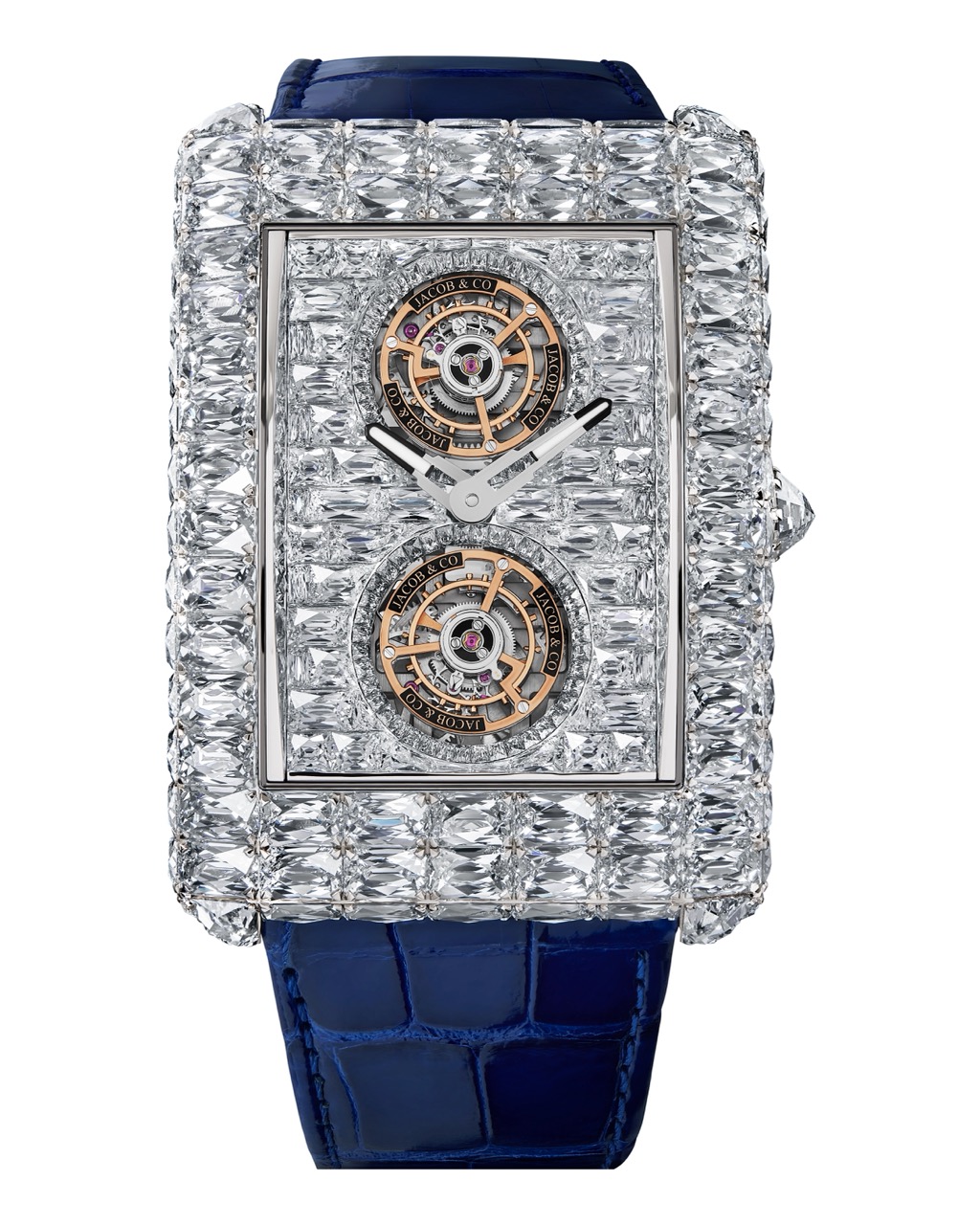
Jacob and Co Billionaire Double Tourbillon watch, 298 Angel cut diamonds at 79 ct, 18 kt white gold, mechanical movement.
Antique cuts had fewer facets than the 57 of today’s brilliants. By the 16th century, the softly rounded rose cut emerged, with a maximum of 24 facets, but is now prized for its subtle twinkle and warm glow, especially in Georgian settings. Consumers are discovering what collectors have long known: such pieces, often set in silver, are fragile and may need expensive restoration. Yet their beauty, often accompanied by provenance that charts the fluctuating fortunes of aristocratic families, adds value and storytelling charm.
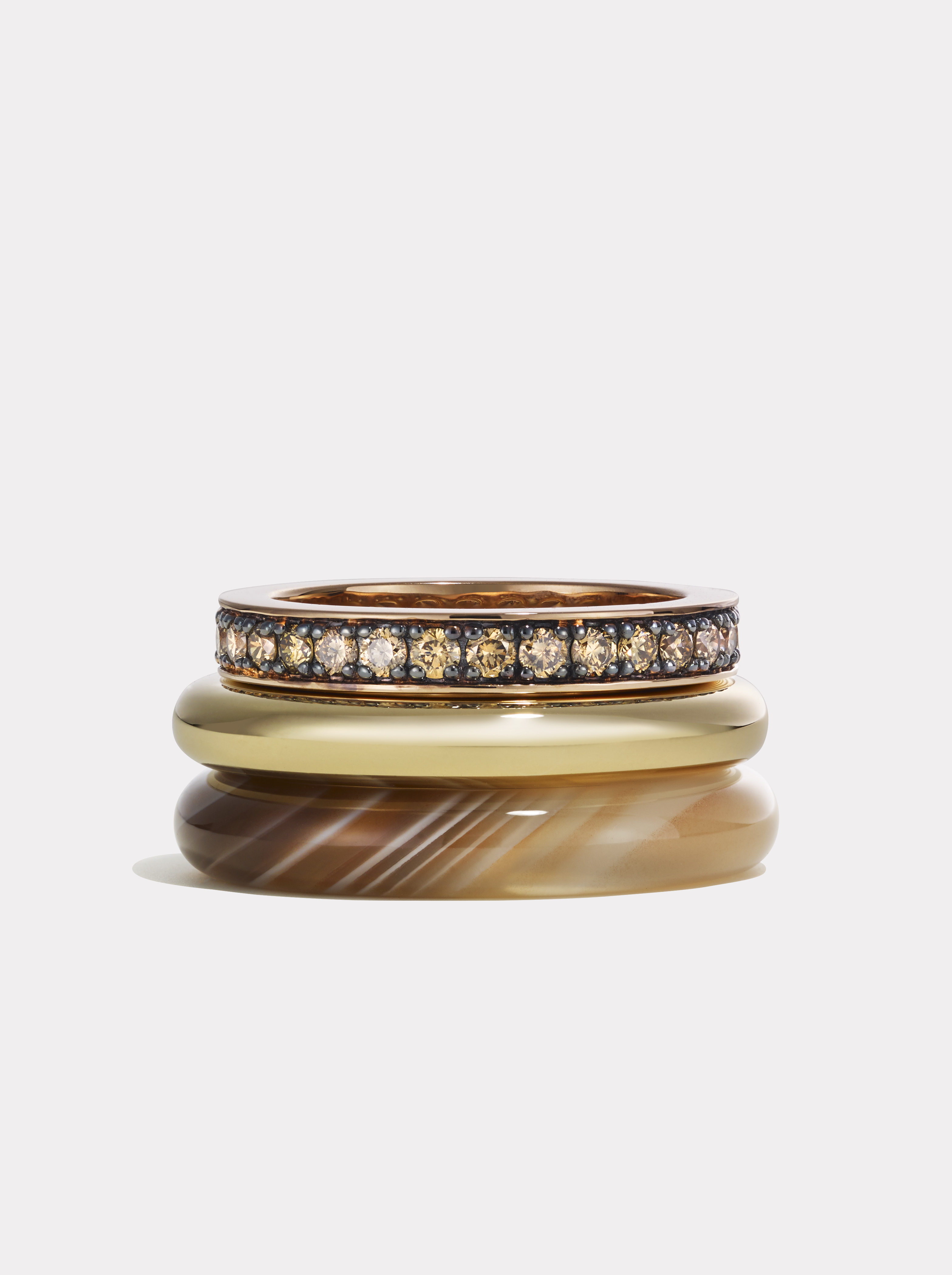
By Pariah ring stack, 1.25 ct desert diamonds, Botswana agate, 14 kt rose and yellow gold.
While you might imagine fierce competition among the world’s top jewellers for these rare gems, they are too polite to admit it, citing their “trusted sources.” Family firm Pragnell deals in both antique and its own high jewellery. Its director, Tom Crookenden, explains: “We’re fortunate to have many antique stones in stock. Clients are drawn to their soft beauty, and if we need to restore or polish them, we use only traditional methods.”
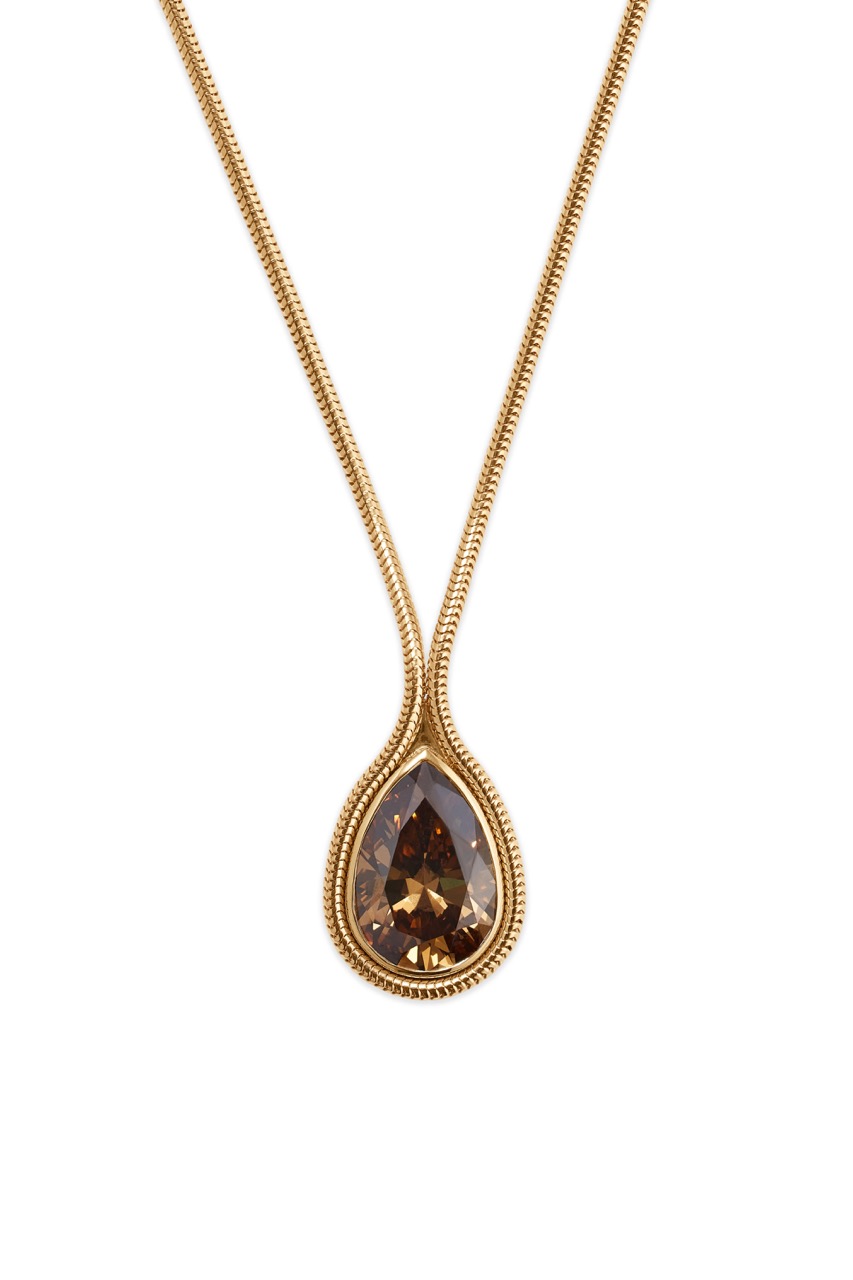
High Fluid pendant, 11 ct fancy orange-brown pear-cut diamond, 18 kt gold bezel and snake chain by Fernando Jorge. ©KD Hasler.
Charlie Barron is more recently established but well-connected through a career in the pearl industry and auction houses. Outstanding pieces include grand estate jewellery and items designed around stones from privately sourced family collections, such as perfectly graduated rivière necklaces of well-matched antique diamonds. Boodles has old mine and cushion cuts, but also its own modified version of the Ashoka cut, devised in the 1990s by legendary New York cutter William Goldberg. This cut, based on a superb antique cushion-cut gem Goldberg saw in India, captures the softer light return that today’s consumer demands.
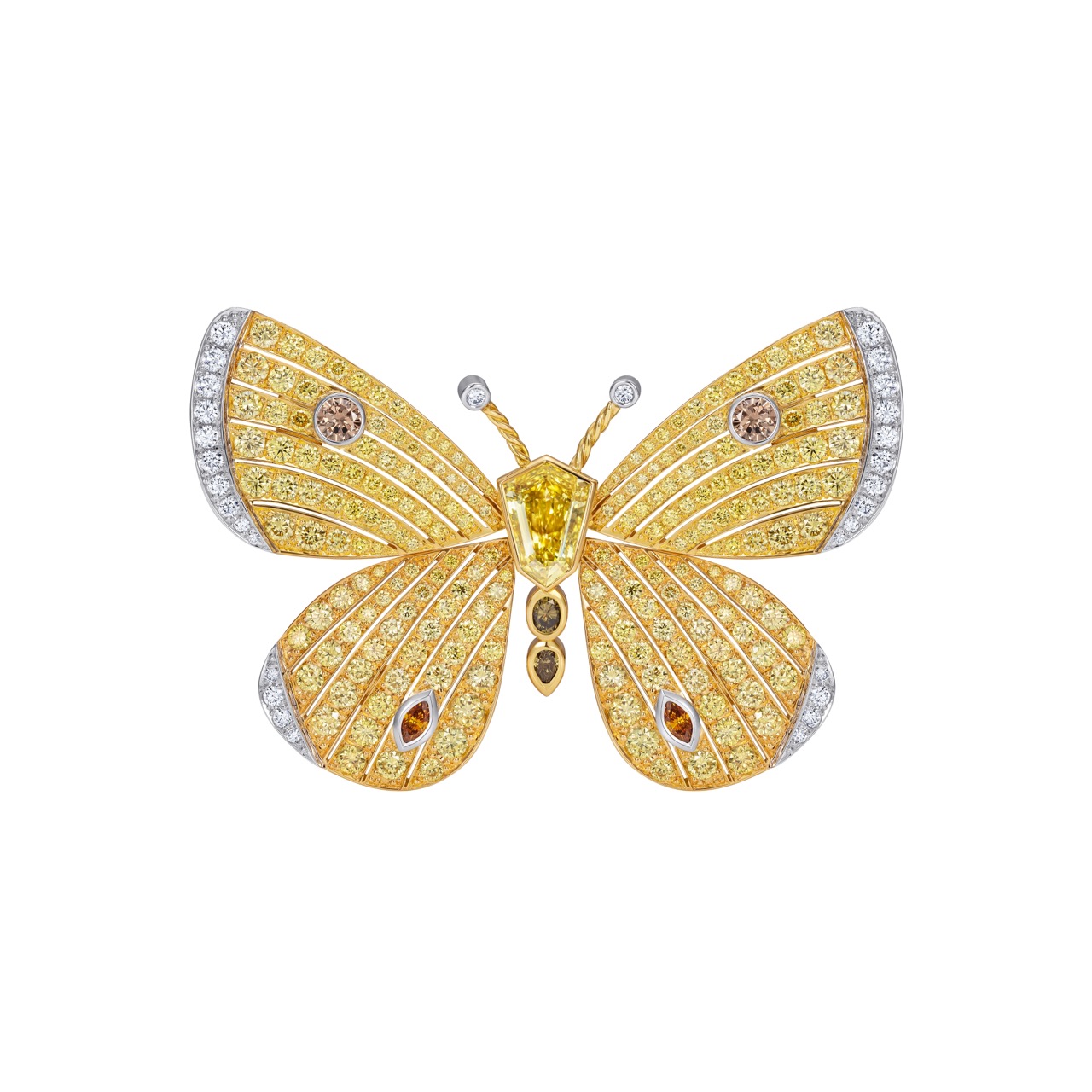
Butterfly brooch, kite-cut fancy intense yellow diamond, 1.76 ct, 229 yellow diamonds at 5.87 ct, pairs of cognac, orange and green diamonds total 0.81 ct, diamond pavé 0.59 ct, 18 kt yellow gold, platinum.
Families in the poignant position of selling jewels with good diamonds may be courted by potential dealers, but if they are wise, they will find one who treats their heritage with respect. Mayfair jeweller Hirsh sometimes works with “antique diamonds that have had a life before coming to us, that we can preserve for the future, or meaningful family stones passed down generations, that we may carefully polish to create a beautiful new jewel that refreshes the gem while honouring its history,” says owner Sophia Hirsh. A quieter but on-the-rise spin-off involves inherited diamonds remodelled by individual designers who love to collaborate with clients. Belgravia jeweller Sophie Breitmeyer now finds half of her bespoke ring commissions entail antique stones, from the client’s family or her stock. Designer-maker Jessie Thomas says, “We often work with clients’ own antique stones, reworking them into something new, modern and relevant. Reworking is sustainable and feels more aligned to how jewellery is made and worn today.”
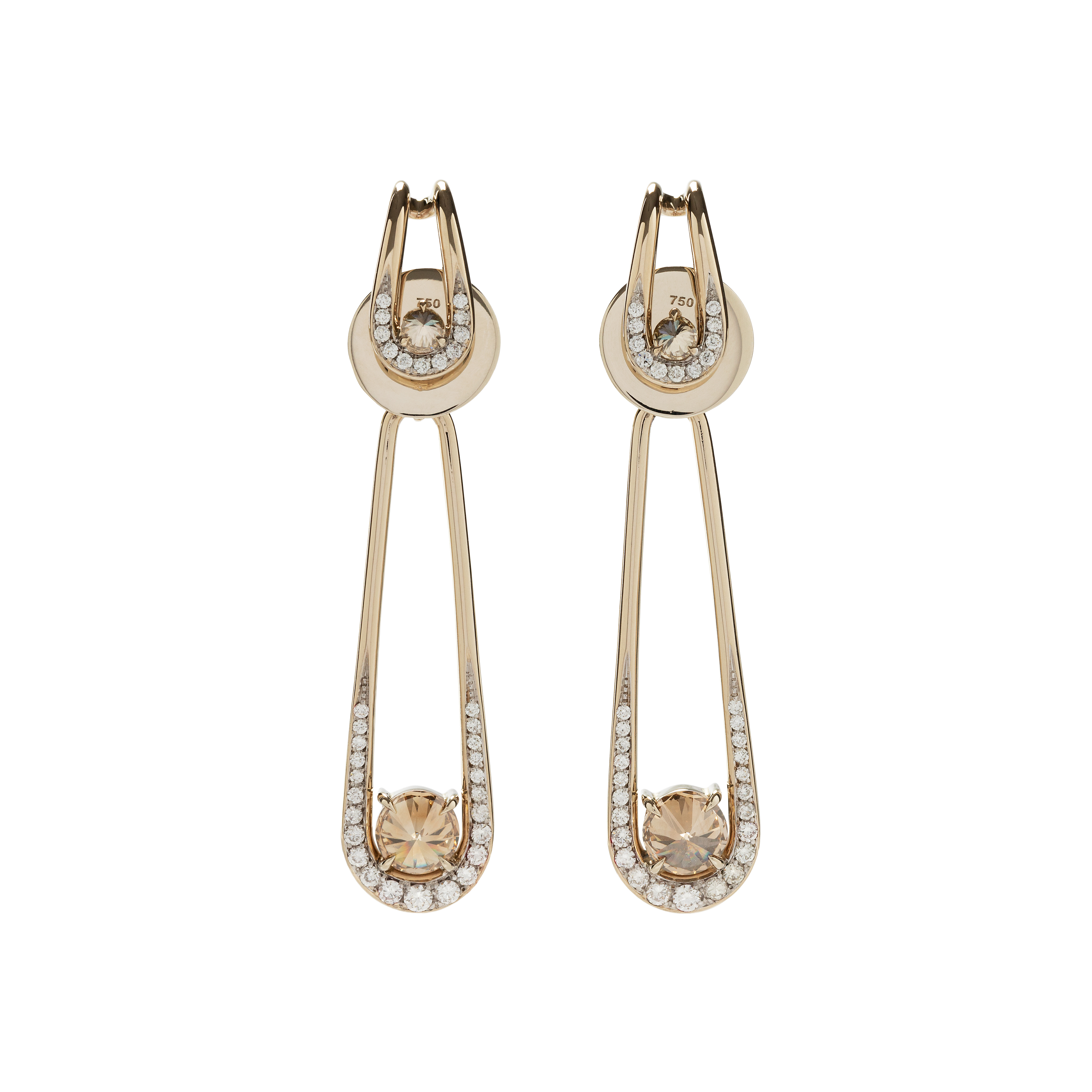
Ara Vartanian drop earrings, four inverted-set brown, round diamonds, total 2.25 ct, round white diamonds at 0.6 ct, white gold.
Sustainability is a given for stealth wealth clients who would rather glimmer than dazzle. Eliza Walter, founder of Lylie, which only works with recycled metals and remodels many antique stones, says, “With jewellery’s current mood for warmth, subtlety, and ‘lived-in’ pieces, it’s responsible to reuse them, to extend their life and preserve their craftsmanship.”
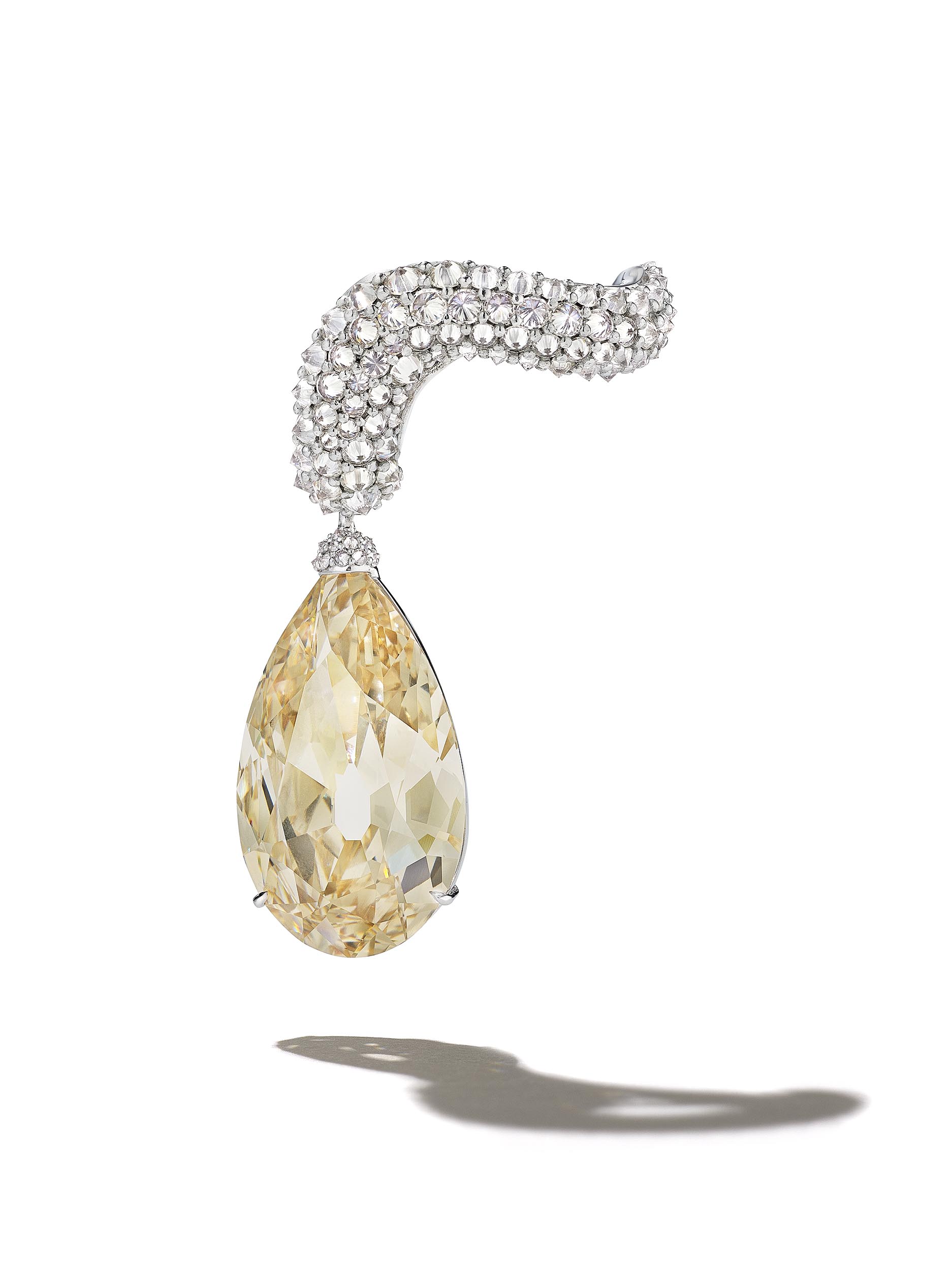
Dyne ear climber, 16 ct pale yellow antique cut diamond, diamond pavé, 18ct white gold.
Today’s clients and jewellers also see gems as part of essential nature conservation. For Fernando Jorge, whose spectacular new high jewellery collection was his first presentation at the prestigious TEFAF fair in Maastricht, the imperfection of natural materials is a profound inspiration, though the craft of his pieces is very much perfect. Materials like ancient, fossilised wood or smoky quartz are shaped into fat surrounds for cushion-cut diamonds or pebble-like shapes folding around pear or marquise stones, while the quartz is cut and polished into fragile, asymmetric swirls that encase pear-shaped gems. An extraordinary, antique 11-carat fancy orange-brown pear-shaped diamond, which possibly came from the famed Golconda mines that made India’s gem-producing reputation until their depletion around 1830, is caught in a plain gold snake-chain lasso, announcing the London-trained Brazilian’s arrival at peak design level.
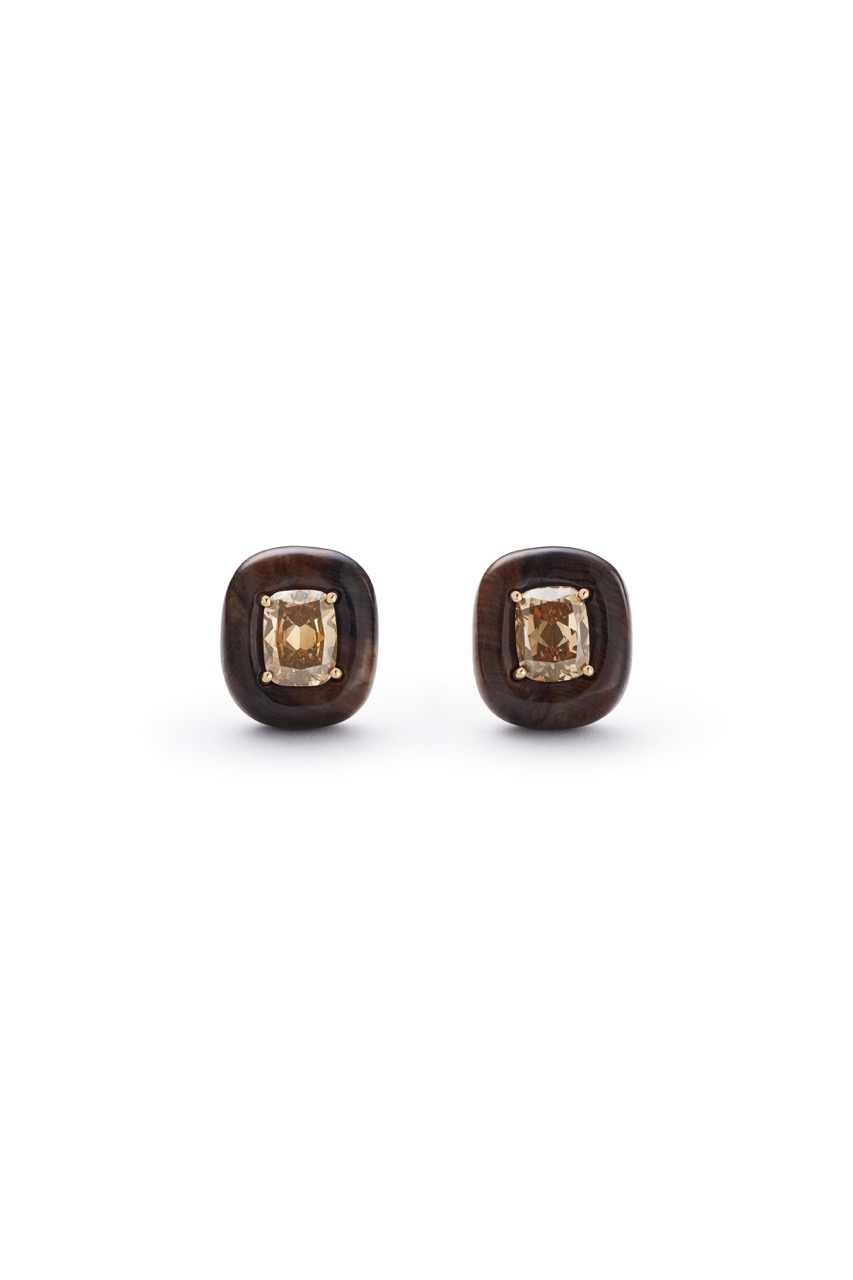
Earrings, two cushion-cut fancy dark brown diamonds at 11.0 ct, petrified wood, 18 kt yellow gold, by Fernando Jorge. ©KD Hasler.
Jorge’s penchant for soft, natural-shaded diamonds illustrates another subtle aspect — so-called desert diamonds, a successful marketing tag for diamonds sourced anywhere but sharing colouration along a pale yellow-pink-cognac spectrum. Designers such as Ara Vartanian, whose signature is brilliant cuts, set point up — less bling but more edge — utilise them. At the recently established Henry & Henry, creative director Jake Lewis employs both antique and modern stones in these shades and says, “You discover them rather than order from stock, and they are totally individual, with subtle tonal shifts and internal character that wouldn’t meet white diamonds’ rigid criteria. But clients are drawn to their softness and imperfections.”
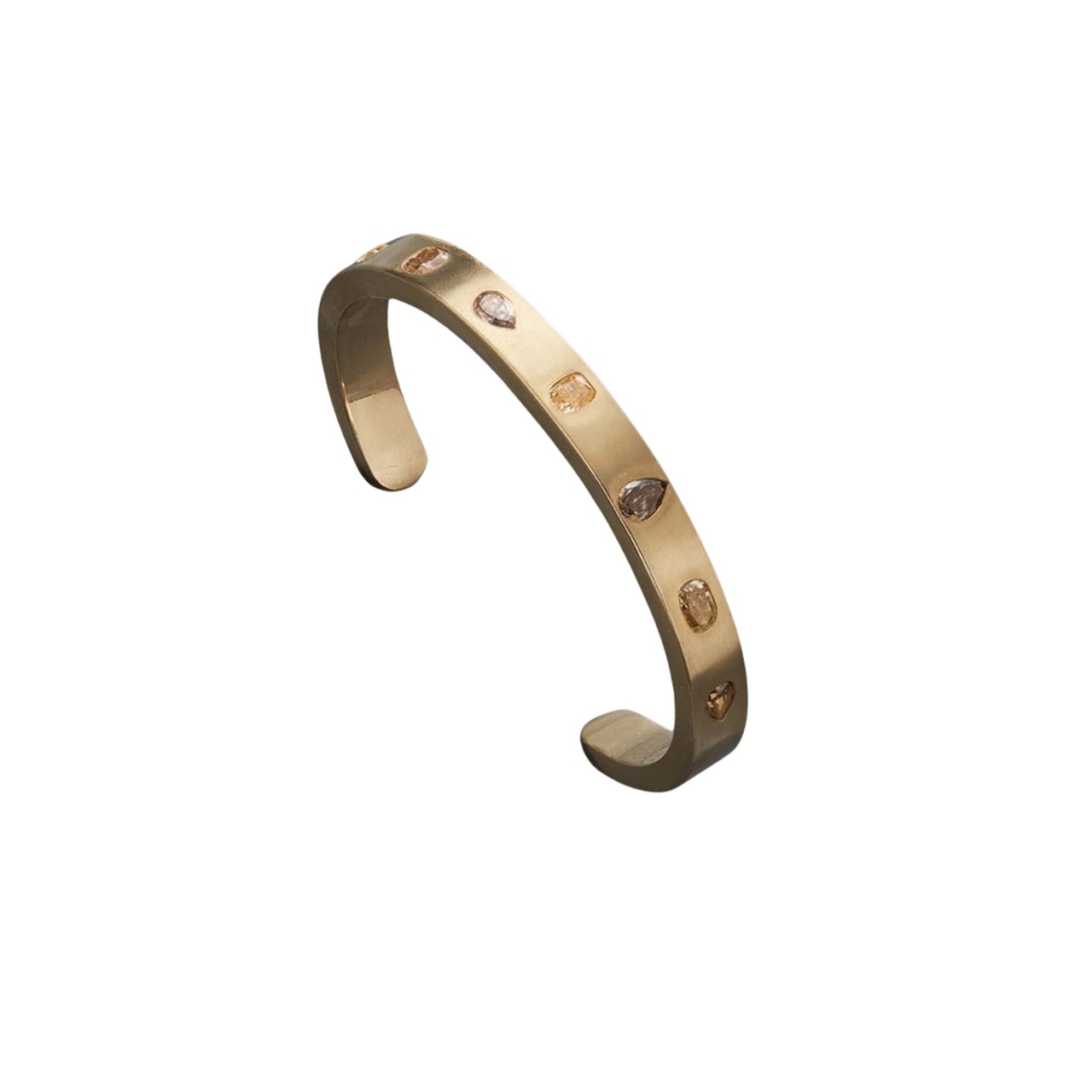
Henry and Henry Vice Cuff, 2.30 ct fancy desert diamonds shield, marquise, cushion and kite cuts, 18 kt gold. ©Henry and Henry.
Krishna Choudhary of Santi, Jaipur jewellers for 11 generations, specialises in historic stones “with gems cut from the 17th to 19th centuries, often in unconventional shapes due to the cutter working for great light rather than total symmetry. The finest come from Golconda, displaying wonderful soft yellow or brown hues. Modern stones cut in the same style are rarely as refined, but I use good ones for matching pairs.”These good ones are often cushion cuts — a popular, rounded-square shape (see Taylor Swift). The Art Deco classic baguette, a slim rectangle with few facets, is a long-term stalwart of men’s jewellery for its subtlety, frequently seen in watches; Chanel uses it to cover, yet not overstate, its new mini-size J12. The latest cut is the Angel, exclusive to American jeweller Jacob and Co., featuring a large, clear top (table), and multi-faceted sides — a modern variant of the ancient portrait cut. Packed in hundreds on a $3.4-million double tourbillon, it is the essence of bling, yet just a few would be satisfyingly low-wattage.
Whether the subtle diamond remains a long-term trend is uncertain, though its rarity — a key factor in demand — certainly favours it, at least among antiques. As it can never challenge the dominance of brilliants, it is even more desirable for the few.
Articles may contain affiliate links; all selections are independent and at no additional cost to you.