In the words of historian, novelist and now the Lake District Book Festival co-founder, Christopher de Bellaigue: "What? Another literary festival? Is this what the country really needs?" Well, in the current permacrisis we find ourselves in, perhaps it's exactly what we need. Hence a magical meeting of minds in deepest Cumbria
Attending the Inaugural Lake District Book Festival
Words by
Sphere Editors
8th July 2026
The inaugural Lake District Book Festival took place with great fanfare, welcoming the leading literary lights and political commentators – from David Lammy, Lord Michael Heseltine, Rory Stewart to Christopher de Bellaigue, Sebastian Faulks and Graham Robb and many brilliant writers – to glorious Cumbria for a weekend of debate, panels, readings and talks. SPHERE's Lisa Barnard reports on the 'stim': big talk and small talk
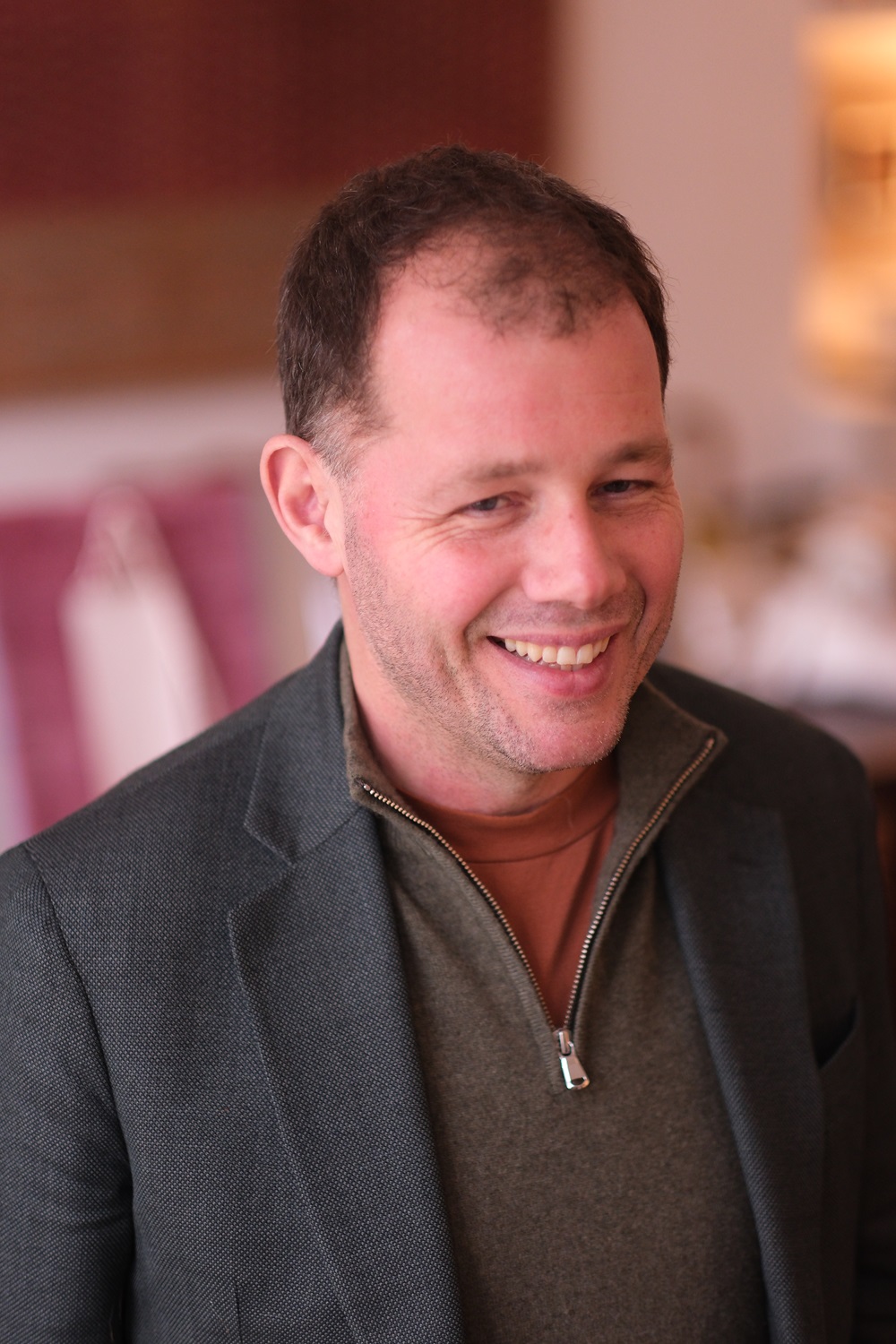
Christopher de Bellaigue, festival co-founder, novelist and historian.
Now, post-festival, Christopher could not be more fervent in his conviction that it was the right call. "We need it here in the North West because we don't have enough high-quality cultural programming and because on the fringes of our Lake District lie towns that have been scandalously neglected and deserve better." So much so, the festival has confirmed to SPHERE that it will return next year on 11th-13th June.
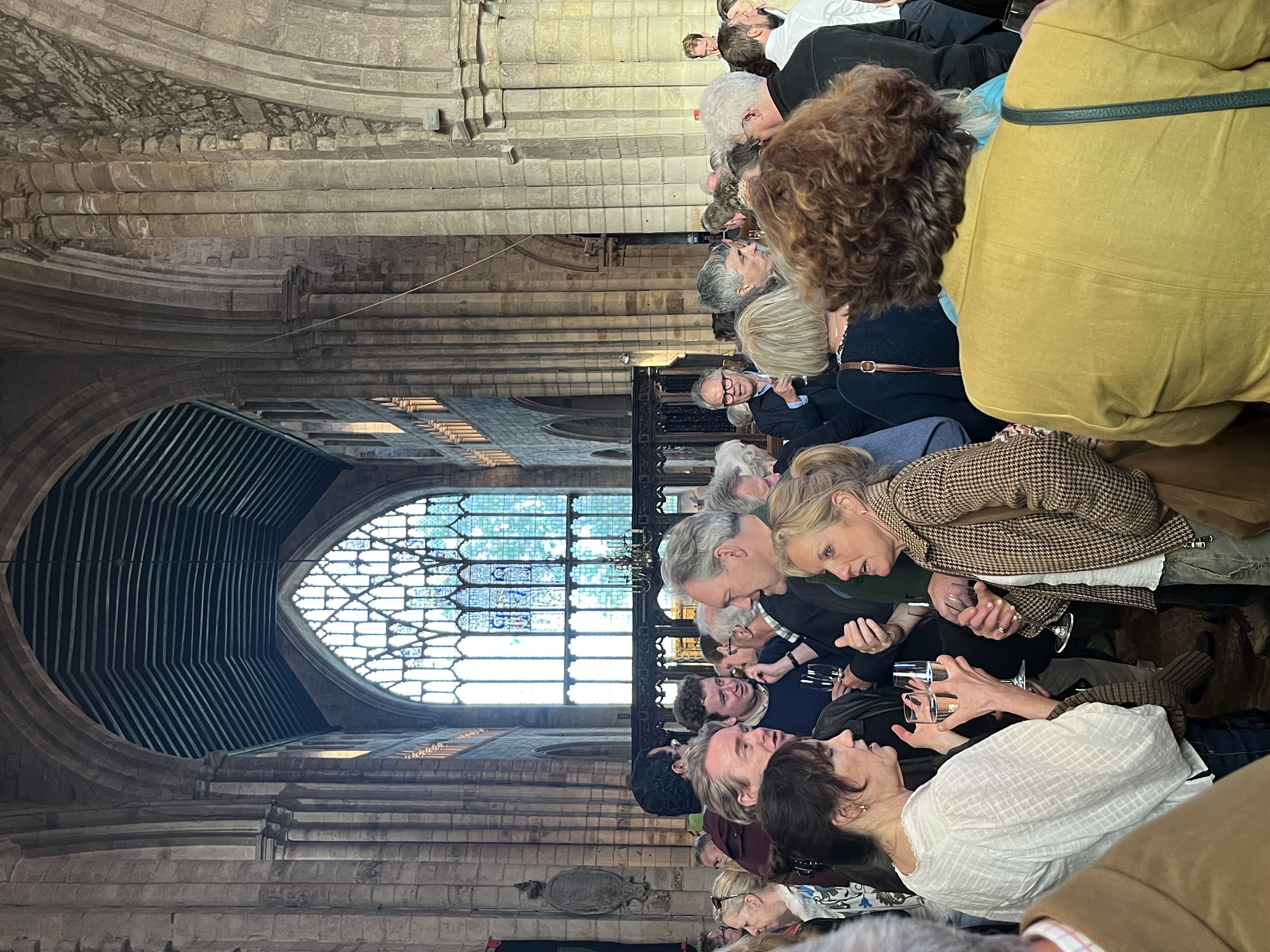
A drinks reception at the festival.
The June event was a successful display of literary talent (and enthusiasm from the North West) over a weekend, affirmed by our very own Lisa Barnard, SPHERE online editor and ILN CEO, who was in attendance and described it as “a complete gem”. “Not only did the organisers manage to secure a fantastic array of speakers, from blockbusters to the eclectic, they also paired them with wonderful panellists and interviewers, who drew them out in fascinating conversations. There was never a dull moment. I’m delighted that this festival is going to be a regular event and I have marked my diary for next year! Cumbria definitely has the creative zeitgeist!”
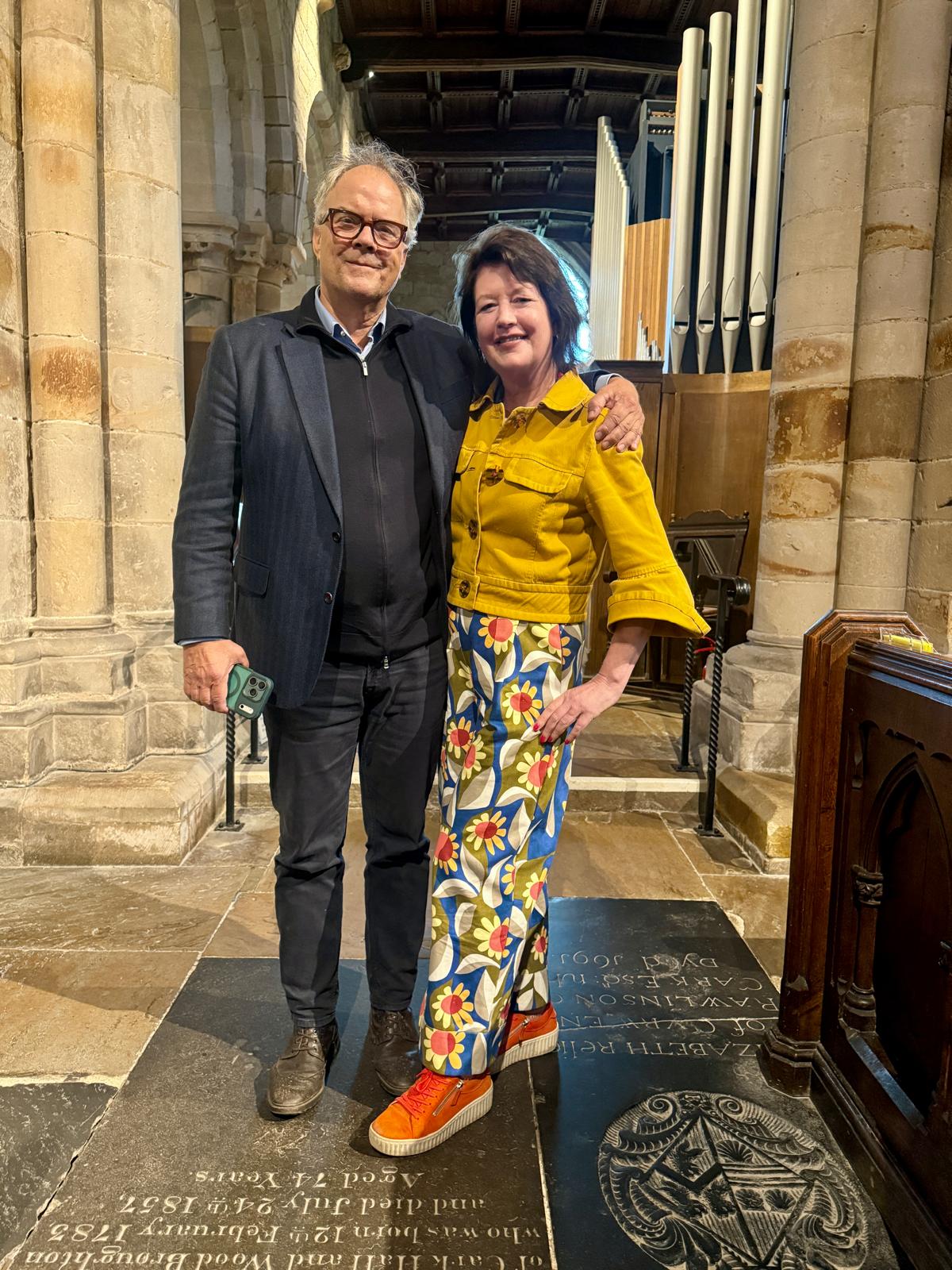
Journalist Matt Frei and ILN CEO and SPHERE Digital Editor Lisa Barnard.
One of the festival’s headline speakers was none other than former cabinet member cum podcaster and political commentator Rory Stewart, who spoke with foreign correspondent Matt Frei about the position of Britain in today’s world order. Spanning topics like AI to the state of Westminster itself, Rory, as ever, provided plenty of opinion, stating that the UK government's approach to data protection and regulation is an “AI gamble”, adding: "it sort of feels like we're the test bed for the US" – a position he described as "powerless and desperate."
When asked whether he’d ever defect to lead the Liberal Democrats, he was characteristically blunt: "They're a bit of a mystery to me. You never hear about them." He was equally candid on why Britain's best politicians now rarely end up in Parliament, pointing to a self-reinforcing culture of "650 demotivated individuals, some of whom are doing bad and shoddy things, but no one is getting reprimanded." The fix, he argued, isn't simple: "Some people say increased pay, electoral system change, break the party grip – all of which are true to some extent – but ultimately, you have to make it feel like an exciting and honourable job." He was scathing about the current reality: "It's always going to be overworked, underpaid, facing abuse. You compensate that by it being the only job in the world where you genuinely get to reshape the prison system, reshape the next 25 years, the British environment, reconstruct the structures of NATO, protect Britain against Russia." On the freedom podcasting affords him, he reflected: "You can be much more honest. You can say things like Trump is an existential threat to global security, the Chinese economy is eating us up, we have no viable way of sustaining our welfare budget – all of those things would lose me my job." On Gaza, he also didn't hold back: "I think our response has been shameful." As for his own political position today, he summed it up simply: "I'm in exile. A homeless independent."
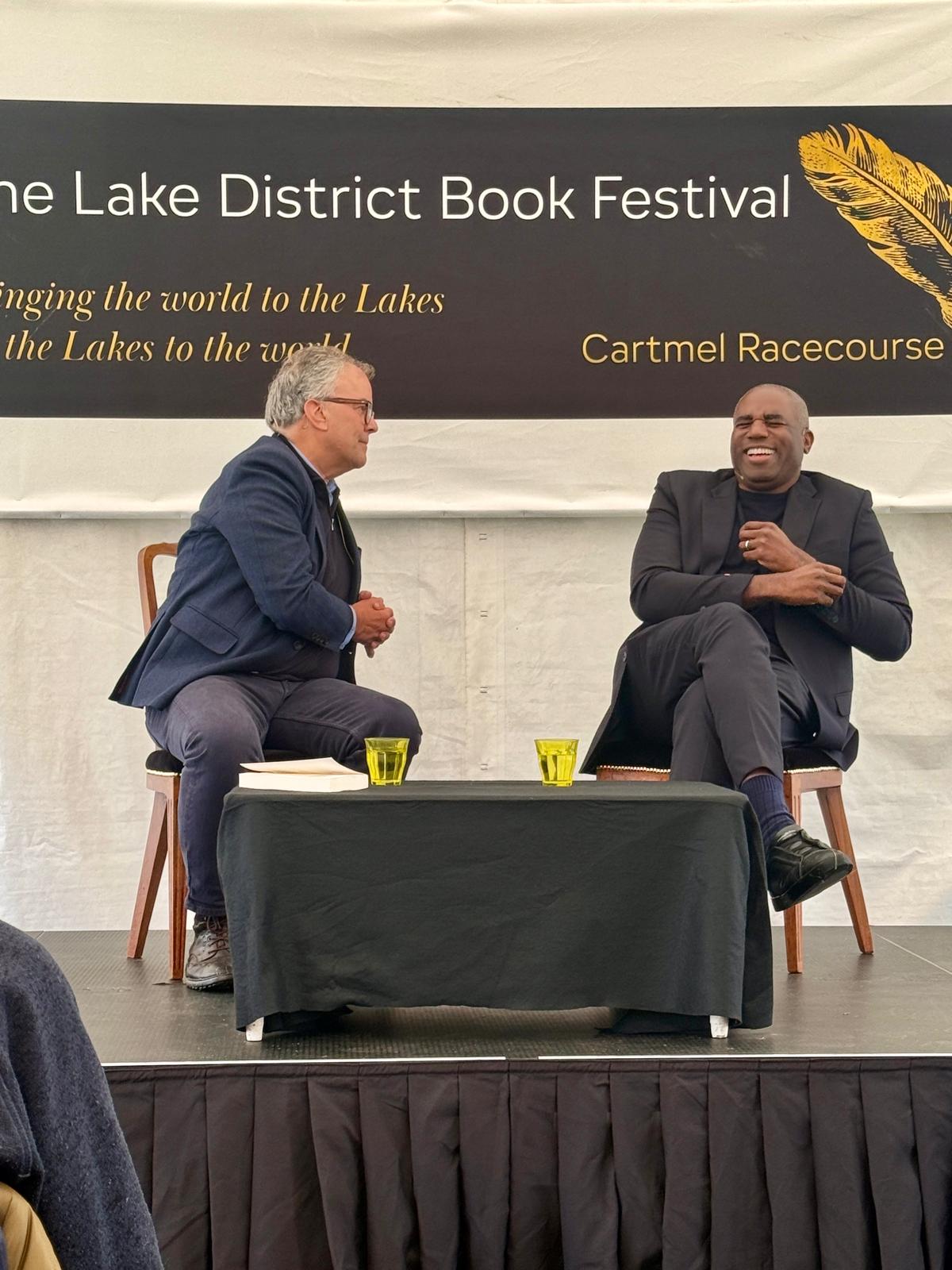
Matt Frei and Deputy Prime Minister David Lammy.
Rory wasn’t Matt’s only high-profile political interview; he also grilled Deputy Prime Minister David Lammy, who was particularly affectionate on the day. At the time of the conversation, Andy Burnham had yet to be elected as the MP for Makerfield and de facto Prime Minister in waiting, so it was the perfect moment to take a temperature check on the inside of the Labour leadership. With the party’s factional image under strain and the looming threat of Reform and the Greens, Matt did not hold back during the discussion: “If Andy Burnham, the King of the North, can’t win in Makerfield, he can’t win anywhere,” and “you’ve just made the case for Keir Starmer better than Keir Starmer has.”
In response, the Deputy PM was quick to draw battle lines when he declared that “it’s us versus Reform.” When pressed on comparisons amongst the Labour leadership, he was unequivocally clear that he’s “never been keen on personality politics” and that it’s “not about personality, it’s about a plan for the country.” On the government’s lack of popularity, he was quick to dismiss it, drawing a comparison to Margaret Thatcher and Tony Blair, two years into their first terms. Regardless of who gets the top job, he was quick to say that “given my background, being Deputy Prime Minister is the privilege of my life.”
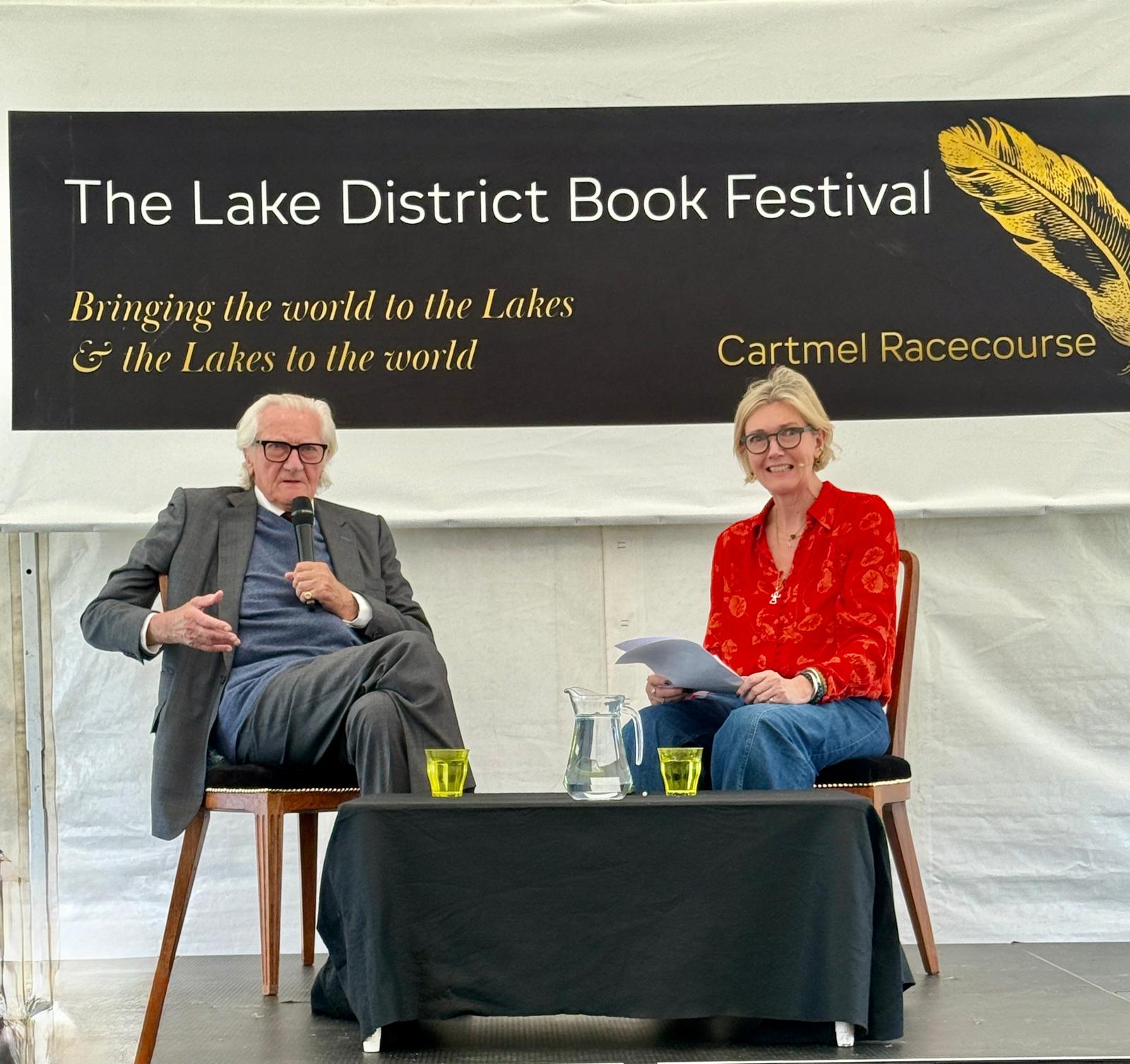
Lord Michael and Annabel Heseltine on stage at the Lake District Book Festival.
Matt Frei did, of course, at some point, pass the microphone on to Annabel Heseltine to interview her father, Lord Michael Heseltine. Once the duo took to the stage, she immediately joked: "I didn't expect it to take two or three hundred people to get myself into a situation where I could ask my father all the questions that I've always wanted to ask him." Miraculously, they managed to cover many of the core components of Lord Heseltine's decades-long career — everything from being given the keys to Liverpool ("unusual for a Conservative cabinet minister") to the Westland affair, of which he said: "If the truth had been told, it would've been difficult for Thatcher to survive it." It was while recounting how Thatcher turned the cabinet against him that Annabel admitted she "stopped being a journalist and started being a daughter," labelling it "scandalous." Lord Heseltine, however, was possibly most animated when talking about Brexit, or as he called it, "the single biggest disaster imposed by a country on itself" – a fittingly candid note to end a conversation that had, for a moment, turned a festival stage into a family reckoning.
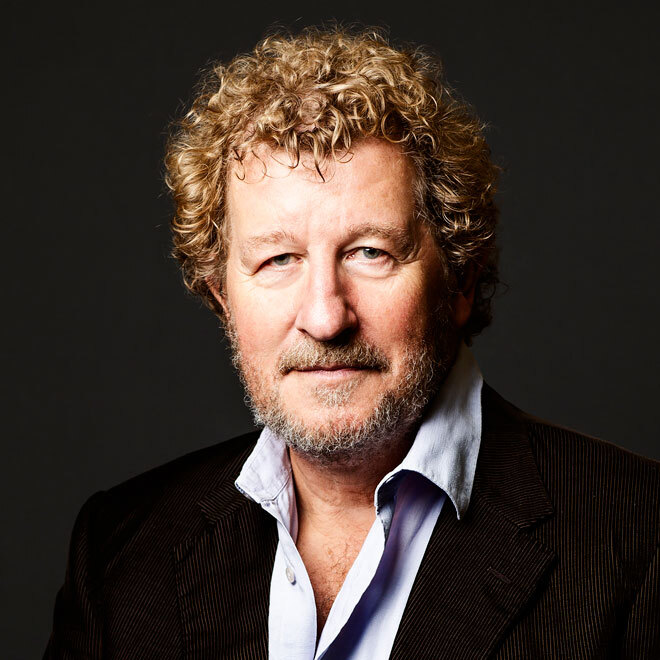
Novelist Sebastian Faulks. ©Still Moving.
Other highlights included a discussion between Christopher and novelist Sebastian Faulks about the former's book, The Golden Throne. Tracing the life of Ottoman Emperor Suleyman the Magnificent – or, as Sebastian Faulks dubs him, "Suleyman the absolute bastard" – charging him with fratricide, filicide, genocide and more, the conversation covered the ruthless politics that shaped the empire, the brutality of the time, and the craft of conjuring sympathy for the characters in the modern reader. They also covered the influence of cinematic depictions of history and how it has undoubtedly impacted the way novels like The Golden Throne are written – yet, as Christopher reminded his audience, "we've had vividly described historical scenes come into print before the advent of the screen" – as well as his "hankering for blood and gore," which of all his characters, drew him most to the "absolutely unspeakable" Admiral Hayreddin Barbarossa. Perhaps the most surprising revelation from the talk was that Suleiman never made his way to Cumbria: "He could have annexed it on the way home," the pair joked.
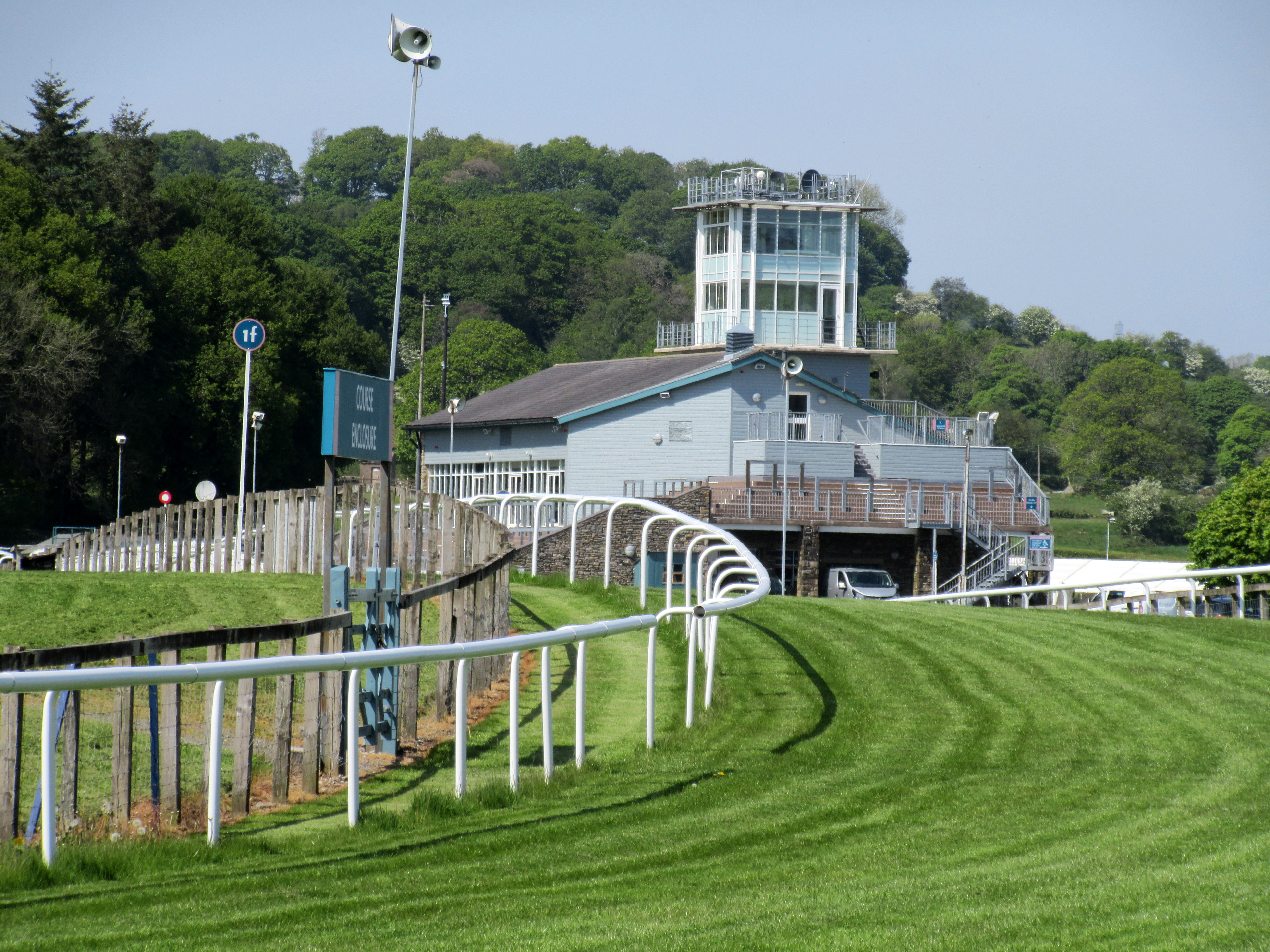
The Lake District Book Festival was held Cartmel Racecourse. ©Geograph.
Jumping from Suleiman the Magnificent to Taylor the Swift, another standout session from the weekend centred on Matt Thorne's Famous, discussed in conversation with the Financial Times's "unicorn" pop critic, Ludovic Hunter-Tilney. The novel focuses on seven unusual pairings – think Paul McCartney and Diana Ross, Tina Turner and David Bowie, and, of course, Taylor Swift and Kanye West. The thread that runs through these fated stars is simply their fame – or, as Matt highlights, their inability to escape their fame. "A pop star has to be popular by definition," he points out.
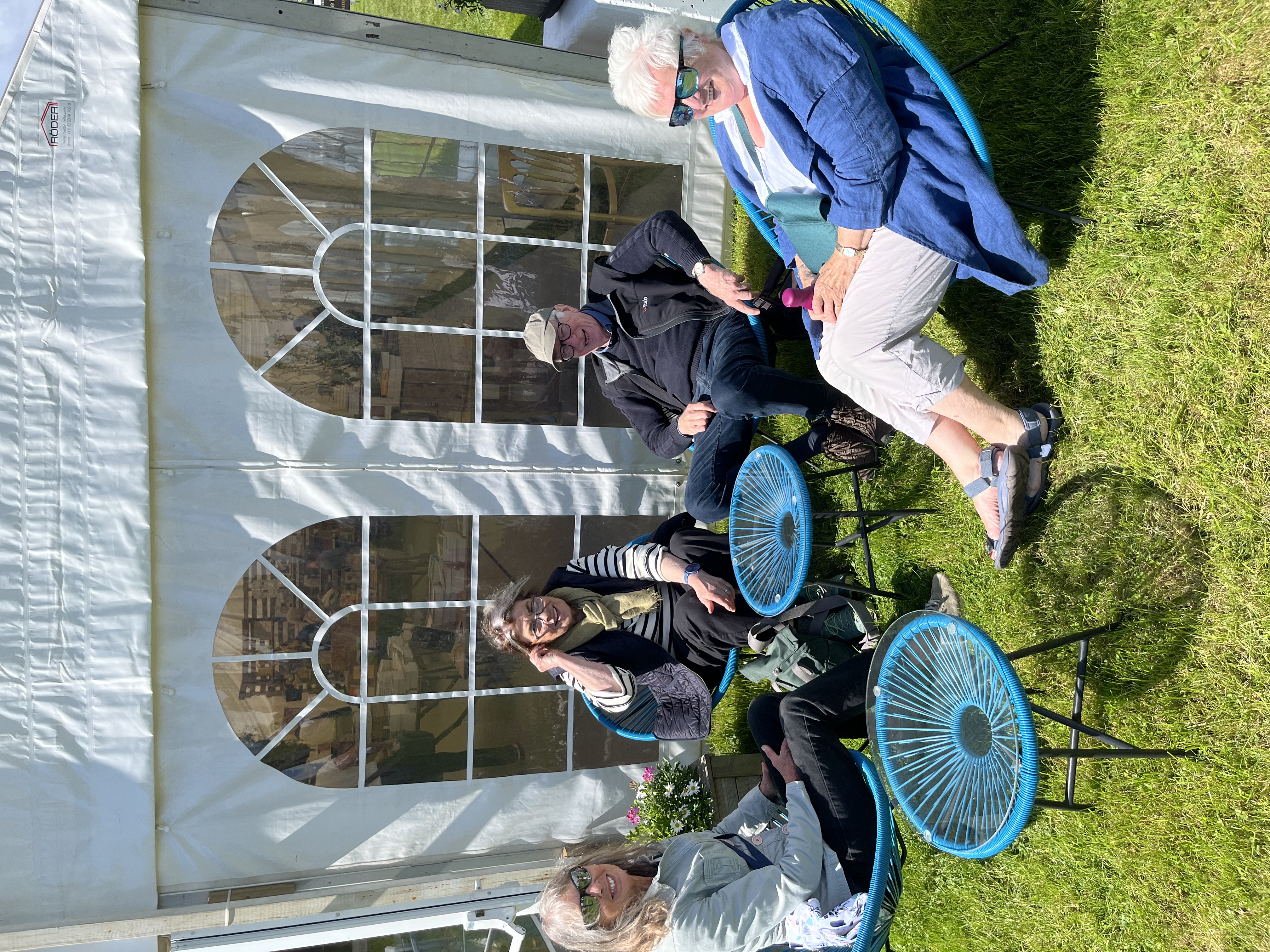
Attendees outside the festival marquee.
From Elvis and Sinatra performing each other's songs to Paul McCartney and Diana Ross crossing paths in a tiny club in Soho, Famous traces the collisions of ego, envy and ambition between the greatest artists of our time. Of all the pairings, the most tangled is Taylor and Kanye. Starting with the infamous VMA mic-grab and the leaked phone call discussing Kanye's song "Famous" – the inspiration for the book's title – the decades-long saga that sprawls across wider society was nearly cut from the book following a plethora of Kanye's controversies. Thorne kept it in regardless, arguing the story was simply too big to ignore, pulling in presidents, award shows and the uneasy history between pop and hip hop along the way.
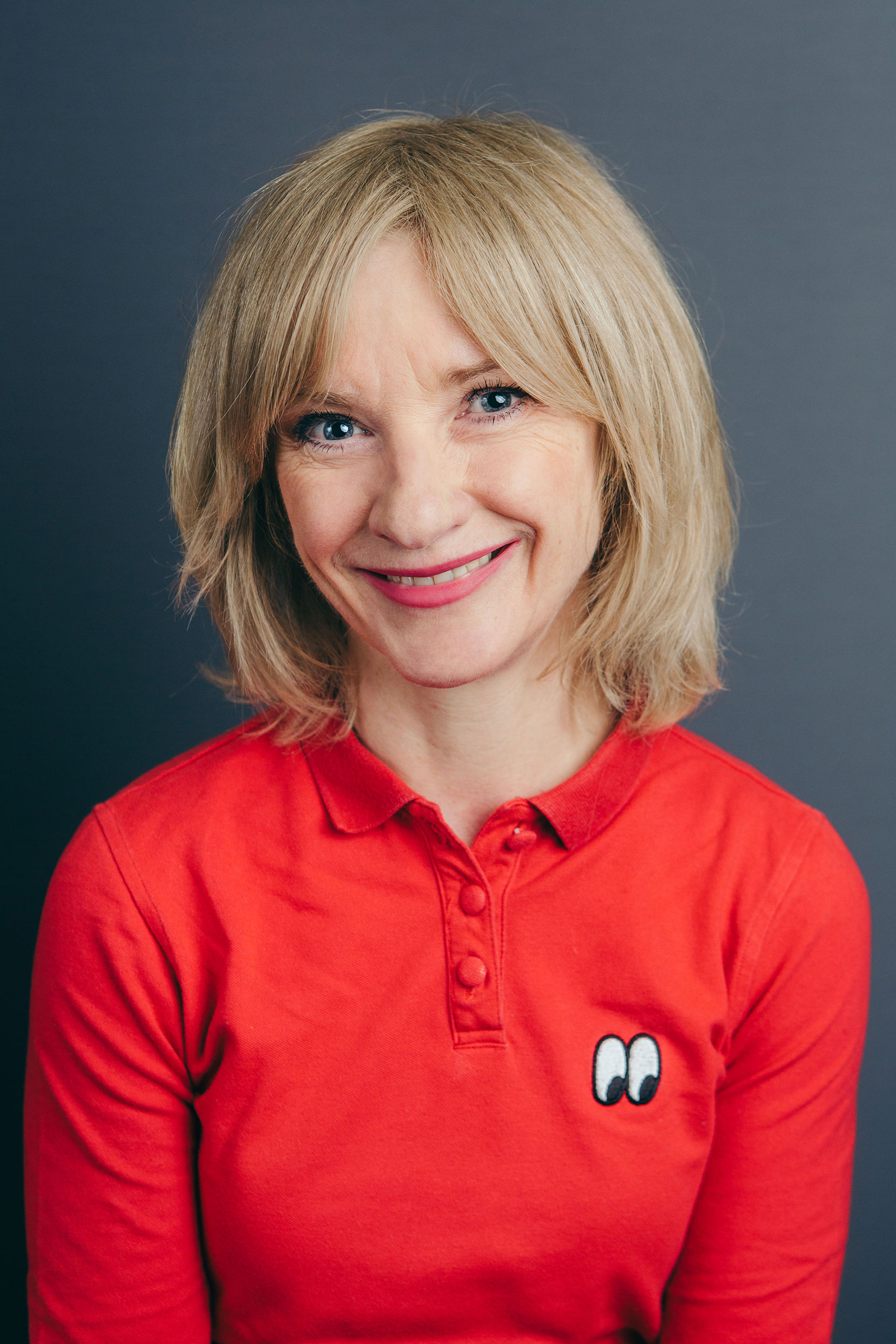
Actor Jane Horrocks was one of the festival's key speakers.
While not strictly a literary discussion, it's always a pleasure to hear from Jane Horrocks –everyone's favourite ditsy PA from Ab Fab – who was interviewed by the Time Out marketing mastermind, Christine Cort. The duo bonded over meeting on the dance floor, being "overfamiliar Northerners in London," and their favourite books, before getting into the details of their respective careers. Jane provided all the juicy tidbits from her time on Ab Fab, like Jennifer Saunders's "last-minute" writing and the thrill of the recorded live performances, as well as collaborating with Jim Cartwright on Little Voice – who, she says, is "always asking me to work and [I'm] always saying no."
Looking ahead, the pair will be collaborating on The Lone Star, an immersive piece in Blackburn. It will be a night that brings people back to the '80s, leaning into Gen Z and Millennials' fascination with an analogue era, ultimately encouraging people to just "get out there and dance."
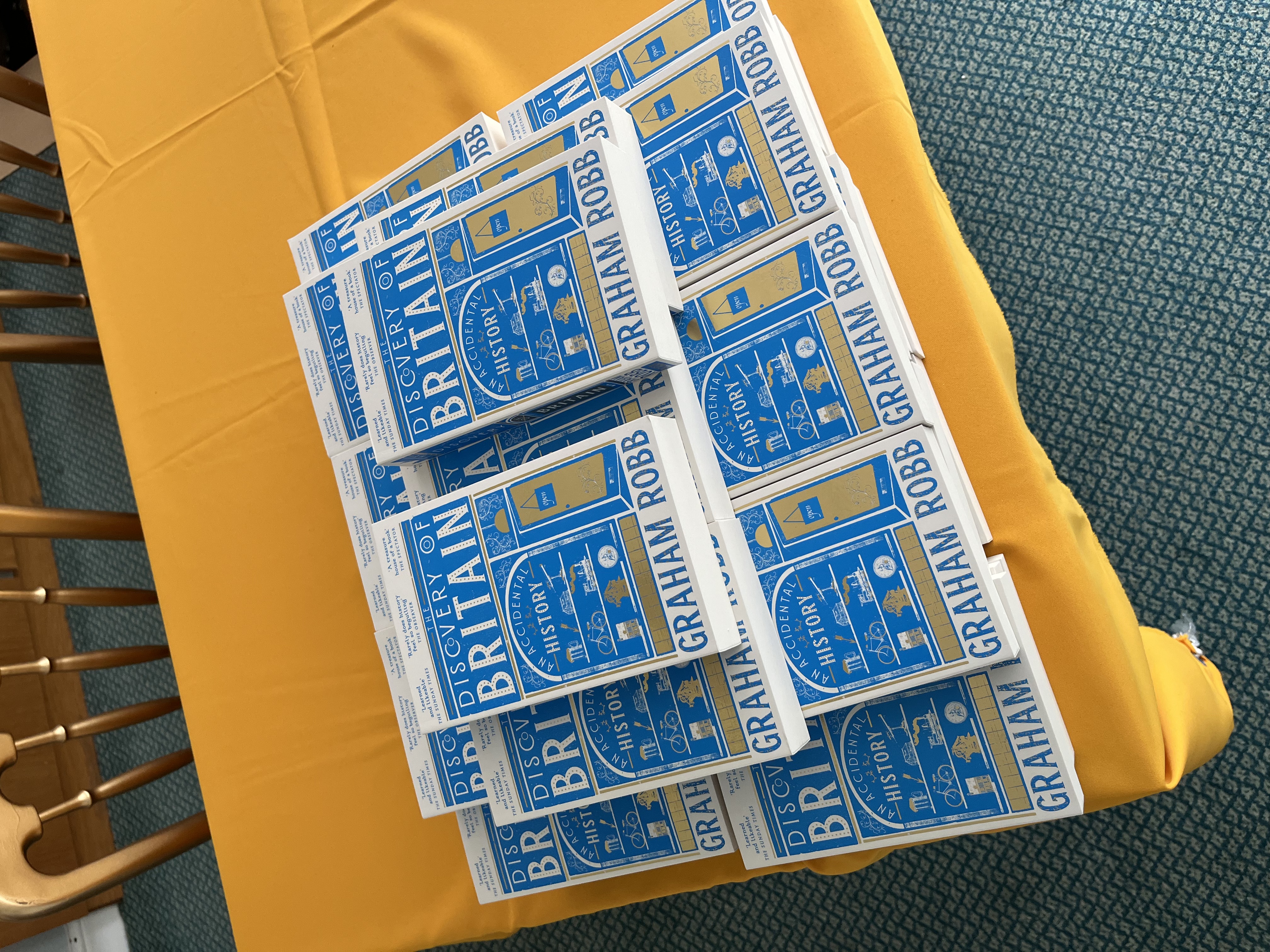
Graham Robb's Discovery of Britain.
Graham Robb, on the other hand, spoke with David Horspool, historian and editor at The Times Literary Supplement, about his book The Discovery of Britain. Be it disputing the assumption that the Romans brought civilisation to Britain – as David says, "in some ways the Celts were more capable than the Romans" – or the class divides highlighted in both World Wars, the conversation moved through several of the revisionist theories Graham explores in his book. He also discussed aspects of his personal history that writing the book uncovered, not least Rudolf Hess's plane crash, which landed in the field behind his mother's house – a fitting allegory that history is never far from home.
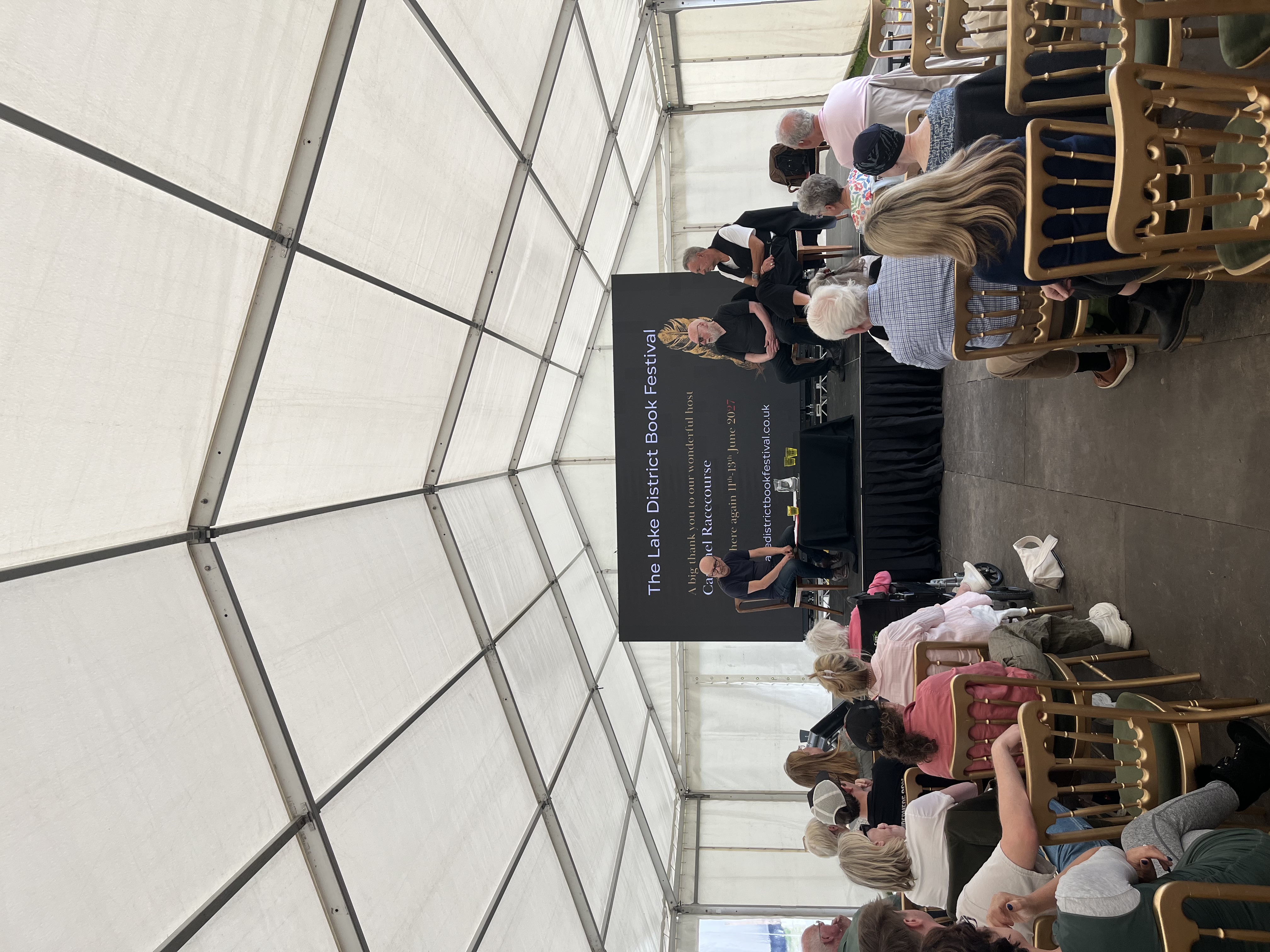
The stage at the Lake District Book Festival.
One of the most poignant moments from the weekend came from journalist Jahan de Bellaigue, who has been reporting from Beirut as the war wages on – an occupation his parents are concerningly "blasé about." He told the audience of the remarkable similarities between the Lebanese army mess and a boys' boarding house – the gallows humour that helped maintain some semblance of normalcy in these extraordinary times. He also remarked how this was the first time "looking head-on at the hatred that humanity can foster for its fellow man, the destruction that it can wreak, and revel in it." Yet, in the last eight months, his biggest takeaway is that "in the midst of evil and tragedy, supreme human goodness will always rear its beautiful head."
The festival, all in all, was a certified success. Reflecting on the weekend, festival co-founder Charlotte Fairbairn said: “Obviously, the first year of any big event such as this has some unknowns attached to it. But somehow a kind of wonderful alchemy took hold; the setting worked its magic and all the speakers and writers who took part seemed to derive as much pleasure from their talks as they gave. The resulting atmosphere was joyful and we are so excited to build on this for next year and many more years to come.”
The Lake District Book Festival returns on 11th-13th June 2027. lakedistrictbookfestival.co.uk