Barrels of ice and oxygen-filled chambers. Glass boxes that emit a continuous, loud thwack and silk drapes that dangle from the ceilings of the gym. Should an alien land in London, they would marvel at how the residents of London’s luxury developments are living these days.
The Wellness Essentials for Luxury New Builds
Words by
Zoe Dare Hall
27th January 2026
Wealthy Londoners buying new-build apartments expect life-enhancing amenities as part of the package - everything from oxygen pods to IV drips on tap.
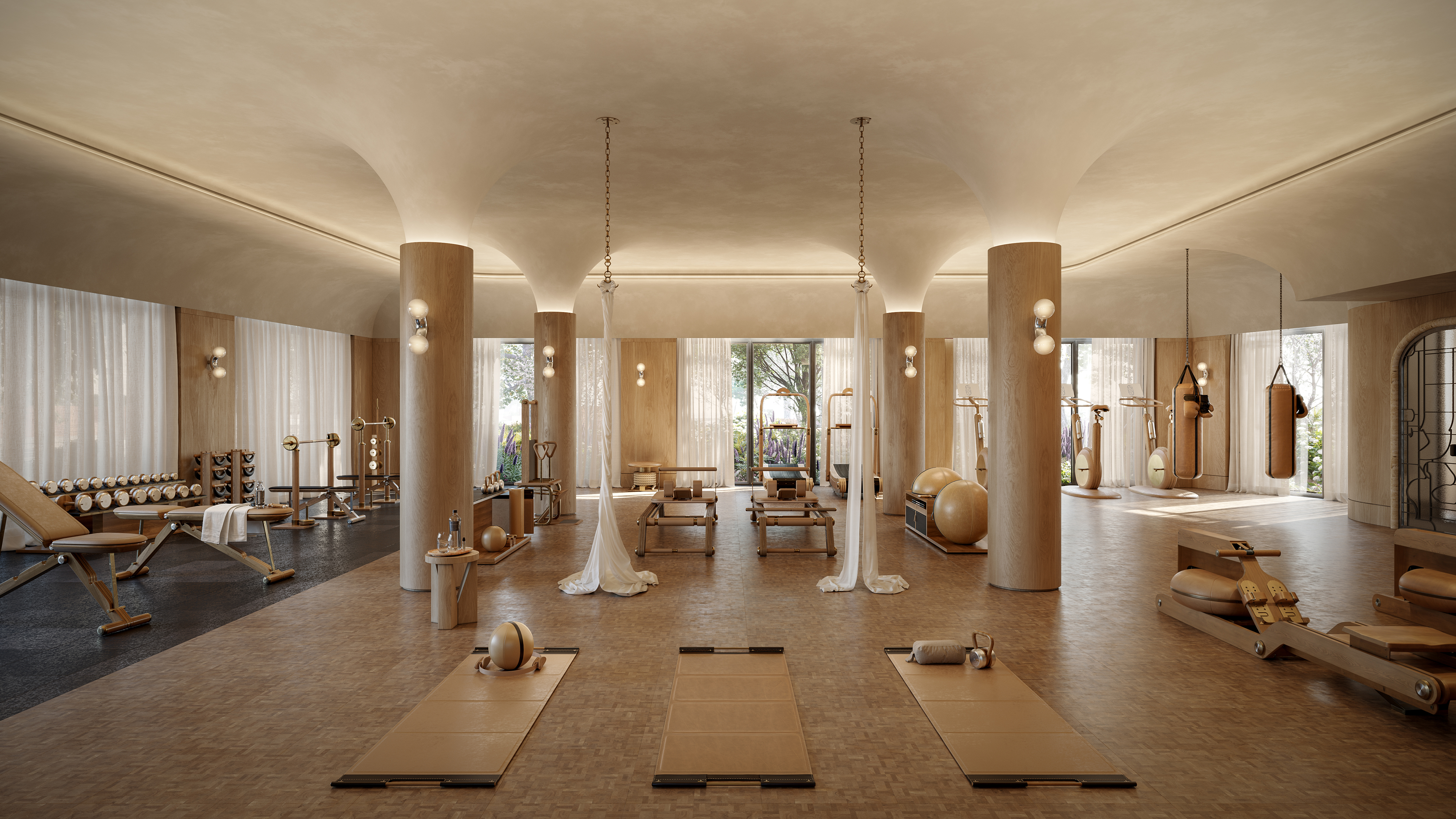
The gym at The Capston.
Much of it comes with a vocabulary that’s pretty space age to anyone under 30, too, with sales agents talking of biohacking and cryotherapy and nootropic drinks. Living for as long as possible is high in the minds of the wealthiest buyers these days, “and the next level of longevity-driven amenities includes hyperbaric oxygen therapy chambers, red light therapy walls, personalised chronobiology lighting systems and epigenetic testing stations,” comments Kate Donneky, managing director of the super-prime property management company Rhodium. It all makes prime London living sound like a science lab or circus designed by Blade Runner.
What’s clear is that, for London’s wealthy, buying a new-build apartment has become about far more than simply purchasing a property. It’s about finding a place that also offers the potential for 24/7, 360-degree self-improvement.
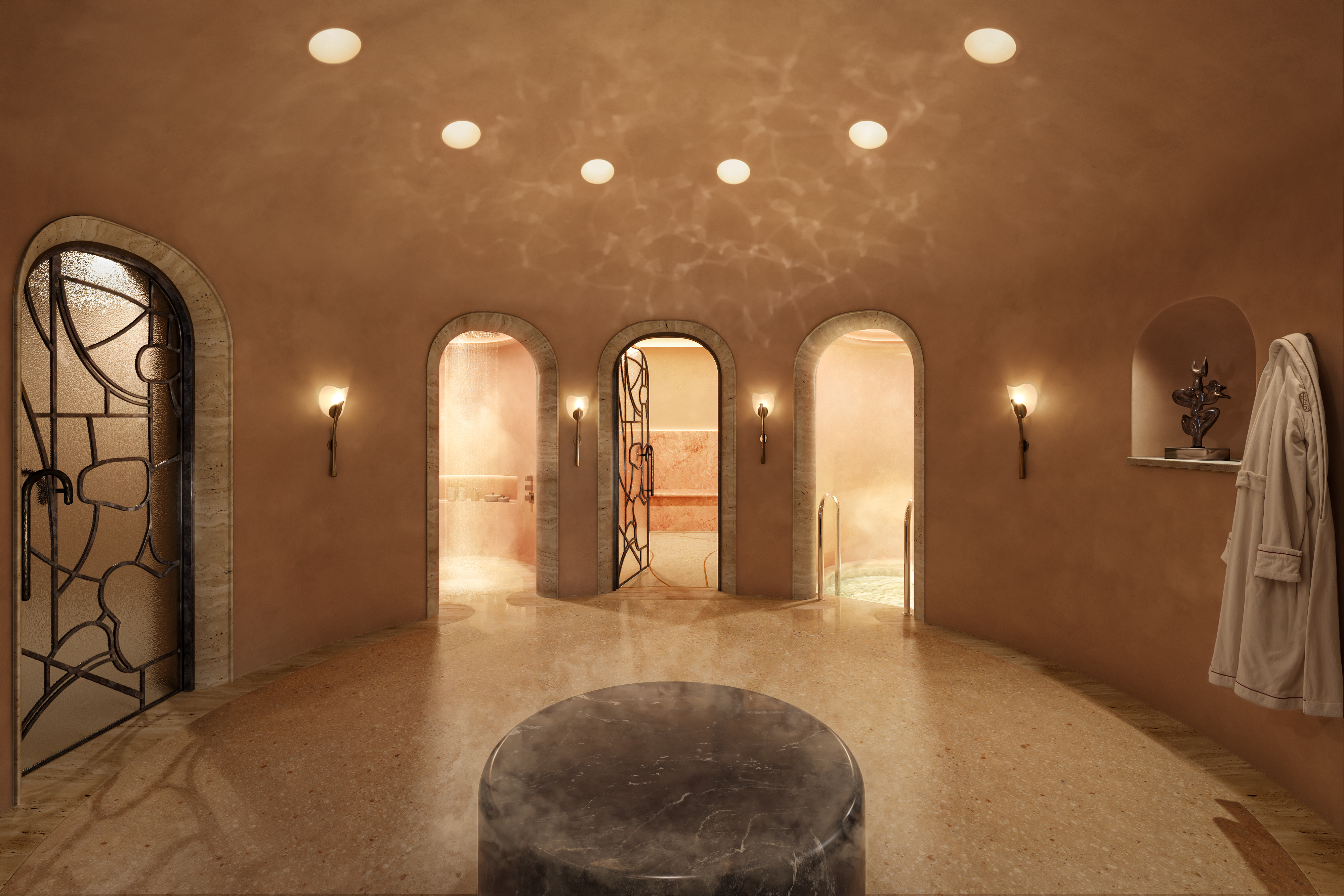
The Capston Healthclub.
“Wellness is no longer a buzzword; it is the battleground,” says Toby Downes from Haringtons’ UK buying agency. “Buyers want longevity: cryotherapy, red-light therapy, oxygen pods, recovery zones. They want silence at night, medical-grade air and proper cooling systems that mean you are not lying awake in a heatwave. If a £20m flat cannot deliver that, they will walk away.”
Fighting talk, indeed, and it makes sense. If you’re a billionaire living your best life, you want it to go on forever. But does having life-enhancing — maybe even life-prolonging — amenities on tap really make someone choose one development over another?
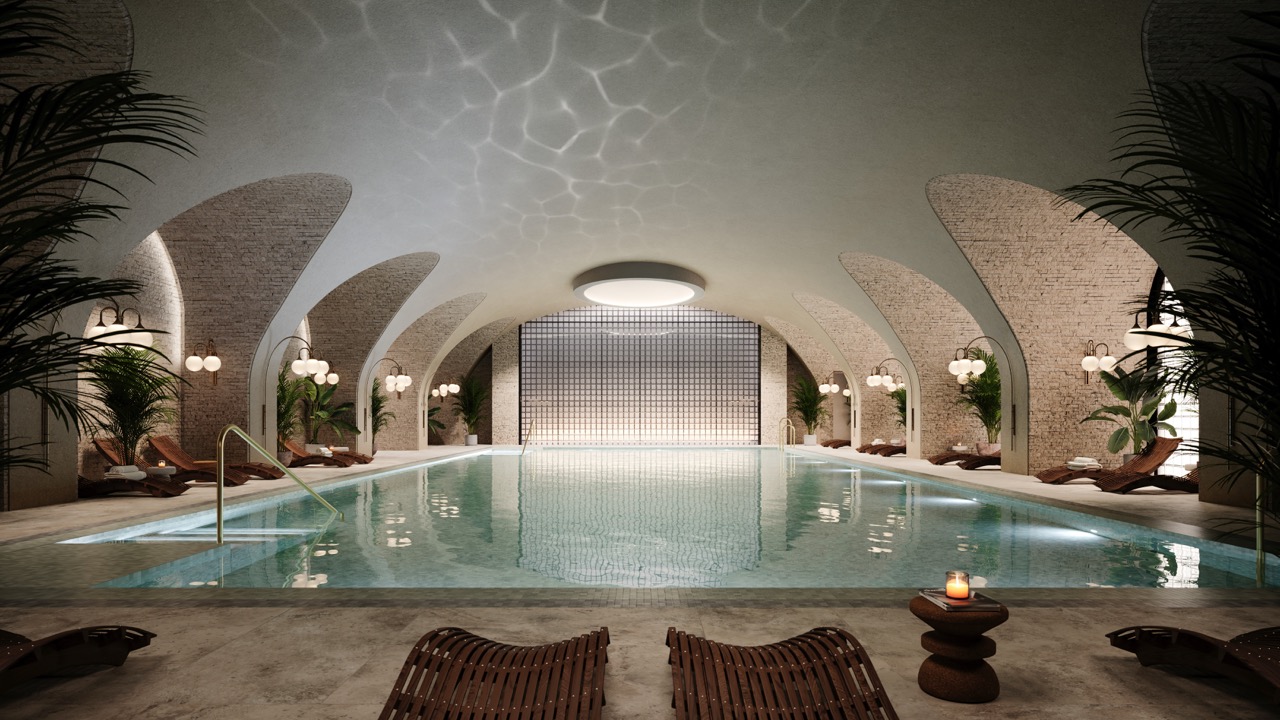
Six Senses, large pool, The Whiteley.
Absolutely, according to Alex Michelin, co-founder and CEO of Valouran, development managers of The Whiteley in Bayswater, where part of the huge juice bar is now a cryotherapy chamber. “People tell us, ‘I believe if I buy here, I’ll live longer.’ They see the cold plunge, the Peloton bikes and the hyperbaric chamber, and they feel it’s time to focus on their health — and they only need to take the lift downstairs to access it,” says Michelin.
Even the wealthiest one per cent can’t resist a bandwagon if it offers optimal health, it seems. The super-rich residents of The OWO Residences in Whitehall, where Raffles-branded apartments are priced up to £85m, have demanded that a cold plunge bath be installed. “Ultra-high net-worth buyers often won’t know what they need until they see someone else has it,” comments Robert Cox, head of new homes at Strutt & Parker London.
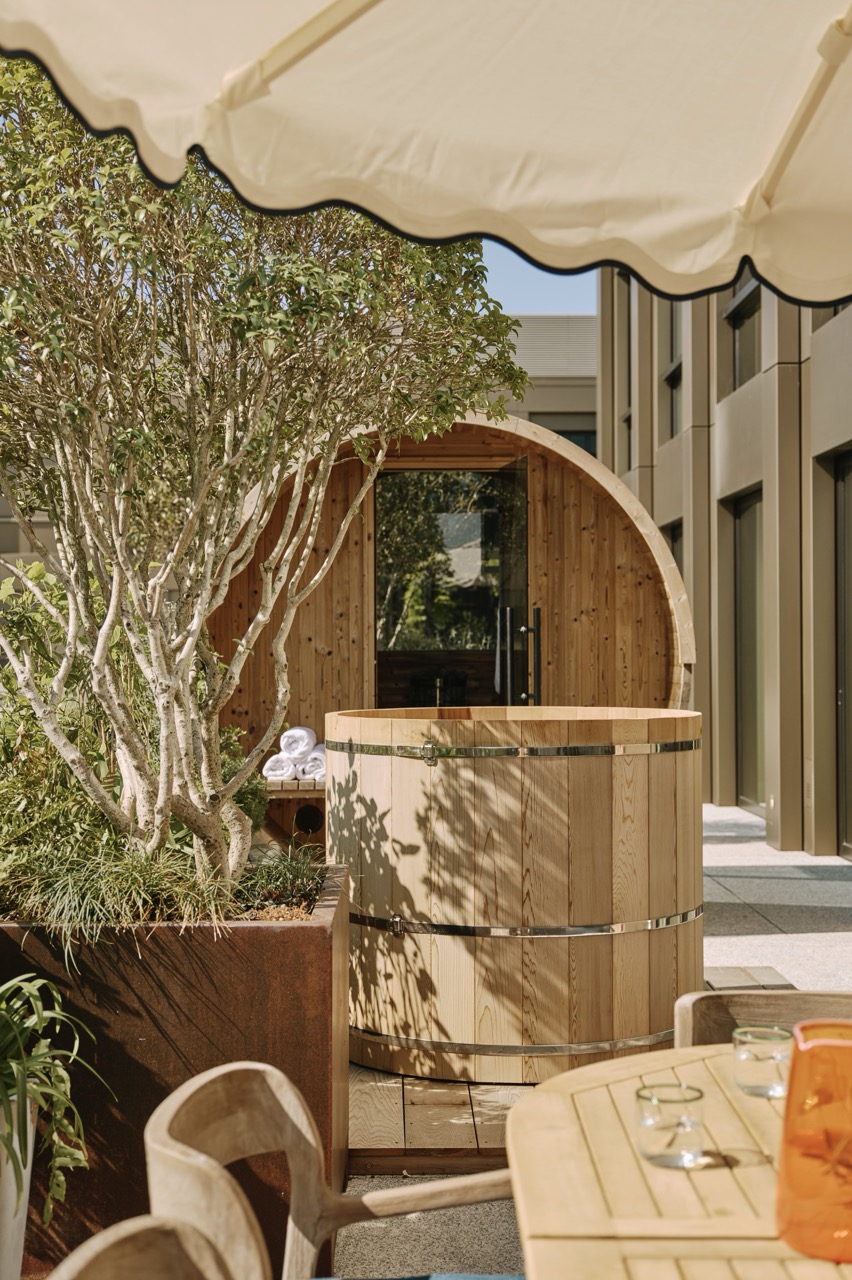
Chelsea Barracks, the Penthouse, Mullberry Square.
At Chelsea Barracks, where a concierge doctor service will administer your energising IV drips, the new five-bedroom penthouse at 9 Mulberry Square, on sale for £44m, features a timber-clad ice bath and barrel sauna feature on the huge wraparound terrace. “The luxury offerings here are driven by the evolving expectations of UHNW buyers seeking convenience, privacy and holistic wellbeing,” comments Chelsea Barracks’ chief sales and marketing officer, Richard Oakes.
On the fast-changing Battersea waterfront, a Victorian candle factory that once served royalty now forms part of The HiLight, a 24-storey tower that — when complete in March 2026 — will showcase London’s first residential rooftop designed for “full-sensory holistic restoration.” Think hot and cold running therapies, including three wellness pods with adaptable light, sound and mood, an ice bath and a terrace bar that serves up vitamin gummies and mushroom drinks.
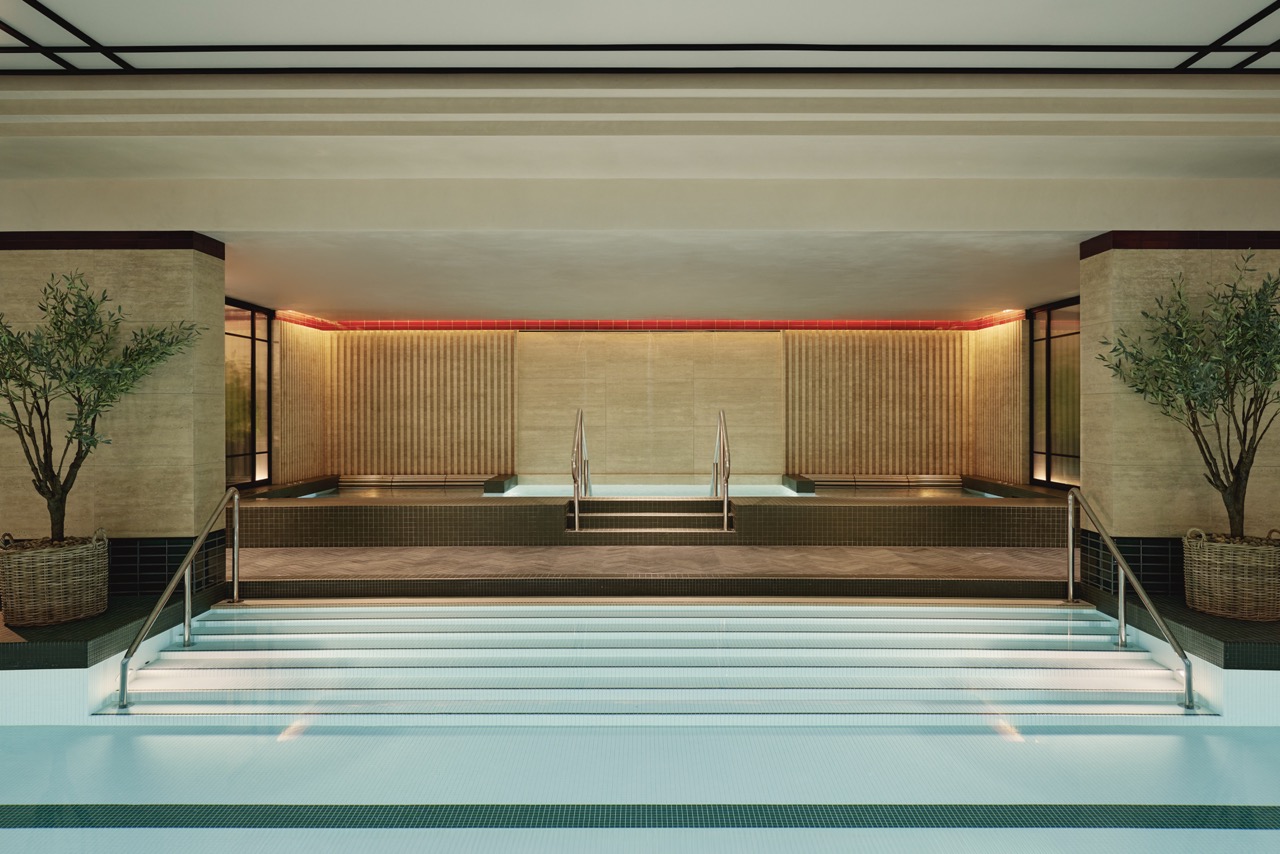
The pool at The Chelsea Barracks.
But is it all just woo-woo — or does it really woo property buyers into parting with their hard-earned (or inherited) cash? Marie-Julie Gheysens, managing director of The HiLight’s developers, Ghelamco UK, admits she approached this new world of wellness with a healthy dose of scepticism. “I questioned everything at the beginning, thinking, ‘isn’t this all just a marketing stunt?’ But I tested it all,” she says, mentioning regular trips to Bali and Bangkok to investigate ancient medicine and deep dives into health clinics from the legendary Lanserhof in Switzerland to the private members’ club-like Remedy Place in the US and London.
It helps, too, that Gheysens is only 31, so she brings a millennial open-mindedness to the challenge of how to enhance property buyers’ lives. “It’s so important to be preventative, which is different to proactive,” she says of The HiLight’s partnership with biohacking company Solace Health, which will help residents to transform their wellness and performance based on full body scans.
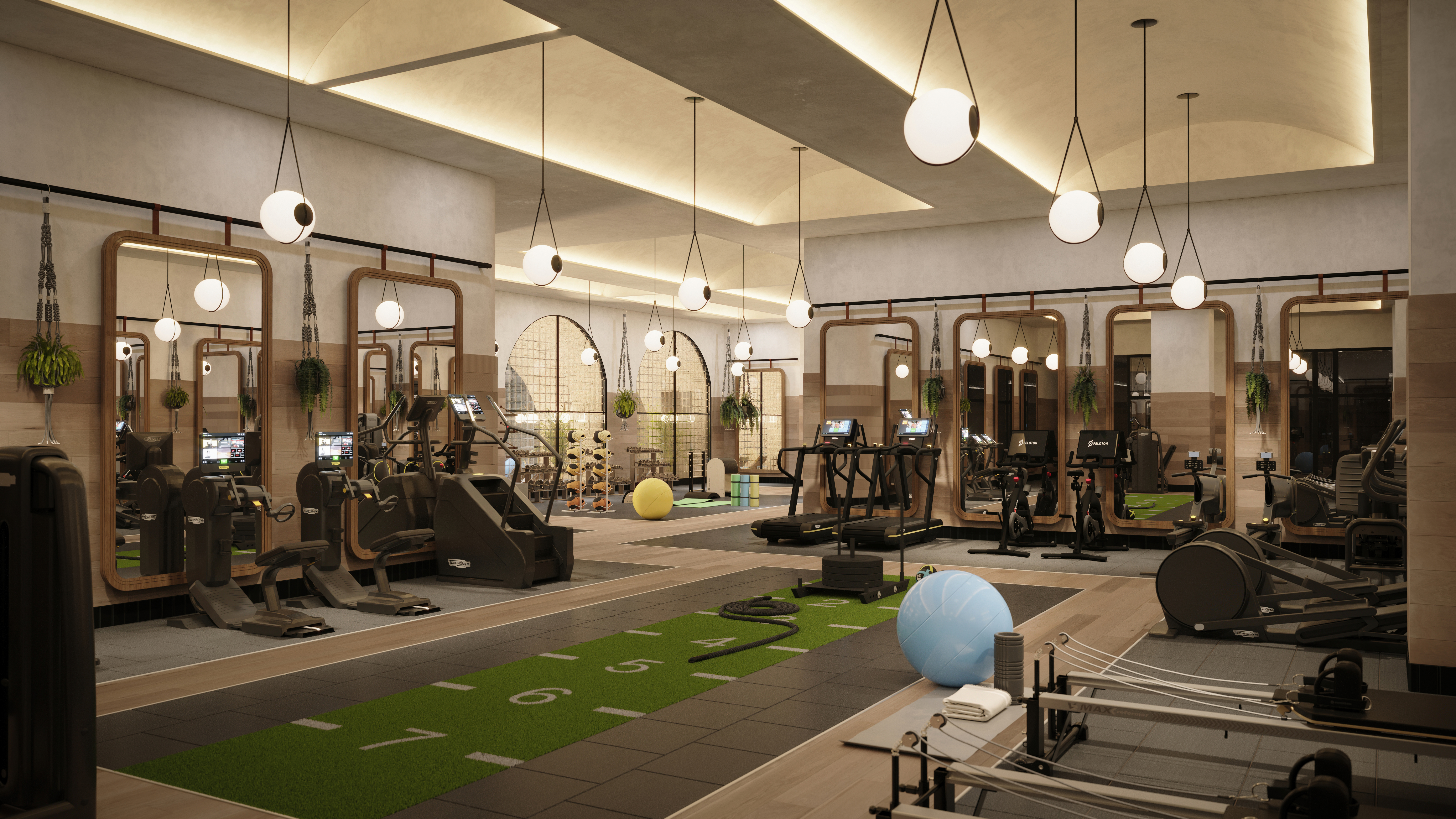
The gym at the Six Senses.
There are aromatherapy and meditation companies on board, too. “When you arrive at a spa, they ask you if you’ve come to relax, to be energised, to get grounded. We should ask the same questions when you visit a property development,” she says. “We need to push boundaries. It’s all about adding layers to people’s experience.”
Where luxury developments have focused in recent years on the communal — from dining rooms to shared social spaces — now the focus needs to be more on “self,” thinks Gheysens. “Americans have been looking at this move from physical improvement to the emotional aspect for a while. It’s about choosing a place to live based on what will make us feel better,” she comments.
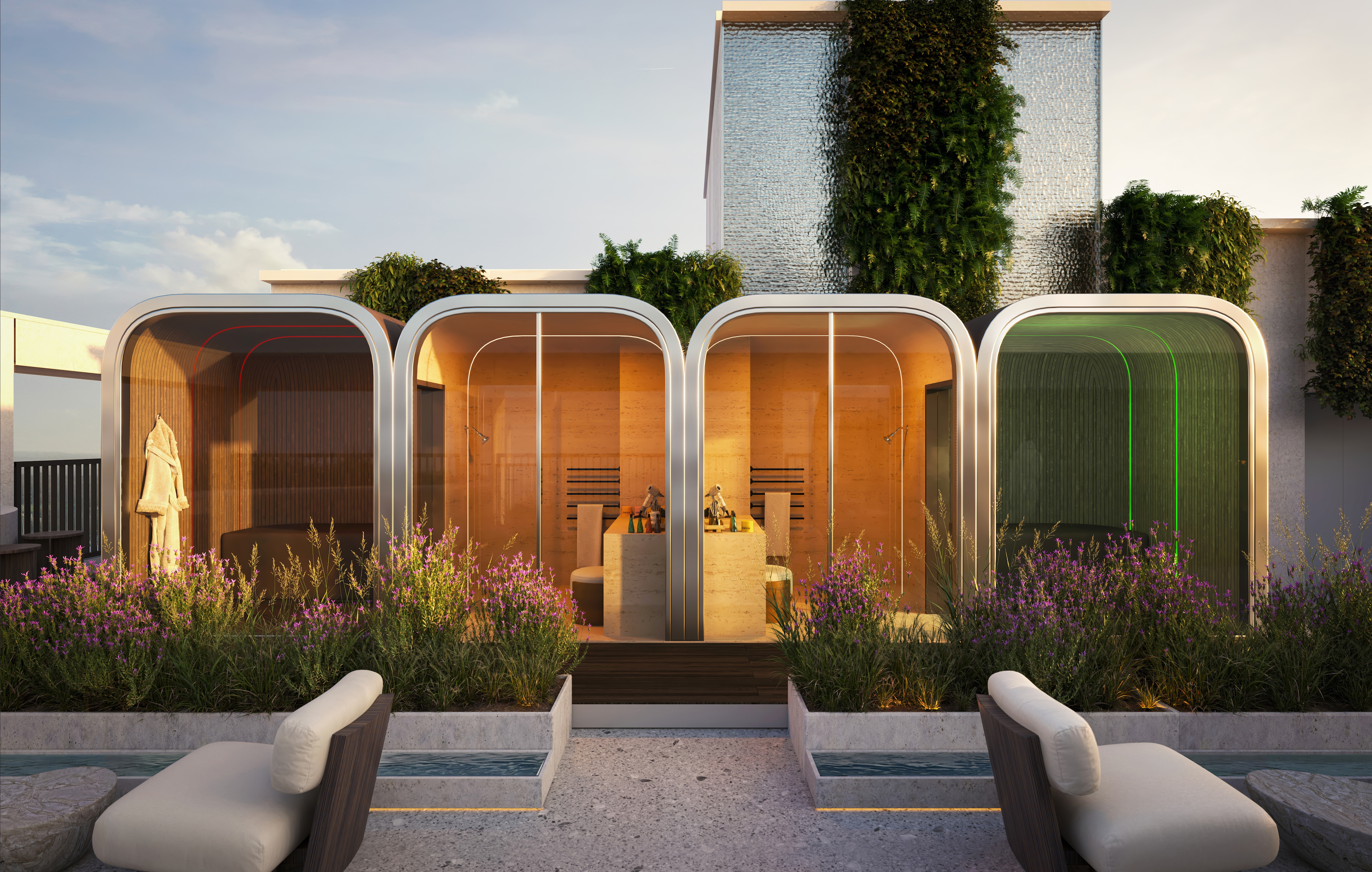
The HiLight wellness pods.
There’s no denying the Insta appeal, either, of an eye-catching amenity such as the glass sky pool suspended between two buildings at Embassy Gardens in Nine Elms, with its demographic of buyers and renters that can loosely be summed up as “the children of Chelsea families,” according to Brian De’ath, managing director of sales and marketing.
The newly launched final phase of Embassy Gardens is The Capston, where aerial silks — for those who prefer to do their yoga and Pilates at altitude — are part of the sensually designed gym with its mushroom-like pillars and timber-clad machines. “It’s a niche offering, but core and grip strength are essential as we age,” says De’ath.
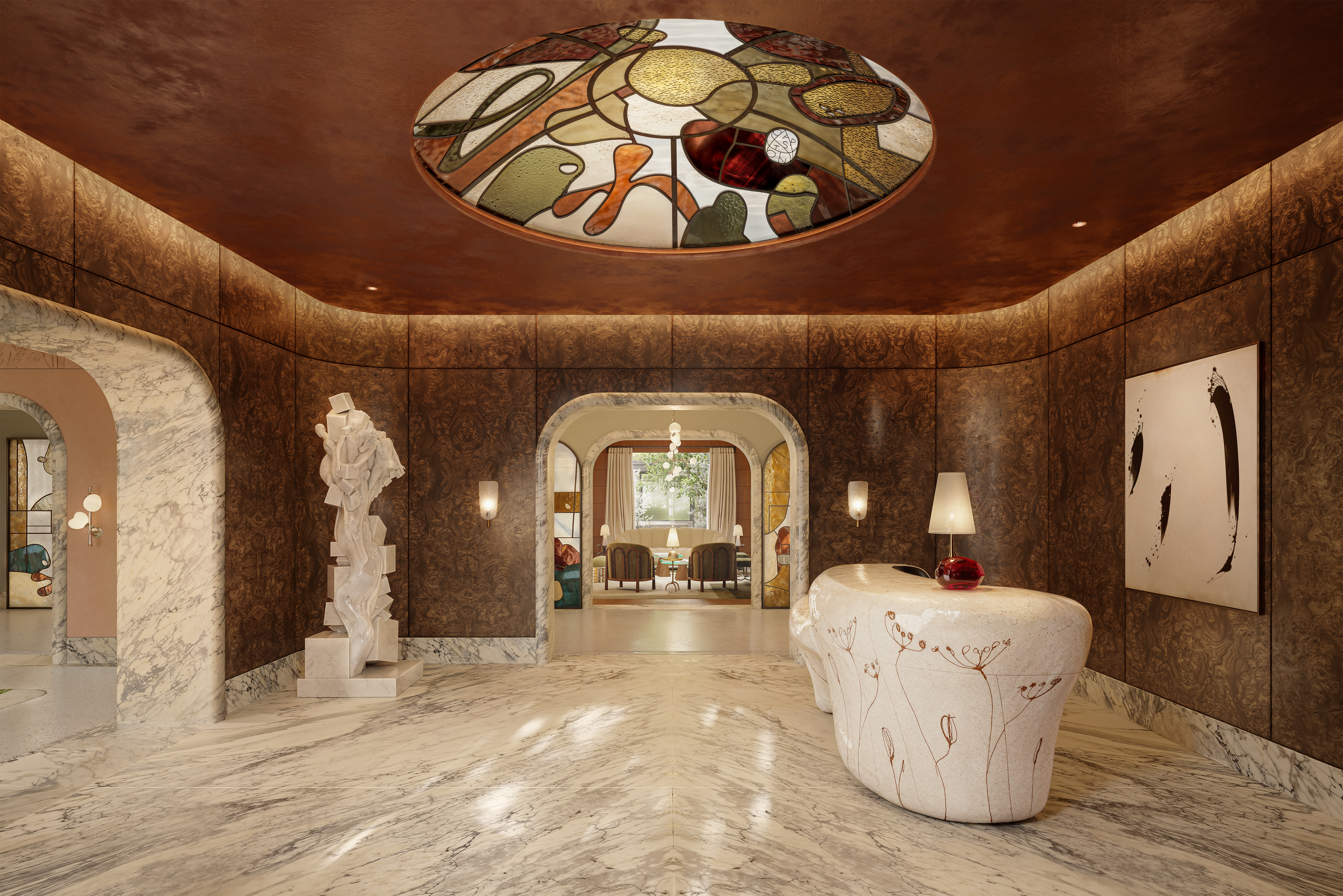
Downstairs at The Capston, Embassy Gardens.
It’s never a case, though, of creating something purely for the sake of being different, and it’s not just about “the toys,” he adds. “We leave the golf simulators and arcade games to the many London venues that do it so much better than us. I don’t want to bring that stuff into the place I live in. Our main motivator is what environment we are creating as you journey throughout the building. Within that, you can have your personalised experience, whether it’s your private PT in the gym or aesthetician in the spa.”
Given a three-year lapse between launching sales and handing over the keys, developers need to know that their offering won’t just be a fad that fades. Swimming pools are losing their lustre in mid-size schemes as even the super-rich baulk at how they bump up the service charges (and are rarely used). “Show a billionaire family a shared basement pool and they’ll walk away; show them a penthouse with its own spa and nail salon, and it instantly changes things,” comments Olivia McSweeney at Sotheby’s International Realty UK.
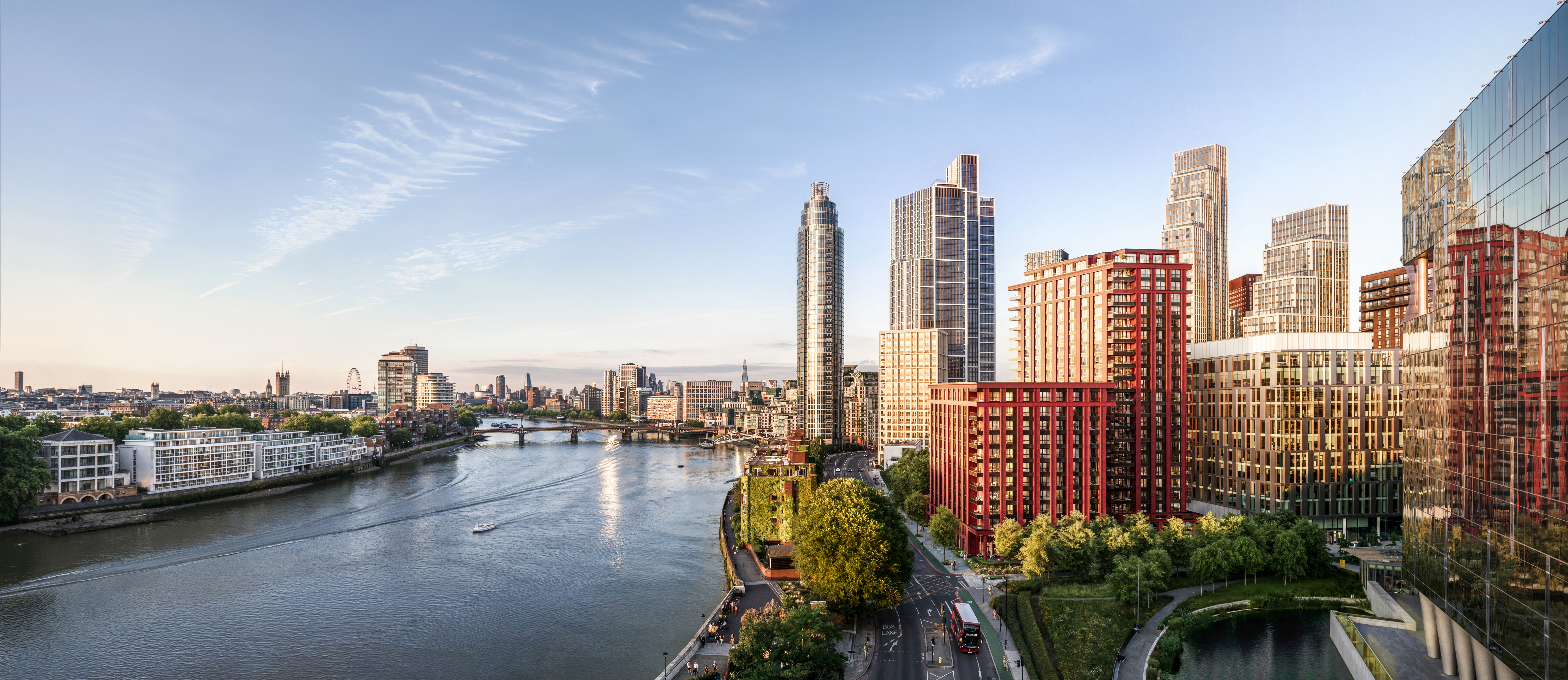
Luxury new builds with wellness facilities - The Capston.
But cryotherapy is here to stay, asserts Alex Michelin. “People are even asking us to design hyperbaric chambers for their private homes, not just for big developments,” he says. So popular is this form of self-preservation for the super-rich, he’s working out how to incorporate one in his latest scheme, Bishops Avenue Gardens in Hampstead’s original “billionaires avenue” (a moniker that now applies to most of the affluent enclave).
The padel boom is “unstoppable” too, thinks Rupert des Forges, Knight Frank’s head of Prime Central London. “If you have a building that can take a padel court rather than a private cinema, then that’s definitely of interest to buyers.” Pickleball will surely be next — in Miami, The Standard Residences has a court that doubles as a disco floor — but for now London is padel mad, including a court tucked into the Victorian railway arches at Bankside Yards in Blackfriars.
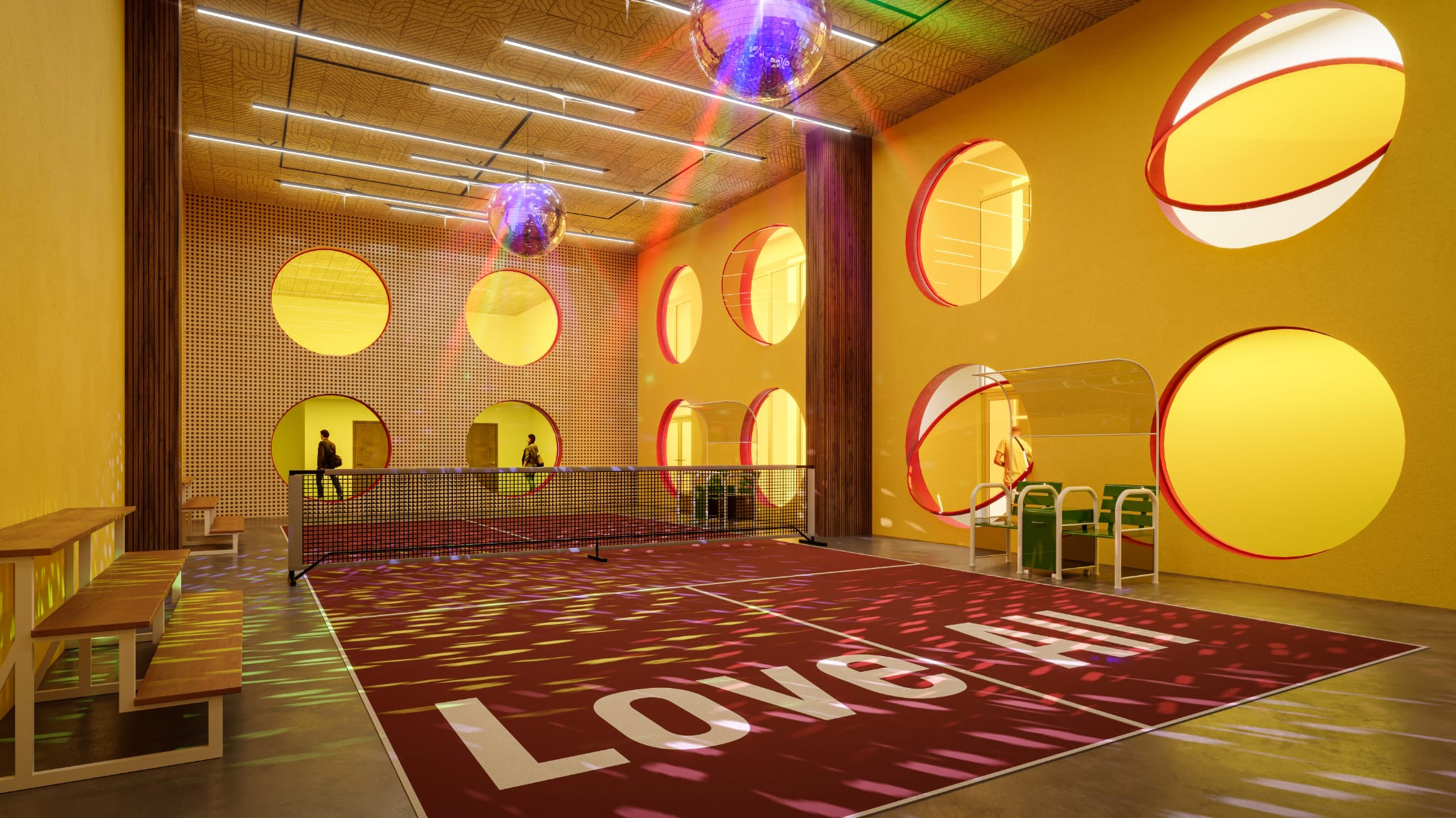
The Standard Midtown Pickleball.
Podcast rooms are also big news in US developments — and Opus, Bankside Yards’ first residential tower, includes one for residents, along with music and art studios. “Flexibility” is the key to futureproofing, says Native Land’s executive director, Nicholas Gray. “These studios can evolve into creative hubs, private wellness spaces or something entirely new, depending on how residents choose to use them,” he comments.
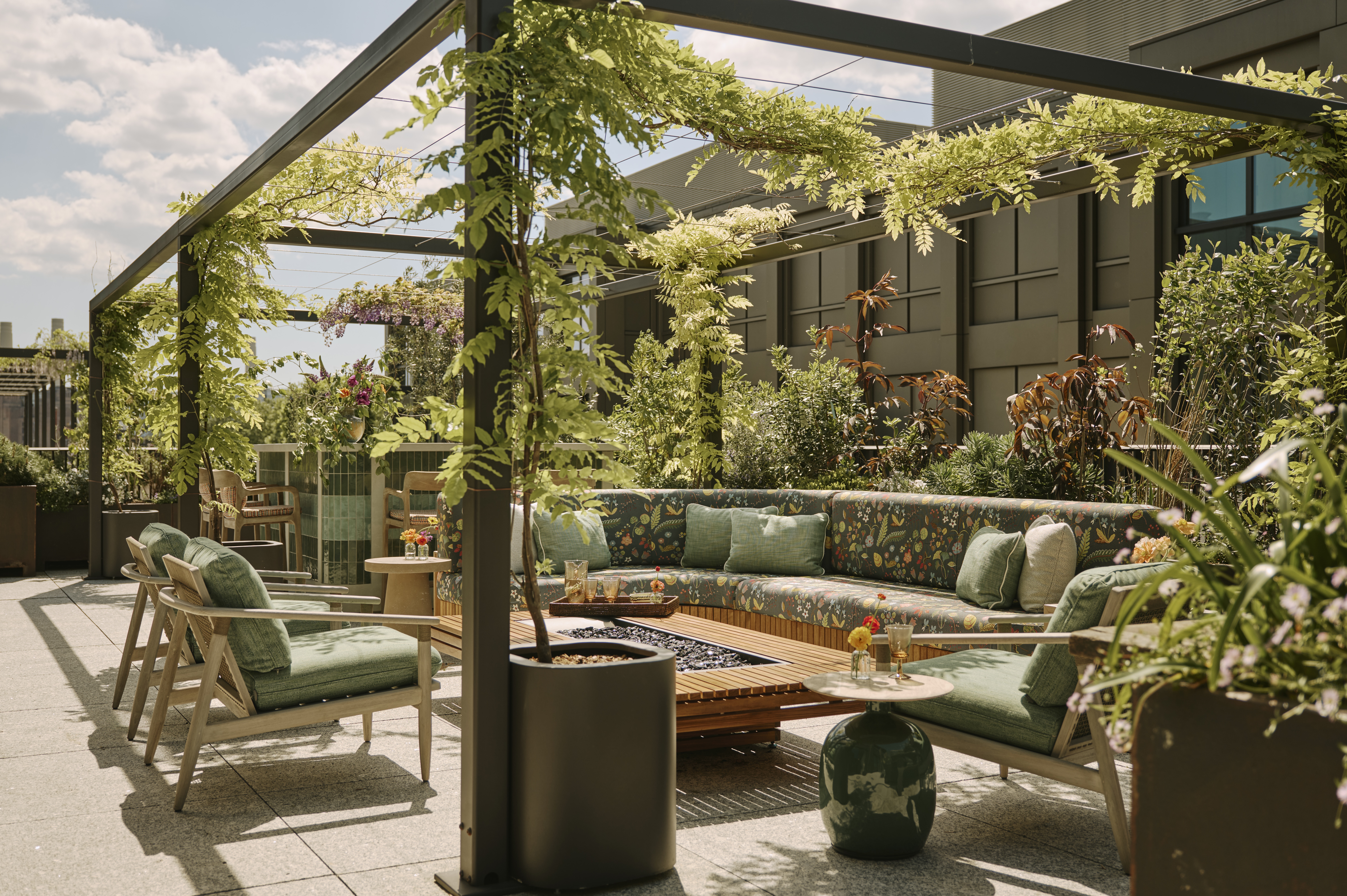
Chelsea Barracks penthouse, Mulberry Square.
And what about ice baths? Yasmin Ulhaq, founder of Glenfield Property Management – who manages high-net-worth clients’ London homes and investment properties, including in developments such as Chelsea Creek and 20 Grosvenor Square — audibly sighs. “They make people feel good, and developers will pack in every type of extravagant add-on to cater to buyers’ every whim, so I think they’re here to stay,” she says.
She’s sceptical about some trends. “Serious golfers don’t want golf simulation rooms,” she says. “And cryotherapy chambers. Who wants to stand in minus 100 degrees for recovery?” What buyers really like, however, isn’t necessarily using these luxury amenities, but knowing they can if they want to. “They love the wow factor and the idea of self-optimisation,” says Ulhaq, “even if they never find time to actually go near the gym.”